
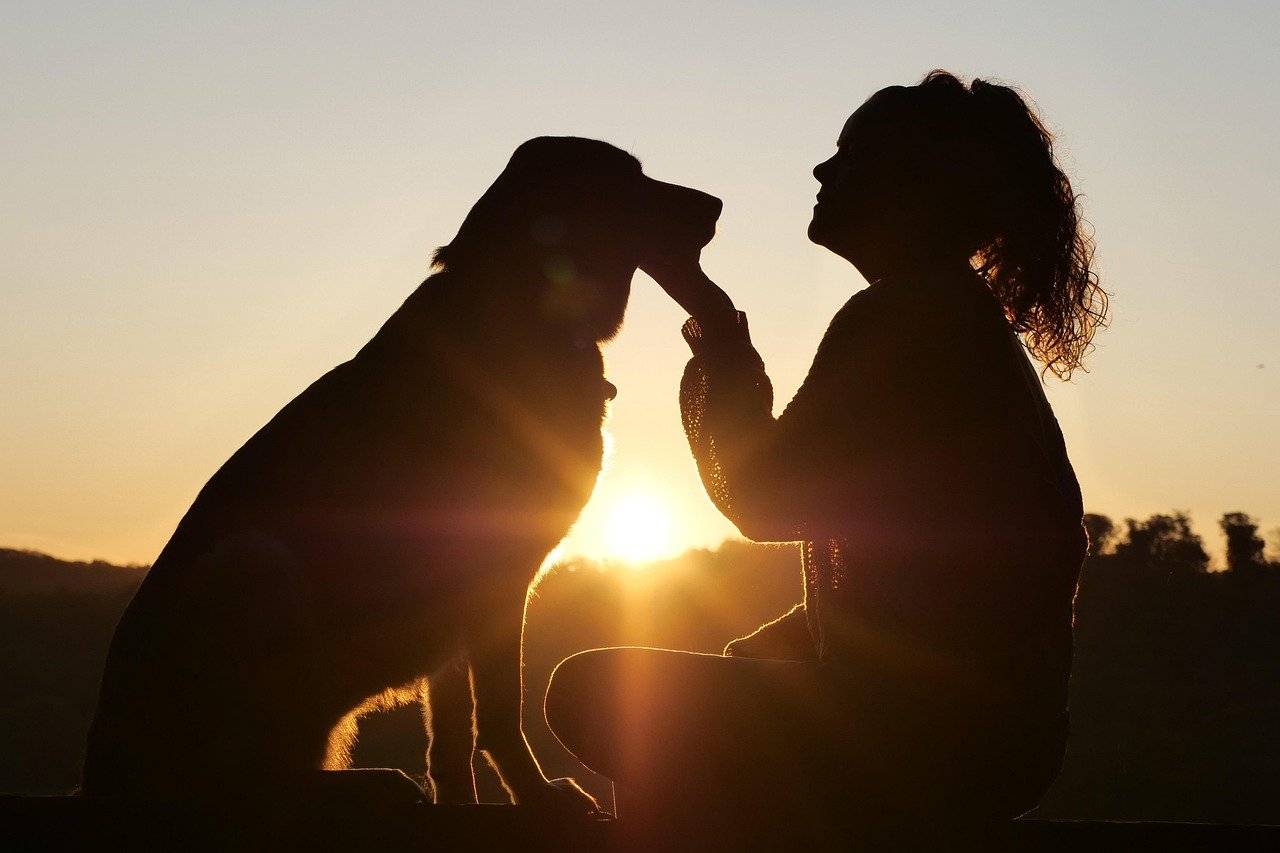
Every dog owner knows that magical moment when their furry friend gazes into their eyes with unwavering devotion, tail wagging with pure joy at their mere presence. But what creates this extraordinary connection between two entirely different species? The answer lies in a remarkable evolutionary partnership that stretches back thousands of years, combining fascinating science with heartwarming emotion. This incredible bond isn’t just about companionship – it’s a biological phenomenon that has literally rewired both human and canine brains to create one of nature’s most successful interspecies relationships.
The Science Behind the Stare: How Eye Contact Creates Chemical Magic
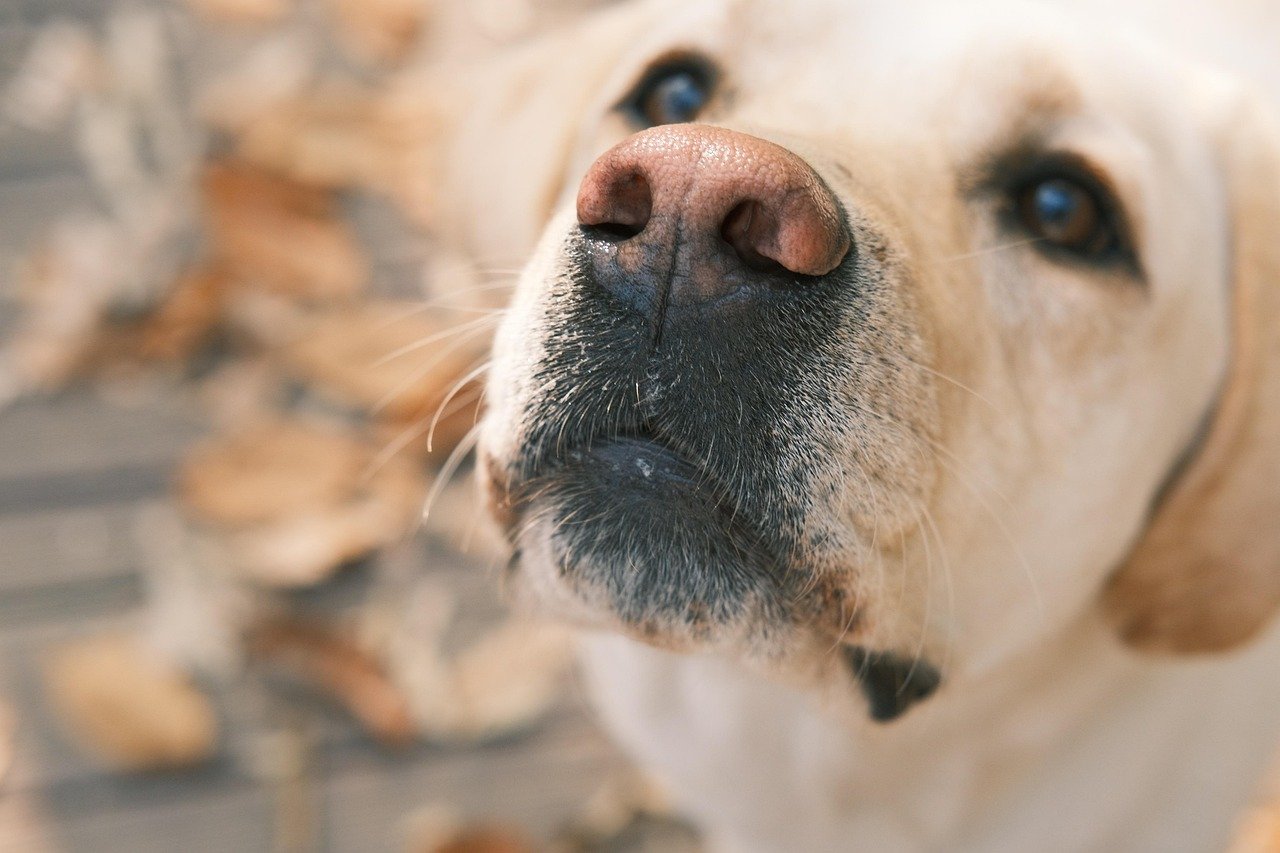
When you lock eyes with your dog, something extraordinary happens. The results suggest that human-dog interactions elicit the same type of oxytocin positive feedback loop as seen between mothers and their infants, and that, in turn, may explain why we feel so close to our dogs, and vice versa. This isn’t just poetic thinking – it’s hard science at work in the most intimate moments between you and your pup.
Research has shown that mutual gazing increased oxytocin levels, and sniffing oxytocin increased gazing in dogs, an effect that transferred to their owners. These results support the existence of a self-perpetuating oxytocin-mediated positive loop in human-dog relationships that is similar to that of human mother-infant relations. Think of it as nature’s way of creating an unbreakable emotional circuit between species that should, by all evolutionary logic, remain distant.
The Love Hormone: Oxytocin’s Role in Interspecies Bonding

A number of studies have shown that when dogs and humans interact with each other in a positive way (for example cuddling) both partners exhibit a surge in oxytocin, a hormone which has been linked to positive emotional states. This powerful neurochemical, often called the “love hormone,” doesn’t discriminate between species when it comes to creating profound emotional connections.
Oxytocin enhances social motivation to approach and affiliate with conspecifics and human partners, which constitutes the basis for the formation of any stable social bond. The domestic dog oxytocin enhances social motivation to approach and affiliate with conspecifics and human partners. Your dog’s enthusiasm when you walk through the door isn’t just learned behavior – it’s a chemical celebration happening in their brain that mirrors your own emotional response to seeing them.
Evolutionary Partnership: How Domestication Rewired Connection
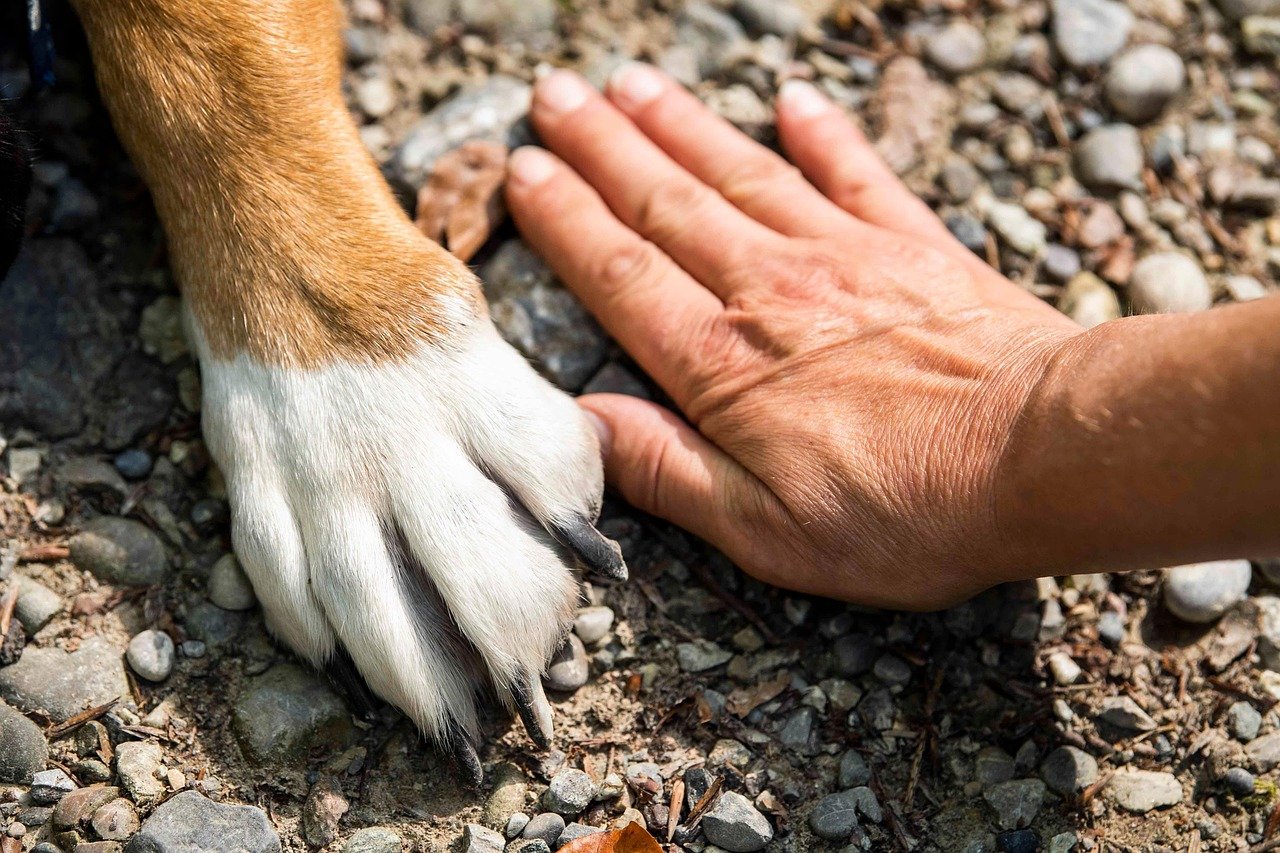
The human–canine bond is rooted in the domestication of the dog, which began occurring through their long-term association with hunter-gatherers more than 30,000–40,000 years ago. For centuries, the phrase “man’s best friend” has commonly been used to refer to dogs, as they were the first species and the only large carnivore to have been domesticated. This wasn’t just a random partnership – it was an evolutionary masterstroke that changed both species forever.
Scientists compared dog and wolf genetics, they found differences in the genes for receptors of the hormone oxytocin, which promotes bonding and affection. Additionally, epigenetic variations were also discovered between wolf and dog oxytocin receptors. Some authors proposed that epigenetic changes in evolving wolves brought about a cascade of neurobehavioral transitions that have facilitated domestication. Your dog’s ancestors literally evolved to love humans at a genetic level, creating a bond that goes deeper than simple training or conditioning.
Beyond Genetics: The Power of Life Experience in Creating Attachment
Dogs release increased oxytocin during social contact with humans due to life experiences, not because of domestication alone. Most American families consider their dogs to be family members. While genetics provides the foundation, it’s the daily interactions, shared experiences, and mutual care that transform potential into profound connection.
The human-canine bond is strengthened, or diminished, depending on the quantity and quality of the time spent with the canine and through activities such as routine walking, feeding, grooming, and play. Studies demonstrate the canines’ innate desire to form an attachment with a human, and also demonstrate the positive health effects for the canine associated with the relationship. Every walk, every training session, every quiet moment on the couch becomes another thread in an increasingly strong emotional tapestry.
Reading the Silent Language: How Dogs Communicate Their Devotion

Observing your dog’s body language is critical to understanding their emotions and needs. A dog’s message or expression involves the actions of each body part, such as its position, tightness, and speed of movement. Dogs don’t need words to express their deep attachment – their entire body becomes a canvas of emotion and intent.
If you learn what your dog is saying, you will develop a deeper bond of trust and respect. Plus, your newfound understanding of your dog’s emotional state can help you predict their behavior and prevent problems before they arise. When your dog approaches with soft eyes, a loose wagging tail, and relaxed posture, they’re not just seeking attention – they’re demonstrating the depth of their emotional investment in your relationship. Watch for these subtle signs: the helicopter tail wag reserved just for you, the way they position themselves to maintain visual contact, or how they lean into your touch during quiet moments.
The Touch Connection: Physical Bonding Beyond Words
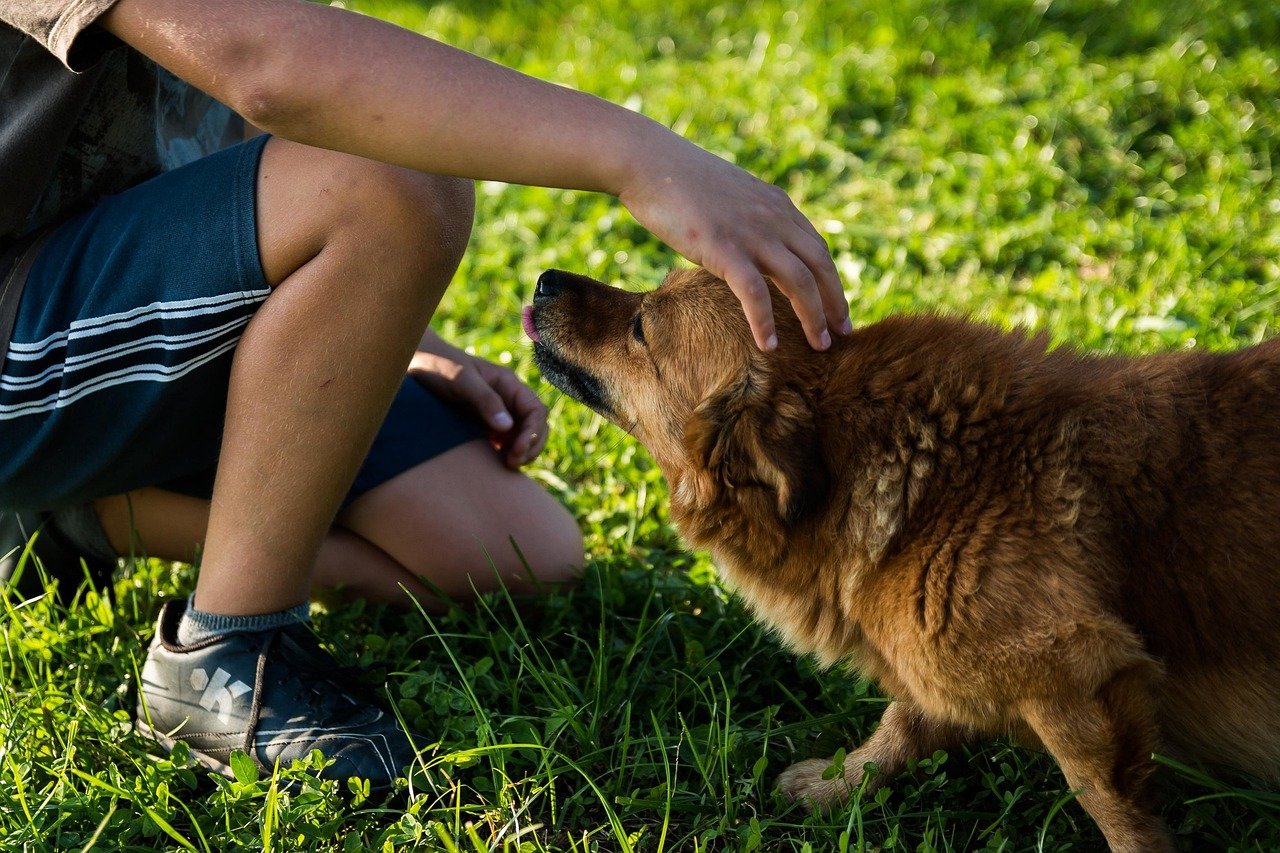
In humans, a decrease of both blood pressure and heart rate and an increase of the immune system function have been reported after petting dogs. Otherwise, being petted serves as positive reinforcement for dogs as confirmed by associated heart-rate deceleration. The simple act of stroking your dog’s fur creates a cascade of beneficial effects for both of you – it’s like a biological reward system designed to encourage continued closeness.
Canines seem to better tolerate physical contacts (displaying less conflict and withdrawal behavioral responses) on the sides of their chest and under their chin. However, given that dogs’ reactions to handling depend on different factors, there is no scientific concluding evidence yet concerning how specific interactions affect dogs differently. Understanding your individual dog’s preferences for physical contact deepens your bond while respecting their comfort zones. Some dogs melt into full-body snuggles, while others prefer gentle chin scratches or chest rubs – learning these preferences shows your dog that you truly understand them.
Emotional Telepathy: How Dogs Read Our Feelings
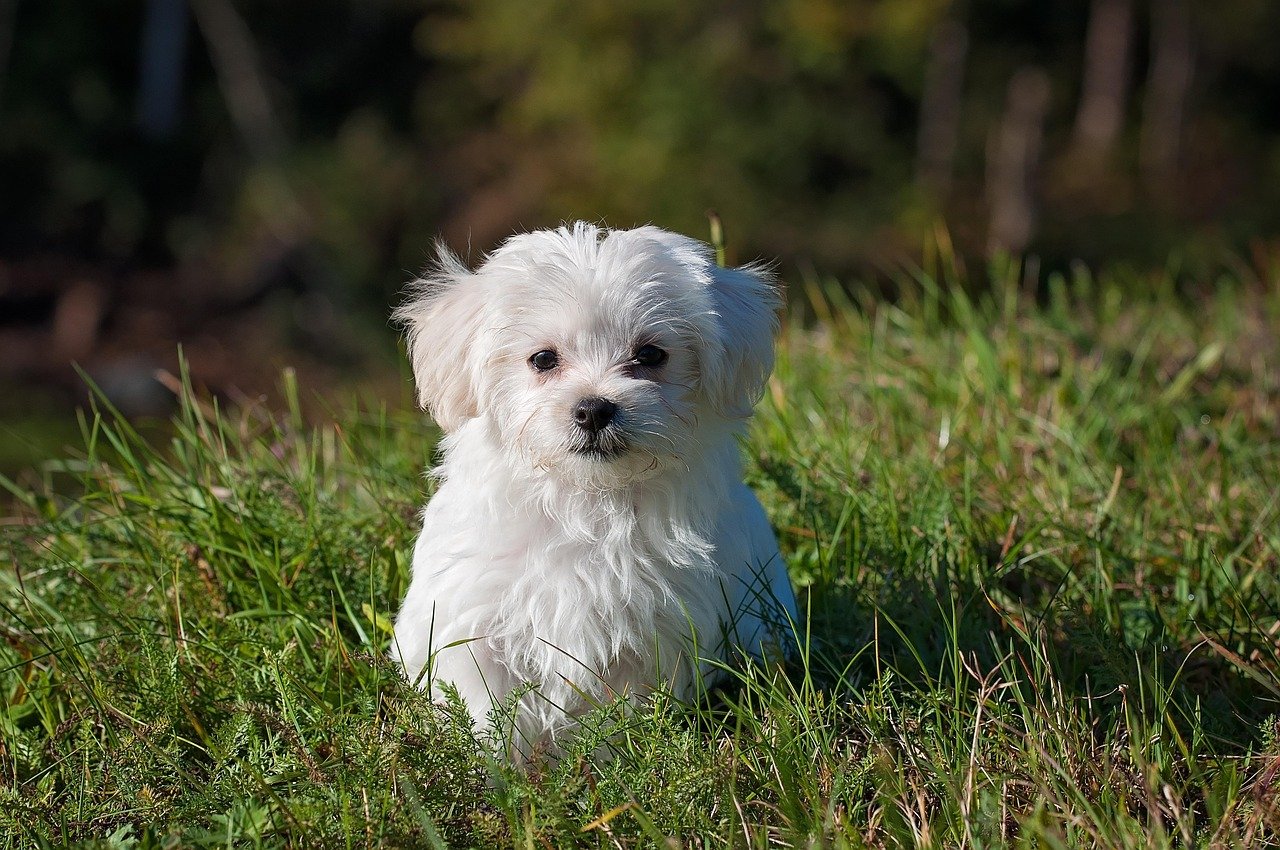
Not only are dogs finely attuned to our body language, but they also can smell our emotional state, as shown by a study done at the University of Bari in 2018. Our dogs’ ability to understand how we’re feeling is one of the reasons we have such a special bond with them. Your dog doesn’t just see you – they feel you on a level that goes beyond human comprehension.
Your dog picks up on subtle changes in your mood based on the slight shifts in your body language and can start to mirror those energy changes. Our emotions and body language can have an effect on our dog’s behavior, for better or for worse. This emotional synchronization explains why dogs often seem to know exactly when we need comfort most. They’re not psychic – they’re incredibly sophisticated emotional processors who have evolved to read us like an open book. When you’re stressed, they feel it; when you’re happy, they celebrate with you.
The Mutual Benefits: Why This Bond Serves Both Species

The overwhelming majority of American dog owners report that they feel as if their dog is a member of their family. Many Western owners allow their dogs to sleep in their beds with them and report lessened anxiety. Almost universally positive outcomes are reported among those who keep dogs as pets. This relationship isn’t just emotionally fulfilling – it’s literally life-enhancing for both species involved.
Today, the most widespread form of inter-species bonding occurs between humans and dogs. The concept of friendship has ancient origins, but it may have been enhanced through the inter-species relationship to give a survival advantage. From reducing stress hormones to providing companionship and security, the human-dog bond offers tangible benefits that have kept this partnership thriving for millennia. Dogs give us purpose, routine, and unconditional acceptance, while we provide them safety, care, and the social structure they crave. It’s a perfect example of mutualism in nature – both species genuinely benefit from this extraordinary alliance.
Conclusion
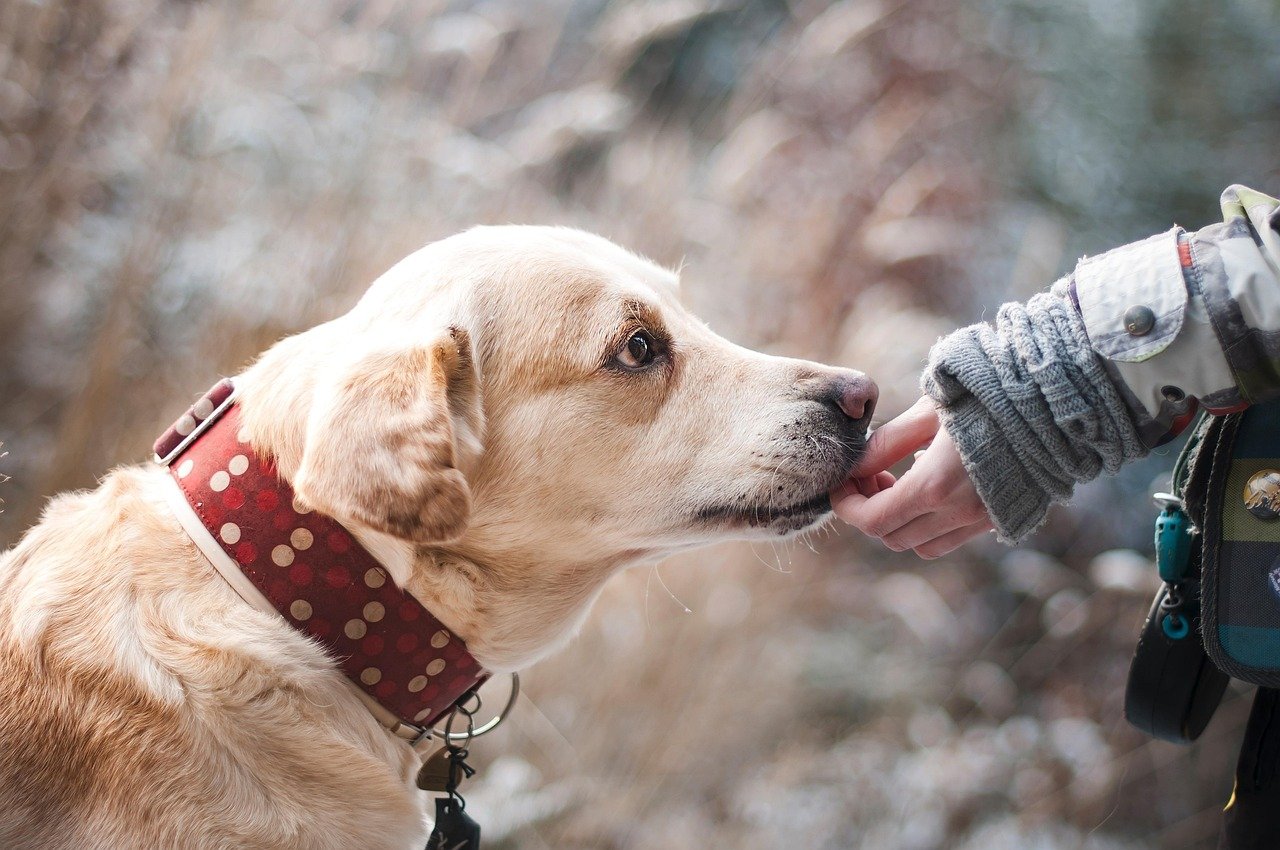
The bond between humans and dogs represents one of evolution’s most remarkable success stories – a partnership so profound it literally rewired our brains to love across species lines. This positive feedback loop may have played a critical role in dog domestication. As wolves were morphing into dogs, only those that could bond with humans would have received care and protection. And humans themselves may have evolved the ability to reciprocate, adapting the maternal bonding feedback loop to a new species. From the chemical dance of oxytocin during eye contact to the subtle language of tail wags and gentle touches, every interaction between you and your dog builds upon thousands of years of evolutionary partnership. This isn’t just pet ownership – it’s participating in one of nature’s most beautiful examples of interspecies cooperation and love.
What makes this bond even more remarkable is that it continues to evolve with each generation, strengthened by daily acts of care, understanding, and mutual respect. So the next time your dog looks at you with those devoted eyes, remember: you’re not just seeing affection – you’re witnessing the result of an ancient evolutionary contract written in the language of love itself. Isn’t it amazing how two different species can share something so profoundly universal?


