
Picture this: you’ve had the worst day imaginable. You stumble through your front door feeling defeated, exhausted, and questioning everything. But there, waiting by the entrance, is a furry bundle of pure excitement bouncing toward you like you’re the most important person who has ever existed. Your dog doesn’t care about your bad hair day, your work stress, or that awkward conversation you had with your neighbor. In their eyes, you’re absolutely perfect, and your return home is the highlight of their entire day.
This unwavering devotion isn’t just heartwarming – it’s backed by fascinating science and thousands of years of evolution. But what exactly makes our canine companions so incredibly loyal? The answer lies in a beautiful combination of biology, chemistry, evolutionary history, and the unique bond that has developed between humans and dogs over millennia.
The Ancient Bond That Started It All
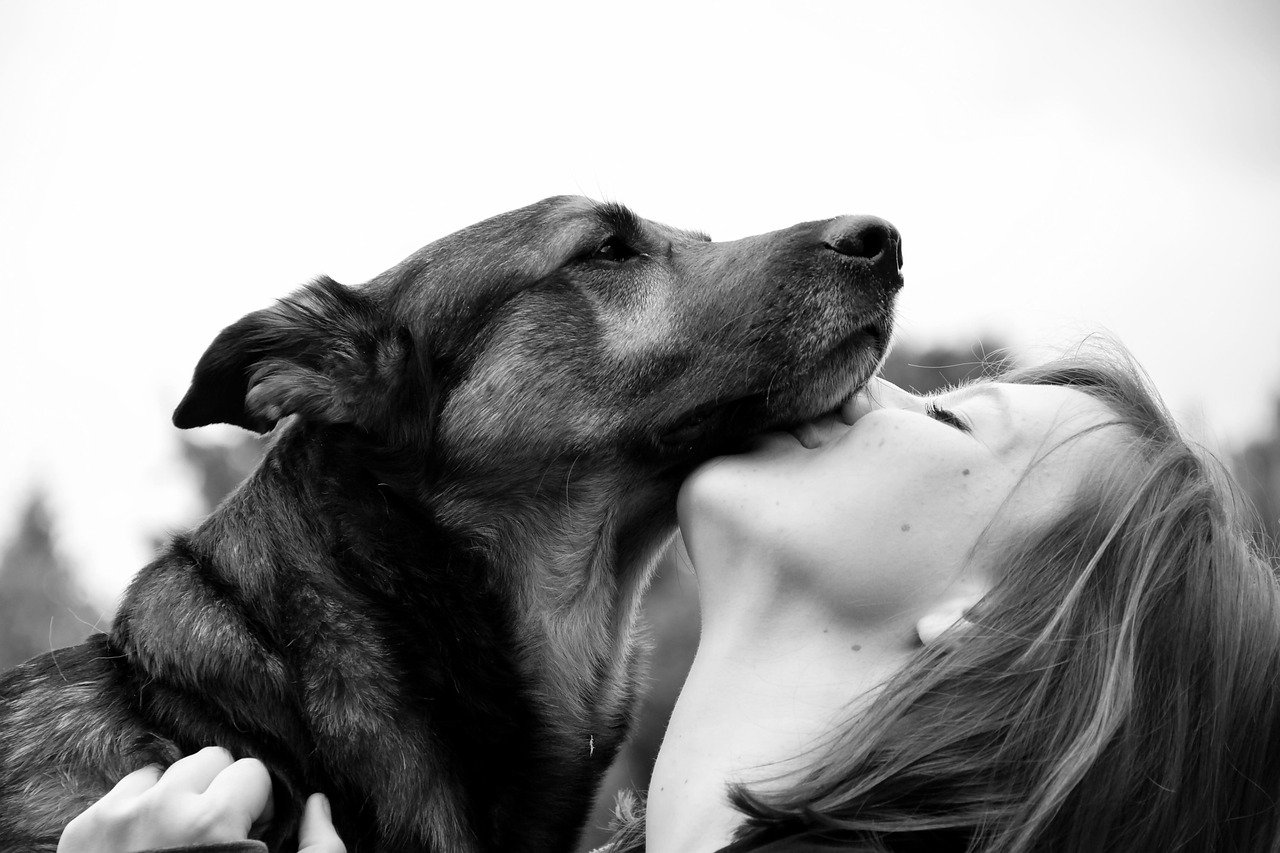
The dog was the first species to be domesticated by humans, with current evidence suggesting this occurred between 15,000-30,000 years ago, though some researchers suggest this relationship began even earlier. This wasn’t just a random pairing – it was a strategic alliance that changed both species forever.
Think about it: our ancestors were hunter-gatherers facing harsh environments and constant threats. Early humans moved from scavenging and small-game hunting to big-game hunting by living in larger, socially more-complex groups, learning to hunt in packs, and developing powers of cooperation and negotiation in complex situations. As these are characteristics of wolves, dogs and humans, it can be argued that these behaviours were enhanced once wolves and humans began to cohabit. This mutual partnership created a foundation of trust and cooperation that still influences our relationships with dogs today.
Pack Mentality in a Human World
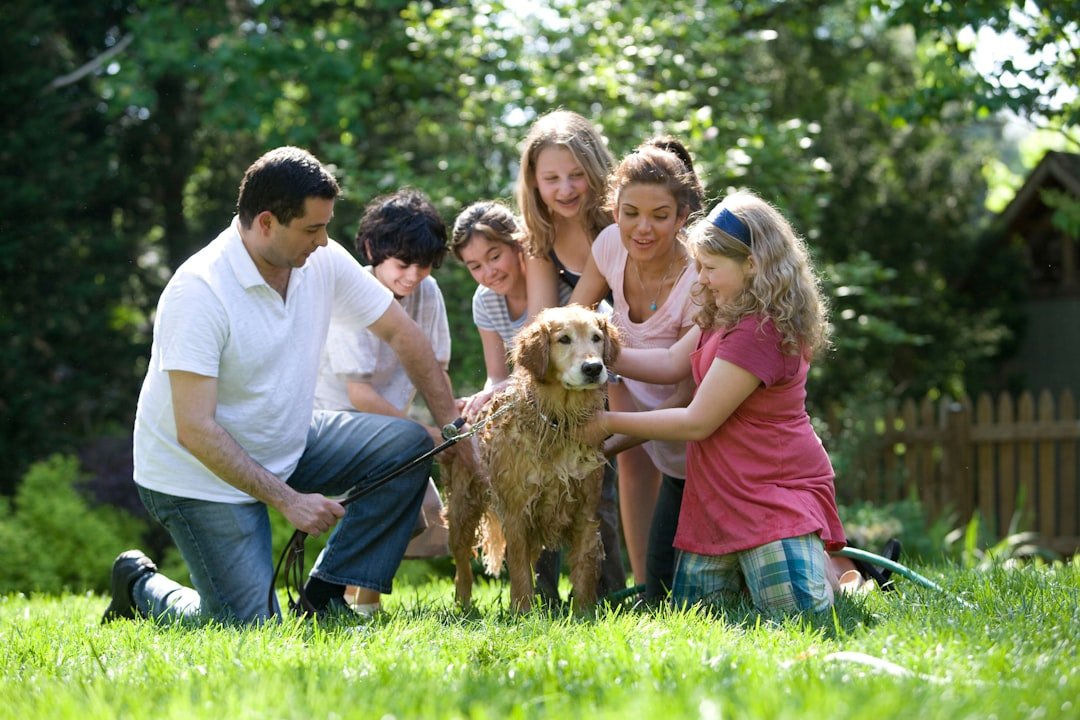
As descendants of wolves, dogs have inherited pack behavior, which emphasizes cooperation and social bonds. But here’s where it gets interesting: Domestic dogs have retained this pack mentality, viewing their human families as their pack. They look to their owners for guidance, protection, and leadership.
Dogs are pack animals by nature. In the wild, they rely on their pack for survival. This instinct carries over into their relationship with humans. Your family or household becomes their pack, and they are fiercely loyal to their pack members. Their pack mentality ensures that they remain devoted and protective of you. When your dog follows you around the house or seems to know exactly when you need comfort, they’re simply being the pack member they were born to be.
The Science Behind the Love Hormone
Here’s where things get really fascinating. When our canine pals stare into our eyes, they activate the same hormonal response that bonds us to human infants. The study – the first to show this hormonal bonding effect between humans and another species – may help explain how dogs became our companions thousands of years ago.
Of the duos that had spent the greatest amount of time looking into each other’s eyes, both male and female dogs experienced a 130% rise in oxytocin levels, and both male and female owners a 300% increase. This means that simple act of gazing into your dog’s eyes creates a biological bond similar to what mothers experience with their babies. No wonder we feel so connected to our furry friends!
Reading Your Every Emotion
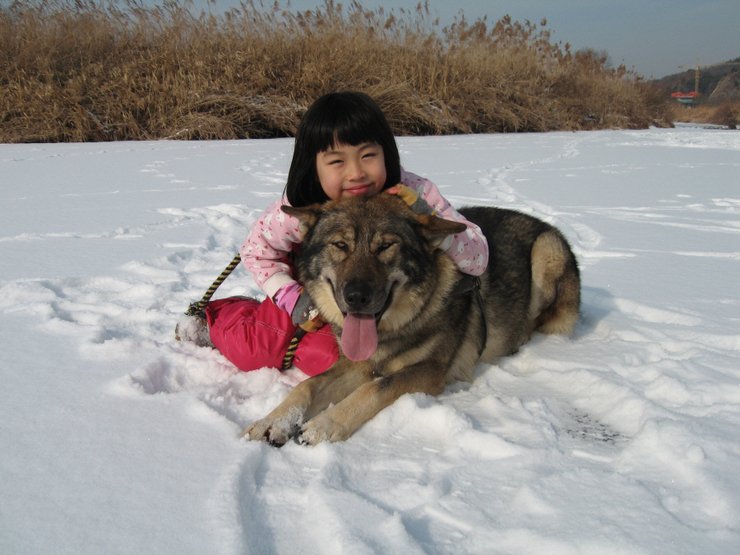
Dogs are remarkably attuned to human emotions. They can sense when you’re happy, sad, stressed, or relaxed, and often adjust their behavior accordingly. This sensitivity is a result of their keen observational skills and their desire to maintain harmony within their social group. By responding to your emotional states, dogs demonstrate empathy, further strengthening the bond of loyalty between you.
Your dog isn’t just guessing when you need a cuddle – they’re actually reading your body language, facial expressions, and even your scent to understand your emotional state. They can sense your mood and respond to your emotions. If you’re feeling down, your dog will often come to comfort you. This emotional sensitivity is a result of their ability to read human body language and facial expressions. Their empathetic nature makes them incredibly loyal friends who are always there when you need them.
The Loyalty Test That Proves Everything
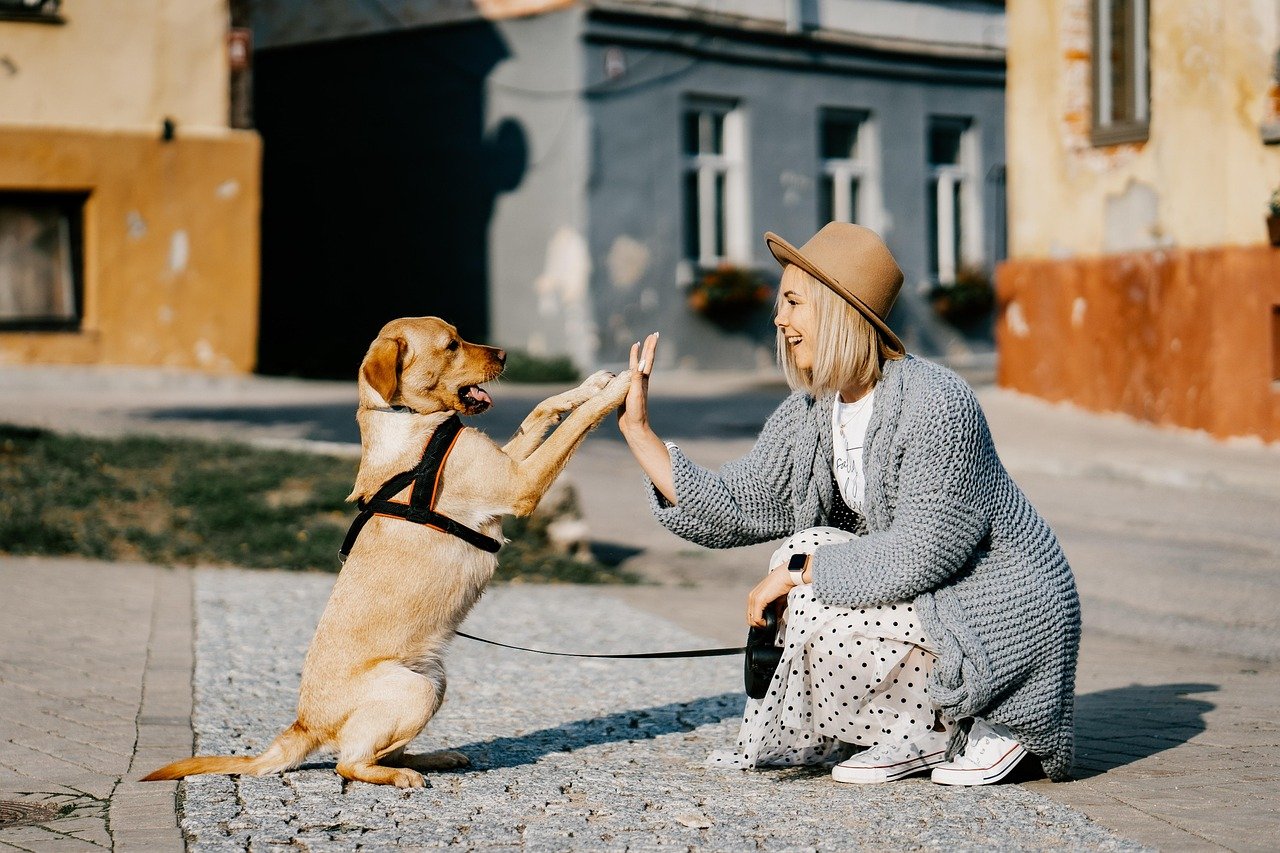
Scientists have actually tested dog loyalty, and the results are incredible. A new study has proved that if someone is mean to you, your dog is likely to snub them off. Holding true to loyalty, the dogs were more likely to choose a treat from the kind/neutral stranger and ignored the one who wouldn’t help their guardian.
Imagine staging a little drama where someone refuses to help you open a box. Your dog is watching, taking notes, and deciding that person isn’t worth their time. This shows that dogs don’t just love unconditionally – they actively assess how people treat you and adjust their behavior accordingly. They’re literally choosing sides, and they’ll always choose yours.
Mutual Benefits That Strengthen Bonds
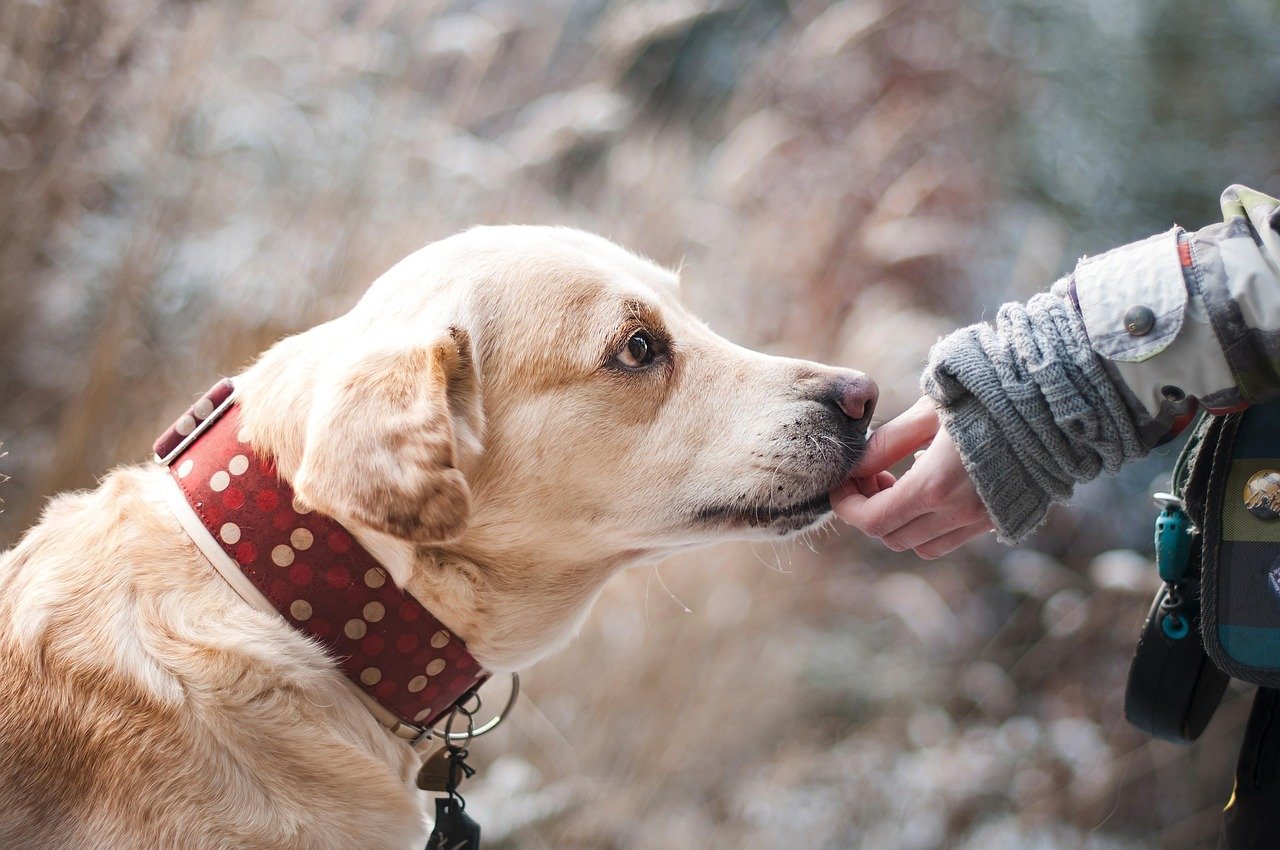
The relationship between humans and dogs is symbiotic. While dogs provide companionship, protection, and assistance, humans offer food, shelter, and affection. This isn’t a one-sided arrangement – it’s a partnership that has evolved to benefit both species.
Having a dog can positively impact your mental and physical health. Studies have found that dog owners experience lower levels of stress and anxiety. Dogs provide unconditional love and support, which contributes to overall well-being. Their presence can make you feel more secure and valued, reinforcing their role as loyal friends. When you reduce your stress by petting your dog, they benefit from the attention and affection. It’s a beautiful cycle of mutual care and loyalty.
The Consistency Factor

Dogs are creatures of habit. They thrive on routine and consistency in their daily lives. When you provide a stable environment and consistent care, your dog feels secure and valued. This sense of stability reinforces their loyalty and strengthens your bond with them.
Think about your dog’s daily routine: they probably know exactly when it’s walk time, dinner time, and bedtime. This predictability isn’t boring to them – it’s comforting. Every consistent interaction you have with your dog is like making a small deposit in a loyalty bank account. Over time, these deposits compound into an unbreakable bond of trust and devotion.
Beyond Genetics: The Role of Individual Experience
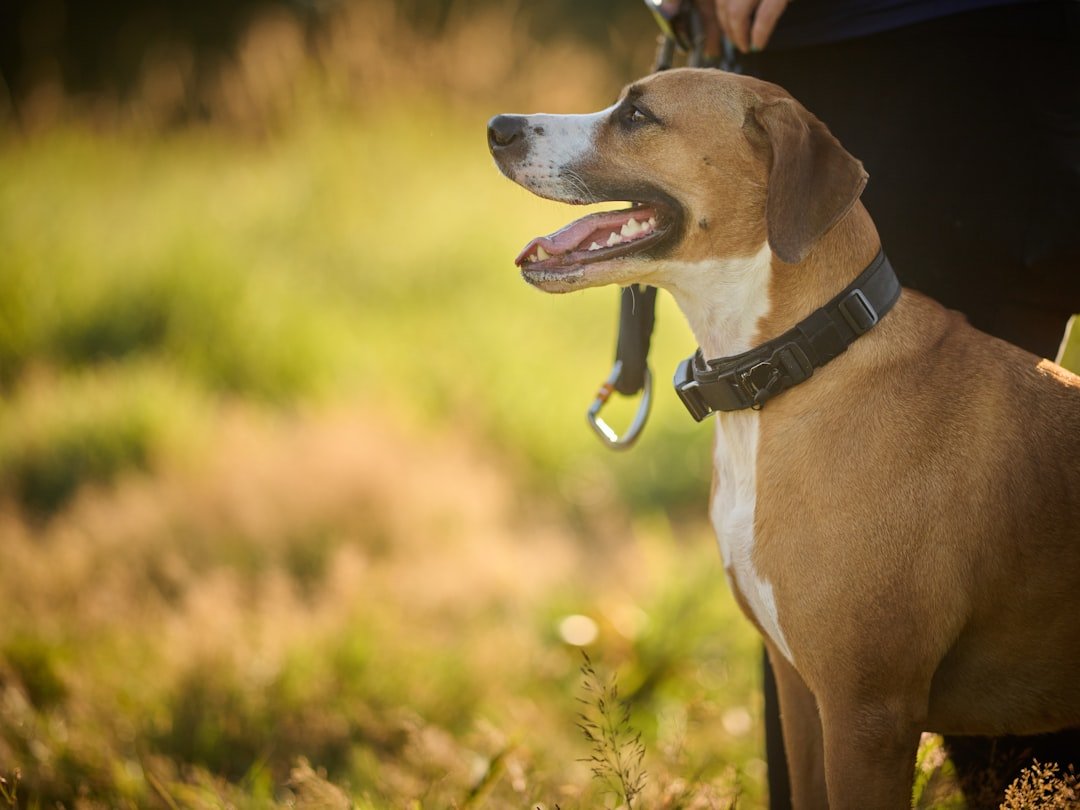
While genetics play a huge role in dog loyalty, individual experiences matter too. We tested pet dogs and found that oxytocin concentrations correlated positively with physical contact with their owners, while glucocorticoids remained unaffected. This means that the more positive physical interactions you have with your dog – petting, cuddling, playing – the stronger their biological attachment becomes.
Children produced the highest levels of salivary oxytocin when interacting with their family dog. They also produced more salivary oxytocin when interacting with the unfamiliar dog, although not as much as when they were with their family dogs. Even young children can trigger the same loyalty-building hormonal responses, showing that the human-dog bond transcends age and develops naturally through positive interactions.
Conclusion
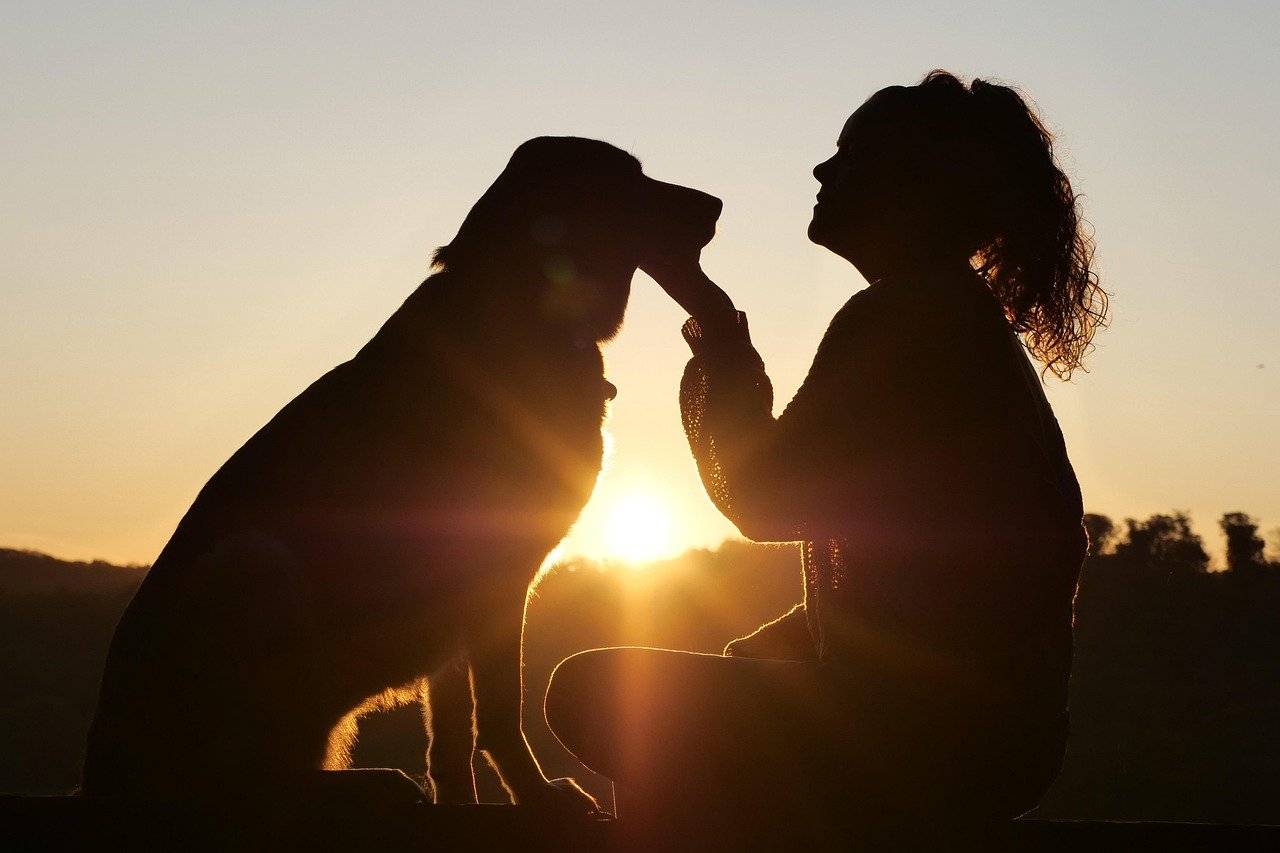
Dog loyalty isn’t just a charming quirk or a result of thousands of years of breeding – it’s a complex interplay of evolution, biology, chemistry, and individual relationships. From the ancient pack mentality inherited from wolves to the oxytocin surges triggered by simple eye contact, every aspect of your dog’s loyalty has deep roots in both science and emotion.
Understanding these mechanisms doesn’t diminish the magic of the human-dog bond; it enhances it. When your dog greets you with unbridled enthusiasm after a long day, they’re not just being cute – they’re expressing a loyalty that’s been tens of thousands of years in the making, reinforced by hormonal responses that mirror the strongest bonds in nature.
The next time your dog looks into your eyes with that unmistakable expression of pure devotion, remember that you’re experiencing one of the most remarkable partnerships in the animal kingdom. A bond so strong that it literally changes both your brain chemistry and theirs, creating a loyalty that’s as scientifically fascinating as it is emotionally profound.
Did you know that your simple gaze was releasing the same bonding hormone that creates the deepest connections in nature?


