
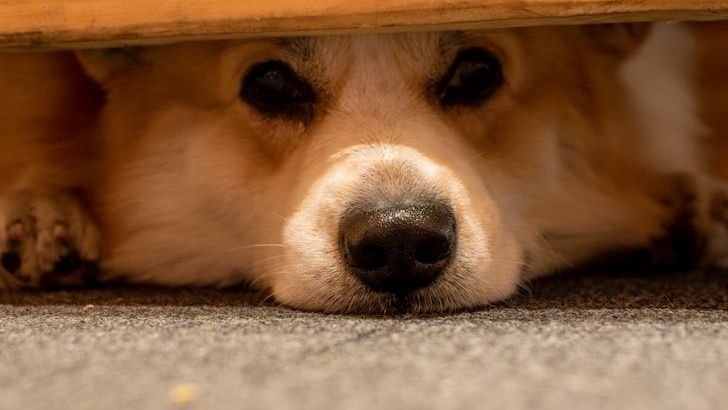
Have you ever walked into your home expecting your usual enthusiastic greeting, only to be met by a cold stare and a turned back? Your dog’s tail isn’t wagging, those eager eyes that usually light up when you arrive home seem distant, and something just feels… off. It’s a moment that stops you in your tracks and makes you wonder: is my furry best friend actually mad at me?
The truth might surprise you. While experts don’t fully understand how dogs might experience and express more complex emotions like resentment, dogs can certainly get angry. What’s even more fascinating is that your dog has an entire vocabulary of behaviors they use to communicate their displeasure with you. These aren’t just random acts of defiance – they’re calculated canine communication strategies that have been honed over thousands of years of domestication.
They Give You the Cold Shoulder
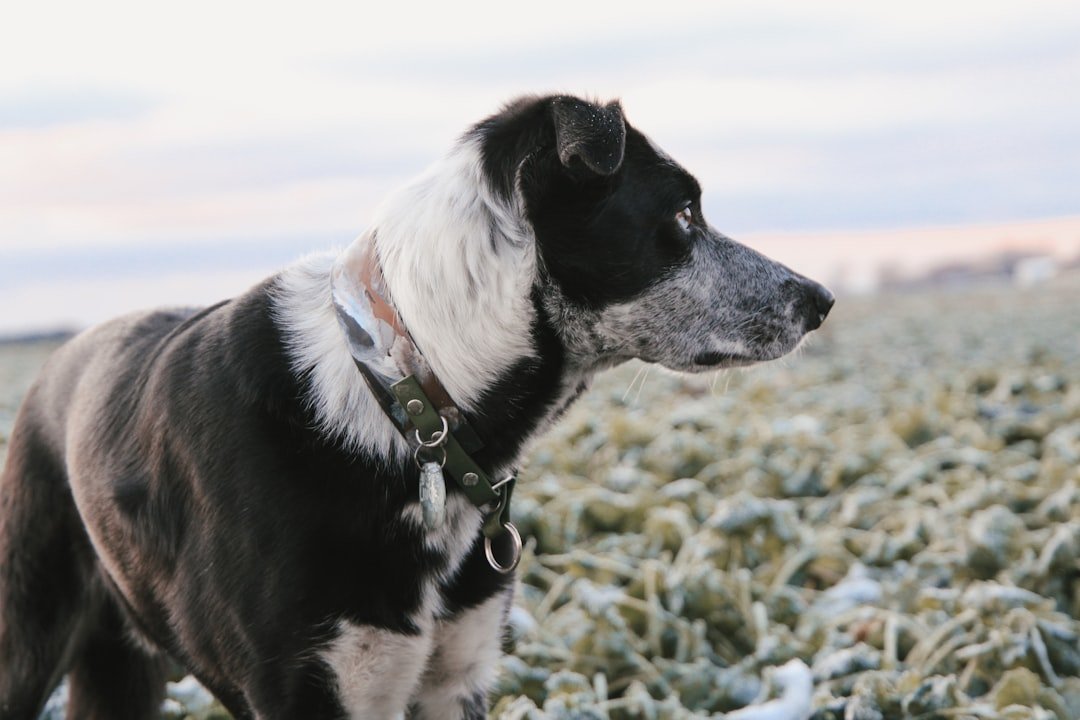
Picture this: you call your dog over for their usual cuddle session, but instead of bounding toward you with enthusiasm, they deliberately turn their head away. When a dog suddenly acts like you do not exist, it is usually their way of sending a message. Dogs are naturally social, so withdrawing attention is a big deal for them.
This behavior is particularly telling because dogs are social animals who naturally crave interaction and companionship. If your pup is choosing to lounge across the room instead of greeting you, they are probably not thrilled with something you did. It is the canine version of giving you the cold shoulder, and they are waiting for you to notice. It’s their sophisticated way of saying “I’m not happy with you right now” without making a single sound.
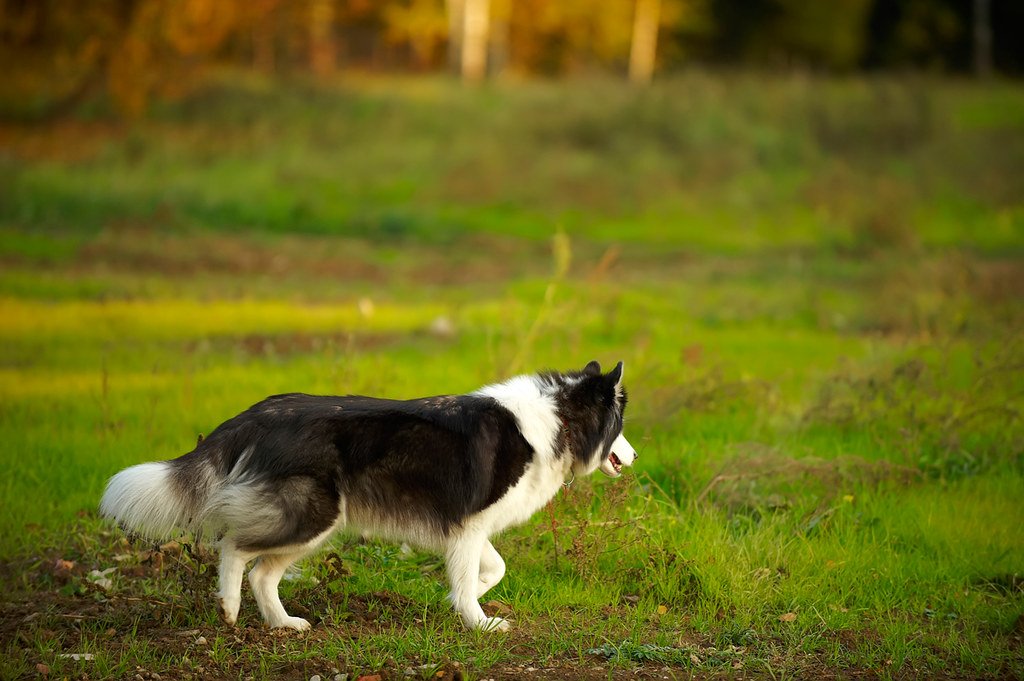
They Turn Their Back to You
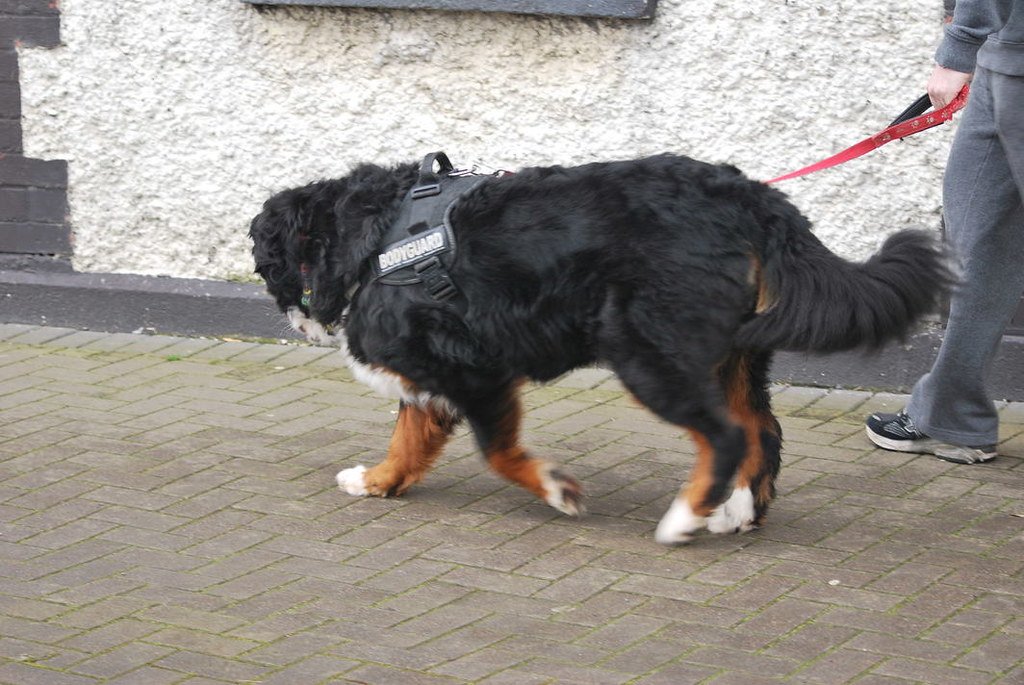
When your dog plants themselves with their back facing you, it can feel like a deliberate snub. Dogs know body language better than we do, and this one is clear. This isn’t accidental positioning – it’s a calculated move that speaks volumes about their current mood.
They are signaling that they are not interested in your attention right now. It is their way of showing disapproval without making a sound. Think of it as the canine equivalent of the silent treatment that humans sometimes give when they’re upset. Your dog is essentially saying “I don’t want to see you or engage with you until this situation improves.”
They Avoid Eye Contact
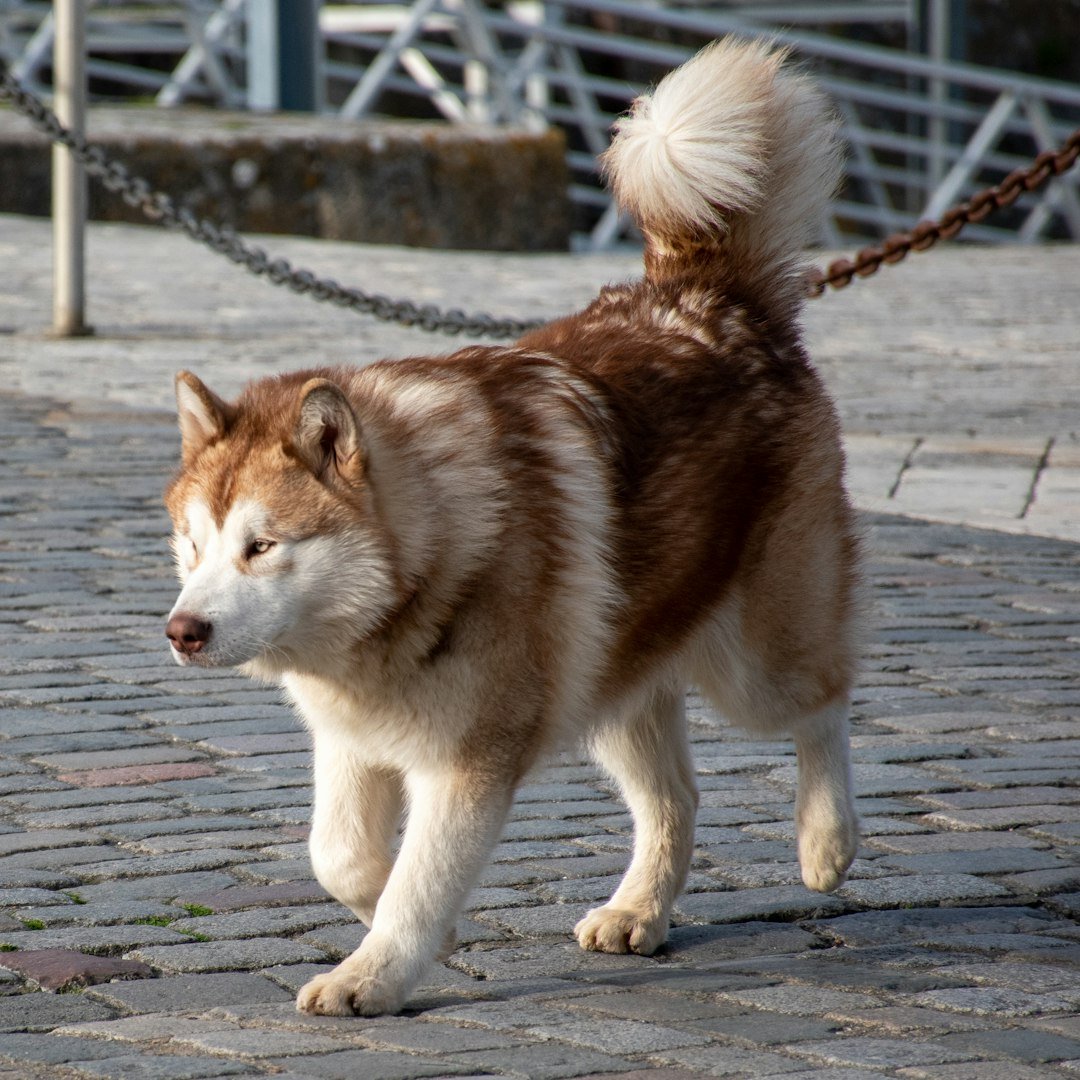
One of the most telling signs that your dog may be upset with you is a refusal to make eye contact. Dogs are naturally expressive with their eyes and often use eye contact to bond with their owners. When your usually attentive companion suddenly won’t meet your gaze, it’s a significant behavioral shift.
When a dog feels hurt or upset, they may avoid looking directly at you instead of looking away or at something else. This can be especially apparent if they usually seek eye contact regularly. It’s their way of creating emotional distance while they process whatever has upset them in your relationship.
They Refuse to Follow Commands
A dog that normally listens but suddenly ignores your requests may be showing more than simple stubbornness. Refusing commands can be their way of pushing back when they feel upset or overlooked. This selective hearing isn’t about forgetting their training.
It is not that they forgot what sit or stay means. They are making a point by withholding cooperation until their mood improves. Your dog is essentially going on a mini-strike, demonstrating their displeasure by refusing to participate in the normal give-and-take of your relationship until whatever bothered them gets resolved.
They Start Sulking Dramatically

Dogs are not above sulking when they feel slighted. Lying down with sad eyes and heavy sighs is a dramatic but effective tactic to make you feel guilty. This theatrical display is surprisingly sophisticated behavior that shows just how emotionally intelligent dogs can be.
Watch for the telltale signs: your dog finds the most visible spot in the room, settles down with exaggerated movements, and then proceeds to let out the deepest, most pitiful sighs you’ve ever heard. They might even add in some strategic sad-eye gazing in your direction, just to make sure you don’t miss their emotional distress.
They Hide or Seek Isolation
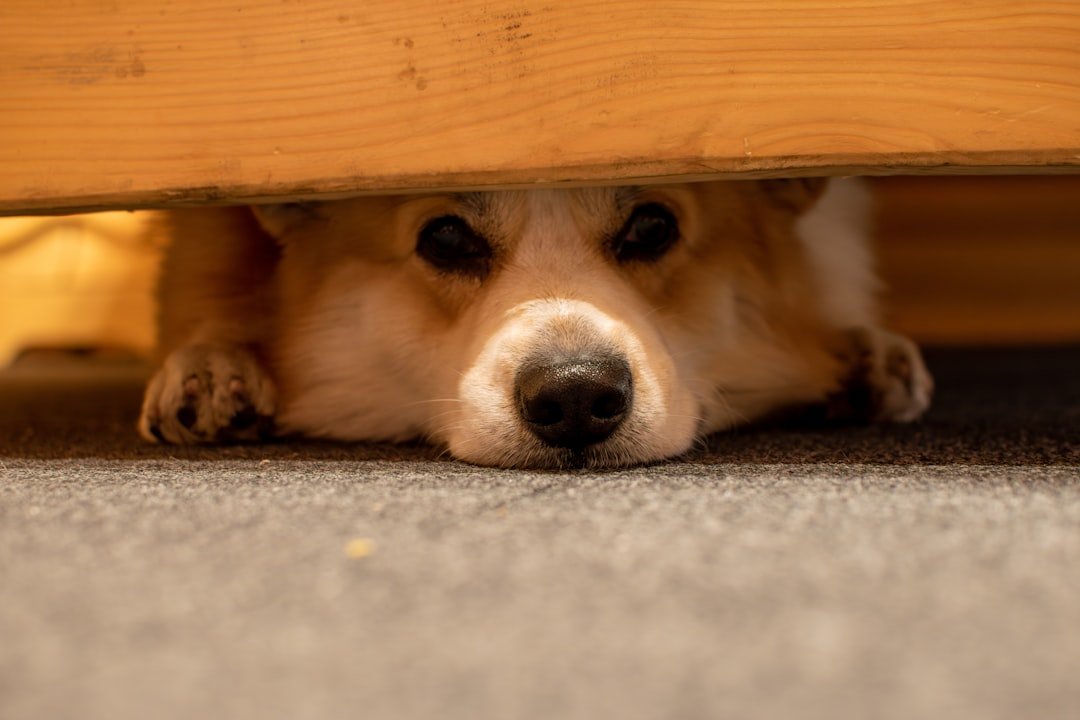
When dogs feel upset, they may retreat to a safe space, such as a crate or under furniture, as a way to avoid interaction. If your dog hides or tries to avoid you when you approach, it’s a sign that they might be feeling hurt or annoyed. This withdrawal behavior is particularly significant for social animals like dogs.
Dogs often hide when they’re nervous or afraid of something. You’ve probably even noticed this behavior during fireworks or a particularly noisy storm – or when you pull out the vacuum cleaner. When they hide because they’re upset with you, it’s their way of creating physical and emotional space until they feel ready to reconcile.
They Become Destructive or Act Out
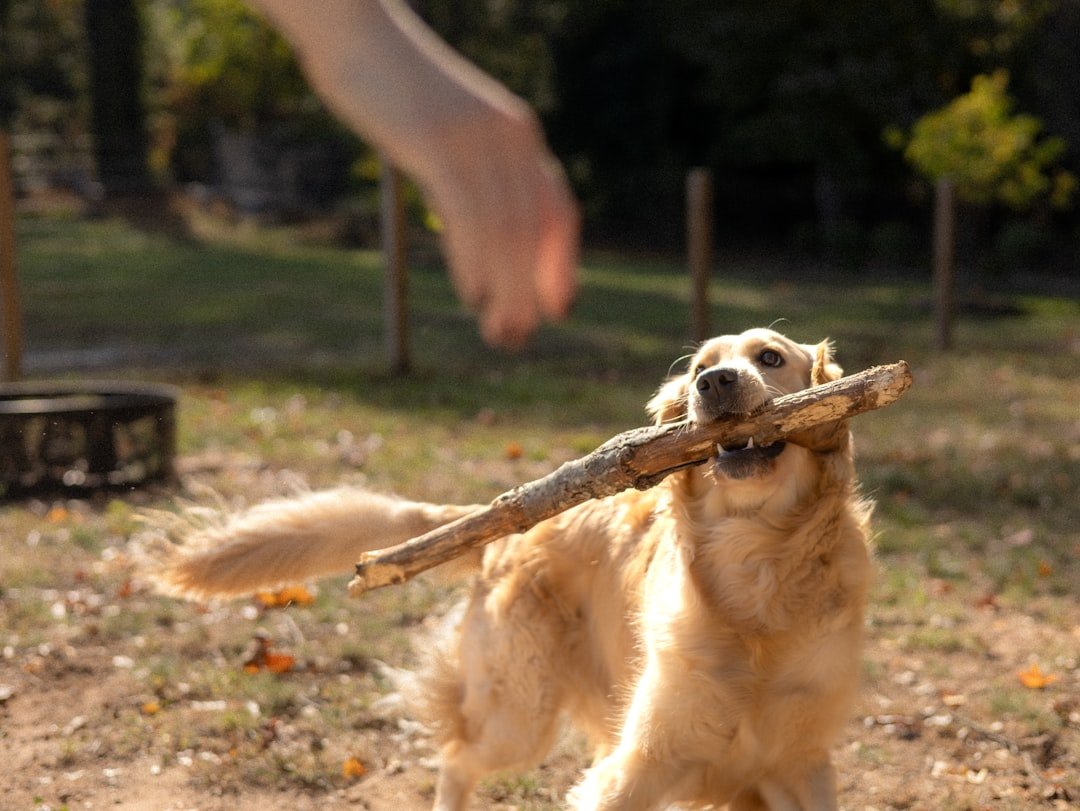
Finding chewed-up shoes or shredded cushions can be more than boredom at work. Dogs sometimes act out by targeting things they know they should leave alone. It is a release of frustration that doubles as a statement. This isn’t random destruction – it’s purposeful communication.
Dogs sometimes display destructive behavior, like chewing on furniture or tearing up pillows, when they’re feeling frustrated or upset. If your dog normally doesn’t engage in destructive behavior but suddenly starts acting out, it may be a sign that they’re upset with you or feeling neglected. Dogs use this behavior as a way to relieve pent-up emotions or to get attention.
They Change Their Body Language
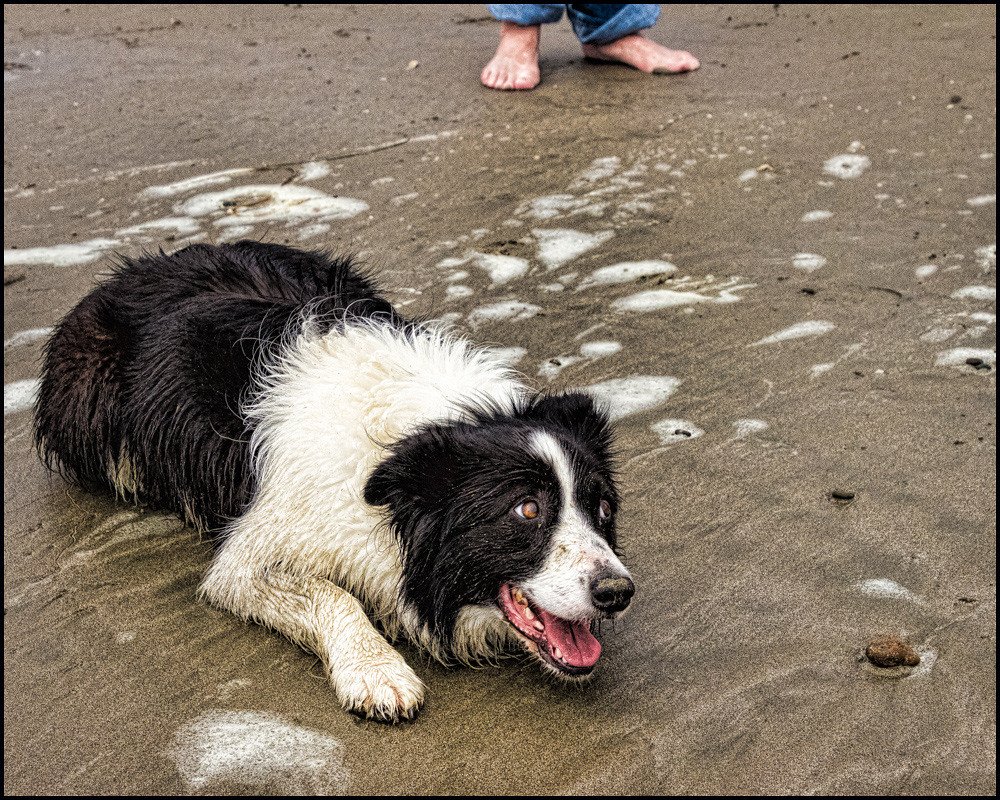
Animal behaviorists note that the body language of an angry or threatened dog will include flattened ears, bared teeth, and frequent lip licking. However, when dogs are mildly upset rather than truly angry, their body language becomes more subtle but equally telling.
Side-eye or “whale eye” – Seeing more of the whites of their eyes than usual can indicate stress or unease. Yawning (when not tired) – This subtle stress signal helps dogs self-soothe. Tense body language or stiffness – A tight mouth, rigid body, or a still tail (whether tucked or upright) may suggest discomfort. These physical cues are your dog’s way of expressing emotional discomfort without escalating to more dramatic behaviors.
They Show Changes in Appetite or Eating Habits
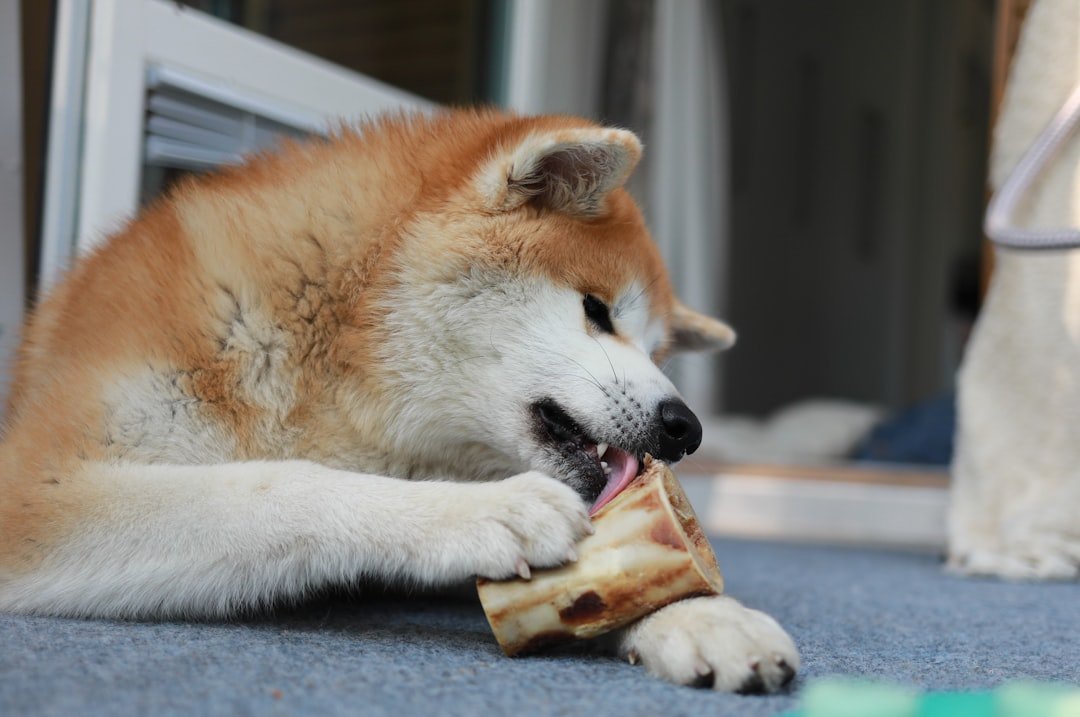
If your dog typically loves food but suddenly starts refusing meals or treats, it could be a sign that they’re upset or feeling down. Dogs are usually enthusiastic about their favorite snacks, so a loss of interest in food often indicates something isn’t right. This is particularly concerning because dogs rarely turn down food unless something is genuinely bothering them.
When your usually food-motivated companion suddenly shows disinterest in their favorite treats or meals, it’s time to pay attention. This behavior change can indicate that their emotional state is affecting their physical well-being, which is a clear sign that whatever upset them needs to be addressed.
They Increase Their Vocalizations
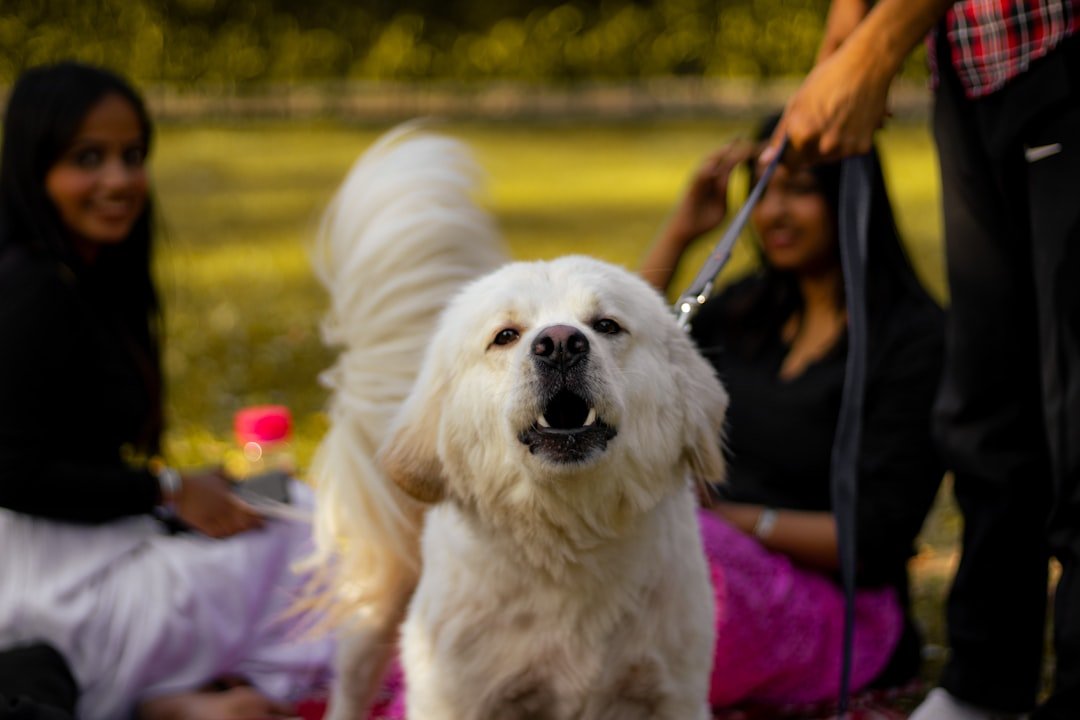
A sudden increase in barking can be more than random noise. Dogs use their voice to get attention, and when they are upset, it can turn into nonstop noise. It is their version of venting frustrations and making sure you know something is wrong. This vocal protest is their attempt to communicate their displeasure in the most direct way possible.
Ignoring it only fuels their persistence until you figure out the cause. Your dog might bark more frequently, whine when they normally wouldn’t, or even howl in dramatic fashion. They’re essentially having a verbal argument with you, trying to get your attention and express their dissatisfaction with the current state of affairs.
Understanding Your Dog’s Emotional Language
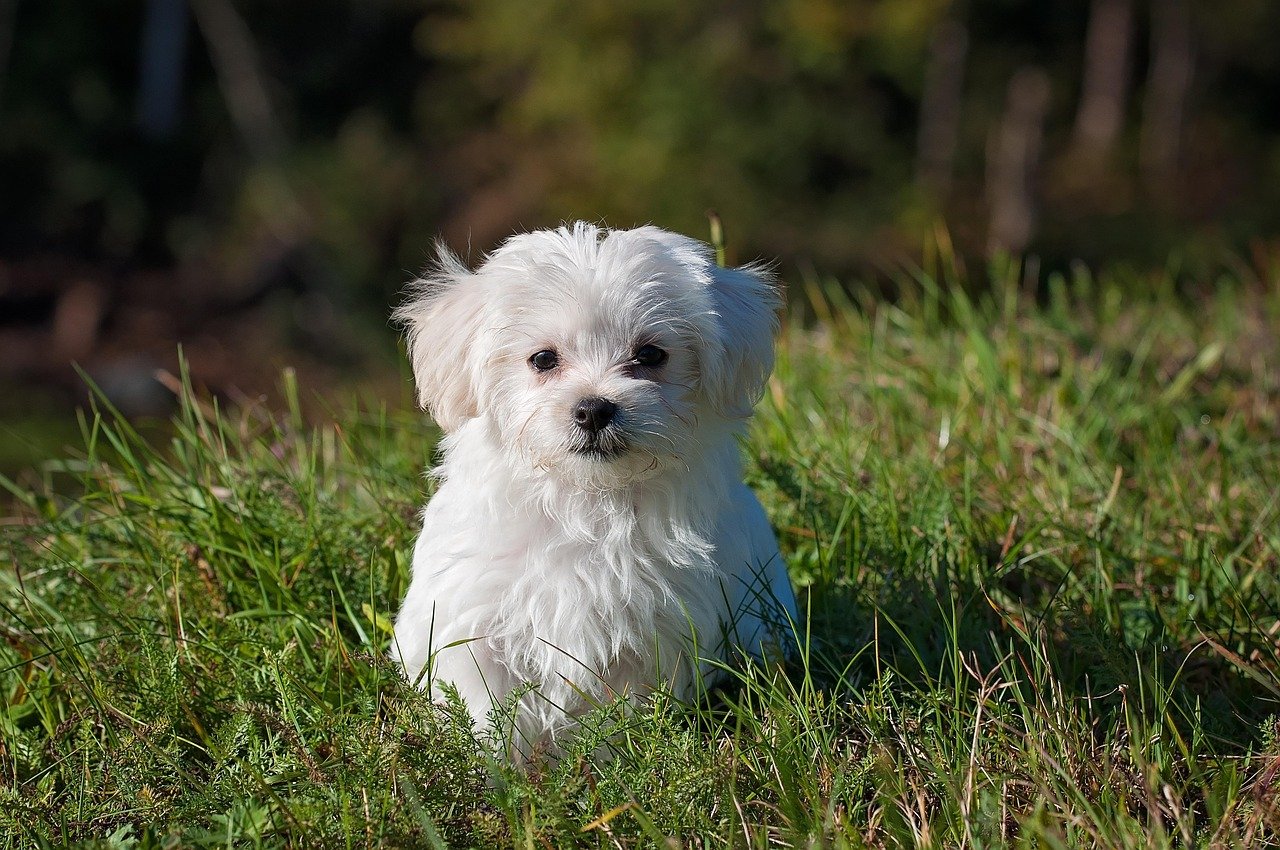
Dogs don’t hold grudges or dwell on past events the way humans do. Instead, what we perceive as a dog being “mad” is often just their way of expressing discomfort or frustration in the moment. This understanding is crucial for dog parents who want to maintain a healthy relationship with their furry companions.
Behavior that seems angry – growling, snapping, barking, etc. – is more in-the-moment than it is built-up and vengeful. It also means this behavior is just as likely to be indicative of frustration, fear, disappointment, or annoyance than it is anger as we tend to think about and experience it. The good news is that dogs are incredibly forgiving creatures who live in the present moment.
The beauty of understanding these ten behaviors lies not just in recognizing when your dog is upset, but in appreciating the sophisticated communication system that exists between humans and their canine companions. Your dog isn’t trying to be difficult or spiteful – they’re simply using the tools they have to express their feelings and needs.
Remember, dogs don’t truly hold grudges against their owners. While dogs may appear sulky after a bath or the removal of a favorite toy, they don’t dwell on negative experiences the way humans do. This means that with a little patience, understanding, and perhaps a favorite treat or two, you can quickly get back in your dog’s good graces and restore the loving bond you share.
What behavior has your dog shown you lately that made you wonder about their feelings?


