

Picture this: you’re scrolling through adoption websites at midnight, hearts melting over every adorable face staring back at you. That golden retriever puppy looks like pure sunshine, but wait – is that chihuahua giving you the stink eye actually your soulmate? Finding the right dog isn’t just about falling head over heels for the first cute face you see. It’s about discovering a furry companion whose energy, needs, and personality mesh perfectly with your family’s rhythm. Just like dating, compatibility matters more than looks – and getting this match right means years of tail-wagging happiness instead of regret.
Understanding Your Family’s True Lifestyle

Before you even think about breeds, take a brutally honest look at your family’s daily reality. Are you the type who hits the hiking trails every weekend, or do Netflix marathons sound more appealing? For some, an active dog is a better match for their lifestyle, while others prefer a couch potato. Some are very independent, while others require the constant presence of their owner to feel happy and cannot be left alone.
Consider your work schedules too. If everyone’s gone for ten hours daily, If you enjoy a busy lifestyle, ensure you get a dog that can deal with being left alone. Greyhounds, basset hounds, and French bulldogs are all usually alone but are still happy to see you when you get home. Think about your living space, noise tolerance, and even your cleaning preferences – some families don’t mind fur tumbleweeds, while others need a low-shedding companion.
Decode the Energy Level Match

Energy levels might be the most crucial compatibility factor between dogs and families. On the flip side, Cavalier King Charles Spaniels or Shih Tzus are happy with a slow stroll and a long nap. The better your dog’s energy level matches yours, the smoother things will go. High-energy breeds like Border Collies need mental challenges and physical exercise daily, or they’ll create their own entertainment – usually involving your favorite shoes.
Low-energy dogs aren’t necessarily lazy; they’re just content with shorter walks and more indoor relaxation. Pugs are great apartment dogs known for their loving and easy-going nature. They are small, require moderate exercise, and their short coat is easy to maintain. Pugs are happy to relax with their owners, making them perfect for a busy lifestyle. Match this carefully – an energetic family with a couch-potato dog leads to mutual frustration.
Size Matters, But Not How You Think

A 10-pound Jack Russell Terrier with high energy and vocal tendencies might cause more apartment problems than a calm, 60-pound Greyhound who sleeps 20 hours per day. Size matters, but temperament and energy level often matter more. Don’t assume small equals manageable or large equals overwhelming. Some tiny breeds have Napoleon complexes, while gentle giants like Great Danes can be surprisingly chill apartment dwellers.
Dogs in the 25-50 pound range often provide the best balance of manageable size with stable temperaments. They’re large enough to handle city stimulation without becoming overwhelmed, but small enough for apartment living. Consider your physical capabilities too – can you handle a strong puller on walks, and do you have space for a dog to stretch comfortably?
Family Dynamics and Dog Personalities
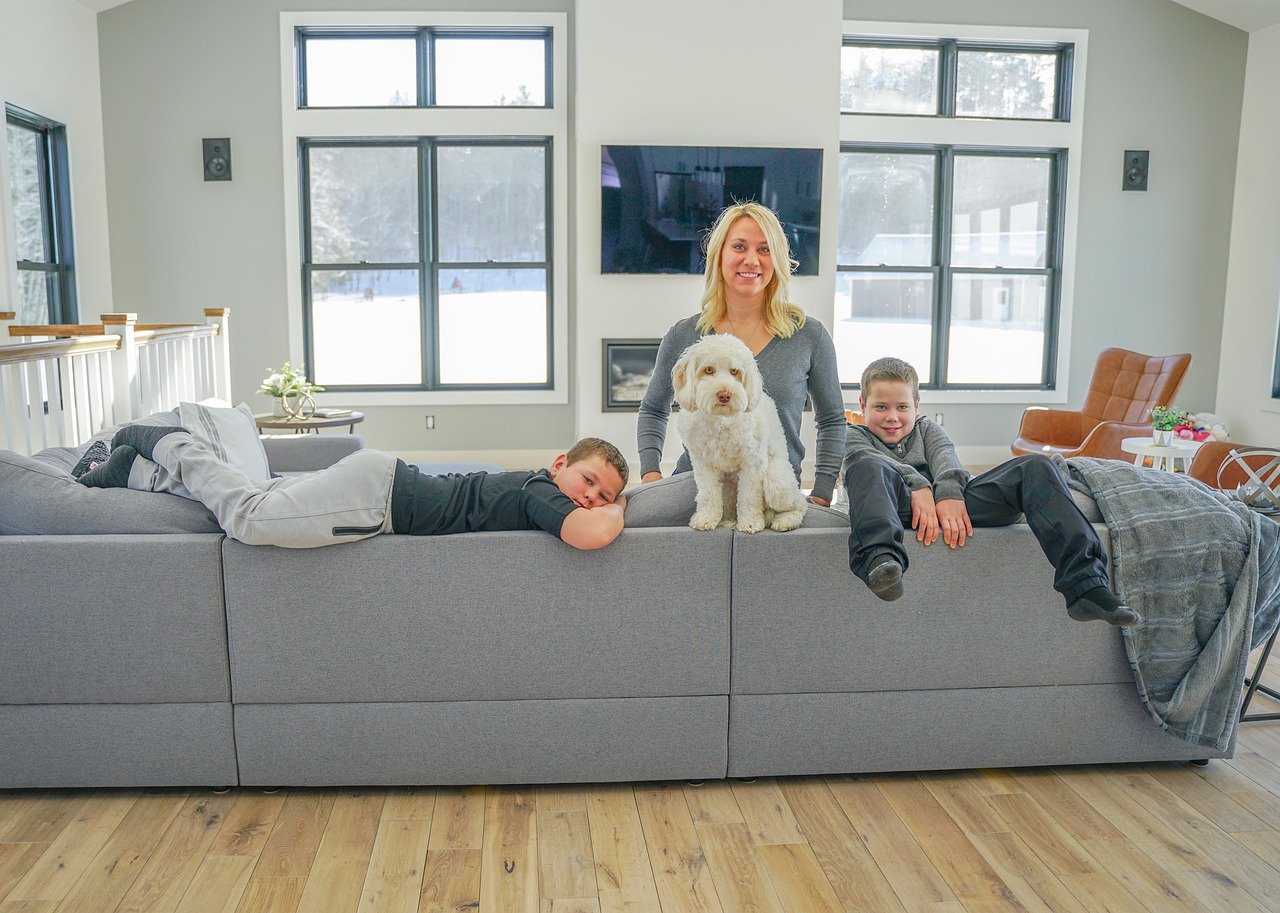
If your house resembles controlled chaos with kids everywhere, If your home feels like a mini theme park, with kids everywhere, constant movement, and noise, some dogs will love that energy, while others won’t. These five breeds are known for being patient, playful, and good with little humans. Families with young children often prioritize breeds that are patient, gentle, and playful. Breeds like Beagles, Boxers, and Collies are known for their kid-friendly personalities, while their high energy levels ensure they can keep up with the little ones.
For quieter households or seniors, consider breeds that thrive on calm companionship rather than constant stimulation. Highly affectionate and deeply bonded to their humans, Chinese Cresteds thrive in apartment settings where they can stay close to family. Their small stature and social nature make them excellent companions for singles and seniors alike. Remember, every family member needs to be on board – including that cat who thinks they rule the house.
The Grooming Reality Check

Let’s be real about grooming because this is where many families get blindsided by reality. Some dogs shed a ton and need regular brushing, others are more allergy-friendly and easy to maintain. Poodles, Bichon Frises, and Maltese are good picks if you’re sensitive to dander. Long-haired breeds like Golden Retrievers need more upkeep, while short-haired breeds require less maintenance, but they may still shed.
Professional grooming every six to eight weeks can cost hundreds of dollars annually for some breeds. Daily brushing, nail trims, and ear cleaning become part of your routine. If you’re already stretched thin with kids’ activities and work demands, a low-maintenance coat might be your sanity saver. Don’t let a gorgeous flowing coat seduce you if you can’t commit to the upkeep.
Socialization and Training Needs

While the personalities of individual dogs will vary, just as human siblings will have different personalities, a dog’s behavioral tendencies will reflect their breed. Prospective owners need to understand the expected behaviors and needs of the individual breeds to determine whether these fit in with their family and lifestyle. Some breeds are naturally people-pleasers who train easily, while others are independent thinkers who need experienced handlers.
Socializing your puppy is key to ensuring you have a happy, confident, and well-adjusted dog. During your puppy’s first 3-14 weeks of life, they’ll experience a socialization period that will permanently shape their future personality and how they’ll react to their environment as an adult dog. Gently exposing them to a wide variety of people, places, and situations can make a huge, permanent difference in their temperament. First-time dog owners might want to avoid breeds known for stubbornness or strong-willed personalities.
Health Considerations and Long-term Commitment

But every specific dog breed has their own health risks to also be aware of. For instance, German Shepherds and Great Danes are prone to developing hip dysplasia and bloat, while Boxers can develop heart issues, Beagles hypothyroidism and Yorkshire Terriers tracheal collapse. Before adopting a pup, it’s important to read up on their breed so you know how to properly care for them. When you know what diseases and issues they may be prone to, you can take measures to try and help prevent them.
Factor in potential veterinary costs over your dog’s lifetime – some breeds are predisposed to expensive conditions. Choose breeds that can adapt to reasonable life changes. Factor in all costs including purchase/adoption, training, veterinary care, supplies, pet deposits, and services like dog walking or boarding. Consider your family’s trajectory too: will you move, have babies, or face major life changes in the next decade?
Making the Final Decision

Every dog is unique, and even within breeds, individual personalities can vary. Taking the time to research and understand the traits of different breeds will help you find a dog that complements your lifestyle and family dynamic. Just 9%, on average, of the personality differences between pups were related to their breed, so meeting individual dogs is crucial.
If you’re still undecided, consider volunteering at a shelter or fostering before adopting a dog to get to know their breed and individual personalities. Rescue organizations can also help match you with a dog that fits your lifestyle. Don’t rush this decision – the perfect match might take time to find, but when you do, you’ll know it was worth the wait.
Conclusion

Finding your family’s perfect canine companion isn’t about checking boxes or following trends – it’s about honest self-reflection and understanding what you can realistically provide. The best city dog for you is one whose needs you can realistically meet while providing a happy, healthy life within your urban environment. Focus on finding a good match between breed characteristics and your specific lifestyle rather than choosing based on appearance or popularity alone. Remember that proper training, socialization, and care matter more than breed selection in creating successful urban dog ownership experiences.
The right dog won’t just fit into your life – they’ll enhance it in ways you never imagined. They’ll match your Saturday morning energy, tolerate your family’s chaos, and love you through all of life’s ups and downs. When you find that perfect match, you won’t just have a pet – you’ll have a family member who gets your vibe completely. Ready to start this incredible journey?


