
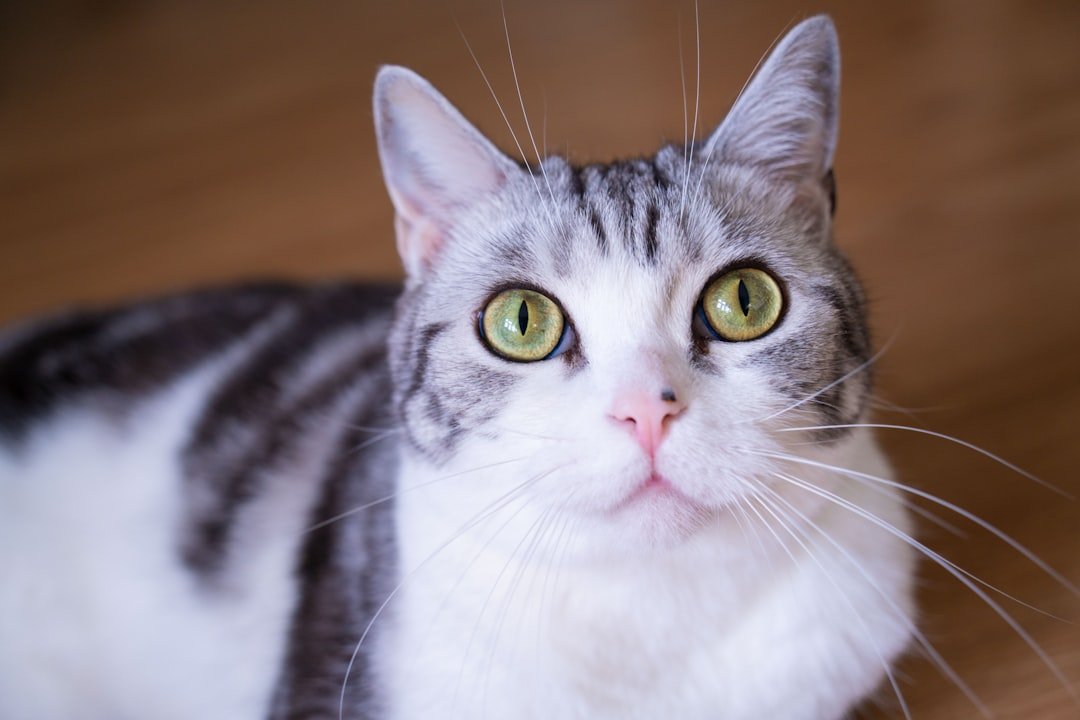
Every cat parent knows that sinking feeling when their usually playful feline suddenly becomes withdrawn or starts acting strangely. Maybe they’re hiding under the bed more often, or perhaps they’ve started meowing incessantly at 3 AM. What many don’t realize is that these behaviors could be signs of mental distress in our beloved companions.
Just like humans, cats can experience anxiety, depression, and stress. The good news? There are simple, effective ways to boost your furry friend’s emotional wellbeing right from the comfort of your home. Let’s dive into five proven strategies that can transform your cat’s mental health and strengthen the bond you share together.
Create an Interactive Feeding Experience

Feeding time doesn’t have to be a mundane affair where your cat simply eats from a bowl. Interactive feeding engages your cat’s natural hunting instincts and provides crucial mental stimulation that prevents boredom and reduces stress. Think about it – in the wild, cats spend hours stalking, hunting, and working for their meals.
Foraging toys, also called food puzzles or puzzle feeders, help satisfy a cat’s natural instinct to search for food. The basic principle is that you fill up the toy with dry kibble, wet food, or treats, and the cat learns to manipulate the toy to release the food. You can create homemade puzzles from a cardboard box or plastic bottle by cutting small holes and filling it with your cat’s favorite food or treats. You can also hide food in different places around the house so your cat can hunt for their meal.
Establish Vertical Territory and Window Views
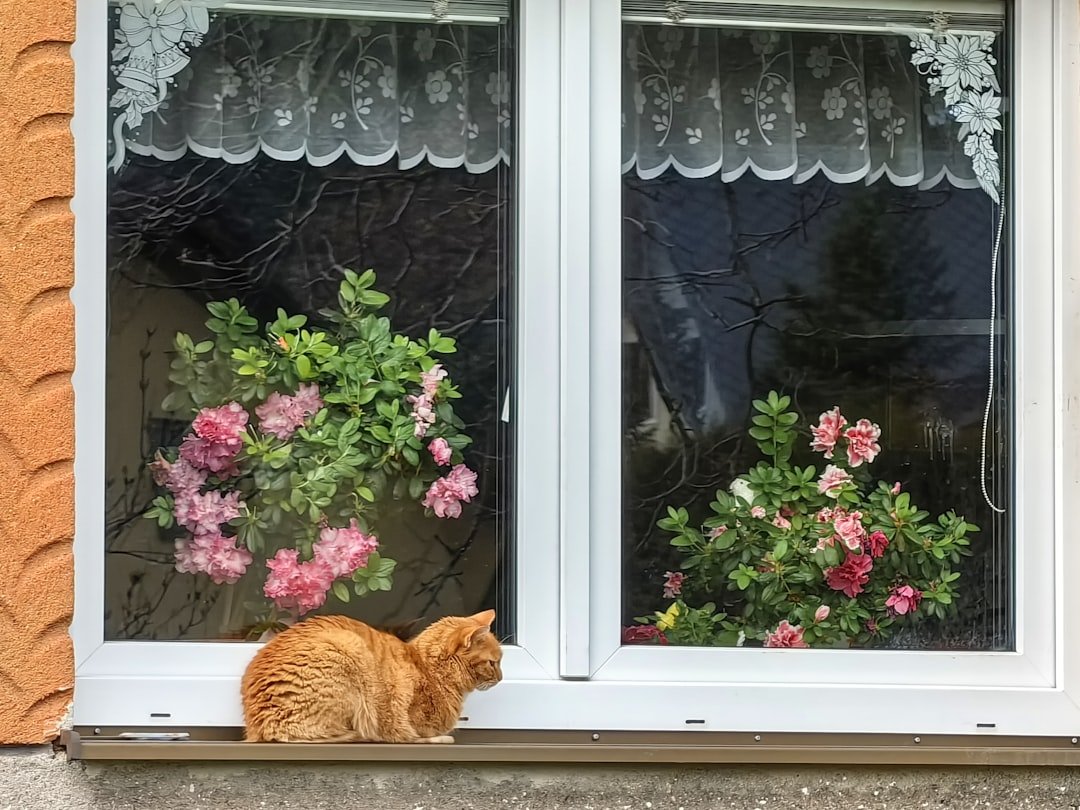
In the wild, felines are predators and prey, and they feel more comfortable and confident when they can survey their environment from above. Access to windows, preferably with perches, provides mental stimulation as your cat looks out the window. Regularly move beds and perches as this mimics a changing outdoor environment and encourages cats to explore.
Vertical places like cat trees, shelves and window perches can help your cat reduce stress and anxiety by providing them with safe place from which to observe their environment. Consider installing floating shelves at different heights or investing in a tall cat tree near your brightest window. Your cat will spend hours watching birds, squirrels, and the world outside, which naturally stimulates their predatory instincts and keeps their mind engaged.
Implement Daily Interactive Play Sessions
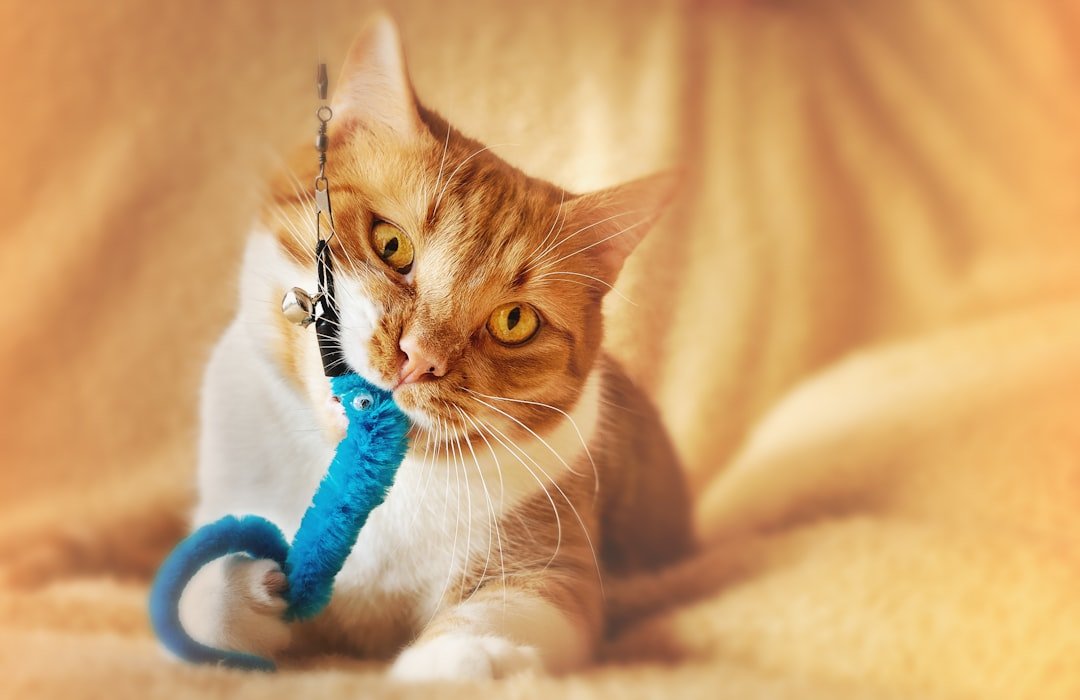
Social activities with humans can be the single most effective way to enrich your indoor cat’s environment. Set a timer for five minutes twice daily and play with your cat. This isn’t just about burning energy – it’s about creating positive associations and building confidence through successful “hunts.”
Both you and your cat can have a great time playing with wand-type toys with toy mice, feathers, or fabric attached to the ends. One popular product is the Da Bird Feather Teaser. Daily interactive play is crucial because it mimics natural hunting behavior and keeps them engaged. Remember to let your cat “catch” the toy occasionally – the satisfaction of a successful hunt is crucial for their mental wellbeing.
Provide Appropriate Scratching Outlets
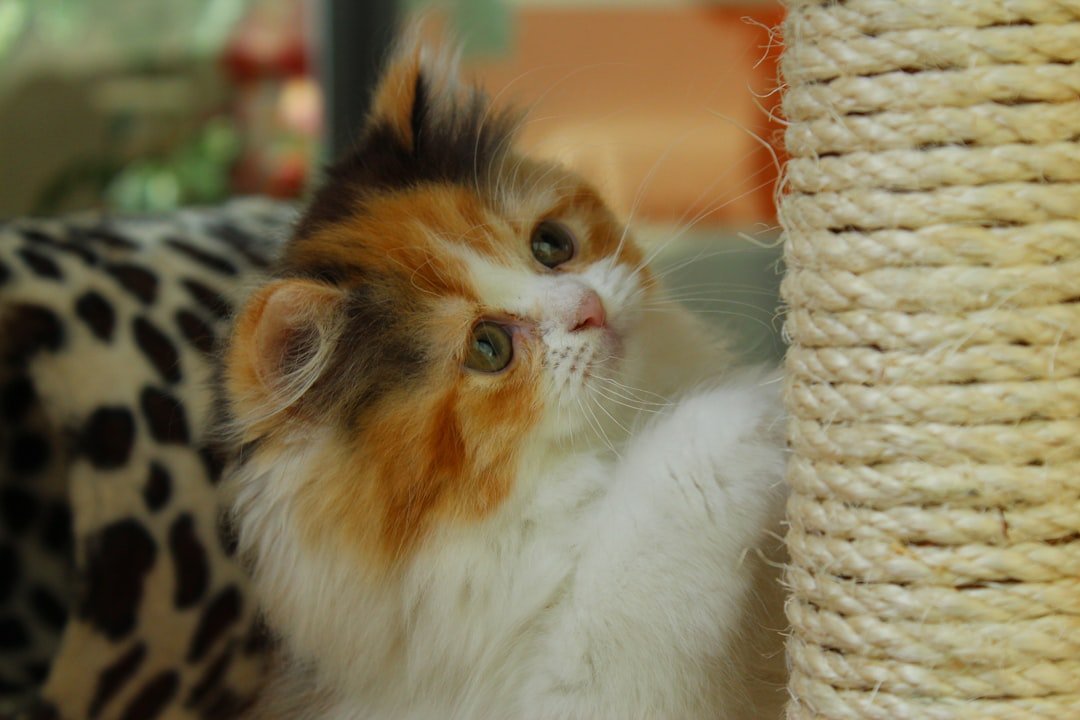
Scratching is a natural instinct for cats that’s essential for their mental health. Cats scratch to keep their claws healthy, stretch out their muscles, and leave scent messages for other cats. When cats can’t express this natural behavior appropriately, they often develop behavioral issues or redirect their stress in destructive ways.
When providing scratching posts, consider type – scratching posts come in various materials, such as sisal, cardboard, and rope. Offer several options at first to determine your cat’s scratching preference. Also consider orientation – offer vertical and horizontal scratching posts and pads. Ensure you have enough scratching posts to appease all your household felines. Place scratching posts near sleeping areas and entrances, as cats naturally want to stretch and mark their territory when they wake up or enter a new space.
Maintain Consistent Routines and Safe Spaces

Regular feeding times, scheduled play and predictable quiet periods help reduce anxiety and create a stable environment. A mentally engaged cat is a happier, healthier cat. As creatures of habit, cats thrive on routine, knowing what to expect at all times. Predictability helps them feel safe, reduces destructive behaviors and can even create healthy boundaries.
Cats like routine and don’t cope well with changes in their environment. The best way to help your cat with stress is to try to be proactive. Change can be unsettling, so take it slowly. If you have to move food, water, or litter boxes to a new location, try to do it over time. If you’re moving your cat to a new house, start them in a small space, then gradually open up the rest of the house. Create designated quiet zones where your cat can retreat when feeling overwhelmed – this might be a cozy bed in a low-traffic area or a dedicated room they can access whenever needed.
Conclusion
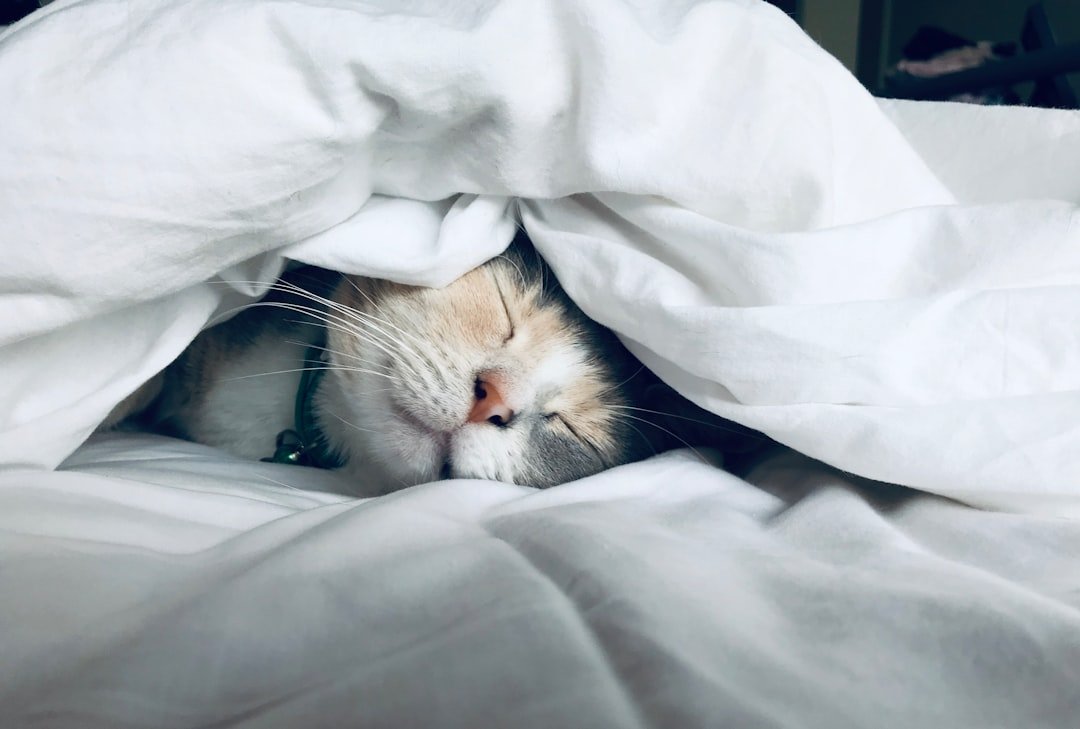
Your cat’s mental health is just as important as their physical wellbeing, and the beautiful thing is that improving it doesn’t require expensive equipment or dramatic lifestyle changes. Cat enrichment prevents boredom, burns energy, and helps reduce stress or anxiety in our cats. By incorporating these five strategies – interactive feeding, vertical spaces, daily play, appropriate scratching outlets, and consistent routines – you’re giving your feline friend the tools they need to thrive emotionally.
Remember, every cat is unique, and what works for one might need tweaking for another. Pay attention to your cat’s individual preferences and behavioral cues. If your cat has anxiety, you may notice pacing or restlessness, hiding, decreased appetite, vocalization, hypervigilance, trembling, salivation, and excessive grooming. The key is consistency and patience – mental health improvements take time, but the reward of seeing your cat confident, content, and mentally stimulated makes every effort worthwhile.
Did you notice signs of stress in your cat that you hadn’t recognized before?


