
Let me tell you something that might surprise you. Every year, thousands of well-meaning seniors adopt dogs that seem perfect in theory, only to find themselves overwhelmed within months. The reality is that choosing the wrong breed can turn what should be a companionship into a daily struggle. After thirty years of working with dogs and their families, I’ve seen this heartbreaking scenario play out far too often. While dogs can bring incredible joy, companionship, and health benefits to seniors, not every breed is suited for the golden years. Some dogs require energy levels, physical strength, and time commitments that can be challenging for older adults to meet safely. Let’s explore the breeds that, despite their wonderful qualities, might not be the best match for senior dog lovers.
German Shepherds – The Gentle Giants Who Need Too Much
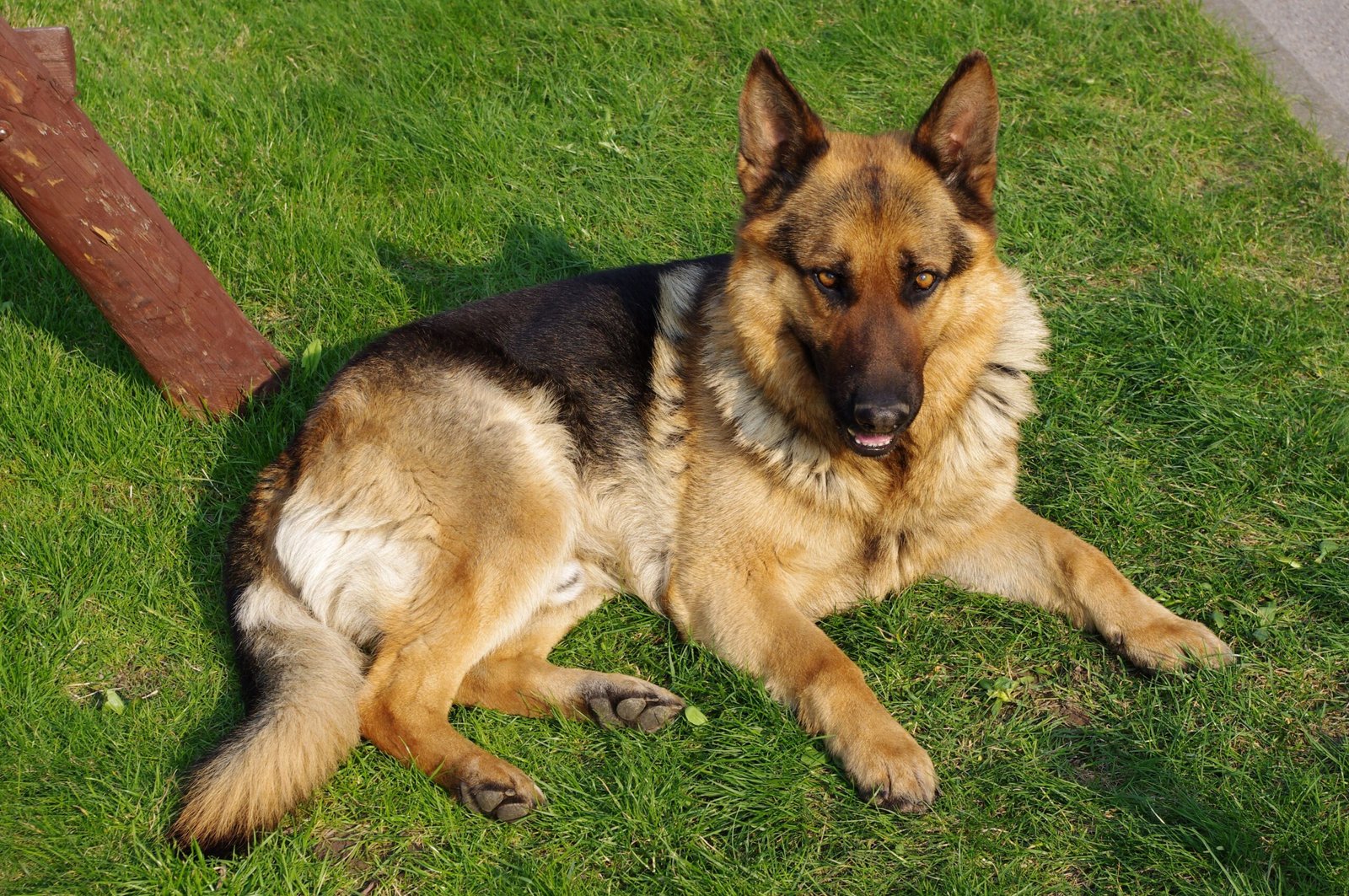
German Shepherds are absolutely magnificent dogs with hearts of gold, but they’re simply too demanding for most seniors. These intelligent, high-energy dogs require extensive training and hours of daily exercise, rough play, and mental stimulation. Picture this: your typical German Shepherd needs at least two hours of vigorous activity every single day, not just a pleasant stroll around the block.
What makes this particularly challenging for seniors is their size and strength. Combined with their guarding instincts and activity demands, German Shepherds are better suited for active, experienced owners rather than seniors. These dogs can easily pull an older adult off balance during walks, and their protective nature requires confident handling that many seniors might find overwhelming.
Border Collies – The Workaholics Who Never Rest
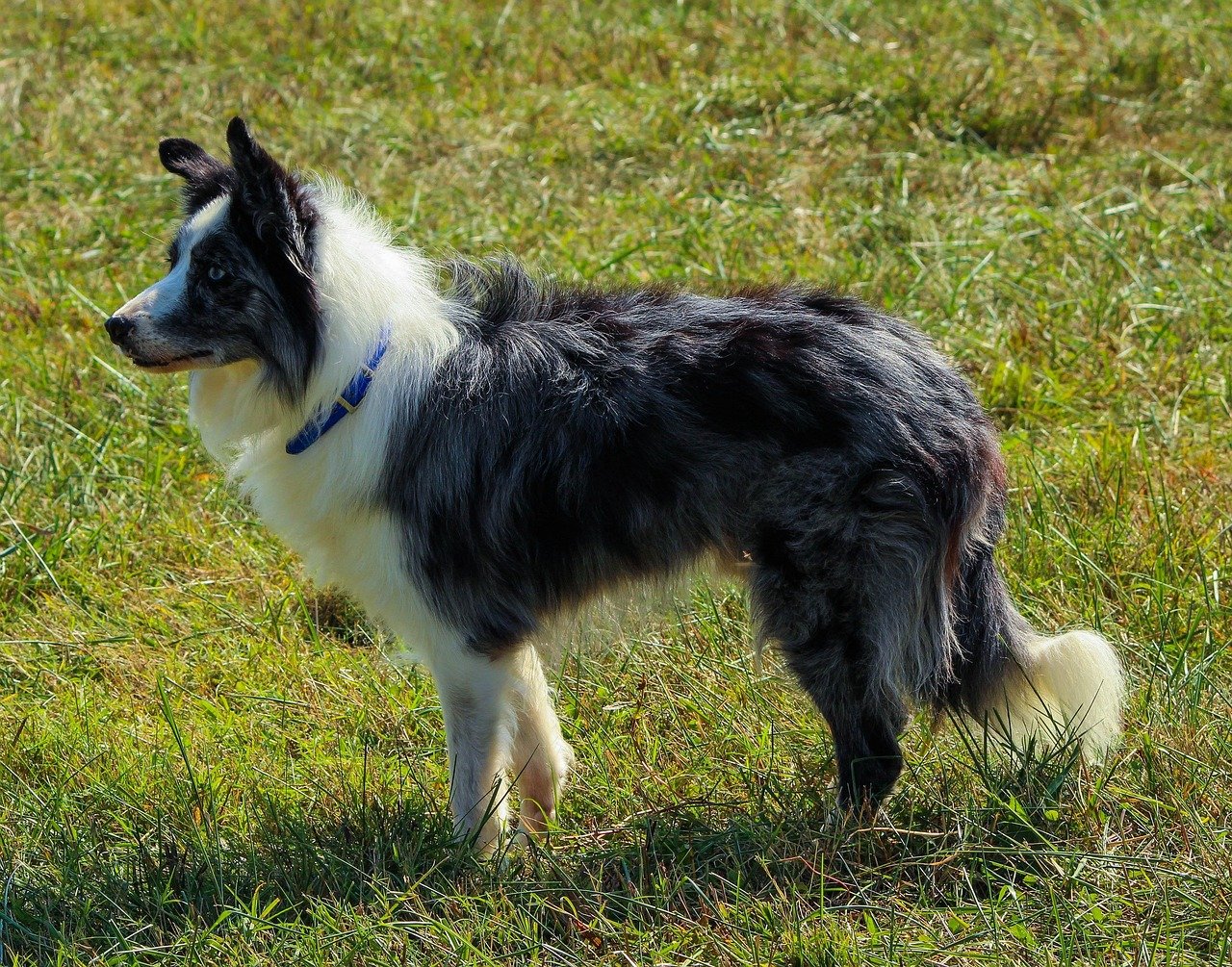
Border Collies are intelligent, intensely focused, and highly energetic dogs. They were bred to herd livestock and thrive when given a purpose. Their problem-solving skills and athleticism make them exceptional workers and loyal companions. However, these very qualities make them unsuitable for most seniors.
For elderly parents, their energy and intensity can be overwhelming. Daily exercise, mental challenges, and consistent engagement are essential to keep them happy. While affectionate, once worn out, their constant need for activity and attention can be physically demanding for seniors. They need at least two hours of vigorous daily exercise and ongoing mental stimulation, or they may become restless or destructive. Their instinct to herd can lead them to chase or nip at people or animals, creating risks in a senior’s home.
Siberian Huskies – The Beautiful Energy Tornadoes
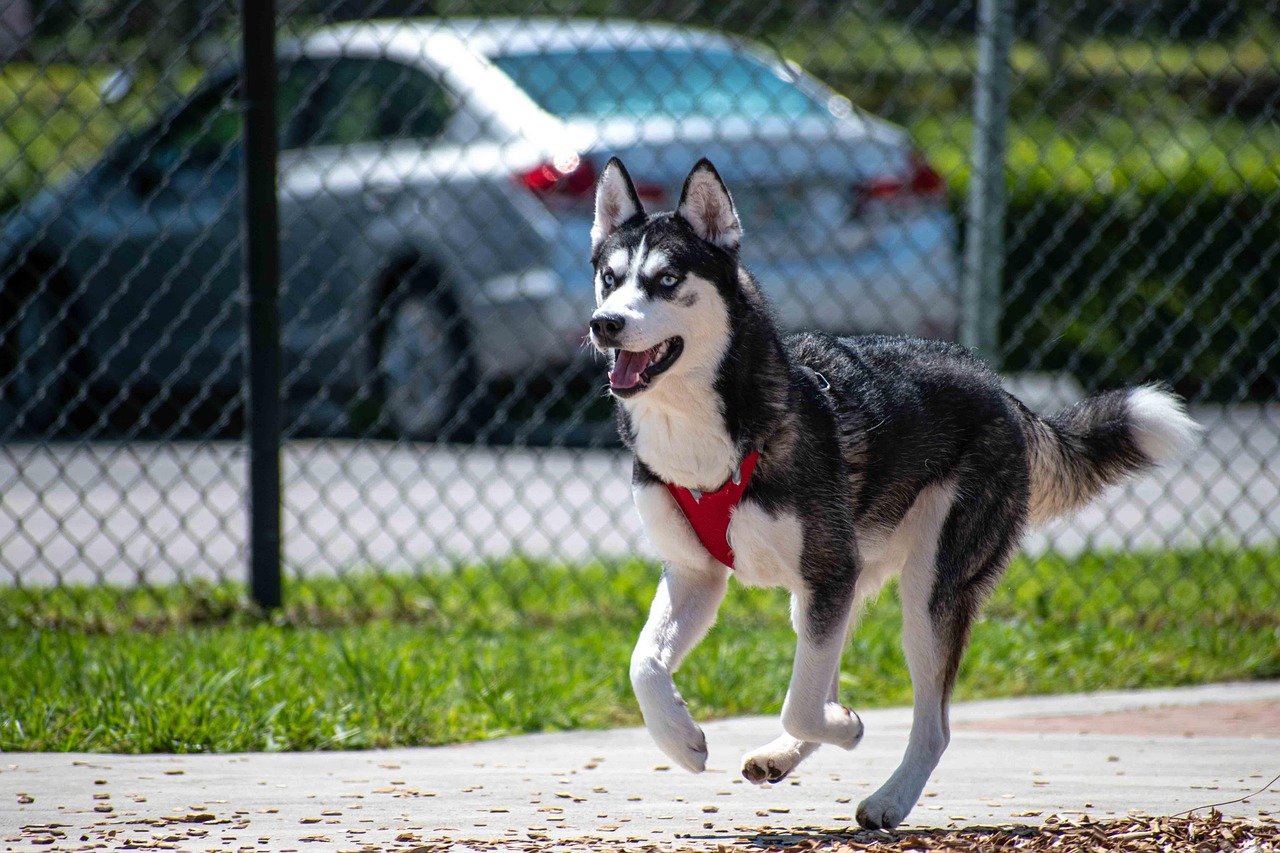
Huskies are medium to large dogs that usually weigh between 35 and 60 pounds. They are known for their wolf-like looks, playful nature, and high energy. These dogs enjoy being outdoors, running, and playing for hours. Their stunning appearance and friendly nature often attract potential owners, but seniors should think twice.
Their constant need for activity can overwhelm older owners who prefer a calmer pet. Without plenty of exercise and attention, they can become unhappy and destructive. For seniors, keeping up with such an active and demanding dog can be very difficult. Huskies are large, energetic, high-strung firecrackers. If you are looking for a relaxation buddy, this dog will never give you rest. Huskies require mental and physical stimulation every day, and if they don’t get it, bad things happen.
Rottweilers – The Loving Powerhouses
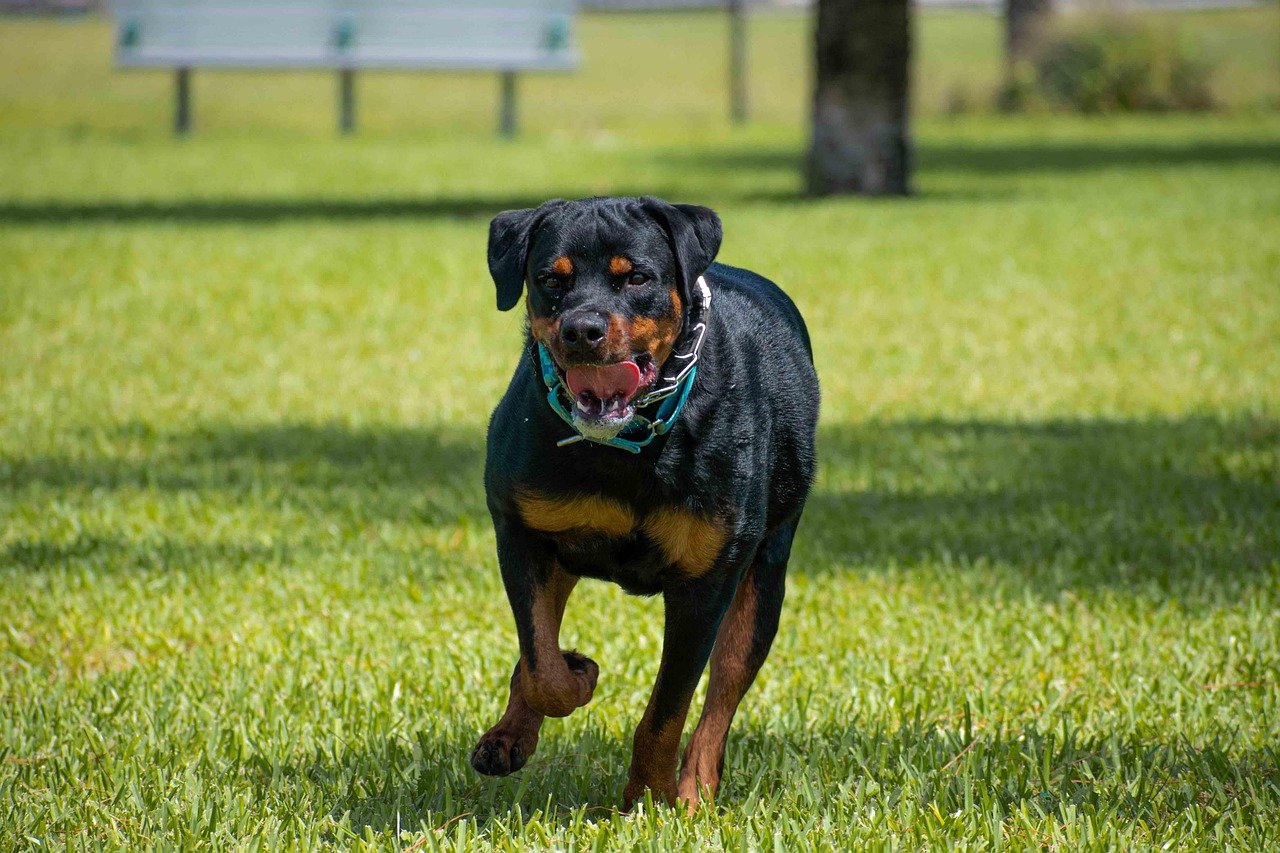
The Rottweiler is a high-energy dog, full of strength and loyalty. Within the family, they can be a gentle playmate, a highly active companion, and a playful cuddle partner, often forgetting their own size in moments of affection. Yet, this very power and athleticism that make it admirable can become overwhelming for elderly parents.
A sudden leap or tug during excitement may lead to accidental falls, and managing physical and mental stimulation can be physically demanding. For seniors, this breed’s muscular build can be challenging. They require daily exercise in the form of daily walks, play, swimming, and structured activities that challenge both mind and body. Without an active lifestyle, even a well-mannered Rottweiler may become aggressive or inadvertently intimidating, leading to destructive behavior.
Belgian Malinois – The Canine Athletes
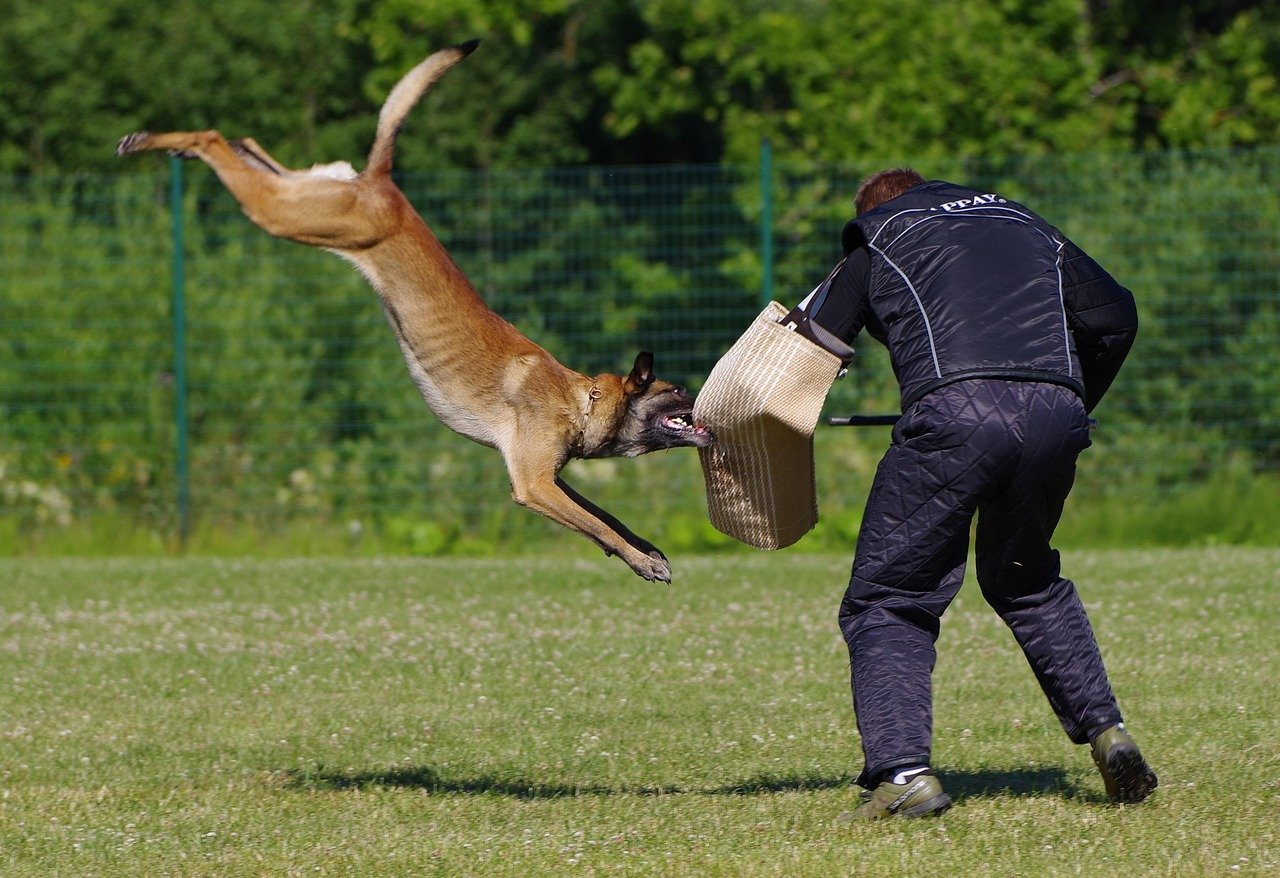
The stunningly impressive Belgian Malinois is a force to be reckoned with. They have incredible stamina and can perform outlandish tasks – winding up on task forces and rescue teams everywhere. However, when it comes to pet life, Malinois might not fare as well with seniors.
The Malinois requires extensive mental and physical stimulation for practically all their wakeful hours. If they don’t have a task, they will quickly bore and pick up bad habits. A Malinois that doesn’t get enough exercise might also develop restless or nervous behaviors that can lead to aggression. The Malinois is just a lot. Even though they are incredible, they have quirks that make them less compatible with older adults.
Australian Cattle Dogs – The Tireless Workers
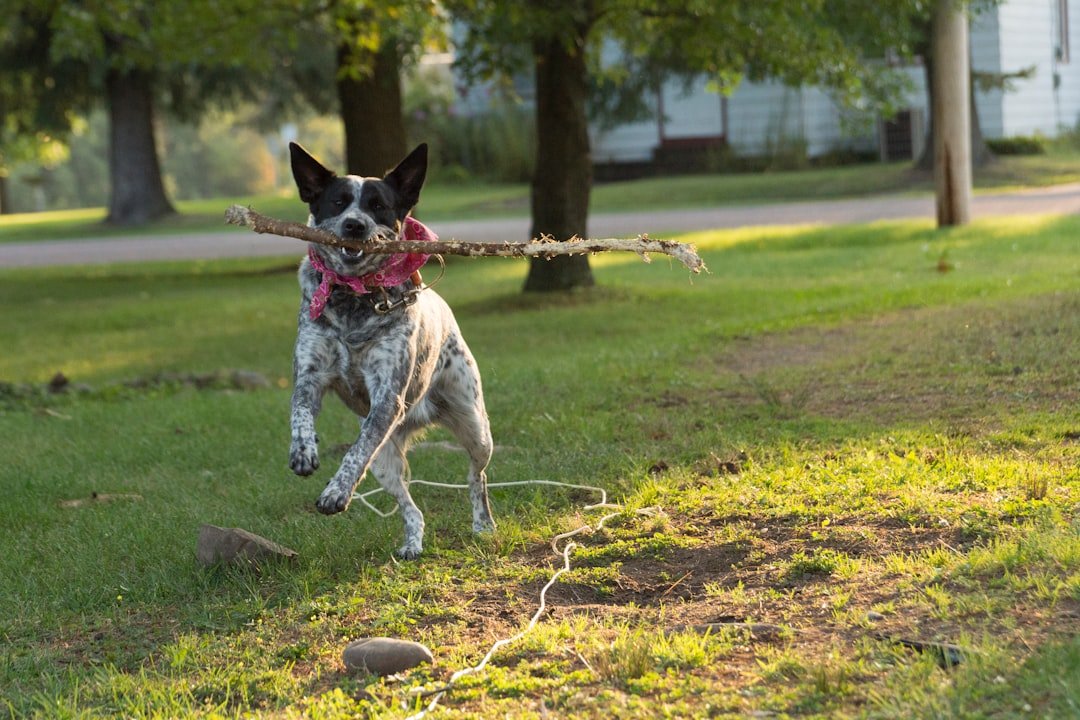
Australian Cattle Dogs require over two hours of exercise every day to maintain their physical and mental well-being. Australian Cattle Dogs are renowned for their high energy levels. This breed was developed to work hard, and without adequate physical activity, they may become restless or even destructive.
These dogs have high energy needs and you have to put in the effort to release that energy. That effort is every single day, multiple times a day. Australian Cattle Dogs require a high degree of exercise and do best with extended sessions of running, jogging, frisbee, fetch, or agility training. They are not well suited to apartment living or in a small living space/yard.
Akitas – The Independent Guardians
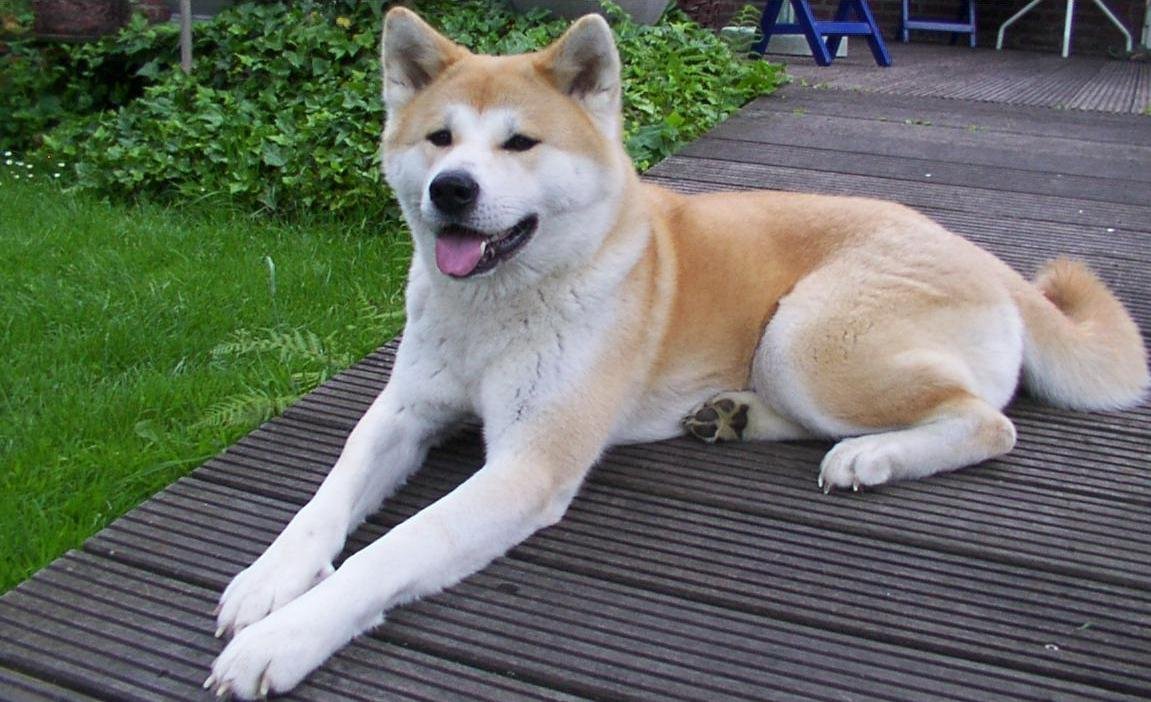
The Akita is a strong, loyal, and dignified dog. Within the family, they can be affectionate and playful, often showing surprising silliness despite their imposing size. Yet for elderly parents, their strength and physical exercise demands can be challenging to manage.
Daily walks, jogs, and playtime demand stamina, and even routine interaction may feel physically taxing. Their protective instincts, while admirable, can make encounters with strangers or other pets stressful. Seniors may find it difficult to meet the exercise and care requirements this breed naturally demands, therefore making Akitas one of the worst dog breeds for seniors.
Jack Russell Terriers – The Small Dynamos

Jack Russells are easily one of the most high-energy terrier breeds, and they’re known to be mouthy, alert, and reactive. These little dogs are fierce and not only require lots of exercise but also are not interested in being lap dogs. Don’t be fooled by their compact size – these terriers pack more energy than many large breeds.
Don’t let their small size fool you; Jack Russells are incredibly energetic and need a lot of exercise and mental stimulation. They can be a handful to train and manage, which might be challenging for less active seniors. Jack Russell Terriers are intelligent but stubborn with an independent nature. Training requires patience, consistency, and skill. Their strong-willed nature can be hard for older owners looking for a calm, easy companion. While lively and entertaining, their high energy and bold personality make them a demanding breed that’s better suited for experienced, active owners.
Dalmatians – The Spotted Sprinters
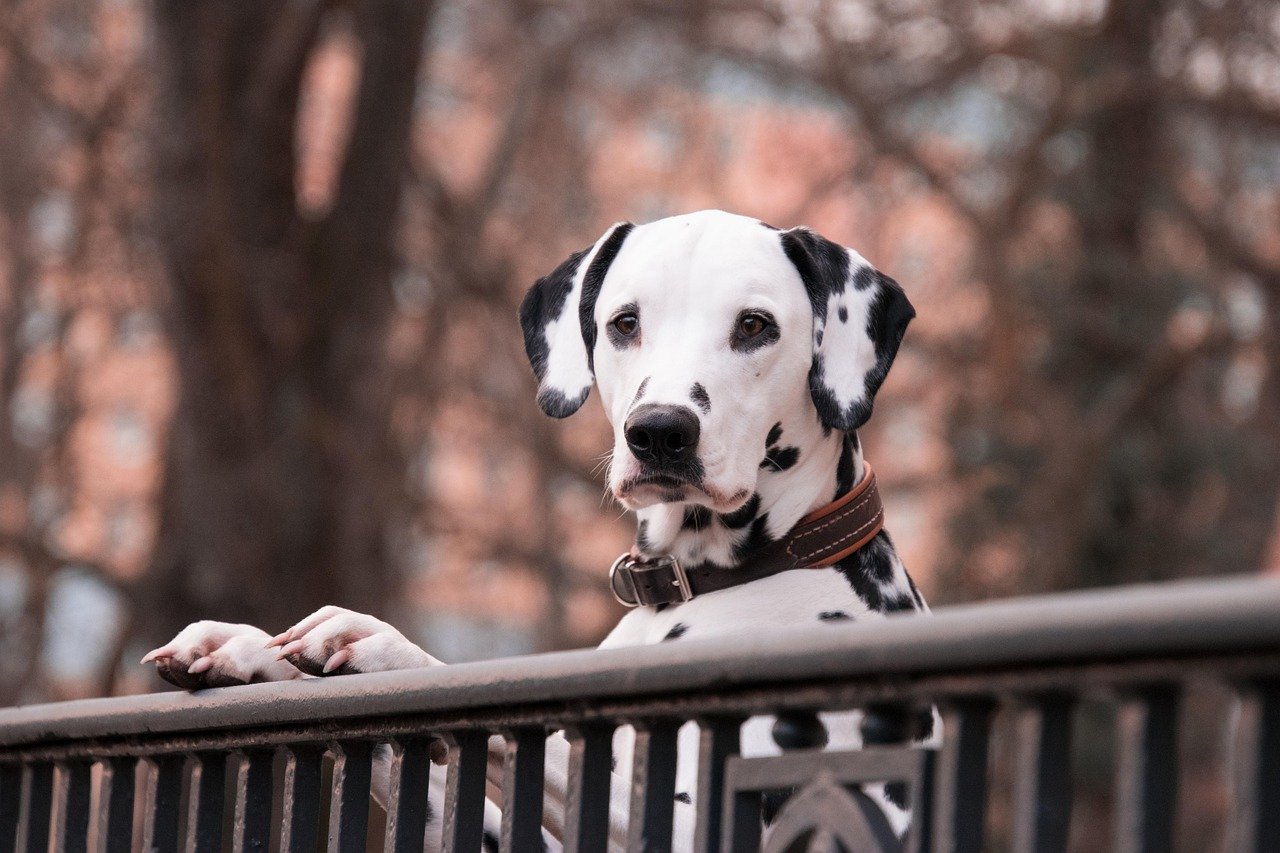
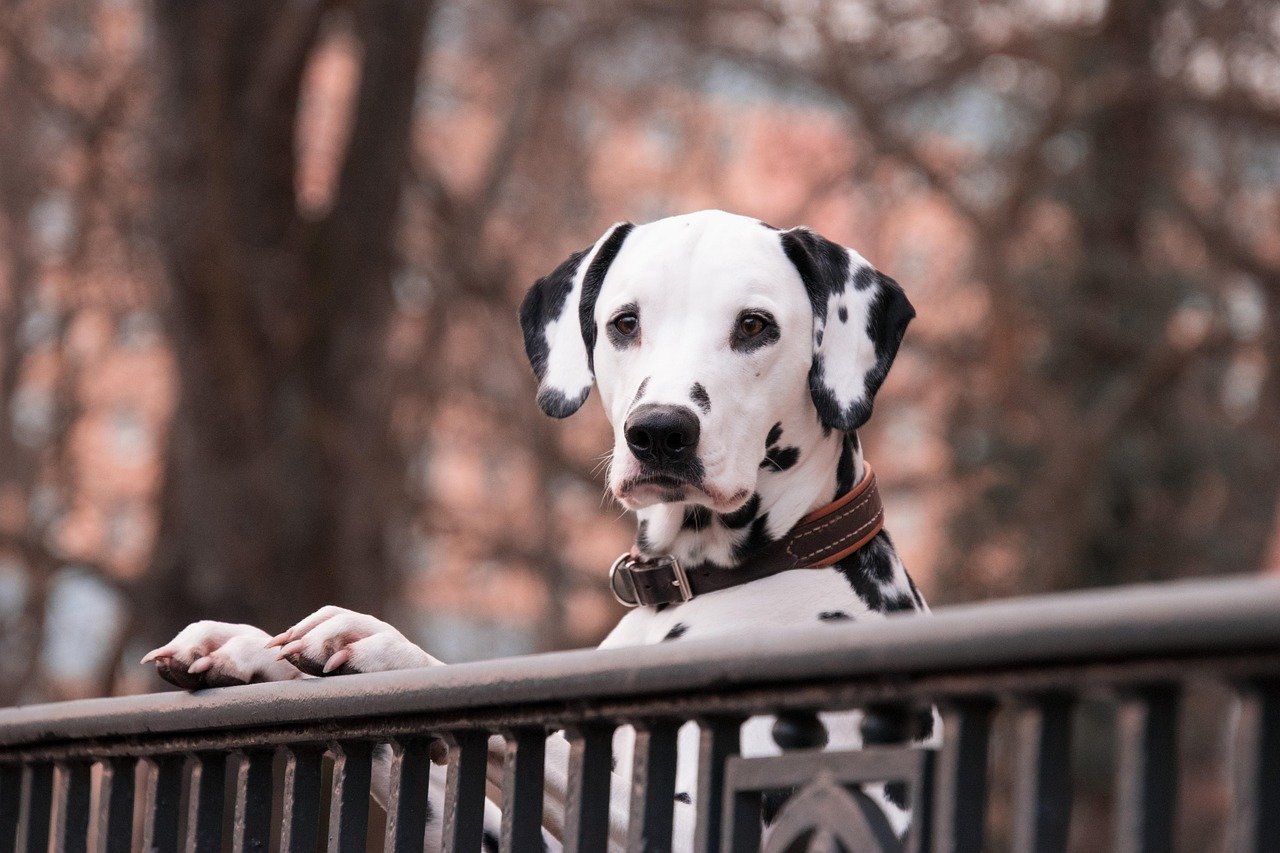
Dalmatians are medium-sized dogs known for their striking spotted coats and energetic personalities. Dalmatians were originally bred to guard horses and coaches, and that watchdog instinct is still present in the breed today. They are intelligent and sociable but thrive best with experienced pet owners who can provide structured exercise and training routines.
For elderly persons, Dalmatians present multiple challenges. Their high energy levels demand hours of daily exercise, which can be exhausting for older adults. They are prone to specific health problems such as urinary stones, deafness, and skin sensitivities that require careful management. The combination of their athleticism, potential for sudden bursts of energy, and specialized care needs makes them unsuitable for seniors.
Weimaraners – The Velcro Dogs
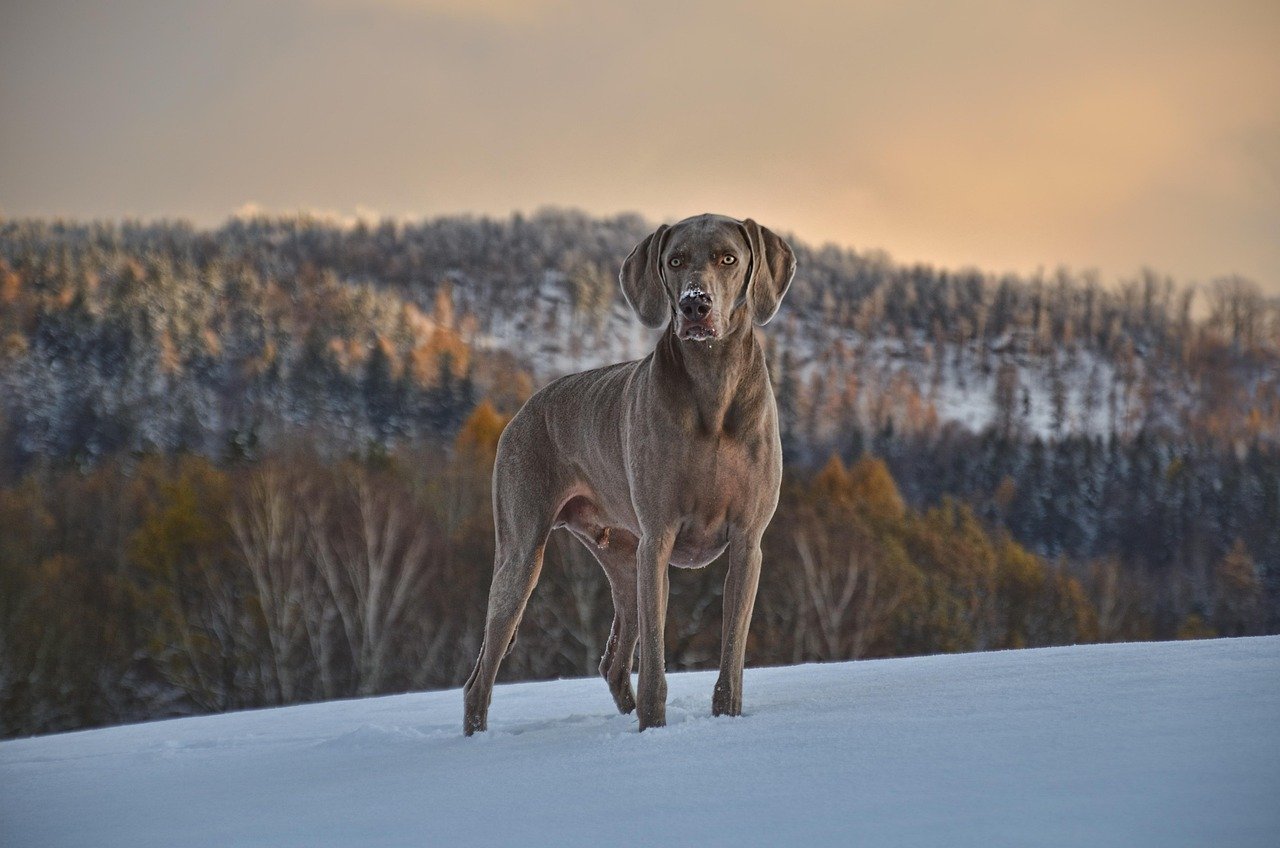
Weimaraners are beautiful, loyal, and highly intelligent dogs. They thrive on activity and love to stay close to their family at all times. This energetic breed can keep moving for hours, whether on long walks, play sessions, or outdoor adventures. While this makes them great companions for active households, it can be exhausting for elderly parents.
Weimaraners need a large space to move and thrive, along with consistent training and interaction. Their devotion means they often follow their owners everywhere, requiring energy and attention. Seniors may struggle to meet these demands safely. For older pet parents seeking a calm, low-maintenance companion, a Weimaraner’s high energy and need for activity make them a challenging choice.
Conclusion
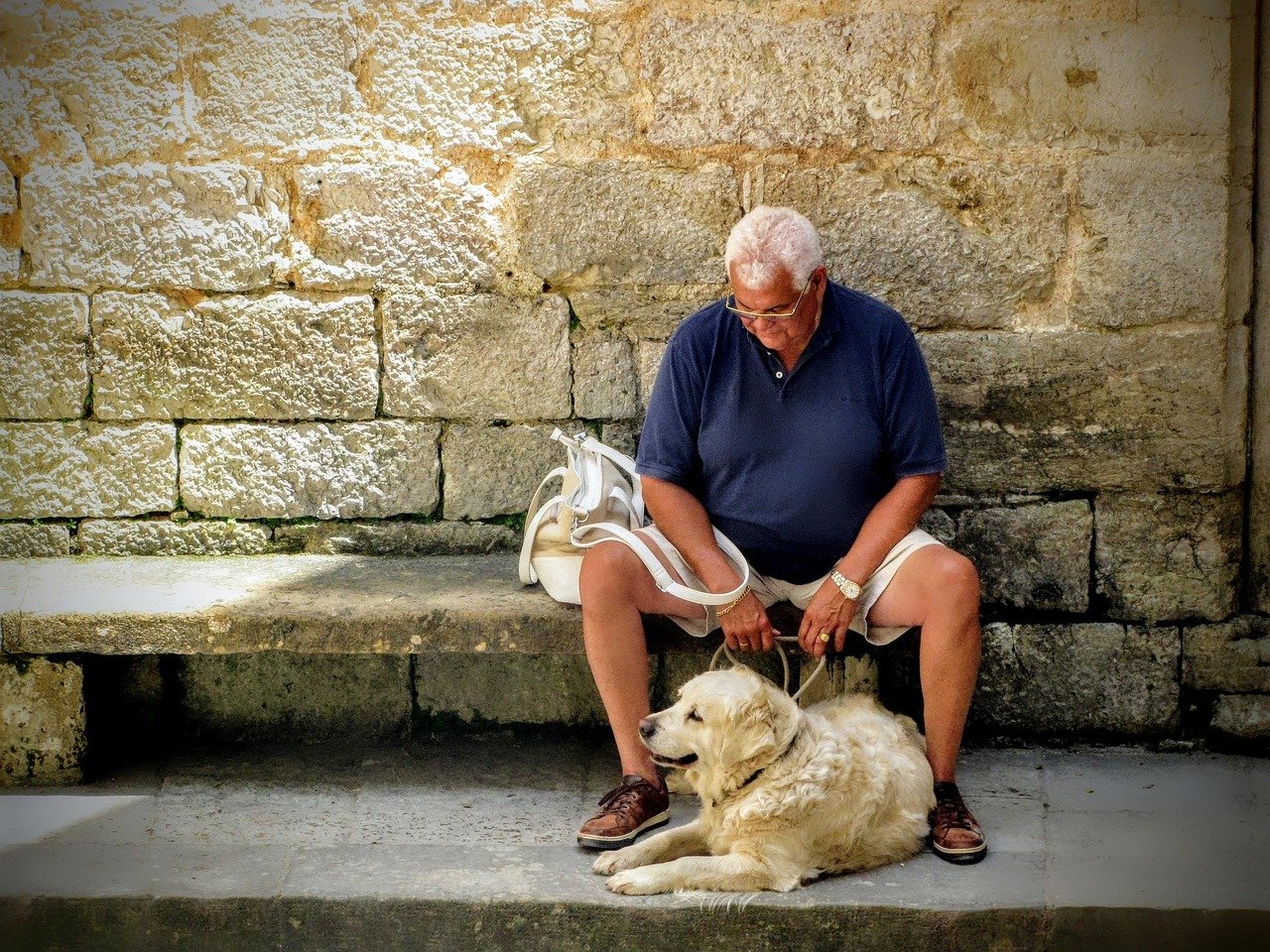
Choosing the right canine companion for your golden years is one of the most important decisions you’ll make. While every breed mentioned here has wonderful qualities and makes excellent pets for the right owners, they simply demand more energy, strength, and time than most seniors can safely provide. The key is being honest about your physical capabilities, lifestyle, and what you’re truly looking for in a four-legged friend.
Remember, there are many fantastic breeds that would be perfect matches for seniors – calm, gentle dogs that offer companionship without the overwhelming demands. The goal isn’t to discourage you from getting a dog, but to help you find one that will bring joy rather than stress to your life. What matters most is finding a furry friend who matches your pace and brings happiness to your daily routine.


