
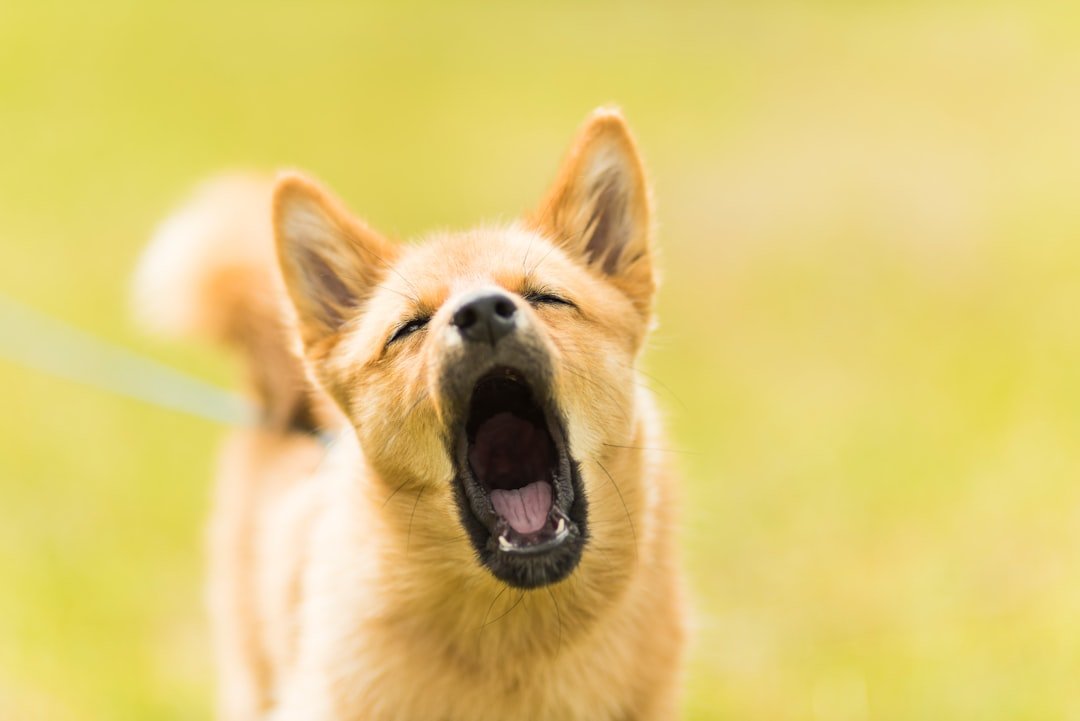
Picture this. You’ve just settled down for a peaceful evening when the soundtrack to your life becomes an endless symphony of barks, yaps, and howls. Your neighbor’s dog seems to have opinions about everything from passing squirrels to delivery trucks. You love dogs, but let’s be honest – some breeds just can’t keep their mouths shut.
While every dog has their voice, certain breeds take vocalization to a whole new level. These aren’t necessarily bad dogs, but their natural instincts and breeding history have created four-legged chatterboxes that can turn your tranquil home into a canine concert hall. Understanding these vocal tendencies before bringing one home can save your sanity and your relationship with the neighbors. Let’s explore the breeds that are most likely to keep you on your toes with their constant commentary.
Chihuahuas: Tiny Dogs with Enormous Voices
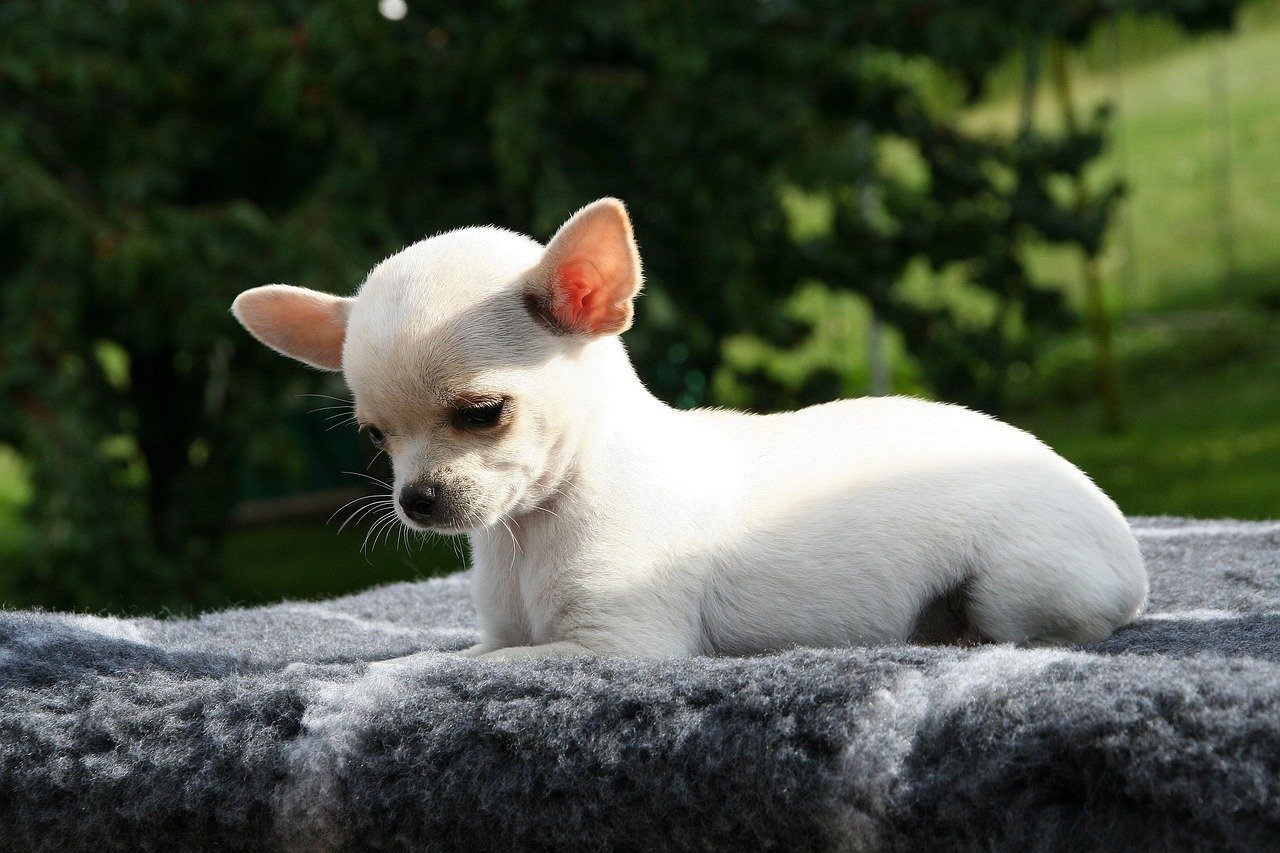
These pocket-sized powerhouses are like a big bomb in a small package, compensating for their small size with an insanely loud bark. Don’t let their tiny stature fool you – Chihuahuas have the heart of a guard dog trapped in a body that typically weighs 2-6 pounds. They approach life with the confidence of a much larger breed, announcing every visitor, delivery person, and suspicious leaf that dares to move in their territory.
Chihuahuas are known for their excessive barking despite their size. Their high-pitched yips can pierce through walls and travel impressive distances. Many Chihuahua owners joke that their dogs believe they’re protecting the entire neighborhood single-handedly, and honestly, they might not be wrong.
Beagles: The Howling Hounds That Never Stop Talking
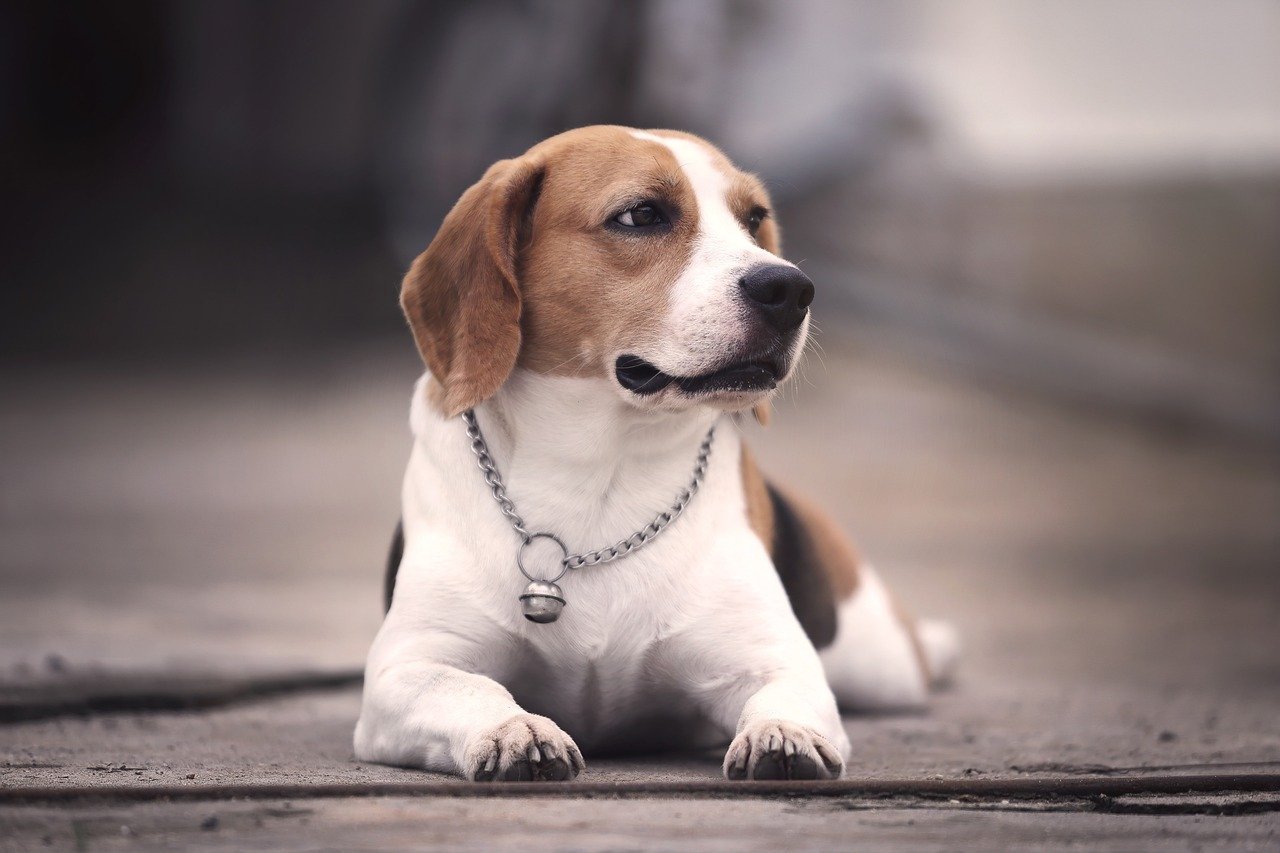
Originally bred for hunting, Beagles have an innate need to communicate with their pack – which now includes you and everyone within a two-mile radius. Beagles were bred to howl during hunts to alert hunters of their location and prey, and possess a wide variety of vocalization. Their distinctive baying isn’t just barking; it’s a full-throated announcement of their every thought and feeling.
A Beagle named Bailey involved long howling sessions, a trait common in this breed, as Beagles were bred to hunt in packs and use their howl to communicate with their pack and their human hunters, which was a little disruptive in the neighborhood. When your Beagle starts their vocal performance, expect it to continue until they’ve thoroughly expressed whatever urgent message they feel the world needs to hear. Whether it’s excitement, boredom, or just because the wind changed direction, Beagles have something to say about it.
German Shepherds: The Booming Voices of Authority
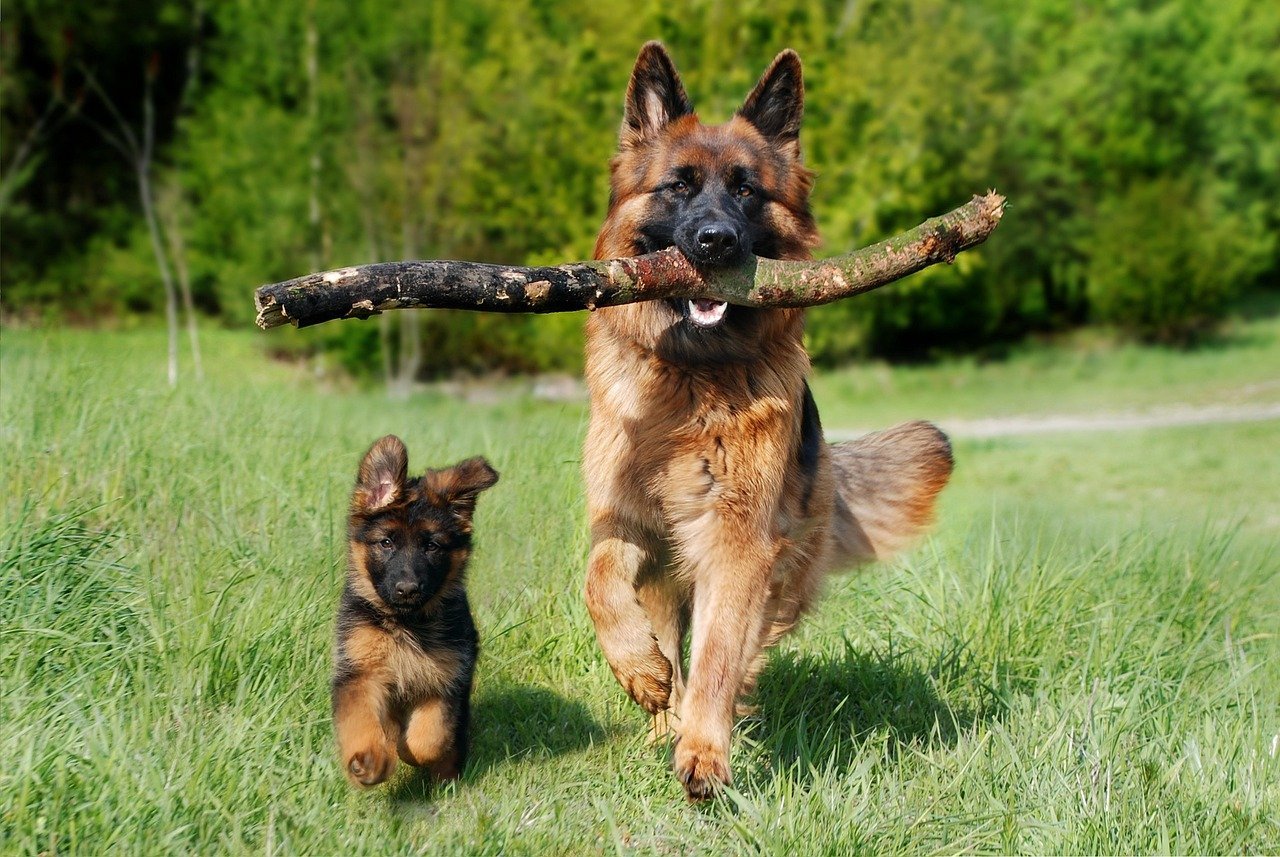
German Shepherds are known for their particularly loud bark, which can be quite earsplitting, as these pastoral breeds were bred as guardians of the flock and expected to use this intimidating bark to raise the alarm and scare away intruders or predators. When a German Shepherd decides to speak up, everyone listens – whether they want to or not.
German Shepherds are generally more expressive and have a very distinctive loud bark, having a long history of working alongside humans, assisting them in herding livestock and for protection. Their impressive vocal range means they can go from a warning grumble to a full-volume alert bark that could wake the dead. These intelligent dogs don’t bark just for fun – when they vocalize, they usually have a very good reason, but that doesn’t make it any less overwhelming for your ears.
Pomeranians: Fluffy Little Alarm Systems
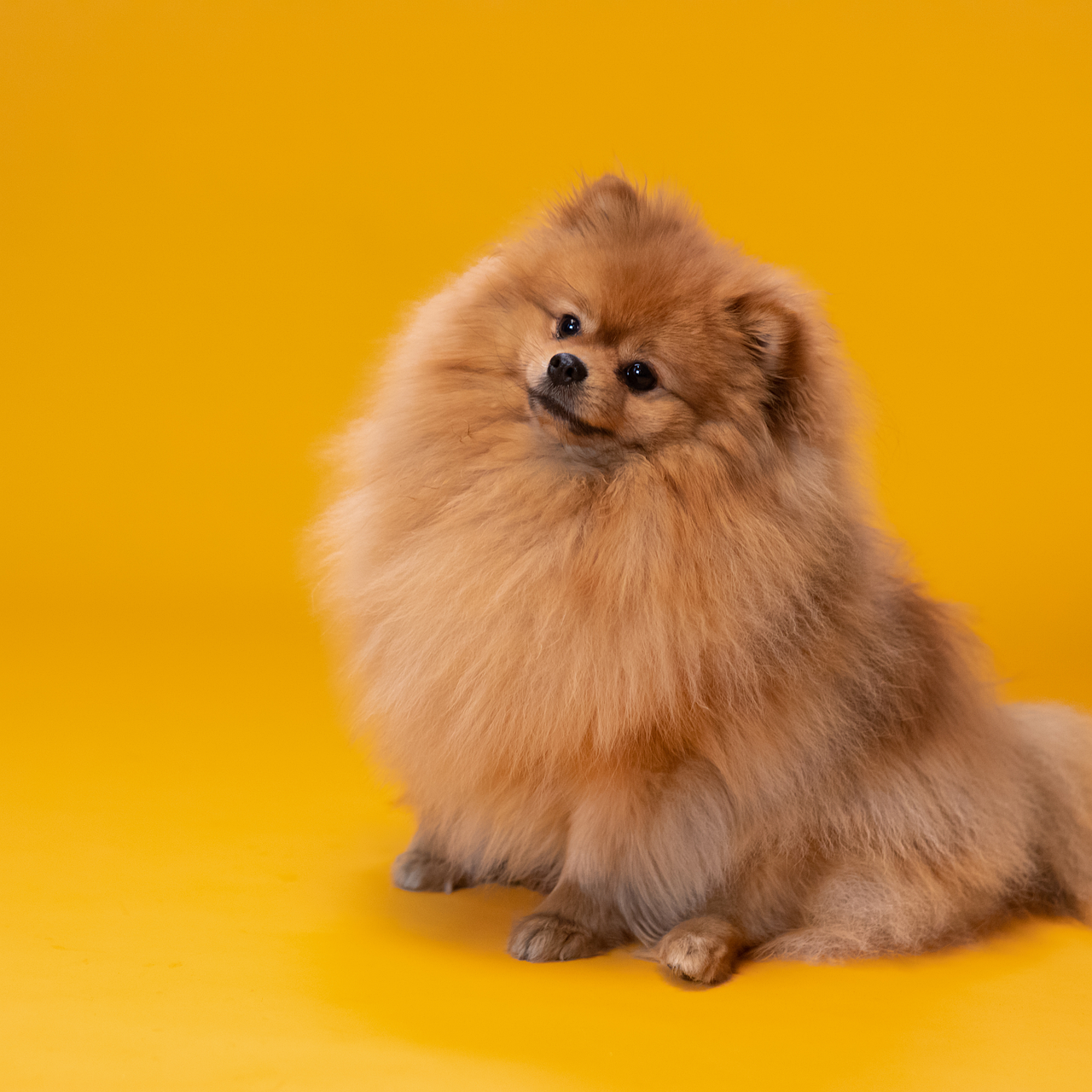
Pomeranians are small dogs with a fluffy coat and a vivacious personality, described as small dogs with big voices, with their howling being part of their way to express themselves, stemming from their larger Spitz-type ancestors. These adorable fluffballs pack a surprising punch when it comes to volume. Despite weighing less than most house cats, Pomeranians have the vocal confidence of dogs ten times their size.
A lot of small companion dogs, such as Pomeranians, are prone to being more vocal, as these small breeds often make excellent watchdogs by alerting you to any perceived dangers, and being vocal can also become a strategy that they’ve learned gets them attention, with small breeds sometimes barking because they feel more anxious or vulnerable due to their small size. Their high-pitched bark can be particularly grating, especially when they decide that every passing butterfly is a threat worthy of their loudest protest.
Dachshunds: The Wiener Dogs with Big Opinions
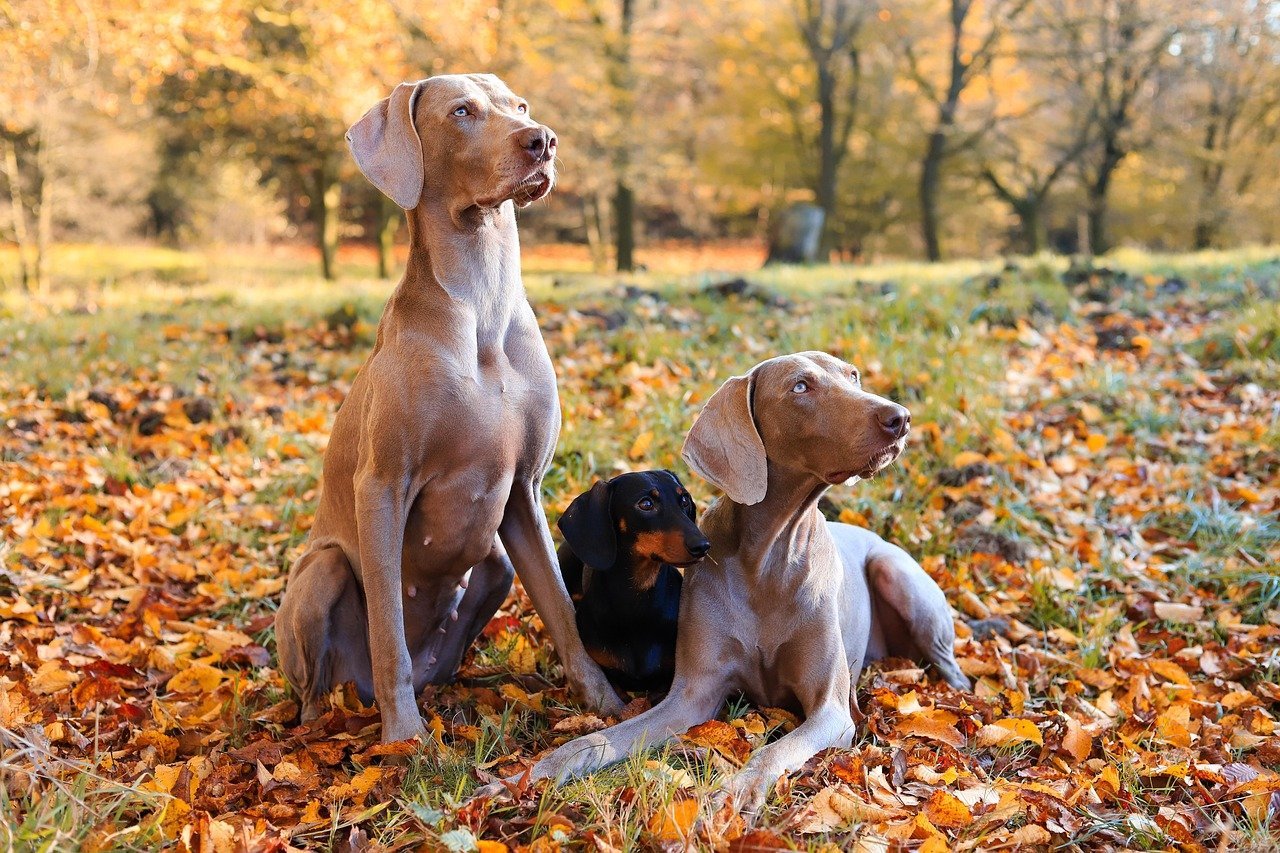
Hunting dogs are bred to be chasers, diggers, and barkers, and this tenacious spirit has not left them despite the lack of badger to pursue in your home, with the dachshund having a unique bark that is somehow both high-pitched and exceptionally loud, and they are notorious for using it all the time. These elongated pups were originally bred to hunt badgers in underground tunnels, which required them to be fearless and vocal.
Modern Dachshunds have retained that hunting instinct but redirected it toward household intruders like the mailman, delivery trucks, and that suspicious squirrel in the backyard. Their bark has a unique quality – it’s somehow both sharp and deep, cutting through ambient noise like a hot knife through butter. Once they start their barking marathon, stopping them can feel like an impossible task.
Siberian Huskies: The Talkative Pack Animals
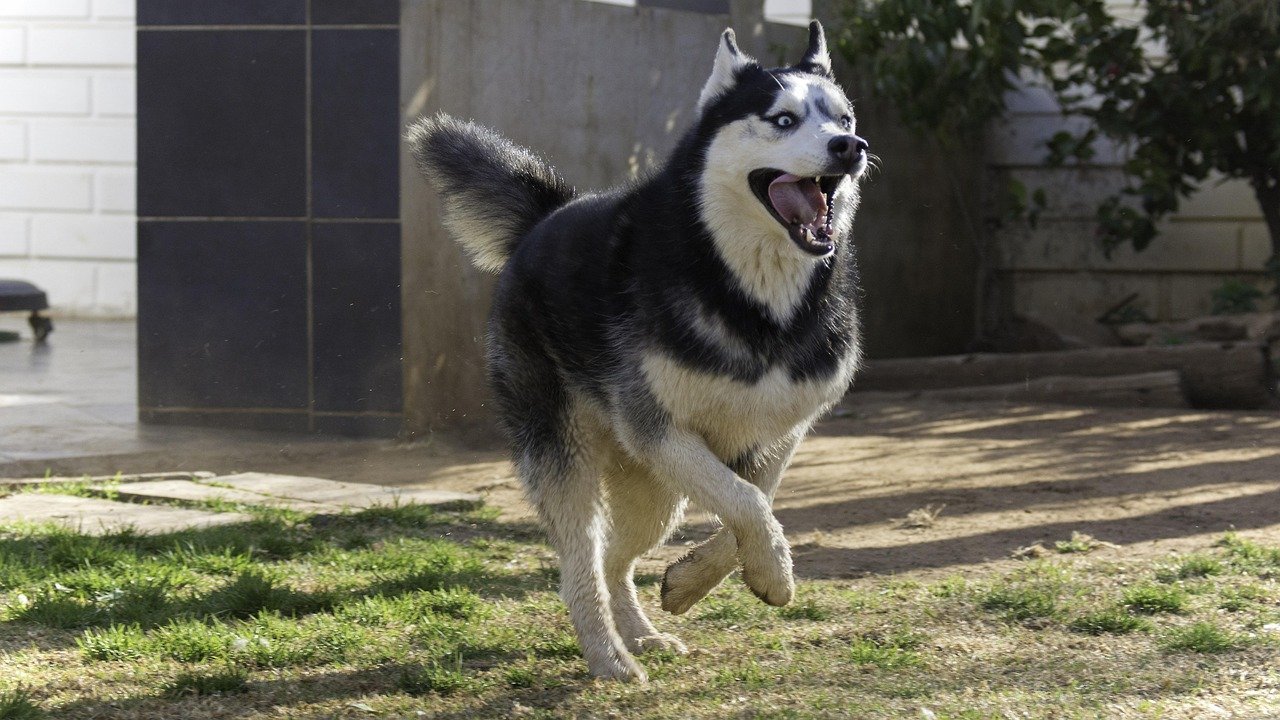
Siberian Huskies don’t necessarily bark a lot, but they’re described as a talkative breed that will whine, howl, groan and ‘talk’ for hours, with studies showing their DNA is closely linked to wolves, so their vocalisation is more similar to that of their ancestors, and as former sled dogs who travelled over large distances, communication was important and a whine or howl will travel a further distance than a bark.
These beautiful dogs don’t just bark – they have entire conversations. Huskies are notorious for their dramatic vocalizations, complete with what sounds like actual attempts at human speech. They’ll argue with you, express their dissatisfaction with your decisions, and provide running commentary on everything happening in their environment. Their wolf-like howls can be hauntingly beautiful, but when it happens at three in the morning because they heard a siren six blocks away, the beauty tends to lose its appeal.
Maltese: Elegant Exteriors, Vocal Interiors
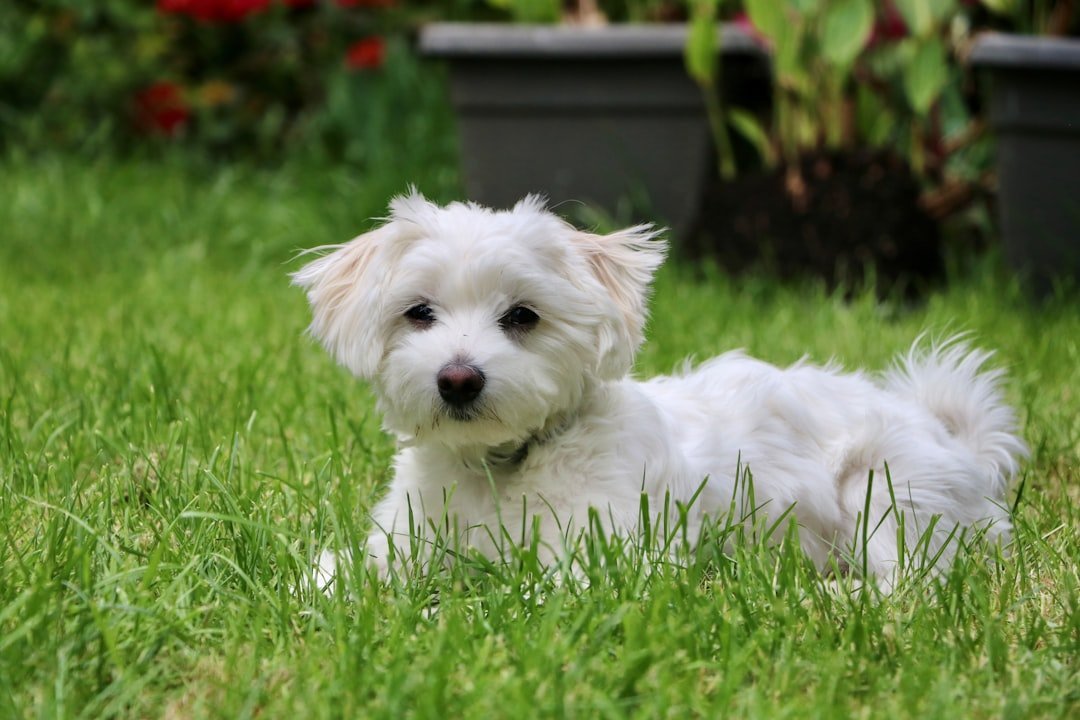
The Maltese is a small, elegant breed, often prized for its luxurious white coat and gentle, affectionate nature, but despite their aristocratic bearing, Maltese are quite spirited and can be very vocal, especially when alerting their owners to strangers or unusual noises. Don’t let their refined appearance fool you – these silky-coated companions have strong opinions about everything.
This breed, while loving and playful, may require training to manage their barking tendencies, but despite their barking, they are so loyal and take their job as companion dog very seriously. Maltese dogs seem to believe that their primary job is to keep you informed of every single thing happening in a three-block radius. Their sharp, persistent bark can be particularly challenging in apartment settings where sound carries easily between units.
Basset Hounds: The Deep-Voiced Commentators
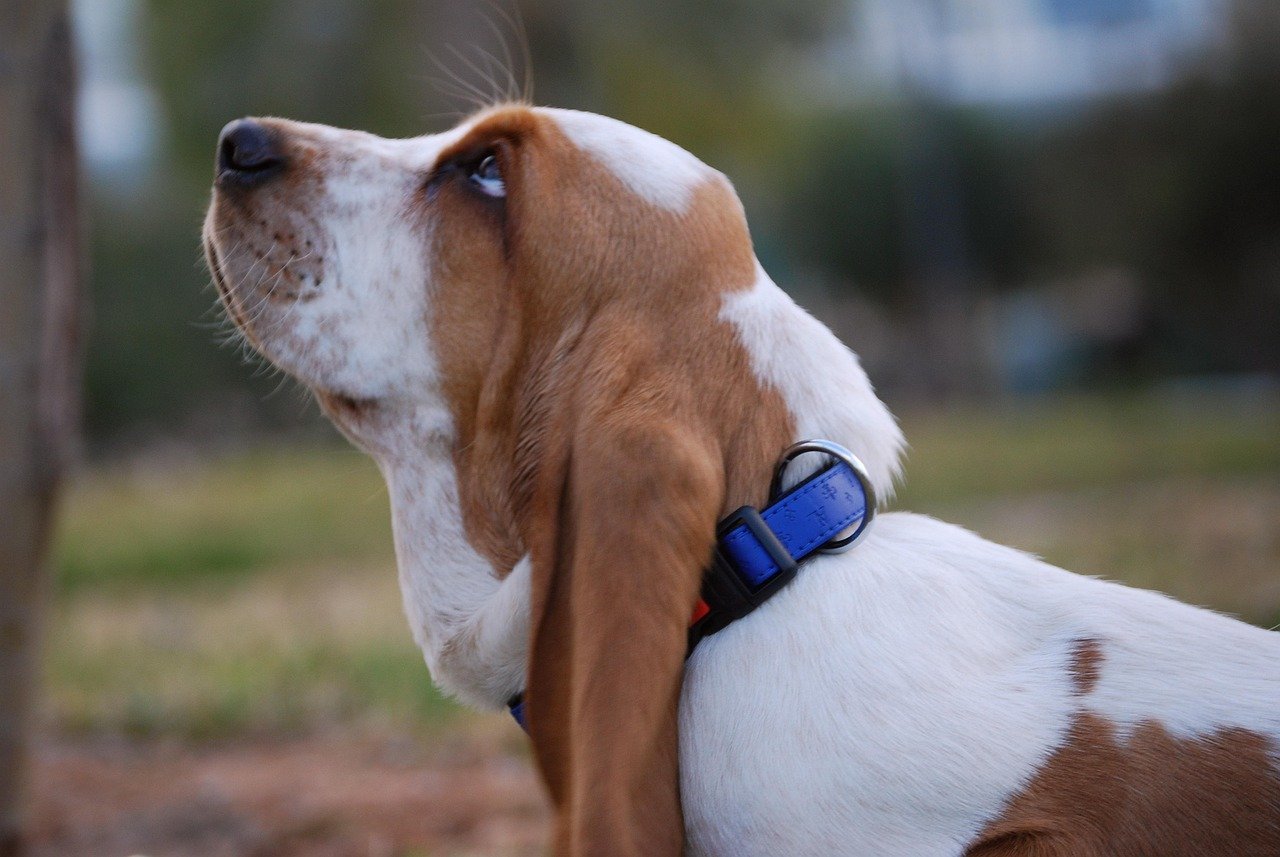
Dog breeds that bark the most include the Siberian Husky, Basset Hound, and Scottish Terrier, all known for their loud and frequent barking. Basset Hounds bring their own unique style to excessive vocalization. With their deep, resonant baying, they sound like they’re providing play-by-play commentary for an invisible sporting event that only they can see.
These droopy-eared hounds were bred for tracking, and their vocal cords were designed to carry their voice over long distances to communicate with hunters. In your living room, that translates to a booming bark that can rattle windows and wake sleeping babies three houses away. When a Basset Hound decides to share their thoughts, everyone in the neighborhood gets to hear them.
Scottish Terriers: Small Stature, Maximum Volume
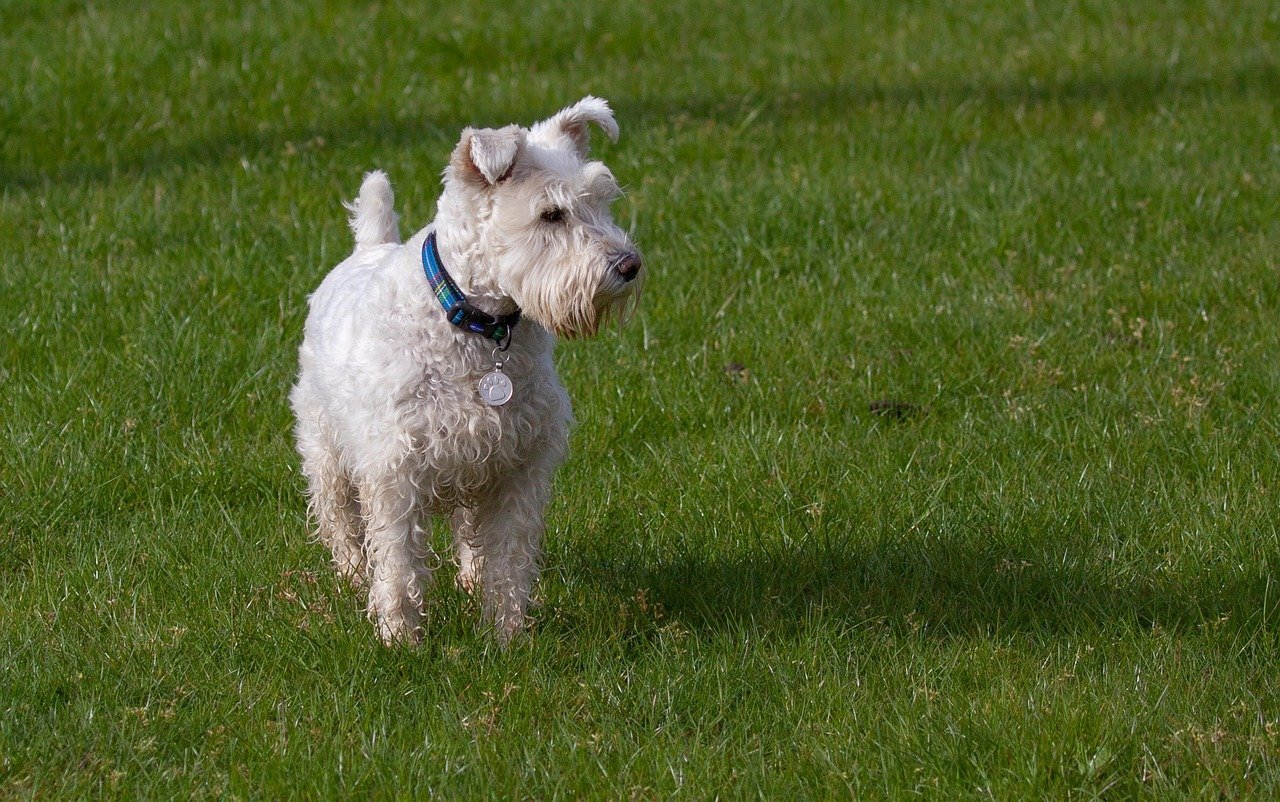
Scottish Terriers, or Scotties, embody the classic small dog syndrome – they’re convinced they’re much larger and tougher than they actually are. Scottish Terriers are known for their loud and frequent barking. These wiry-coated warriors approach every situation with the confidence of a dog three times their size, and they’re not afraid to let everyone know exactly how they feel about it.
Their bark is surprisingly deep and authoritative for such a small package. Scotties were originally bred to hunt vermin, which required them to be brave, determined, and vocal enough to alert their owners when they’d cornered their prey. Today, they apply that same intensity to alerting you about the delivery truck, the neighbor’s cat, and that leaf that just moved in a suspicious manner.
Miniature Pinschers: The Self-Appointed Security Chiefs
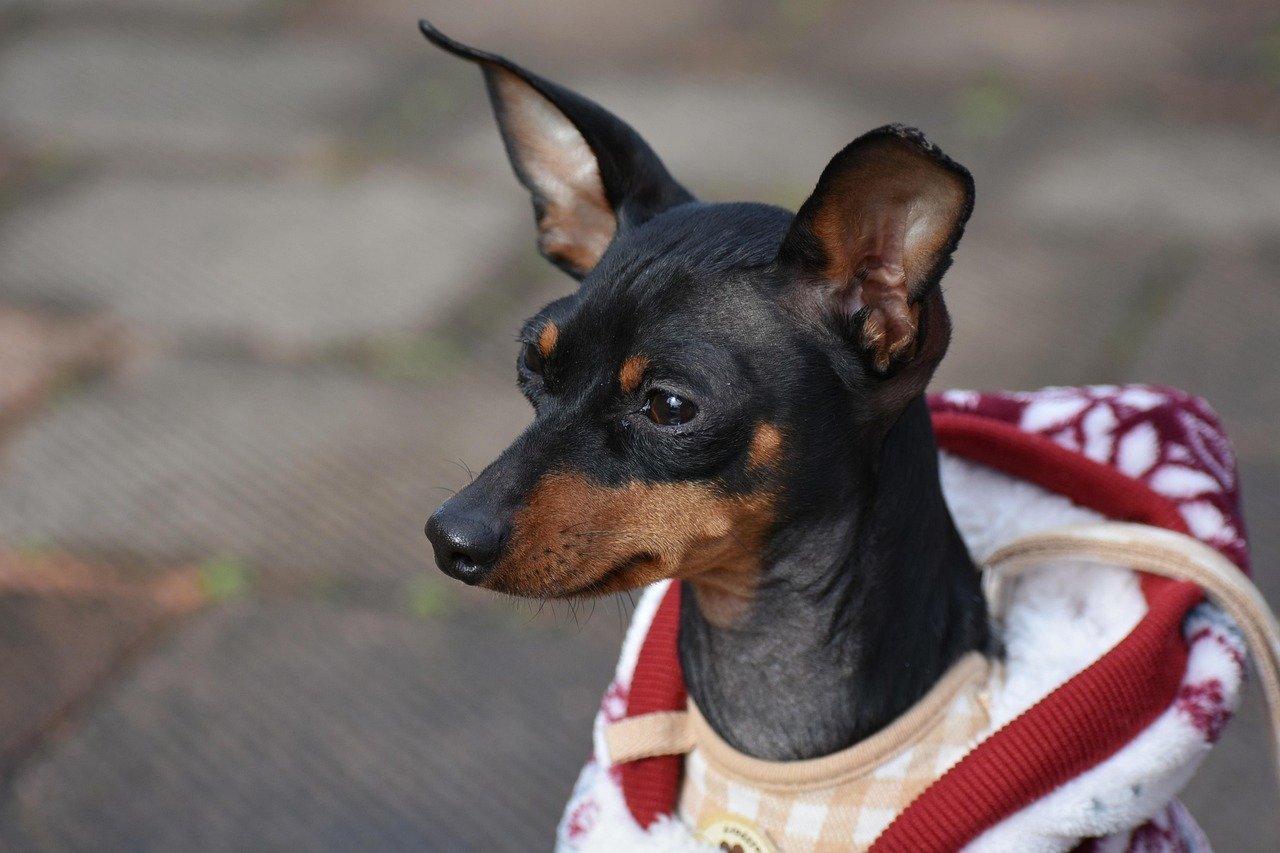
Min Pins are small, energetic dogs that resemble miniature Dobermans, with one Min Pin named Zeus whose vigilant barking was a constant feature. These pint-sized patrol officers take their self-appointed security duties very seriously. Despite their small stature (typically 10-12.5 inches tall), they patrol their territory with the authority of a much larger breed.
Min Pins have an incredibly sharp, piercing bark that they use liberally and enthusiastically. They’re natural watchdogs who believe that every sound, movement, or change in their environment requires immediate vocal notification. Their high-energy personalities mean they’re always on alert, always ready to spring into action with a series of rapid-fire barks that can test even the most patient dog lover’s nerves.
Finding Peace: Living with Vocal Breeds
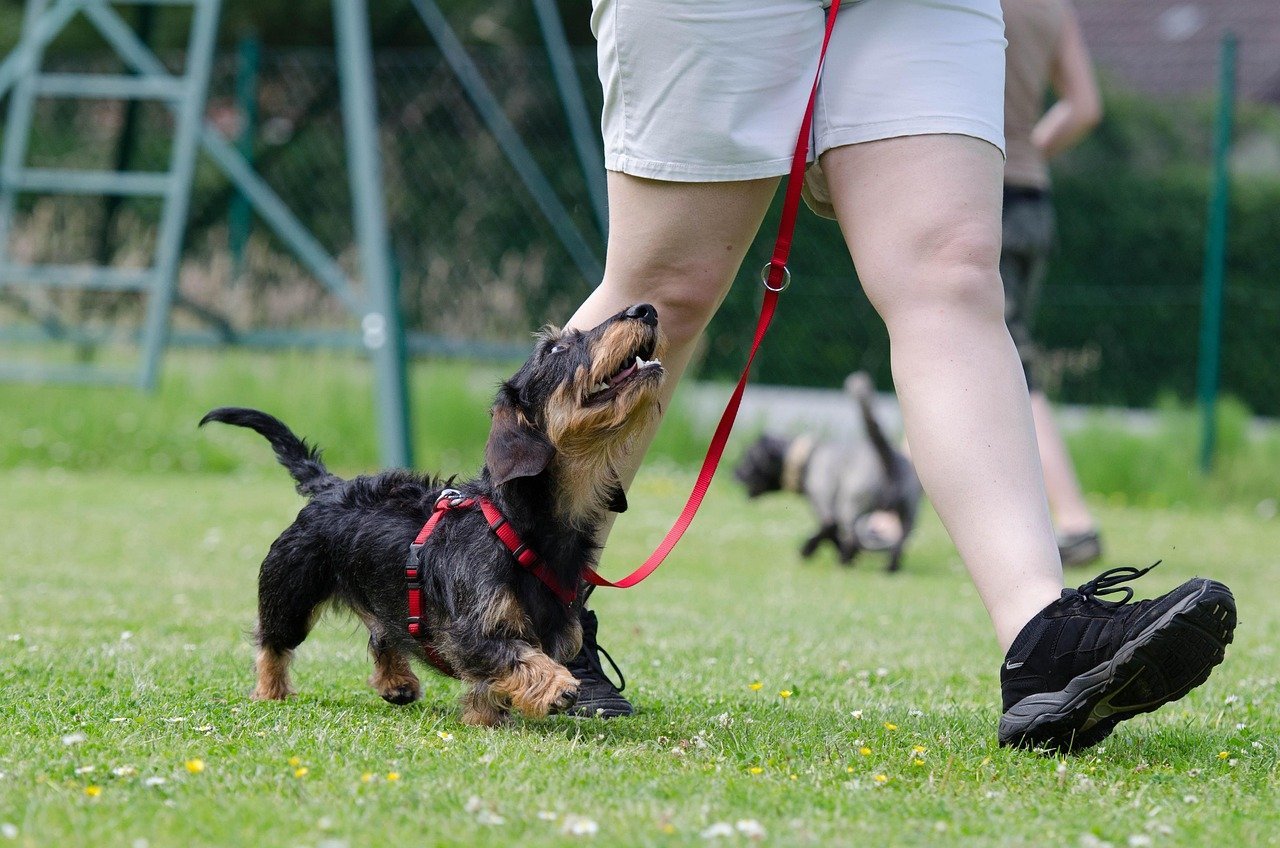
If you want to reduce your dog’s barking, it’s crucial to determine why he’s barking, as it will take some time to teach your dog to bark less, and unfortunately, it’s just not realistic to expect a quick fix or to expect that your dog will stop barking altogether, with your goal being to decrease, rather than eliminate, the amount of barking.
Living with a vocal breed doesn’t have to mean surrendering your peace and quiet entirely. A popular method of curtailing excessive barking is teaching the “quiet” command, using a calm, firm voice to tell your dog to be “quiet” and positively reinforcing correct behavior with treats and affection. Consistent training, adequate exercise, and mental stimulation can work wonders in reducing excessive vocalization. Remember, these dogs aren’t trying to drive you crazy – they’re just doing what comes naturally to them. With patience, understanding, and the right approach, you can find a balance that works for both you and your chatty companion.
What do you think about living with these vocal breeds? Have you experienced the joys and challenges of a particularly talkative dog? Tell us in the comments about your own experiences with these canine chatterboxes.


