

You know that moment when you walk through your front door after being away, even for just an hour? Your dog explodes with joy, tail wagging furiously, maybe even doing those adorable little hops. Something deep inside your heart whispers that they missed you terribly. Yet doubt creeps in too. Were they really counting the minutes, or is this just their default reaction to seeing you?
The truth about whether dogs miss us when we’re away is both simpler and more complex than you might expect. Research reveals fascinating insights about our furry friends’ emotional lives. They’re not just excited to see us return, they’re actually experiencing something remarkably similar to what we feel when separated from those we love. Let’s explore what science tells us about your dog’s heart when you’re not home.
The Science Behind Canine Attachment and Missing
Researchers have discovered that when dogs smell their owner’s scent, specific regions of their brain associated with positive emotions and reward become activated. This neurological response suggests that dogs don’t just recognize their owners physically but develop a profound emotional connection that transcends mere recognition.
A 2017 study by the University of Lincoln investigated the behavioral changes in dogs during their owner’s absence. The researchers found that dogs often experienced anticipatory behaviors before their owners left, such as becoming more anxious or clingy. When the owners returned, the dogs displayed signs of relief and excitement, further indicating that they had missed their humans during the separation.
The evidence doesn’t stop there. Modern research paints a picture of dogs as emotionally sophisticated beings who form genuine attachments to their human family members. Further evidence for this comes from research by scientists who have investigated whether dogs miss their owners during short and long absences, with studies measuring heart rate and behavioral changes during owner absence periods.
These studies reveal that dogs don’t simply react to your return with automatic excitement. They actually experience emotional states during your absence that mirror aspects of human longing and attachment.
How Dogs Experience Time While You’re Away
Though they may not know “5 p.m.,” or “dinner,” they may know exactly what time it is by the feeling of their empty stomach. Dogs can understand time as the continuous sequence of events marked by changes in their bodies and in the environment. Dogs can’t understand time by devices like clocks, but they can perceive morning as a change from dark to light.
Your dog’s perception of time works differently than yours. Instead of watching clock hands move, they rely on what scientists call a “scent clock.” For example, when you are home, your scent is strongest. After you leave and over the course of your day, your scent begins to weaken. At a certain point, you arrive home. Your dog can use the level of your scent to predict your return home.
Compared to us, dogs have shorter life spans and faster biological processes, which may contribute to their unique sense of time. Key factors influencing a dog’s perception of time include: Biological Rhythms: Dogs operate on circadian rhythms influenced by light, feeding schedules, and human behavior.
Research suggests that what feels like an hour to you might feel considerably longer to your dog. Their faster processing of sensory information and heightened emotional responses to separation can make your absence feel extended from their perspective.
Physical Signs Your Dog Misses You
The results revealed that dogs experienced increased levels of stress during their owner’s absence, with heightened heart rates and more frequent pacing or vocalizations. The study also highlighted that the longer the separation, the more intense the dog’s emotional response. When reunited with their owners, the dogs exhibited strong signs of affection, including tail wagging, jumping, and licking, behaviors commonly associated with joy and relief.
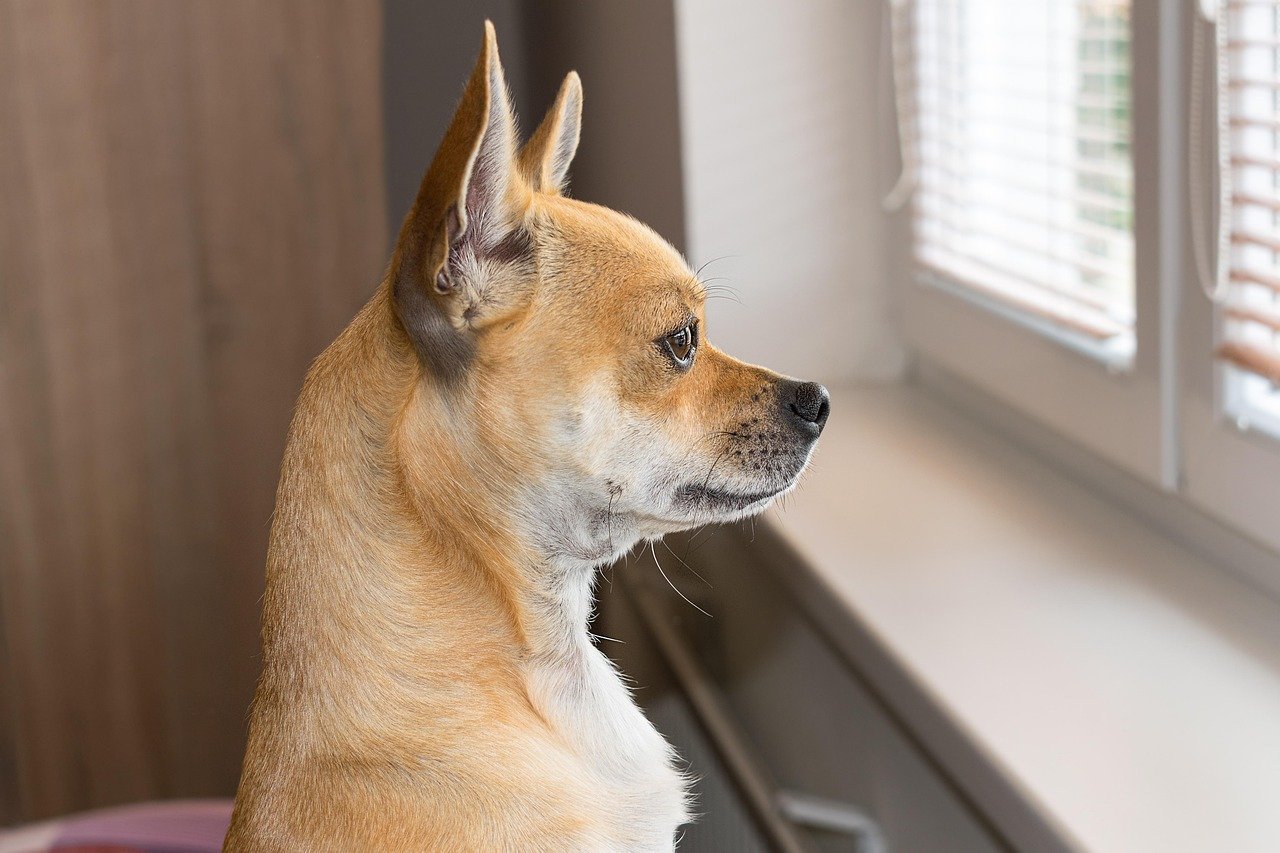
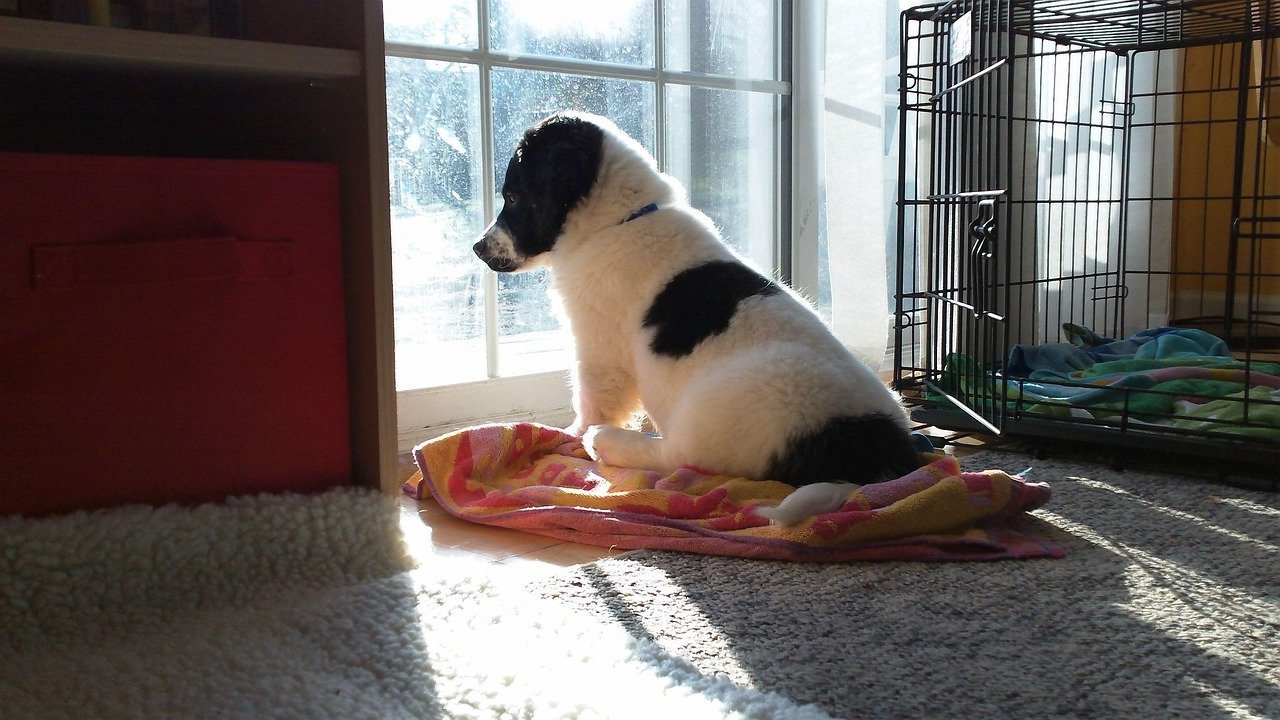
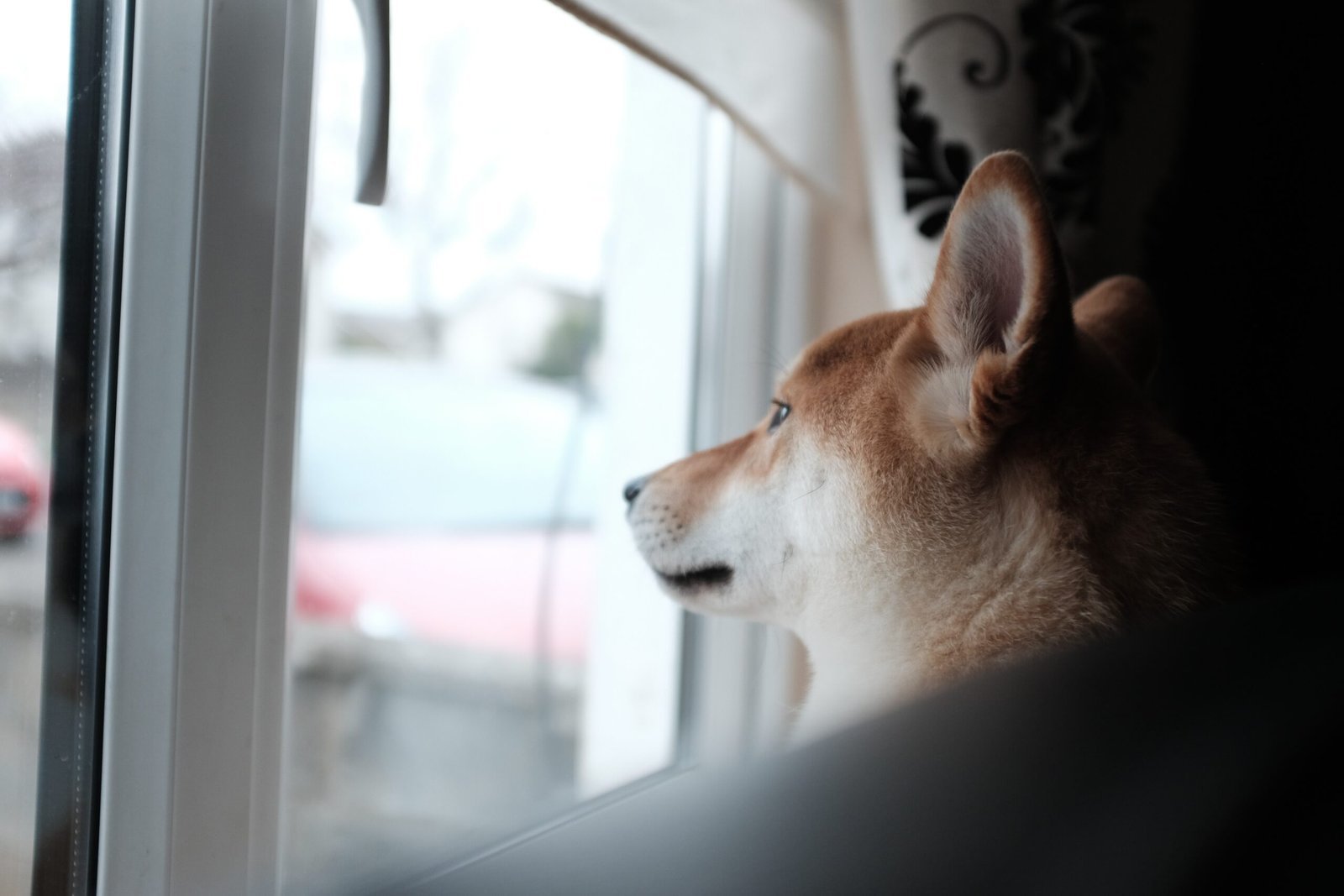
Your dog’s body language tells a story when they miss you. Your dog might sit firmly in front of the door or window, staring intensely in the hope of catching the first sight of you as you return home. They may also seek comfort in your belongings, sleeping on your clothes or favorite spots where your scent lingers strongest.
Dogs can lose their appetites when they’re feeling down, and anxiety and depression can cause them to turn their nose up at their food. Some dogs become less active, preferring to conserve their energy until their beloved human returns.
The physical signs aren’t always obvious though. Yet, half won’t show any obvious signs and so it can be easy for owners to miss. Your seemingly calm dog may actually be experiencing internal stress that doesn’t manifest in dramatic behaviors.
The Enthusiastic Welcome Home Phenomenon

The study found that dogs did, indeed, react differently when their owner had been gone for a long time compared to a shorter period of time. Research indicates that longer owner absences typically elicit more intense greeting behaviors like tail wagging, face licking, and excitement compared to shorter absences.
That over-the-top greeting you receive isn’t just excitement, it’s genuine relief and joy. A dog that greets you enthusiastically when you come home, with a wagging tail, excited barking, and jumping, is clearly expressing their joy at your return. A dog that greets you enthusiastically when you come home, with a wagging tail, excited barking, and jumping, is clearly expressing their joy at your return. This behavior shows they’ve missed you and are glad you’re back.
The intensity of their greeting actually correlates with how much they missed you. But when studied, more greeting behaviors were observed upon the owner’s return from an absence greater than two hours. Your dog isn’t just happy to see a human, they’re specifically celebrating your return.
Dogs who miss their owners might run around super fast (zoomies) when they see you because they’re so happy. Those post-reunion zoomies aren’t random energy bursts, they’re expressions of pure joy at having their favorite person back home.
Emotional Behaviors That Show They Miss You

Dogs communicate in various ways, and one of the most common methods they use when missing their owners is vocalization. Whining, barking, and even howling can occur when they feel the absence of their human companions. These aren’t attention-seeking behaviors but genuine expressions of longing.
Some dogs become clingy before you leave, following you around the house as if trying to prevent your departure. Your pooch pal might start whining or pacing around the room as you prepare for your departure. This anticipatory anxiety shows they understand what’s coming and wish they could stop it.
Our furry friends find comfort in things that smell of those they’re missing, which might include dirty laundry and bedding (they’re not fussy). When you’re gone, they might cuddle with something that smells like you, like a shirt or blanket.
Others express their feelings through what might seem like misbehavior. Destructive behavior often stems from emotional distress rather than spite or boredom, especially when it focuses on items that carry your scent.
Different Dogs, Different Ways of Missing
Not all dogs respond to separation identically. Factors such as breed, individual temperament, and the strength of the human-dog bond significantly influence a dog’s emotional reaction. More intelligent breeds and those with particularly close relationships with their owners tend to display more intense emotional responses.
Your independent retriever might show missing you differently than your velcro-like lapdog. Some dogs sleep more when you’re away, not from depression but as a coping mechanism. Some dogs just want to sleep when you’re gone. Some may believe that sleeping correlates with boredom or sadness, but it’s more likely your dog is happily waiting for you to return.
Age plays a role too. Older dogs are more likely to develop separation anxiety, since they are less able to cope with changes in their surroundings. Puppies and senior dogs often struggle more with separation than dogs in their prime years.
Each dog is unique, so their way of expressing missing you might vary. The key is learning to read your specific dog’s signals and understanding their individual personality.
When Missing Becomes Separation Anxiety
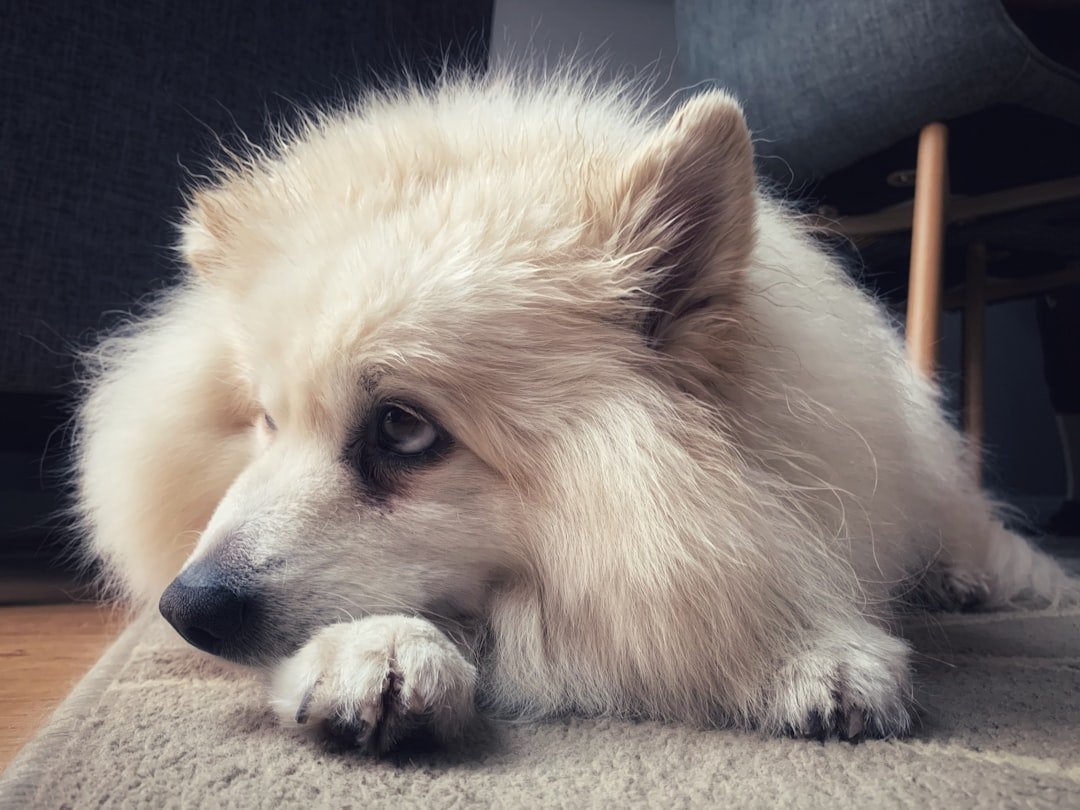
Research suggests that many dogs find it challenging to cope when left alone. Missing you is normal, but when it crosses into severe distress, it becomes separation anxiety, a serious condition that affects many dogs.
Some dogs experience more intense emotional responses to separation, manifesting as separation anxiety. This condition goes beyond simple missing; it represents a deep-seated fear of abandonment. Dogs with strong attachment bonds are more likely to display pronounced anxiety symptoms when separated from their owners.
Signs that your dog’s missing you has escalated into anxiety include destructive behavior focused on escape attempts, excessive vocalization that lasts throughout your absence, house soiling despite being house-trained, and self-harm behaviors like excessive licking or scratching.
Separation anxiety in dogs is a behavioral disorder characterized by anxiety and distress when a dog is away from their pet parent. The condition typically occurs when a pet parent leaves, and it often includes excessive excitement, clingy behavior, and restlessness upon the pet parent’s return. If you suspect your dog has crossed from normal missing into anxiety territory, professional help from a veterinarian or animal behaviorist is crucial.
How to Help Your Dog When You’re Away
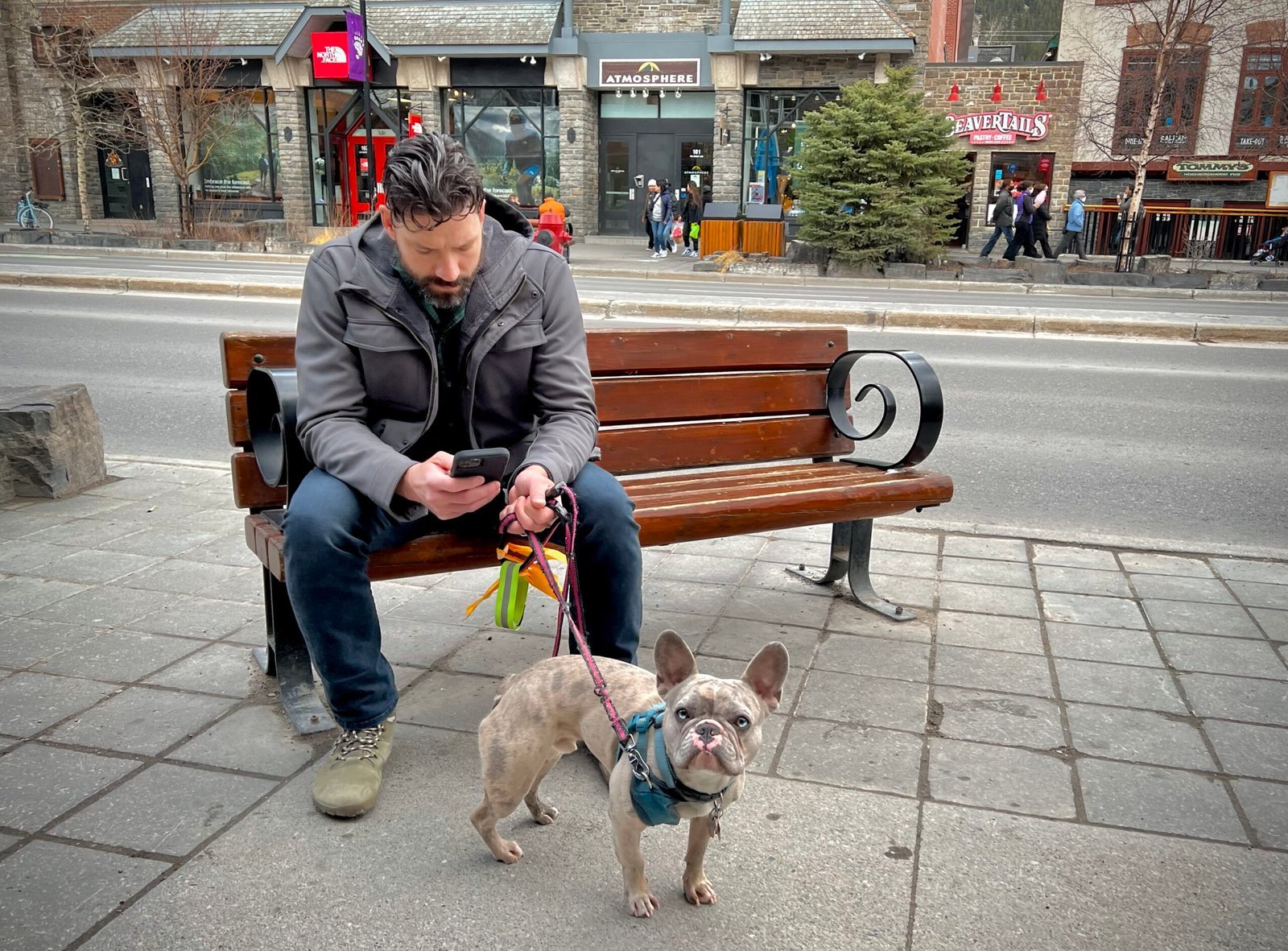
Understanding that your dog genuinely misses you gives you power to help them cope better. Understanding that an hour might feel much longer to a dog can help pet owners: Plan routine departures – leaving familiar scents or comfort items can ease the transition. Use gradual desensitization – train your dog to handle absences by increasing time away incrementally. Provide stimulation – toys, treat puzzles, or calming music can help bridge the gap during alone time.
Create positive associations with your departures by making them predictable and calm. Avoid dramatic goodbyes that heighten their anxiety. Instead, establish a consistent routine that signals you’ll return.
While many dogs are okay with being alone during the day, some need extra time with you in the morning before you go. Blakeman suggests planning fun things for your dog, like giving them special toys, hiring a dog walker to break up their day, or setting them up with a certified dog trainer.
Mental enrichment becomes crucial when you’re away. Puzzle toys, frozen treats, and safe chew items can help occupy their minds and provide comfort during your absence. The goal isn’t to eliminate their missing you, but to help them cope with it in healthy ways.
The Beautiful Truth About Your Bond
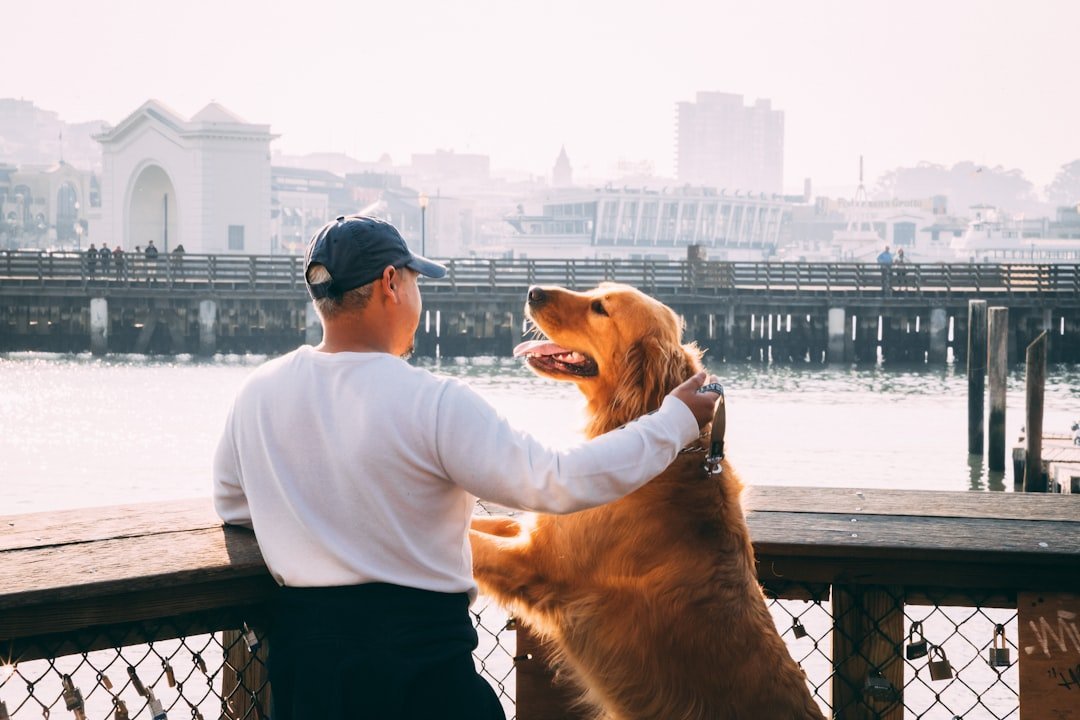
The answer is yes, dogs miss their owners when they’re gone! Research has found that the longer the dog was left, the more they missed their owners (as demonstrated by the intensity of the greeting when owners returned home).
Your dog’s missing you isn’t a problem to solve, it’s evidence of love. The studies indicate that dogs do indeed miss their humans during absences, suggesting that they form strong emotional attachments akin to human relationships. This emotional connection enriches both of your lives in profound ways.
Yes, dogs do miss their owners when they’re gone. This is because dogs associate owners with fun memories and happy feelings. Your presence in their life creates positive neural pathways that activate even when you’re not physically there.
It’s okay for you and your dog to miss each other sometimes – it’s a sign of a strong bond. That mutual missing creates deeper connection and makes your reunions all the sweeter. The next time you see that joyful welcome home dance, remember, you’re witnessing pure love in action.
Your dog’s emotional response to your absence and return reflects the depth of your relationship. They’re not just living with you, they’re choosing to love you, day after day, absence after absence. What could be more beautiful than that kind of devotion? What do you think about it? Tell us in the comments.


