
How to Help Your Dog Manage a Long Separation

Picture this: you’re getting ready for work, jingling your keys, and suddenly your beloved companion transforms into a bundle of shaking nerves. The whining begins, the pacing starts, and you know that heartbreaking goodbye routine is about to unfold. If this sounds familiar, you’re not alone in this struggle. Research suggests that approximately 14% of dogs experience separation anxiety. Yet half won’t show obvious signs, making it easy to miss the silent suffering.
The truth is, helping your dog through separation anxiety isn’t just about training – it’s about understanding their profound emotional world. According to Patricia McConnell, Ph.D. a Certified Applied Animal Behaviorist, although we can’t know for sure what’s in a dog’s mind, we can think of separation anxiety as the equivalent of a panic attack. This means your furry friend isn’t being defiant or destructive out of spite. They’re genuinely terrified, and they need your compassionate guidance to learn that being alone doesn’t have to be scary.
Understanding What Your Dog Is Really Going Through
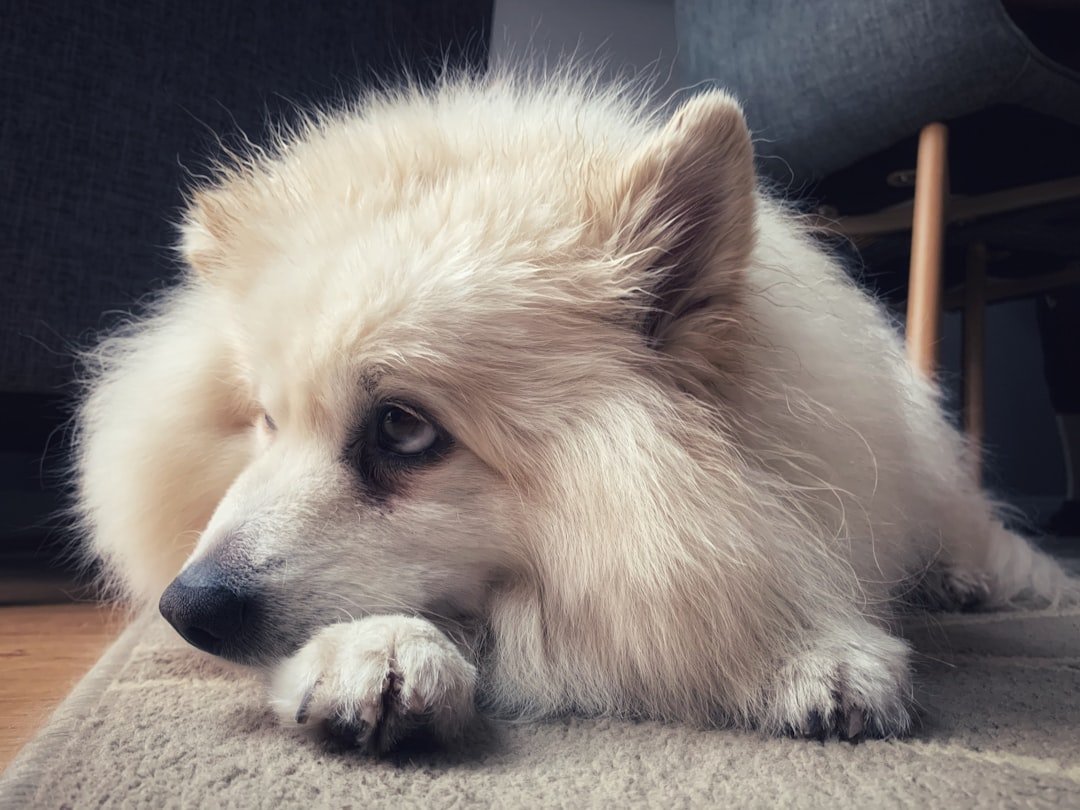
When your dog experiences separation anxiety, their world shifts into panic mode the moment you reach for those car keys. A dog who has separation anxiety might bark or howl when left alone or when separated from his guardian. This kind of barking or howling is persistent and doesn’t seem to be triggered by anything except being left alone. Think of it like this: imagine feeling completely abandoned every single time someone leaves the room. That’s the emotional reality for dogs with separation anxiety.
The signs aren’t always dramatic destruction or endless barking. Anxious behaviors like pacing, whining, or trembling while you’re gone or as you prepare to leave. Excessive salivation, drooling, or panting. Some dogs simply shut down, refusing to eat until their person returns. Others might have accidents despite being perfectly house-trained, not from defiance, but from genuine distress overwhelming their normal control.
Recognizing the Silent Signals of Distress
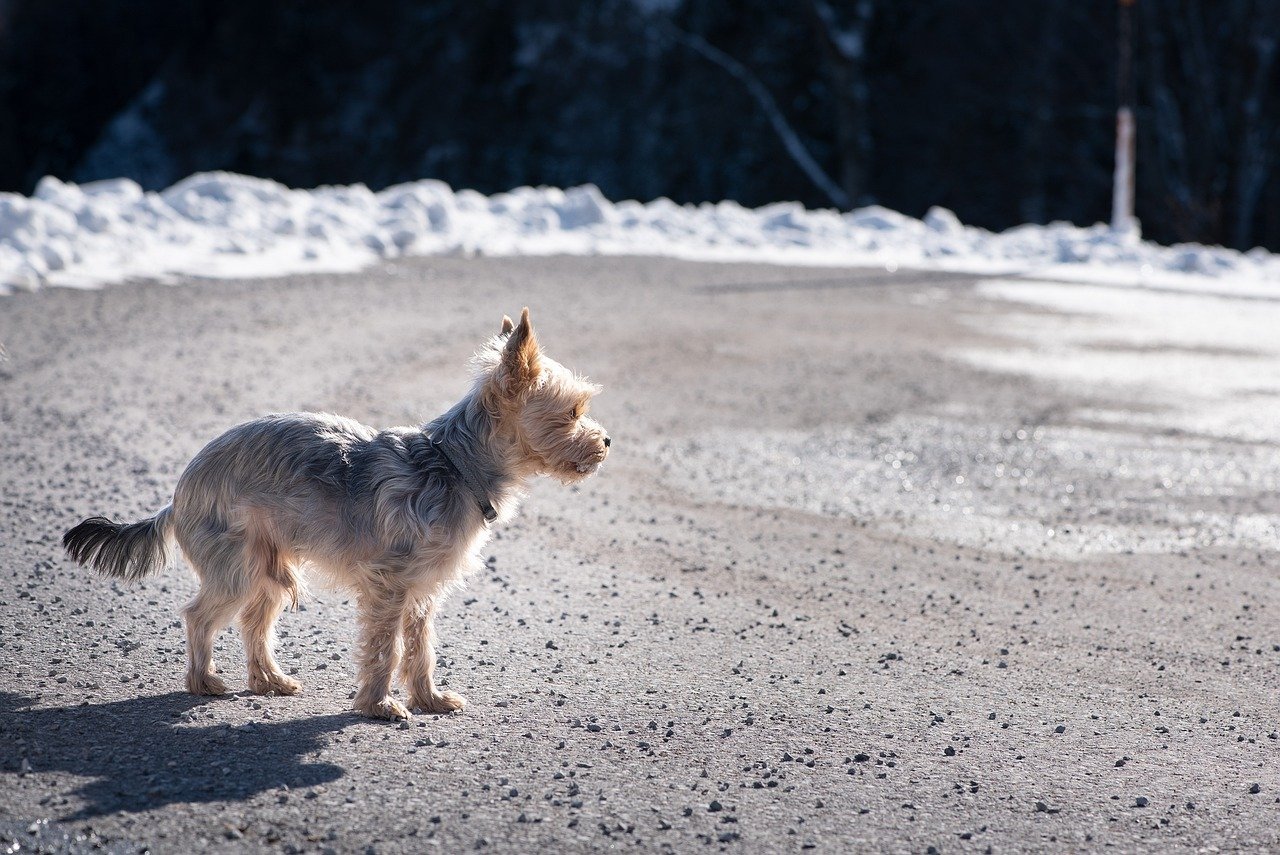
Your dog might be suffering in ways that aren’t immediately obvious. Yet, half won’t show any obvious signs and so it can be easy for owners to miss. Watch for subtle changes: does your dog shadow you constantly when you’re home? Do they seem restless or unable to settle when you’re preparing to leave? These clingy behaviors often signal underlying anxiety about your eventual departure.
During departures or separations, in addition to vocalization, destruction and elimination, they may be restless, shake, shiver, salivate, refuse to eat, or become quiet and withdrawn. Pay attention to their eating patterns too. A dog who normally gobbles breakfast but leaves their bowl untouched when alone might be telling you something important about their emotional state.
The Science Behind Building Tolerance Step by Step
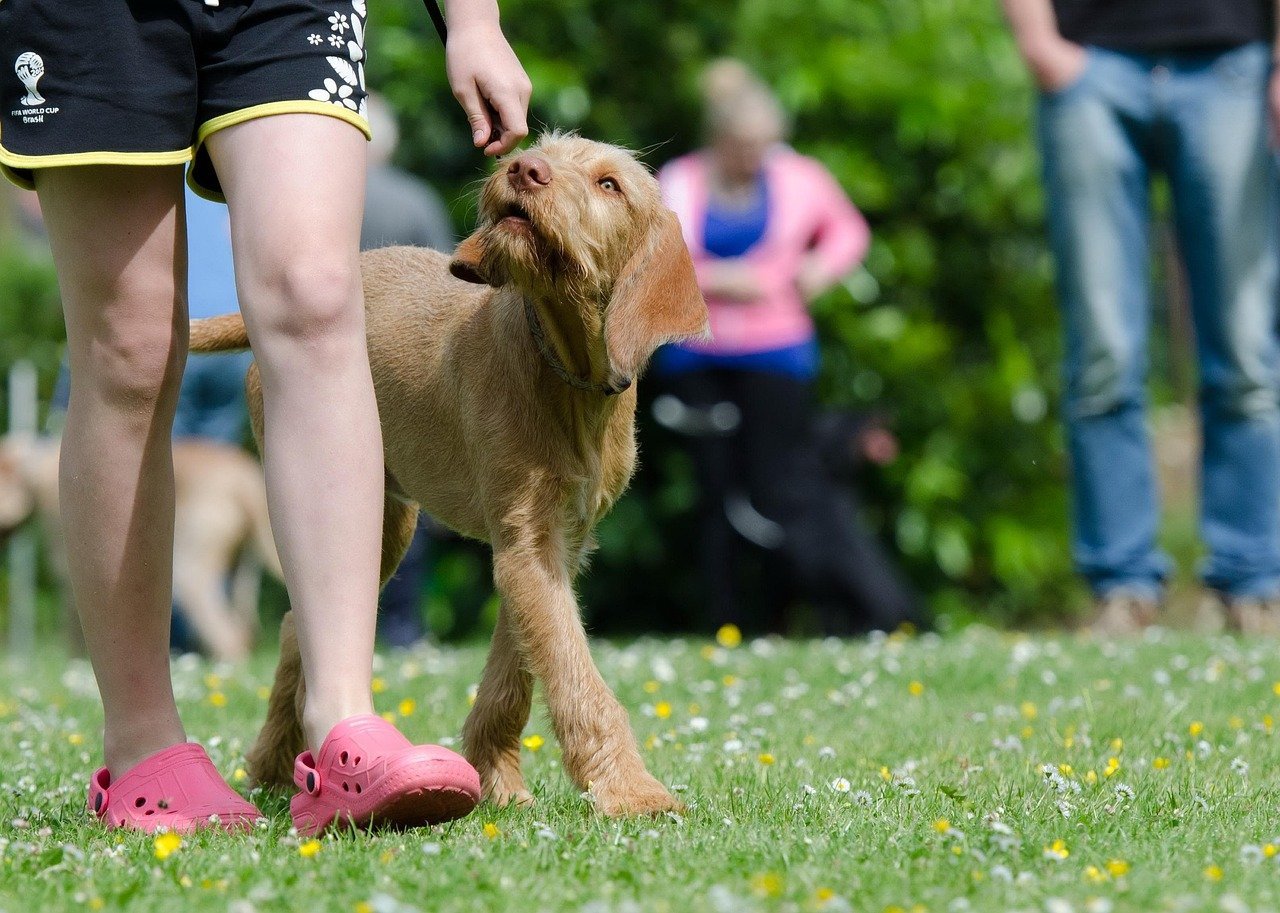
Here’s where patience becomes your superpower. In these cases, it’s crucial to gradually accustom a dog to being alone by starting with many short separations that do not produce anxiety and then gradually increasing the duration of the separations over many weeks of daily sessions. This isn’t about throwing your dog into the deep end and hoping they learn to swim. It’s about teaching them that water can be safe, one shallow step at a time.
Behavior modification with desensitization is all about breaking things down into small, manageable steps your dog can succeed at. Desensitization to your departure involves teaching your dog to tolerate being alone for increasingly longer periods, starting with time frames so short that your dog barely notices you’re gone. We’re talking seconds here, not minutes. If your dog panics when you step outside, start by simply walking to the door and back. Success is measured in tiny victories.
Creating Your Dog’s Personal Safety Zone

Your dog needs a sanctuary that feels secure, not a prison that amplifies their fear. Your dog will still engage in anxiety responses inside a crate, and they may urinate, defecate, howl or even injure themself in an attempt to escape. Instead, confine your dog to a safe room with windows, toys and objects with your scent on them, such as dirty laundry. Think of it as their personal spa retreat rather than solitary confinement.
Make this space genuinely appealing. Put a comfortable bed and water in the room you choose. Chew toys can also help to occupy your puppy during training sessions. Putting an item of clothing you’ve worn recently in your puppy’s bed may also increase their sense of security when they are left alone. That worn t-shirt isn’t just comfort – it’s your lingering presence wrapped in familiar scent.
The Power of Mental and Physical Exhaustion
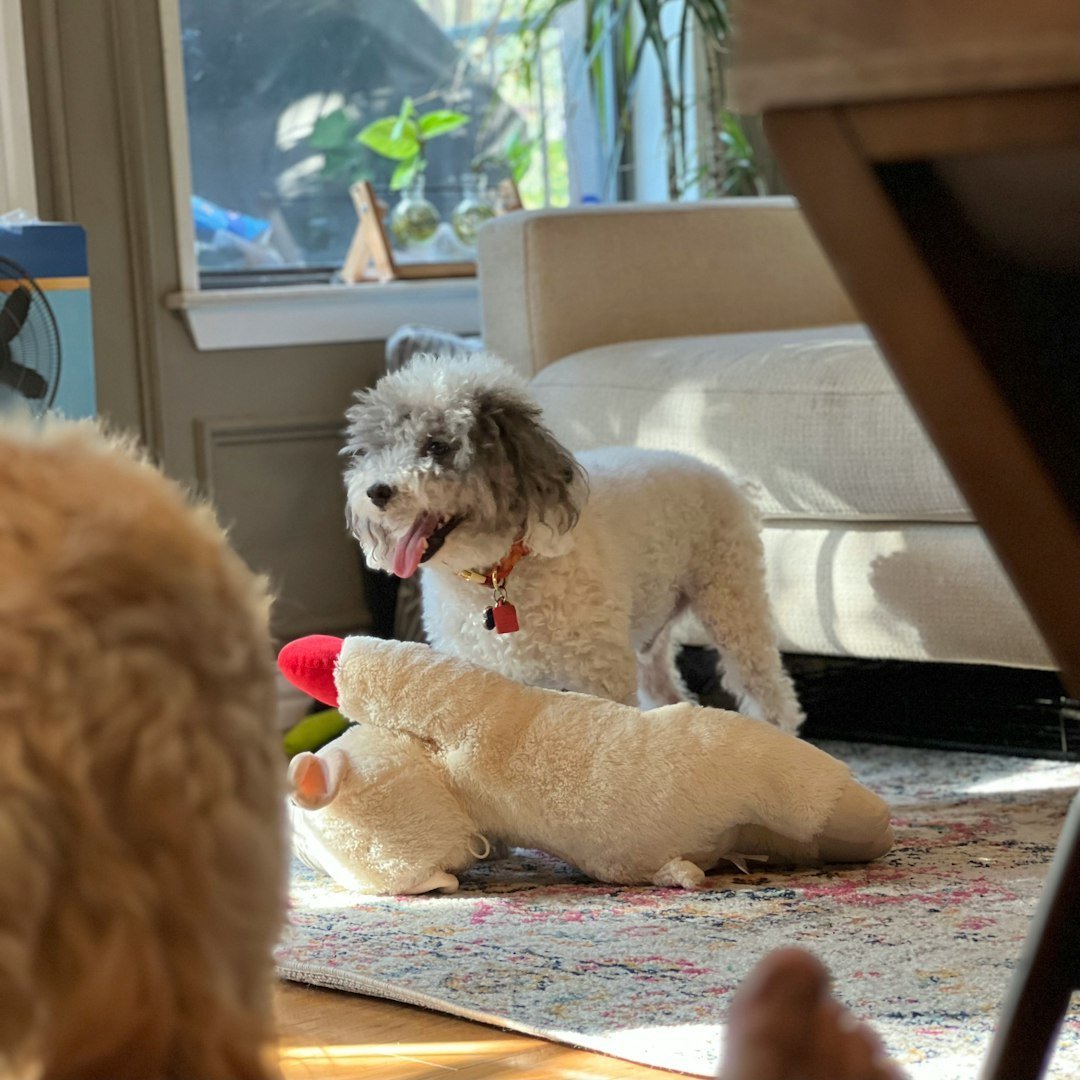
A tired dog is often a calmer dog. Tiring out your dog physically and mentally is the best tool you have for treating separation anxiety, says Lindsay Hamrick, a certified professional dog trainer and director of shelter outreach and engagement at the Humane Society of the United States. Take your dog on a long walk – trying out new routes and allowing lots of sniffing – and then bring out puzzle toys, long-lasting treats (such as a stuffed, frozen Kong or a frisbee smeared with peanut butter) or other enrichment before you leave.
Don’t underestimate the power of mental challenges. Dogs dealing with mild separation intolerance can benefit from playing challenging games that stimulate their minds prior to being left alone. Finding treats that are hidden in a puzzle toy or playing a scenting game like “find the toy” can help your dog get ready to settle once you leave for the day. Think of it as giving their brain a satisfying workout before naptime.
Managing Your Own Departure Drama
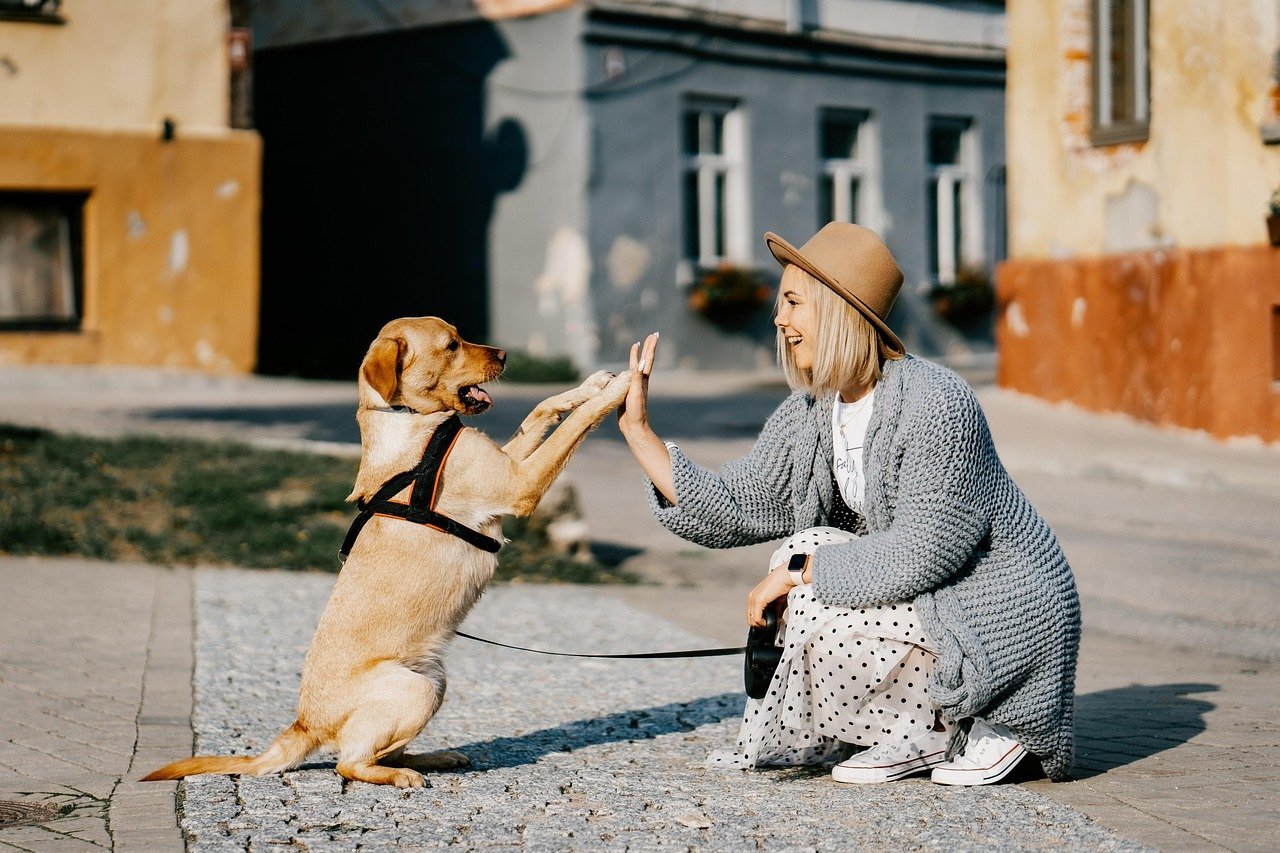
Your emotional state matters more than you might realize. Dogs are incredible at reading human energy, and if you’re anxious about leaving them, they’ll pick up on that tension. While Hamrick doesn’t recommend ignoring your pet, she says you should “keep your departures and your return home as chill as possible” to avoid reinforcing your pet’s anxiety with your own. No dramatic goodbyes or guilt-laden apologies for leaving.
Even if your dog is able to be alone for a few minutes before they begin to panic, you can be sure they’re 100% aware that you’re leaving before you’ve stepped out the door. Part of getting your dog comfortable with your absence is desensitizing them to all the little things you do before you walk out the door. Practice picking up keys without leaving. Put on your coat and then sit down to watch TV. Break the predictable chain of events that currently screams “abandonment” to your dog.
When Professional Help Becomes Essential
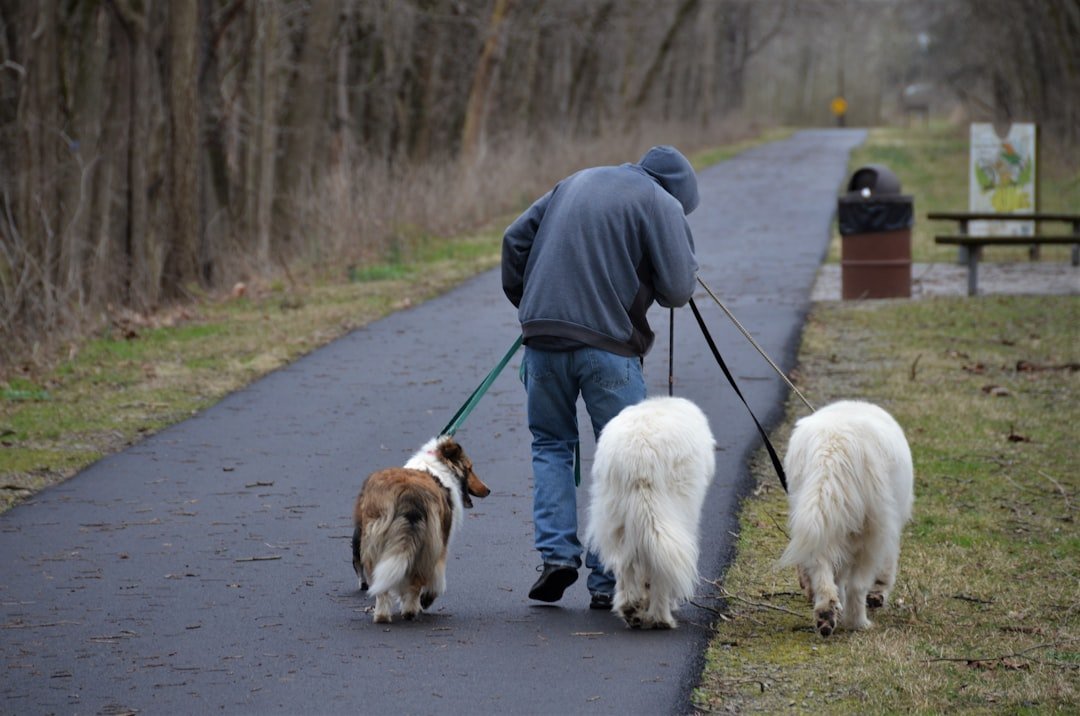
Sometimes love and patience aren’t enough on their own. Because treating separation anxiety is a complex process, pet parents should look for a trainer or behaviorist with a background in addressing the behavior, such as a certified separation anxiety trainer (CSAT) or a veterinary behaviorist that can dispense anxiety medication if the case calls for it. Always look for a trainer or behaviorist who practices positive reinforcement training techniques.
Don’t see seeking professional help as failure – see it as giving your dog every possible advantage. One of the primary challenges in dealing with separation anxiety is that once the training process begins, your dog should never be left alone. Flores notes that even if you can’t be home with your dog, you must enlist a neighbor, friend, family member, dog walker, or daycare to help during the training process. “Managing absences is extremely important to protect the progress we are making during training,” she says.
Building Hope for Long-Term Success
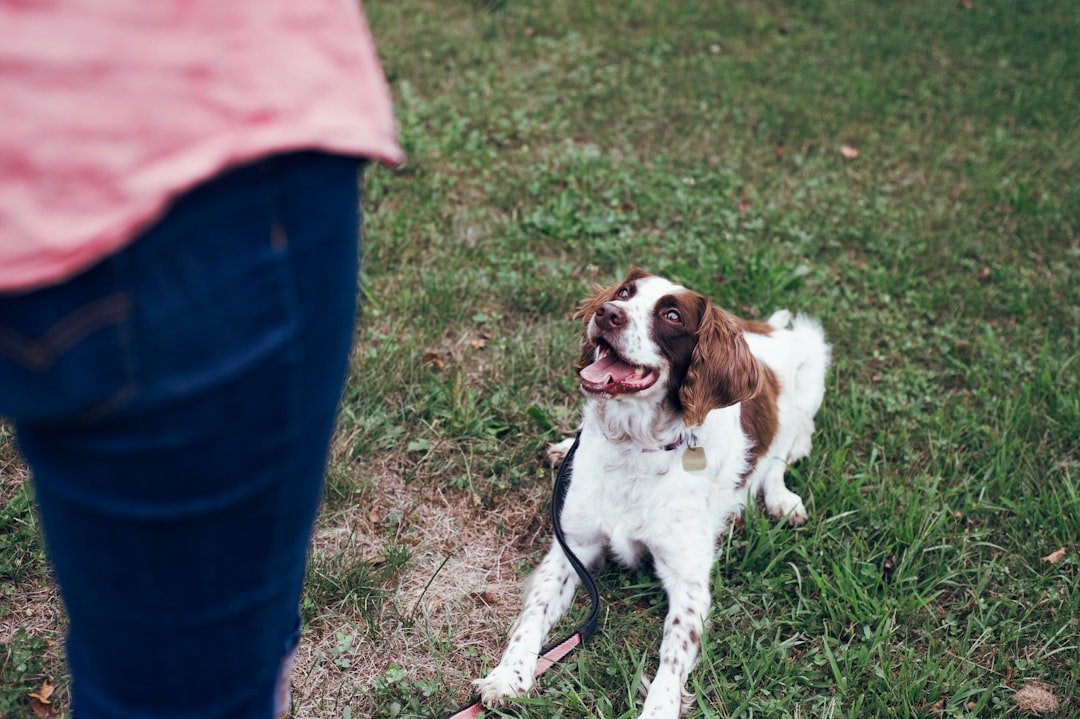
The journey isn’t quick, but it’s absolutely possible. However, as serious as this condition may be, McConnell assures it has a high rate of treatment success. With patience and a positive attitude, you may be able to reduce your dog’s suffering and put separation anxiety stress behind you. Think of this process like teaching a child to ride a bike – there will be wobbles and falls, but eventually, they’ll find their balance.
“Guiding your dog through a separation anxiety protocol might not be easy, but having not only gone through this process with many clients but also with my own beloved dog, I can honestly say there is hope and recovery is possible!” Flores says. Every small victory builds toward the bigger goal of a confident, secure dog who knows you’ll always come back.
Conclusion
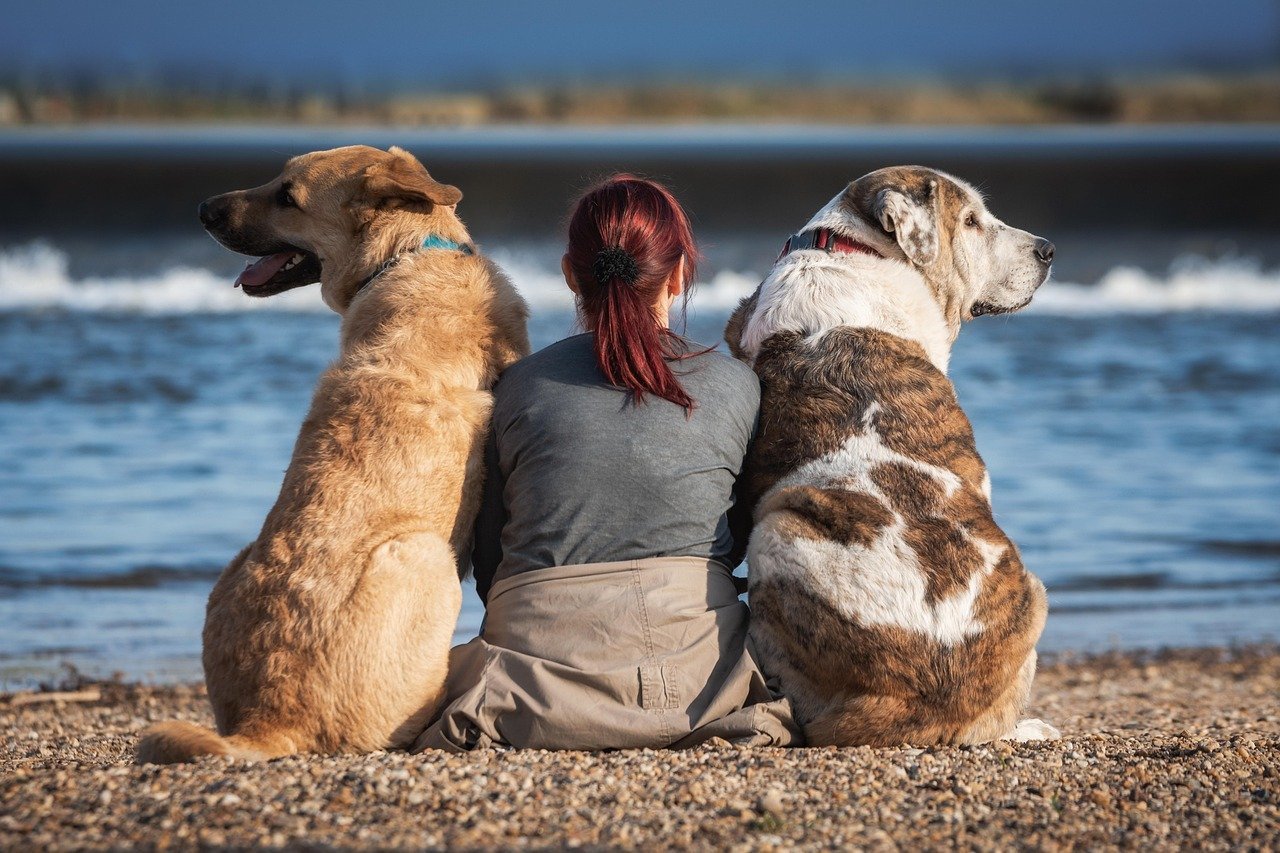
Remember that helping your dog overcome separation anxiety is ultimately about rebuilding their trust in the world. The best way to help a dog with separation anxiety is to permanently change their perception of what being alone means, one second at a time. A dog trainer or a veterinary behaviorist will be your best resource in creating a behavior modification program that suits your dog’s needs. This isn’t just about training a behavior – it’s about healing an emotional wound and teaching your dog that they’re safe, even when you’re not physically present.
Your dog’s separation anxiety didn’t develop overnight, and it won’t disappear overnight either. However, with consistent effort, professional guidance when needed, and endless patience, you can help your furry companion learn that being alone doesn’t mean being abandoned. What do you think would be the first small step you could take with your dog today?