
10 Things You Should Never Do To a Dog
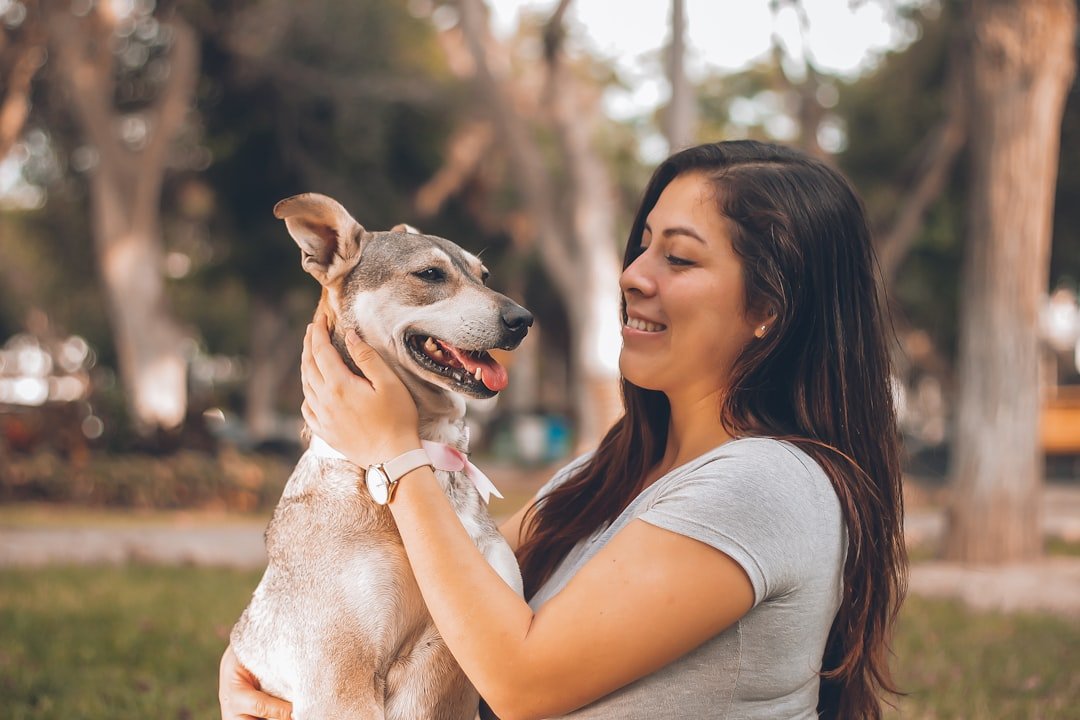
Every dog lover knows that pup deserves the best care we can give them. Yet sometimes, even with the best intentions, we make mistakes that can harm our furry companions. Some of these mistakes might seem harmless at first glance, while others come from outdated beliefs about dog training and care.
The truth is, understanding what NOT to do can be just as important as knowing what TO do when it comes to raising a happy, healthy dog. Your dog trusts you completely, and that trust places a responsibility on your shoulders to keep them safe from harm. Ready to make sure you’re giving your dog the love and care they truly deserve? Let’s explore these crucial mistakes to avoid.
Never Leave Your Dog Alone in a Car

Even when the weather is relatively cool, a car can quickly become a greenhouse of sorts and cause your dog to become overheated and sick. If left alone for too long, a dog can even die. This isn’t just about hot summer days either. Cars can heat up very quickly and get much hotter than people think, even if it feels comfortable outside.
Think about it this way: your car becomes an oven that can reach deadly temperatures in minutes. Your dog can’t roll down the windows, turn on the air conditioning, or call for help. No matter the weather or season, a dog alone in a car is a target for thieves. Dogs should never be left alone in an unattended vehicle. Your errand might seem quick, but even five minutes can be too long for your beloved companion.
Never Hit, Shake, or Use Physical Punishment
You love your pets like family, so you’d never want to hurt your dog. It goes without saying that you should never lay a hand on your dog to discipline him, even if you’re extremely frustrated. There is a never a reason to hit, shake or intimidate your dog. Hitting a dog does almost nothing when it comes to obedience, focus, training, and learning. Hitting only causes fear, anxiety, and intimidation, which can manifest as bad behaviors.
When you use physical force, you’re breaking the trust that forms the foundation of your relationship with your dog. As Victoria Stilwell writes, “When you hit a dog, you teach him to fear you, break his trust, and you weaken his confidence.” Instead of creating a well-behaved dog, you’re creating one that might become fearful, aggressive, or shut down emotionally. Using hitting or spanking as a method of punishment can severely damage the relationship you have with your dog. If you start using force to discipline them, your dog can develop various behavioral issues.
Never Give Your Dog Chocolate, Grapes, or Toxic Foods
Chocolate can be very harmful to your dog. It contains caffeine and theobromine, two stimulants that can make your dog’s heart race, blood pressure skyrocket, and even cause seizures and death. The darker the chocolate, the more dangerous it can be for your pup because it contains even more of these substances. This includes baking chocolate, dark chocolate bars, and even cocoa powder.
Both grapes and raisins may cause severe liver damage and kidney failure. If consumed, even small amounts of these items can be fatal so always act immediately and take your dog to the vets. Other foods to avoid include the onion family, whether dry, raw or cooked, which is particularly toxic to dogs and can cause gastrointestinal irritation and red blood cell damage. Remember, even foods that seem healthy to us can be poisonous to our four-legged friends.
Never Ignore Dental Care

Although daily tooth brushing is advised for dogs and cats, only 2 percent of dog owners follow through. In addition, many dogs with early-stage periodontal disease often go untreated. Just like humans, dogs need regular dental care to prevent painful infections, tooth loss, and even heart problems caused by bacteria entering the bloodstream.
Never use human toothpaste on a dog. They can’t spit, and there are ingredients in many human toothpastes that can make a dog sick. Instead, invest in dog-specific dental products and make tooth brushing a positive experience with treats and praise. Always have a veterinarian check your dog’s teeth at least once a year and prior to starting any home-based dental regimen. Get into the habit of regular dog dental care. Your dog’s breath will thank you, and more importantly, they’ll avoid serious health complications.
Never Overexercise Your Dog

Some dogs have such a strong drive to work and play that they’ll push through severe fatigue and potential injury. That is the real danger. It is up to the pet parent to set boundaries and limit the high-drive dog to avoid over-exercise-related injury and exhaustion. Your enthusiastic retriever or energetic border collie might never tell you they’re tired, so you have to watch for the signs.
Dogs get sore muscles, too. Sore muscles are an overexercised dog symptom you shouldn’t take lightly. But how can you tell that your dog has sore muscles? Look at how it’s getting up. The impact associated with extreme exercise can cause strain and sprain in various dog joints. Toe joints are particularly susceptible, but the wrist and elbow are also at-risk. Dogs carry about 60% of their weight on their front limbs, which puts quite a bit of stress on those joints. Remember, your dog might be having fun, but you need to be the responsible one who calls for breaks and rest periods.
Never Chain or Tether Your Dog Outside
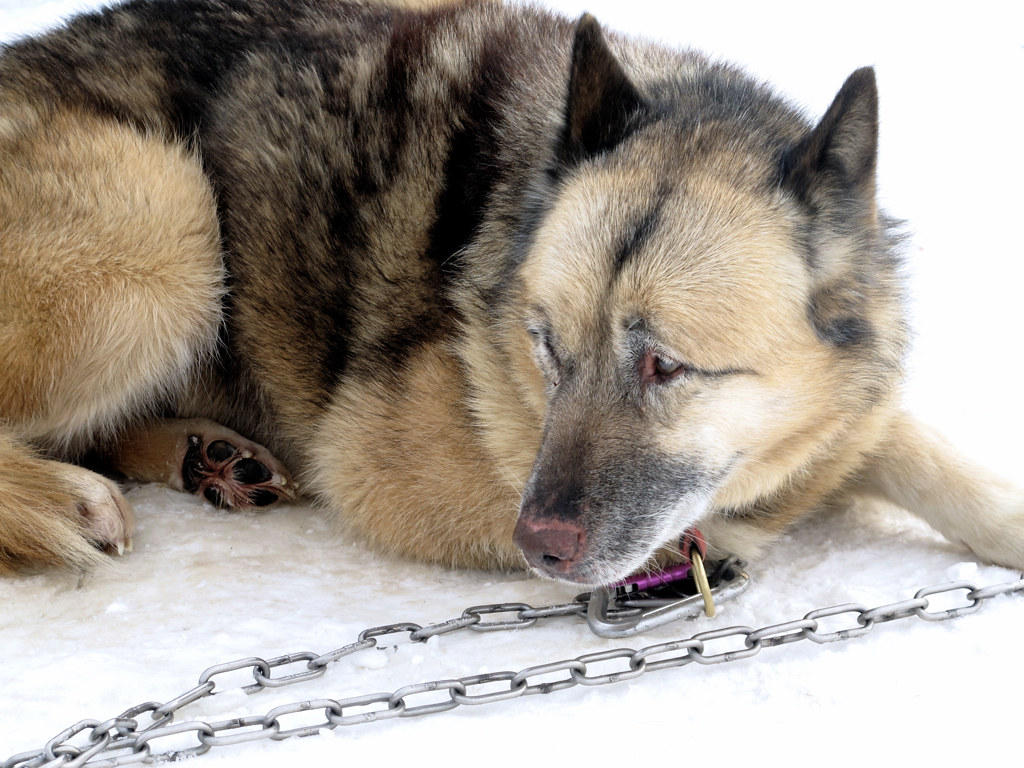
Some people think it is a good idea to tether or chain their dogs in the yard to prevent them from escaping or chasing after prey like squirrels. This is not a good idea. You should never tether or chain your dog because it can lead to injury and cause anxiety. Chained dogs will often pull on their tethers, causing damage to the neck and throat areas. Tethered collars can rub and cause sores or hair loss on the neck. Dogs can become tangled and injure their legs. It has been reported that some tethered dogs have panicked, gotten tangled, and broken their legs.
Tethering also creates behavioral problems. Dogs are social creatures who need interaction and stimulation. When they’re chained up, they can become frustrated, aggressive, or depressed. Dogs can also accidentally strangle themselves or become trapped when chained up. For all of these reasons, you should never chain or tether your dog in the yard. If you need to contain your dog outside, consider a properly fenced yard or supervised playtime instead.
Never Leave Your Dog Alone for Extended Periods

The maximum recommended period you should leave a dog alone for is between 4-6 hours. Leaving a dog for long periods of time can cause anxiety and destructive behaviors as well as toilet accidents. Dogs are pack animals who thrive on companionship, and prolonged isolation can lead to separation anxiety, depression, and behavioral problems.
Some people leave their dogs alone for 10, 11, and 12 hours at a time, and that is not good for your dog. Never leave your dog alone or unsupervised for long periods of time. If your work schedule requires long absences, consider hiring a dog walker, using doggy daycare, or asking a friend to check on your pup. If you work long hours or get caught up in town, you should have someone you can call to come and check on your dogs. Ideally, you have someone who can let your dogs out and check on them during the middle of the day to ensure that they are doing okay.
Never Yell or Scream at Your Dog
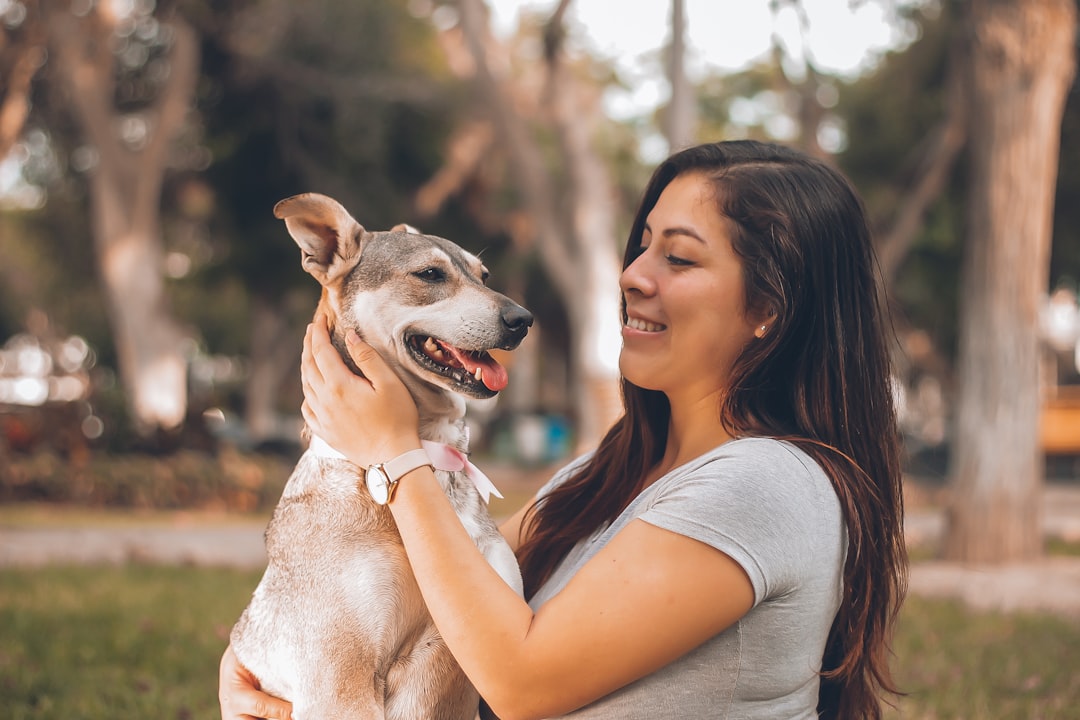
Your dog understands the difference between your normal voice and shouting voice, just as you understand the difference between a bark and his play sounds. However, if all the disciplining you do just sounds like loud noise to your dog, he’ll eventually begin to tune you out. Or, even worse, yelling could agitate or excite your pup, which might encourage negative behaviors.
Dogs are incredibly sensitive to our body language and tone of voice and become nervous or fearful when we shout. Shouting can be a reflection of our own frustration or loss of patience. Raising your voice doesn’t help your dog understand what they did wrong. Studies show that confrontational methods can cause fear-related responses like submissive urination and defensive aggression. Instead of yelling, take a deep breath and use clear, calm commands. Your dog will respond much better to consistent, patient training.
Never Use Crates as Punishment
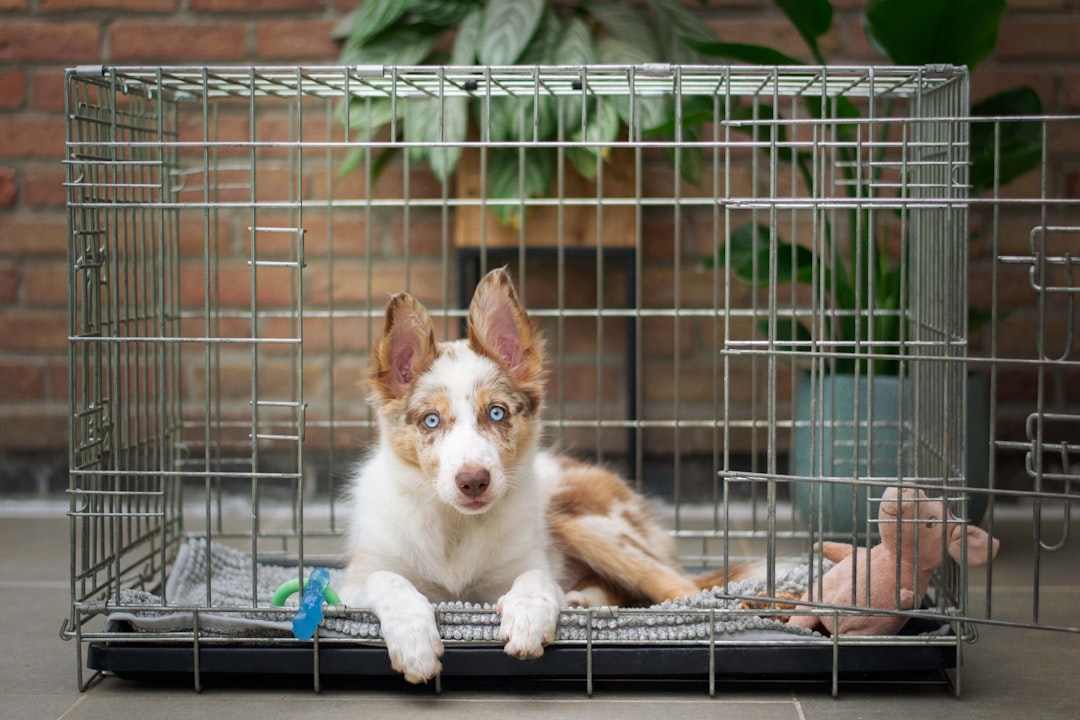
When done right – crating can be a great way to help dogs feel safe and comfortable. But crates should never be used as punishment. This can create negative associations, so a dog is less likely to want to go into their crate next time. The crate should be your dog’s safe haven, not their prison.
However, crates should not be used in place of proper training. You should not simply stuff your dog in a crate any time you don’t want to deal with them. Sequestering them in a crate denies them any opportunity to learn or put their training to good use. When you use the crate as punishment, you’re robbing your dog of what should be their favorite resting spot. Instead, use positive training methods and redirect unwanted behaviors. The crate should always represent comfort, security, and positive experiences.
Never Skip Veterinary Care or Try to Diagnose Problems Yourself
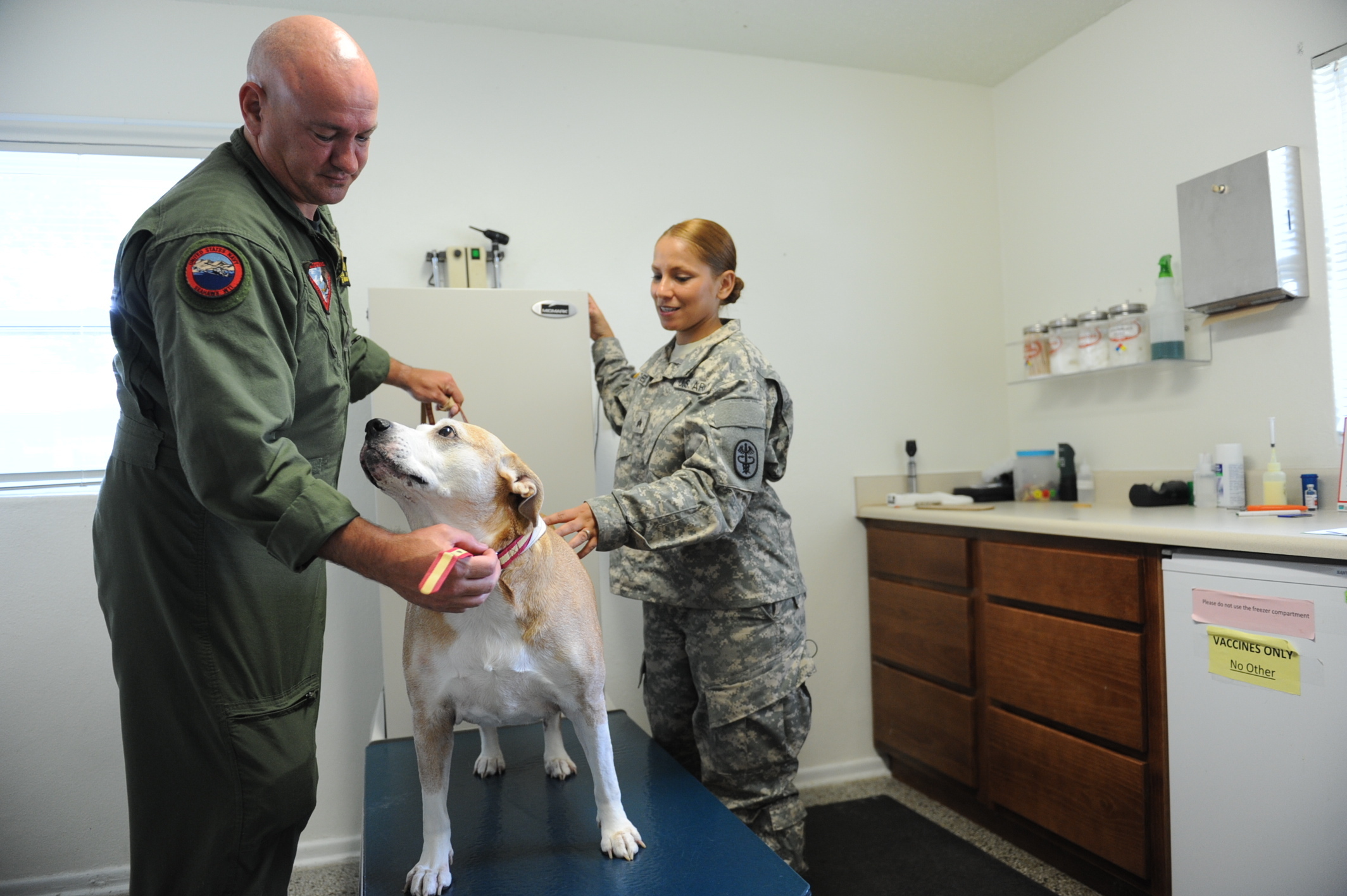
This may sound like a “no brainer” but there are some people who believe they can self-diagnose their dog’s health problems online and not seek veterinary care. There is a time and a place for online research or to look up additional medical information for a beloved pet. But if a dog acts out of the ordinary or there are any symptoms of poor health, seeking veterinary care is of utmost importance. Never take medical matters into your own hands.
Your love for your dog doesn’t replace years of veterinary training and expertise. What might seem like a minor issue could be a sign of something serious that requires professional treatment. If you suspect your dog has ingested a harmful food or substance, contact your veterinarian or the ASPCA Animal Poison Control Center (APCC) immediately. Regular veterinary check-ups, vaccinations, and preventive care are not optional extras – they’re essential for keeping your dog healthy and catching problems before they become serious. Trust the professionals when it comes to your dog’s health.
Conclusion
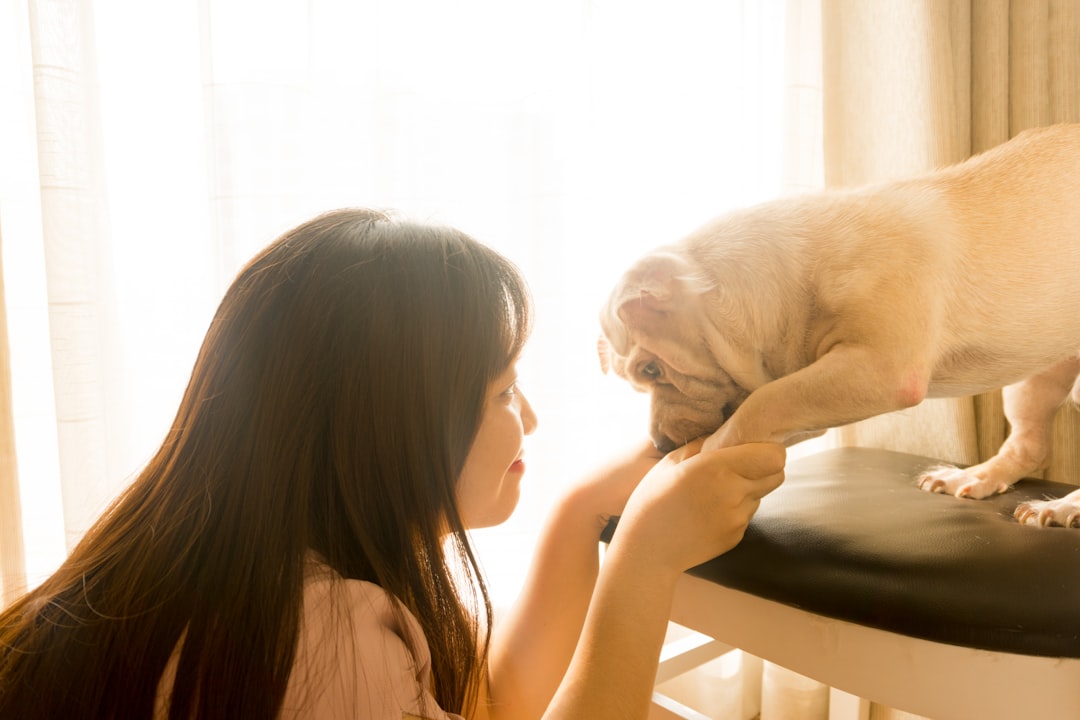
Your dog’s wellbeing depends on the choices you make every single day. From the food you offer to the way you discipline, from exercise routines to veterinary care, each decision shapes their quality of life. The beauty of being a dog parent is that you have the power to protect your furry family member from harm while building an unbreakable bond based on trust and love.
Remember, mistakes happen to even the most devoted dog parents. What matters most is learning from them and always putting your dog’s safety and happiness first. Your four-legged companion trusts you completely – honor that trust by avoiding these harmful practices and choosing compassion over convenience every time.
What surprised you most about these potential dangers? Share your thoughts and experiences in the comments below.