

Picture this: your peaceful slumber gets shattered by the sound of pacing paws, whimpering, or that unmistakable scratch at the bedroom door. It’s 3 AM, and your beloved dog is wide awake while you’re desperately trying to catch a few more hours of sleep. You’re not alone in this midnight struggle. Countless dog parents find themselves asking the same exhausting question.
The truth is, dogs can wake up at ungodly hours for dozens of different reasons, ranging from simple habit changes to serious medical conditions that need immediate attention. Understanding what’s causing your pup’s early morning alertness is the first step toward getting everyone back to a healthy sleep routine.
So let’s dive into this sleepy mystery and discover what might be keeping your furry friend up when the rest of the world is dreaming.
The Natural Sleep Cycle of Dogs
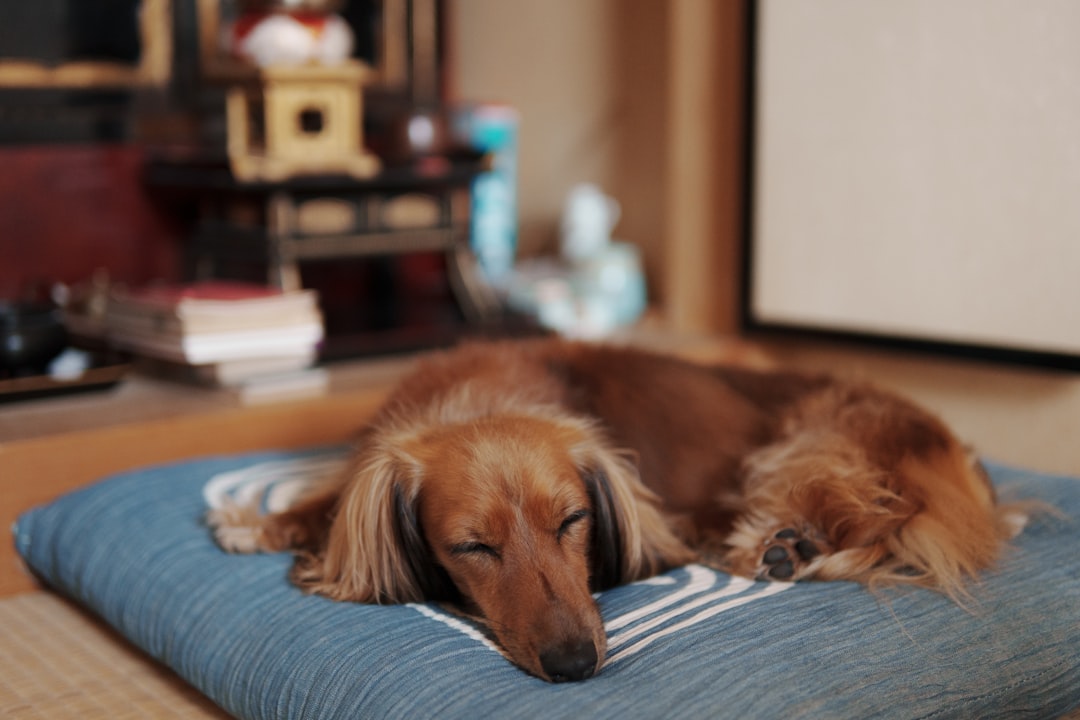
Dogs experience sleep patterns that are surprisingly similar to ours, yet distinctly different in some key ways. Dogs follow a diurnal circadian rhythm and share similar sleep-wake cycles with humans, which means they naturally prefer being active during the day and sleeping at night.
However, dogs have similar sleep cycles to humans but experience more frequent brief awakenings throughout the night. This means your dog experiences much shorter sleep segments throughout the night. On average, dogs typically experience more frequent, shorter sleep segments throughout the night compared to humans.
Dogs often wake up after a period of REM sleep, perhaps an evolutionary adaptation designed to force them out of their slumber to check for dangers in the environment. This natural tendency can sometimes result in those 3 AM wake-up calls that feel so disruptive to us humans.
Dogs engage in their deepest sleep during the night, and their daytime naps are relatively light, which explains why nighttime disturbances can be particularly jarring for both you and your pet.
Medical Conditions That Disrupt Sleep
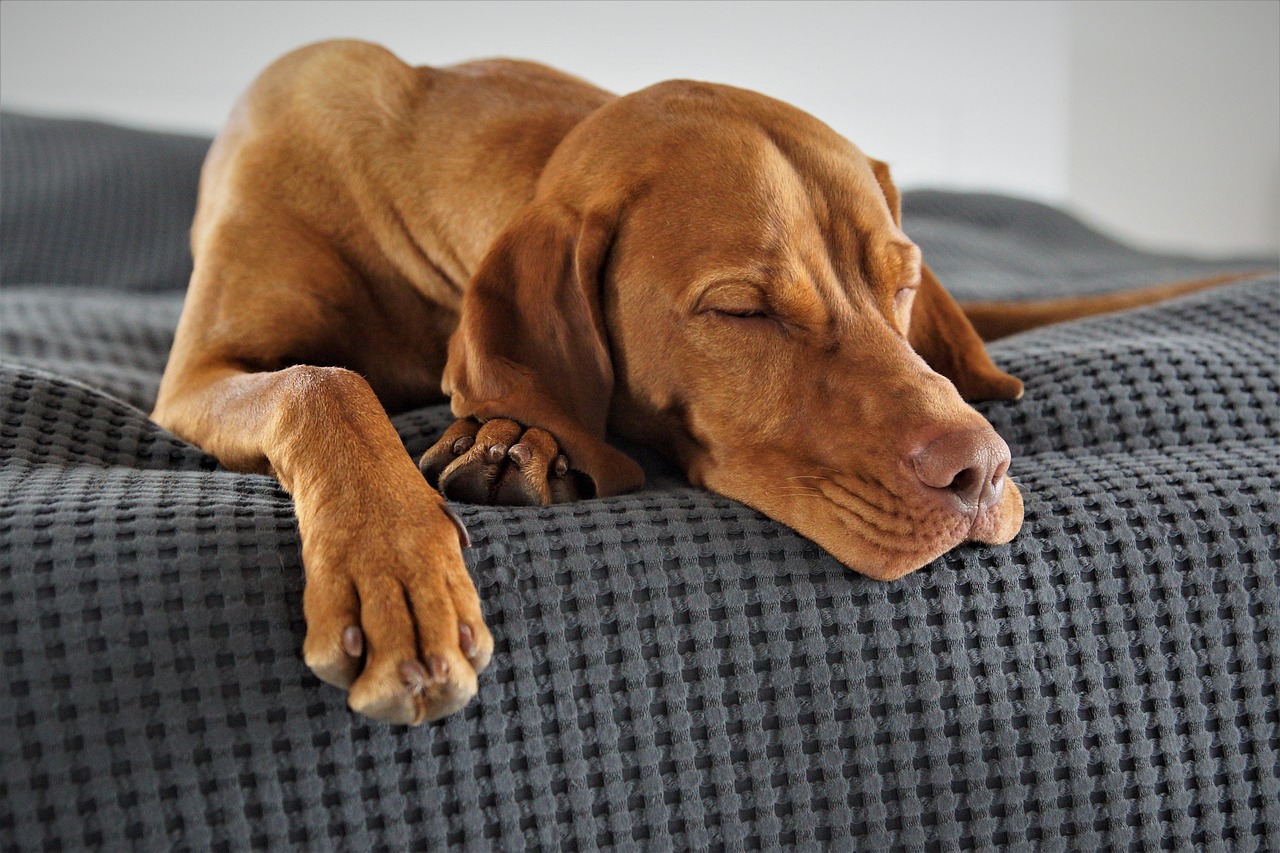
When a dog suddenly starts waking up consistently at 3 AM, it could signal underlying health issues that require veterinary attention. Waking up early in the morning or the middle of the night can be a sign of underlying medical issues including urinary tract infections, cognitive dysfunction, kidney disease, diabetes, hormone imbalances, gastrointestinal disorders, or even sore muscles.
Frequent urination can be a sign of underlying medical conditions such as urinary tract infections, bladder stones, or diabetes. These conditions create an urgent need for bathroom breaks that simply can’t wait until morning.
Older dogs face additional challenges. Dogs with dementia often suffer from disturbances in their sleep-wake cycles, with those affected by “sundowning” sleeping more during the day and remaining awake, disoriented, and agitated throughout the night.
Urinary tract infections, kidney disease, diabetes, and gastrointestinal upset are common problems that may cause an increased need to eliminate, with this increased frequency often more noticeable to pet owners in the middle of the night.
Cognitive Dysfunction and Senior Dogs

As dogs age, they can develop what’s essentially canine Alzheimer’s disease. The hallmarks of cognitive dysfunction include increasing confusion, reversal of day-night wake sleep patterns, and poor adaptability to new situations, with affected dogs often sleeping much of the day and being up a lot of the night.
As the confusion and consequential anxiety progresses, we see this as pacing and panting. These behaviors can be particularly pronounced during those quiet 3 AM hours when the house is still.
Sundowner syndrome is part of cognitive dysfunction’s sleep-wake cycle disturbance, where dogs might sleep more in the daytime, then become restless and agitated at night, similar to how a person with Alzheimer’s disease might have a flare-up of their condition in the evening.
Senior dogs commonly show signs of cognitive dysfunction syndrome, with studies suggesting a significant percentage of dogs over 15 are affected, making this a crucial consideration for senior pets experiencing sleep disturbances.
Environmental Factors and External Triggers
Sometimes the answer to your dog’s 3 AM wake-ups lies in their surroundings rather than their health. Dogs are perceptive animals influenced by external stimuli, with early morning noises like garbage trucks, birds chirping, or even the scent of animals passing by rousing their curiosity and causing them to wake up earlier.
Dogs could be experiencing nighttime anxiety or hearing a noise that you cannot perceive, making a white noise machine helpful for drowning out extra sounds they might be hearing. What seems like complete silence to us might be a symphony of distracting sounds to your dog’s sensitive ears.
Dogs have their own internal clocks and typically wake up with the sun, so if your dog is waking you up early every morning, you may need to “control” the sun and other aspects of the environment. Simple changes like blackout curtains can make a significant difference.
Temperature changes, unfamiliar scents, or even the subtle vibrations from a neighbor’s early morning routine can all contribute to your dog’s sleep disruptions.
Bathroom Needs and Feeding Schedules
One of the most common reasons dogs wake up at 3 AM is simply because they need to relieve themselves. Even if you took your dog outside 30 minutes before bedtime, if dogs don’t go to the bathroom right before sleep, they may have to go during the night or first thing in the morning.
If you take your dog out right before bed and go immediately to sleep afterward, removing any food or water from their sleeping area, this will help your dog sleep longer because they won’t have to go to the bathroom as badly in the morning.
If your dog regularly wakes you up at night to go potty and there are no apparent underlying health issues, mealtimes could be the culprit. The timing of their last meal directly impacts when they’ll need that middle-of-the-night bathroom break.
Increasing the time between your dog’s last meal and their last bathroom opportunity minimizes the chance that they’re waking you up because they really need to go, as it only takes a few “I really have to go” mornings to set an early-riser routine.
Lack of Exercise and Mental Stimulation
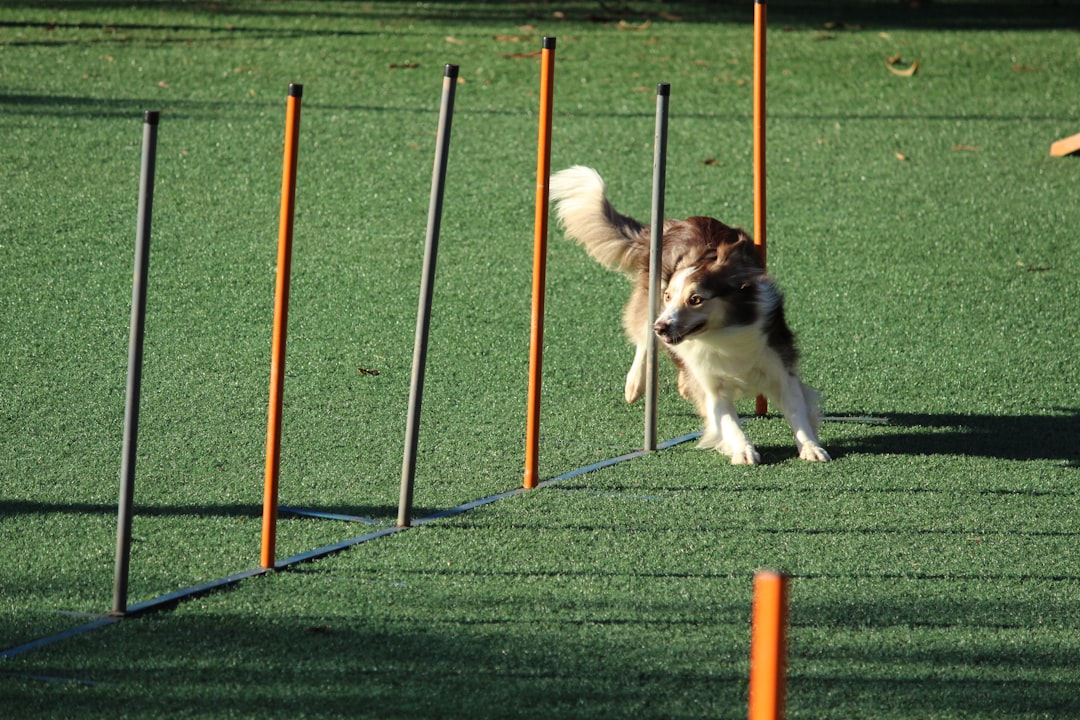
A tired dog is typically a sleeping dog, but insufficient physical and mental exercise can lead to restless nights. If your dog is consistently waking you up early, they may not be getting enough exercise, with built-up energy from the previous day preventing them from being as tired.
For dogs filled with pent-up energy, providing more exercise may be the solution, as sessions of walks and play can help meet your dog’s need for physical exercise and give their bodies the desire to relax. The key is timing this exercise appropriately.
Ramping up the exercise routine significantly, giving a full hour of vigorous exercise a few hours before bed, will help dogs sleep much more soundly through the night and establish a healthy sleep-wake cycle.
Mental stimulation is equally important. Dogs need mental stimulation in addition to physical exercise, with scent games being particularly effective for tiring dogs out. Puzzle toys, training sessions, and interactive games can help exhaust their minds as well as their bodies.
Anxiety, Stress, and Emotional Factors
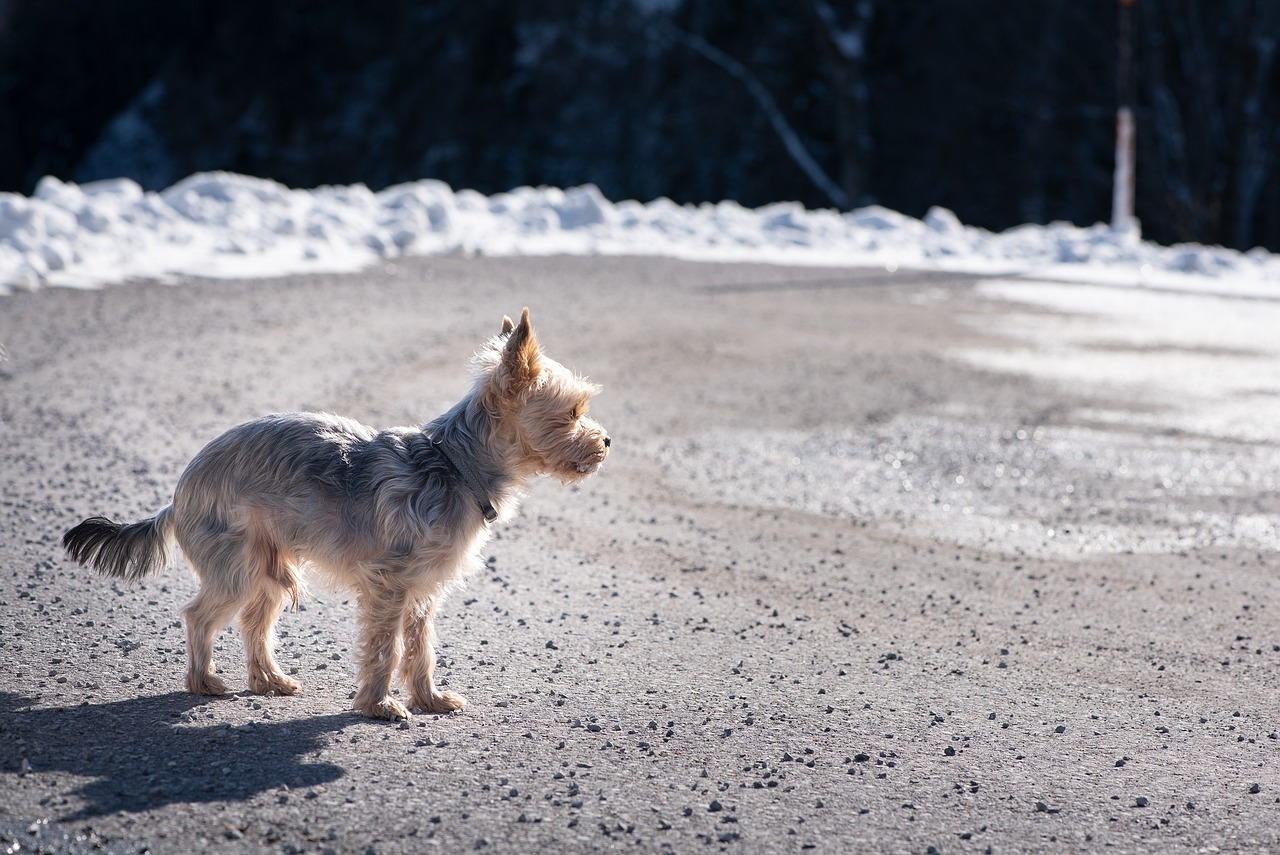
Emotional well-being plays a huge role in your dog’s sleep quality. Dogs are creatures of habit, and significant changes in their routine or life events can lead to anxiety and stress, with factors such as a new family member, the absence of a family member, or changes in your behavior affecting your dog’s mental well-being and causing anxiety to manifest as early wake-ups.
Anxiety, stress, and depression contribute to a lack of sleep and can keep a dog from achieving enough quality sleep. This creates a vicious cycle where poor sleep leads to increased anxiety, which leads to even worse sleep.
Insomnia causes include canine cognitive dysfunction, anxiety, stress, pain, and excessive itching resulting from allergies, with affected dogs showing behaviors like pacing, whining, or barking during the night.
Dogs experiencing nighttime anxiety may seem really stressed with panting and excitable behavior, though they often settle back down after calming intervention and may act completely normal in the morning.
Age-Related Changes in Sleep Patterns
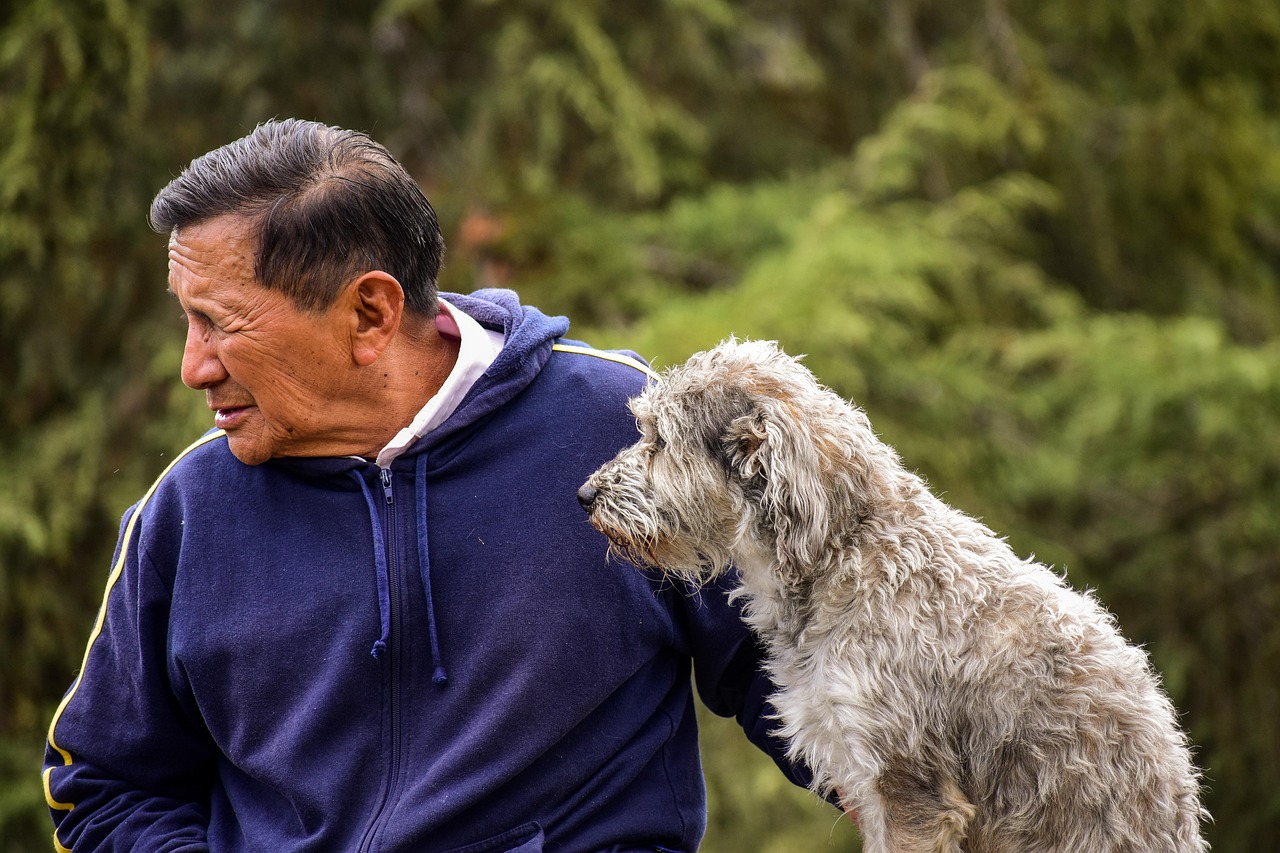
As dogs get older, their sleep patterns naturally change in ways that can affect the entire household. As with humans, the duration and quality of sleep in dogs fluctuates over their lifespan, with older dogs experiencing more fragmented sleep, decreased bouts of REM sleep at night, and increased NREM sleep during the day.
Older dogs require more sleep just because they tire out more easily and, as a general rule, bigger breeds also spend more time dozing. However, this doesn’t mean they sleep more soundly through the night.
Sleep pattern is linked with age of the dog, with older dogs sleeping substantially more during the day and nighttime and having shorter but more frequent sleep bouts during the day. This fragmented sleep can result in more frequent nighttime wake-ups.
Senior dogs also face physical challenges that younger dogs don’t experience. Joint pain, hearing loss, vision problems, and other age-related conditions can all contribute to sleep disturbances that seem to peak during those quiet 3 AM hours.
Solutions and Management Strategies

The good news is that most 3 AM wake-ups can be addressed with the right approach. First and most importantly, even if your dog has only recently started waking up one or more times during the night, it is important to consult a veterinarian promptly to rule out medical causes.
Ensuring your dog gets enough exercise during the day promotes better sleep at night, with both physical and mental exercise helping, along with establishing a consistent bedtime routine to help regulate your dog’s internal clock and sleep-wake cycle.
Environmental modifications can work wonders. Investing in room-darkening curtains and drawing them closed at night blocks the amount of sunlight that enters the room the next morning, helping your dog sleep longer. Using a white noise machine or soft classical music can help reduce disturbances.
Dogs benefit from being put on a schedule, and you can alter their internal clock by sticking to the same routine every day, with consistency being key for dogs to adjust.
Conclusion

Those 3 AM wake-up calls from your dog can stem from a surprising variety of causes, ranging from simple environmental factors to complex medical conditions. The key is approaching the situation with patience and a systematic plan.
Start by observing your dog’s behavior patterns and considering recent changes in their routine, health, or environment. Rule out medical causes with your veterinarian, especially if this is a new behavior. Then focus on creating the ideal sleep environment with proper exercise, consistent schedules, and environmental modifications.
Remember, most sleep disturbances are solvable with the right combination of medical care, environmental changes, and routine adjustments. Your dog wants to sleep peacefully through the night just as much as you do. What patterns have you noticed with your dog’s sleep habits? Tell us in the comments.


