
There’s a moment that melts your heart. Your dog is sleeping on their back, paws flopping in the air, completely unaware of the world around them. It’s pure vulnerability, and it means everything. Your pup has finally found their safe haven with you.
Those moments don’t happen overnight, though. Some dogs show their trust immediately, while others need weeks, months, or even years to truly feel secure. Yet when they do reach that place of emotional safety, the changes are unmistakable. They’re subtle sometimes, dramatic other times, but always deeply touching.
Let’s explore these beautiful transformations that happen when your dog finally feels they can let their guard down completely. So let’s dive in.
The Deep Sleep Transformation
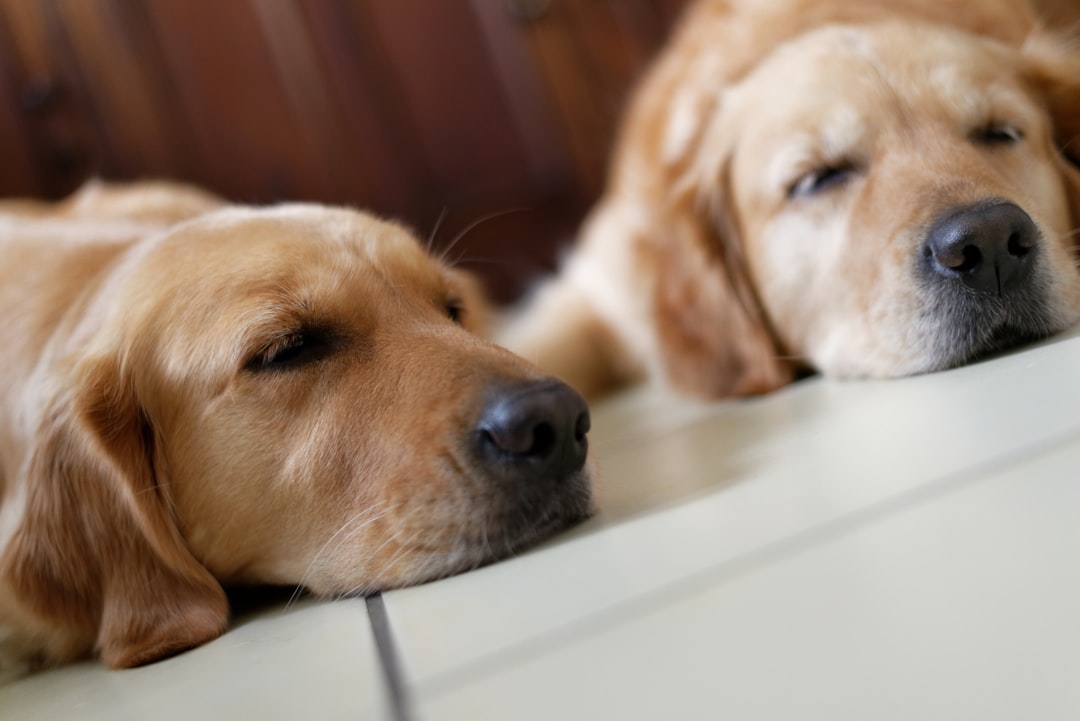
When dogs finally feel safe, their sleep becomes something beautiful to witness. You might catch your dog dreaming – those adorable paw twitches or quiet yips are signs they’re in REM sleep, which means they feel secure enough to fully relax.
A well-exercised dog is likely to have deeper and lengthier periods of sleep. However, it’s not just about physical tiredness. The position your pup sleeps in and their sleep habits can give you clues as to how they’re feeling emotionally and physically that day. A secure dog will sleep deeply, peacefully, often choosing vulnerable positions.
They feel safe and comfortable in this pose. You’ll notice they sleep through noises that once startled them. Their breathing becomes steady and calm, and they might even snore softly without a care in the world.
Belly-Up Vulnerability
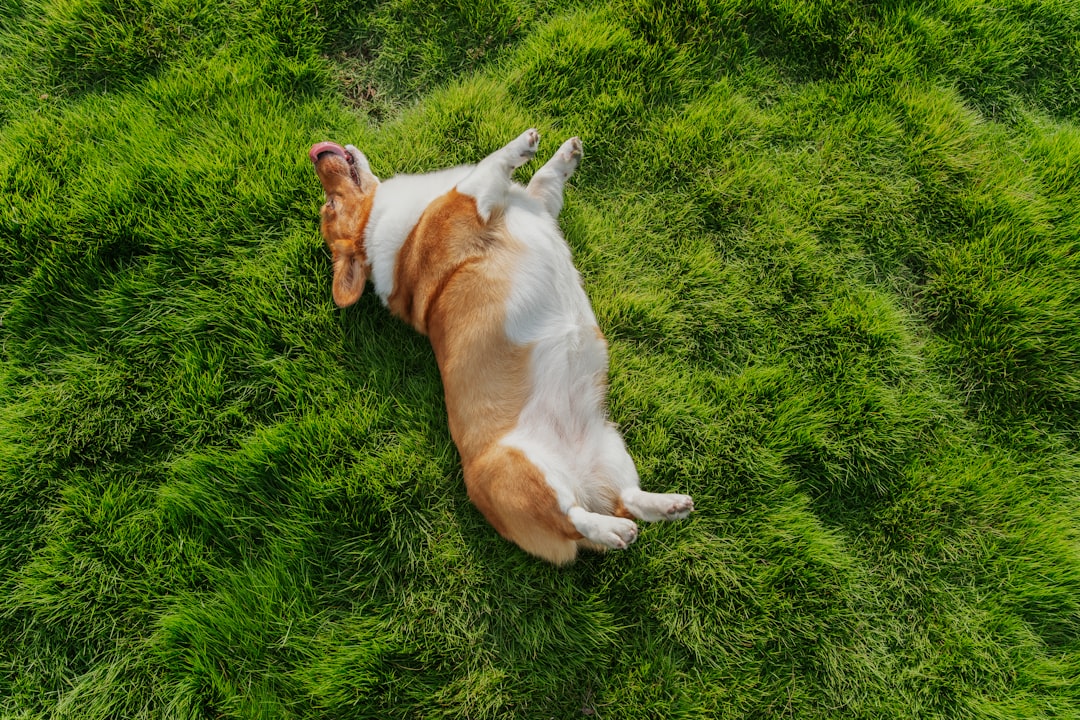
Nothing says trust like a dog who flops over to show their belly. Happy dogs may also flop onto their backs and expose their bellies – a vulnerable position that shows trust. This isn’t just about wanting a belly rub, though that might be part of it.
A dog who is uncomfortable will do what they can to protect their most vulnerable areas. A tucked tail, crouched position and laid-back ears are all ways for them to hide the parts of themselves that could be vulnerable to attack. But, if your dog tends to flop over and expose their sweet little belly in your presence? Well, then you know they trust you!
This position shows complete surrender to your care. They’re literally putting their most vulnerable area on display, trusting you completely with their safety. It’s one of the most powerful displays of canine trust you’ll ever witness.
Relaxed Body Language Revolution
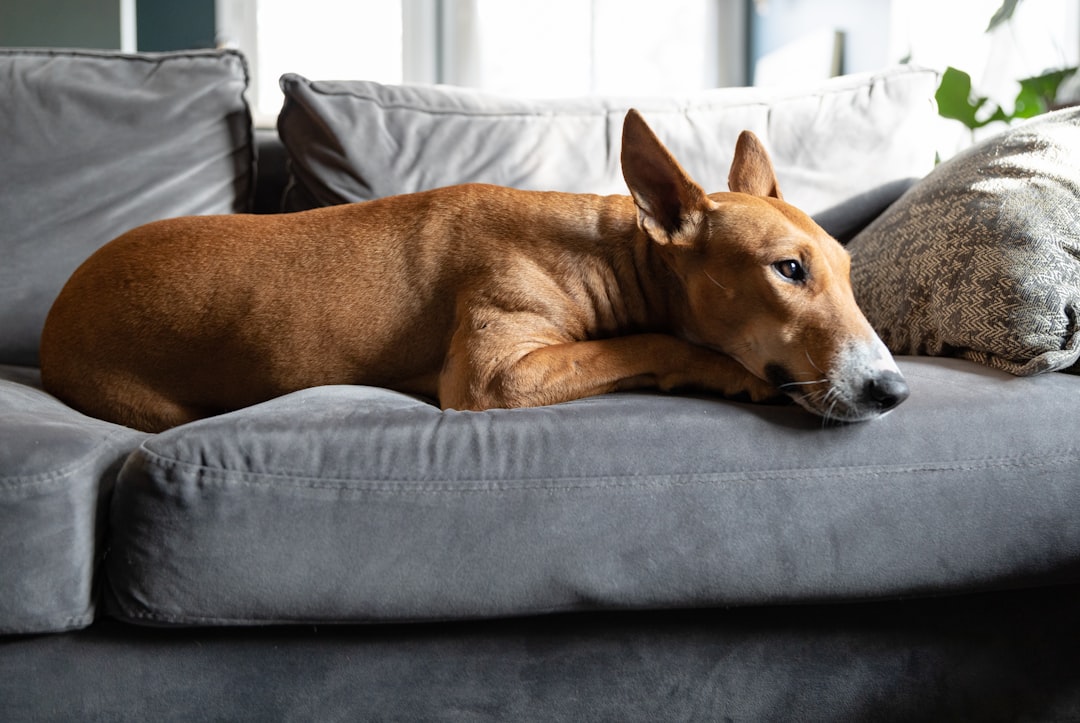
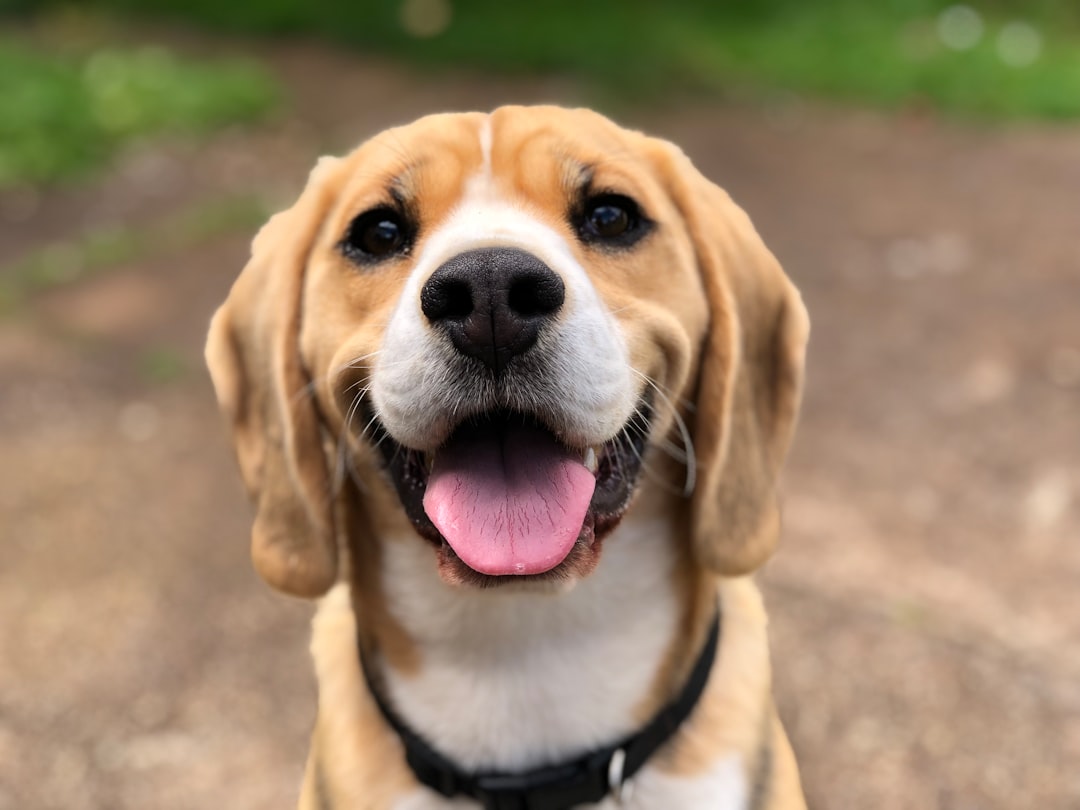
When a dog feels safe and content, their body appears loose and relaxed. Look for signs such as a wagging tail, a slightly open mouth (almost like a smile), or a soft gaze. Every muscle in their body tells a story of contentment when they feel truly secure.
A relaxed dog’s face and body will be completely tension-free. Their tail might gently wag, and their ears will be upright or in a neutral position (not flat against their head). Soft eyes have relaxed lids and can sometimes look like the dog is squinting. They indicate the dog is calm or happy.
You’ll notice their movements become fluid and natural. Gone is the stiff, alert posture of an anxious dog. Instead, they move with easy confidence, their whole body radiating peace and contentment. A relaxed dog will often squint, so that his eyes become almond-shaped with no white showing at all.
The Appetite Awakening
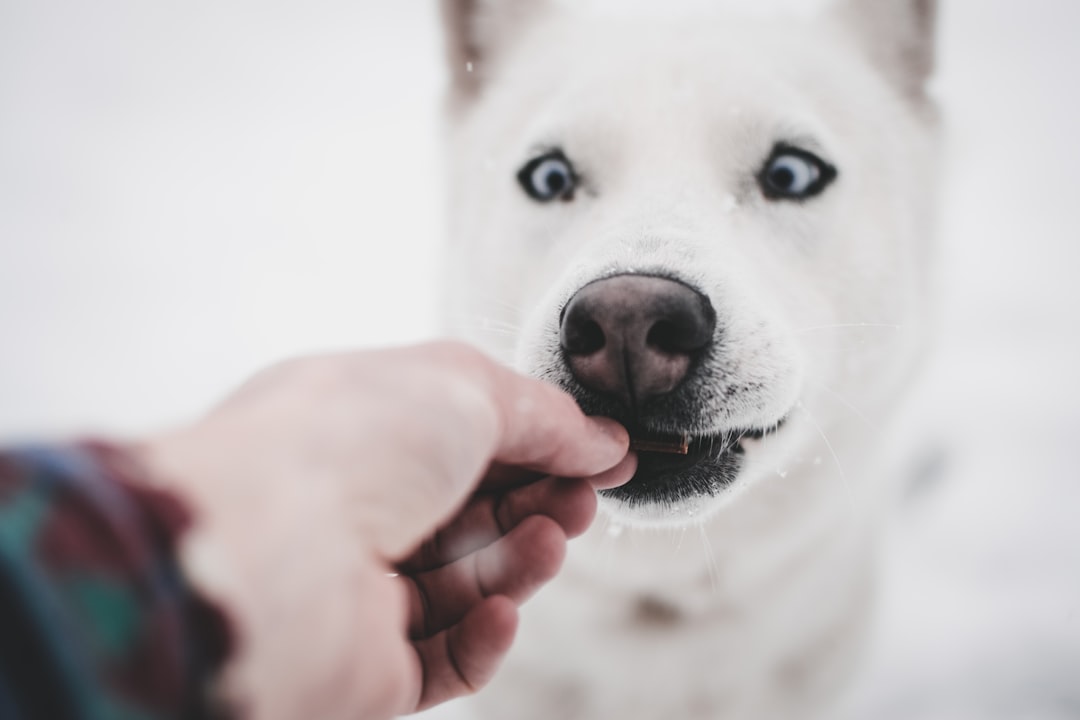
Eating can be a time of high anxiety for dogs, especially if they have a history of competing with other pets over resources or have gone through periods of nutrition-deficiency. So, if your dog can eat comfortably in your presence, that’s a great sign that they don’t see you as a threat.
When dogs feel truly safe, their relationship with food transforms completely. They stop gulping meals frantically or guarding their bowls. Instead, they eat at a normal pace, sometimes even leaving food for later. This shows incredible trust that their next meal is guaranteed.
You might notice them bringing treats to eat near you, or even dropping food to come greet you first. Like humans, certain internal and external stressors can affect your pup’s eating habits and lead to a loss of appetite. Knowing how to monitor your dog’s food intake plays an important role in your dog’s overall health and can help identify any issues. When stress disappears, healthy eating returns.
The Shadow Phase Ends
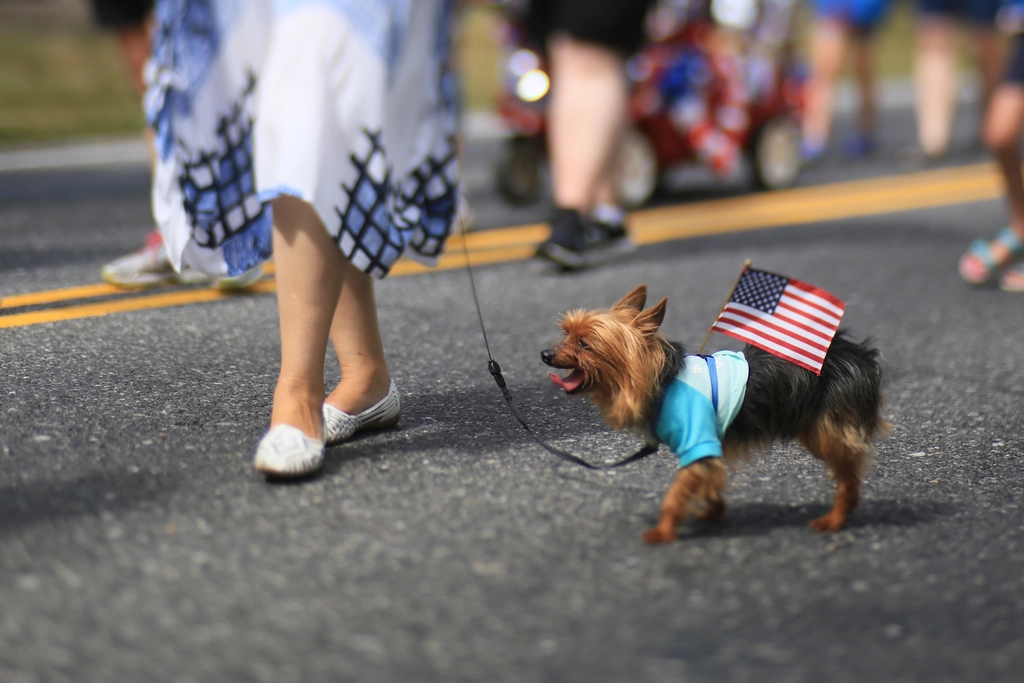
Some dogs may even follow you from room to room like a little shadow – this isn’t just because they love your company; it’s a sign they feel secure and connected to you. Yet when dogs reach peak security, this constant following often relaxes into something healthier.
Secure dogs learn they don’t need to monitor your every move. They’ll rest comfortably in another room, knowing you’ll return. This independence shows they trust that you’re not going to disappear or abandon them.
They might still check on you occasionally, but it becomes casual interest rather than anxious monitoring. This balance between attachment and independence signals a dog who feels genuinely secure in their relationship with you.
Playful Spirit Emerges
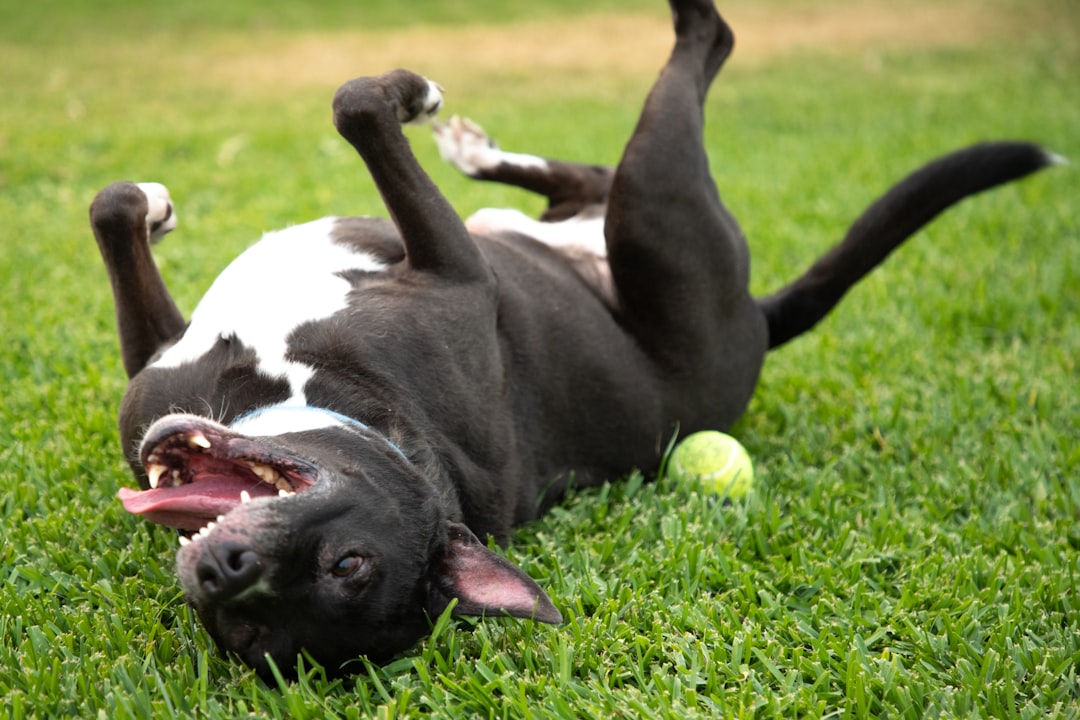
“A dog that engages in playful behavior, such as bounding around, play-bowing, and bringing you toys, is demonstrating a sense of comfort and happiness in its owner’s presence,” Dr. Lopez explains. Play is one of the most joyful signs that your dog feels completely safe.
When the animal feels safe, he can be curious, inquisitive and focused on a task. Anxious dogs rarely play because they’re too focused on potential threats. When that stress melts away, their natural playfulness bubbles up.
You’ll see them initiate games, bring you toys, or even create their own entertainment. An easy-to-read aspect of dog body language is the play bow. This is when dogs place their chest on the ground with their rump in the air. As the name implies, it’s used to initiate play with other dogs and even with people. This playful invitation shows they see you as a safe, fun companion.
Physical Affection Flourishes
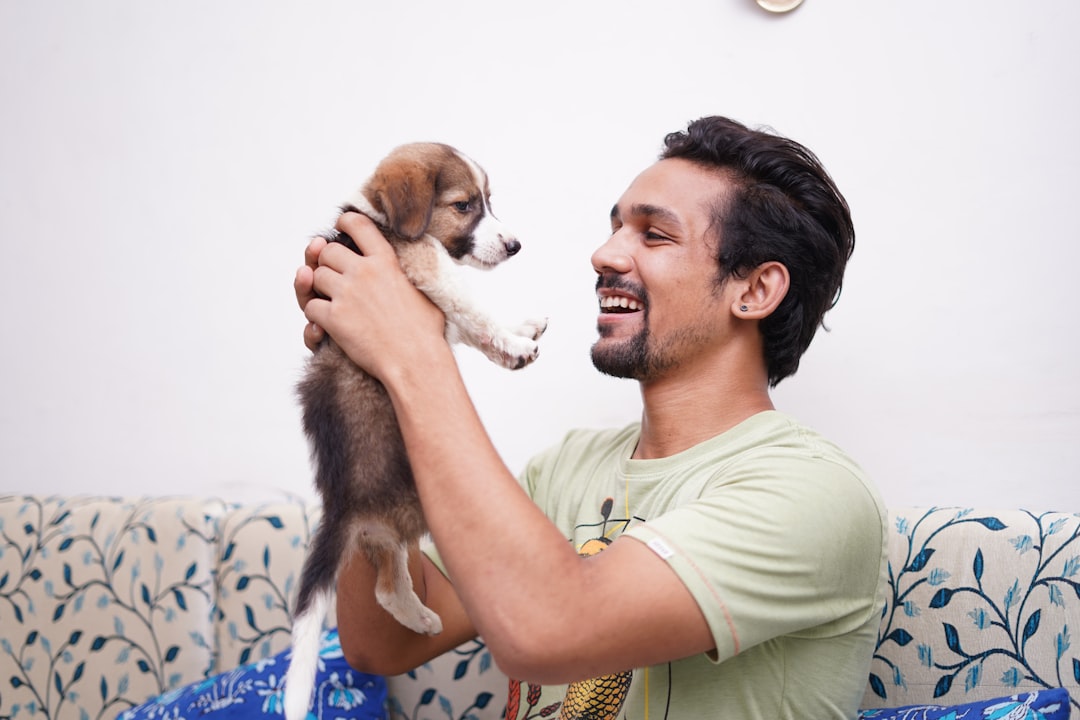
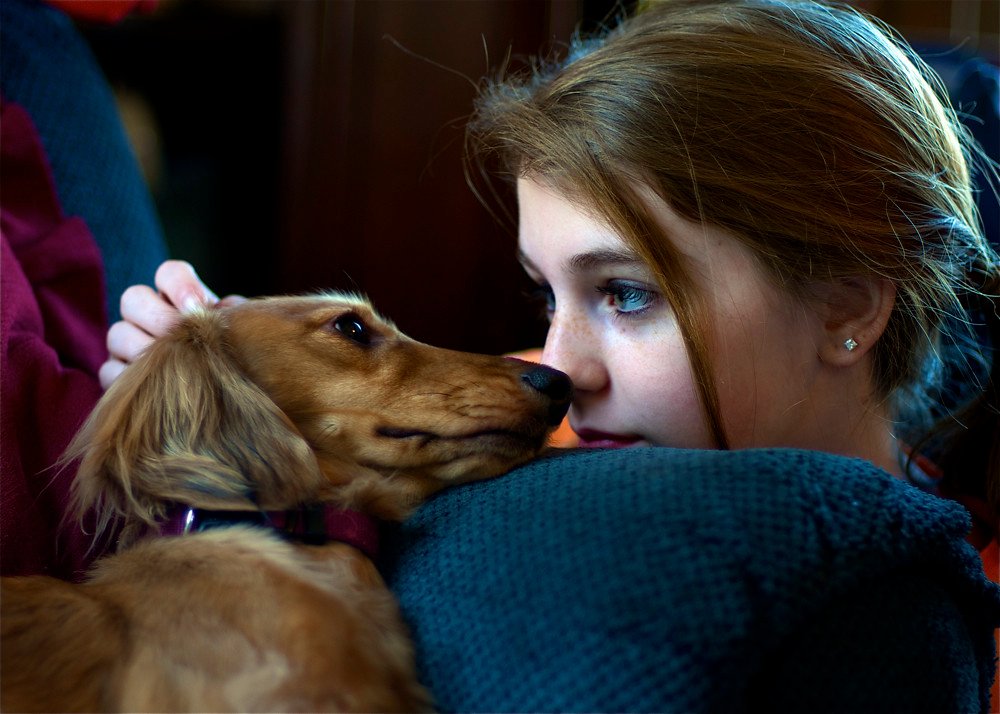
Dogs are naturally affectionate creatures, and when they feel safe and happy, they’ll show it in their own unique ways. From cuddling and licking to nuzzling their head against you, these behaviors are their way of saying, “I trust you.”
“Dogs often lick as a gesture of affection and trust,” Dr. Lopez says. “This behavior is rooted in their instincts, resembling the way pups interact with their mothers. When your dog licks you, it’s a sign of bonding and comfort.” Physical closeness becomes natural and comfortable.
If your dog frequently approaches you to nudge your hand, lean against you, or give you slobbery kisses, you can be pretty sure that they trust you. And if they have a habit of wanting to weave through your legs, it could mean that they feel safe and protected in your presence (or, they may be trying to position themselves for some back scratches!) These gestures show deep emotional connection and security.
The Ultimate Trust: Eye Contact
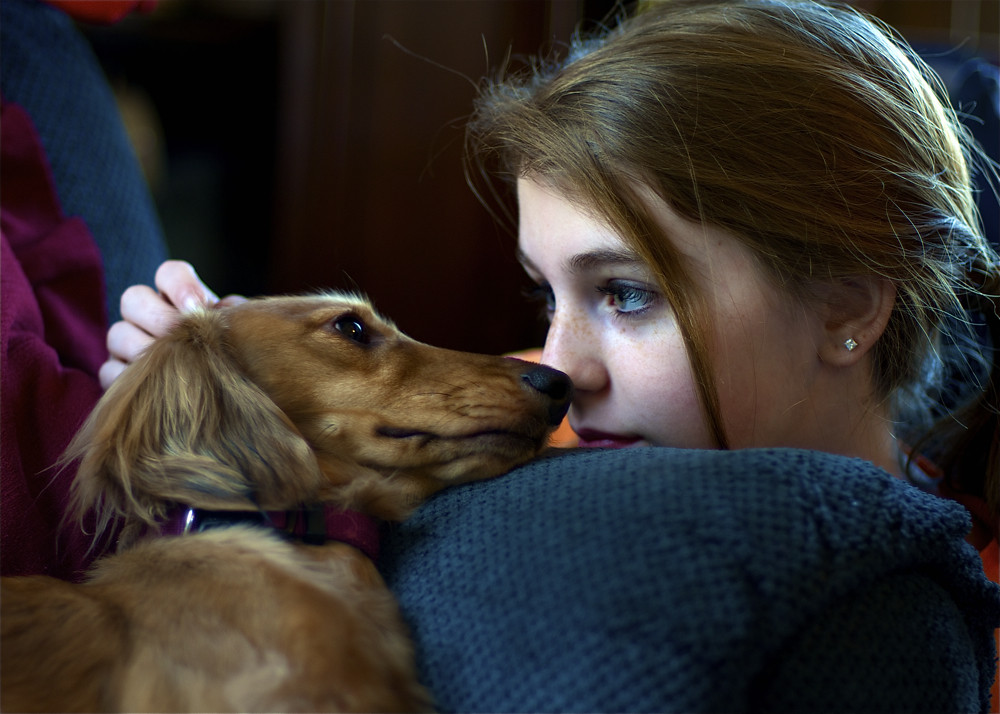
This is even truer for our dogs, who are more sensitive to eye contact than we are. In fact, if your pup looks at you lovingly for longer than a few seconds, it’s likely that they are experiencing a release of oxytocin in the brain that is responsible for relationship-building and feelings of safety and trust.
“Relaxed ears that are neither pinned back nor overly alert, coupled with soft, squinty eyes, signify a content and secure dog,” Dr. Lopez says. When dogs make loving eye contact, it’s pure magic. They’re choosing to connect with you on the deepest level.
Maintaining eye contact is confirmation that a dog is content and stress-free around you. Instead of a gazing or intense stare, seek out one that is at ease and quiet. This gentle, loving gaze speaks volumes about their trust and affection. It’s their way of saying they feel completely safe in your presence.
Conclusion
These eight transformations paint a beautiful picture of a dog who has found their forever safe place. From deep, peaceful sleep to loving eye contact, each change represents a layer of fear and anxiety melting away. Your dog is telling you, in their own special language, that you’ve created something precious together.
Remember that this journey takes time and patience. Some dogs show these changes quickly, while others need months or even years to feel completely secure. The beautiful thing is that it’s never too late for a dog to feel truly safe and loved.
What do you think about these touching changes? Have you noticed any of them in your own furry friend? Tell us in the comments.


