

You know that golden retriever at the dog park with the perpetually wagging tail and that famous “golden smile”? The one that makes everyone stop and say, “What a perfect dog!” Well, I hate to burst your bubble, but there’s more to the story. Behind that angelic face and sunny disposition lies a breed with some pretty significant challenges that most people never talk about.
Don’t get me wrong. I absolutely adore these furry sunshine ambassadors. Having lived with goldens for over a decade, I can tell you they’re incredible companions who’ll steal your heart faster than they steal your socks. Still, it’s time we had an honest conversation about what it really takes to love and care for these beautiful dogs.
So grab a cup of coffee and settle in. We’re diving into the eight hidden struggles that come with golden retriever ownership – the stuff that doesn’t make it into those picture-perfect Instagram posts.
Their Exercise Needs Are Actually Exhausting

Here’s something most people don’t realize: Golden Retrievers require at least two hours of exercise per day as young adults, with most healthy adult Goldens thriving with 60-90 minutes of daily activity. That’s not a leisurely walk around the block twice. We’re talking about serious, heart-pumping activity every single day.
I’ve seen too many golden owners completely unprepared for this reality. Destructive chewing often stems from excess energy and boredom, as dogs resort to chewing on furniture, shoes, or other household items when they don’t have an outlet for their energy. Your golden isn’t being “bad” when they destroy your favorite shoes – they’re literally going stir-crazy.
Without proper daily exercise, Golden Retrievers can become socially withdrawn, destructive, or hyperactive. Think about it this way: these dogs were bred to work alongside hunters for hours. That energy has to go somewhere, and if you’re not providing an outlet, your house might become their playground.
The mental stimulation aspect is equally demanding. If you seem to always be exercising your dog and they still aren’t tired, they likely need more mental stimulation. Physical exercise alone won’t cut it for these brilliant dogs.
The Shedding Situation Is Genuinely Overwhelming

Golden Retrievers shed a considerable amount, especially during the spring and fall, with their shedding ranging from moderate to heavy depending on factors like health, diet, and environment. But here’s what nobody warns you about: it’s not just seasonal.
Golden Retrievers shed a little every day as a normal part of their coat’s lifecycle, helping to remove old and damaged hair to make way for new growth. We’re talking about finding golden fur in places you never imagined – your coffee mug, your work clothes, even somehow in your sealed containers.
Dog breeds like Labradors and Golden Retrievers have a shorter hair shaft lifespan and more ample undercoats, resulting in greater shedding. During peak shedding seasons, it feels like your dog is trying to completely replace their entire coat in your living room.
Weekly brushing will help you mitigate hairy couches and unsightly pant bottoms and give you an opportunity to bond with your pup. Yet even with religious brushing, you’ll still be amazed at how much hair these dogs produce. Many owners find themselves vacuuming daily just to keep up.
Cancer Rates Are Heartbreakingly High

This one’s tough to talk about, but it’s crucial information every potential golden owner needs to know. Unfortunately, Goldens are at a high risk of developing cancer in their lifetimes, with hemangiosarcoma being a fast-growing and aggressive cancer that affects all dogs, particularly Goldens.
The statistics are sobering. The four types of cancers common in golden retrievers – lymphoma and osteosarcoma, which are dramatically similar to the same cancers in humans, as well as hemangiosarcoma and mast cell tumours – strike this breed at rates much higher than many other breeds.
What makes this especially difficult is how these cancers often develop silently. Your golden might seem perfectly healthy one day, then suddenly you’re facing a devastating diagnosis. The emotional and financial toll can be enormous, and many families aren’t prepared for this reality.
Regular veterinary checkups become absolutely critical, but even with the best preventive care, there’s no guarantee. It’s a harsh reality that shadows the joy of golden ownership, and something every family should consider seriously before bringing one of these dogs home.
Hip Dysplasia and Joint Problems Are Common Concerns

Hip dysplasia occurs when the ball and socket joint of the hip forms incorrectly, leading to a bad fit of the ball of the leg into the hip socket, causing the cartilage cushion to wear away and bone to move against bone, resulting in pain and eventual lameness.
Conditions like hip dysplasia, elbow dysplasia, and allergies are commonly reported in Golden Retrievers and are often among the top health concerns for this breed. This isn’t just an “old dog” problem either – symptoms can appear in young adults.
The heartbreaking part is watching your once-athletic golden struggle with simple activities. The symptoms of this disease can vary, from a pet that is just not as active as it should be, to a dog that can barely get up after laying down. Stairs become challenging, jumping into the car becomes impossible, and those long hikes you planned together might become a distant memory.
Treatment options exist, from medication and supplements to surgery, but they’re expensive and don’t always provide complete relief. Many golden families find themselves adapting their entire lifestyle around their dog’s mobility issues, installing ramps, limiting activities, and facing difficult quality-of-life decisions.
Heart Problems Can Strike Without Warning

Subvalvular aortic stenosis (SAS) is a common and dangerous condition where the aorta narrows, causing the heart to work harder which can damage the heart muscle and even lead to death. This isn’t something you can see coming – it’s often a silent killer.
Signs of SAS are lethargy, weakness, and difficulty breathing, but these symptoms can develop rapidly and be easily mistaken for other issues. By the time you notice something’s wrong, the condition may already be advanced.
DCM is a condition where the heart becomes enlarged and the heart muscle becomes weak, while aortic stenosis can cause the heart to work harder and lead to heart failure if left untreated. The scary part is how suddenly these conditions can manifest.
Puppies and dogs diagnosed with SAS can suffer from heart failure and sudden death, though medications can be prescribed to alleviate clinical signs like sudden lethargicism, continuous heavy panting, and rise in temperature. Regular cardiac screenings become essential, adding another layer of ongoing healthcare costs.
Grooming Maintenance Is a Full-Time Job
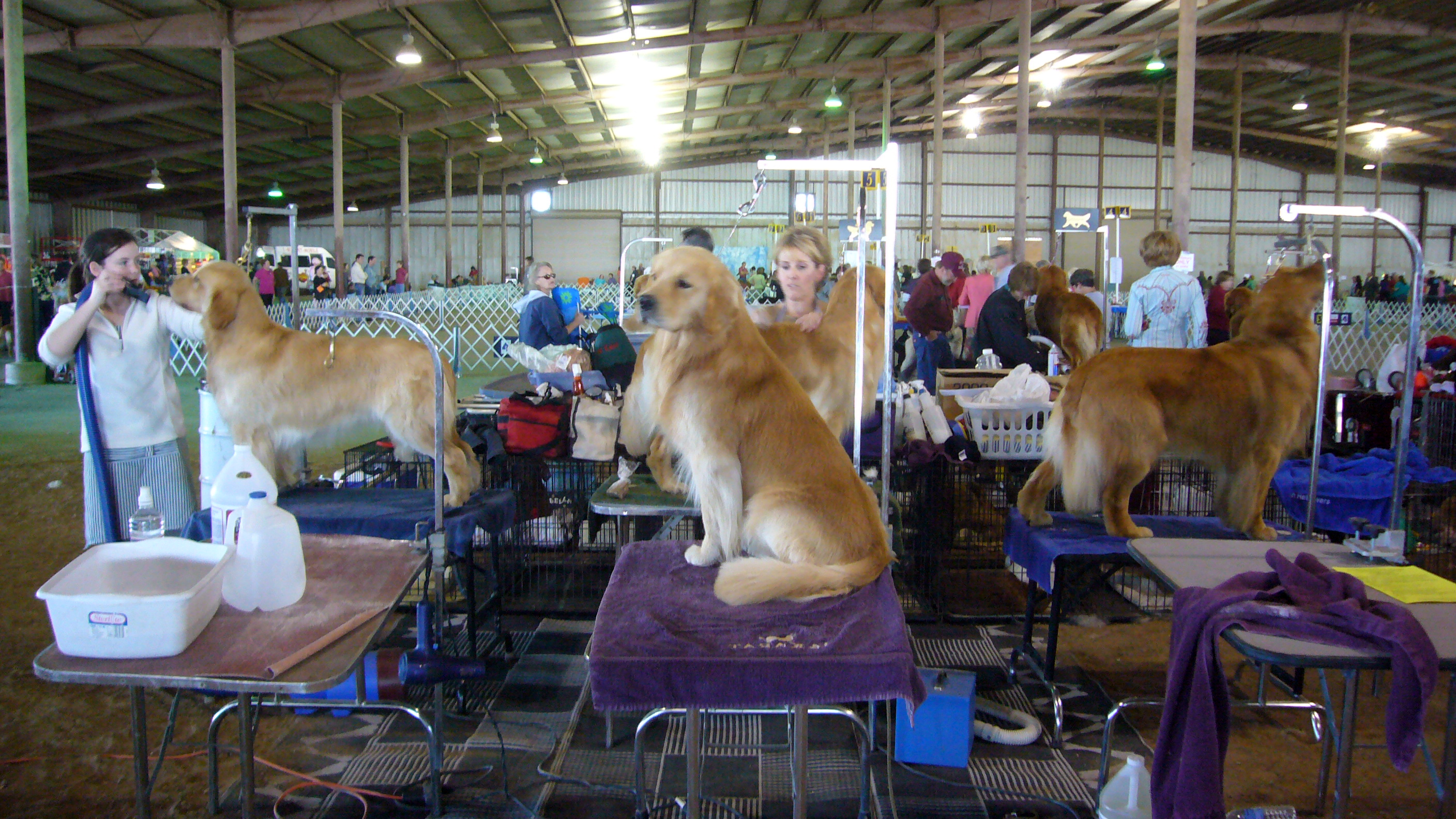
That gorgeous golden coat doesn’t maintain itself, and the grooming requirements go far beyond what most people expect. Golden Retrievers have a dense double coat, so they shed a lot, requiring brushing at least once or twice every week to reduce shedding and prevent matting, especially behind the ears and on the hind limbs.
Regular grooming sessions require grabbing a slicker brush or undercoat rake and committing to 2-3 times per week minimum. Miss a few sessions, and you’ll be dealing with painful mats that might require professional removal or even shaving.
The time investment is substantial. During shedding season, you might need to brush daily, and consider a trim during warmer months to reduce matting risk. We’re talking about dedicating 30-45 minutes several times a week just to basic coat maintenance.
Professional grooming every six to eight weeks becomes necessary, not optional. Professional groomers have experience with double coats and know precisely how to ensure that your dog always looks and feels its best, providing a good time frame for recurring appointments to prevent excessive shedding. The costs add up quickly, and finding a groomer who really understands golden coats can be challenging.
Allergies and Skin Issues Are Constant Battles

Golden Retrievers are reportedly more likely than other breeds to suffer from allergies, with signs including skin irritation, sneezing, watery eyes, itching, and/or ear infections. What starts as occasional scratching can quickly escalate into a nightmare of constant discomfort for your dog.
Their luscious coat is the ideal environment for fungi and bacteria to grow, with ichthyosis being one of the most common skin diseases affecting Golden Retrievers, causing excessively scaly skin and dandruff. The thick double coat that makes them so beautiful also traps moisture and creates perfect conditions for skin problems.
Golden Retrievers are prone to ear infections because of the skin and ear inflammation associated with underlying allergies and, less commonly, due to hypothyroidism. Those adorable floppy ears that we love so much create a warm, moist environment where bacteria and yeast thrive.
Managing allergies becomes a constant detective game. The most common allergens include pollen, mould, dust mites, and certain foods, such as beef, chicken, wheat, soy, or dairy. You might find yourself switching foods multiple times, investing in air purifiers, and scheduling regular vet visits just to keep your golden comfortable.
The Veterinary Bills Will Shock You

Let’s talk numbers, because this is where many golden families get blindsided. Golden Retrievers do have predispositions for certain illnesses, meaning regular vet visits, preventative care, and additional vet costs will be common while caring for a Golden Retriever.
Beyond routine care, you’re looking at potential major expenses. Hip dysplasia surgery can cost thousands. Cancer treatment can run into five figures. Heart conditions require ongoing medication and monitoring. Allergy management involves expensive prescription diets and medications.
Consider purchasing pet insurance to offset some of the cost of veterinary care. This isn’t just good advice – it’s practically essential for golden owners. Without insurance, a single major health crisis can financially devastate a family.
Even routine care adds up quickly. Regular cardiac screenings, hip and elbow evaluations, eye exams, and specialized grooming all contribute to the ongoing costs. Many owners find themselves spending more on their golden’s healthcare than their own. It’s a reality that catches people off guard and forces difficult decisions about treatment options.
Conclusion

Now, before you think I’m trying to scare everyone away from golden retrievers, let me be clear: I wouldn’t trade my experiences with these incredible dogs for anything. They’ve brought immeasurable joy, laughter, and love into my life. The wet nose nudges at 6 AM, the way they greet you like you’ve been gone for years when it’s only been five minutes, the unwavering loyalty – it’s all worth it.
The point isn’t to discourage you from welcoming a golden into your family. It’s to make sure you go into it with your eyes wide open. These dogs deserve families who understand the commitment they require – not just the financial commitment, but the time, energy, and emotional investment.
When you know what you’re signing up for, you can prepare properly. You can budget for the unexpected vet bills, invest in quality grooming tools, and understand that daily exercise isn’t negotiable. You can research reputable breeders who health test their dogs and be ready for the realities of loving a breed with known health challenges.
What do you think about these hidden struggles? Have you experienced any of these challenges with your golden retriever? Tell us in the comments.


