

Picture this: you bring home your adorable French Bulldog puppy with those irresistible wrinkles and bat-like ears. Those first few months are pure magic – watching them waddle around, play, and melt everyone’s heart with their squishy faces. Yet beneath all that cuteness lies a reality many new Frenchie parents aren’t prepared for.
French Bulldogs are more likely to develop over 20 common health disorders compared to other breeds, and these health problems can emerge at various ages throughout their lives. While this might sound alarming, understanding what to watch for in those crucial early months can make all the difference. Think of this as your roadmap to keeping your wrinkled companion healthy and happy from day one.
Brachycephalic Obstructive Airway Syndrome (BOAS)

One of the most well-known French bulldog health problems is Brachycephalic Obstructive Airway Syndrome (BOAS), which is due to the breed’s short, flat skull shape and can cause significant trouble breathing. Your adorable Frenchie’s flat face comes with a price tag that goes beyond the initial purchase cost.
This syndrome is a combination of abnormalities that affect the respiratory tract, including narrow nasal openings; a long, soft palate in the mouth; and a narrow trachea (windpipe), resulting in increased effort and noise when breathing. Symptoms include noisy breathing, snoring, and exercise intolerance – snorting and snoring noises are not normal and are symptoms of airway disease that, in severe cases, may require surgery.
Skin Fold Dermatitis
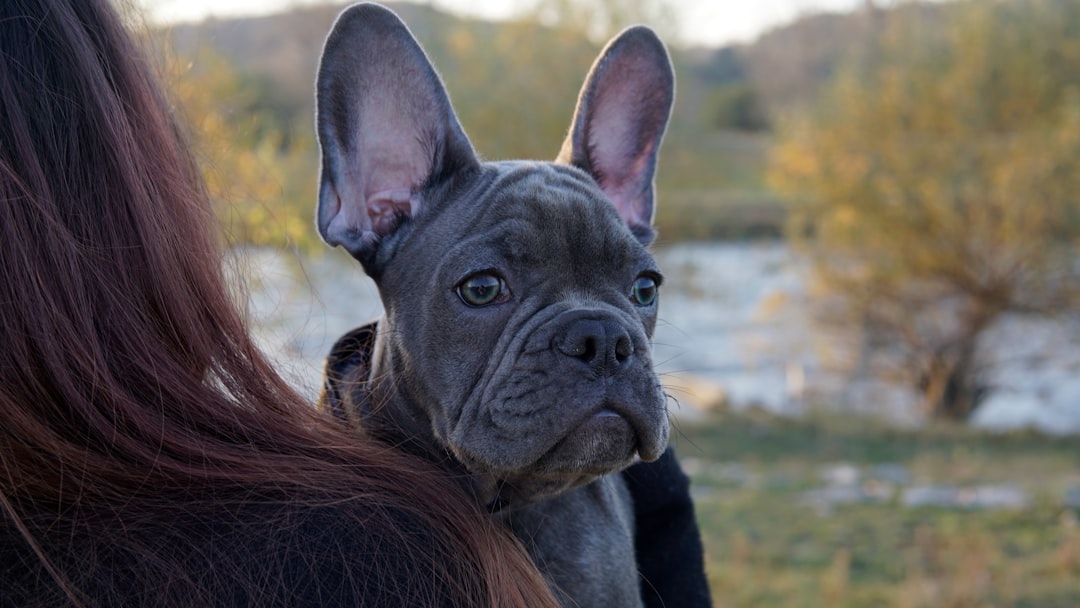
Those precious wrinkles that make Frenchies so irresistible can become problem areas faster than you’d expect. Skin fold dermatitis is an infection in a pocket between two folds of skin, as skin fold pockets are warm and moist, providing a perfect place for bacteria and yeast to grow.
The first sign of skin fold dermatitis tends to be smell and red skin between the folds. Symptoms include a foul odor, itching, and visible inflammation in the affected area, and if left untreated, it can lead to chronic skin infections, discomfort, and even scarring. This condition is most common in areas like the face, tail, armpits, and groin, with symptoms including redness, itching, a musty odor and discomfort in the affected areas.
Cherry Eye

Imagine waking up one morning to find what looks like a small cherry in the corner of your Frenchie’s eye. Cherry eye occurs when the tear gland attached to the third eyelid prolapses (flips outward), often appearing as a pink or reddish round mass at the inner corner of the eye.
French Bulldogs are among the breeds most commonly affected by cherry eye. Cherry eye isn’t painful in most cases, but it can cause irritation, reduced tear production, and lead to secondary infections if left untreated. Fortunately, it’s not painful, but it can lead to chronic dry eye if left untreated, and surgery is needed to correct this.
Ear Infections

Your Frenchie’s adorable upright ears aren’t just for show – they’re actually engineered in a way that makes infections almost inevitable. French Bulldogs have very narrow ear canals and very large and open ears, making Frenchies very vulnerable to ear infections as the breed’s large and upright ears make it easy for debris and bacteria to find their way into the ear.
Ear infections, including both yeast and bacterial infections, are another common French Bulldog health issue which may be a sign of underlying allergies, or caused by the shape of the ear canal, with symptoms including head shaking, scratching, odor, and inflammation. French Bulldogs are prone to ear infections due to their narrow ear canals and tendency towards a defective skin barrier, and these infections can lead to discomfort and even hearing loss if not treated quickly.
Hip Dysplasia
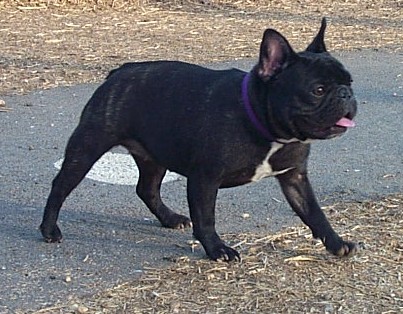
While hip dysplasia might seem like an “older dog” problem, the reality is that this genetic condition is present from birth and can show signs surprisingly early. Hip dysplasia is a commonly inherited joint issue in French Bulldogs that results in a loose hip joint, typically leading to arthritis and degenerative joint disease, which causes chronic pain.
This sneaky genetic glitch occurs when the hip socket doesn’t form right, leading to grinding and pain as your Frenchie ages, with extra pounds or over-exercise in puppyhood cranking up the risk. Signs include bunny-hopping gait, trouble rising, or stair avoidance, with vets diagnosing via exams and imaging. Early intervention through proper exercise management and weight control is crucial for preventing severe complications later.
Luxating Patella
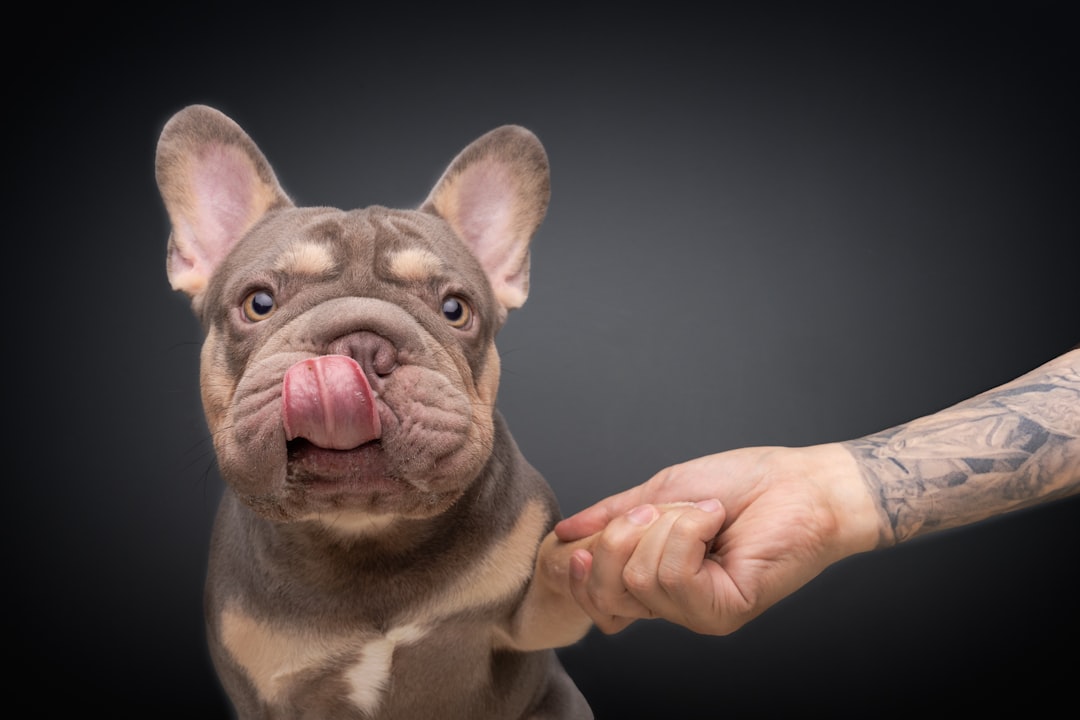
That adorable little skip in your Frenchie’s step might look charming, but it could signal a serious joint problem. A luxating patella is a common condition in which the kneecap (patella) shifts sideways away from its normal position at the front of the knee, with about 75% of cases involving the patella dislocating towards the inside of the knee, more common in smaller dogs.
Luxating patella occurs when the kneecap slips out of place, and you might see your pet suddenly limp for a few steps while running, kick out their leg a few times, then continue running like nothing happened. Luxating patella is one of the most common orthopedic conditions in small dog breeds. The condition can affect one or both knees and often requires surgical intervention in severe cases.
Intervertebral Disc Disease (IVDD)

Your Frenchie’s adorable short legs and compact body create the perfect storm for spinal problems. Frenchies’ short legs and long backs create IVDD risk where discs bulge and pinch nerves, sparking pain or worse, typically developing between 3-6 years of age with symptoms including dragging paws, hunched posture, yelps on touch, or sudden paralysis.
Intervertebral disc disease (IVDD) is a common cause of French Bulldog paralysis, with Frenchies experiencing sudden paralysis and inability to stand or walk with their back legs, requiring immediate veterinary attention. French Bulldogs are more likely than other canines to be born with spinal deformities (hemivertebrae), which may lead to spinal cord damage, instability, or disability, with symptoms potentially worsening with age, weight, and activity.
Gastrointestinal Issues

French Bulldogs seem to have sensitive stomachs that can turn mealtime into a guessing game. French Bulldogs are predisposed to gastrointestinal issues, with food allergies being one of the most common causes of off-and-on diarrhea or soft stools, and they’re also genetically predisposed to inflammatory bowel disease (IBD), requiring lifelong treatment with special prescription diets and medication.
Stomach upsets are very common in Frenchies, so monitoring their diet is necessary, with consistent bouts of diarrhea potentially caused by parasites, viruses, or E. coli, all of which French Bulldogs are very sensitive to. Another commonly inherited health issue is hiatal hernia, which occurs when the diaphragm doesn’t develop properly, allowing the stomach to slide between the abdomen and chest, causing chronic regurgitation that most commonly occurs after eating.
Pyoderma (Bacterial Skin Infections)

Think of pyoderma as skin fold dermatitis’s nastier cousin. Even a small scratch on your Frenchie can turn into a red, crusty mess as pyoderma is basically a bacterial takeover, often sparked by skin folds, super common in wrinkly pals and flaring up fast if ignored, with signs including itchy wounds, hair loss, pus, or telltale redness.
Pyoderma is a bacterial skin infection similar to skin fold dermatitis that can occur anywhere on the skin, but in French Bulldogs it’s especially common in moist, warm environments formed by skin folds, with symptoms including red, raised pustules that resemble pimples, itching, flaky or crusty skin, and hair loss. Quick treatment with antibiotics prescribed by your vet usually clears it up fast when caught early.
Upper Respiratory Tract Infections

As a short-nosed breed, French Bulldogs are very at-risk of upper respiratory tract infections, which usually happen to every bulldog at least once in their lives and are infectious, occurring more frequently if your dog spends more time with other canines. These infections go hand-in-hand with their breathing difficulties.
The combination of their flat faces and compromised airways makes them sitting ducks for respiratory bugs that other dogs might shrug off. Due to their compromised airway structure, French Bulldogs are uniquely susceptible to heat stroke as these dogs have difficulty regulating their body temperature, especially in hot and humid conditions. Prevention involves keeping them cool, avoiding strenuous exercise during peak heat, and providing plenty of clean drinking water and shade.
Conclusion
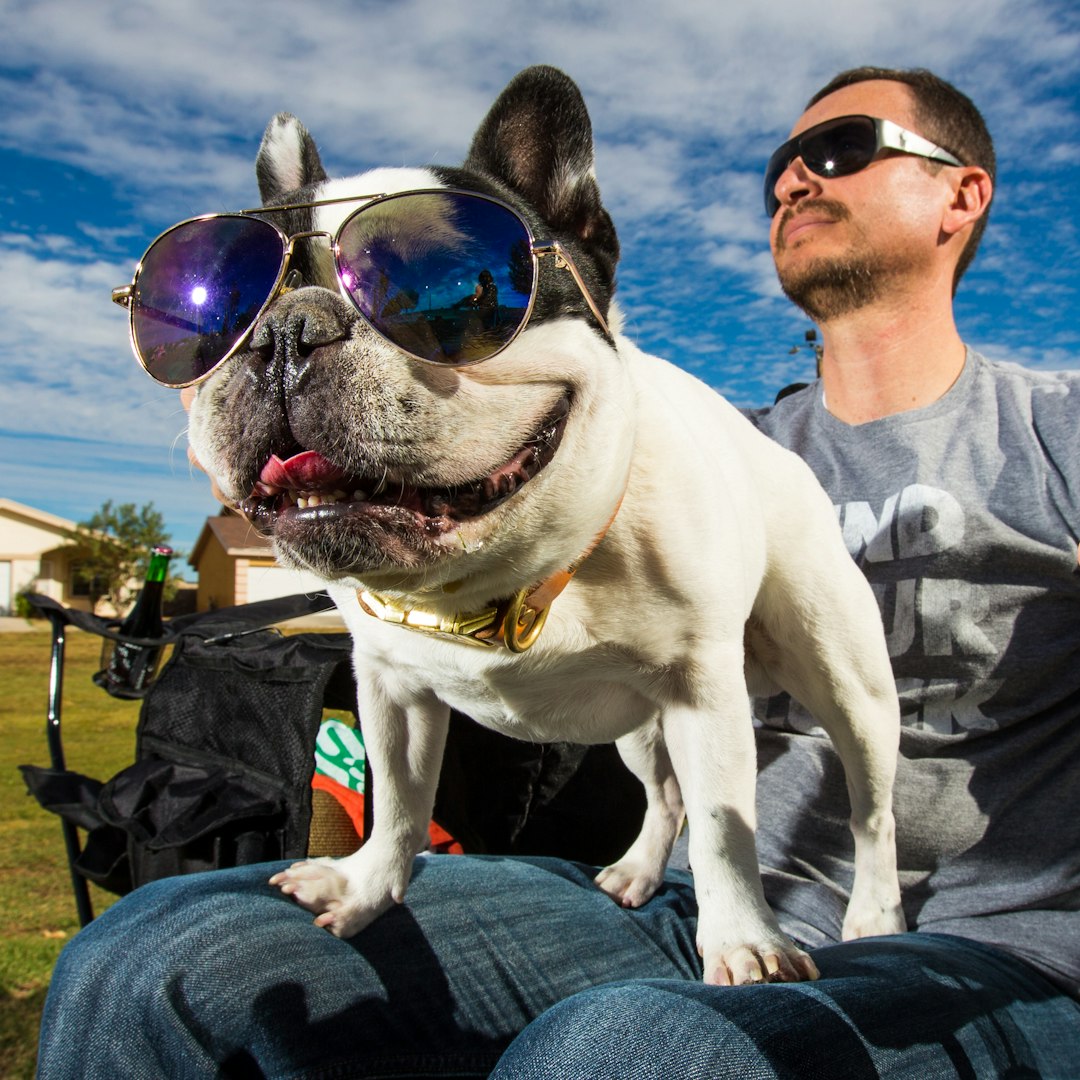
Owning a French Bulldog means embracing both their irresistible charm and their unique health challenges. These ten conditions might seem overwhelming, but remember that knowledge is your greatest weapon against potential problems. Dog owners with French bulldogs need to understand these health issues so they can catch and manage them early if they want their dog to live a long, healthy life.
The key to a happy, healthy Frenchie isn’t avoiding these issues entirely – it’s about early detection, proper preventive care, and working closely with your veterinarian. Most of these conditions are manageable when caught early, and many Frenchies live wonderful, fulfilling lives despite their predispositions.
What surprised you most about these early health risks? Share your experiences in the comments below – your story might just help another Frenchie parent navigate these challenges with confidence.


