
Picture this: you walk into the dog park and immediately spot that one dog who owns the place. Tail held high, head up proud, and moving with the kind of swagger that says “I’ve got this.” That dog radiates confidence, and suddenly you find yourself wondering what makes some dogs carry themselves like kings while others seem to shrink into the background. Understanding your dog’s confidence levels isn’t just about satisfying curiosity – it’s about becoming the advocate they need.
Recognizing confidence in dogs goes deeper than surface behaviors. It’s about reading the subtle language your furry friend speaks through every muscle, every glance, and every step. When you truly understand these signals, you’ll unlock a new level of communication that strengthens your bond and helps you support your dog through any situation they encounter.
The Power Stance: How Body Posture Reveals Inner Strength
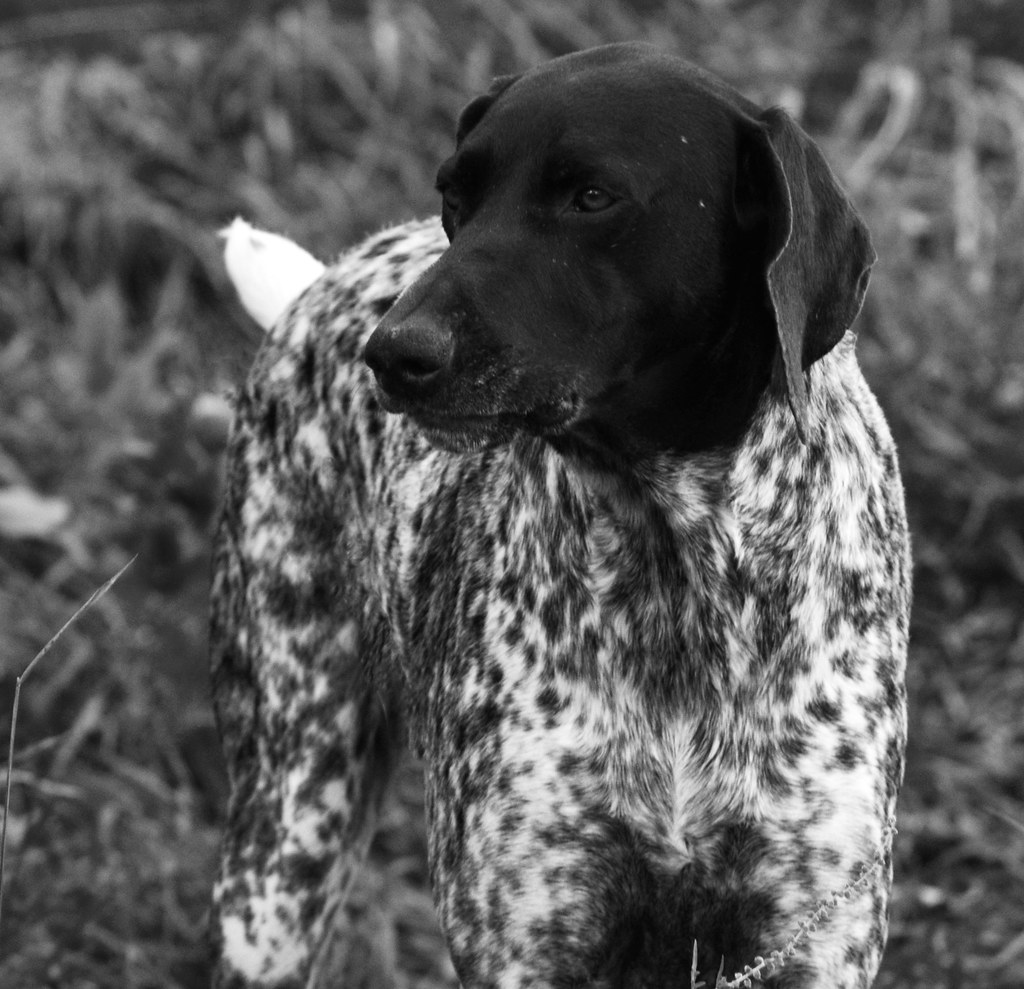
A high tail usually signifies confidence and alertness, while a low tail or one tucked between the legs indicates fear. Think of it like a confidence meter that dogs wear on their hindquarters. A confident dog will stand tall with a relaxed body, while a submissive or anxious dog may cower or lower themselves closer to the ground.
Watch how your dog carries themselves during different situations. The confident dog doesn’t just stand tall – they distribute their weight evenly across all four paws, creating a stable foundation that screams “I belong here.” With proper posturing, a dog may show other dogs that he is confident and that they should not try to mess with him. Some of these postures are similar to a strong handshake.
A confident dog will display this through his body language. A dominant dog will let you know it with his posture. He will be standing straight and tall, and looking other dogs in the eye. It’s remarkable how much your dog’s posture can communicate to both you and other animals about their internal state.
Tail Tales: Decoding the Language of the Wag
Dogs with their tails held up like a flag are feeling confident, perhaps even aggressive. Yet not all tail positions are created equal, and the height tells only part of the story. A confident or aroused dog will hold her tail high in the air, creating a visual flag that announces their presence.
The confident tail wag has its own rhythm and style. A tail that wags around and around like a helicopter and is accompanied by relaxed fluid body movement and a wiggling bottom signals friendliness and a willingness to engage. This isn’t the nervous rapid flutter of an anxious dog – it’s the full-body celebration of a pup who feels secure in their environment.
Fascinating research reveals even more nuanced tail communication. Some research has shown that when a dog sees someone they like, her tail wags more to the right. When she sees an unfamiliar person, her tail wags more to the left. This subtle asymmetry reflects the complex emotional processing happening in your dog’s brain.
Eyes That Speak Volumes: The Confidence Gaze
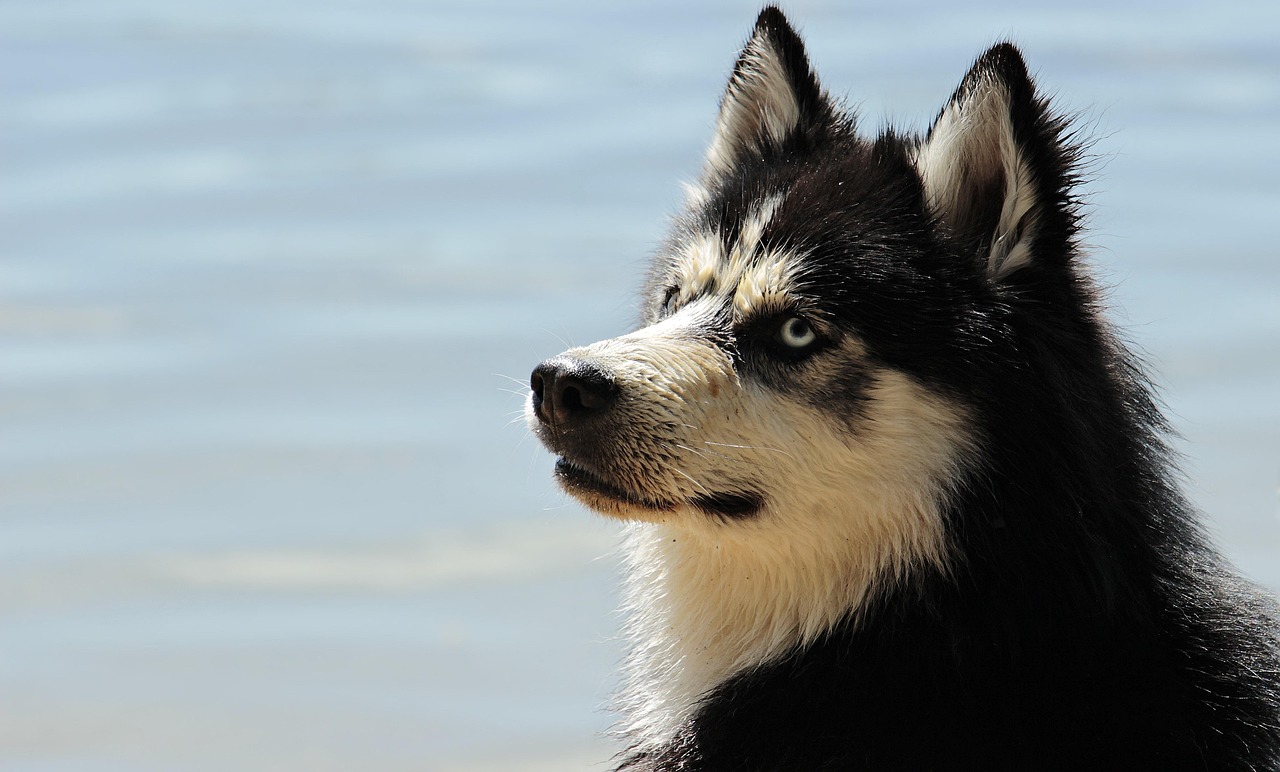
An assertive, confident dog will prick their ears forward or to the side, but it’s their eyes that truly reveal their inner state. He will be standing straight and tall, and looking other dogs in the eye. Direct eye contact from a confident dog isn’t confrontational – it’s simply acknowledgment without fear.
The confident dog’s gaze has a soft, alert quality. When your dog feels relaxed, you might notice that your dog’s eyes look ‘soft’ or droopy. They’ll make appropriate eye contact with you and their environment without the hard stare of aggression or the averted gaze of anxiety.
Pay attention to the overall expression around your dog’s eyes. Confident dogs maintain a relaxed brow without the furrows that indicate stress or the wide-eyed look of fear. Their facial muscles remain loose, creating an expression that radiates calm assurance rather than tension.
The Confident Walk: Movement That Commands Respect
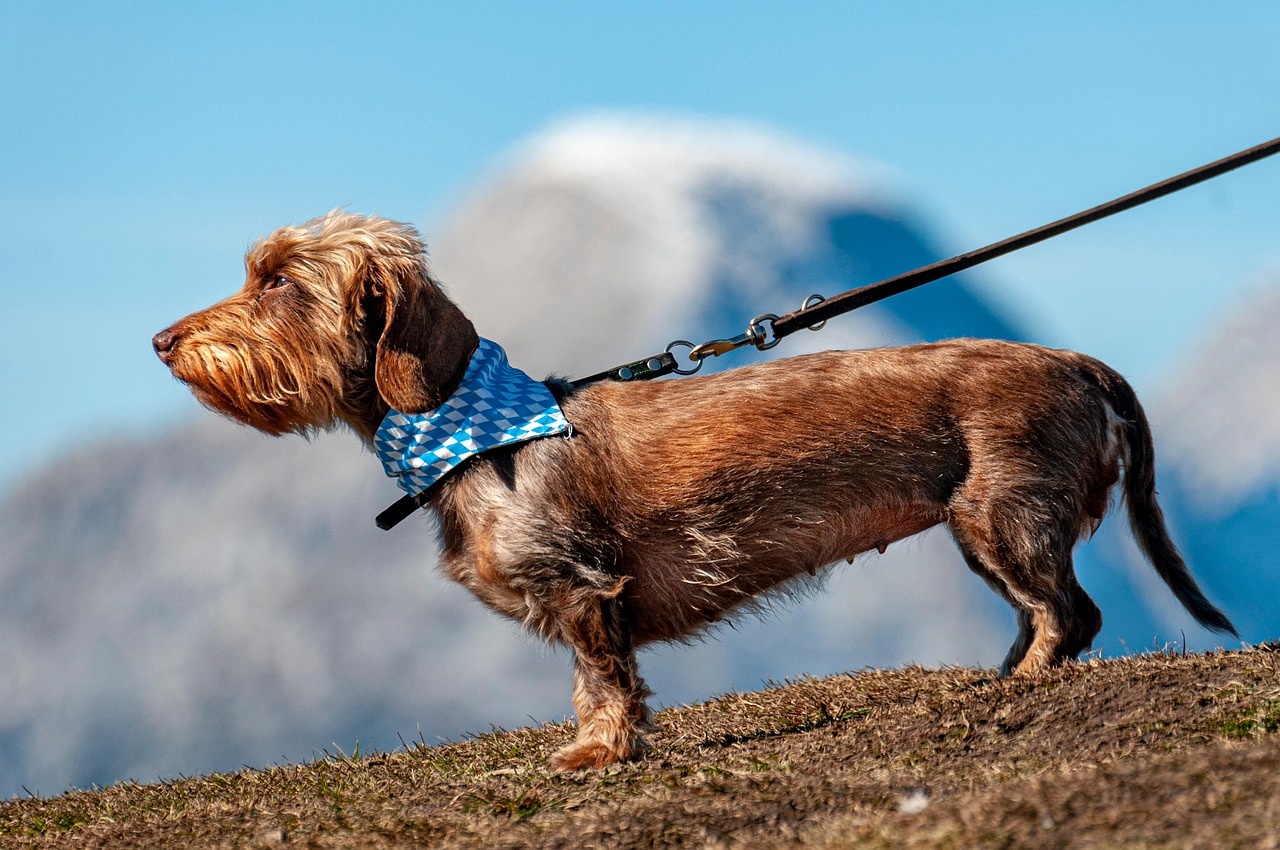
Movement reveals confidence like nothing else can. An agile and effortless gait is a positive indication of good physical condition, and confident dogs move with purpose and grace. Are they walking with a relaxed posture and a wagging tail, or do they seem tense and nervous?
A relaxed, easy gait in which the legs on either side move almost, but not quite, as a pair characterizes the confident dog’s natural movement. They don’t rush or skulk – they move at their own pace with fluid, coordinated steps that show complete comfort in their body.
The truly confident dog exhibits what trainers call “loose” movement. Their shoulders swing freely, their stride is even, and there’s no stiffness or hesitation in their gait. This physical confidence often translates to emotional confidence, creating a positive feedback loop that reinforces their self-assured demeanor.
Ear Expressions: The Confidence Antenna
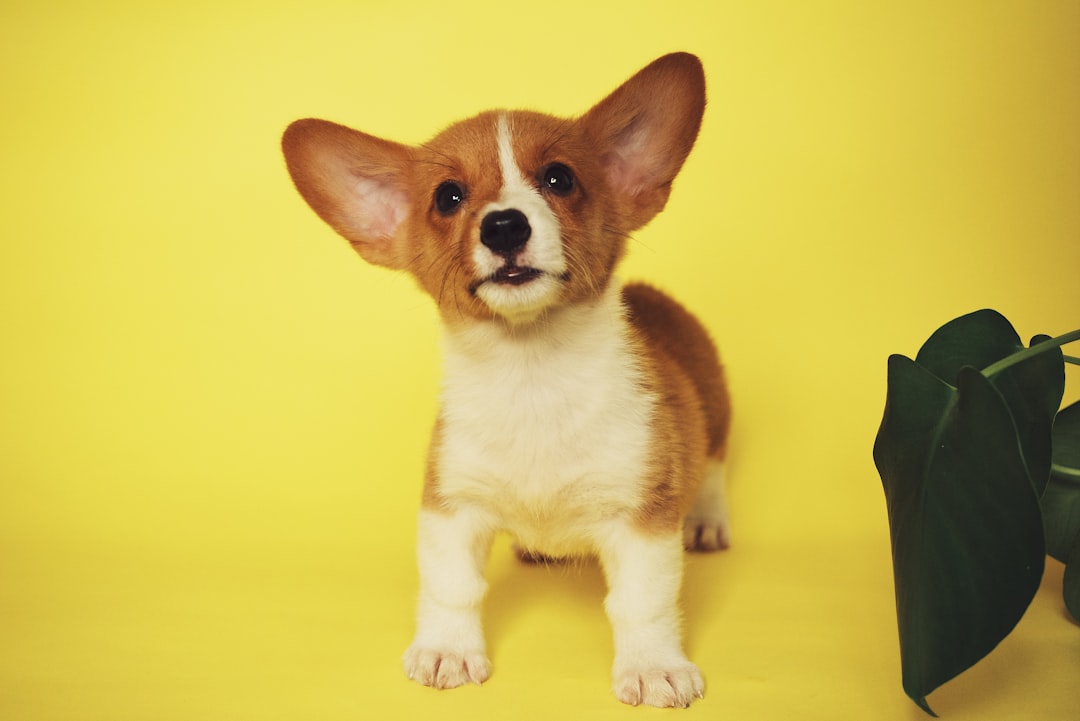
Ears pricked forward tends to indicate excitement or alertness. Ears being held in a relaxed position tends to indicate calm relaxation or friendliness. The confident dog’s ears tell a story of engagement without anxiety, alertness without fear.
Unlike the flattened ears of a fearful dog or the constantly swiveling ears of an anxious pup, confident dogs hold their ears in positions that match their comfort level with the situation. Ears that are flattened against the head often indicate fear. A low or tucked tail suggests the dog is scared or submissive – the exact opposite of what you’ll see in a confident dog.
The position and mobility of your dog’s ears provide real-time feedback about their confidence levels. Confident dogs use their ears expressively but without the frantic movements that signal stress or the rigid positioning that indicates fear.
Social Confidence: How Secure Dogs Interact
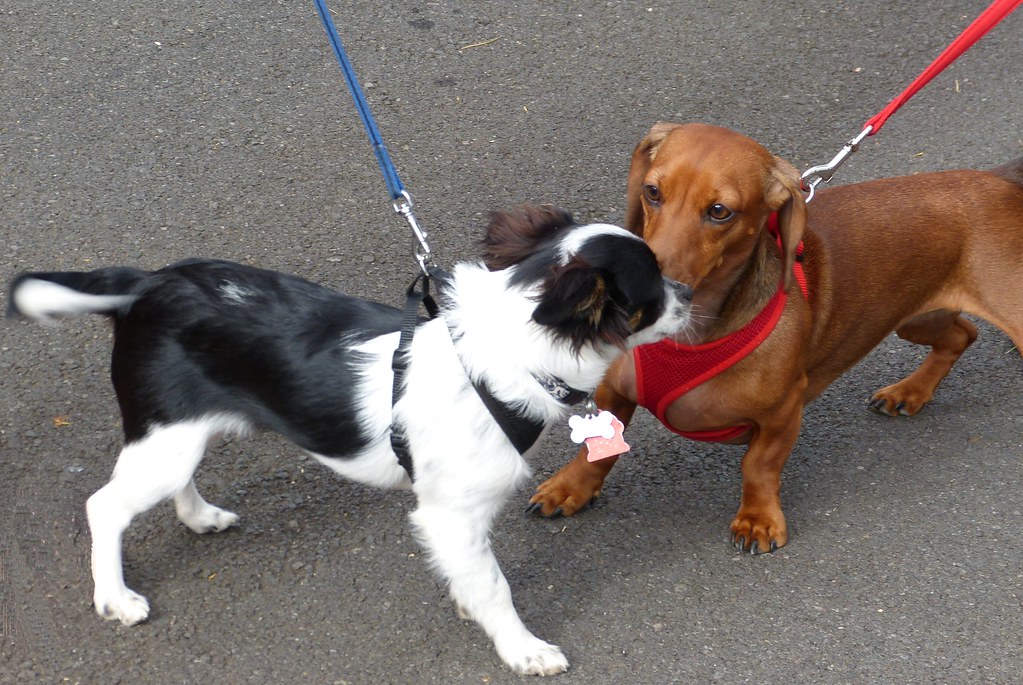
Dogs that are calm, confident and relaxed should be interested in what’s happening around them and responsive to their owners, but also able to settle. This balanced approach to social situations marks the truly confident dog – engaged but not desperate, interested but not overwhelmed.
Confident dogs approach new situations and individuals with what behaviorists call “soft” body language. They don’t barrel forward with overexcitement or hang back with reluctance. Instead, they investigate at their own pace, ready to engage or disengage as they choose.
Understanding body language is also crucial when encountering other dogs. Be cautious if you see signs of aggression or fear in another dog, and adjust your approach accordingly. Your confident dog will naturally read these same signals and respond appropriately, showing social intelligence that comes from inner security.
The Play Invitation: Confident Dogs at Their Best
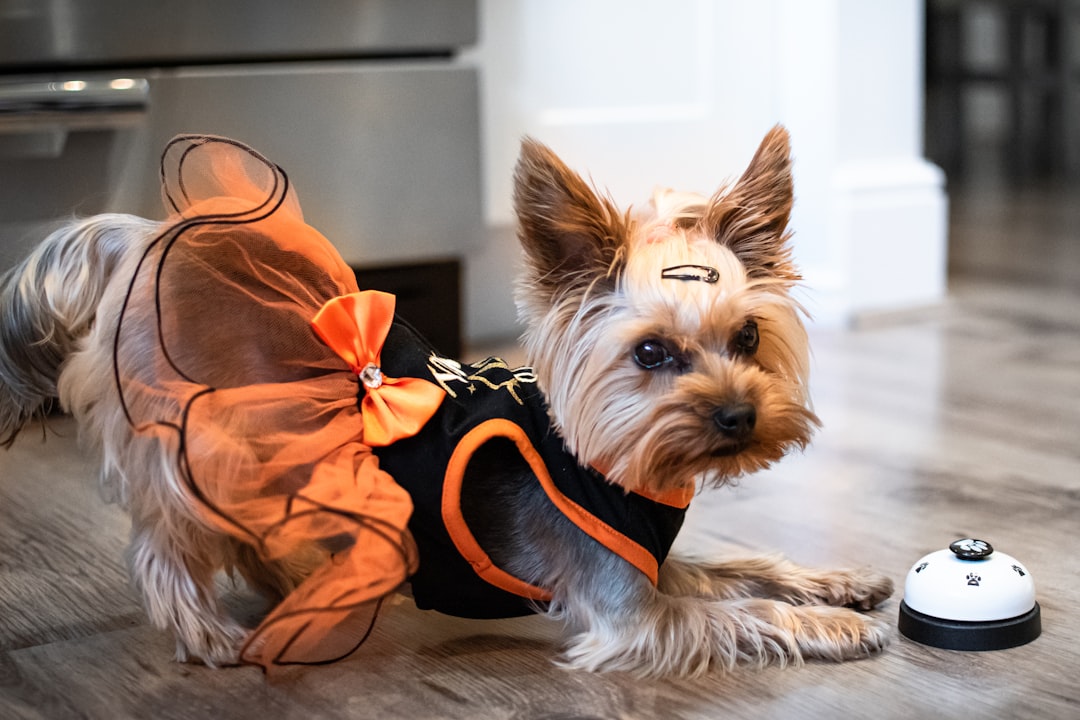
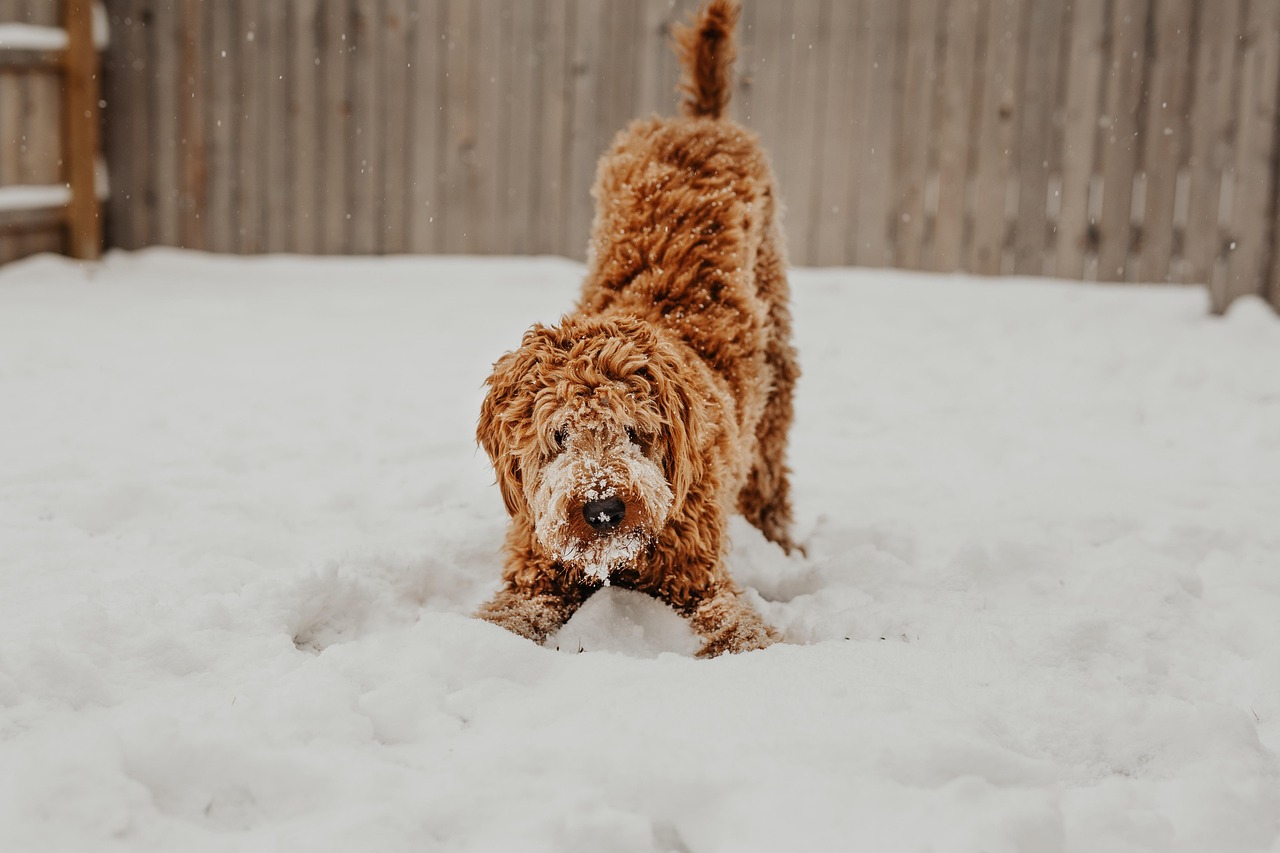
An easy-to-read aspect of dog body language is the play bow. This is when dogs place their chest on the ground with their rump in the air. As the name implies, it’s used to initiate play with other dogs and even with people. This classic confidence move shows a dog comfortable enough to be vulnerable while simultaneously inviting interaction.
A common signal is the play bow, where the dog stretches its front legs forward, lowers its chest, and keeps its rear up. This posture is often accompanied by playful barks and wagging tails. The confident dog’s play invitation is clear, enthusiastic, and appropriately timed to the social situation.
During play, confident dogs exhibit what experts call “loose” behavior. During play, dogs exhibit loose, exaggerated movements. Their bodies will appear relaxed, and their mouths may be open, resembling a smile. They can engage intensely while maintaining the emotional flexibility to disengage if needed.
When Confidence Meets Challenge: Stress-Free Problem Solving
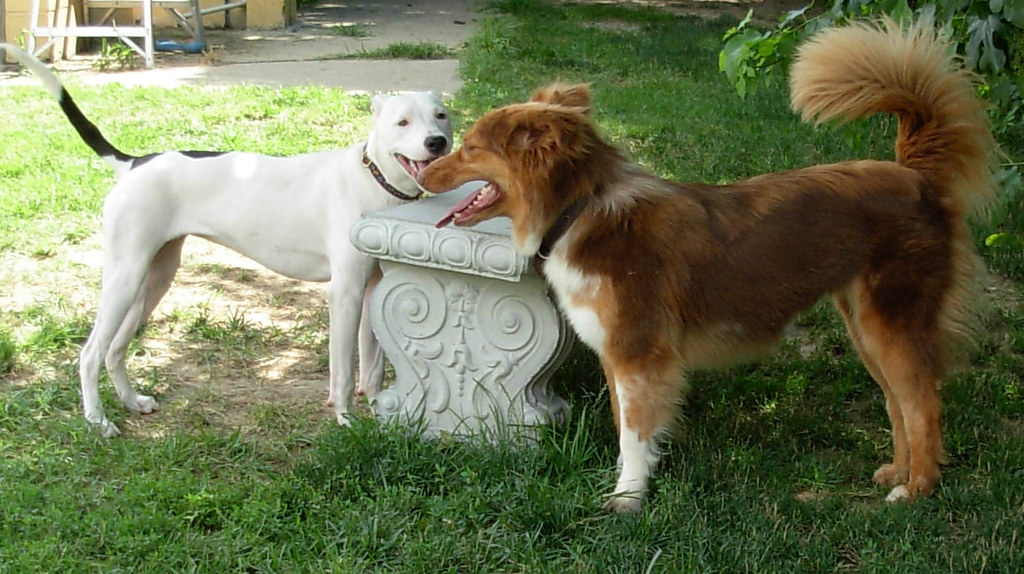
The ultimate test of canine confidence comes during challenging situations. If they feel uncomfortable or anxious, they’ll signal that they want you to give them more space or stop what you’re doing. Some signs of anxiety or fear can be subtle, so by learning to spot these, you can avoid situations that may make your dog feel anxious or stressed.
Confident dogs don’t avoid all stressful situations – they handle them with grace. They might show initial concern about something new, but they recover quickly and adapt their behavior based on the actual level of threat rather than panicking at the first sign of change.
Dogs who feel understood are happier, more confident, and easier to live with. Humans who can read dog communication are safer, more effective trainers, and better advocates for their dogs’ needs. Your confident dog trusts you to read their signals correctly and support them when needed, creating a partnership built on mutual understanding.
Building and Maintaining Canine Confidence
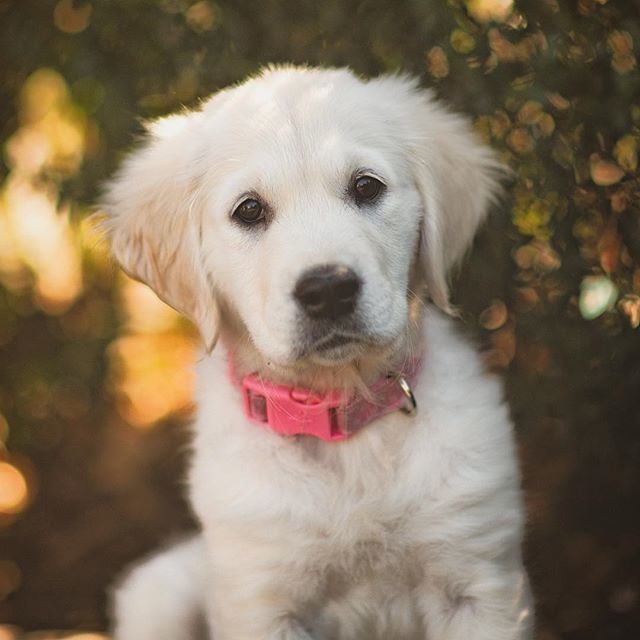
Dogs tend to repeat behaviour that works well for them, so responding to your dog’s behaviour and subtle body language is really important. For example, if a dog tries turning their head and blinking to say that they’re unsure and need space, and you understand and help them, then they’re more likely to do this next time.
Confidence isn’t just something dogs are born with – it’s something that can be nurtured and strengthened through positive experiences and appropriate support. When your dog displays desirable behavior, reinforce it with praise and treats. Positive feedback encourages them to continue behaving well on walks.
The key lies in recognizing and celebrating those confident moments while providing gentle guidance during uncertain times. By paying attention to these signals, you can make sure your furry friend is happy and healthy and build a strong bond with them. Every positive interaction builds upon the last, creating a foundation of trust that supports growing confidence.
Conclusion
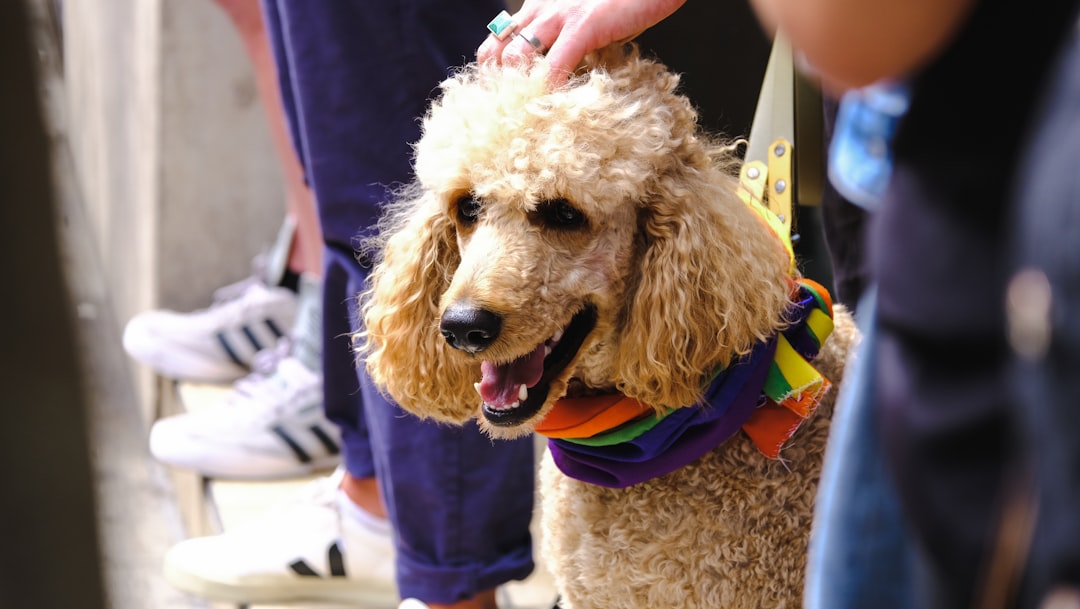
Reading your dog’s confidence levels transforms you from a simple pet owner into a true canine communication expert. Every tail wag, every ear twitch, and every confident stride tells you something important about your dog’s inner world. The beauty lies not just in recognizing these signs but in responding to them with the understanding and support your furry friend deserves.
Remember that confidence in dogs, like in humans, can fluctuate based on circumstances, health, and experiences. What matters most is your growing ability to recognize and respond to these subtle communications, creating an environment where your dog can thrive and express their authentic, confident self.
What do you think about it? Tell us in the comments how you’ve learned to recognize confidence in your own dog – we’d love to hear your success stories and observations.


