
10 Things Breeders Don’t Tell You When Choosing a Pug

Picture this: You’re scrolling through adorable pug photos online, imagining lazy Sunday mornings with your wrinkly companion. Those soulful eyes and squished faces seem to whisper promises of endless cuddles and giggles. The breeder shows you healthy-looking puppies playing in a clean yard, rattling off pedigrees and telling you how “easy” pugs are to care for.
What they might not mention? The midnight vet visits, the daily wrinkle cleaning routine, or that snorting sound that initially seemed charming but now keeps you awake at night. Let’s uncover what really lies beneath those adorable folds, shall we? Because loving a pug means understanding what you’re truly signing up for.
Their Breathing Issues Are Far More Serious Than Just “Cute Snoring”
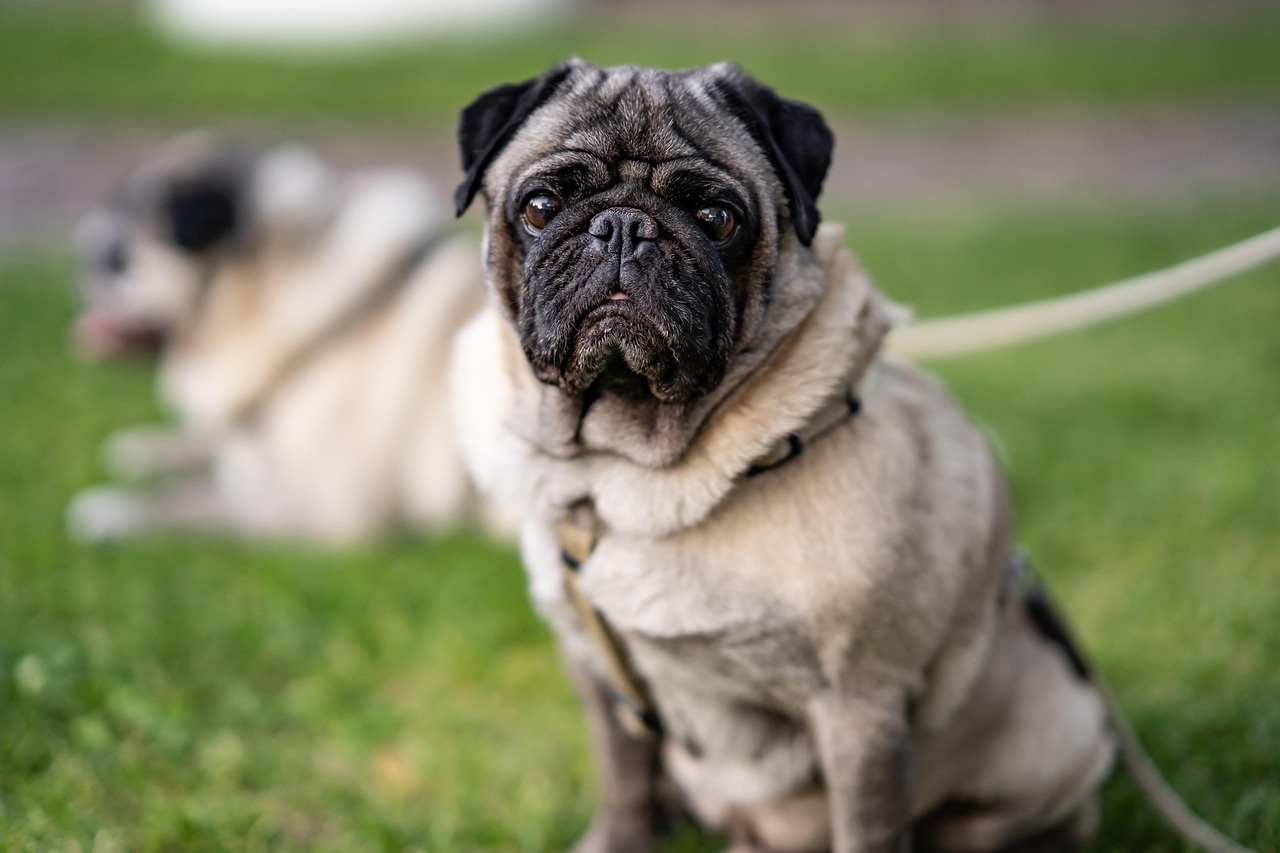
When breeders show off that characteristic pug snort, they’ll often describe it as “endearing” or “part of their charm.” What they won’t tell you is that nearly all pugs suffer from Brachycephalic Obstructive Airway Syndrome (BOAS), where the bones of the skull shorten but the soft tissue fails to reduce in size accordingly. This isn’t just noisy breathing – it’s genuine respiratory distress.
Pugs are found to be 1.9 times as likely to have one or more disorders recorded in a single year compared to non-pugs, and breathing problems top that list. The usual problems include struggling to exercise, noisy breathing, difficulty keeping cool in warm weather, regurgitation of food, and sleep disorders. That “cute” wheezing sound? It’s your pug working overtime just to get enough oxygen.
Even more concerning, being overweight and having closed nostrils are the main risk factors for developing severe BOAS, with grade 3 and 4 nostril stenosis linked to a fourfold increase in risk. Your innocent puppy purchase could lead to a lifetime of breathing struggles that worsen with age.
Eye Problems Are Nearly Guaranteed, Not Just Possible

Research shows that pugs commonly develop eye conditions, with corneal involvement being particularly frequent among affected dogs. When a breeder mentions “some eye sensitivity,” they’re dramatically understating the reality.
Pugs have significant eye conditions caused by extreme breeding creating the squashed appearance of the face, resulting in a shallow orbital cavity and prominent eyeballs. Unlike other dogs, when a pug has a corneal ulcer, it is potentially an eye threatening condition because a pug’s cornea is poor at healing.
The scary part? Corneal ulceration can rapidly deteriorate to a “melting ulcer” even with intensive treatment, and if not monitored closely, an ulcer can quickly result in a ruptured eye when surgical intervention is too late. Those big, beautiful eyes that drew you to the breed are actually ticking time bombs.
Daily Wrinkle Maintenance Is Non-Negotiable
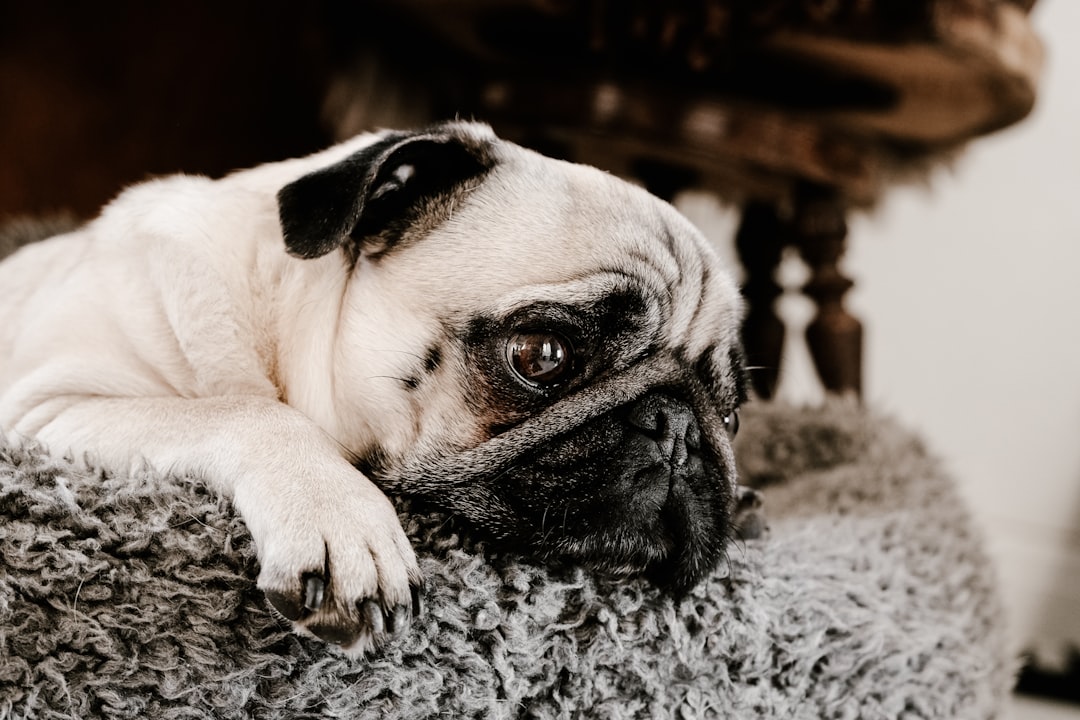
Breeders love to emphasize how pugs are “low-maintenance” compared to long-haired breeds. They conveniently forget to mention the daily facial cleaning routine that’s absolutely essential for preventing skin fold dermatitis.
Pugs have a large amount of wrinkled skin on the head, and dermatologists agree that pugs are predisposed to skin fold dermatitis, with those having more wrinkled skin having a high likelihood of suffering the condition. The warm, moist conditions in deep skin folds cause hair loss, skin irritation, and a bad smell, leading to skin infections called pyoderma.
Think you can skip a day or two? Think again. Skin fold pockets are warm and moist, providing a perfect place for bacteria and yeast to grow, and for infections to develop. Miss your cleaning routine, and you’ll literally smell the consequences within 24 hours.
Veterinary Bills Will Be Higher Than Average
While discussing price, most breeders focus on the initial purchase cost. They’re less forthcoming about the lifetime veterinary expenses that come with owning a brachycephalic breed.
Treatment for skin fold dermatitis can require ongoing costs for medications and cleaning supplies, and if surgery is necessary, costs can range from $500 to $2,500. That’s just for skin issues – not including breathing problems, eye conditions, or other breed-specific concerns.
Pugs are classified as Category 3 with the UK Kennel Club, indicating breeds with the most serious health issues of concern, including problems with eyes, skin, dentition, movement and respiratory function. Smart pug owners invest in comprehensive pet insurance before problems develop, not after.
They’re Not Actually “Easy” Exercise Companions
Breeders often market pugs as perfect apartment dogs who don’t need much exercise. While it’s true they don’t need marathon runs, their exercise limitations go far beyond being naturally calm.
You must prevent your pug from overheating and experiencing breathing issues by avoiding intense activity levels or long exercise sessions, taking frequent breaks, and carefully monitoring for labored breathing and exhaustion signs. A simple neighborhood walk can become dangerous on warm days.
Brachycephalic breeds are ineffective panters and susceptible to overheating, requiring air conditioning during hot weather and limited outdoor time when temperatures are high. Your exercise plans will revolve around weather forecasts and your pug’s respiratory capacity, not your own fitness goals.
Weight Management Becomes a Critical Daily Battle
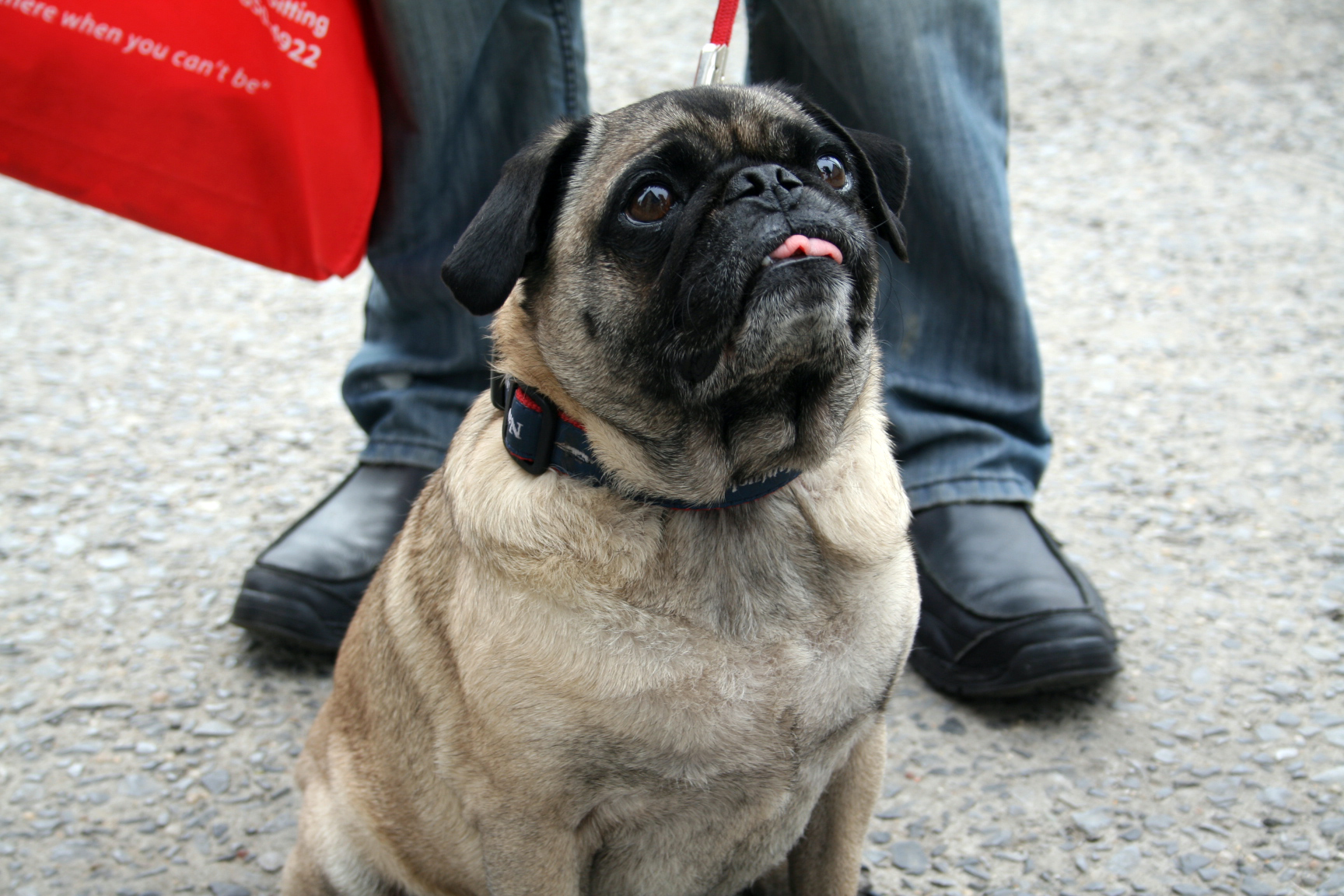
Sure, breeders mention that pugs “love food,” but they rarely explain how quickly this becomes a serious health issue. Being over body condition score 7 significantly increases the risk of BOAS, making weight management literally a matter of life and breath.
Obesity is an issue in pugs and makes almost every health condition worse, requiring owners to have a grasp on pet nutrition and potentially put their pets on weight management plans. Every treat becomes a calculated decision, every meal a precise measurement.
The cruel irony? Their skull shape means they breathe with more effort than normal dogs, creating swallowed air that makes pugs gassier than most dogs and means they don’t do well in hot climates or with extreme exercise. Limited exercise capacity plus food obsession equals constant vigilance to prevent dangerous weight gain.
Heat Sensitivity Can Be Life-Threatening
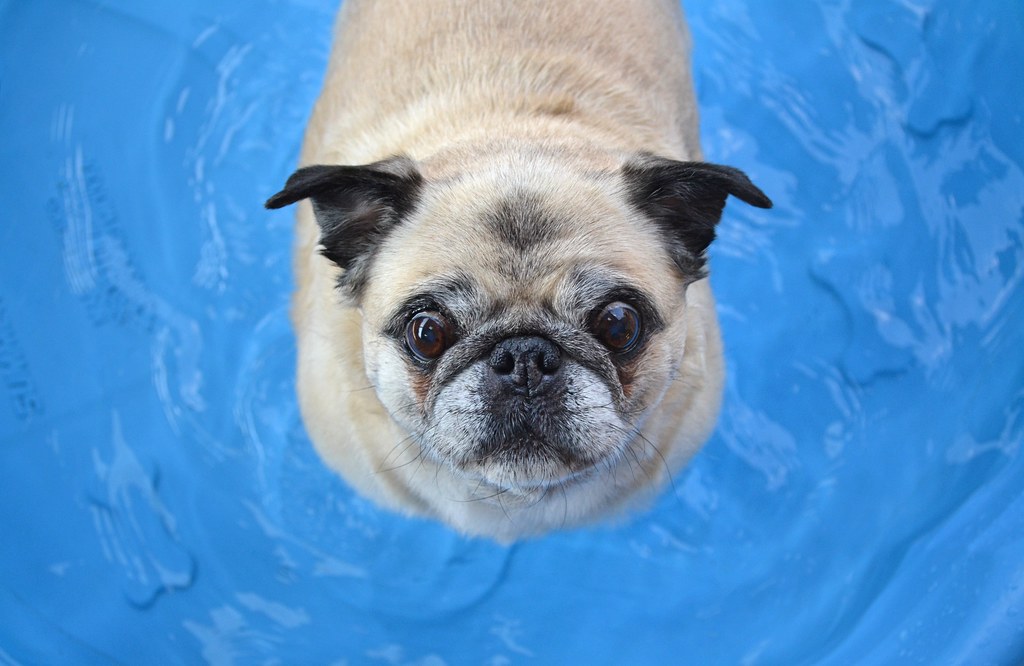
When breeders mention that pugs prefer indoor life, they make it sound like a lifestyle choice rather than a survival necessity. The reality is much more serious.
Due to their sensitivity to hot and humid temperatures, pugs are best in homes where they will be primarily indoors, and pet parents need to be aware of signs of respiratory distress or overheating. This isn’t about comfort – it’s about preventing medical emergencies.
Affected dogs are at risk of bouts of severe respiratory distress and fear during heat exposure, and these crises can be life-threatening, especially when exercising in hot weather. Your summer plans, vacation destinations, and even daily schedules must accommodate your pug’s inability to regulate body temperature effectively.
Skin Conditions Extend Beyond Just Facial Wrinkles
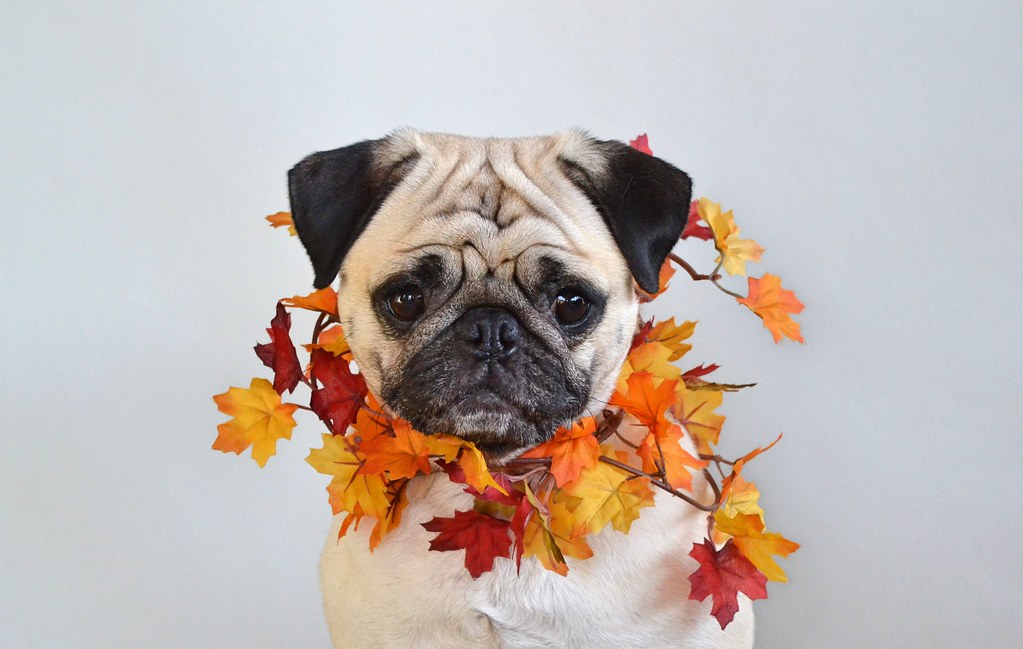
Breeders might mention cleaning facial wrinkles, but they rarely discuss the full scope of pug skin issues. The facial skin folds are due to the brachycephalic head shape, and the abnormal “screw” tail is also caused by a genetic abnormality, creating multiple problem areas.
Skin fold dermatitis is most common in skin folds above the nose, tail and vulva, and dogs with skin folds require lifetime care from their owners to keep their skin healthy. You’re not just cleaning a cute face – you’re maintaining multiple body areas prone to infection.
Many pugs have allergies that commonly manifest as skin reactions, causing itchy skin that leads to scratching, which can open up sores that become infected. The skin problems cascade, creating cycles of irritation, infection, and treatment.
Sleep Disruptions Affect the Whole Household

That adorable snoring might seem charming during your breeder visit, but living with it 24/7 tells a different story. Sleep disorders are among the usual problems associated with BOAS, affecting both your pug’s quality of life and your own rest.
Even mildly affected dogs are likely to suffer disrupted sleep and are prevented from carrying out normal behaviors such as running and exercising because of breathing difficulties. Your pug’s sleep struggles become your sleep struggles when they’re gasping, snorting, or repositioning themselves constantly throughout the night.
The breathing difficulties worsen during sleep when muscle tone naturally decreases, making nighttime particularly challenging for dogs with airway obstructions. Many pug owners find themselves checking on their pets multiple times per night, worried about breathing episodes.
Breeding Ethics Should Be Your Primary Concern
Breeding from dogs with excessive folds of skin will perpetuate the problem, and dogs that have shown any signs of skin fold dermatitis or have had corrective surgery should not be used for breeding. Yet many breeders continue breeding affected animals.
Ethical considerations must be taken into account when breeding pugs – those with excessive skin folds likely to lead to dermatitis, BOAS, orthopedic disease, and conformational abnormalities shouldn’t be bred to prevent health conditions from passing down. The problem is that these very features are often considered desirable breed characteristics.
The extreme characteristics many owners find appealing, such as squashed faces, big eyes and curly tails, are seriously compromising pugs’ health and welfare and often result in a lifetime of suffering. Choosing a responsible breeder means finding someone willing to prioritize health over conforming to breed standards that cause suffering.
Conclusion
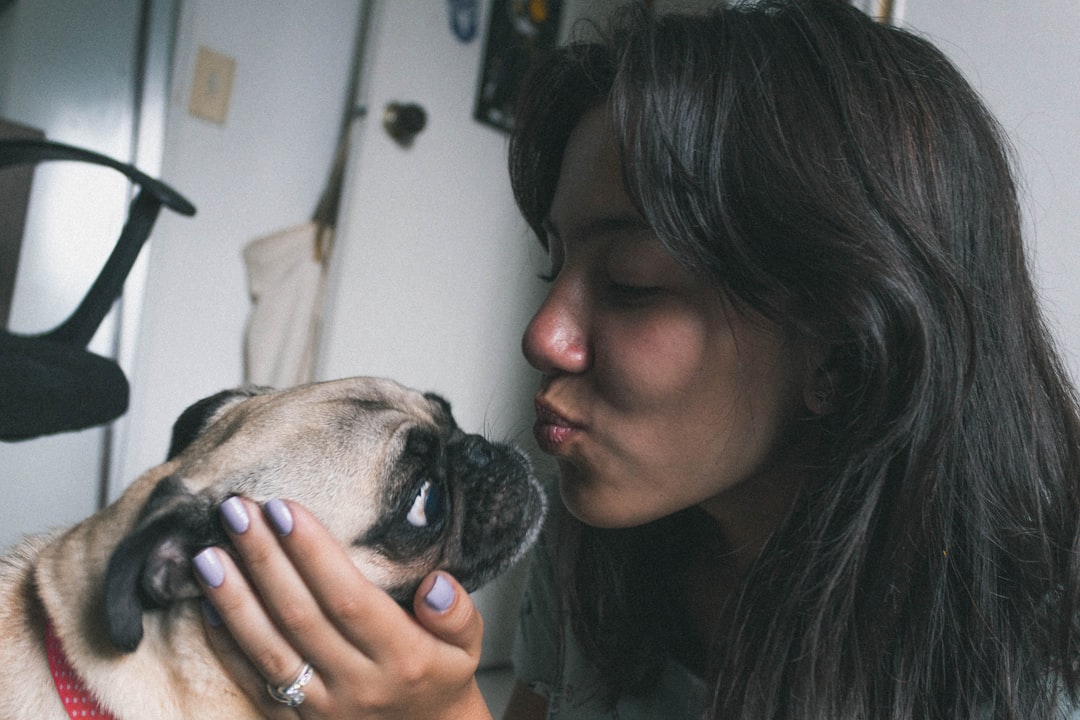
Loving a pug means embracing a beautiful, complex relationship that extends far beyond those irresistible wrinkles and charming snorts. These dogs offer incredible companionship, humor, and loyalty – but they also require dedicated, informed care that many first-time owners don’t anticipate.
The key isn’t avoiding pugs altogether, but rather going into ownership with eyes wide open. When you understand the daily care requirements, potential health challenges, and long-term commitments involved, you can make an informed decision and provide the specialized care these wonderful dogs deserve. Your pug will repay your dedication with unwavering devotion and countless moments of joy.
What would you have guessed about the real responsibilities of pug ownership before reading this?