
What To Do If You See A Stray Dog In Your Backyard

Finding a stray dog in your backyard can stir up a whirlwind of emotions. Your heart might race with concern, confusion about the best approach, or even that familiar urge to immediately help. You’re looking at a vulnerable animal who could be someone’s beloved family member or perhaps a dog who has been living rough for weeks.
The choices you make in those first crucial moments matter deeply. They could mean the difference between a successful reunion, a safe rescue, or even your own safety. This guide will walk you through each step with the kind of practical wisdom that comes from understanding both canine behavior and the realities of stray animal care.
Stay Calm and Assess the Situation First

Don’t panic or run when you encounter a stray dog, as showing fear or running can trigger a dog’s instinct to act aggressively. Take a deep breath and observe from a safe distance inside your home or behind a fence if possible. This initial assessment could save you from a dangerous encounter.
Look closely at the dog’s behavior and body language for signs of aggression, which can include growling, bared teeth, a stiff posture, raised fur, or direct staring, while a friendly dog might wag its tail, have relaxed ears, and appear curious rather than hostile. Notice if the dog seems injured, malnourished, or displaying any unusual behaviors like excessive panting or disorientation.
Read the Warning Signs That Demand Distance

Signs of aggression can include snarling, growling, snapping, nipping, biting and lunging. These behaviors aren’t necessarily abnormal since aggression serves as a survival instinct for dogs who feel threatened or cornered.
Be especially cautious if you notice aggressive behavior and foam from the mouth, which may be signs of rabies, dental disease, or poisoning, and since there is a possibility of rabies infection, you should not risk your health. If you observe any of these dangerous signs, immediately contact your local animal control office rather than attempting any direct interaction.
Master the Art of Safe Approach

Send calming signals such as yawning or licking your own lips, avoiding eye contact and standing sideways to the dog. These subtle body language cues communicate that you pose no threat and can help de-escalate tension.
Approach slowly and lower yourself to the ground, as you are less likely to look intimidating if you are on the dog’s level. Move from the side instead of head-on, which can seem less confrontational to a nervous animal. Make soft clicking or kissing noises so the dog knows you are there while avoiding direct eye contact as this can appear to be an aggressive stance on your part.
Build Trust Through Food and Patience
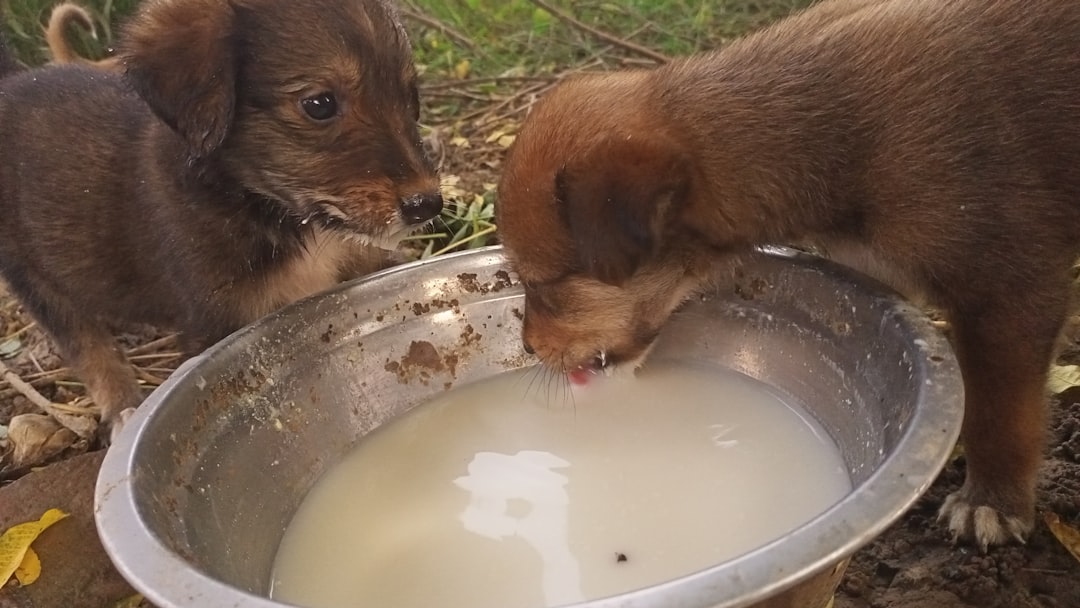
Food is a great way to earn a stray dog’s trust by gently placing food and water nearby and stepping back to allow the dog to eat without feeling threatened, which helps the dog associate you with safety and kindness. Use strong-smelling options like canned tuna, wet dog food, or leftover meat to attract a hungry dog’s attention.
Don’t rush, since it may take a few days or weeks to gain the trust of a stray dog, starting with food in a bowl while you are a short distance away with the goal of working your way closer to the feeding site. This gradual process allows the dog to become comfortable with your presence without feeling pressured or trapped.
Secure the Dog Safely Without Force
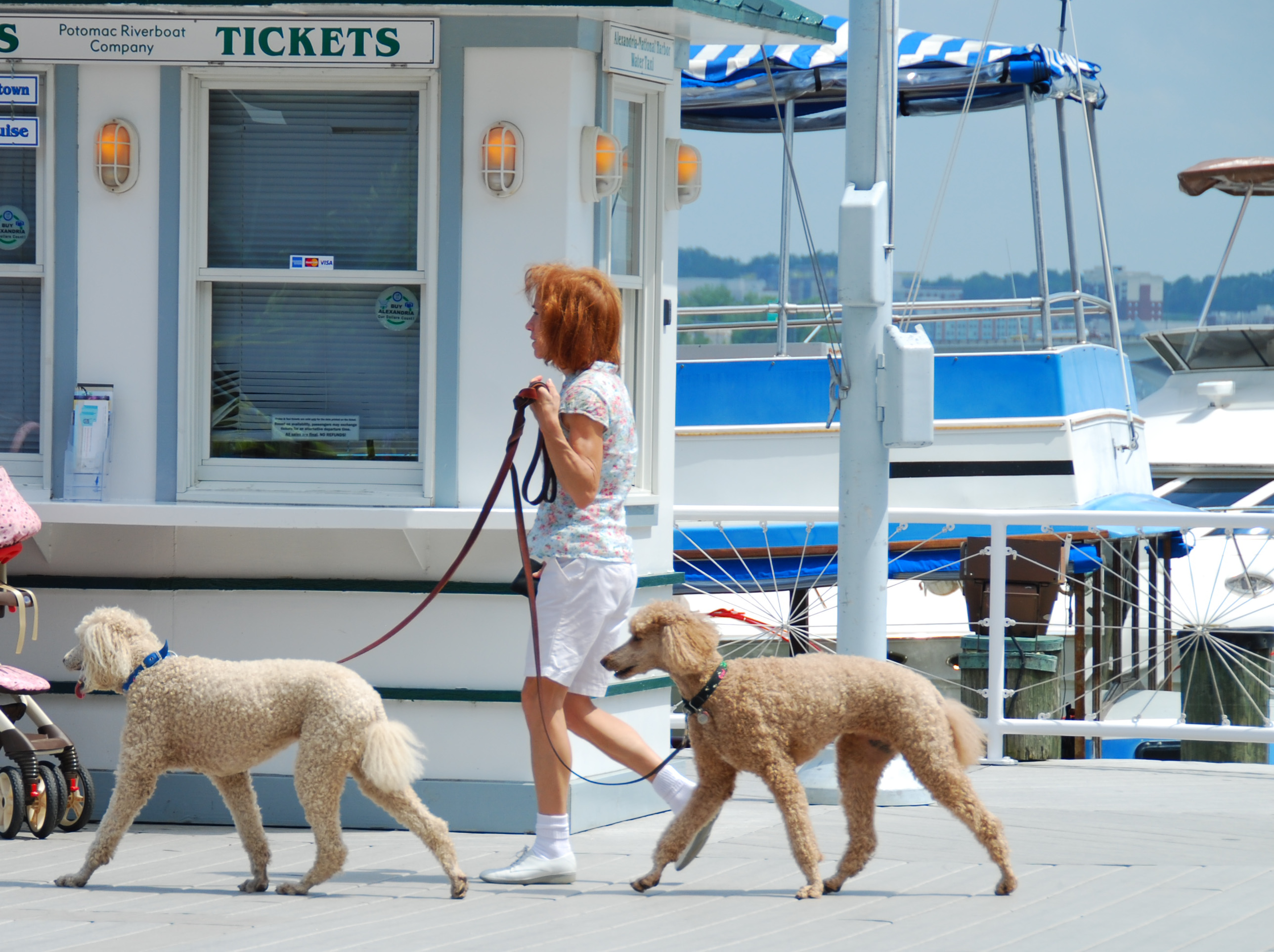
Once the dog begins to trust you, try to secure it using a leash, collar, or carrier while avoiding forcing the dog into a confined space, as this can be overwhelming, and if the dog resists, be patient and give it more time to acclimate to your presence. Have a slip lead ready since many strays don’t wear collars.
If possible, you should attempt to use a yard or a gate to fence the dog in, which will trap him in a confined area until you can call animal control to come rescue him. Creating a barrier gives you control of the situation while keeping everyone safe during the next steps.
Check for Identification and Contact Information
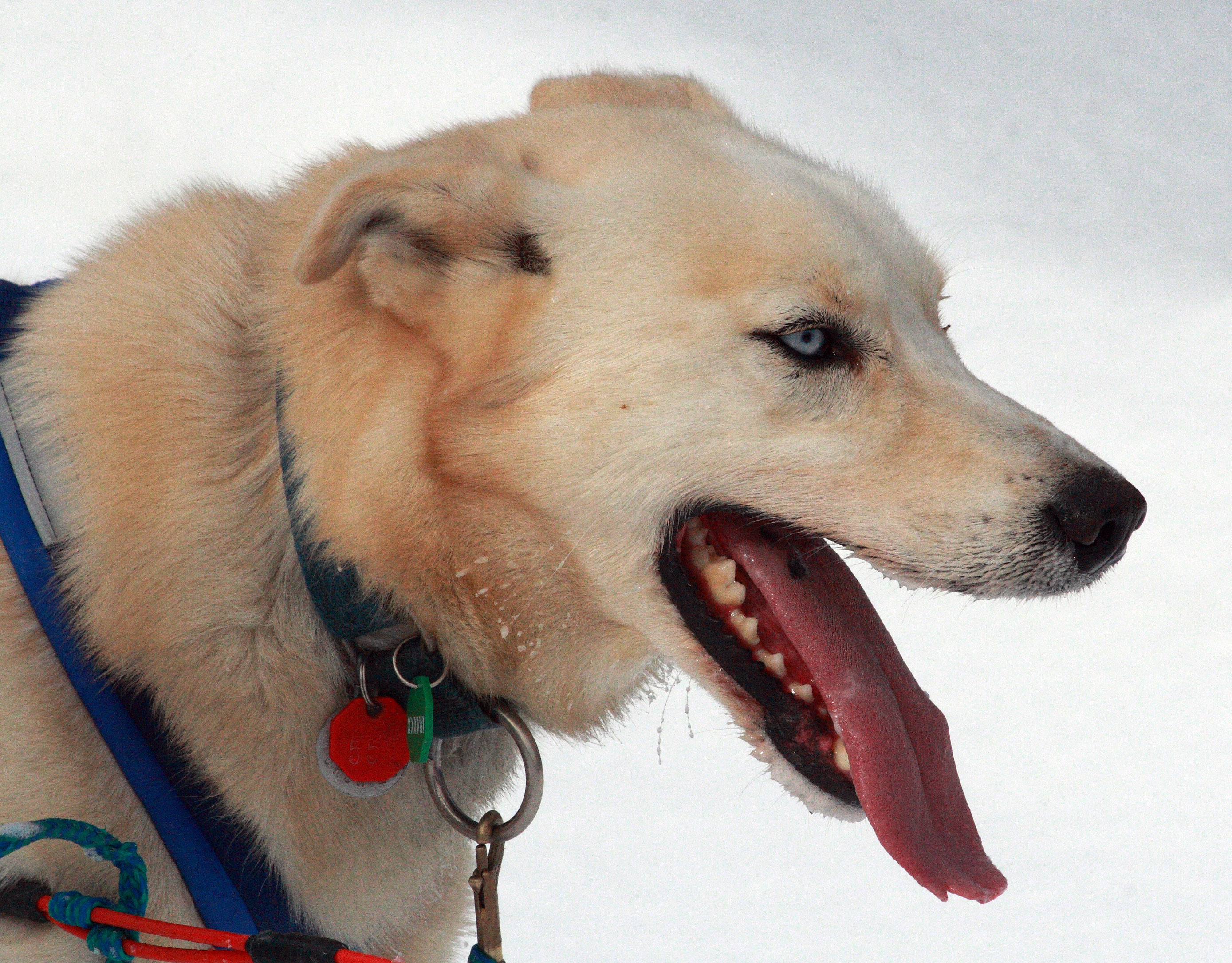
If the stray pet is wearing a collar, check for any identification tags that should have their name, their owner’s name, and their owner’s contact information, and if their phone number is on the tags, contact the owner to inform them you found their pet. This could lead to an immediate happy reunion.
If there are no ID tags present, you can take the animal to a local veterinarian or shelter to have it scanned for a microchip, as these small devices are implanted under a pet’s skin and contain their owner’s contact information. Studies show that microchipped stray dogs were returned to their owners at more than double the overall rate for all stray dogs.
Provide Immediate Care and Set Up a Safe Space

When you bring the dog home, create a quiet, comfortable area where it can relax with a soft blanket, a water bowl, and some food as great starting points, keeping the space free of distractions and away from other pets or children initially to allow the dog time to adjust. This temporary sanctuary reduces stress and allows for proper observation.
Stray dogs often suffer from mange and skin infections, which can spread to other dogs if untreated, so when introducing a stray dog with symptoms, quarantine is essential. Keep them separated from your existing pets until a veterinarian can conduct a thorough health examination.
Navigate Legal Requirements and Next Steps

Contact your local animal control agency, humane society or SPCA, as the person finding the stray dog does not automatically become the owner until they have satisfied certain state and local requirements, and in almost every state, the animal is not owned by the finder until the holding period for strays has expired and the finder has made an attempt to reunite the animal with their original owner.
Schedule a veterinary check-up as soon as possible, as the vet can check for injuries, diseases, parasites, and determine if the dog is microchipped, and vaccinations, spaying/neutering, and other treatments may be necessary to ensure the dog’s health. Take a picture of the pet to use in flyers, post them around town and distribute them at local veterinary clinics, and use social media to reach a wider audience and increase the chances of reuniting the stray with their family.
Finding a stray dog in your backyard presents you with an opportunity to make a real difference in an animal’s life. Whether that means reuniting them with worried family members or providing a fresh start in a loving home, your compassionate response matters more than you might realize. The key lies in balancing your desire to help with practical safety measures and legal responsibilities.
Remember that every stray dog has a story, and your patience could be the bridge between their difficult past and a brighter future. What would you want someone to do if they found your beloved pet wandering and scared? That simple question often guides us toward the most caring choice.