

Let’s face it – every dog parent has been there. Your furry friend embarrasses you at the worst possible moment, whether it’s jumping on guests, pulling you down the street like a sled dog, or turning your living room into their personal playground. Yet while all dogs can have their challenging moments, some breeds seem to have earned a reputation among veterinarians for being particularly, shall we say, spirited.
You might be surprised to learn that a significant percentage of dogs in the United States show behavioral problems to a serious problem or at least two problems ranging from moderate to serious intensity. This means you’re definitely not alone in dealing with behavioral challenges. “Most dogs probably will show mild expressions of a problem behavior infrequently enough that an owner does not consider it important to seek help”, according to veterinary behavioral research.
So let’s dive into the breeds that veterinarians often find most challenging to handle during clinic visits and why these lovable troublemakers earned their reputations.
Chihuahua – The Tiny Terror With Napoleon Complex
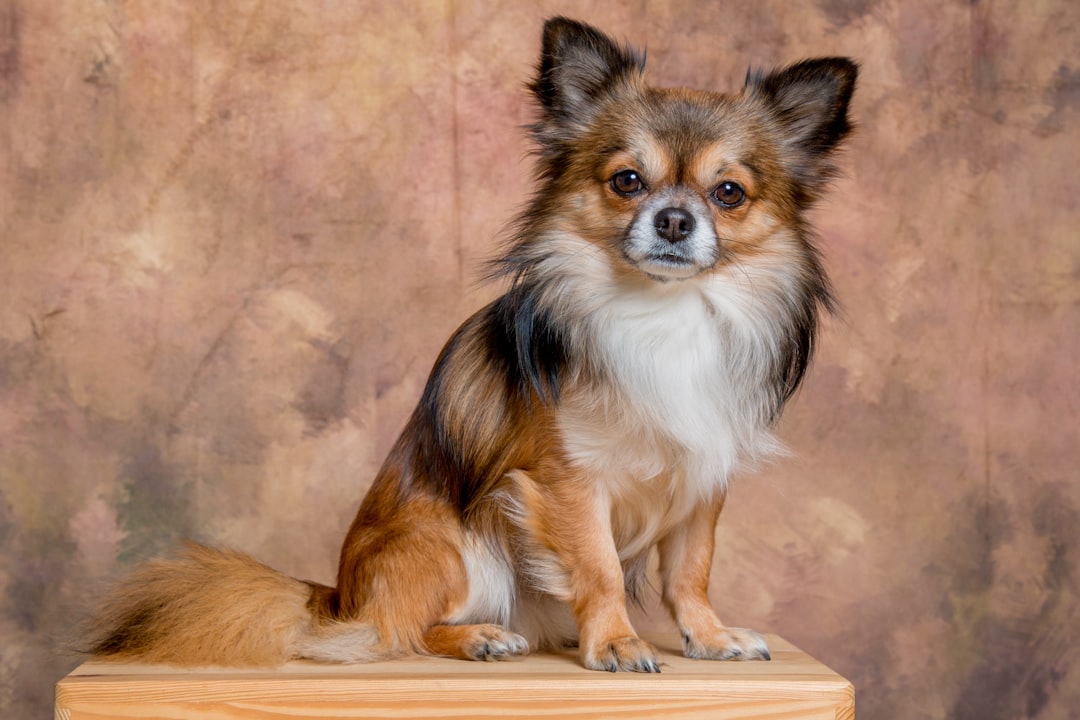
Don’t let their purse-sized appearance fool you. The Chihuahua, often affectionately called the “Chi,” is the smallest recognized dog breed and a proud national symbol of Mexico. Known for their compact size, rounded “apple” head, and luminous eyes, these dogs typically weigh no more than 6 pounds yet carry themselves with striking confidence. Much like other small breeds – think Dachshunds and Pomeranians – Chihuahuas can become aggressive as a defense mechanism or due to a lack of training, according to former associate veterinarian Kandace Henry. “These little guys are worried and often defensive and are frequently not taught manners,” Henry wrote on Quora. “Since they are so little their transgressions are not taken seriously.”
The problem becomes worse when owners baby them excessively. This can be even more problematic when owners are overly protective and anxious, worsening reactivity. Your vet has probably seen plenty of Chi parents rushing in, clutching their trembling bundle of fury while apologizing profusely. These pint-sized personalities often compensate for their small stature with big attitudes, making them surprisingly challenging patients during routine checkups.
Akita – The Beautiful but Moody Mountain of Muscle

The Akita’s stunning looks may melt your heart with their fluffy coat and charmingly curled tail. But beneath this regal exterior lies a hidden truth: owning an Akita is no walk in the park. Imagine a powerful pup, with 70-130 pounds of muscle easily overshadowing even the most experienced dog owner. These magnificent dogs were originally bred as guard dogs in Japan, and they haven’t forgotten their protective instincts.
Akitas are a study in contradictions: loyal and loving one moment, moody and independent the next. Their stubborn streak requires patient and consistent training to navigate the dramatic mood swings that can lead to aggression. The Rottweiler and German Shepherd were categorised as extremely aggressive and the Akita, Basengi, Chihuahua (long-coated and short-coated), Chow Chow, Cocker Spaniel, Shar pei and Welsh Corgi (Cardigan and Pembroke) were classified as very aggressive according to veterinary surveys.
German Shepherd – The Unreadable Guardian

German Shepherds occupy a unique position in the veterinary world. German Shepherds are also among Khalsa’s least favorite to treat, mostly because they’re difficult to “read.” “I love these guys – when they’re steady-natured and well adjusted. Sadly, that’s not always the case,” Khalsa wrote on Quora. The challenge isn’t necessarily aggression – it’s unpredictability.
The thing that makes these big guys so challenging is that they’re virtually impossible for me to read. Most dogs give you clear indications in their body language about how they’re feeling about you and about the situation they find themselves in when they need veterinary care. This makes veterinary visits particularly nerve-wracking for staff who can’t gauge when a German Shepherd might suddenly switch from calm to reactive. Their protective instincts run deep, and they can become defensive when separated from their owners during examinations.
Shiba Inu – The Dignified Drama Queen
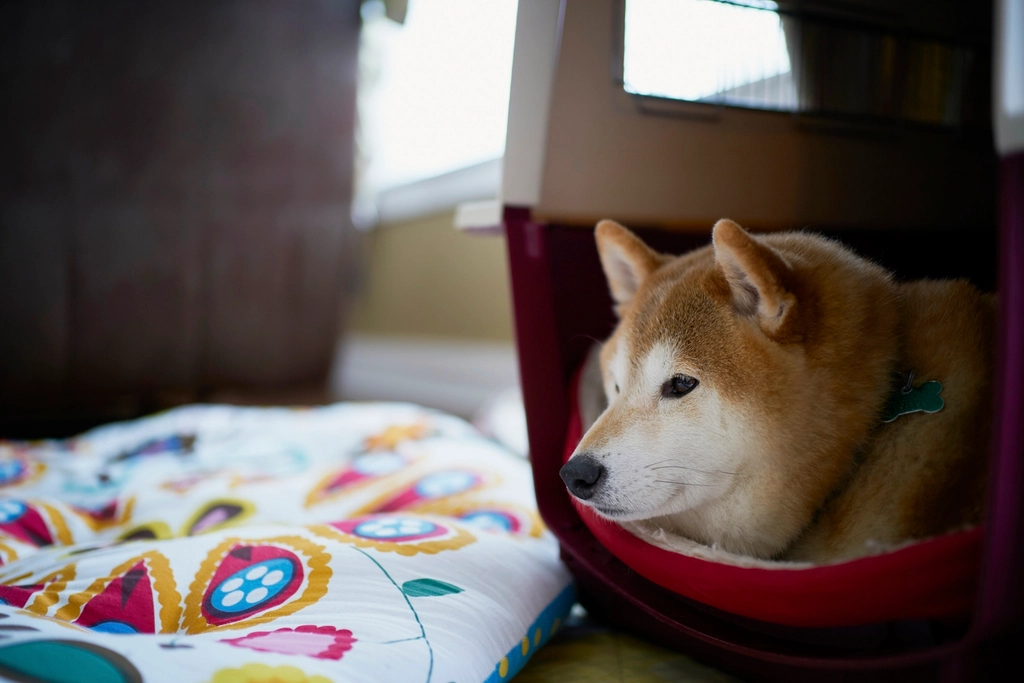
Shiba Inus might look like adorable fox plushies, but don’t be deceived by their kawaii appearance. In his TikTok video, @ajanimalking says that Shiba Inus are also unpopular at the vet. “They’re cute until they start peeing and pooping on everything,” he says. “I’m telling you, you’re working on the floor, doing a nail trim, you got poop on your face, you got pee on the floor – it’s the worst thing ever.”
These Japanese breeds have earned a reputation for being particularly difficult patients. Former vet tech Diana Hannah agrees that Shiba Inus are tough to treat, but for different reasons. Their independent nature and strong-willed personality mean they simply refuse to cooperate when they don’t want to. It’s like having a furry teenager who’s decided that today, they’re just not having it.
Chow Chow – The Fluffy Bear With Trust Issues
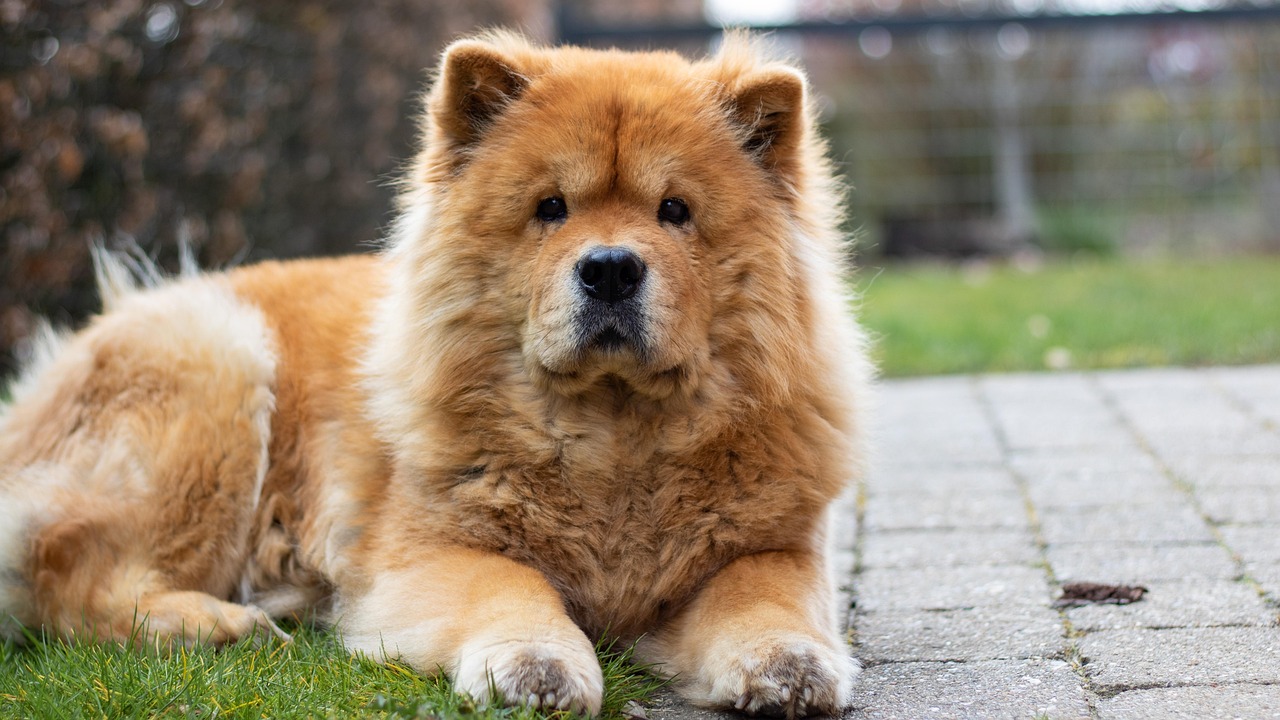
Those teddy bear looks are deceiving. When participants rated the perceived bite risk associated with popular dog breeds, Chow Chows were perceived as the highest risk, with pit bull types categorized as a moderate risk according to veterinary surveys. This ancient Chinese breed was originally developed to guard temples and hunt large game, and their aloof, suspicious nature has persisted through generations.
Chow Chows form incredibly strong bonds with their families but remain deeply suspicious of strangers – including veterinary staff. Their thick double coat might make them look cuddly, but underneath lies a dog bred for independence and protection. They don’t suffer interference gladly and can become reactive when handled by unfamiliar people, making routine veterinary care a challenge requiring patience and expertise.
Rottweiler – The Gentle Giant With a Reputation

The important thing to realize with Rottweilers is that you need to train them young. We’ve had Rottweilers at work who are just the sweetest things. One likes to lay her head on my lap to demand pets, and she and her brother are baby-faced little angels who would cuddle you for hours, and I love them. Yet the same veterinary professional noted, “However, when we do get an aggressive one, it’s incredibly dangerous because they’re so big.”
The challenge with Rottweilers isn’t that they’re inherently bad-mannered – it’s that their size amplifies any behavioral issues. The Rottweiler’s intelligence and devotion are undeniable, but their impressive size and independent spirit make them a demanding companion for experienced owners only. Think powerful pup with a big heart, bred to herd cattle and guard homes. When a 100-pound dog decides to be stubborn or protective, it becomes a serious management issue in the veterinary setting.
Jack Russell Terrier – The Pocket Rocket With Endless Energy
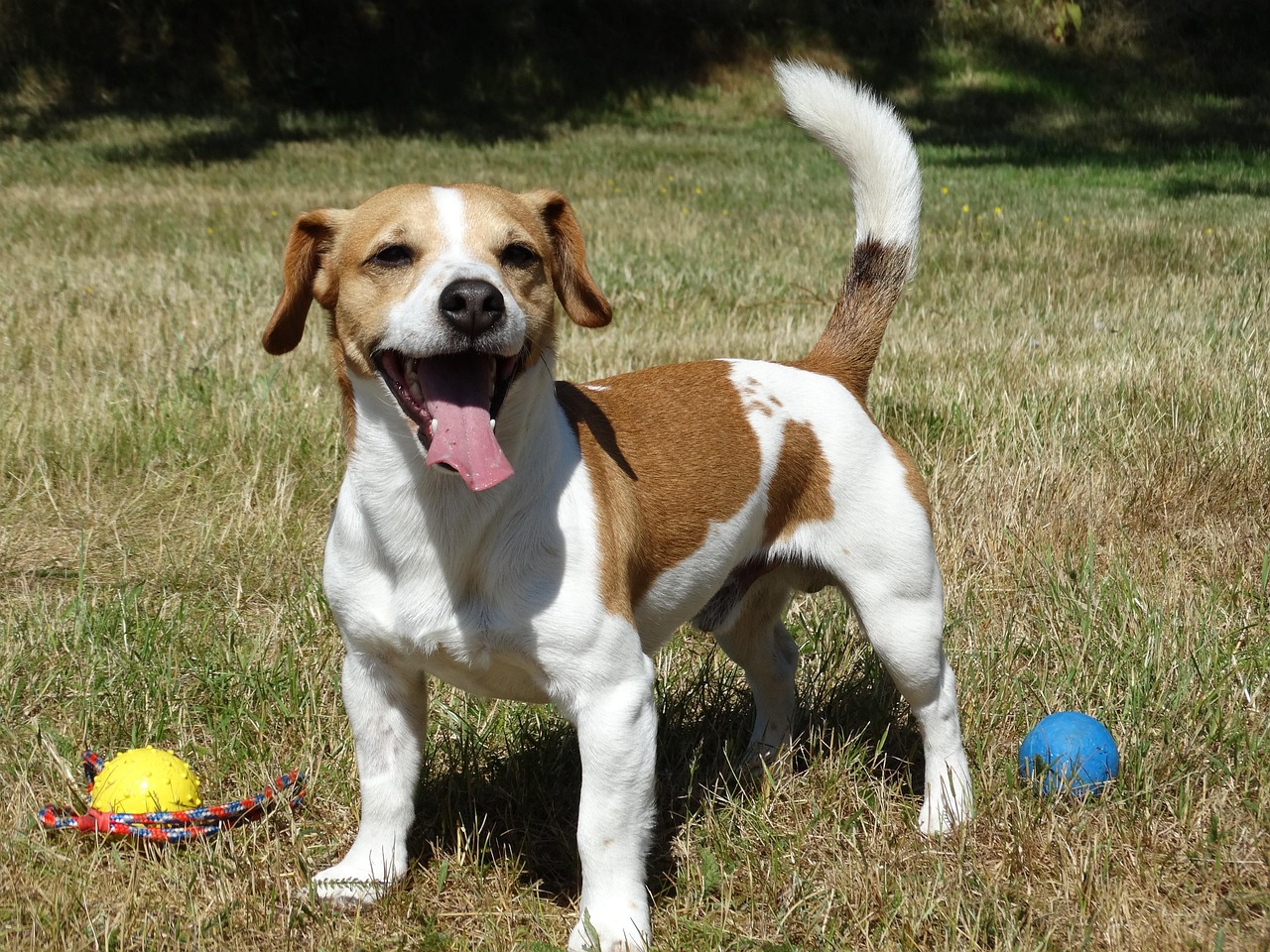
The Jack Russell Terrier, sometimes called the Parson Russell Terrier, is a small yet spirited breed originally developed in Britain for fox hunting. Known for its compact frame and boundless energy, this dog is quick on its feet and endlessly curious about its surroundings. Its lively nature can be charming, but it often challenges inexperienced owners who may struggle to keep up with its intensity.
While their intelligence makes them fast learners, Jack Russells have an independent streak that can turn into defiance if not managed with firm and consistent training. Their confidence can border on dominance, which sometimes leads to territorial behavior or resistance to rules. This makes them prone to testing boundaries and ignoring commands when they choose. In the vet’s office, this translates to a whirlwind of activity and potential mischief that keeps staff on their toes.
Shar Pei – The Wrinkled Wildcard

Shar-Peis round out this list, as vets don’t always know what they’re going to get. “They’re unpredictable and really hard to read,” Della Kidd, a veterinary nurse, wrote on Quora. These distinctive wrinkled dogs were originally bred in China for hunting, herding, and guarding, which explains their complex personality.
They are also known to have some behavioral problems. In a July 2023 TikTok video, vet tech student Sierra Towers said that she would never own a Shar-Pei because of this, noting that they can have a certain “aggressiveness.” The unpredictability factor makes Shar Peis particularly challenging for veterinary staff who need to assess each individual dog’s mood and comfort level before proceeding with examinations or treatments.
Husky – The Escape Artist With Selective Hearing
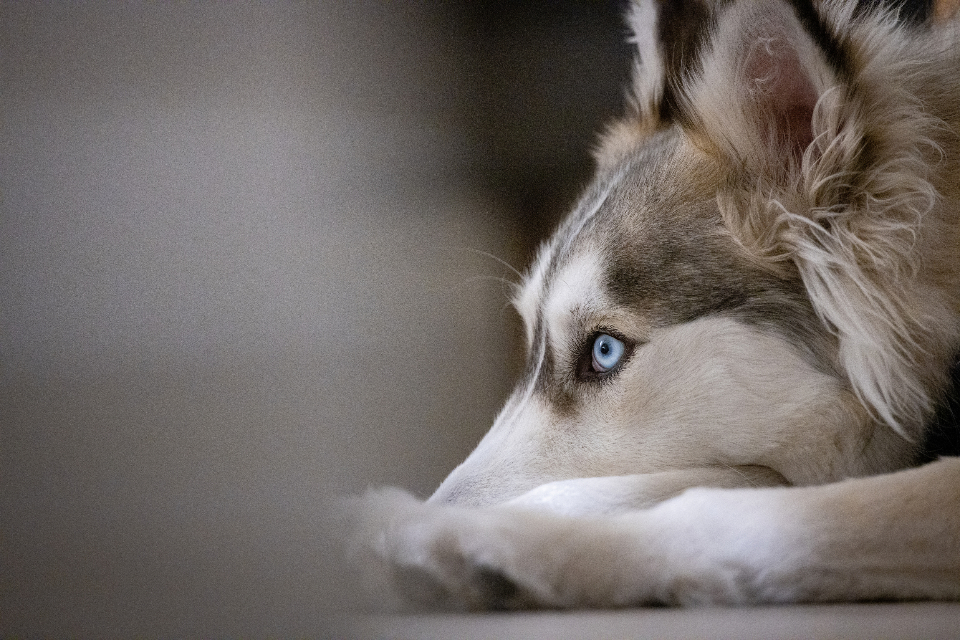
I live in base housing, where 90% of everyone owns a German Shepherd, Malamute, or Husky. I haven’t met a single person yet – with a few exceptions for the German Shepherds – that hasn’t regretted getting these dog breeds. Malamutes and Huskies are not good house pets. This sentiment from someone living in military housing speaks volumes about these beautiful but challenging breeds.
They are intelligent and independent, which can make training a challenge. These dogs need a lot of exercise and mental stimulation to prevent boredom, which can lead to destructive behavior. Training a Husky requires patience, consistency, and a good understanding of how to channel their energy positively. In veterinary settings, their high energy and tendency to become anxious when confined makes them particularly difficult patients who require extra patience and handling expertise.
Border Collie – The Overachiever Who Gets Bored Easily

Border Collies are often considered the Einstein of the dog world, but this intelligence can backfire in unexpected ways. While intelligence in dogs is often seen as a positive trait, it can also mean that some breeds, like the Border Collie, can quickly become bored with repetitive training. Their razor-sharp minds need constant stimulation, and when they don’t get it, they can become problematic.
Socialize your Border Collie from a young age to help them avoid herding behaviors towards other people and animals. With the right commitment and dedication, you and your Border Collie can have a happy and fulfilling life together. However, in the veterinary clinic, their herding instincts can manifest as attempts to “manage” the situation, nipping at heels or trying to control the movement of staff members. Their intensity and focus can make routine procedures feel like a battle of wills.
Conclusion

Remember, being on this list doesn’t make any of these breeds bad dogs – they’re just dogs with specific needs and characteristics that require understanding and patience. “For dog owners, it’s important to learn to read your dog’s body language and talk to your local veterinarian if there is any type of behavior happening that bothers you,” she said. “They can help you identify the cause and find a solution.”
The key is recognizing that every dog is an individual, and with proper training, socialization, and understanding, even the most challenging breeds can become wonderful companions. Your veterinarian isn’t judging you or your furry friend – they’re working to provide the best care possible while keeping everyone safe.
What do you think about these findings? Have you experienced any of these behavioral challenges with your own dog? Tell us in the comments.


