

There’s nothing quite like the sinking feeling when you place your dog’s food bowl down and they turn their head away. That empty bowl staring back at you can trigger a wave of worry that courses through every dog parent’s heart. Maybe it started with skipping breakfast, then dinner got ignored too. Your pup, who once bounded to their bowl with excitement, now seems indifferent to mealtime.
You’re not alone in this struggle. Countless dog owners face this exact challenge, and the good news is that most appetite issues have solutions. Sometimes it’s as simple as adjusting when you feed them, other times it might require a bit more creativity. The key is understanding what’s happening and having the right tools in your toolkit. Let’s explore seven proven strategies that can transform your reluctant eater back into the food-loving companion you remember.
Create a Consistent Feeding Schedule
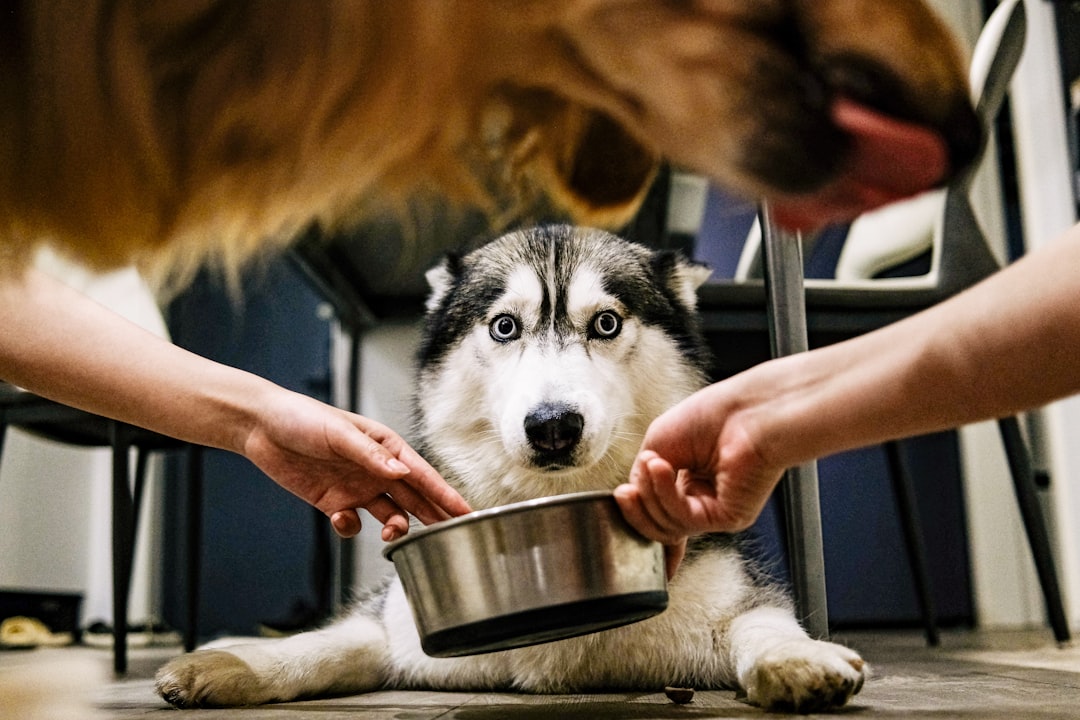
After 8 to 10 hours, an empty stomach begins to send signals to the brain that stimulate a hunger response. For this reason, at least two meals per day are best for your dog. Think of it like setting your dog’s internal clock. When you feed at the same times daily, their body learns to expect food and actually produces digestive juices in preparation.
One of the main reasons why creating a feeding schedule for your dog is important is because it helps regulate their appetite. When dogs are fed at the same time every day, they become more accustomed to their routine and are less likely to beg for food or become overly hungry between meals. Remove the food bowl after 10 to 15 minutes, even if they haven’t finished eating. This teaches them that mealtime has boundaries.
Exercise Before Meals to Build Appetite
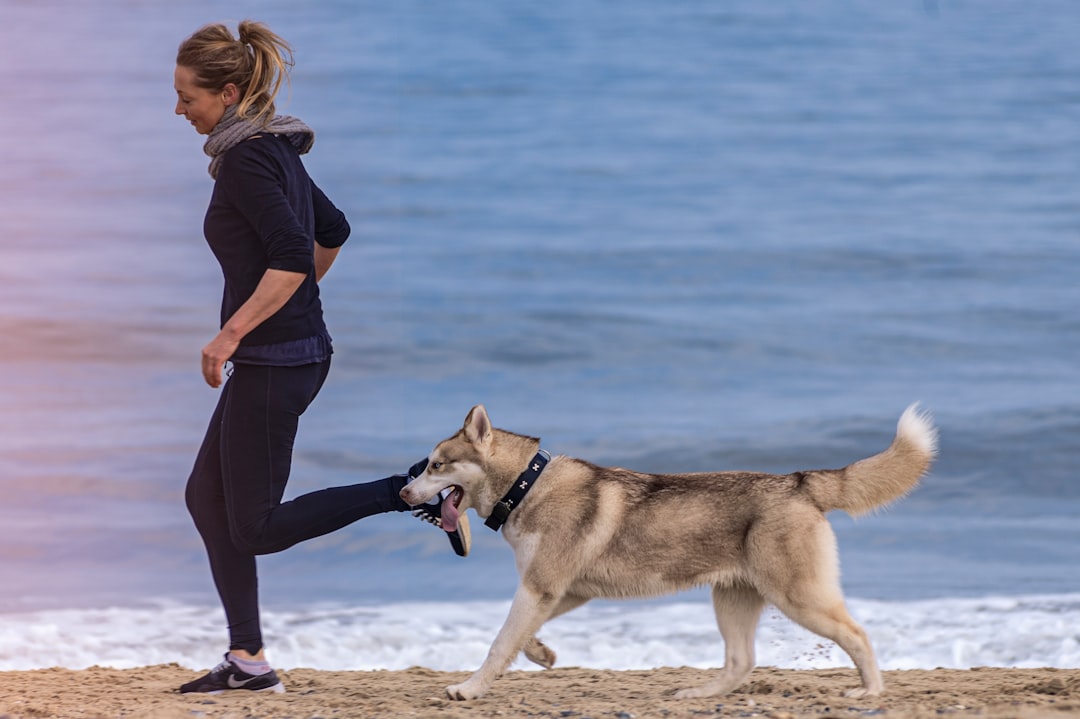
Make sure your dog is well-exercised before you feed them, to help them build up an appetite. A good walk or play session about an hour before mealtime works wonders for stimulating hunger. Just like how you feel hungrier after a workout, dogs experience the same appetite boost from physical activity.
Since dogs are more inclined to relieve themselves after 30-60 minutes post their meal, it is ideal for walking them after feeding time. However, that is not the only reason why you should consider this walking time. To maintain your dog’s health, aim to feed them at least 1 hour before and 30 to 60 minutes after exercise. This timing helps prevent digestive issues while maximizing appetite.
Warm Up Their Food Slightly
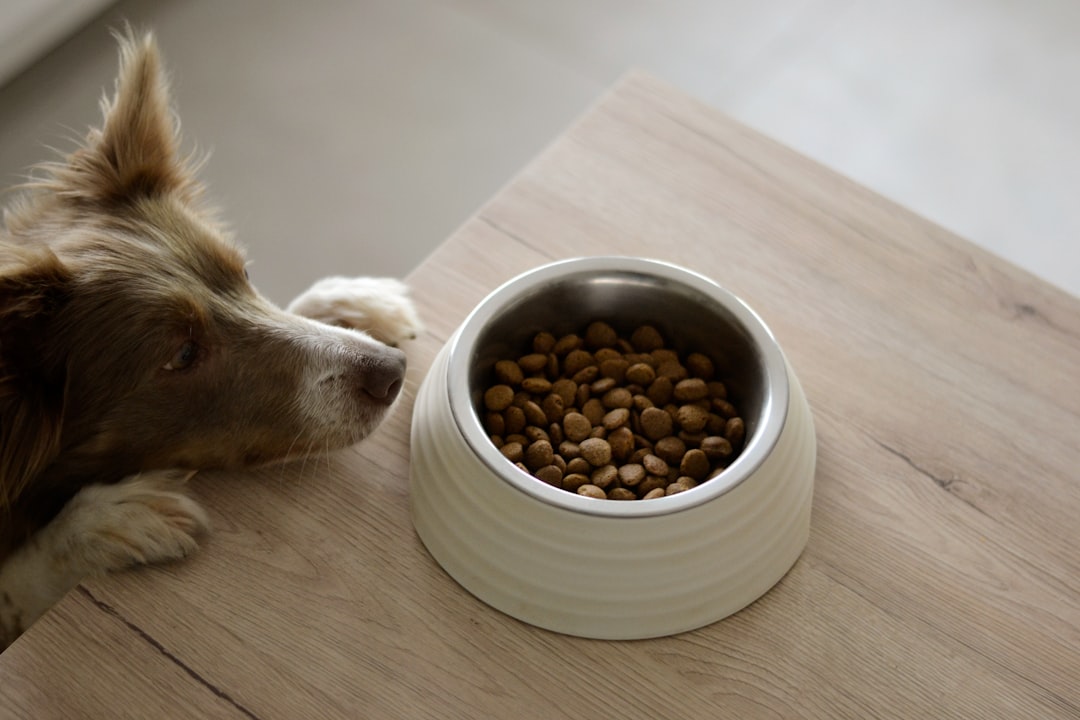
Other easy strategies to try to increase your dog’s appetite include hand-feeding to coax him to eat and microwaving the food to warm it up, which can make it smell more appetizing. The ideal temperature for dog food should be slightly above their body temperature, around 101 to 103 degrees Fahrenheit. This range is warm enough to enhance aroma and flavor without risking burns.
However, use extreme caution when warming food in the microwave, as it can quickly become too hot or have pockets of extreme heat. Heat it in short, seconds-long bursts and always check it with your hand before feeding to your furry friend. The enhanced smell from warm food often triggers that primal eating instinct in dogs who’ve lost interest in their meals.
Try Hand Feeding to Build Connection
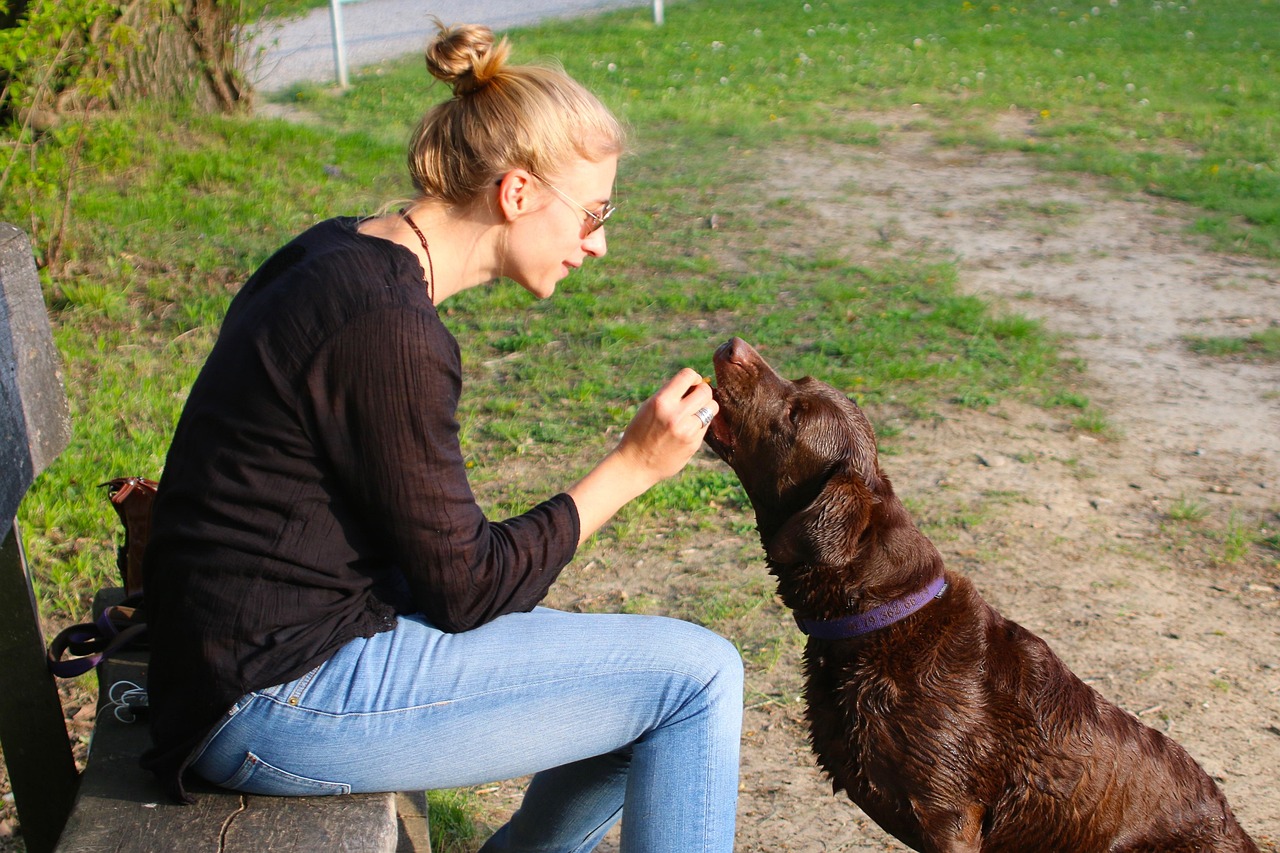
Hand feeding your dog teaches him that when you reach toward him good things happen, like he gets to eat! It also teaches focus since your dog is getting fed when he pays attention to you. This technique is particularly powerful for anxious or stressed dogs who might have lost their appetite due to emotional factors.
Feeding your dog by hand builds trust and helps make them feel more at ease and less anxious than they would be if you were to continue using a traditional bowl feeder. This also enables you to bond with your pet every day, something that can be especially beneficial to rescue dogs or young pups. If your dog’s having a hard time sticking to the schedule, try hand-feeding, making sure to wash your hands afterwards. Your familiar scent will help them feel safe with this new change.
Add Appetite-Stimulating Food Toppers
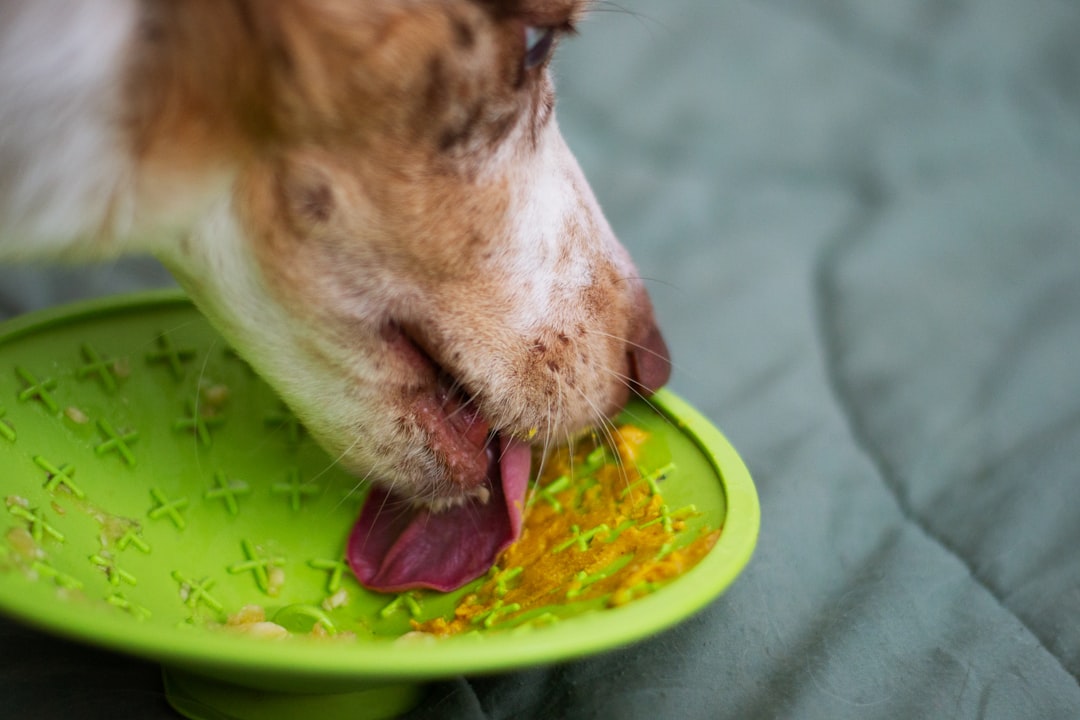
Good options are plain chicken, fish or a little low-sodium beef/chicken broth, steamed or boiled butternut squash, sweet potatoes or pumpkin. For a sick or geriatric dog that’s picky about eating, one of the easiest (and most affordable) options to try is tempting him to eat chicken. When giving your dog chicken, make sure it’s plain (with no seasonings or spices), skinless, and boneless. Chicken and other food toppers can often be added to a dog’s food to help him gobble it up.
Adding a bit of low-sodium chicken, vegetable, or beef broth for flavor enhancement. These may include cooked chicken, cooked egg, and canned chicken or tuna. Start with small amounts and gradually increase if your dog responds well. These toppers transform boring kibble into an enticing meal that’s hard to resist.
Create a Calm Eating Environment
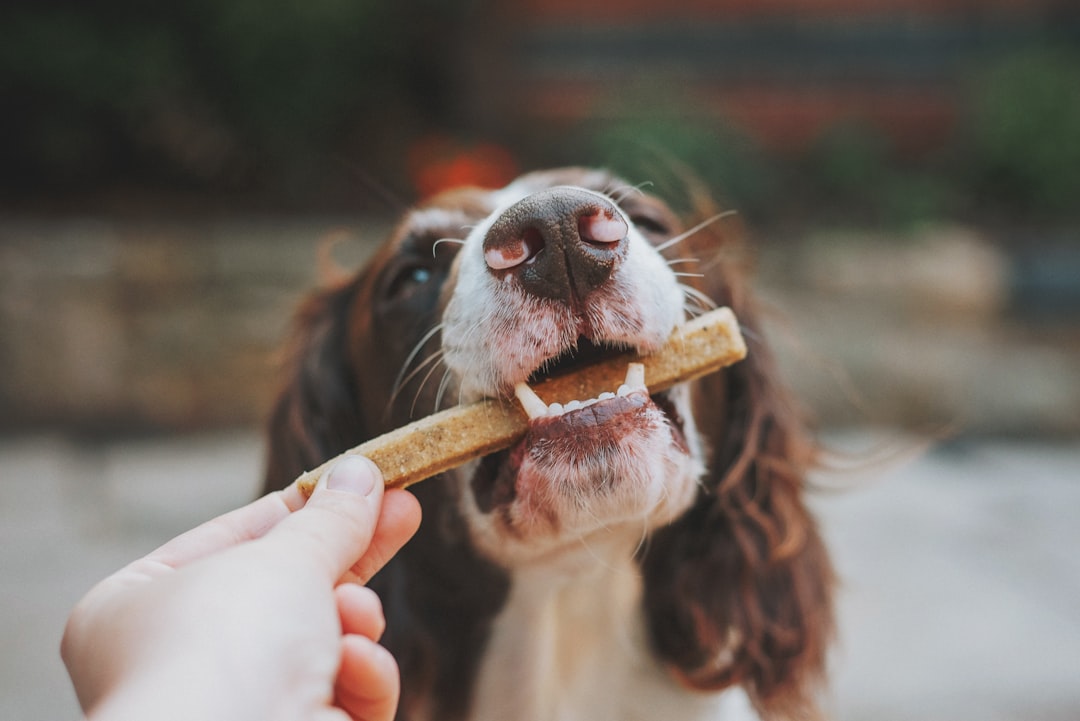
Create a Stress-Free Eating Environment: Ensure that the area where your dog eats is calm and comfortable, as a peaceful setting can encourage eating. Be sure not to hover or otherwise make mealtime tense. Be sure not to hover or otherwise make mealtime tense. Dogs are surprisingly sensitive to our energy and emotions during feeding time.
Remove distractions like other pets, loud noises, or heavy foot traffic during meals. Some dogs prefer eating in a quiet corner while others do better with background activity. Significant changes to the home environment can cause stress and anxiety, which in turn affect appetite. Pay attention to what makes your specific dog feel most comfortable and secure while eating.
Monitor and Know When to Seek Help
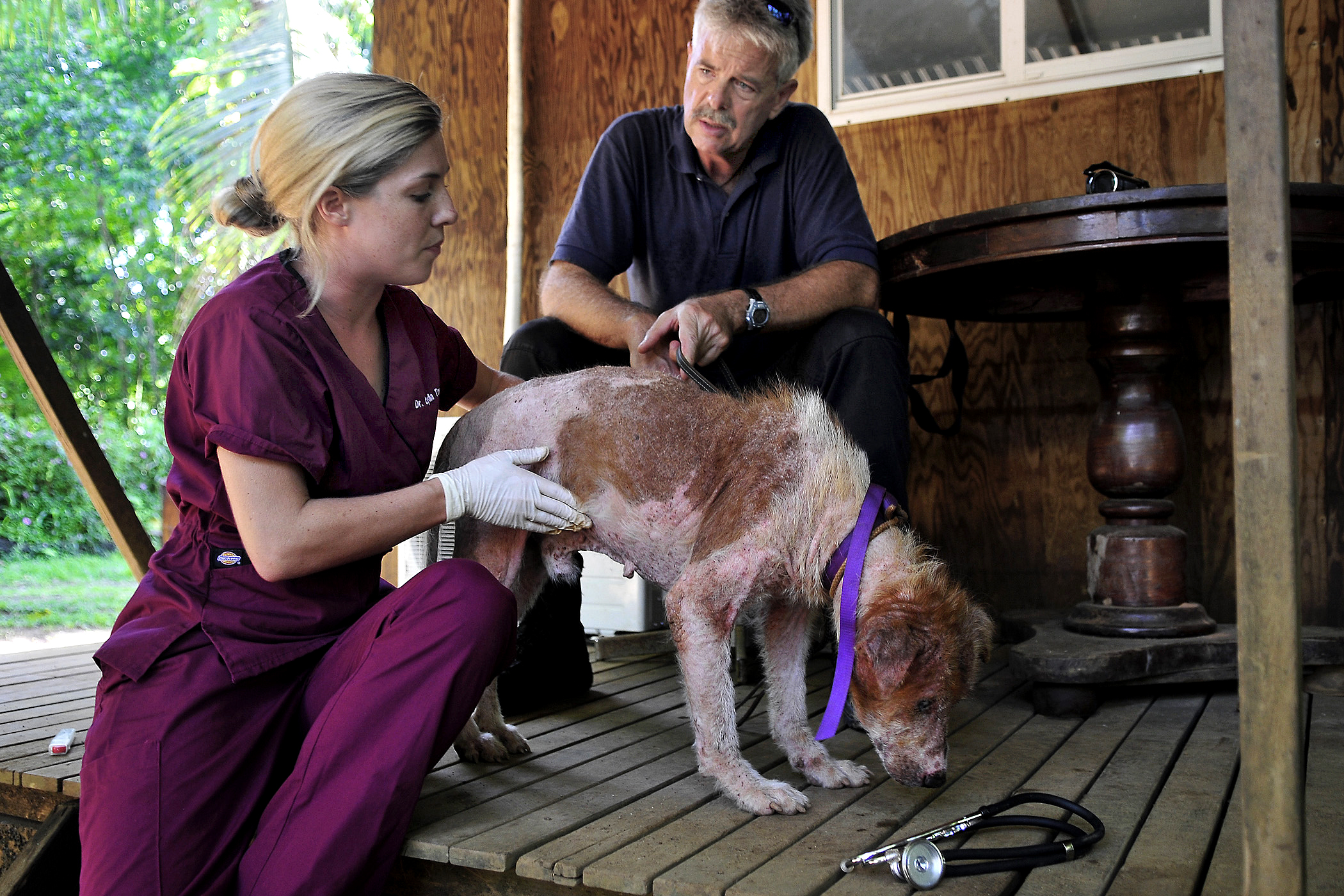
It is especially important to respond promptly to a refusal to eat in dogs that usually eat well. Even though most dogs can go a couple of days without food with no significant bad effects, it is best to address the problem as early as possible. If your adult dog hasn’t eaten in the past two days – even if he is otherwise acting normal – contact your veterinarian.
Signs to watch out for include any significant change in your dog’s eating habits that persists more than a couple of days, repeated vomiting or diarrhea, lethargy, sudden weight loss, excessive thirst, not pooping or unusual stool. Trust your instincts as a pet parent. You know your dog better than anyone, and if something feels off, it’s always better to check with your vet than to wait and worry.
Conclusion
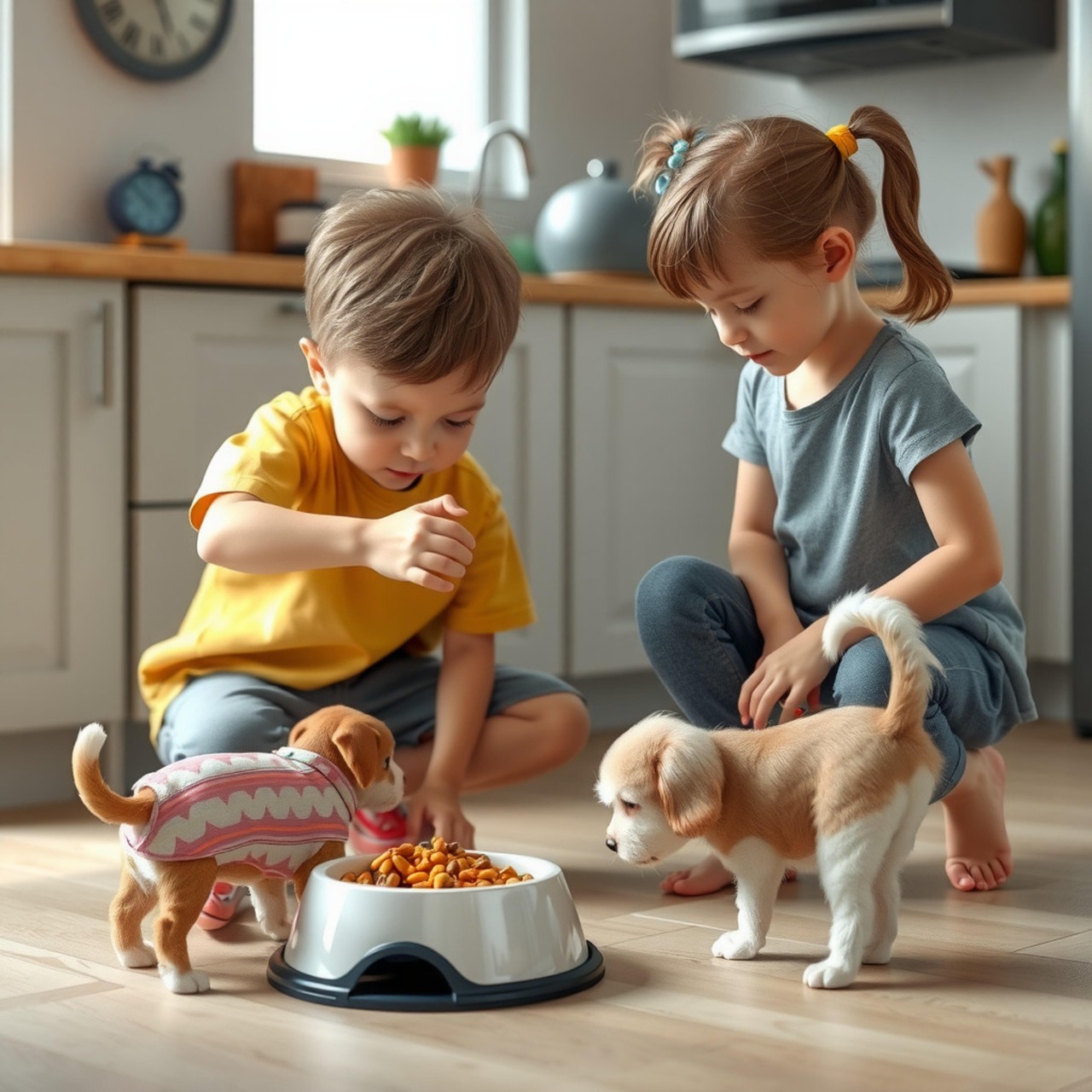
Getting again doesn’t have to feel like an impossible puzzle. These seven strategies work because they address the most common reasons dogs lose their appetite: irregular schedules, lack of hunger, temperature preferences, stress, bland food, uncomfortable environments, and underlying health issues. Remember that every dog is unique, so what works for your neighbor’s pup might not work for yours.
Start with one or two techniques and be patient. In many cases, a short-term loss of appetite isn’t a big deal. Increased stress and minor illness can cause a temporary loss of appetite, just as it can for humans. Most importantly, trust the bond you have with your dog and don’t hesitate to reach out for professional help when needed. What’s your biggest challenge with getting ? Share your experiences in the comments below.


