
6 Ways To Get Your Dog To Stop Peeing on The Carpet
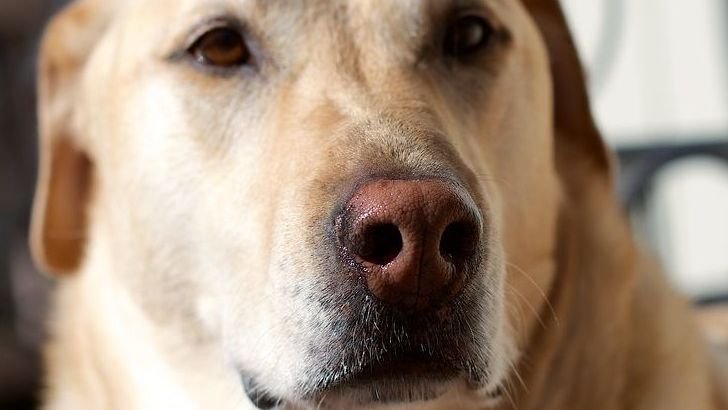
Picture this: you come home after a long day, eager to relax on your cozy living room carpet, only to discover a fresh yellow puddle staring back at you. Your heart sinks, frustration bubbles up, and you wonder why your beloved furry friend keeps choosing your beautiful carpet as their personal bathroom. You’re not alone in this messy struggle, and more importantly, you’re not powerless against it.
Every dog parent has been there. The good news is that carpet accidents aren’t just random acts of rebellion from your four-legged companion. There’s always a reason behind this behavior, and with the right approach, you can turn things around. Let’s dive into six proven strategies that will help you reclaim your carpets and strengthen the bond with your dog.
1. Master the Art of Deep Cleaning

Here’s the harsh truth: regular household cleaners simply won’t cut it when it comes to dog urine. Dog pee contains pheromones that encourage dogs to urinate in the same location, making getting rid of dog pee smell important to stop your dog from urinating repeatedly inside your home.
Enzymatic cleaners contain natural enzymatic bacteria that are activated on contact with odors and stains, feeding on ammonia crystals and organic matter until they are completely eliminated. Think of these cleaners as tiny Pac-Men, literally eating away at the source of the problem rather than just masking it.
When cleaning, manually blot the area to soak up excess moisture with a towel, but do not rub or wipe the spot, because that could cause the urine to spread through the fabric. Then apply your enzymatic cleaner generously and let it work its magic.
The key is patience. Pre-treat the affected areas with the product, allowing it to sit overnight if possible, as the key is allowing the product to contact the urine and have time to work, and for older stains, spray on the product and let it sit for a couple of days to get down deep and break down the urine.
2. Rule Out Medical Issues First
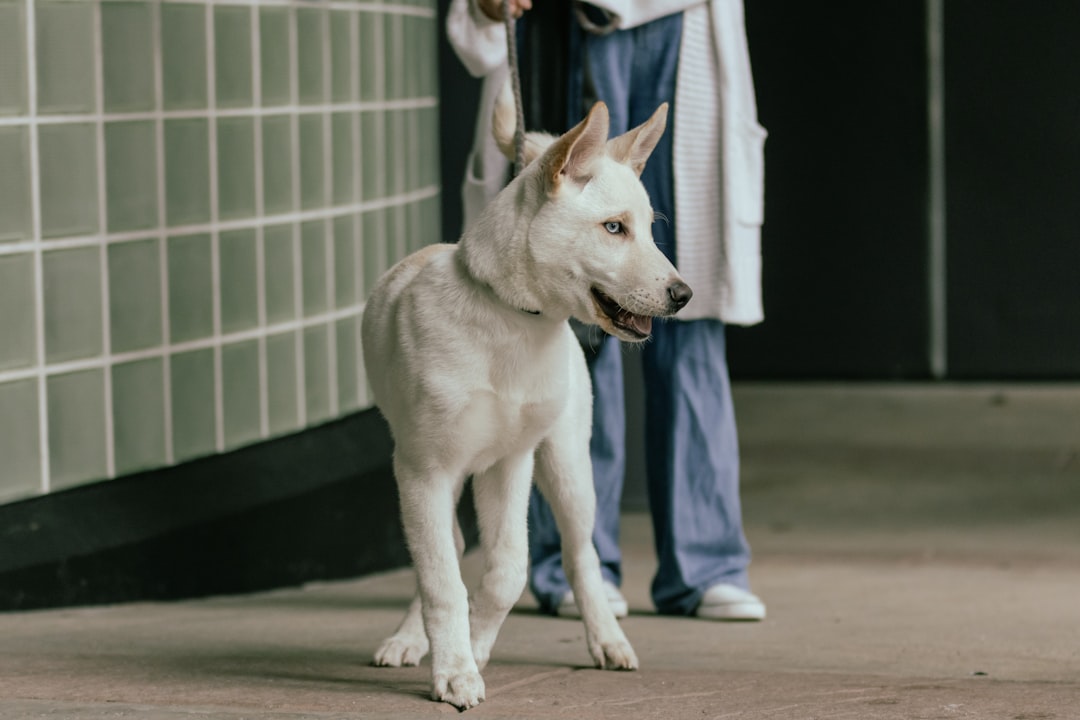
Before you assume your dog is being stubborn or spiteful, consider that health problems might be the real culprit. Medical issues such as cognitive, urinary tract infections, kidney problems, and bladder dysfunction may negatively affect your dog’s bladder control, and hormonal changes and loss of estrogen in female dogs also result in dogs peeing on the carpet.
If your dog is already potty-trained but has started to have accidents, take them to the vet to see if there is a medical cause. This step is crucial because treating a behavioral issue when there’s an underlying medical condition will only lead to frustration for both of you.
Watch for warning signs like increased frequency of urination, straining, blood in urine, or sudden changes in drinking habits. Senior dogs are particularly prone to bladder control issues, and what might look like defiance could actually be a cry for help.
Your veterinarian can run simple tests to rule out infections, kidney problems, or other conditions that could be causing the accidents. Once you have a clean bill of health, you can confidently move forward with behavioral training.
3. Establish a Bulletproof Routine
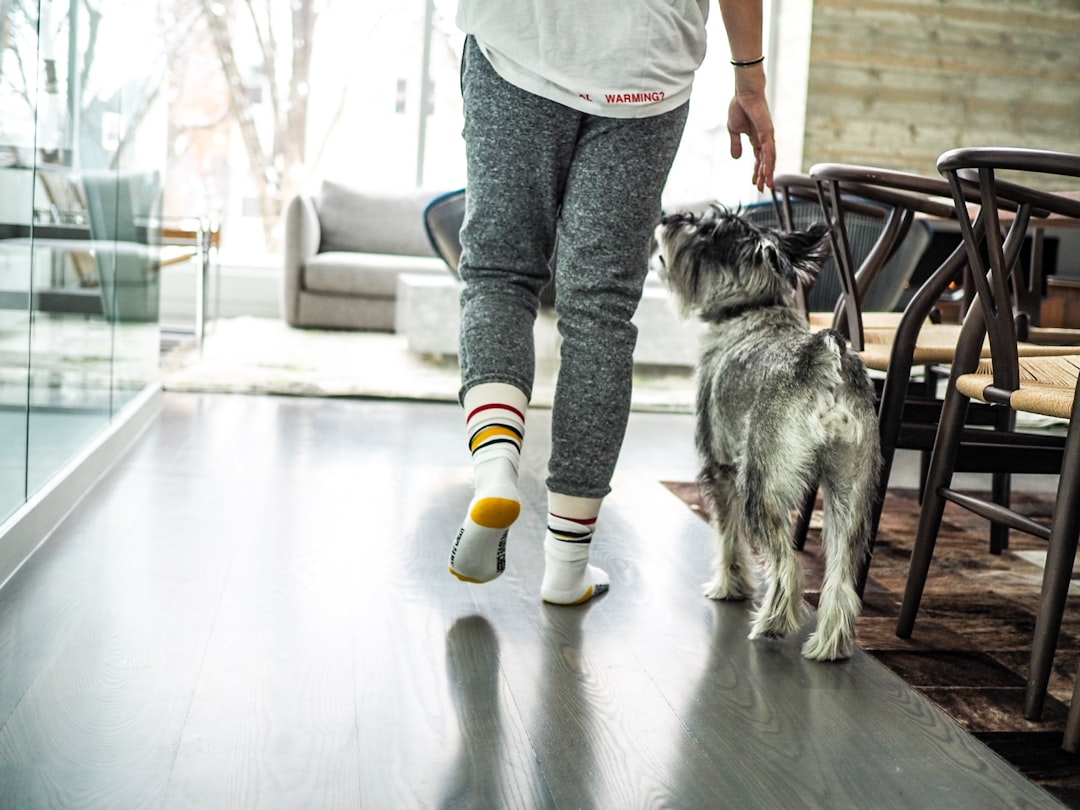
Dogs learn well through repetition, and a slight change in their routine could confuse them, resulting in inconsistencies in proper toilet habits. Creating a predictable schedule is like giving your dog a roadmap to success.
Puppies will need to go after eating and/or drinking – usually within 15 minutes. Build your routine around these natural triggers. Take your dog outside first thing in the morning, after meals, after naps, and right before bedtime.
It’s necessary to give even the most disciplined dogs potty breaks, especially if they’re more conversant with outdoor than indoor environments, and frequent potty breaks may also be helpful if your dog is unwell, has recovered from a serious health problem, or is undergoing training.
Consistency is your secret weapon. Even on weekends or holidays, try to maintain the same schedule. Your dog’s bladder doesn’t recognize Saturday mornings as sleep-in days!
4. Address Anxiety and Stress Triggers
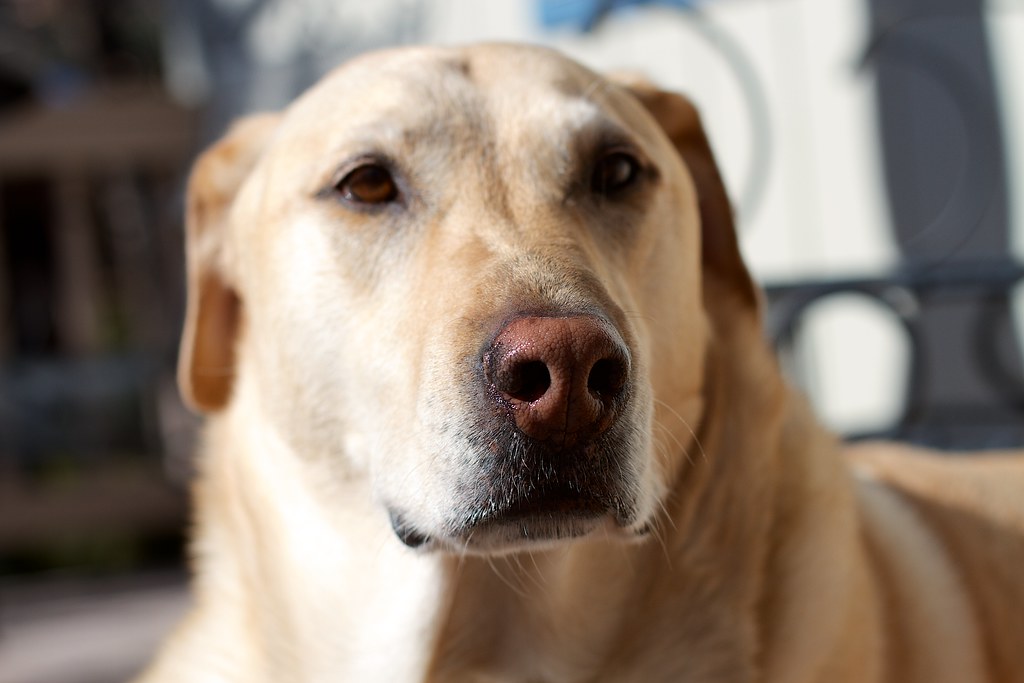
Dogs can become stressed by moving to a new home, leading to behaviors like indoor urination. Stress-related peeing is more common than you might think, and it often manifests when there are changes in the household dynamic.
Dogs, especially younger ones, may pee on the carpet when excited. Both excitement urination and submissive urination are common in young dogs, though they are distinct behaviors, occurring naturally in dogs as their way of proving they’re submissive and ‘don’t deserve any punishment.’
If your dog seems to have accidents during specific situations like when guests arrive, during thunderstorms, or when you’re getting ready to leave, you’re likely dealing with anxiety-driven behavior. If your pup is prone to excitement, it’s vital you approach them with quiet and calm to avoid exacerbating this issue.
Eliminate odors wherever your dog submissively urinates, especially if they aren’t completely house-trained, and don’t punish or scold them for submissive urination, as this will only make the problem worse. Instead, work on building your dog’s confidence through positive experiences and gradual exposure to their triggers.
5. Use Deterrents and Redirects
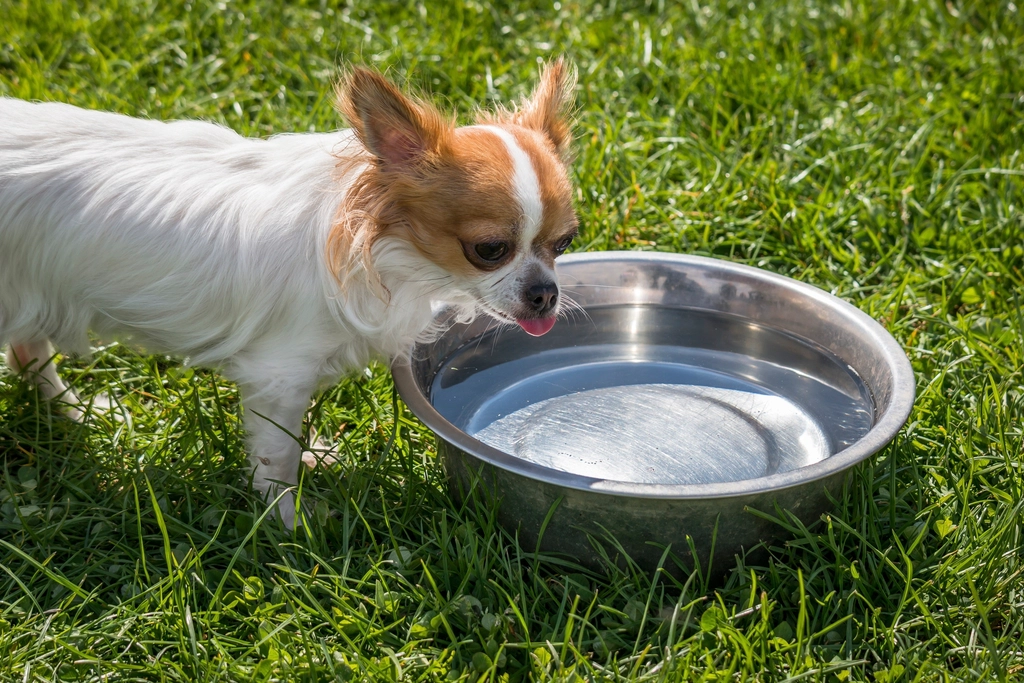
Making a dog-safe spray using citrus fruits such as lemons and oranges to mark territory for your dog, or getting one from the nearest store, as citrus fruits may deter some dogs (though effectiveness varies by individual dog) from peeing on the sprayed parts of the carpet.
Strategic placement of food and water bowls can also work wonders. Feed, treat and play with your pet in the areas where they mark. Dogs naturally avoid soiling areas where they eat and play, so this creates a positive association with the previously problematic spots.
Consider temporarily blocking access to favorite carpet areas with furniture or baby gates while you’re retraining. This isn’t a permanent solution, but it can help break the cycle of repeated accidents in the same location.
Remember that punishment only increases their anxiety and may cause them to hide when they need to go to the bathroom, thereby decreasing their ability to give you a cue when they need to go outside. Focus on redirecting rather than restricting.
6. Reinforce Outdoor Success
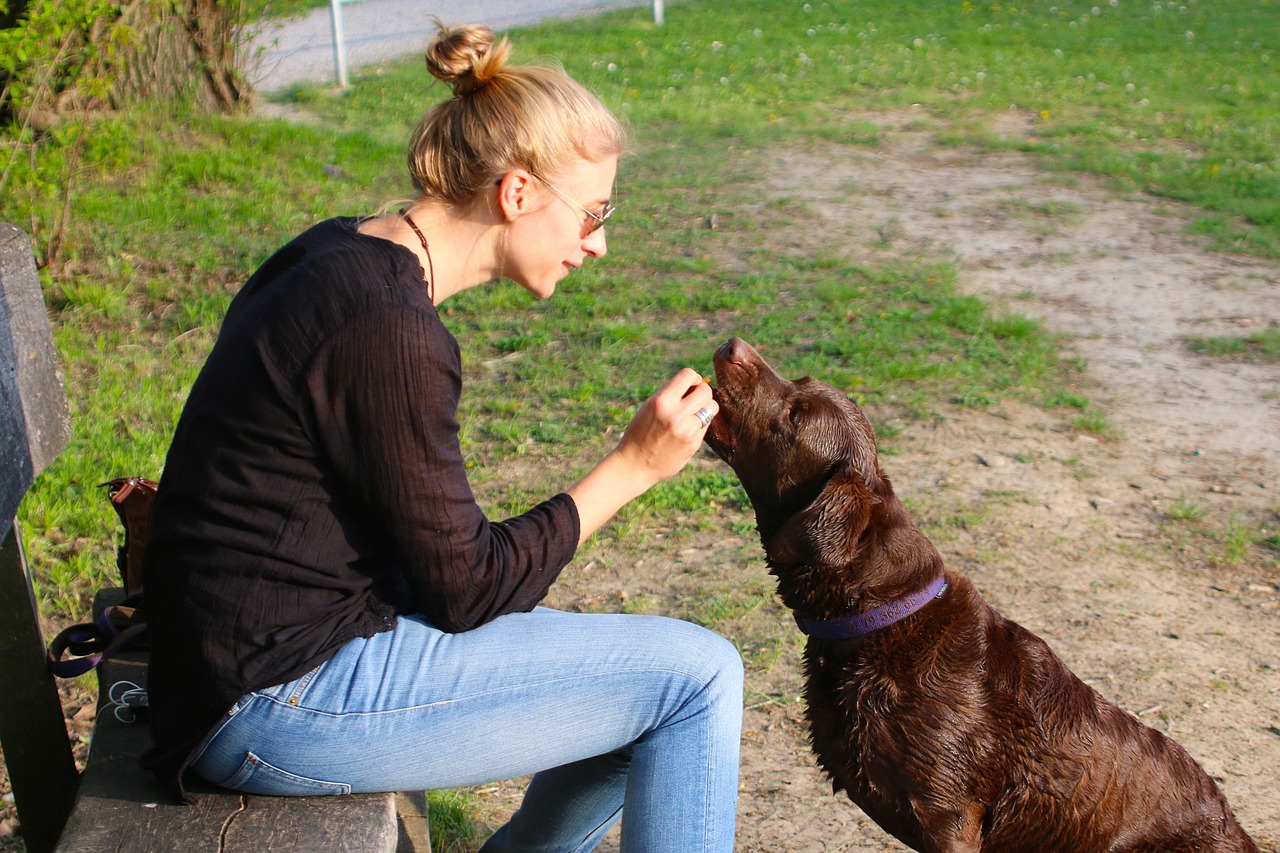
The power of positive reinforcement cannot be overstated. Be patient and use positive reinforcement when potty training a dog or puppy. Every time your dog successfully goes potty outside, make it the best thing that’s ever happened to them.
Address by increasing bathroom breaks, using enzymatic cleaners to remove odors, and providing positive reinforcement for outdoor urination, as behavioral modification and environmental enrichment reduce anxiety. Treats, praise, and even a little happy dance can work wonders.
Timing is everything with positive reinforcement. The reward needs to happen within seconds of the desired behavior, not when you get back inside. Keep high-value treats in your pocket during outdoor potty breaks, and don’t be shy about celebrating those outdoor victories.
Consider creating a special “potty party” routine. Some dogs respond incredibly well to over-the-top enthusiasm when they do something right. The goal is to make going outside feel like winning the lottery compared to the boring indoor alternative.
Conclusion
Carpet accidents don’t have to be a permanent fixture in your home. With patience, consistency, and the right approach, you can help your dog develop reliable bathroom habits that will last a lifetime. Remember that every dog learns at their own pace, and setbacks are completely normal during the training process.
The key is addressing the root cause rather than just the symptom. Whether it’s a medical issue, anxiety, inadequate cleaning, or simply the need for better routine establishment, there’s always a solution waiting to be discovered.
What’s your biggest challenge when it comes to house training your dog? Share your experiences in the comments below, and let’s help each other create cleaner, happier homes for both us and our furry family members.