
8 Noisy Small Dog Breeds Not For Those Who Like Their Peace and Quiet
Picture this: you’ve just settled in for a quiet evening, cup of tea in hand, when suddenly your neighbor’s pint-sized pooch launches into what can only be described as an operatic performance that would make Pavarotti envious. Welcome to the world of small dogs and their surprisingly powerful vocal cords.
While these tiny companions pack enormous personality into compact packages, some breeds come with a volume setting that seems permanently stuck on eleven. If you’re considering adding a small dog to your family but value your peace and quiet, these eight breeds might challenge your serenity in ways you never imagined. Though their heart-melting eyes and portable size make them irresistible, their vocal tendencies definitely deserve some serious consideration before you sign those adoption papers.
Chihuahua – The Tiny Dog with a Giant Voice
Chihuahuas are known for their excessive barking, which is primarily a way for them to communicate and express themselves, and it’s likely that they evolved to become excessive barkers because their small size makes barking one of the few ways they can gain attention. They are also quick to bark, which can be annoying but which serves them well as a watchdog, but because of their small size they are an ineffective protection dog.
Chihuahuas are known to sound the alarm at the smallest provocation through rapid, high-pitched barks and yaps. They’ll bark at anything that seems like a potential threat or even minor disturbances like sounds from the hallway, a leaf blowing outside or jingling keys.
Beagle – The Melodic Marathon Barker
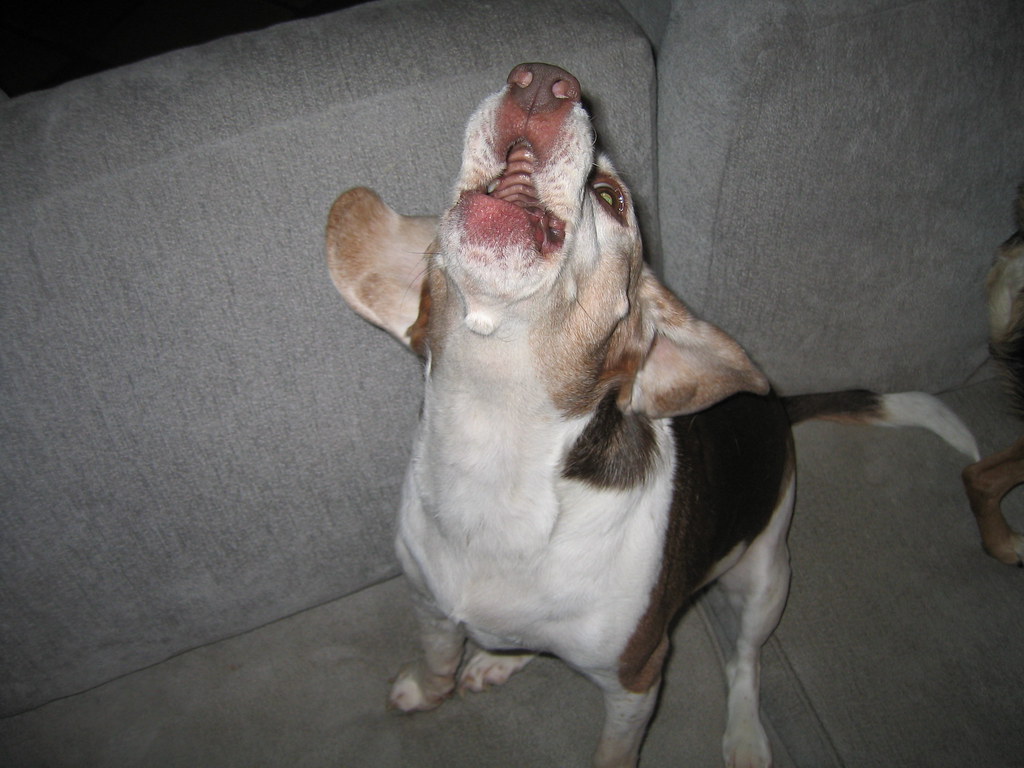
That’s Beagle for you. Beagles are generally considered very vocal. Either way, they will tell you everything about what they feel and want throughout the day. Beagles were bred to howl during hunts to alert hunters of their location and prey, making them another loud dog breed. Beagles have a distinctive howl or bark, and possess a wide variety of vocalization.
After all, it is all a part of their distant hunter’s past. So don’t be surprised if your goofy Beagle starts yapping about when spotting passersby, or howling endlessly when the ice cream truck goes by! These adorable hounds might look innocent, but their stamina for sustained vocal performances is legendary among their owners.
Jack Russell Terrier – The Energetic Escape Artist’s Anthem
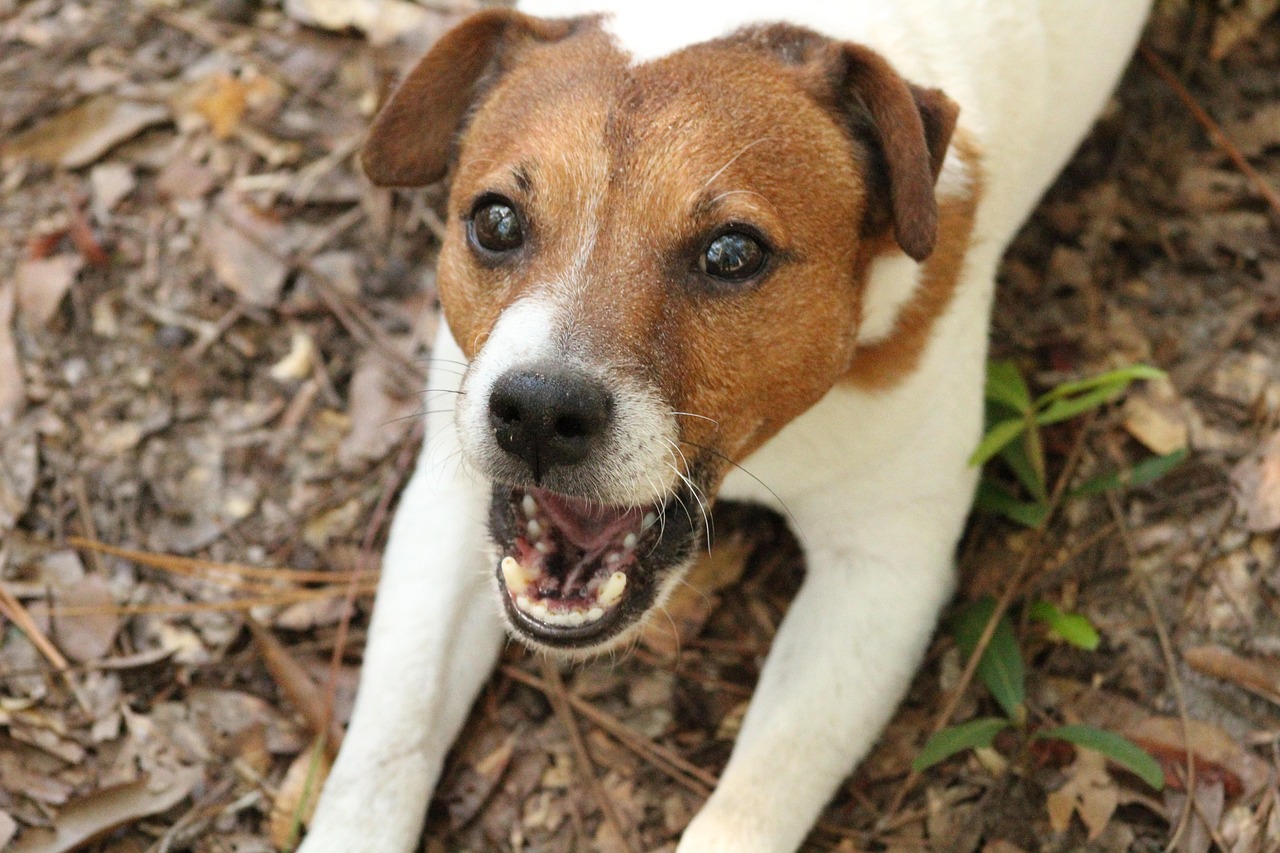
Yes, Jack Russells are known to bark a lot. They are energetic and alert dogs, often using barking to express excitement, alertness, or boredom. Barking served as a means of communication among the hunting pack and alerted the hunter to the location of the prey. In a domestic setting, Jack Russells may bark for various reasons, such as alerting their owners to perceived threats, expressing excitement, or seeking attention.
Even though they’re small, living in an apartment may be difficult for this lively breed unless the person is extremely active, and the neighbors won’t mind all the barking. Their boundless energy paired with their natural hunting instincts creates the perfect storm for frequent vocalizations that can test even the most patient neighbors.
Miniature Schnauzer – The Bearded Busybody
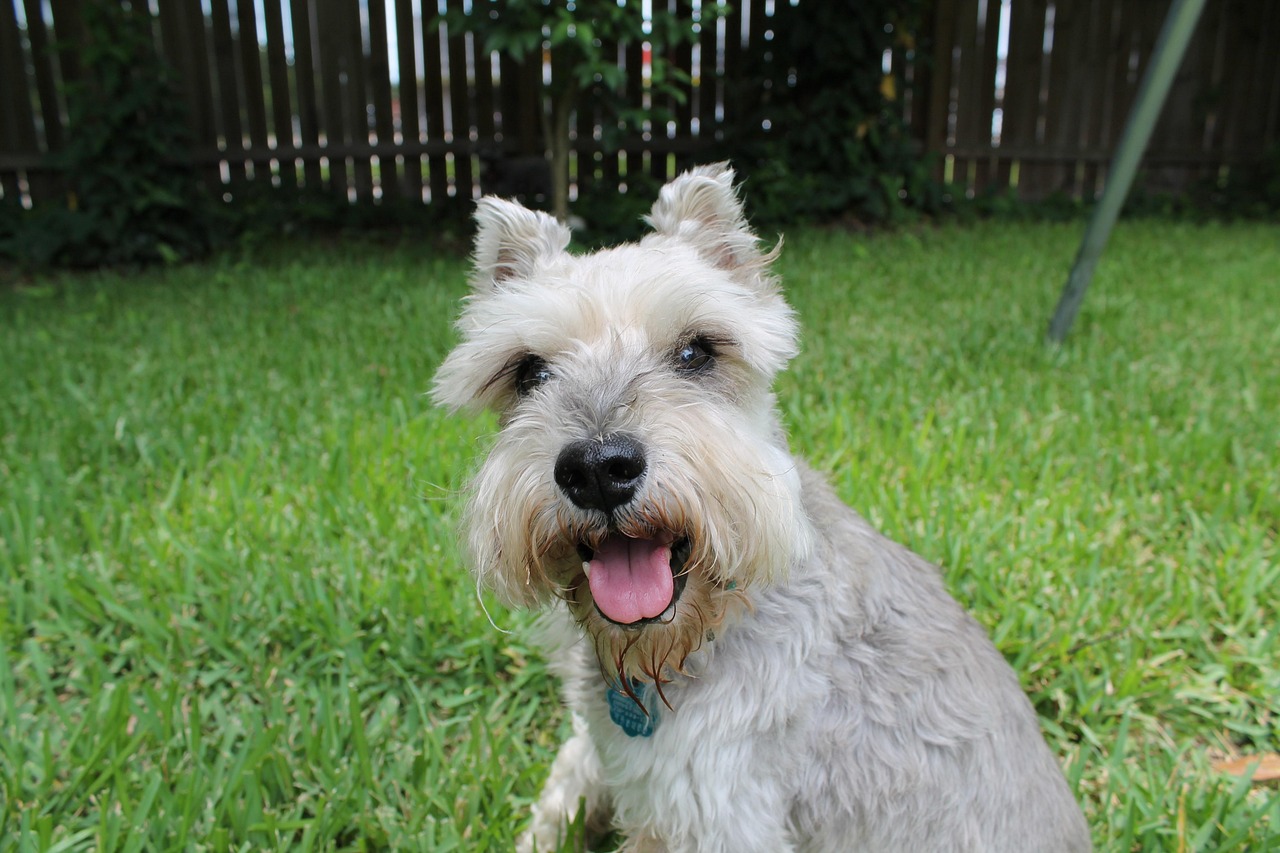
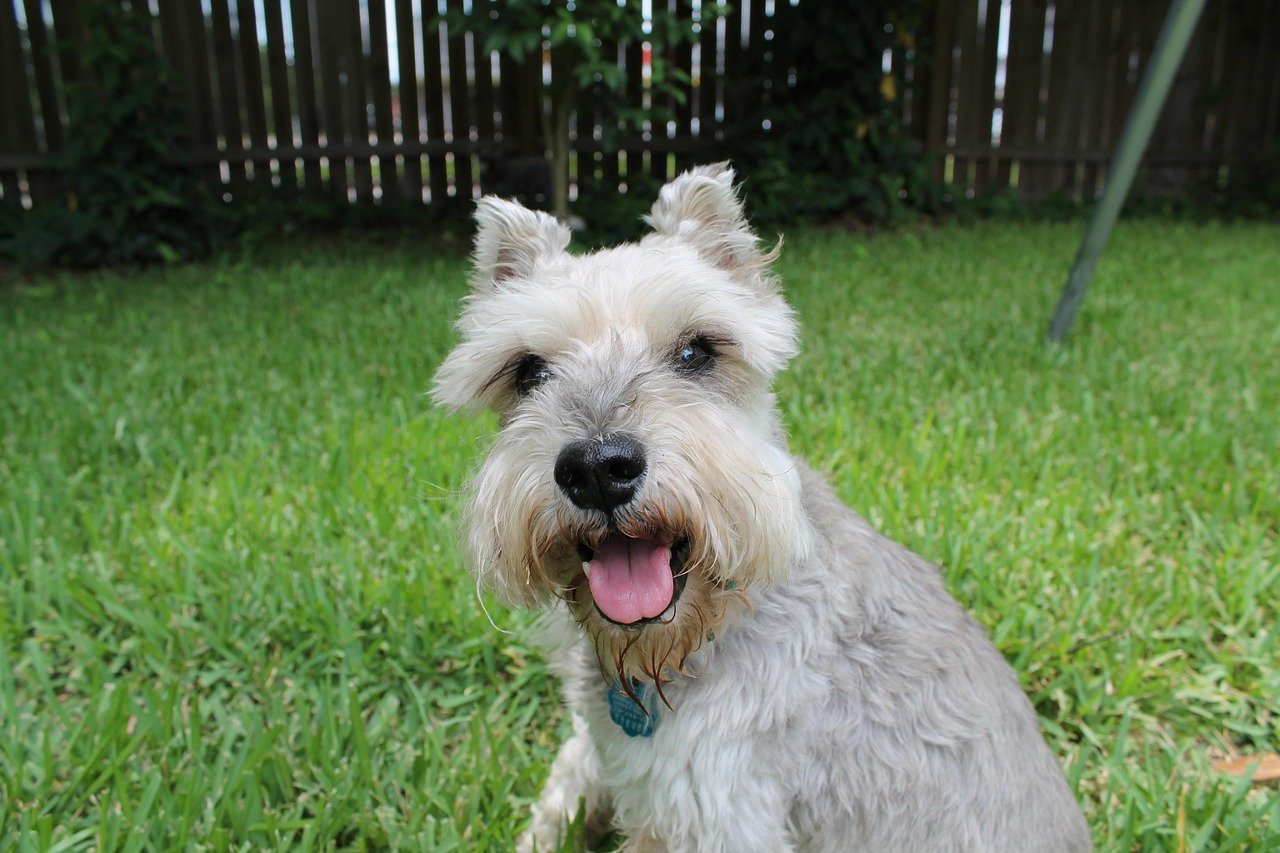
Miniature Schnauzers are one of the loudest dog breeds for their size. They bark at strangers, they bark at sounds, and they bark when they are excited. They are always on the lookout. Unfortunately, this breed has a tendency to bark at just about everything.
Even if nothing is going on, they may bark to let us know they are there. This breed can develop excessive barking if not trained early. Think of them as the neighborhood’s self-appointed security system, complete with a distinctive mustache and an opinion about everything that moves past your window.
Yorkshire Terrier – Small Package, Big Attitude
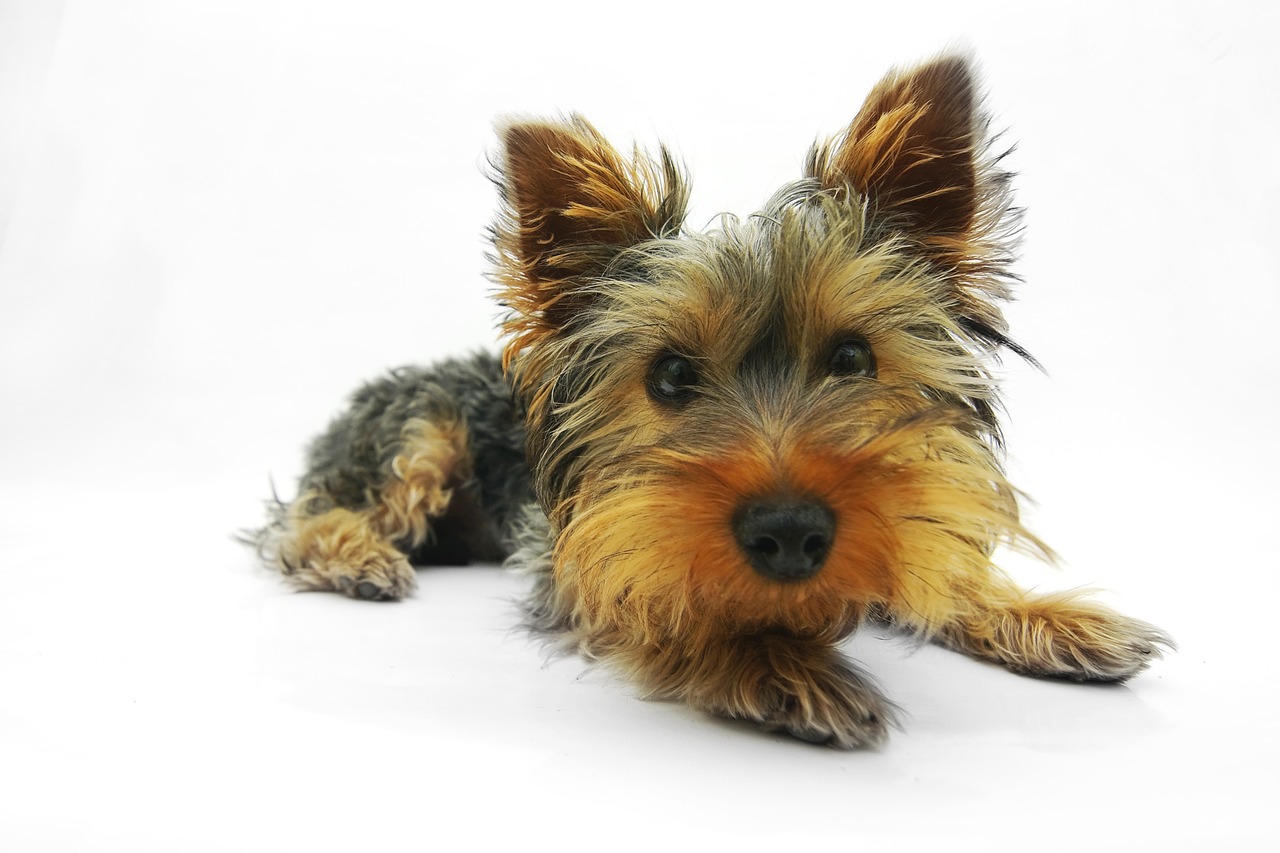
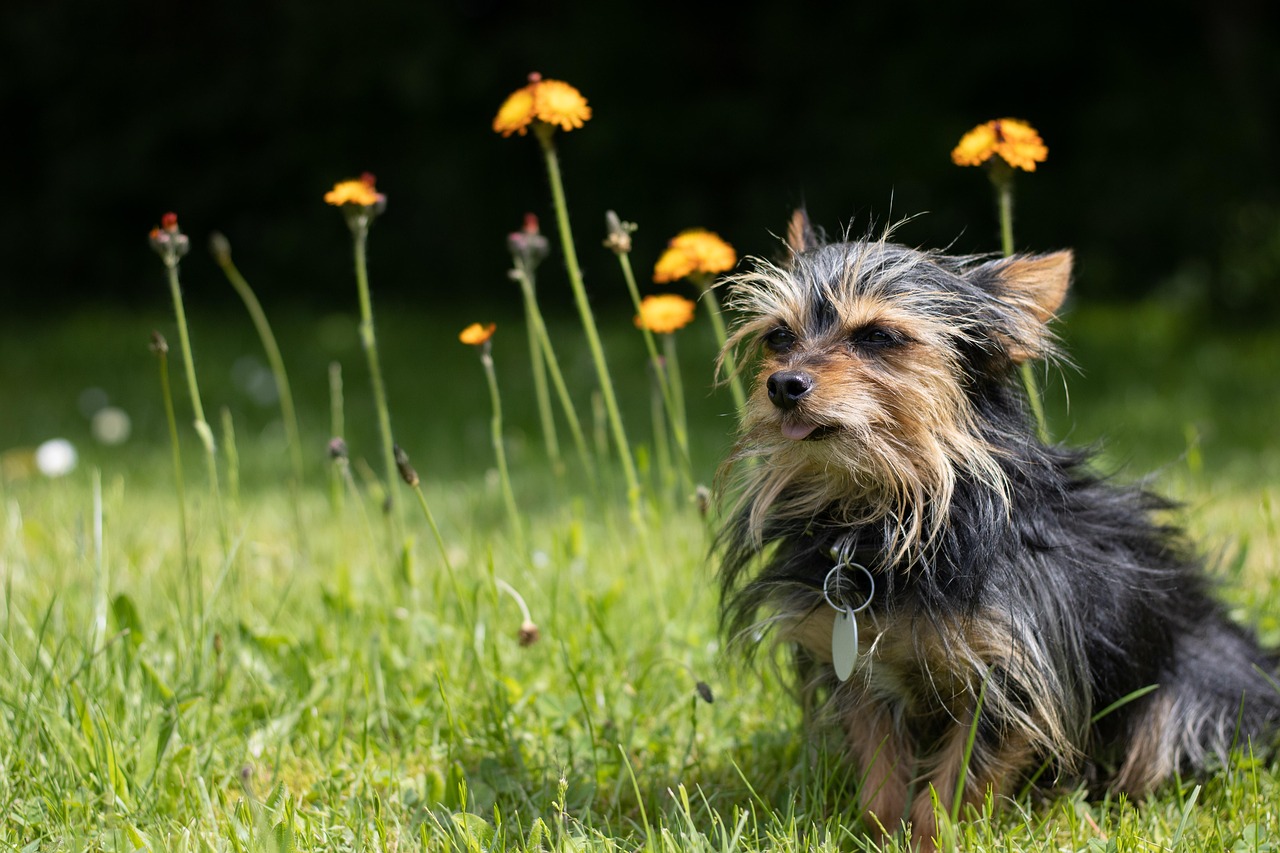
The Yorkshire Terrier is among the smallest dog breeds in the world. It has long, silky hair and a very confident attitude. It may be small, but it acts like a much bigger dog. Yorkies were originally bred to chase rodents in textile mills, so they were taught to be fearless and vocal.
These silky-coated companions may weigh less than your laptop, but they’ve got the courage of a lion and the voice to match their bold personality. Their fearless nature often translates into frequent barking episodes that can catch unsuspecting visitors completely off guard.
Pomeranian – The Fluffy Little Alarm System
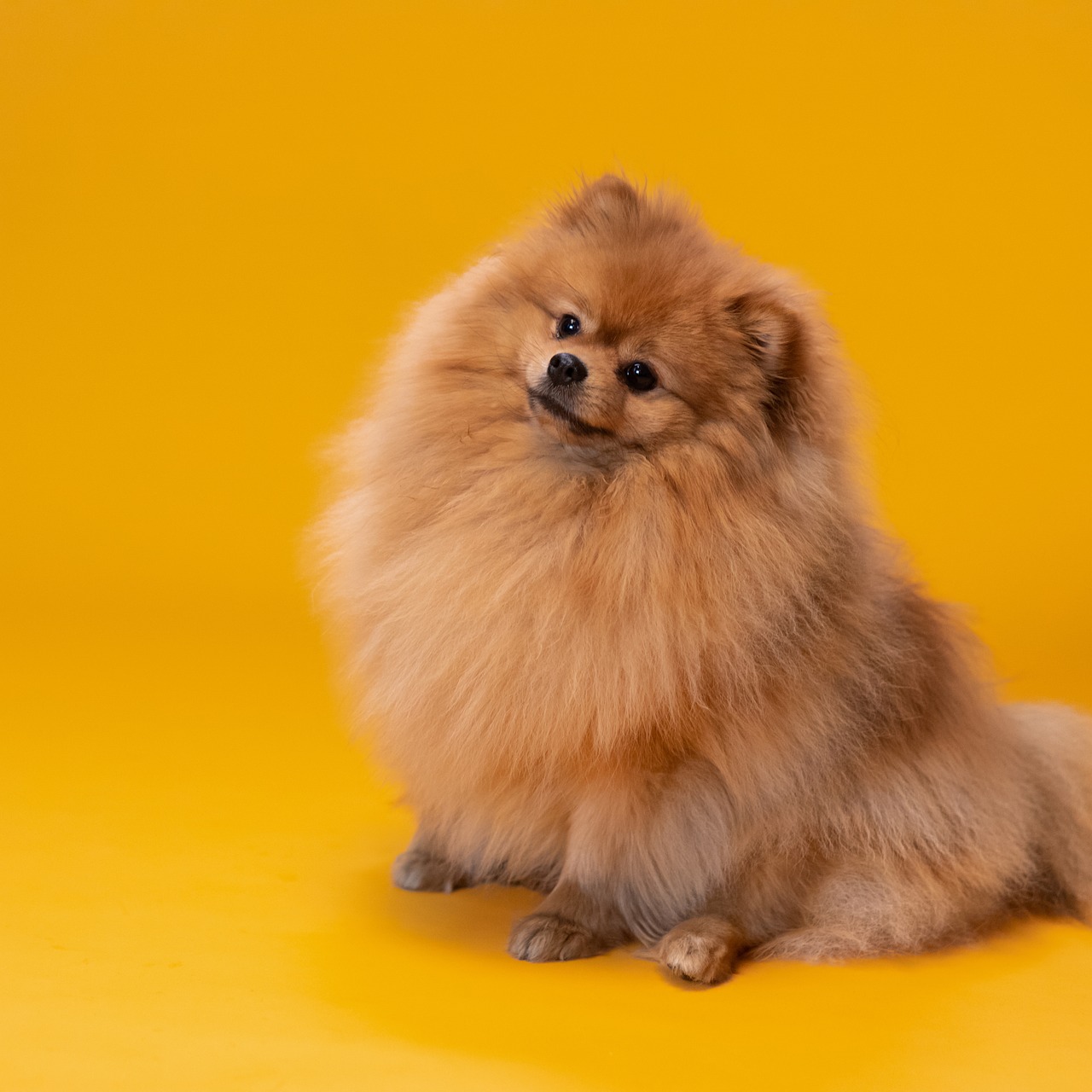
A lot of small companion dogs, such as Pomeranians, are prone to being more vocal. These small breeds often make excellent watchdogs by alerting you to any perceived dangers. Sometimes, small breeds will bark because they feel more anxious or vulnerable due to their small size.
Despite looking like adorable teddy bears, Pomeranians take their self-appointed guard dog duties very seriously. Their high-pitched yaps can pierce through even the thickest walls, making them surprisingly effective at alerting the entire neighborhood to any perceived threats, whether real or imaginary.
Dachshund – The Sausage Dog’s Serenade

This little scent hound was originally bred in Germany for hunting tunneling animals, such as rabbits and foxes. Due to being a hunting dog, they can be more vocal than your average pet dog. Another aspect that can make them more vocal is the fact they are great little watchdogs, so will alert you if people approach the home or if they perceive any danger.
Dachshunds, also known as wiener dogs or Doxies, have a long body and short legs, a unique design for their original purpose of hunting small game. Lorna shares a story about Oscar, a Dachshund whose persistent barking at wildlife showcased his innate hunting instincts. Don’t let their adorable hot dog shape fool you – these determined hunters have voices that can carry surprisingly far distances.
Pembroke Welsh Corgi – Royal Noise Makers
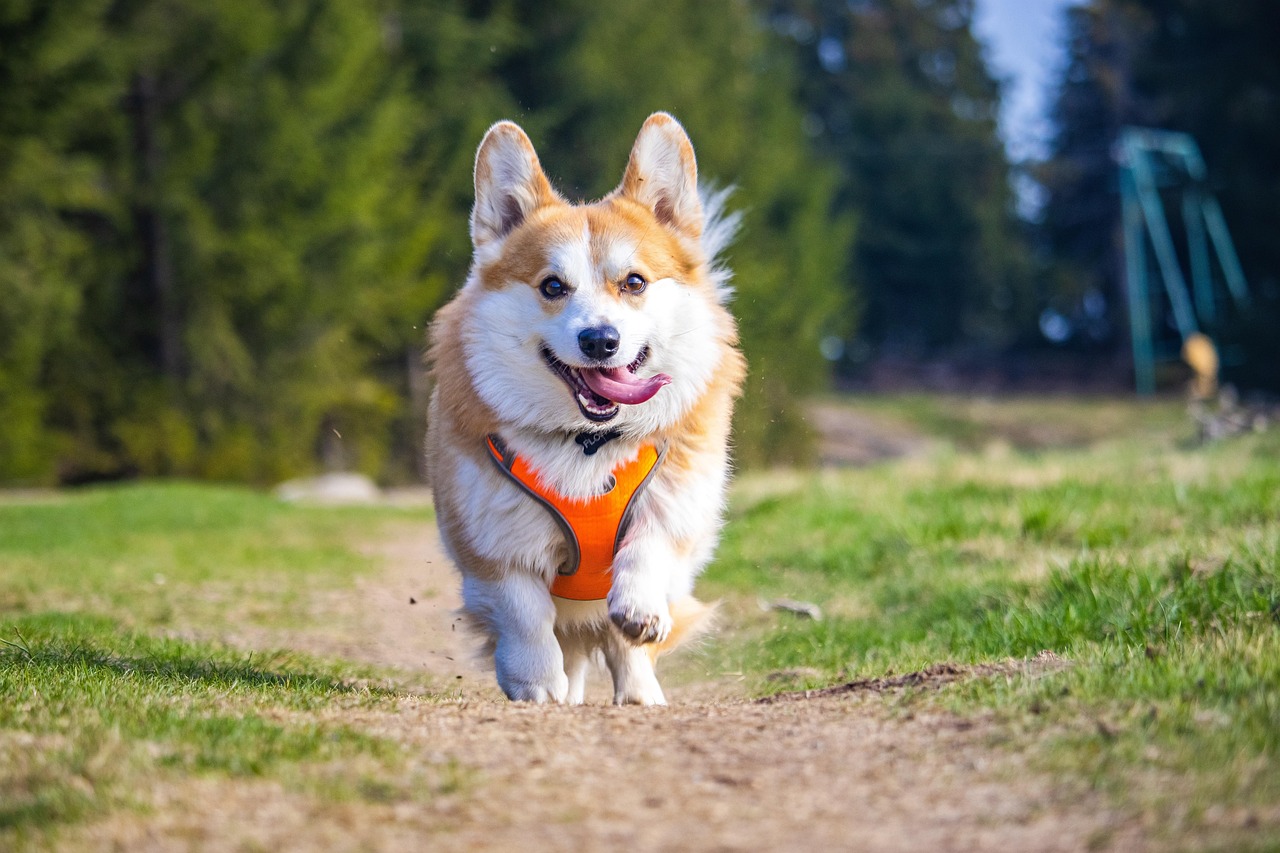
You’d think the Pembroke Welsh Corgi was a much larger dog, judging by their tenacity and bark that shows that they mean business. This breed still carries that working energy today. If they hear a sound or see someone new, they bark right away. They also bark when they feel excited or when they are bored.
They’re good watchdogs, and can be noisy and reserved with strangers. These short-legged charmers may have won over British royalty, but their herding heritage means they’re always ready to announce anything unusual happening in their domain with their surprisingly deep and authoritative bark.
Conclusion
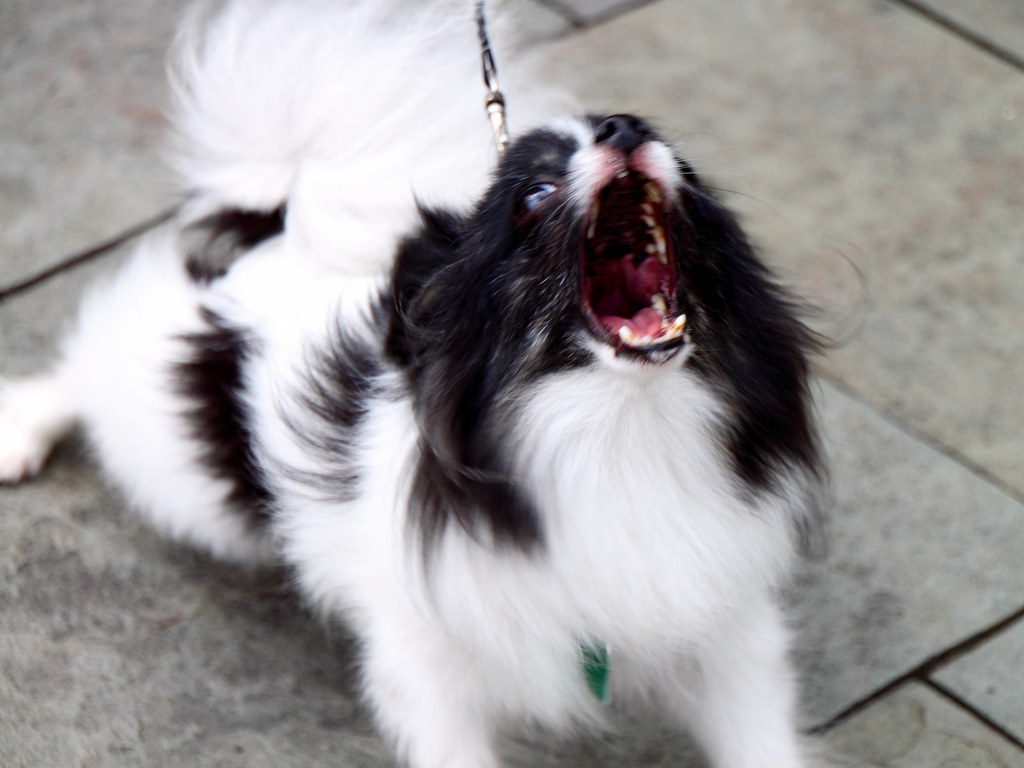
Living with any of these vocal breeds requires patience, training, and understanding neighbors who appreciate the enthusiasm these small dogs bring to life. While their barking might test your serenity, remember that each yap comes from a place of love, protection, or pure excitement about the world around them.
These pint-sized performers aren’t trying to drive you crazy – they’re just expressing their big personalities in the only way they know how. With proper training, exercise, and mental stimulation, even the most vocal breeds can learn when it’s appropriate to share their opinions with the world.
What do you think about these chatty little companions? Have you experienced life with a vocal small breed? Tell us in the comments.