
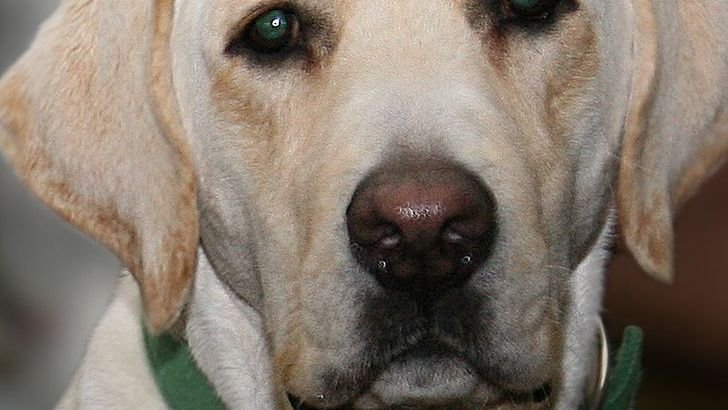
Picture your own dog’s face for a moment. That little line running down from their nose to their upper lip might seem like just another charming detail, something you’ve noticed during countless cuddle sessions. Maybe you’ve even wondered about it while watching them sniff around the yard or noticed how it catches a bit of saliva after they drink water. Here’s something that might surprise you: that small groove actually serves a pretty remarkable purpose, one that helps explain why dogs can detect scents we can’t even imagine.
This vertical groove, officially called the philtrum or medial cleft, isn’t there by accident. Veterinarians have uncovered fascinating details about how this tiny anatomical feature plays a crucial role in your dog’s incredible sense of smell. So let’s dive in and discover what makes this little line so special.
The Science Behind Your Dog’s Amazing Groove
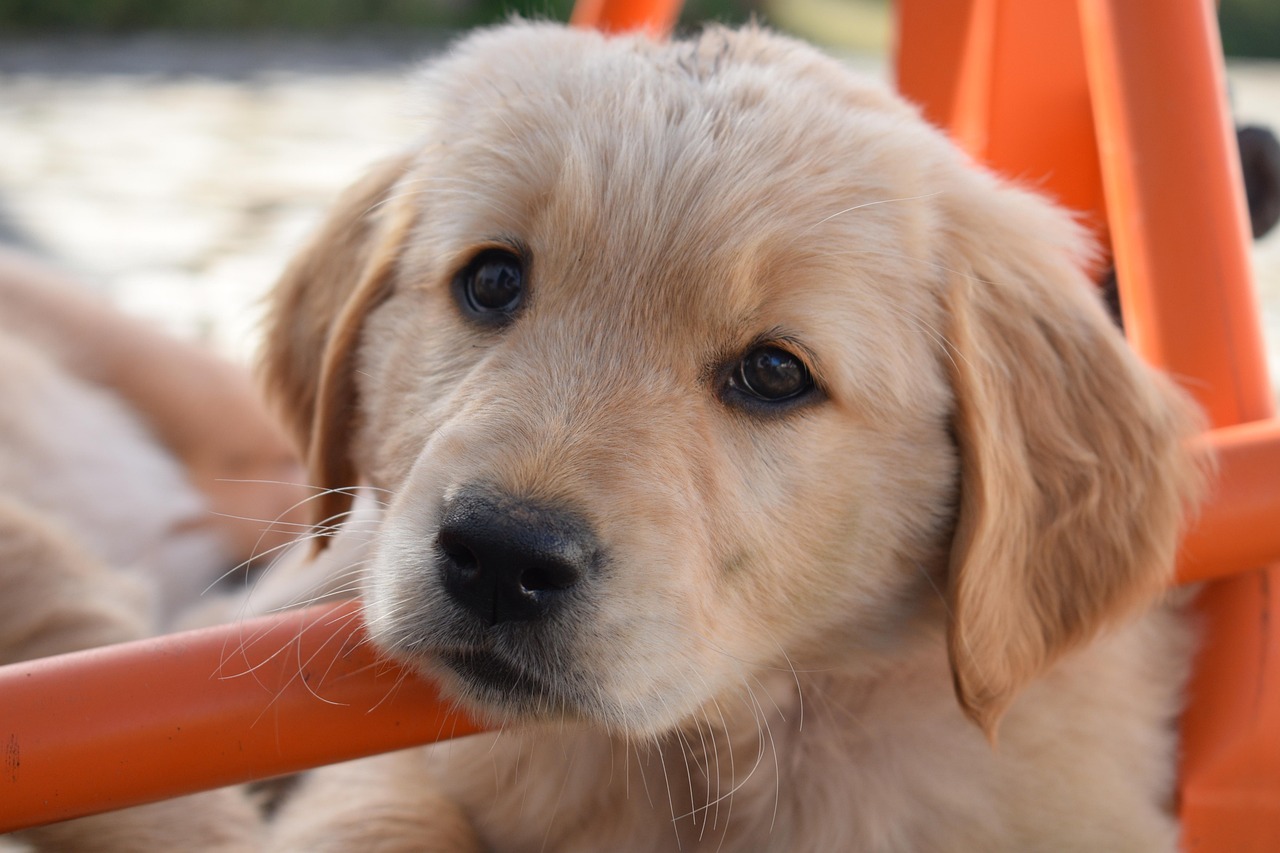
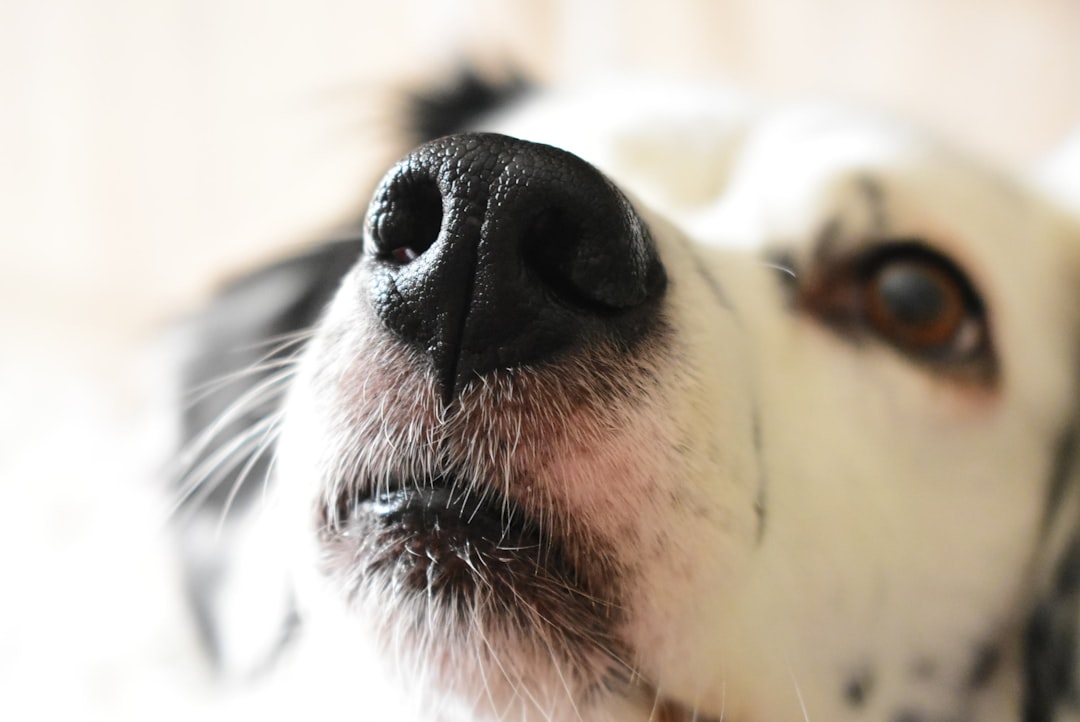
The philtrum is the vertical groove between the base of the nose and the border of a dog’s upper lip, and it serves a specific purpose. Each time a dog licks its lips, a bit of saliva collects in that groove through a process called capillarization. Thanks to capillary action – the same process that helps plants draw water through their stems – the moisture travels upward, keeping the nose damp.
Think of it like a tiny irrigation system working around the clock. Every time a dog licks his lips, a bit of saliva stays in this groove and is drawn upwards due to capillary action, keeping the dog’s nose moist, if not wet, which enables the dog to capture scent particles from the air.
Why Moisture Makes All the Difference for Scent Detection
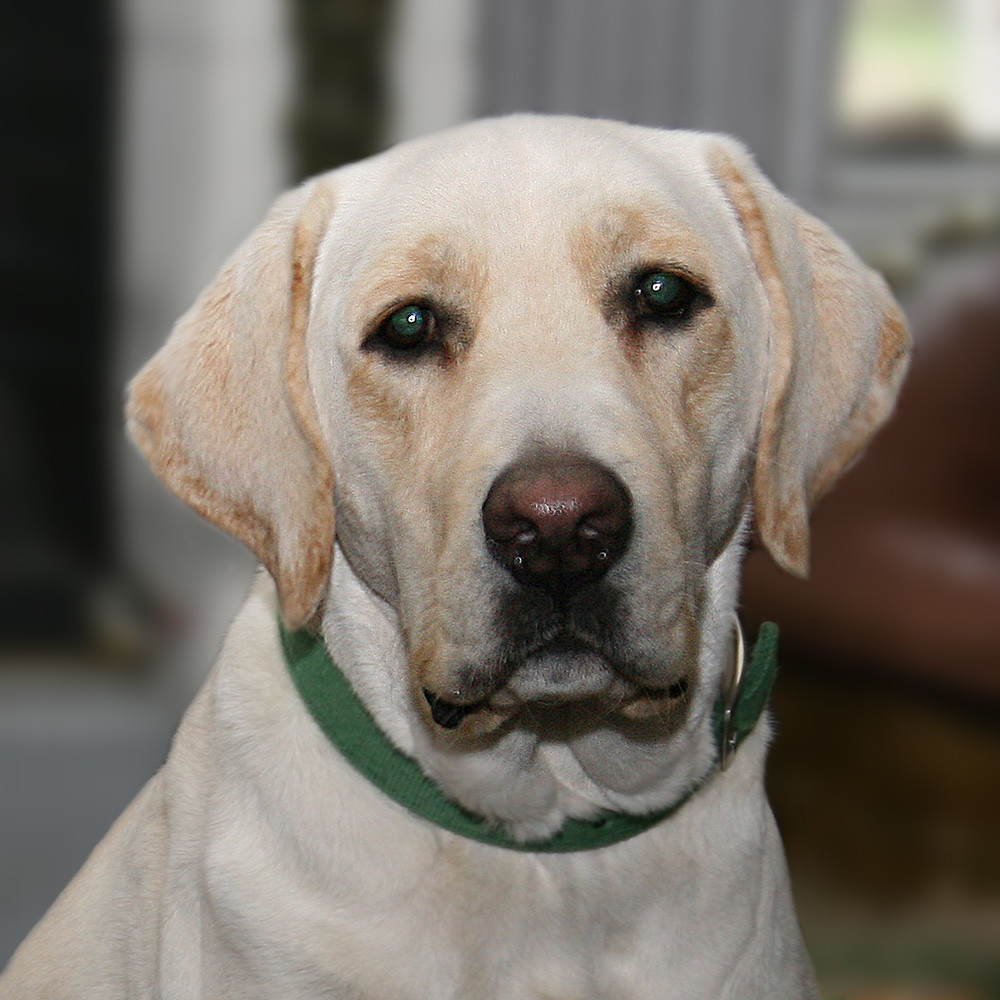
When moist, their nose actually traps smells better than if it is dry. A moist nose is far better at catching and holding scent particles from the air, with that moisture acting like a trap, allowing odors to “stick” to the surface of the nose long enough for the dog to process them.
A wet nose is essential to a dog’s keen sense of smell as it helps absorb tiny water droplets that carry scent. A dog’s nose is already a powerhouse, with up to 300 million scent receptors compared to a human’s six million. The philtrum is part of a carefully designed system that keeps this sense sharp, helping the nose stay wet so dogs can detect even faint odors, follow scent trails, and read chemical signals from other animals.
Shared Evolution: Why Humans Have This Groove Too
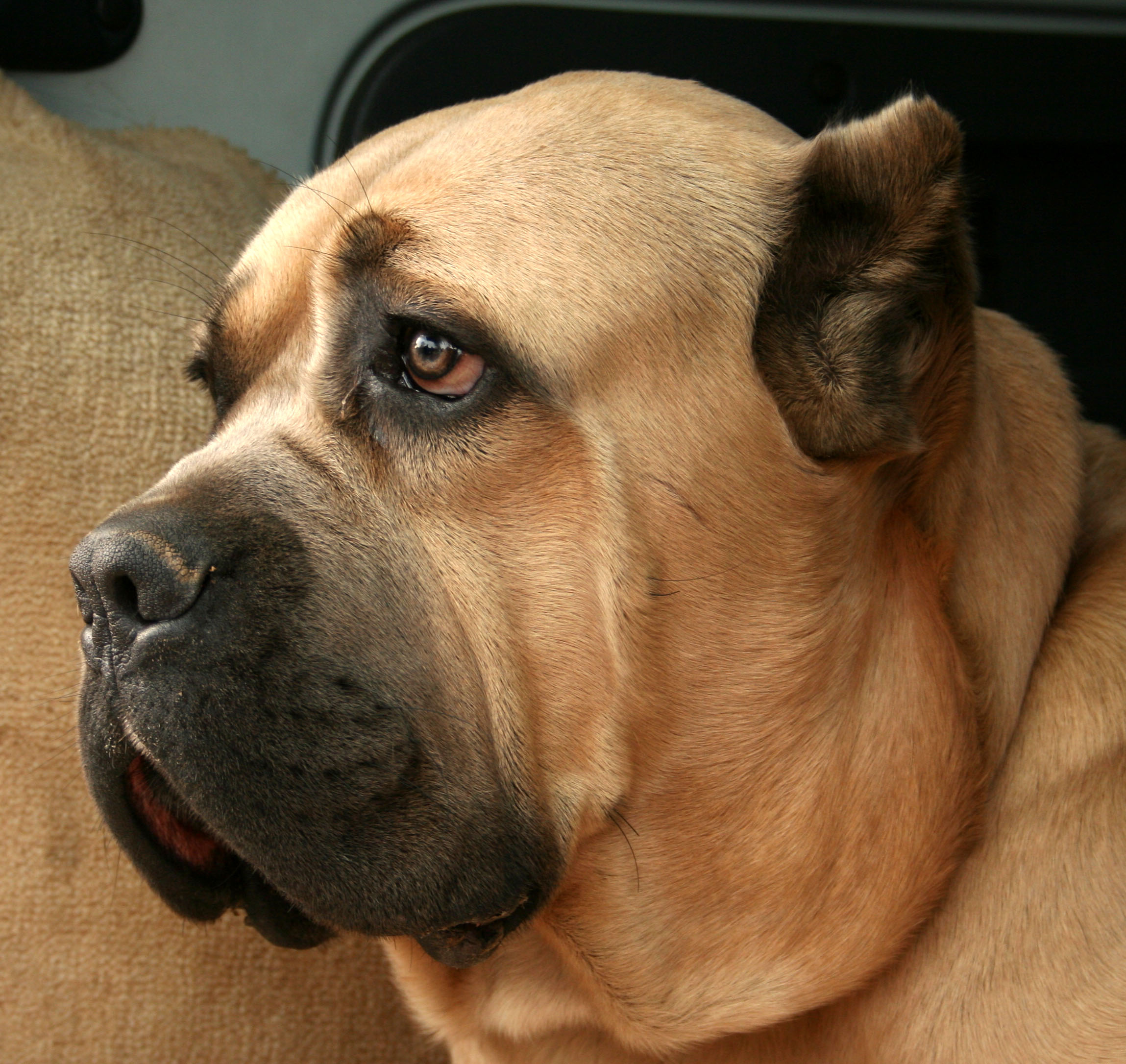
If you look at your dog’s split right under his nose and then look at yourself in the mirror, you will notice how you also have a similar split, as this indentation is common to many mammals and goes by the name of “philtrum” or “medial cleft”. Interestingly, the term derives from the Greek word “philtron” which means love potion, possibly because this area back in time was considered by the ancient Greeks as one of the most erogenous parts of the body.
It appears that, in humans, the philtrum doesn’t carry a function and is therefore considered a vestigial structure. In humans, other than possibly having an erogenous role, I really don’t seem to carry any other functions, which is why it’s often considered a vestigial structure with no particular role other than perhaps making the application of lipstick difficult in the dark.
When the Philtrum Signals Health Problems
It’s important to make sure your dog’s nose stays moist, which is why vets tell us to keep an eye out, as liquid or discharge flowing out of your dog’s nose could be a sign of illness, allergies, or mold exposure. Both extremes are red flags and signs that you should probably call your vet.
The philtrum area may become irritated from licking, potentially leading to a mild to moderate skin infection in that specific groove, and the licking could be due to a drippy nose, possibly from allergies. Older dogs often experience dry noses and lip sores due to environmental factors or minor trauma, and a split upper lip with a sore and persistent licking can indicate irritation, infection, or trauma.
Serious Conditions That Can Affect the Philtrum
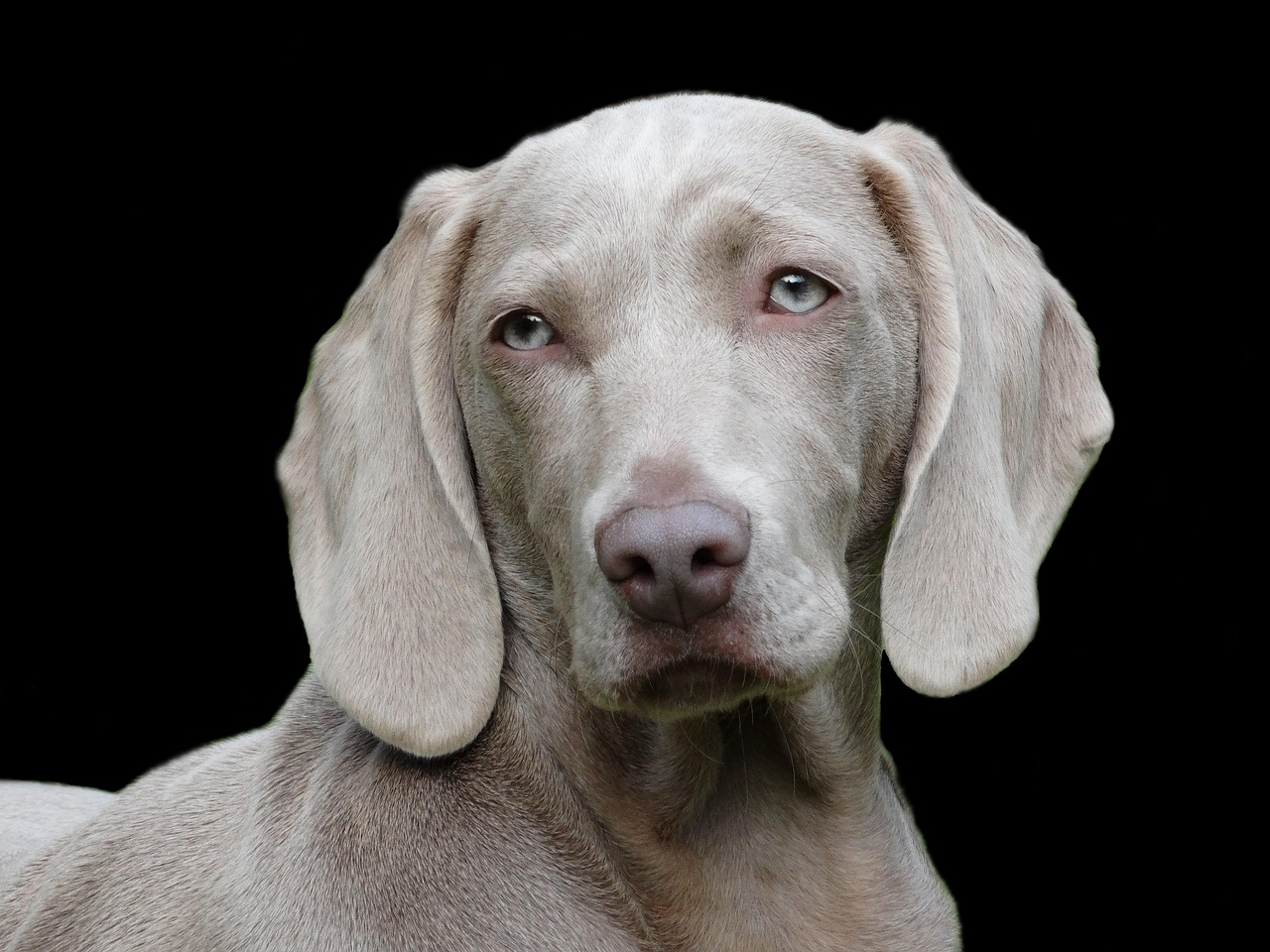
An arteritis involving the nasal philtrum has been described in some large dog breeds such as St. Bernards, Giant Schnauzers, Newfoundlands, and Basset Hounds. Dermal arteritis of the nasal philtrum presents clinically as a distinct, deep, V-shaped or wedge-shaped ulcer on the nasal philtrum, most commonly affecting Saint Bernard dogs.
The lesions were solitary, well-circumscribed, linear ulcers that were neither pruritic nor painful, with the age of the dogs at the time the owners first noticed the lesion ranging from 3 to 6 years. Three of the dogs experienced repeated, mild episodes of arterial bleeding from the ulcers, while two dogs also experienced a severe episode of bleeding that required surgical intervention.
Prevention and Care Tips for Your Dog’s Philtrum
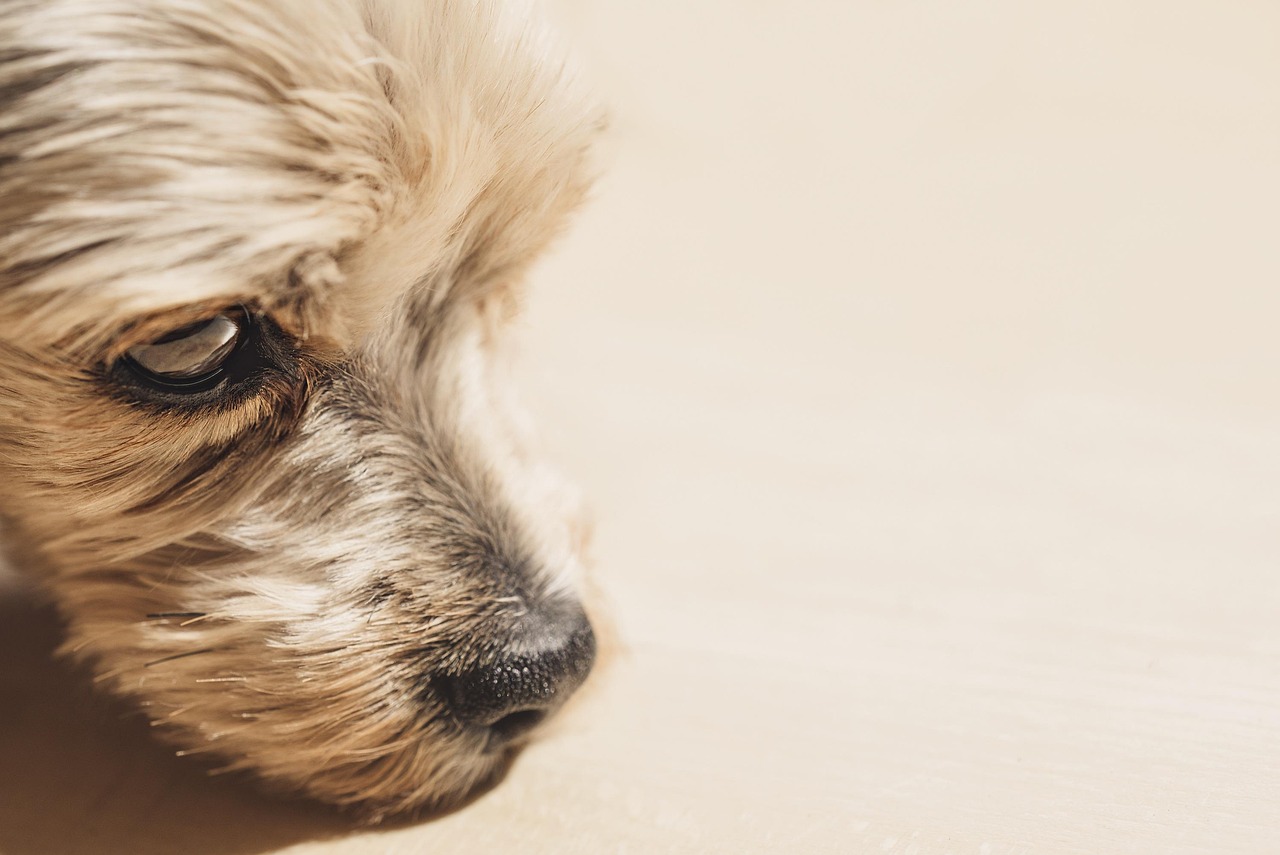
Keep an eye on your dog’s nose moisture throughout the day. A healthy dog’s nose should feel cool and slightly damp to the touch. Watch for changes in texture, color, or the appearance of sores or excessive dryness that persists for more than a day or two.
Regular grooming around the nose area helps prevent bacteria buildup in the philtrum groove. Gently clean the area with a damp cloth during your normal grooming routine, but avoid harsh scrubbing that might irritate the sensitive tissue. If you notice persistent licking at the philtrum area, this could indicate allergies or irritation that needs veterinary attention.
Environmental factors like dry air, sun exposure, or irritants can affect nose health. Consider using a humidifier in your home during dry seasons, and be mindful of your dog’s exposure to harsh weather conditions. Always provide fresh, clean water to help maintain proper hydration levels.
The Remarkable Connection to Smell
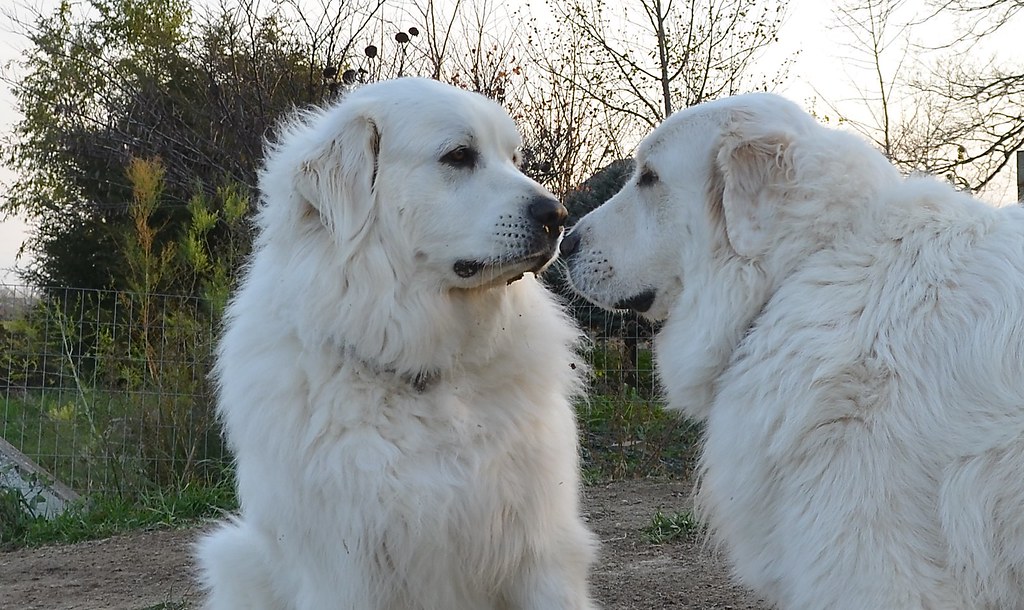
The rhinarium is a separate sense organ that connects with a well-developed vomeronasal organ, and it’s used to touch a scent-marked object containing pheromones, transferring these pheromone molecules down the philtrum to the VNO via the nasopalatine ducts. This creates an incredibly sophisticated scent detection system that puts even our best technology to shame.
Your dog’s ability to distinguish between thousands of different scents relies heavily on this moisture delivery system. They can detect emotional states in humans, track days-old trails, and even identify medical conditions through scent alone. That little groove plays a vital supporting role in these amazing abilities by ensuring optimal nose moisture levels.
Understanding Normal vs. Abnormal Changes
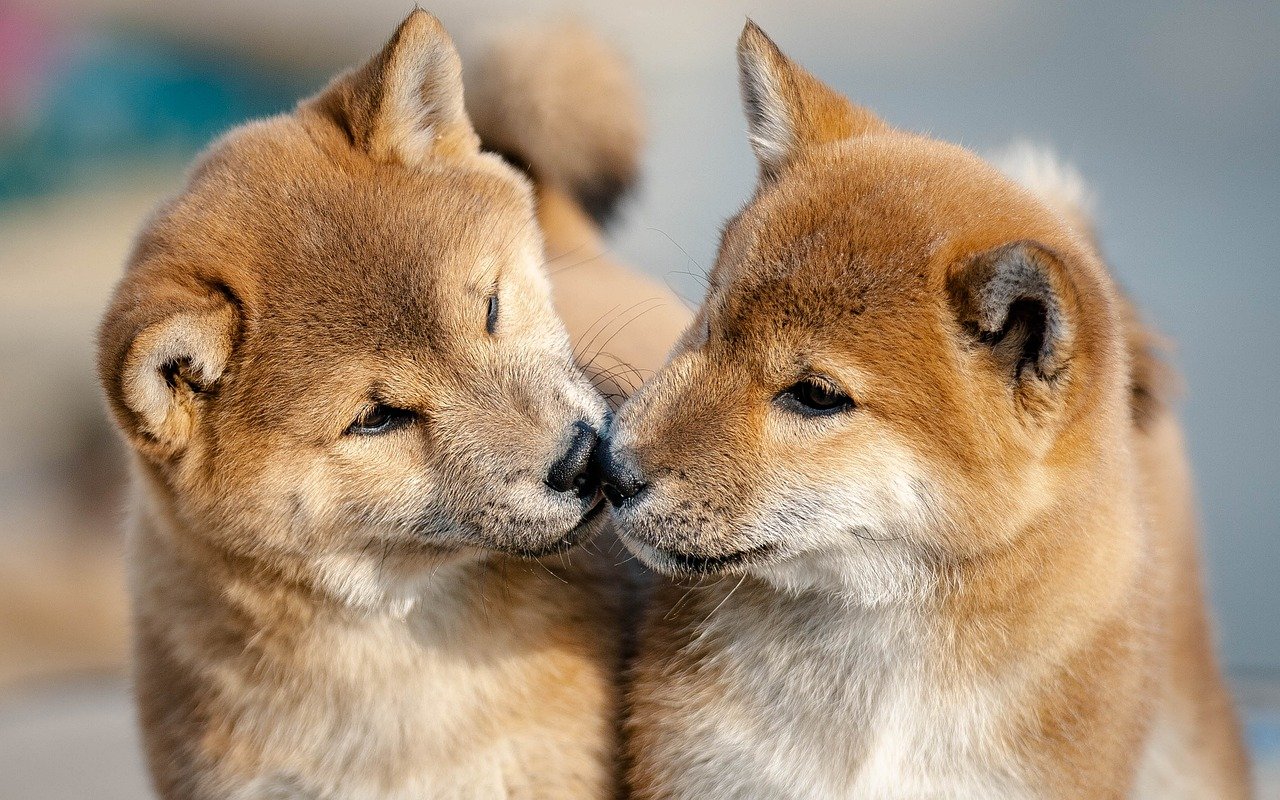
Normal variations in your dog’s philtrum include slight color differences based on pigmentation, minor seasonal changes in moisture levels, and temporary dryness after sleep or exercise. These variations are typically nothing to worry about and resolve on their own.
However, watch for warning signs like persistent bleeding from the groove area, deep cracks or sores that don’t heal within a few days, unusual discharge with strong odors, or significant changes in the shape or depth of the groove. If the tissue grows, bleeds, or causes discomfort, veterinary evaluation is necessary, as a vet may recommend biopsy or removal to rule out infections or tumors.
That tiny groove between your dog’s nose and lip represents millions of years of evolutionary refinement. It’s a perfect example of how nature designs elegant solutions to complex problems. Next time you see your dog licking their lips, you’ll know they’re not just cleaning up after dinner – they’re actually maintaining their most important sensory tool. What’s your take on this amazing little feature? Tell us in the comments what you’ve observed about your own dog’s philtrum.


