
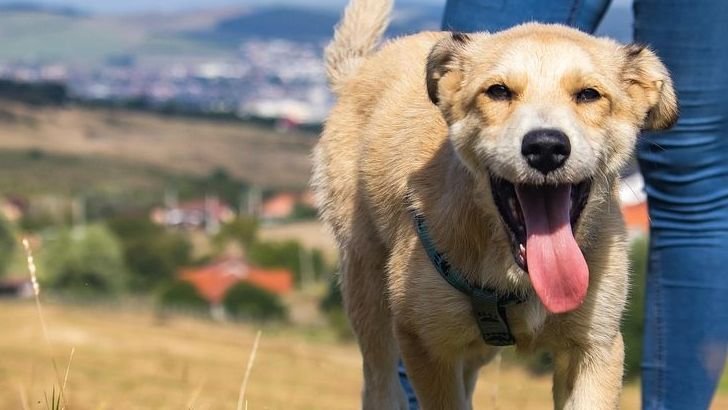
Have you ever caught yourself watching your furry companion and wondering if they’re truly happy? Unlike us humans, dogs can’t simply tell us how they feel with words. However, they’re constantly communicating their emotional state through their body language, behaviors, and daily habits.
Understanding these silent messages from your canine friend isn’t just fascinating – it’s essential for being the best pet parent you can be. From the way they hold their tail to how they sleep at night, every gesture tells a story about their inner world. The good news is that once you learn to read these signs, you’ll discover a whole new level of connection with your four-legged family member. So let’s dive into the telltale signs that show your dog is living their best life.
Relaxed Body Language Speaks Volumes
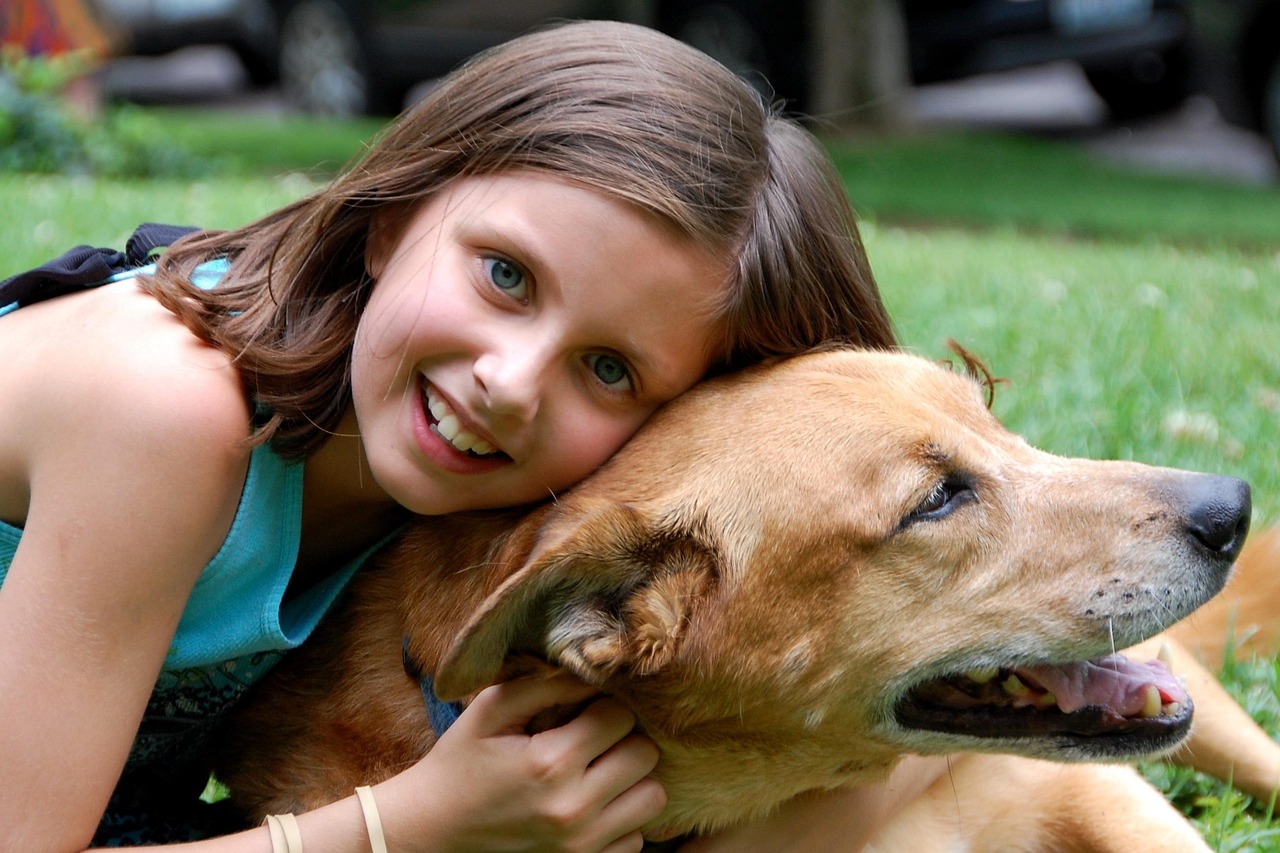
Happy dogs display incredibly loose body language without any visible tension. Their ears won’t be pinned back against their head, and you shouldn’t see the whites of their eyes showing. Think of a content dog as looking like a furry noodle – everything about them appears soft and fluid.
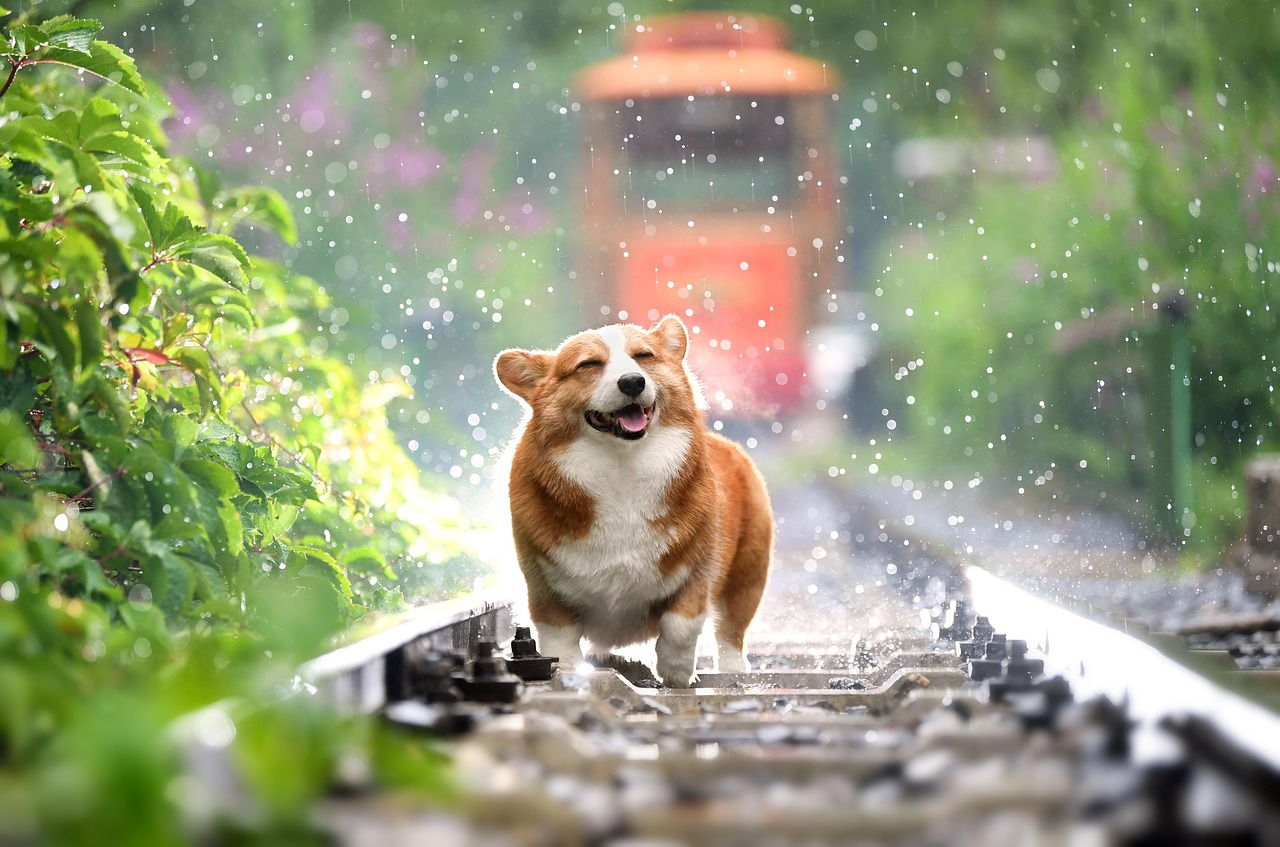
When your dog feels safe and content, their entire body appears loose and relaxed. Look for signs like a wagging tail, a slightly open mouth that almost resembles a smile, or that soft, dreamy gaze. A truly happy dog’s whole body and tail will look relaxed, and they often wiggle with their entire body wagging along with their tail.
The Magic of Belly Exposure
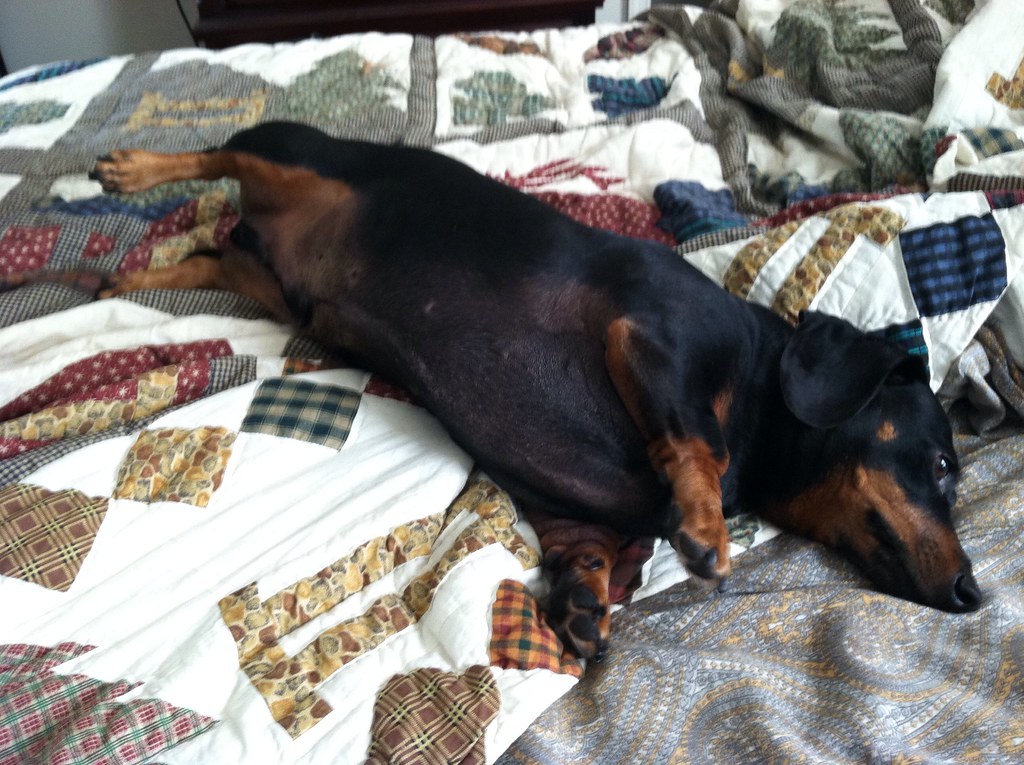
A dog showing you their belly is likely to be a very happy and comfortable dog. This vulnerable position demonstrates complete trust and contentment in their environment. Because a dog’s belly is such a vulnerable spot, when your dog rolls over for a belly rub, they’re indicating that they feel safe and content with you while seeking affection.
Picture this: your dog flops onto their back, legs akimbo, tongue maybe hanging out slightly. A wriggling dog showing you their belly and tongue is likely to be a very happy dog. This isn’t just about wanting belly rubs – it’s their way of saying they feel completely secure in their world with you.
Sleep Patterns Reveal Inner Peace
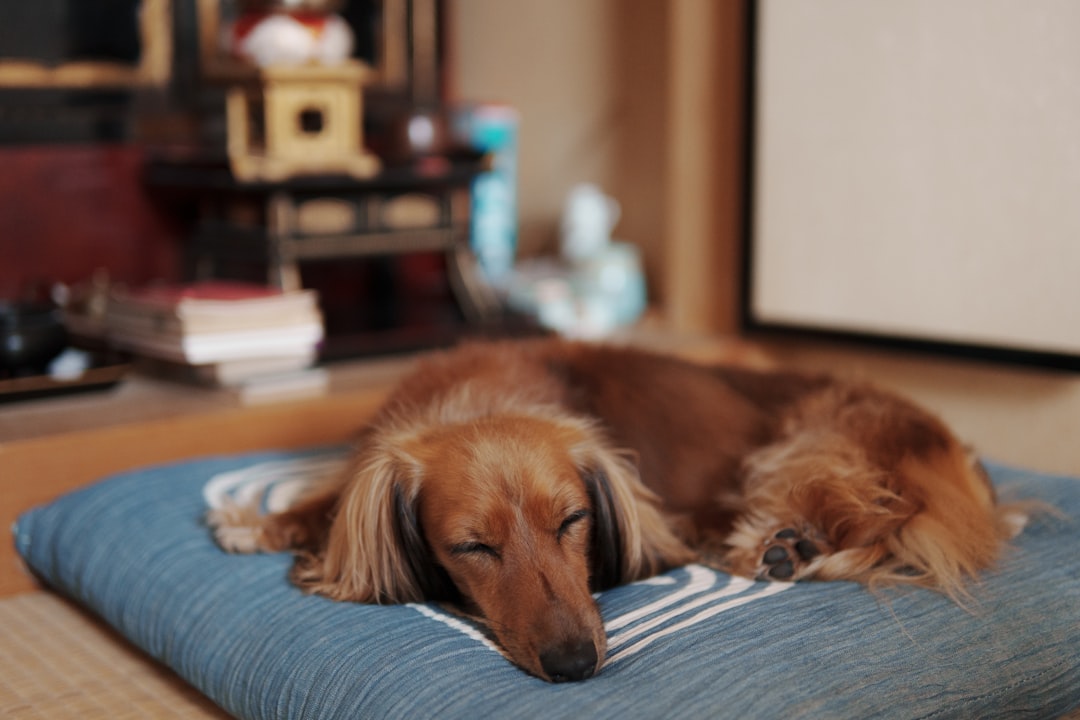
Healthy, happy adult dogs usually sleep for 12-14 hours a day. A healthy adult dog sleeps 12-14 hours per day, and if your pup is getting this much snooze time, it’s a good sign they’re feeling fulfilled and content in their daily lives.
You might catch your dog dreaming with those adorable paw twitches or quiet yips – these are signs they’re in REM sleep, which means they feel secure enough to fully relax. If your dog isn’t sleeping that much, it could be a sign of stress or illness. Think of sleep as your dog’s reset button – the more peacefully they rest, the happier they likely are.
Playful Energy and Zoomies
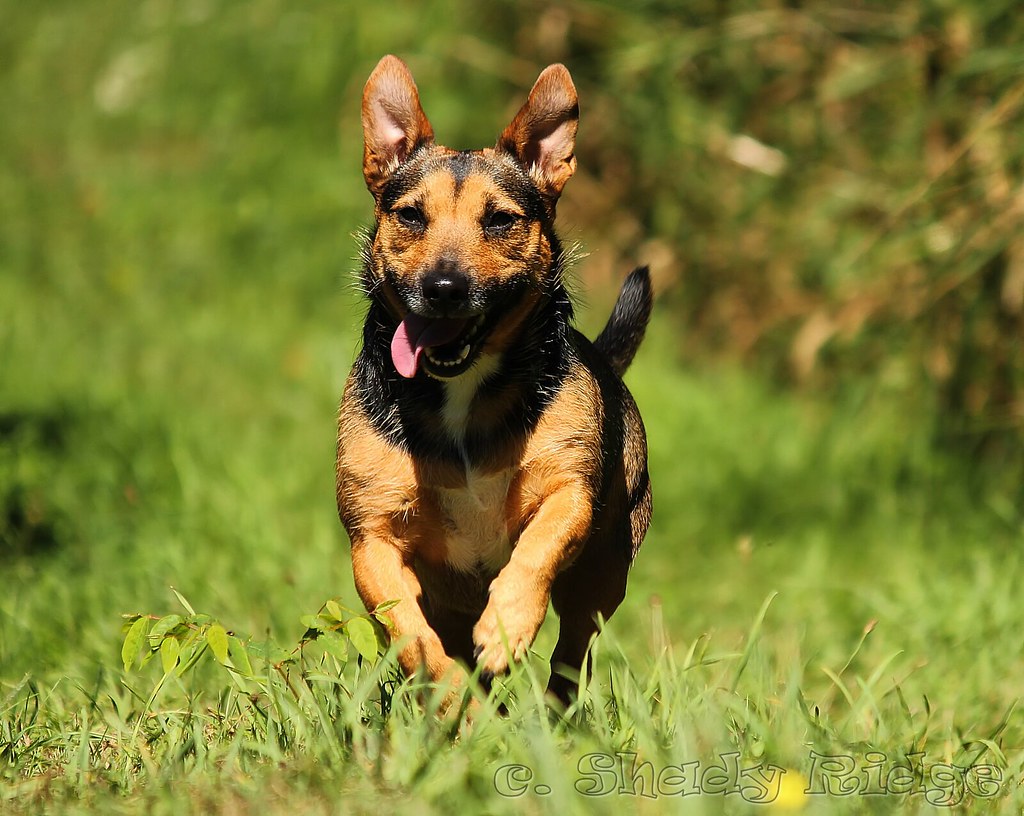
Zoomies, or sudden bursts of energy and running around, are a playful way your dog can show off their happiness. These quick bursts of energy are a great sign of contentment. The classic play bow, where your dog has their chest lowered to the ground and their rear end extended up in the air, is a good indication they are happy and feeling friendly, with researchers finding that dogs play bow most often when there’s a pause in play and they wish to continue.
Those moments when your dog suddenly tears around the house or yard like they’re chasing an invisible friend? That’s pure joy in motion. Pets may express happiness through activity, or “zoomies,” when their owner is home. It’s like they can’t contain their excitement about life – and honestly, isn’t that exactly how we’d want to feel?
Healthy Appetite and Food Enthusiasm

Dogs that are content and feeling well have good appetites, with a change in your dog’s appetite being one of the first signs of potential illness or unhappiness. Regardless of how quickly they eat, dogs that are content and feeling well will have good appetites.
If your dog is stressed or ill, they may refuse food. While every dog has different eating habits, it’s important to check that they are consistent – if your dog’s favorite time is dinnertime and they start showing lack of interest in eating, something else might be going on. A dog who eagerly anticipates meals and maintains their normal eating patterns is typically a content pup.
Soft Eyes and Gentle Facial Expressions
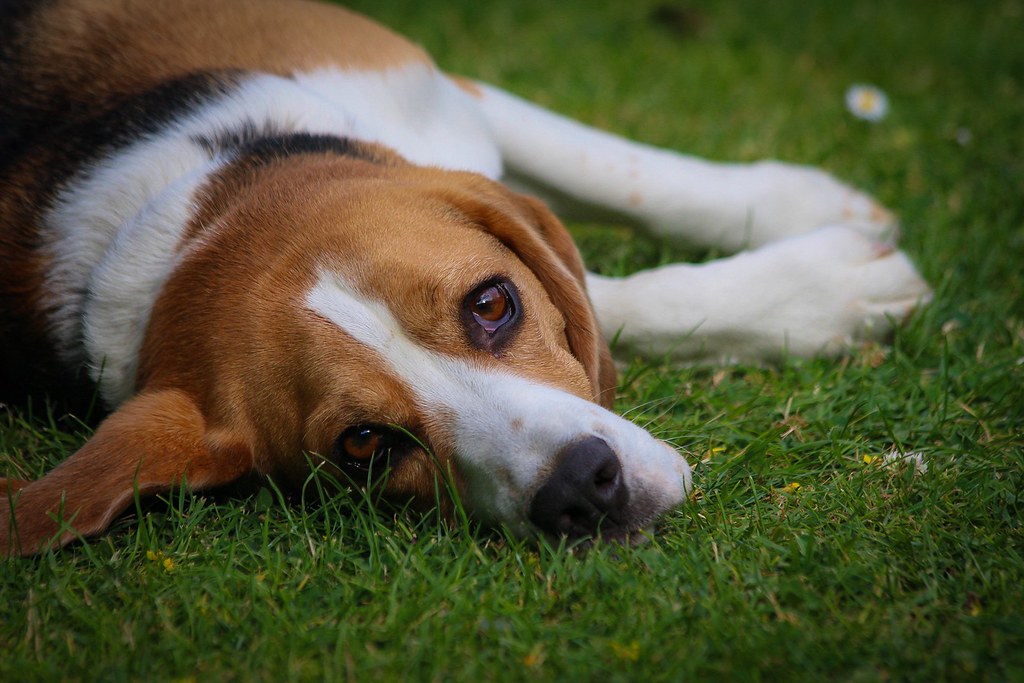
When a dog is happy, their eyes and eyelids will be open and relaxed, their gaze will be soft, and they will blink often. Happy dogs have eyes that are a normal, soft shape with a relaxed and gentle gaze, and they will blink often.
Eye contact is a major sign of trust in dogs, so those loving looks you share while sitting together after a long day are sure signs of a happy dog. When dogs are happy, their eye contact will be relaxed and soft. Dogs and humans have similar facial muscles, so certain facial expressions can show if they feel content, including the absence of a furrowed brow and looking relaxed around the eyes and mouth.
Seeking Affection and Physical Contact
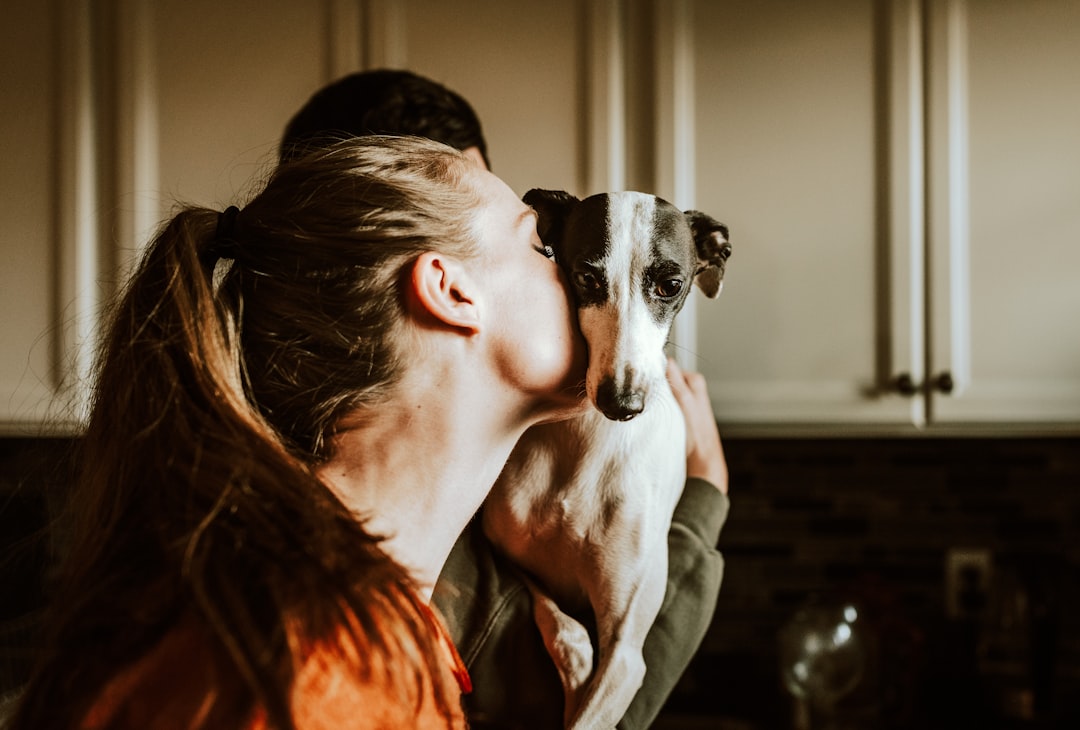
A friendly dog who is feeling happy will likely seek out some affection from you at some point, whether in the form of leaning against you, lying beside you, or asking for pets. Leaning on you, snuggling, and rolling over to request belly rubs are all behaviors generally associated with a strong human-animal bond, which is key for your dog’s happiness.
If your dog reacts positively, stays close, or even leans into your hand during petting, they’re enjoying the contact. Some dogs may follow you from room to room like a little shadow – this isn’t just because they love your company; it’s a sign they feel secure and connected to you. For less overtly affectionate dogs, look for smaller signs of happiness like leaning into you during petting sessions or wagging their tail when you walk in the door.
Good Behavior and Mental Well-being
Happy dogs are unlikely to destroy your home or act “naughty,” while excessive chewing or destructive behavior, particularly in an adult dog, could be a sign of stress or boredom. Happy dogs are usually well behaved, with destructive behavior typically being a sign of boredom and lack of mental stimulation.
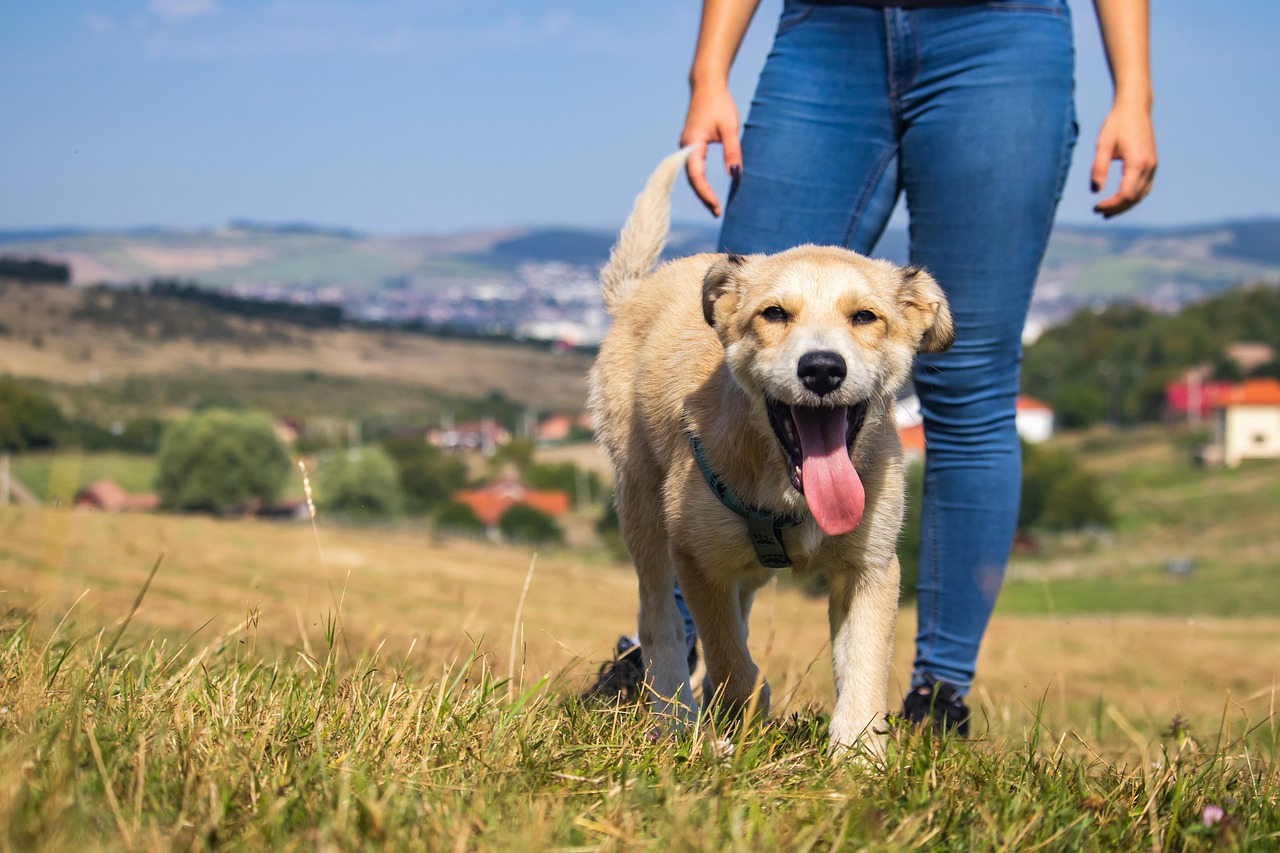
If your dog is well-behaved, it can tell you that they’re feeling fulfilled and happy. Separation anxiety, fears or phobias, and lack of mental or physical stimulation are common causes of destructive behaviors, none of which indicate a happy dog. When out for a stroll, a happy dog is at complete ease with fully relaxed muscles, displaying a loose, bouncy and smooth gait while taking their time to explore everything around them during walks.
Conclusion
Reading your dog’s happiness isn’t about looking for one perfect sign – it’s about observing the complete picture of their daily life. While these can all be signs that your dog is happy, it’s important to look at your dog’s total body language and consider their unique personality when evaluating how they’re feeling, as all dogs are individuals and some may have other ways of showing happiness or contentment.
The beautiful thing about dogs is that they live so fully in the present moment. When they’re happy, their entire being radiates contentment. From those sleepy afternoon naps in a sunny spot to the enthusiastic morning greetings, a happy dog makes their joy impossible to miss. Pay attention to these subtle and not-so-subtle cues, and you’ll develop an even deeper bond with your furry best friend. What signs of happiness do you notice most in your own dog? Tell us in the comments.


