
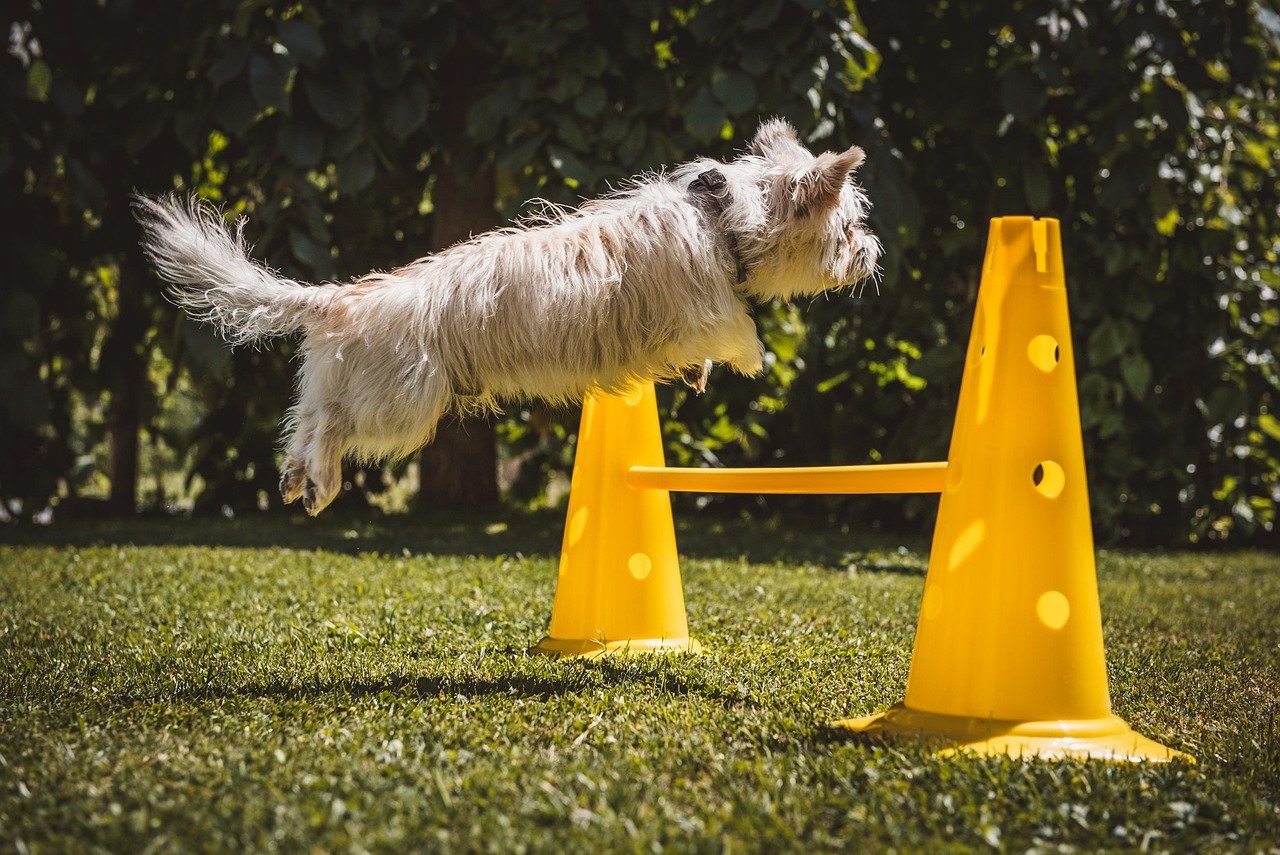
Let me be honest with you. As someone who’s worked with dogs for over two decades, I’ve seen the raised eyebrows when people bring their tiny Chihuahua ing class. The assumption runs deep that small dogs don’t need training, or worse, can’t be trained effectively.
That couldn’t be further from the truth. Small dogs are just as capable of learning complex commands, tricks, and behaviors as their larger counterparts. In fact, some breeds are naturally more suited for faster learning, while small dog breeds are generally quicker to house train thanks to their intelligence and desire to please. The secret lies in understanding that if you make training a fun time for bonding, any breed can learn and enjoy doing it.
So let’s dive into eight remarkable small dog breeds that will surprise you with their eagerness to learn and their incredible trainability.
Toy Poodle: The Brainy Pocket Rocket
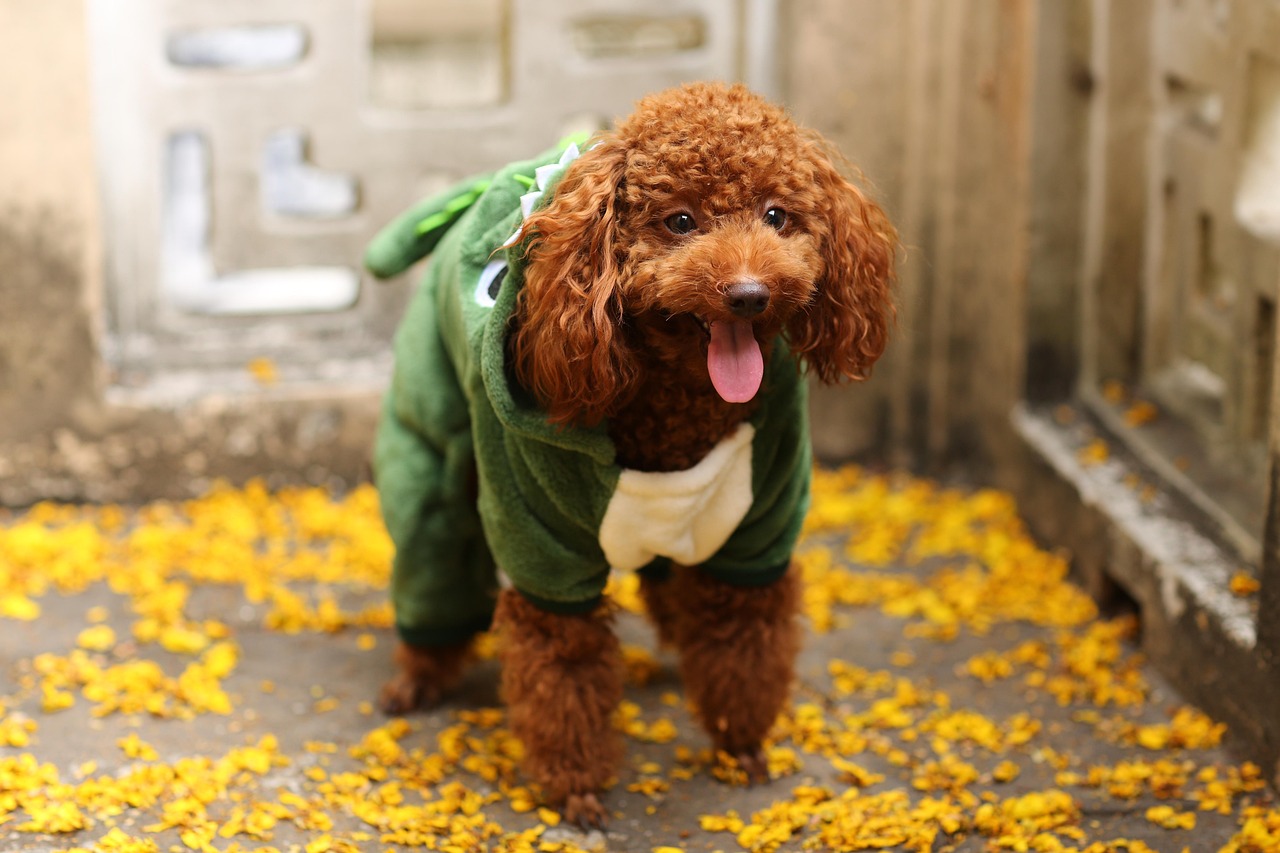
Don’t let that fluffy, adorable exterior fool you. Toy Poodles, like their Miniature and Standard counterparts, are a highly intelligent dog breed. Their smarts and eagerness to please their owners make them a very trainable breed. These little intellectuals absolutely thrive on mental challenges.
What makes Toy Poodles particularly special is these “thinking” dogs pay close attention to their humans and respond eagerly to positive training methods. They pick up commands so quickly that you’ll often find yourself wondering if your pup is reading your mind. Poodles are often seen in sports like agility and obedience trials, showcasing their quick learning abilities.
Papillon: The Butterfly With Brains
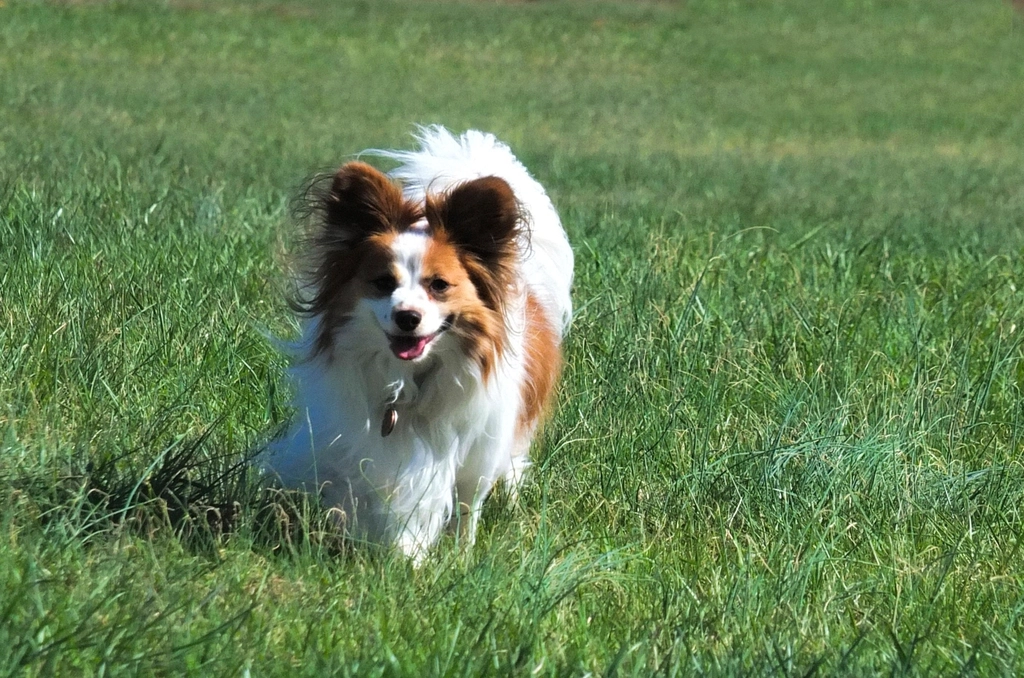
Despite their small size, Papillons are incredibly intelligent and trainable. They have a keen sense of curiosity and are eager to learn new tricks and commands. Picture a dog that weighs just five to ten pounds but has the confidence of a Great Dane.
What makes Papillons such great candidates for training is their combination of intelligence and eagerness to please. Papillons are quick learners, mastering tricks and commands with ease. Their butterfly-like ears aren’t just for show. They are also highly agile, which puts them at the top of agility competitions.
Miniature Schnauzer: The Determined Little Worker
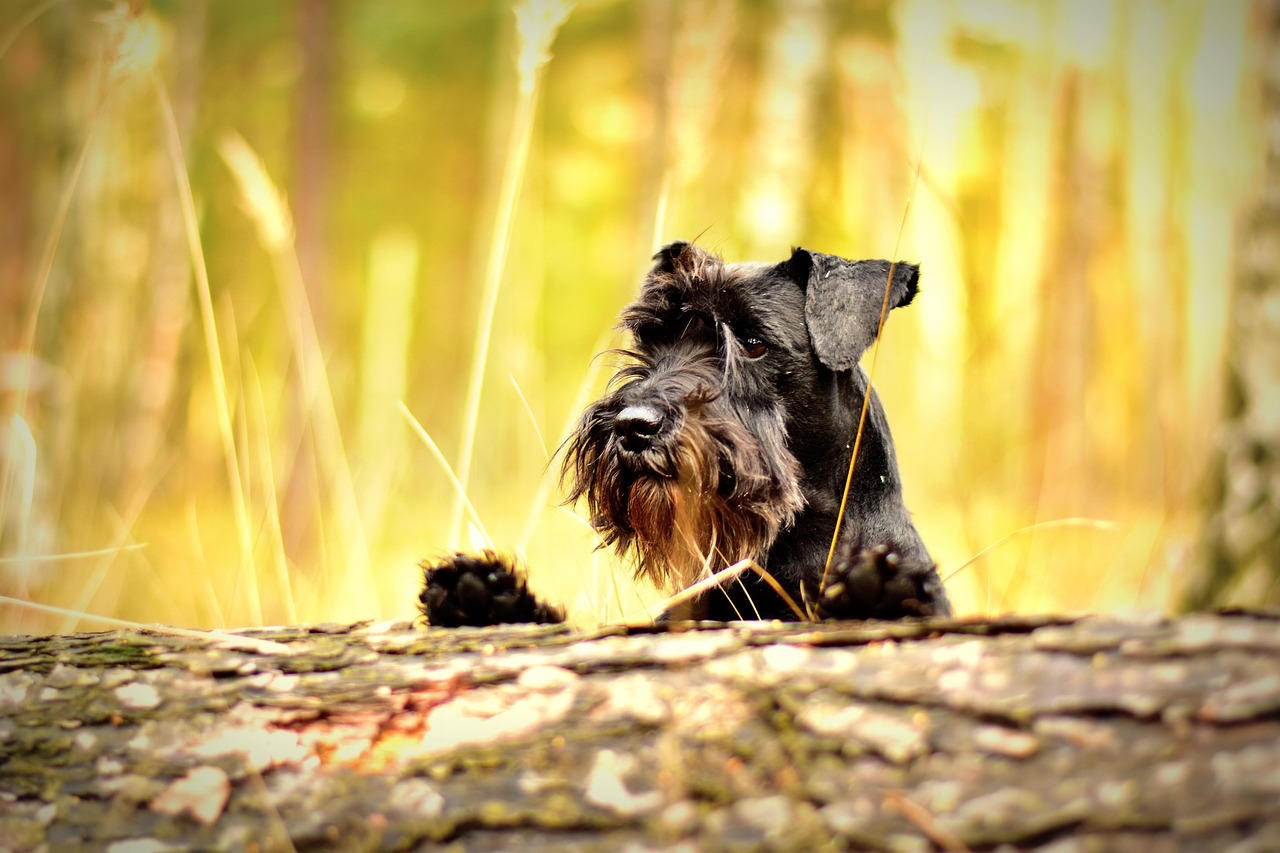
These bearded beauties bring serious work ethic in a compact package. Once bred to be a rat hunter, today the Mini Schnauzer likes being the center of their family’s life. With a need to please and energy to spare, consistent and patient owners find this affectionate companion quite easy .
Known for being reliable and attentive, Miniature Schnauzers are quick learners. With positive reinforcement, consistency, and patience, Schnauzers can learn the basics of potty training quickly with consistent effort. They thrive in structured environments and appreciate gentle, consistent guidance, as they can be quite sensitive.
Pembroke Welsh Corgi: Small But Mighty
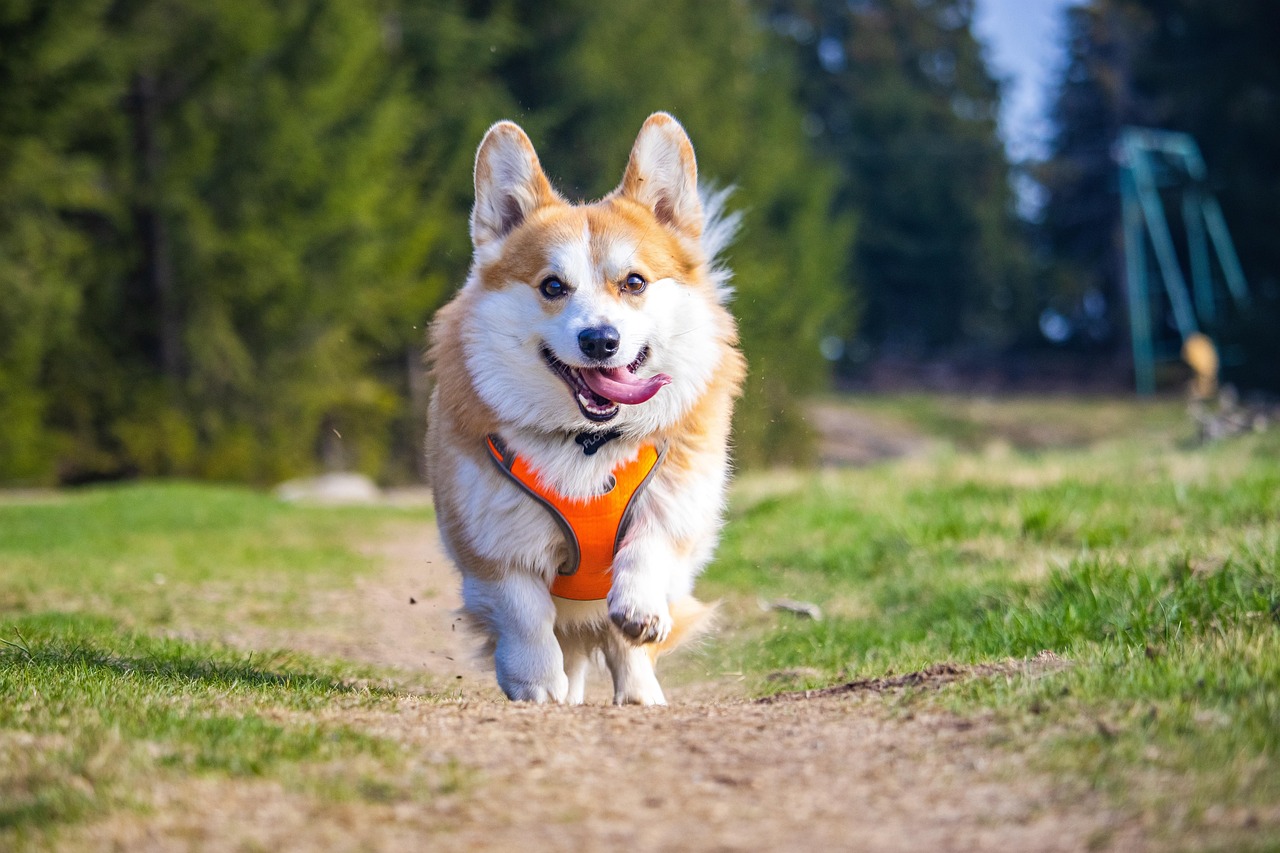
Those stubby legs and that wiggling behind hide a remarkably sharp mind. The Pembroke Welsh Corgi is a breed that responds wonderfully ing and is an enthusiastic dog sport competitor. These relatively small dogs are playful and keen to please their owners.
These poochies are so smart they can herd and drive animals that are 50 times their size. Although kept mainly for pets today, they’re still incredibly quick to learn whatever you want to teach. Their herding background means they’re naturally wired to work with humans and respond to direction.
Shetland Sheepdog: The Gentle Genius
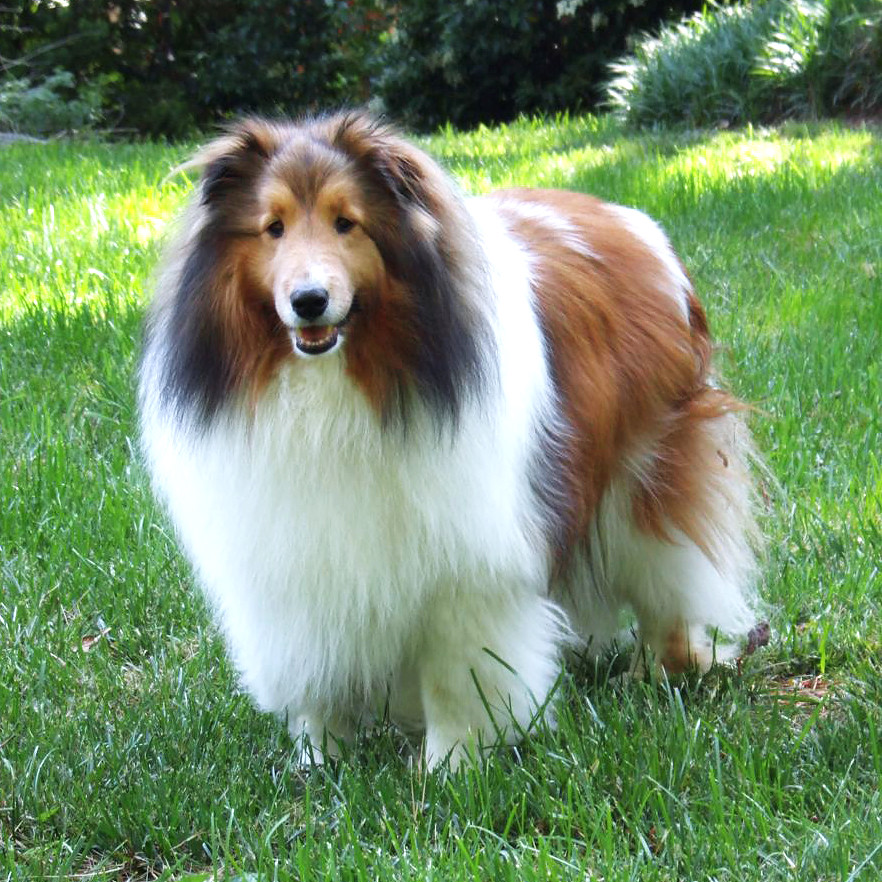
Shelties are small, intelligent herding dogs. They are known for their quick learning and obedience. Due to their herding instincts, they excel in agility training and can quickly pick up on various commands. Think of them as Border Collies in a more manageable size.
Meet the Shetland Sheepdog, a breed known for their intelligence and trainability. They are known for their strong sense of loyalty and devotion to their owners, and they will do anything to please them. They are highly trainable and excel in obedience and agility competitions.
Boston Terrier: The American Gentleman Scholar
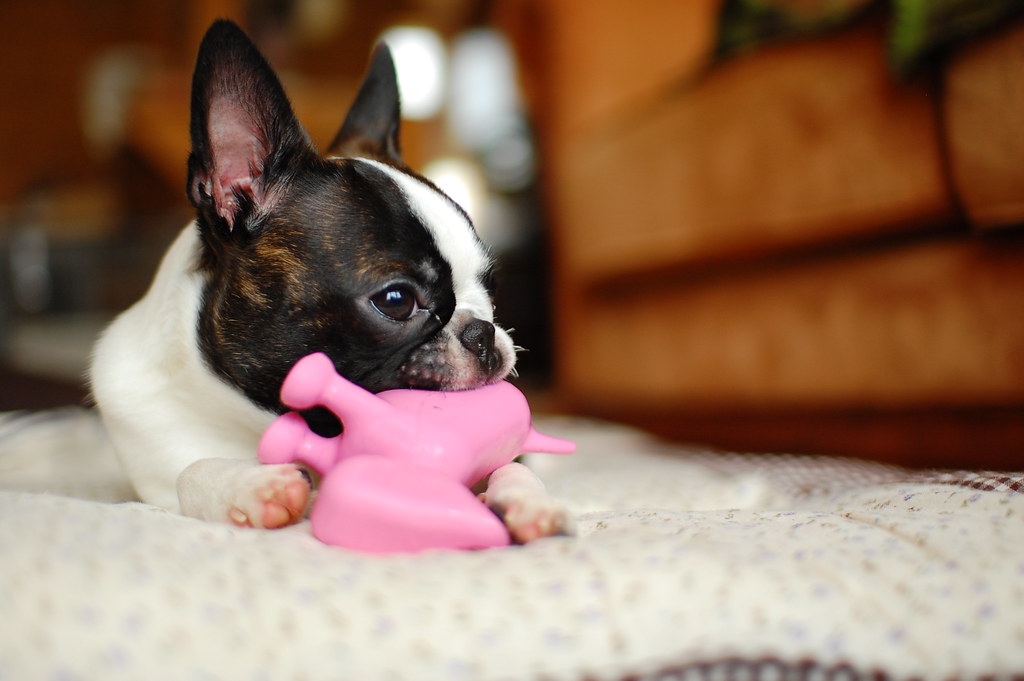
Gentle and intelligent, this woofderful companion is one easy dog ! Boston Terriers earned their stellar reputation through generations of breeding for temperament and intelligence. Boston Terriers are intelligent dogs who are eager to please their humans. They’re relatively easy , but they do best with short and varied training sessions to avoid boredom.
What I love about Boston Terriers is their adaptability. They’re content whether you’re teaching them basic manners or more complex tricks. Their tuxedo markings aren’t the only thing that makes them distinguished.
Havanese: The Happy Student
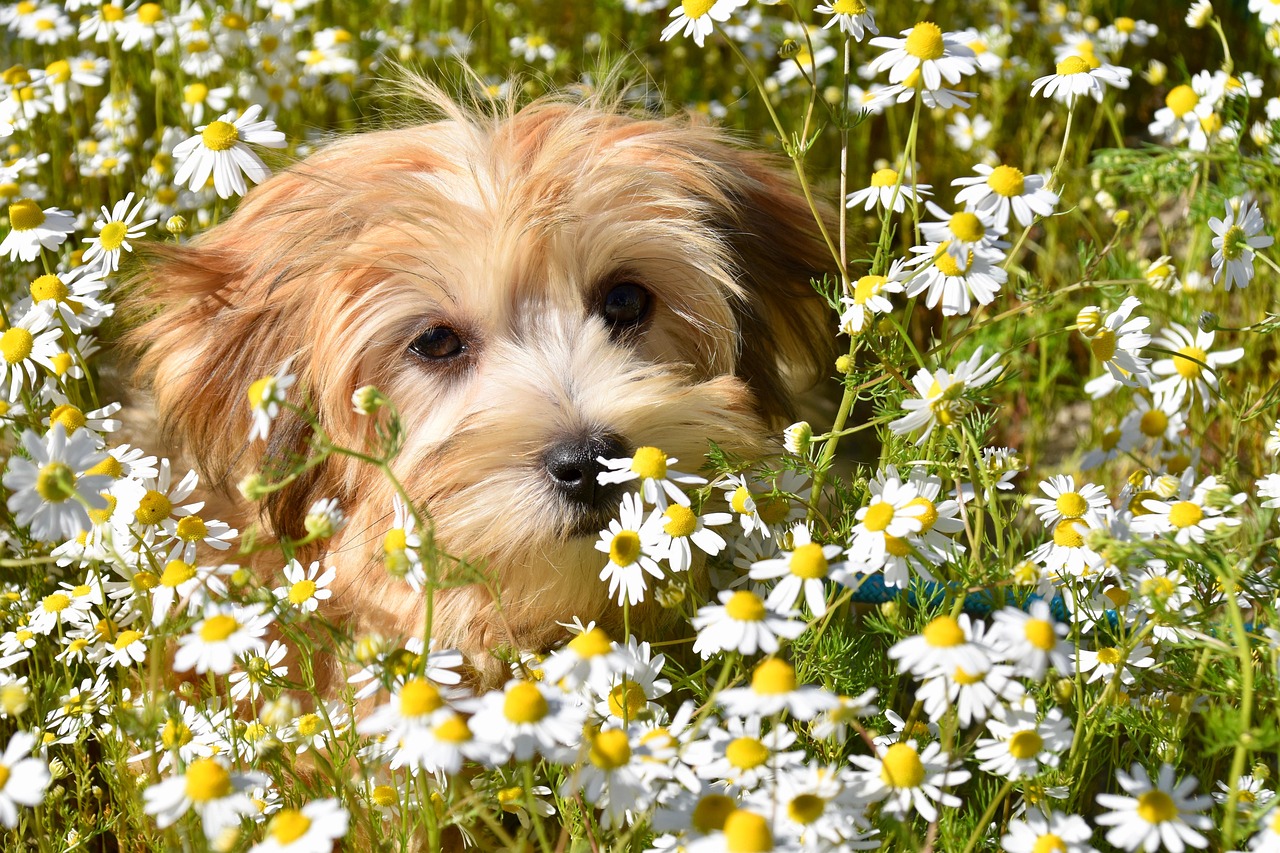
Havanese dogs are playful and eager to please, making them quick learners. These little dogs love learning new tricks and easily adapt to new environments. Their desire to please their humans makes them excellent candidates for potty training, and they often pick up on the process faster than other breeds.
These Cuban charmers have personalities as sunny as their homeland. They genuinely seem to enjoy the learning process, turning training sessions into delightful bonding experiences. Their food motivation makes positive reinforcement training incredibly effective.
Bichon Frise: The Cloud With A Brain
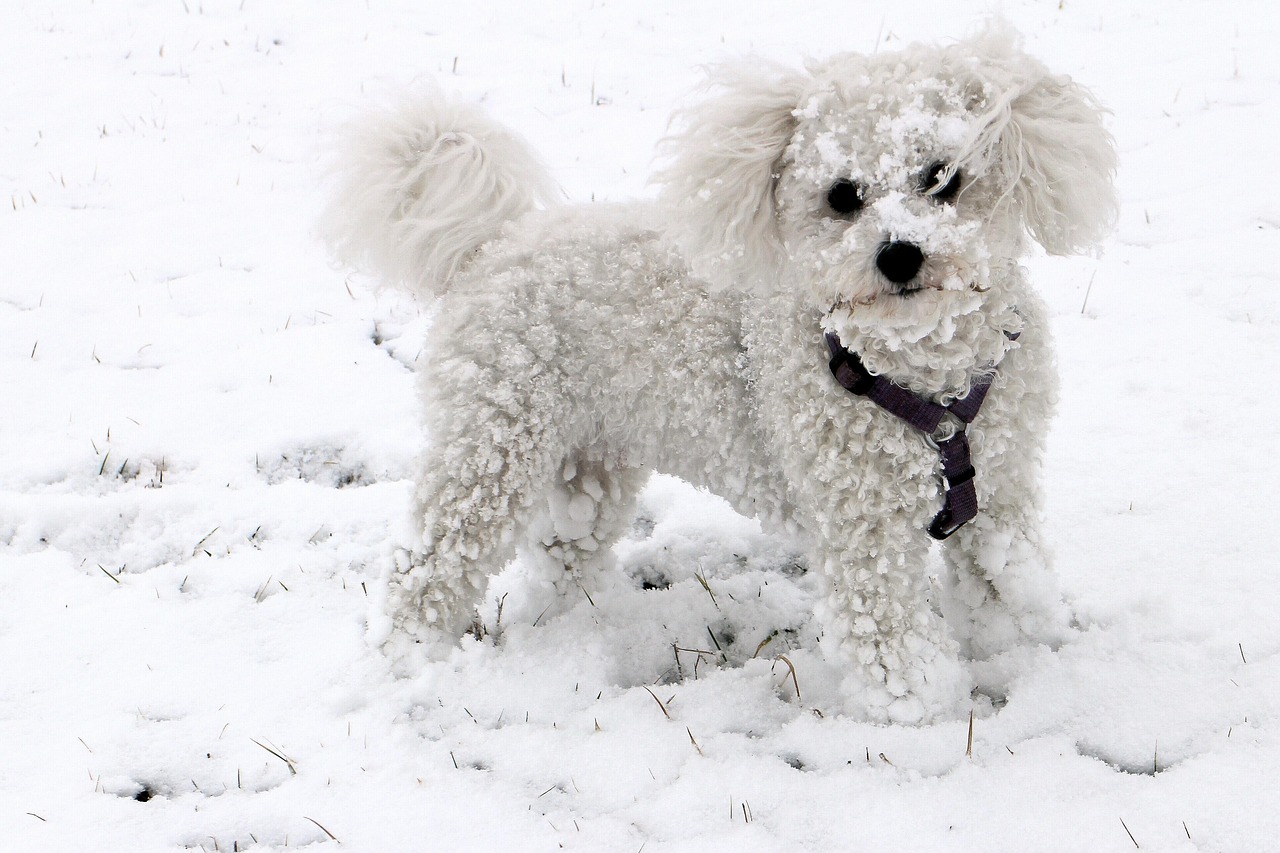
The Bichon Frise is a highly intelligent breed that takes well ing and learning new tricks. They’re quick learners, so training them doesn’t require too much effort. That fluffy white coat might make them look like a living cotton ball, but don’t be deceived.
Perhaps the most redeeming quality of the Bichon Frise is their emotional intelligence. They know how to read the room and are gifted with the ability to sniff out who needs their love and snuggles the most. This emotional awareness translates beautifully ining success.
Why These Breeds Excel At Training
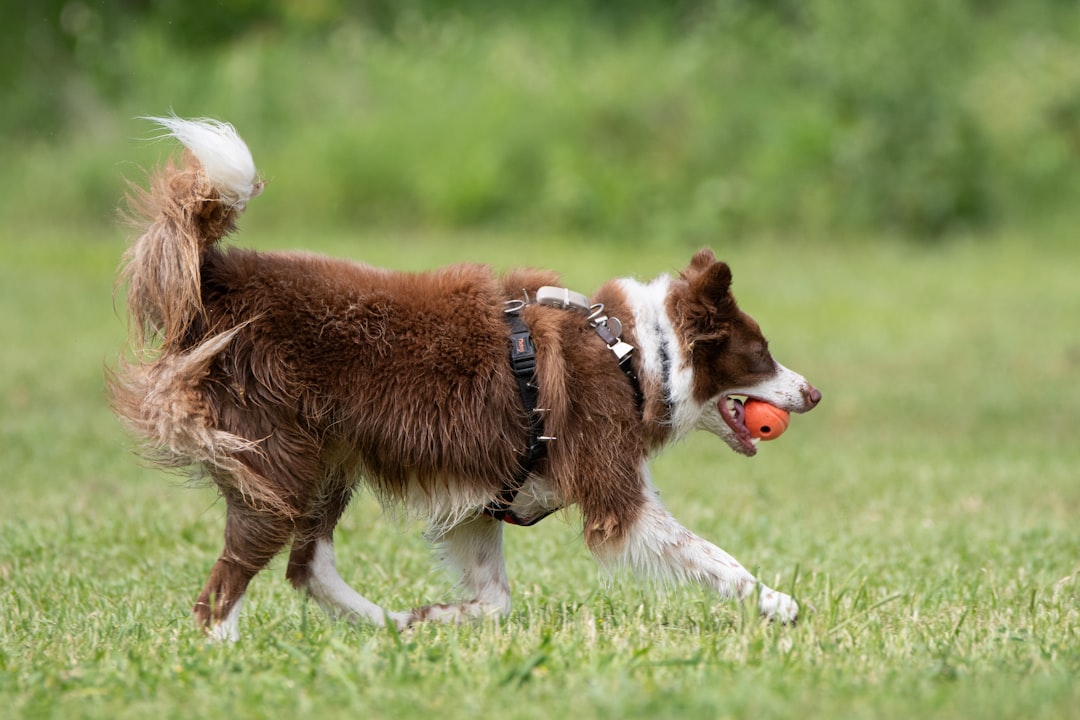
You might wonder what sets these eight breeds apart. The answer lies in their breeding history and temperament. Breeds that were historically bred for tasks like herding, retrieving, or guarding often possess high levels of intelligence and problem-solving abilities. Breeds that were developed for specific purposes, such as herding or hunting, needed to work closely with humans and understand commands. This selection for cooperation and communication with humans has resulted in breeds that are naturally more trainable.
A dog’s mental abilities are among the most important factors in house training success. Studies have shown that dogs have cognitive skills comparable to those of a 2 to 2.5-year-old child, with the ability to learn up to 165 words. Small doesn’t mean simple when it comes to these remarkable breeds.
Training Tips That Actually Work
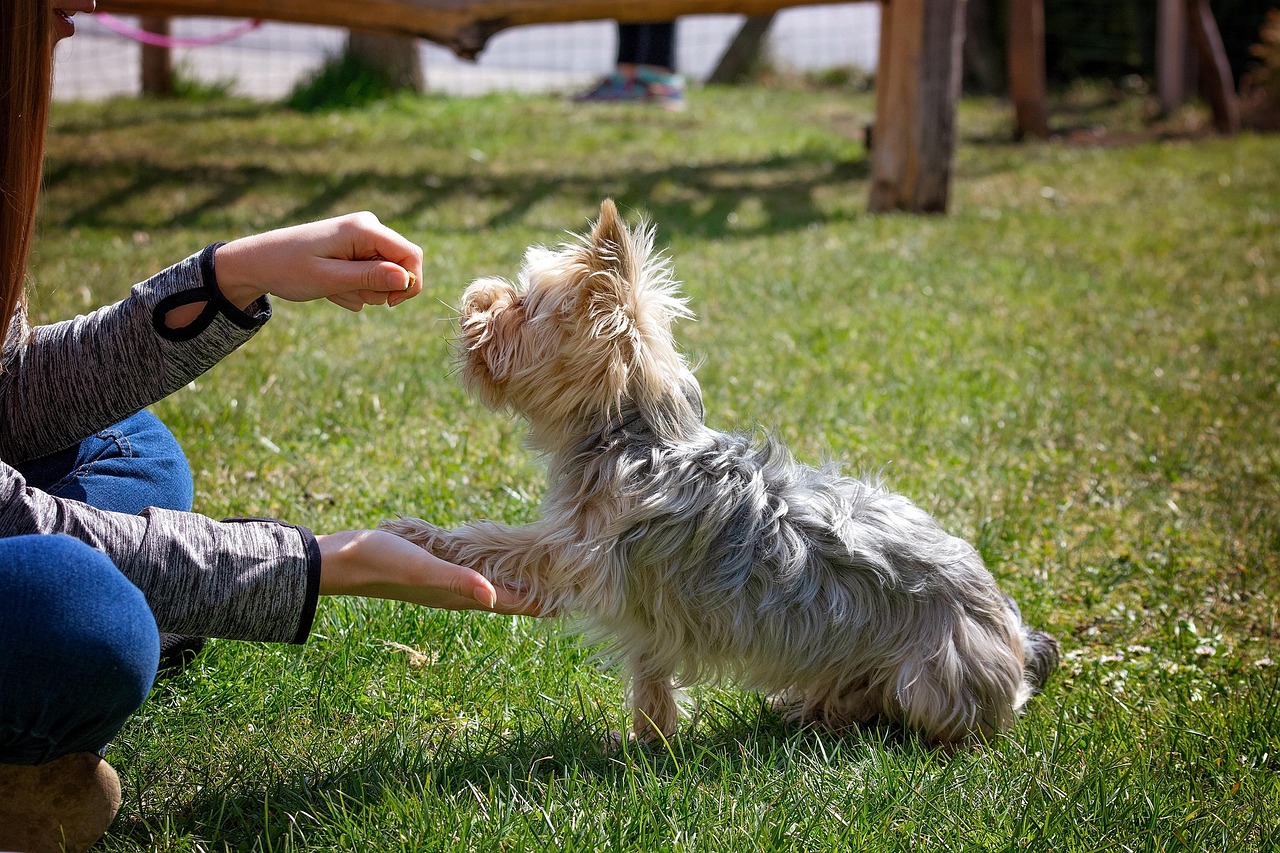
Training small dogs requires some special considerations. Puppies and small dogs have limited attention spans. To make your training successful, make it fun – for both you and the dog. For example, when you teach your dog to come, you will start by giving him treats when he responds to his name.
Small dogs have shorter attention spans than larger breeds, so it’s important to keep training sessions short and sweet. This will help your dog stay focused and engaged, and prevent them from getting bored or frustrated. Aim for training sessions of around 10-15 minutes, and gradually increase the length of the sessions as your dog’s attention span improves.
The Power Of Positive Reinforcement
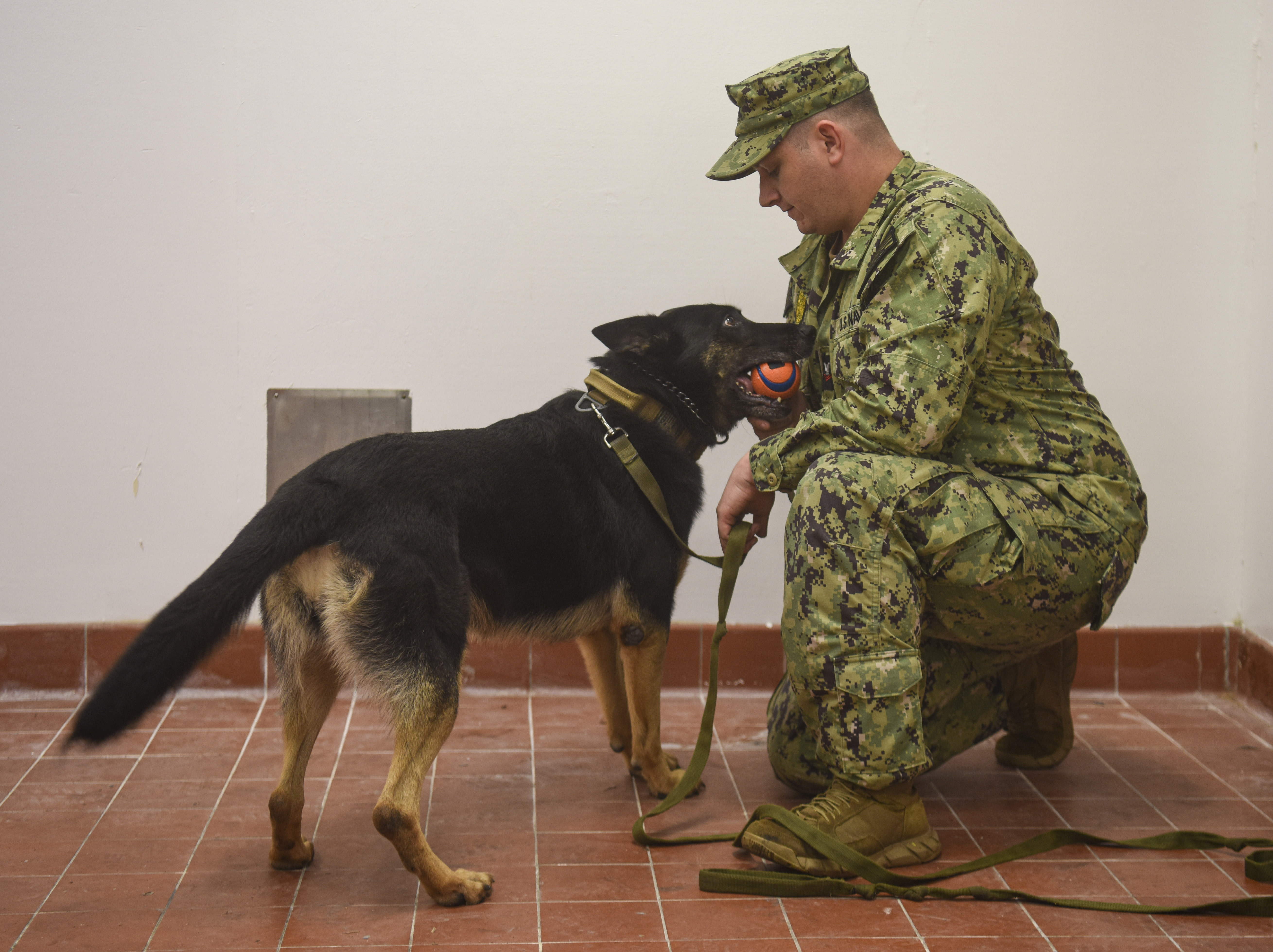
Researchers found that punishment methods are not as productive as positive training methods. Positive approaches involve treats, playtime, and praise as rewards for good behavior. This method is better for the relationship you have with your dog, and it is also far more effective.
Using positive reinforcement – such as treats, praise, or play – encourages them to stay motivated and eager to learn. Above all, patience is essential, as every dog learns at their own pace. With the right mix of consistency, encouragement, and understanding, training can strengthen your bond and set the foundation for a happy, well-behaved canine companion.
Common Training Mistakes To Avoid
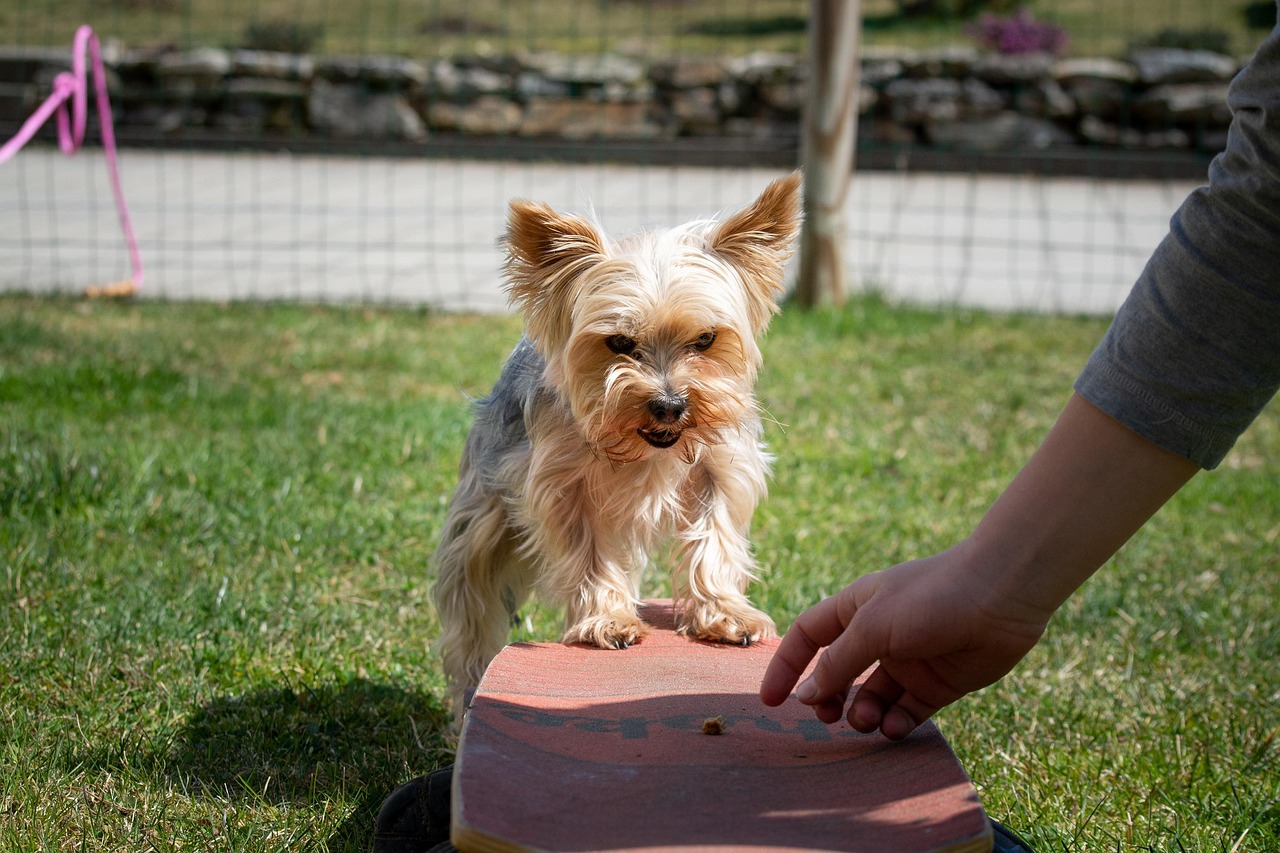
One of the biggest mistakes I see with small dog owners is the “small dog syndrome” trap. If you give in to your little pal’s begging to be held, or pick him up whenever he’s doing something naughty, he may develop “small dog syndrome.” This is a common term for the anxious and sometimes aggressive behaviors that can often be seen in small-breed dogs. Treat being picked up and held as another privilege your small buddy must earn.
Some small dogs are given fewer opportunities because dog owners may think they require less training. Similarly, some small dog owners fall into a pattern of picking their small dogs up instead of addressing the dog’s underlying feelings about the difficult behaviors.
Setting Your Small Dog Up For Success
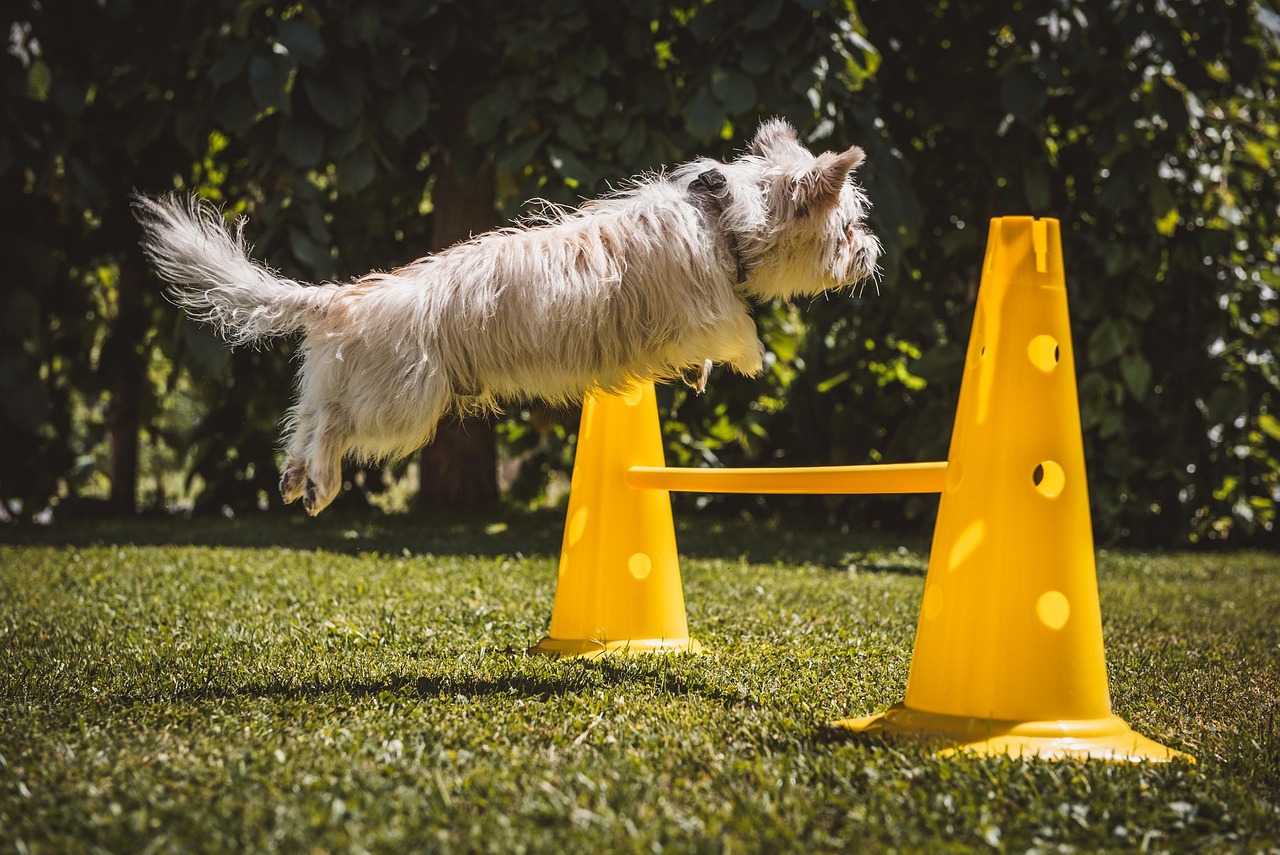
Creating the right training environment matters enormously for small breeds. When training small dogs, safety is the top priority. Because of their size, it’s easy for small dogs to get accidentally injured by interacting with larger dogs. When socializing a small breed puppy, always consider the size and level of training of the other dogs. To reduce the likelihood of accidental injury, it’s safest for small dogs to interact with dogs of similar size.
High-value training treats are an effective tool for rewarding behavior. But you have to be cautious about treats for small dogs. Their small bodies typically only need a few hundred calories daily; treats can push them over their limit and cause unhealthy weight gain.
Beyond Basic Obedience
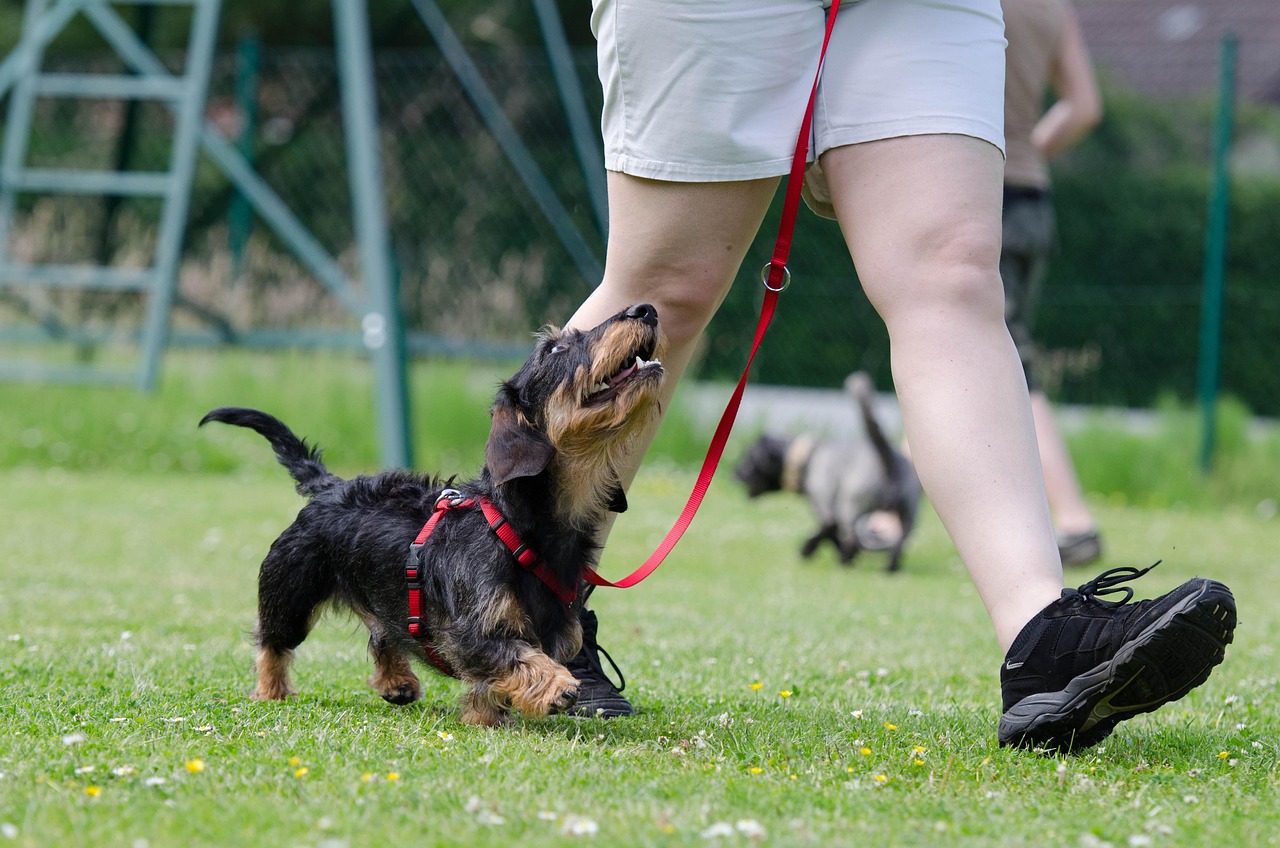
These eight breeds aren’t just capable of basic commands. They excel at complex tasks too. They thrive on mental and physical stimulation, making them excellent candidates for training in various dog sports and activities. They are very highly trainable dogs, often used for herding cattle or sheep.
From agility courses to therapy work, these small powerhouses prove that size truly doesn’t matter when it comes to capability. Their intelligence combined with their eagerness to please creates endless possibilities for advanced training.
Conclusion
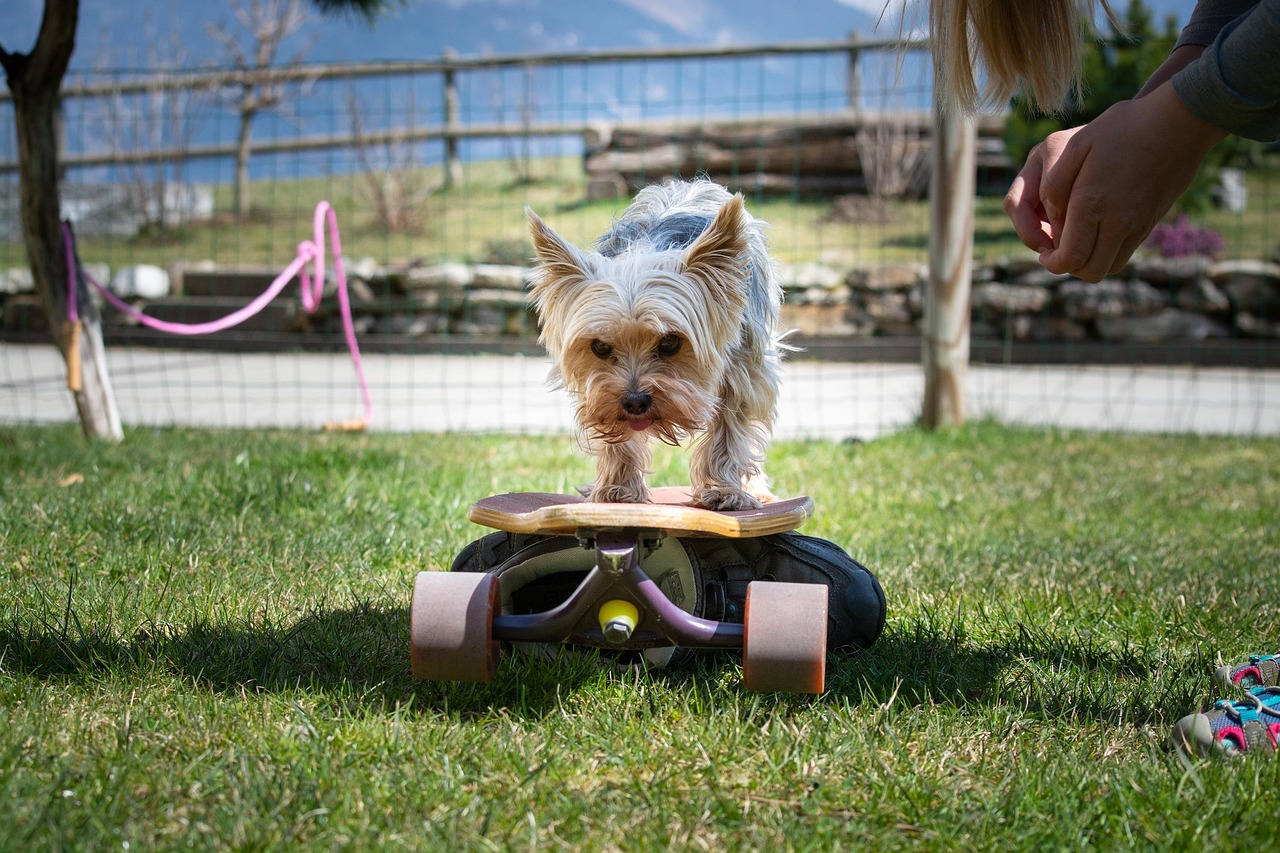
Training a small dog isn’t just about teaching them to sit and stay. It’s about unlocking their incredible potential and building a partnership based on mutual respect and understanding. These eight breeds represent some of the most trainable companions you could hope for, packed into perfectly portable packages.
Remember, at the end of the day, small dogs are still dogs. They benefit from the same training and enrichment as larger dogs. Your little companion is capable of far more than you might imagine. What adventures will you and your small but mighty friend embark on together? Tell us about your training successes in the comments!


