

Have you ever wondered why your Lab seems to know exactly when you need a furry shoulder to lean on? That moment when your golden companion pads over quietly, rests their gentle muzzle on your knee, and looks at you with those knowing eyes. It’s like they’ve unlocked some secret code to your heart, reading every emotional shift before you’ve even fully processed it yourself.
Your Lab’s emotional intelligence isn’t just impressive. It’s actually backed by fascinating science that reveals these dogs possess remarkable abilities to tune into human feelings in ways that would make even trained therapists jealous.
The Science Behind Their Emotional Radar
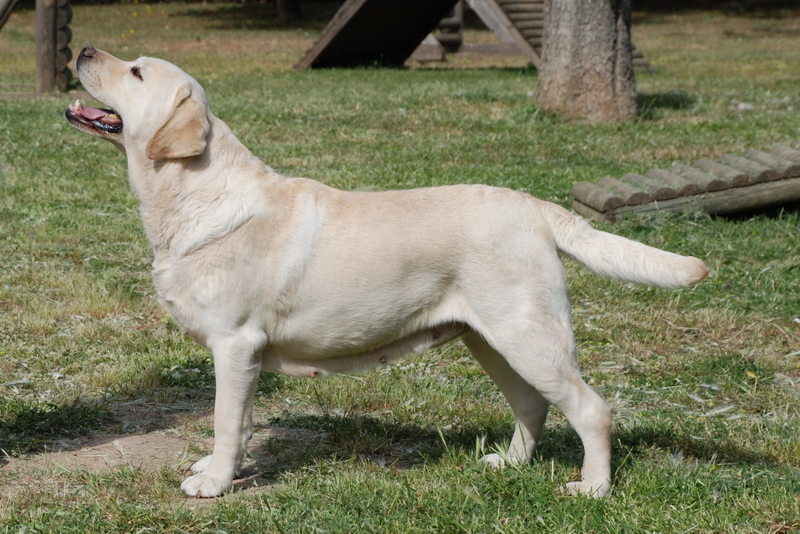
Labrador Retrievers rank as the seventh most intelligent dog breed, with Labs excelling at reading human emotions and responding appropriately to social cues. Recent research shows these dogs don’t just pick up on your moods by chance.
Dogs’ brains have dedicated areas that are sensitive to voice, similar to those in humans, with researchers finding that dogs possess voice-processing regions in their temporal cortex that light up in response to vocal sounds. Dogs respond not just to any sound, but to the emotional tone of your voice, with brain scans revealing that emotionally charged sounds activate dogs’ auditory cortex and the amygdala.
They’re Literally Wired for Love

When dogs and humans make gentle eye contact, both partners experience a surge of oxytocin, often dubbed the “love hormone”, with owners who held long mutual gazes with their dogs having significantly higher oxytocin levels afterwards. This isn’t just coincidence. The human-dog bond is facilitated by the interaction of oxytocin feedback loops that emerged over the course of domestication.
This chemical connection creates what researchers call a positive feedback loop. Your Lab looks at you lovingly, oxytocin floods both your systems, you feel more connected, and the cycle continues. This oxytocin feedback loop reinforces bonding, much like the gaze between a parent and infant, with this effect being unique to domesticated dogs as hand-raised wolves did not respond the same way to human eye contact.
The Sniff Test for Emotions
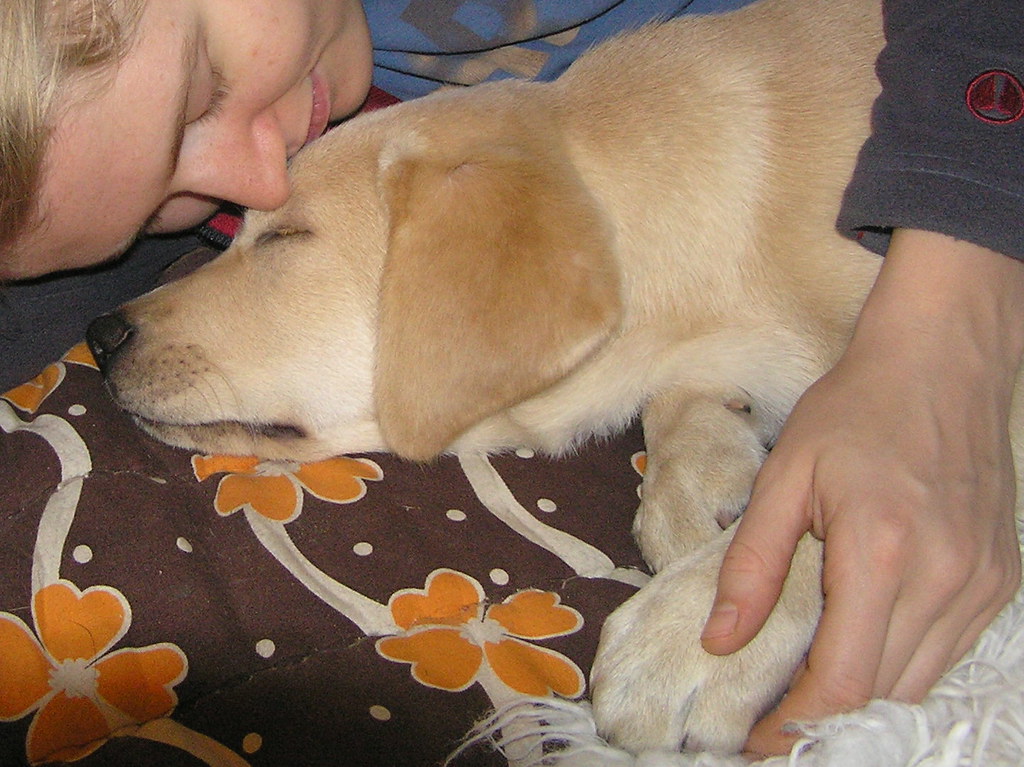
Your Lab’s emotional intelligence extends beyond what they see and hear. In a 2018 study, dogs exposed to sweat from scared people exhibited more stress than dogs that smelled “happy” sweat, with your anxiety smelling unpleasant to your dog, whereas your relaxed happiness can put them at ease.
Picture this scenario: you come home after a particularly stressful day at work. Before you’ve even said hello, your Lab approaches more cautiously than usual, perhaps offering gentle comfort rather than their typical bouncy greeting. They can sniff out emotions, as dogs exposed to sweat from scared people exhibited more stress than dogs that smelled “happy” sweat.
Masters of Micro-Expressions

Another study conducted by Eötvös Loránd University in Hungary demonstrated that dogs can distinguish between happy and angry human faces. Your Lab notices the subtle changes in your facial expressions that even your closest friends might miss.
Dogs possess remarkable emotional intelligence, able to read human emotions through facial cues, body language, and vocal tones, allowing them to bond deeply with humans and exhibit empathy while providing comfort during distress. They’re constantly scanning your face for emotional information, processing it faster than you might expect.
Why Labs Excel Above Other Breeds

Some breeds are naturally more empathetic and perceptive, like Labrador Retrievers and Border Collies, with these breeds often used for therapy and assistance due to their innate ability to understand and respond to human emotions effectively. What sets Labs apart from other breeds isn’t just their intelligence.
Labs are well-known for their calm demeanor, ability to sense human emotions, and responsive and obedient nature, with all of these features making them an excellent choice for those who are looking for a dog to help them with their daily lives. Their high emotional intelligence, combined with their eager-to-please nature and adaptability, makes them excellent family companions who get along well with children and other pets.
Evolution’s Perfect Emotional Companion

Dogs have smaller brains than their wild wolf ancestors, but in the process of domestication, their brains may have rewired to enhance social and emotional intelligence. This rewiring wasn’t accidental. The answer to how dogs became so remarkably attuned to human emotions lies in their evolutionary journey alongside us, with their brains possibly rewiring during domestication to enhance social and emotional intelligence.
Breeding animals to be friendly and social can enhance the brain pathways that help them form bonds, with thousands of years living as our companions having fine-tuned brain pathways for reading human social signals. Labs represent the pinnacle of this evolutionary partnership.
Their Intuitive Response System

Dogs are very good at sensing human emotions, and they will almost always be aware when you’re feeling depressed or anxious about something, with their natural response being to offer comfort, especially when they’ve had the right training. Your Lab doesn’t just recognize your emotions – they instinctively know how to respond.
Labs don’t just offer love; they radiate emotional support energy, being intuitive, deeply in tune with your mood, and having this amazing ability to make even the worst days feel lighter. They are fiercely loyal, great at understanding human emotions, and their mere presence is enough to make most people happy.
Beyond Pet Ownership: Professional Recognition

Labrador retrievers consistently exhibit an ideal temperament that complements the unique needs of the people we serve, including veterans with PTSD, children with autism and neurodevelopmental disabilities, and adults with physical challenges, with their outgoing, eager to please, observant, and highly affectionate personalities making them adept at providing comfort and joy to their human partners.
Labrador Retrievers are highly motivated, quintessential working dogs, with their enthusiasm having a positive effect on people with anxiety and depression, making them perfect ESAs. Professional organizations worldwide recognize what many Lab owners already know – these dogs possess exceptional emotional awareness abilities.
Conclusion

Your Labrador’s ability to sense and respond to your emotions isn’t just well-trained behavior or wishful thinking. From brain regions devoted to processing our speech to the “love hormone” or oxytocin that surges when we lock eyes, your dog’s mind is hardwired to pick up on what you’re feeling. Science has proven what Lab lovers have always suspected: these remarkable dogs truly do understand us better than we might understand ourselves.
They excel at picking up on what you’re projecting and respond accordingly, meeting us emotionally in a way few other animals can. The next time your Lab seems to magically appear during a difficult moment, remember – it’s not magic at all. It’s millions of years of evolution, specialized brain structures, and a heart that’s genuinely tuned to yours.
What do you think about your Lab’s emotional superpowers? Have you noticed moments when your furry friend seemed to know exactly what you needed before you did?


