
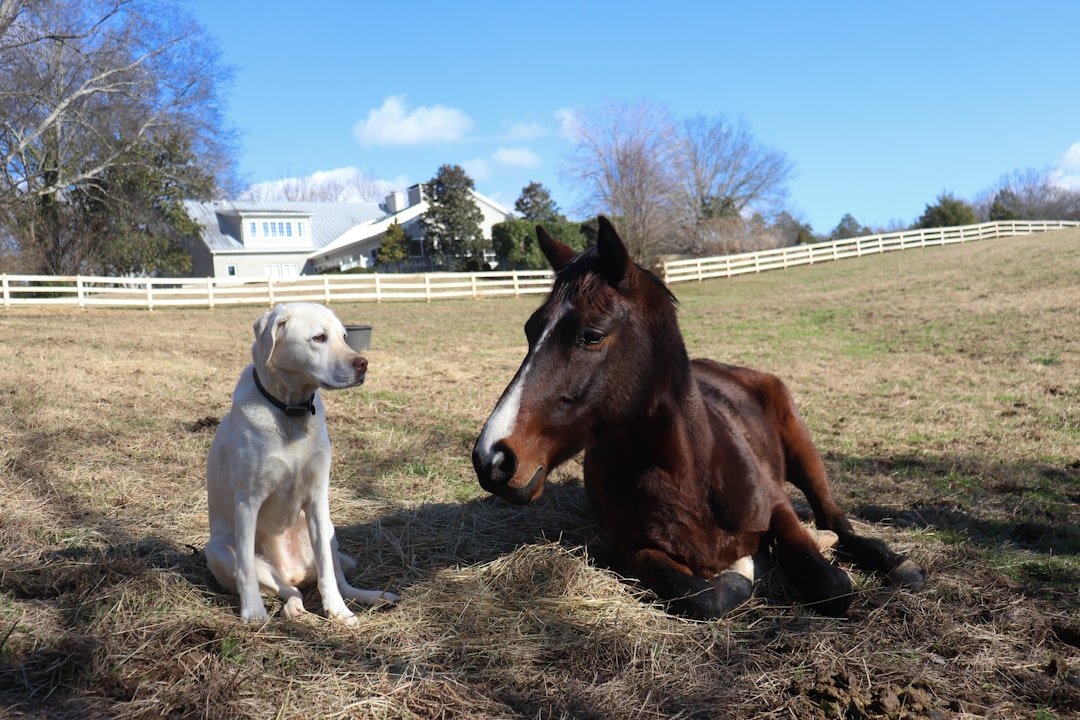
Picture this: your beloved four-legged companion trotting peacefully alongside your majestic horse, both working in perfect harmony across sprawling pastures. This isn’t just a romantic ranch fantasy – it’s an achievable reality with the right canine partner. Not every dog breed can handle the size, energy, and unique presence of horses, yet certain breeds possess that magical combination of intelligence, temperament, and instinct that makes them natural equine companions.
Whether you’re looking for a trustworthy barn helper, a gentle trail companion, or a vigilant guardian for your stable yard, choosing the right dog breed can transform your equestrian experience. Some dogs instinctively understand horse behavior, while others need careful training to respect these magnificent animals. The key lies in understanding which breeds have the right temperament, energy levels, and natural instincts to thrive in an equine environment.
Border Collie
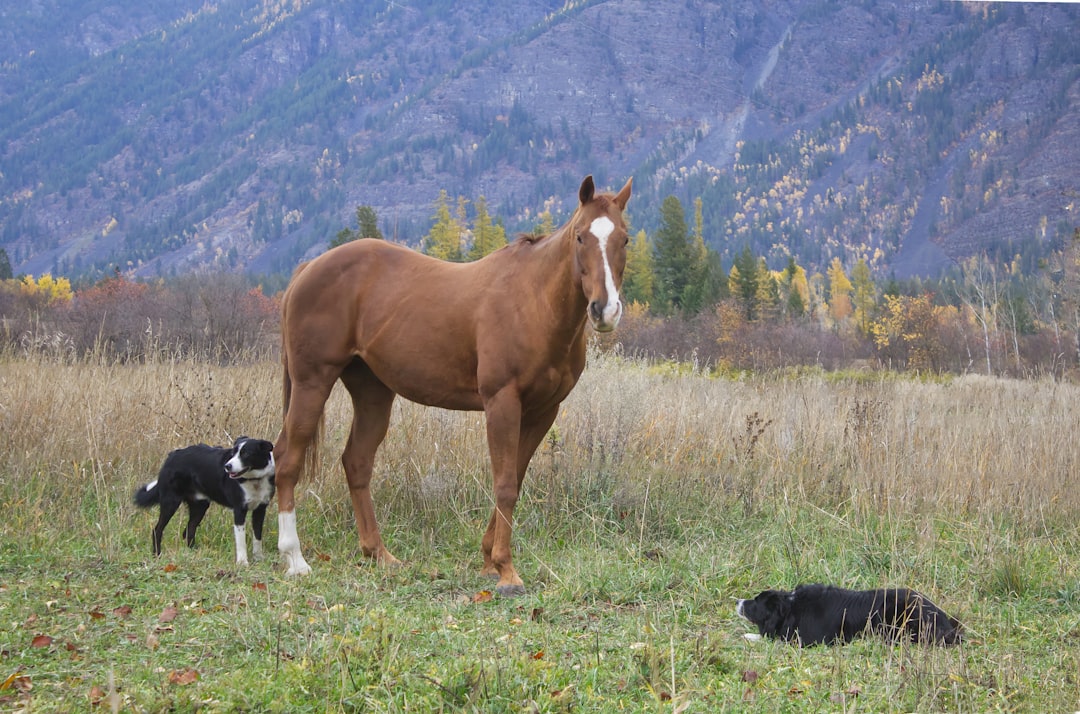
The Border Collie stands as the undisputed champion of horse-compatible canines. The Border Collie is considered to be the world’s best herder, as well as the most intelligent dog breed. This means that no matter what job you have on the farm, this guy will be able to learn it and fulfill it. These remarkable dogs possess an almost supernatural ability to read both human and animal body language, making them exceptional partners around horses.
What sets Border Collies apart is their generally quieter nature compared to other herding breeds, with Border Collies generally barking less than Australian Shepherds. This quiet confidence translates beautifully in stable environments where sudden loud noises can spook horses. Their intense focus and “eye” – that famous Border Collie stare – helps them communicate with livestock without creating chaos or stress.
Australian Shepherd
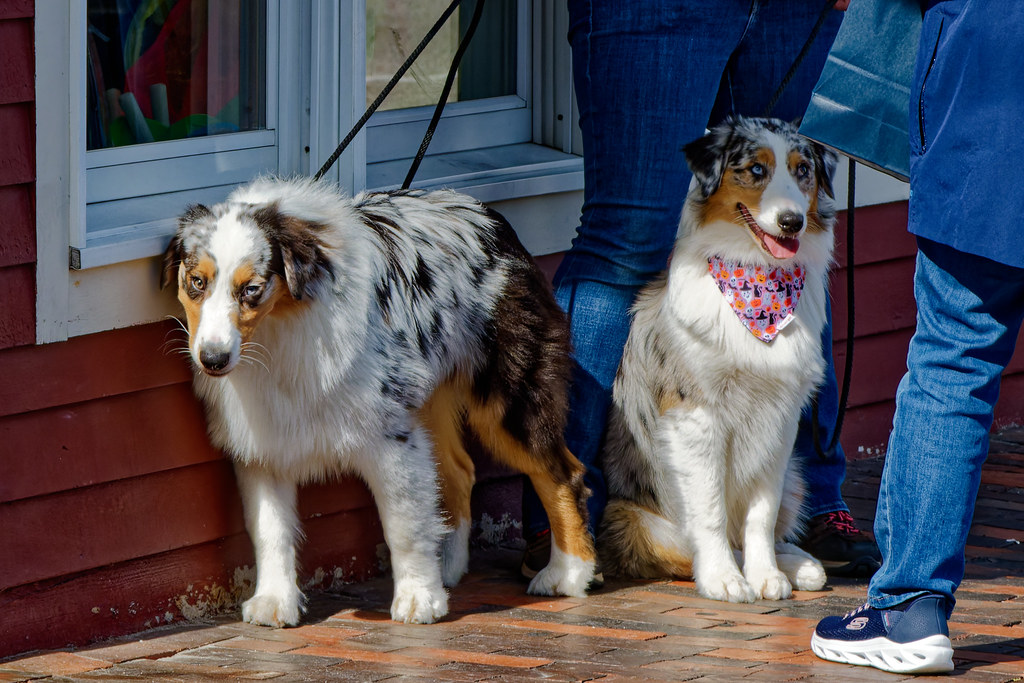
The Australian Shepherd, often called an “Aussie,” is a bright, loyal, and energetic breed that thrives when given a job to do. Originally bred to herd livestock, Aussies are known for their intelligence, agility, and boundless enthusiasm for play and learning. Their natural herding instincts make them incredibly intuitive around horses, often anticipating movements and needs before they become obvious to human observers.
Australian Shepherds bring a unique advantage to horse properties through their naturally attached nature to their person, often called “the Velcro dog.” While working outside she is always within sight. I never have to worry about her wandering, because she is happiest following and being with me. This loyalty translates to reliable behavior around horses, as these dogs rarely stray far from their handler’s side during training or trail rides.
German Shepherd
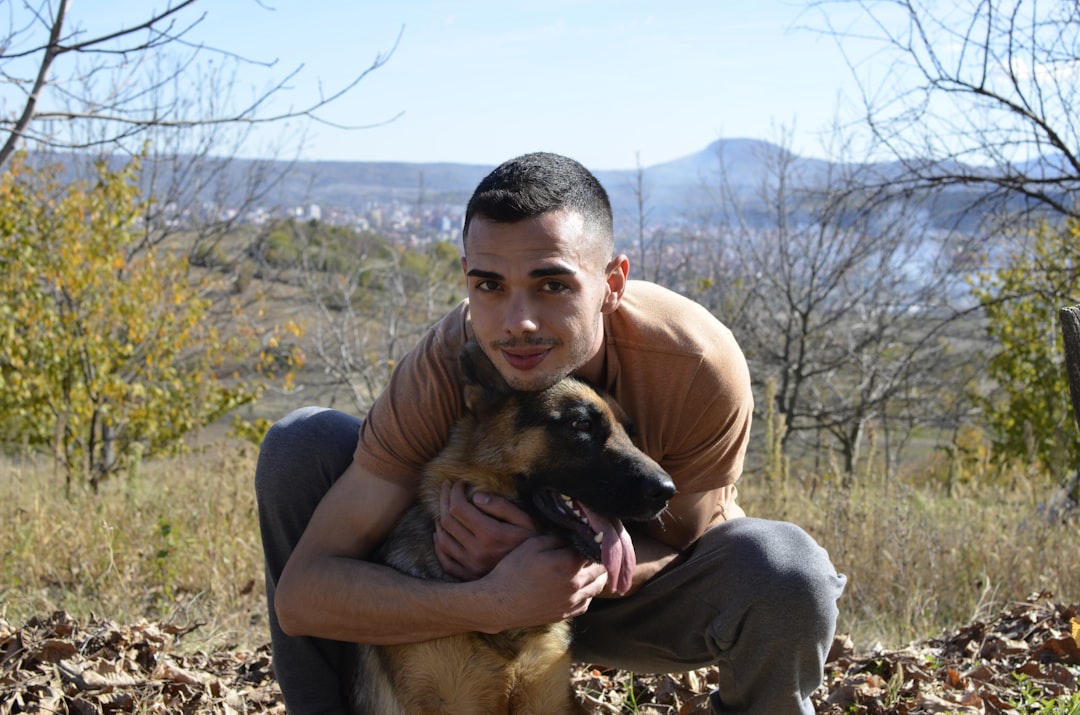
Highly trainable and extremely intelligent, the German Shepherd is perhaps the ideal candidate for farm work. Their physical capabilities – strength, stamina and agility – are matched by an almost incomparable work ethic. Originally bred for herding sheep, German Shepherds possess the perfect combination of gentleness and authority needed to work alongside horses safely.
The protective nature of German Shepherds makes them excellent guardians for both horses and property. German Shepherds were originally bred to herd sheep, but they also have an extremely protective nature, which can aid them in deterring threats to livestock or farm property. However, their strong protective instincts require careful socialization to ensure they remain calm and controlled around unfamiliar horses and visitors to the stable.
Australian Cattle Dog
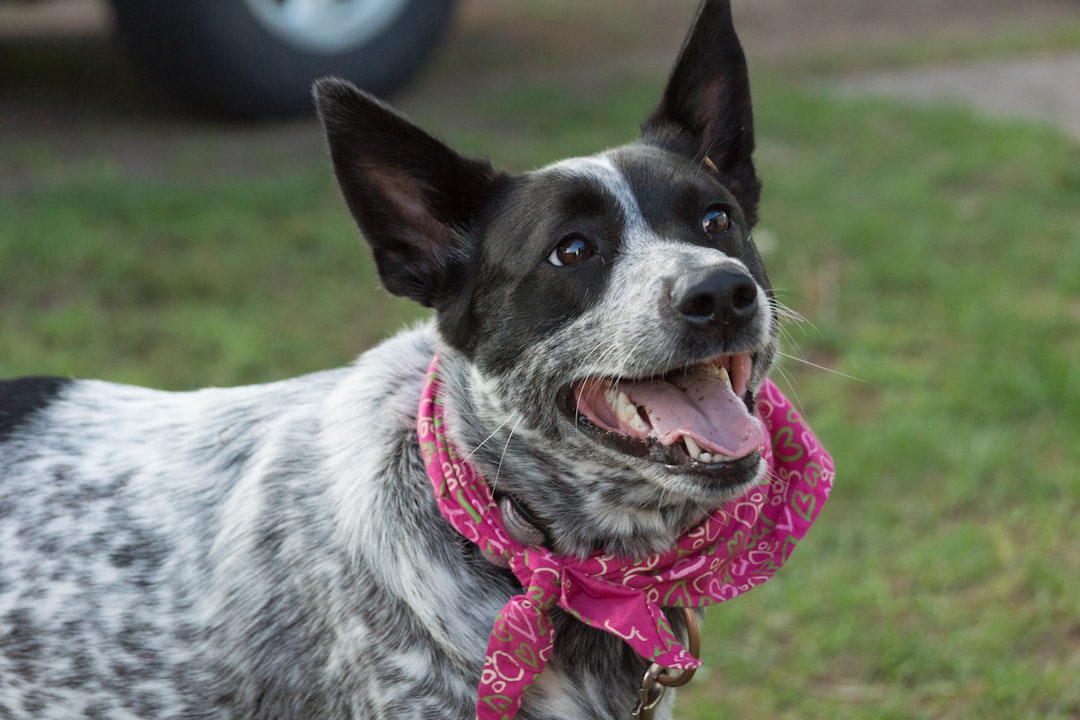
The Australian Cattle Dog, also known as the Blue or Red Heeler, brings exceptional durability and work ethic to horse environments. The Australian Cattle Dog (ACD), also known as Blue or Red Heelers, has played a pivotal role in herding beef cattle across Australian ranches since they were introduced to the country in the early nineteenth century. Mixing intelligence, resilience and a sturdy frame, Australian Cattle Dogs require copious amounts of physical and mental stimulation for pet dog owners.
These compact powerhouses excel in ranch environments where horses and cattle coexist. Their low-to-the-ground build and quick reflexes help them avoid horse hooves while still being assertive enough to move larger livestock when needed. Their endless energy perfectly matches the demands of active equestrian lifestyles.
Jack Russell Terrier
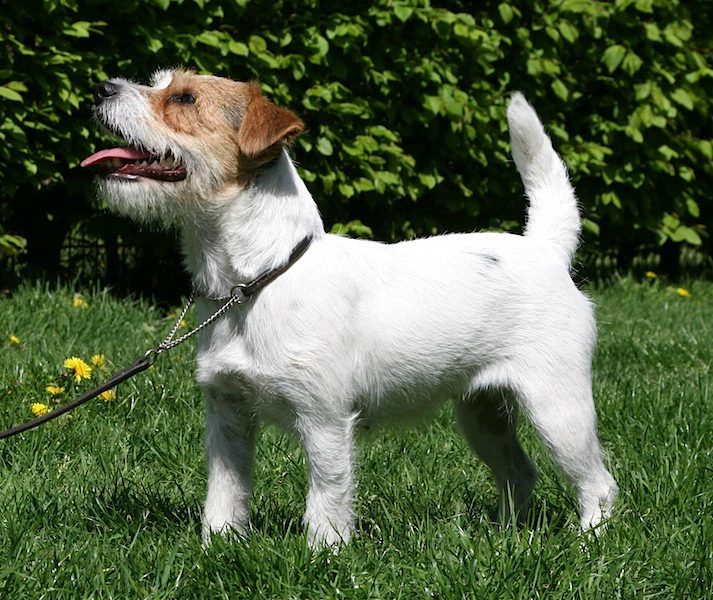
Don’t let their small stature fool you – Jack Russell Terriers are mighty ranch companions. The Jack Russell Terrier is a feisty little dog who has endless energy. Originally from England, he was bred to be a rat exterminator on farms. While they won’t be herding horses, their pest control abilities make them invaluable around stables and feed rooms where rodents can pose health risks to horses.
Jack Russells possess the perfect temperament for horse environments – they’re confident enough not to be intimidated by large animals, yet smart enough to respect personal space. Small but mighty, they are “very high energy dogs and thus well suited to the open spaces of a farm,” according to Dr. Hunt. “Their best farm job is in rodent control. Extremely effective at killing rats, the Jack Russell Terrier can be a valuable addition to farms where grain is stored.”
Pembroke Welsh Corgi
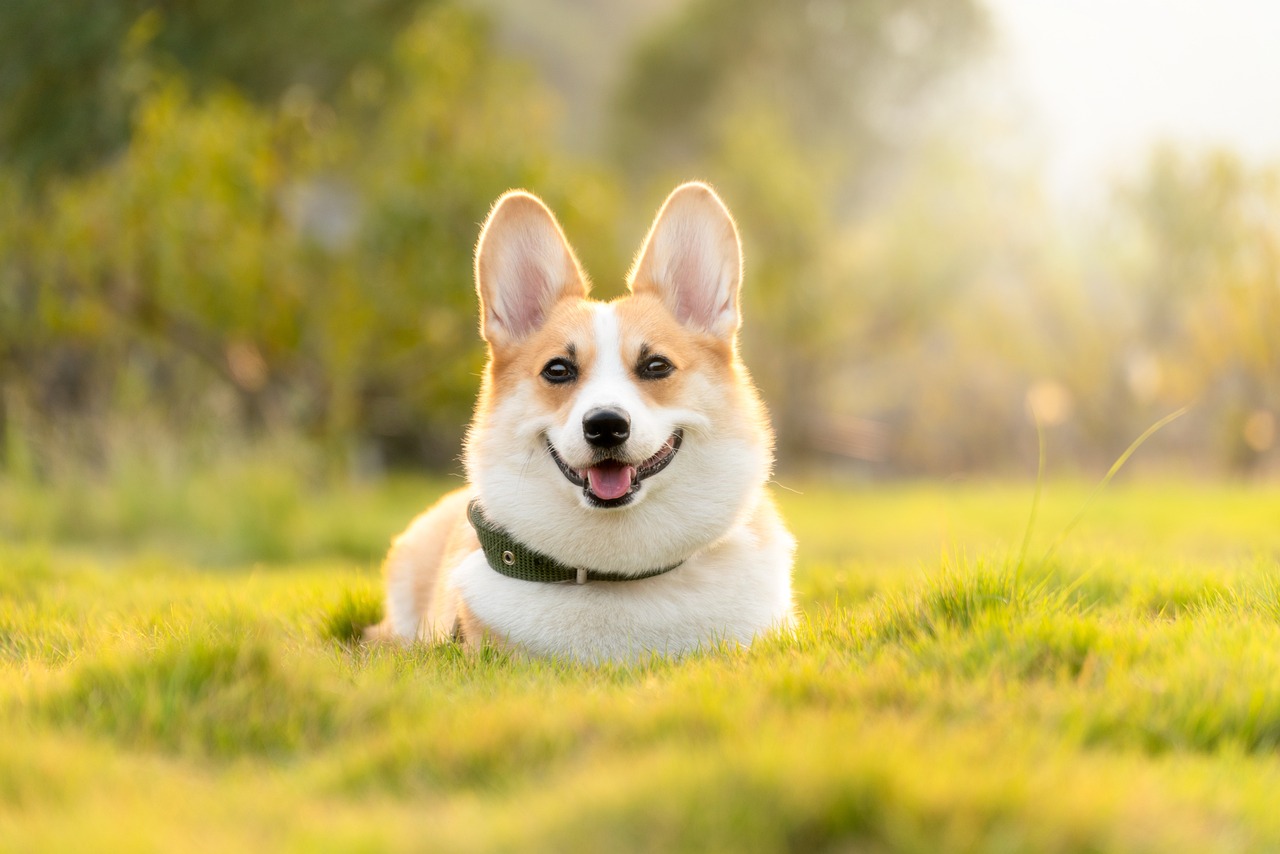
Small in stature, Pembroke Welsh Corgis are one of the most capable and popular herding breeds. Their diminutive size and agile movement enables them to easily maneuver around livestock. Despite their short legs, Corgis were bred to work with much larger animals, making them naturally comfortable around horses.
Their low center of gravity provides surprising advantages around horses – they can duck under bellies and between legs with ease, while their herding instincts help them guide horses through gates and into specific areas. Corgis also bring a cheerful, stable temperament that horses seem to find calming and reassuring.
Labrador Retriever
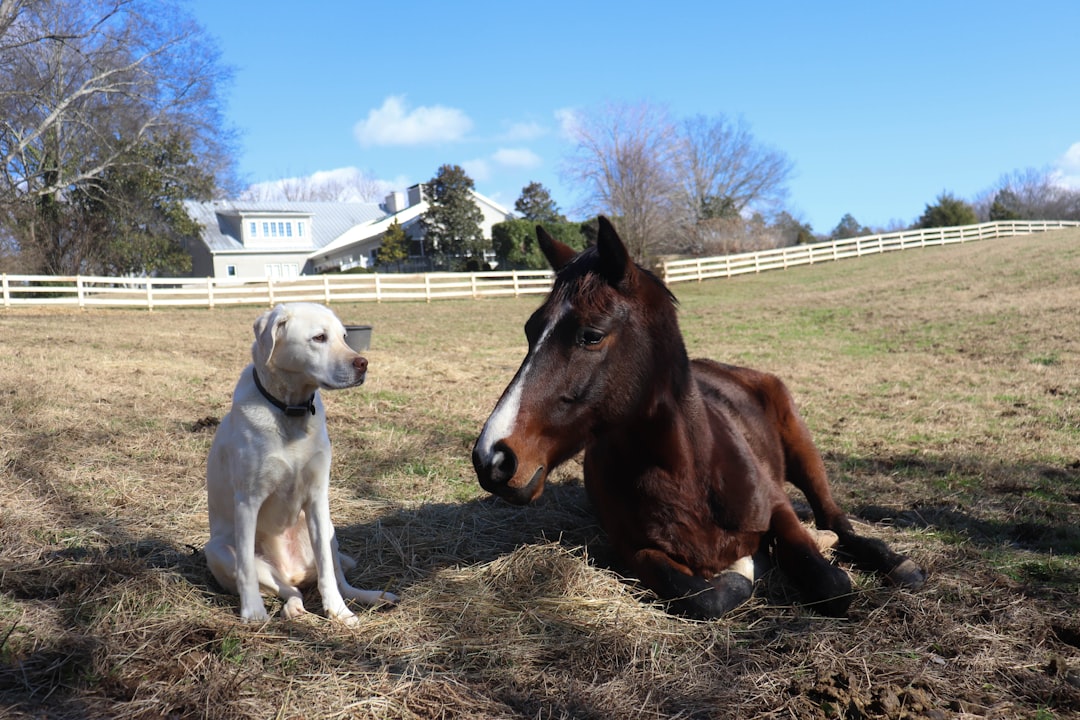
Labradors are super versatile and excel at many different tasks. They are very smart, and athletic and enjoy working alongside their humans. They need plenty of exercise, so things like herding sheep or just keeping you company while you log countless miles around the farm are just the thing for these pups. Their gentle mouths and calm temperament make them excellent companions for nervous or young horses.
Labs excel as trail companions and therapy dogs in equine-assisted programs. Their natural swimming ability also makes them perfect partners for horses who enjoy water crossings or beach rides. The steady, reliable nature of Labradors provides emotional stability that both horses and riders appreciate during challenging training sessions.
Old English Sheepdog
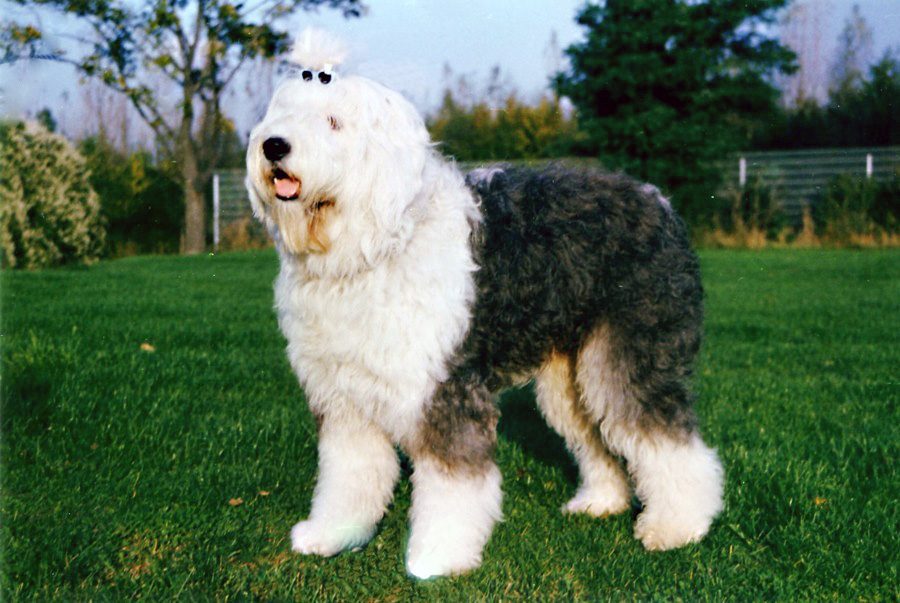
The Old English sheepdog was originally bred to herd and move livestock between the ranch and town. Featuring a peekaboo haircut and a long, shaggy coat of contrasting dark and white patterns, the Old English Sheepdog is a strong, muscular breed that weighs up to 100 pounds. Smart, loyal, and gentle, it was originally bred in the late 18th century from a combination of various European dogs for herding and moving livestock between the ranch and the town.
Their substantial size and calm demeanor create a reassuring presence that horses respect without fear. Old English Sheepdogs possess the rare combination of being large enough to command respect from horses while maintaining the gentle temperament necessary for safe interactions. Their thick coat also provides natural protection during outdoor work in various weather conditions.
Conclusion
Selecting the right dog breed for your equine lifestyle requires careful consideration of temperament, energy levels, and natural instincts. The most successful horse-dog partnerships are built on mutual respect, proper training, and understanding each animal’s unique needs. If you are not prepared to provide for their requirements, stay away from these dogs. Yes, they are both beautiful breeds, but there are already way too many that wind up in Rescue because people just like their looks and don’t do the proper research. If you are a first-time dog owner, I also recommend that you stay away from both of these breeds.
Remember that individual dogs within each breed can vary significantly in their temperament and compatibility with horses. Early socialization, consistent training, and gradual introduction to horses are essential regardless of breed. The magic happens when you find that perfect canine companion who shares your passion for horses and enhances every moment spent in their majestic presence.
What do you think about these amazing horse-loving dog breeds? Have you experienced the joy of watching your dog and horse form their own special bond?


