
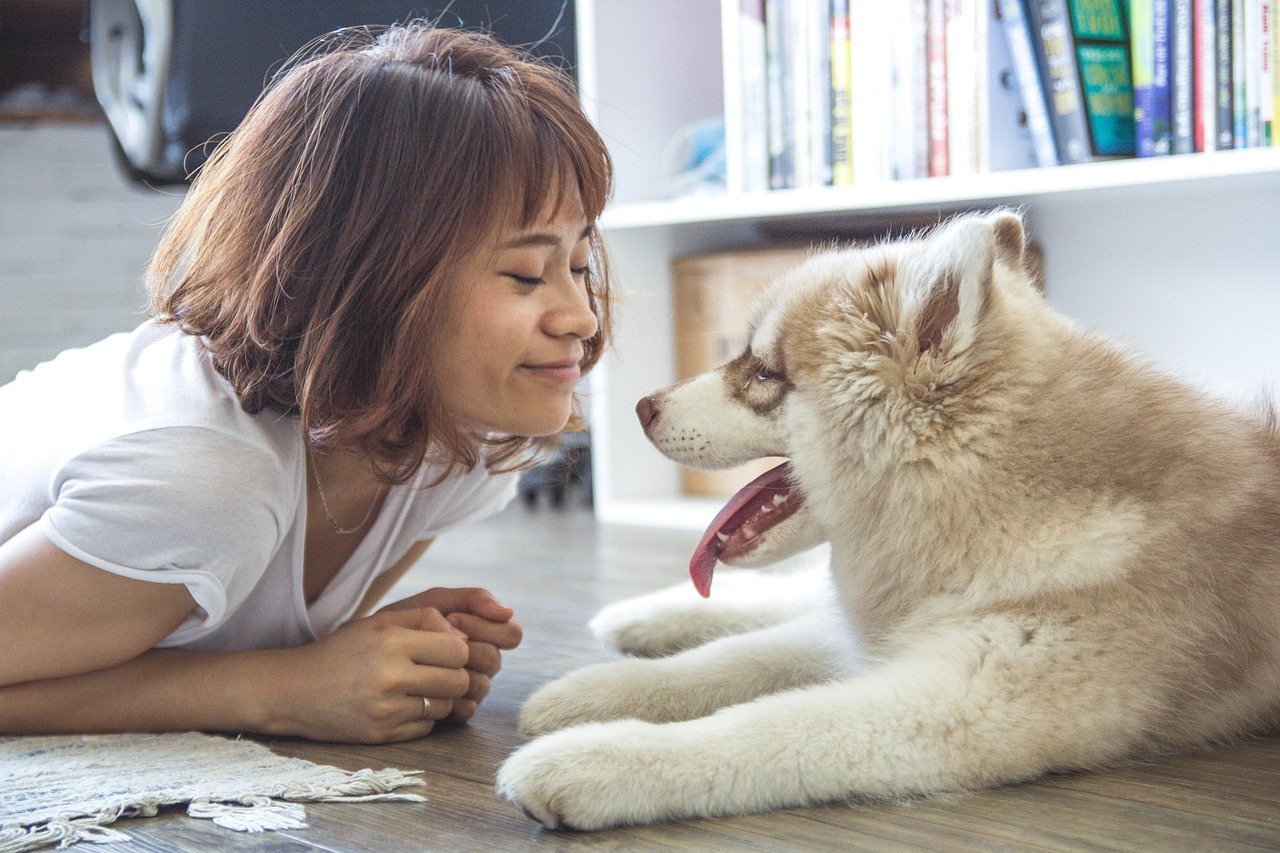
Picture this: your dog’s eyes light up when you grab their leash, they wiggle with pure joy when you call their name, and they follow you around like you’re the most fascinating person on Earth. Yet somehow, in our busy daily routines, we often miss the simple things that make their tails wag the hardest. Dogs thrive on consistency and benefit from knowing what to expect. Routines can support every aspect of your relationship with your dog, from house training to grooming to preventing some behavioral challenges and boosting canine confidence.
While we remember the obvious needs like feeding and walks, there are everyday moments of connection that slip through the cracks. These aren’t complicated tricks or expensive purchases. They’re the small gestures that speak directly to your dog’s heart and natural instincts, creating deeper bonds and happier pups. Let’s explore what your furry friend is secretly hoping you’ll remember to do today.
Let Them Sniff During Walks
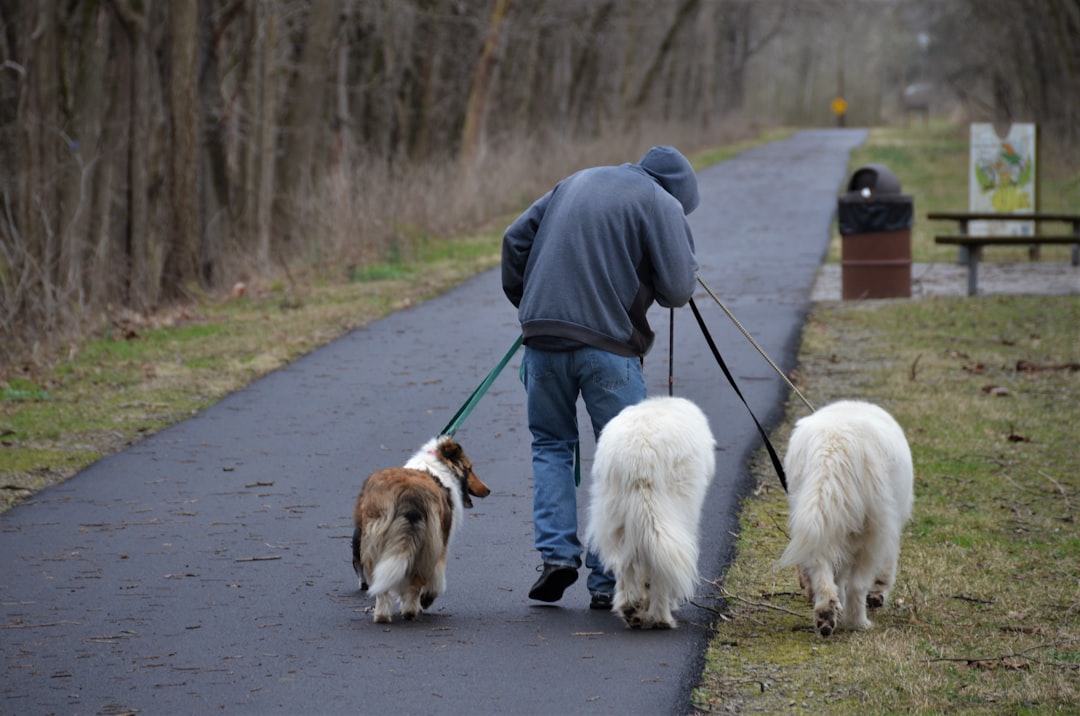
When you’re power-walking through the neighborhood trying to squeeze in exercise before work, your dog is experiencing an entirely different adventure. Whether you’re playing indoor scent games or you’re out on a walk, it’s incredibly important to allow your dog to use their nose. Sniffing can be stimulating and calming and allows your dog to gather information on their environment. That fire hydrant isn’t just a bathroom stop to them – it’s today’s newspaper, social media feed, and evening entertainment all rolled into one fascinating scent.
Think of it this way: if you could only see the world in black and white but suddenly got to experience a rainbow, wouldn’t you want to linger? If your dog often pulls with her nose to the ground, she could have an unmet need for scenting. Experiment with enrichment activities such as: Adding more “sniffari” walks where you go at the dog’s pace, perhaps using a long lead, and deliberately seek out places that will be gloriously full of things to sniff: wildlife, other dogs, city life.
Most dog owners rush through walks focusing on distance and speed. Yet your dog would trade twenty quick laps around the block for five minutes of deep sniffing in an interesting spot. Our pets’ sense of smell is far superior to our own. Sniffing is a natural behavior and opportunities to sniff are enriching and stimulate the mind. The sniffing mat activity promotes calm and relaxation while fulfilling an instinctual behavior. Next time you head out, slow down and let them read their “scent mail” properly.
Make Mealtimes an Adventure
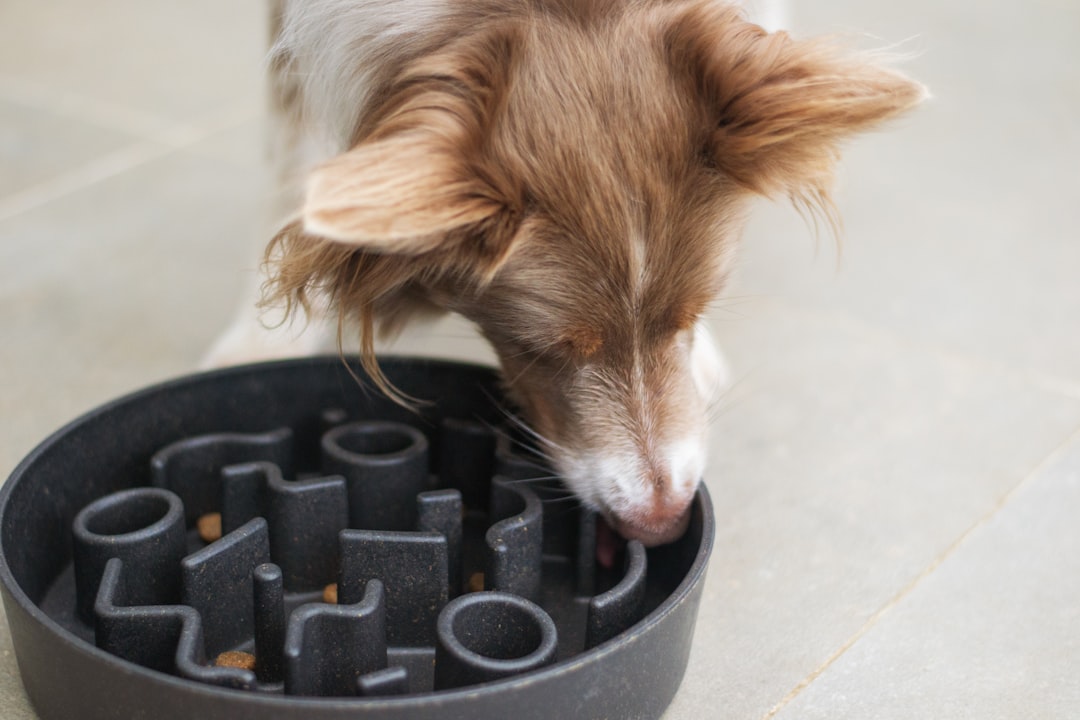
Watching your dog inhale their kibble in thirty seconds flat might seem efficient, but it’s like giving them a gourmet meal in a blender. The traditional dog bowl may seem like the easiest way to feed your dog, but it can mean you miss out on so many amazing opportunities for daily mental stimulation and engagement for your dog. Dogs are natural foragers, and engaging their instincts can make mealtimes so much more fulfilling for them.
Enrichment activities engage a dog’s natural instincts, making mealtime a more satisfying and fulfilling experience. They also add problem solving and mentally stimulating sniffing opportunities to your dog’s day, which helps to reduce arousal levels and promote calmness. Instead of dumping food in a bowl, try scattering their kibble across the yard or hiding it in different rooms.
You could stuff their food into a Kong toy, spread it on a snuffle mat, or create simple puzzles using muffin tins with tennis balls covering the treats. Every meal is an opportunity for enrichment, and food puzzles are a great way to slow down your dog’s eating and provide mental stimulation. You can easily make the following puzzles with household items! These activities turn eating from a mindless gulp-fest into an engaging treasure hunt that satisfies their natural foraging instincts.
Create a Perfect Sleep Environment

Dogs are highly sensitive to temperature; if their favorite spot becomes too hot or too cold, they’ll move to a more comfortable location. Yet many owners set up a dog bed once and forget about it, not realizing their pup might be uncomfortable for months. Your dog’s sleeping area deserves as much attention as your own bedroom setup.
Dogs do best in an environment between 68–78 degrees Fahrenheit. But there isn’t an ideal number for every dog since dogs come in different sizes and breeds. Depending on your dog and your location, you could go as high as 78 degrees Fahrenheit in your house and as low as 60 degrees Fahrenheit. Position their bed away from drafty windows or doors, and consider seasonal adjustments.
A high-quality, padded, comfortable dog bed will help keep pets warm and snug throughout the night. Like a human bed frame, raising the dog bed from the ground keeps them away from cold floors and draughts. If you don’t have the space for a raised pet bed, padding the ground with extra blankets can also help keep your dog warm. Think of it as creating their personal sanctuary where they can truly relax and recharge.
Give Them Choices Throughout the Day
Imagine if every decision in your life was made for you – when to eat, where to go, what to do. That’s often what domestic life feels like for our dogs. If the problem is determined to be a normal but undesirable behavior, the owners will need counseling on how to effectively provide for the pet’s needs and how to reinforce what is desirable while preventing what is undesirable. While structure is important, dogs thrive when they have some control over their environment.
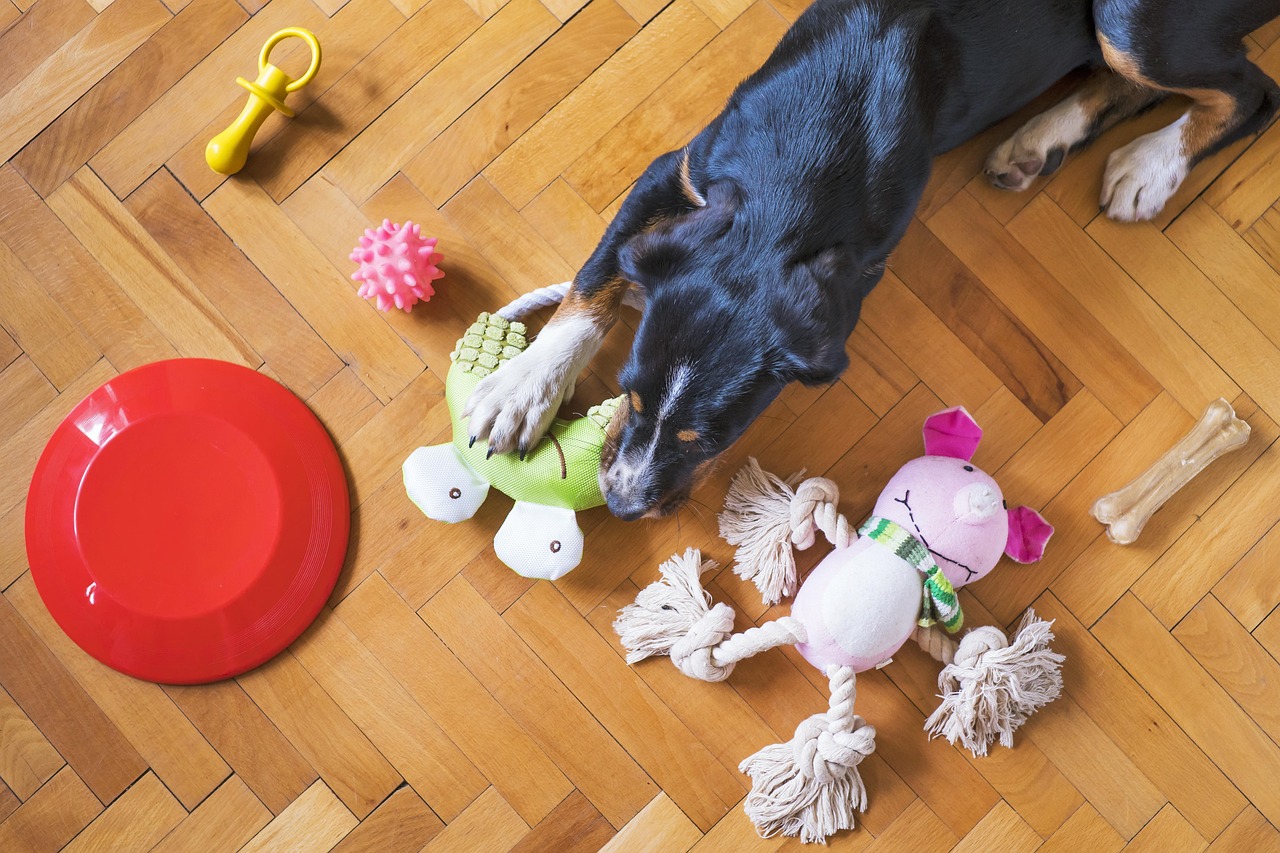
Simple choices make a huge difference: holding up two toys and letting them pick which one they want to play with, offering different walking routes, or asking if they want to go outside before you automatically open the door. These moments of choice give them agency and reduce stress.
You might offer them different sleeping spots, let them choose between two types of treats, or simply pause at intersections during walks to see which direction they prefer. These tiny decisions throughout the day help them feel more confident and engaged rather than just passively following orders.
Practice Short Training Sessions Daily
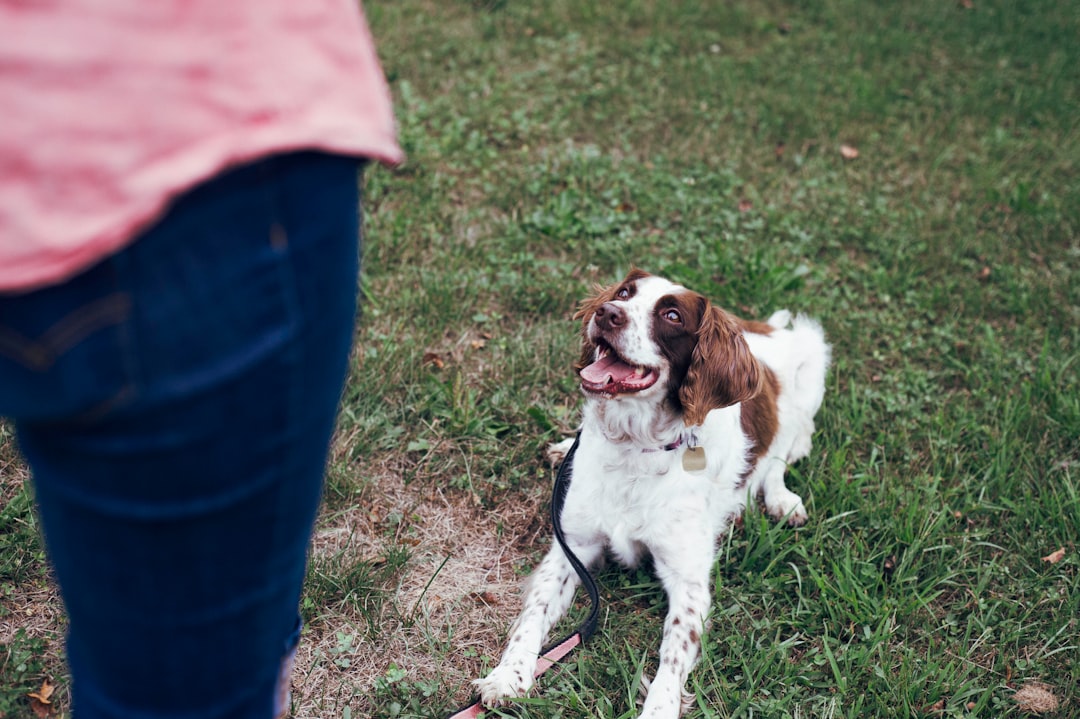
The mental exercise of training can be just as tiring as physical exercise for our dogs. So, teach your dog new tricks using reward-based training. Not only will they learn new skills, but it will also help improve your relationship and boost their confidence. Yet most people think of training as something you do when your dog misbehaves, rather than a daily gift of mental stimulation.
Be sure to establish and maintain a training routine; canine companions love to learn and thrive on opportunities to practice cues and learn new ones. If you take your dog to a training class once a week, be sure to practice the skills at home between sessions. Even just a few minutes each day can make a huge difference in learning and knowledge retention.
Think of training like brain teasers for humans – challenging but rewarding. Teaching your dog to shake hands, spin in a circle, or find hidden treats works their mind in ways that pure physical exercise can’t match. Plus, those moments of focused attention and positive reinforcement strengthen your bond immeasurably.
Provide Different Textures and Surfaces
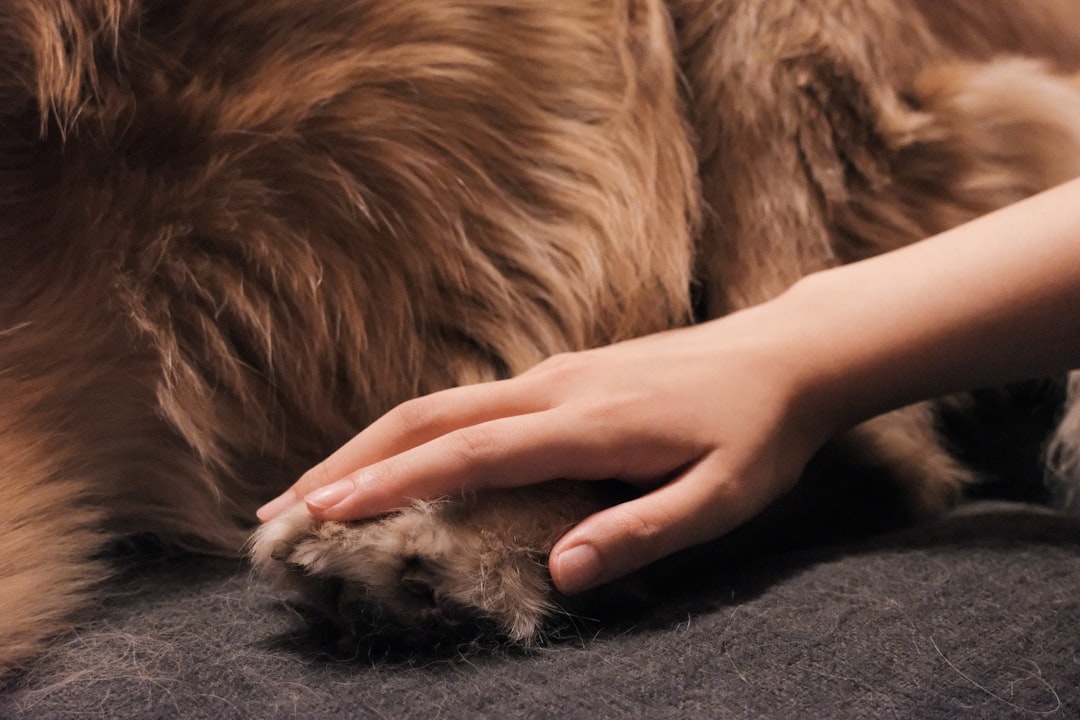
Don’t forget about your dog’s sense of touch! Tactile enrichment can involve a variety of textures and sensations. Using lots of different materials to make your own puzzle toys can provide tactile stimulation, engaging your dog’s sense of touch and encouraging exploration. Most dogs spend their days on the same few surfaces – carpet, hardwood, concrete – missing out on the rich sensory experiences their paws crave.
Try letting them walk through shallow puddles, explore different types of grass, or feel sand between their toes. In winter, you might create texture stations indoors using different fabrics, rubber mats, or even bubble wrap for them to investigate safely.
Consider offering toys made of different materials, like rubber, rope, or soft plush. Activities like gentle massage or brushing can be both relaxing and stimulating. Some dogs enjoy having their paws handled and nails trimmed, especially with gradual and positive introductions from a young age. These varied experiences keep their minds active and bodies comfortable.
Schedule Regular One-on-One Time
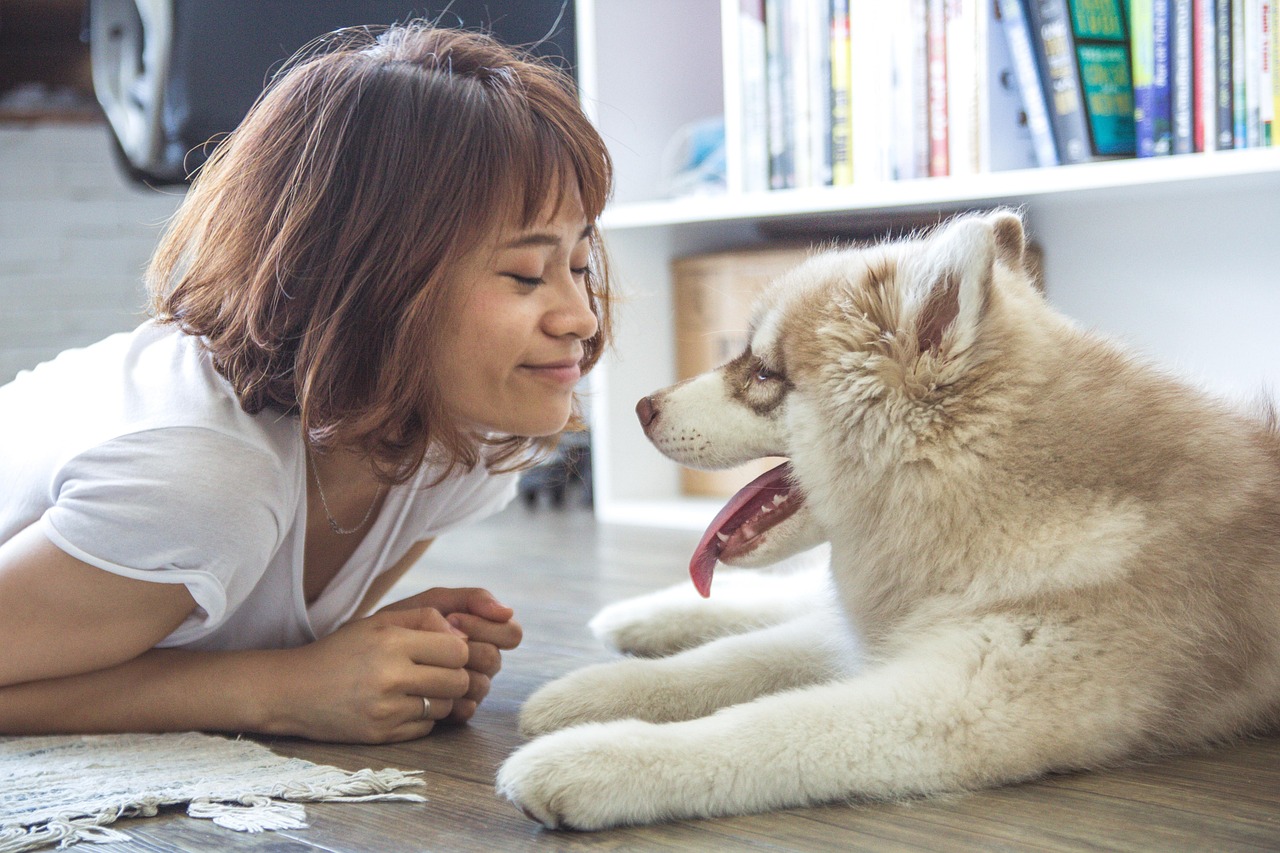
In multi-pet households or busy families, individual dogs often get lost in the shuffle. They’re part of the pack, but they’re missing that special connection that comes from undivided attention. Your dog doesn’t just want to be near you – they want to be with you, fully engaged in shared activities.
Set aside even fifteen minutes daily for solo time with your dog. This might be gentle brushing while you chat to them, a private training session, or simply lying on the floor together for some quality belly rubs. Playing games with toys is beneficial to your pup physically as well as mentally. It also helps to build their confidence and will help to strengthen the bond between the two of you.
During this time, put away your phone and focus entirely on them. Watch how they light up when they realize this moment is just for them. These connections build trust, reduce anxiety, and create the deep bonds that make the human-dog relationship so special.
Create Quiet Decompression Time

Just like humans need downtime after a busy day, dogs need periods of calm to process their experiences. As important as it is to provide enrichment for your dog, it’s equally as important that you incorporate time to rest into their daily routine – especially while they are still a puppy. Many dogs are chronically overstimulated, always ready for the next activity but never getting a chance to truly relax.
Ensure your dog’s sleeping area is quiet, dark, and at a comfortable temperature. Use white noise machines to block out disruptive sounds and ensure the room is well-ventilated. This isn’t just about sleep time – it’s about creating peaceful moments throughout the day where they can decompress.
You might establish a “quiet time” routine after meals, provide a cozy corner where they can retreat when overwhelmed, or simply sit together in comfortable silence. A stuffed Kong/Toppl or lick mat is another great way to provide calming enrichment during mealtime. Licking is a natural behaviour and can be very soothing for dogs. Teaching your dog that it’s okay to just “be” without constant stimulation helps them develop emotional regulation skills.
Conclusion
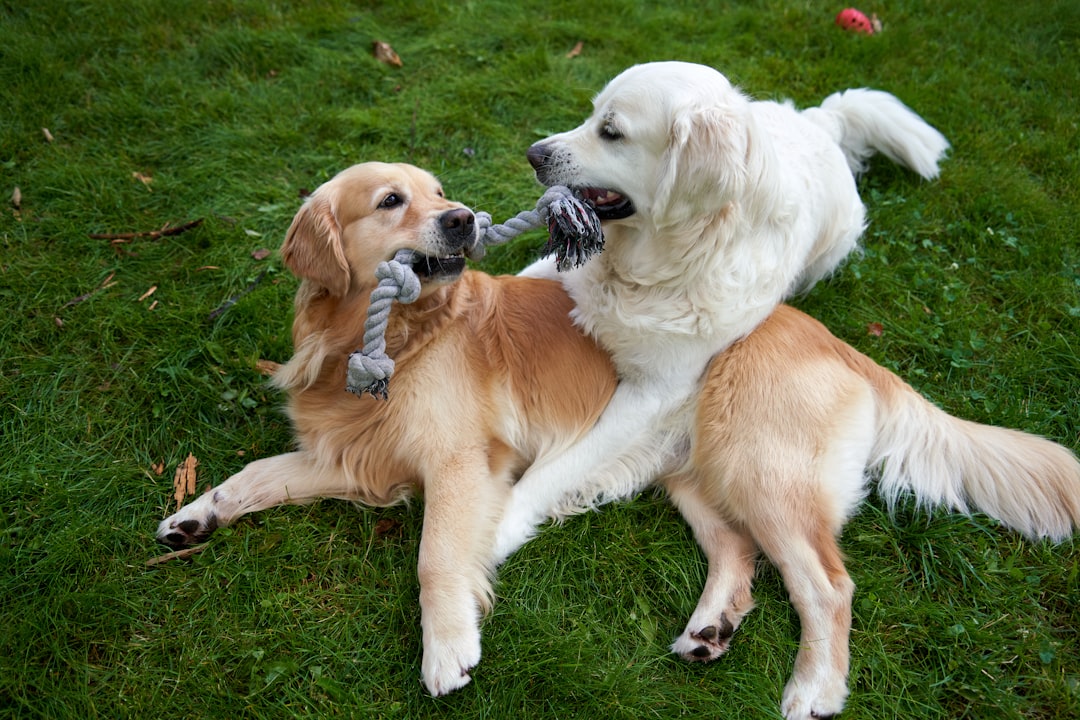
The beauty of these daily practices lies not in their complexity, but in their simplicity. Your dog isn’t asking for expensive gadgets or elaborate setups. They’re hoping for mindful moments – a chance to sniff that interesting spot, a puzzle to solve with their breakfast, a few minutes of your undivided attention.
Enrichment does more than just alleviate boredom. Shelters have discovered that enrichment can make dogs more adoptable. It can also help your dog live a longer, happier life, and improve your bond. These small acts of consideration transform routine care into meaningful connection. When you slow down for their sniffing adventures or create little challenges with their meals, you’re speaking their language of love.
What’s your dog’s favorite thing from this list? Try adding just one of these practices to your daily routine and watch how your furry friend responds. Sometimes the smallest gestures create the biggest tail wags.


