
Picture this: You’re walking down the street with your family when someone crosses to the other side to avoid your dog. Their face shows genuine fear as they hurry past, whispering to their children. This scenario plays out thousands of times daily across America for pit bull owners.
Surveys suggest a significant portion of Americans have negative perceptions of pit bulls, making them one of the most controversial dog breeds in the country. Yet here’s what might surprise you: the science tells a completely different story than the headlines.
The Science Behind the Stereotypes

Let me share something that completely changed my perspective on these dogs. The American Temperament Test Society confirmed that pit bulls are in the top 23 percent of best-tempered dogs. These dogs actually outperformed many breeds we consider family-friendly.
The American Temperament Testing society tested 870 pit bulls, with 755 passing the test, resulting in an impressive pass rate. They also tested 781 Golden Retrievers, with 669 passing, leaving Golden Retrievers with an 85.6 percent pass rate. That’s right – pit bulls scored slightly better than America’s favorite family dog.
The Great Mix-Up: Who’s Really a Pit Bull?
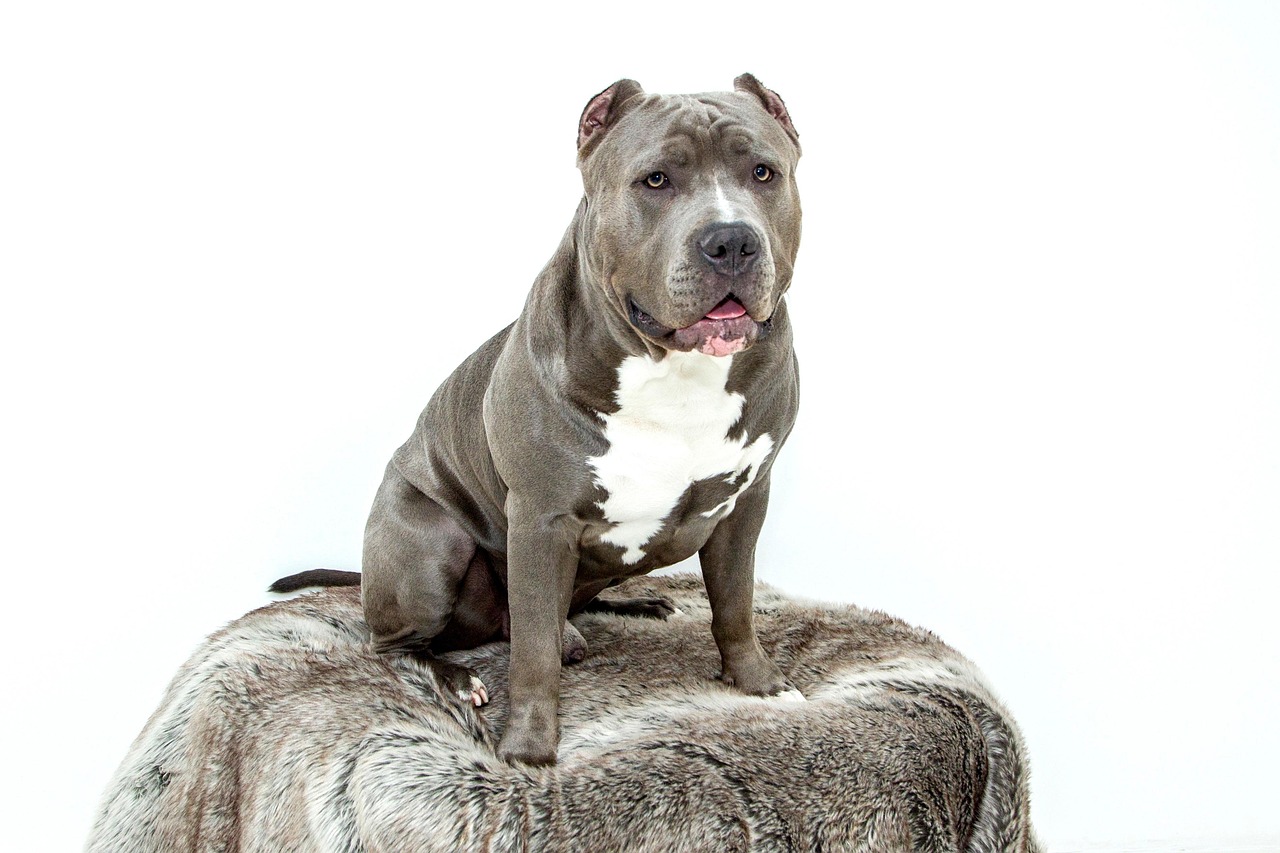
Here’s where things get really interesting. DNA results show that shelter workers are often mistaken when they label a dog as a pit bull. A University of Florida study revealed shocking inconsistencies in breed identification.
Dogs with pit bull heritage breed DNA were identified only 33 to 75 percent of the time, depending on which staff members was judging them. Conversely, dogs lacking any genetic evidence of relevant breeds were labeled as pit bull-type dogs from 0 to 48 percent of the time. Even trained professionals can’t reliably identify these dogs by appearance alone.
The Media’s Role in Creating Fear

Think about the last time you saw a positive news story about a pit bull. Can’t remember one? That’s not coincidental. News stations seemingly enjoy pumping up stories involving pit bulls in violent encounters, with a lot of drama created by mixed breeds being incorrectly labeled as pit bulls.
Pit bull attacks receive extensive media attention, which can skew public perception. When a Labrador bites someone, it’s rarely front-page news. Though when any dog that remotely looks like a pit bull is involved, suddenly it becomes a national story.
The Numbers Game: Statistics and Reality

Statistics about pit bull attacks sound terrifying until you dig deeper. Comprehensive studies on canine DNA and visual breed identification have determined that 60 percent of dogs identified as pitbulls lack DNA from recognized pitbull-type breeds. This means most “pit bull attacks” might not even involve actual pit bulls.
When accounting for the fact that 60 percent of dogs identified as pitbulls lack DNA from pitbull-type ancestry, the flawed 65 percent statistic is reduced by more than half to 26 percent. The real numbers paint a dramatically different picture than sensational headlines suggest.
Nature vs. Nurture: What Really Creates Aggression

Studies indicate that many dogs involved in fatal attacks have histories of abuse or neglect, with studies proving that people investigated for domestic violence are also often reported for animal cruelty. The problem isn’t the breed – it’s often the human at the other end of the leash.
Factors such as breed explained less than 10 percent of the variance in dog aggression, with individual experiences playing a much larger role. Aggression is strongly linked to an individual dog’s experiences and environment. Simply put, how a dog is raised matters infinitely more than what breed it is.
Real-World Heroes in Disguise
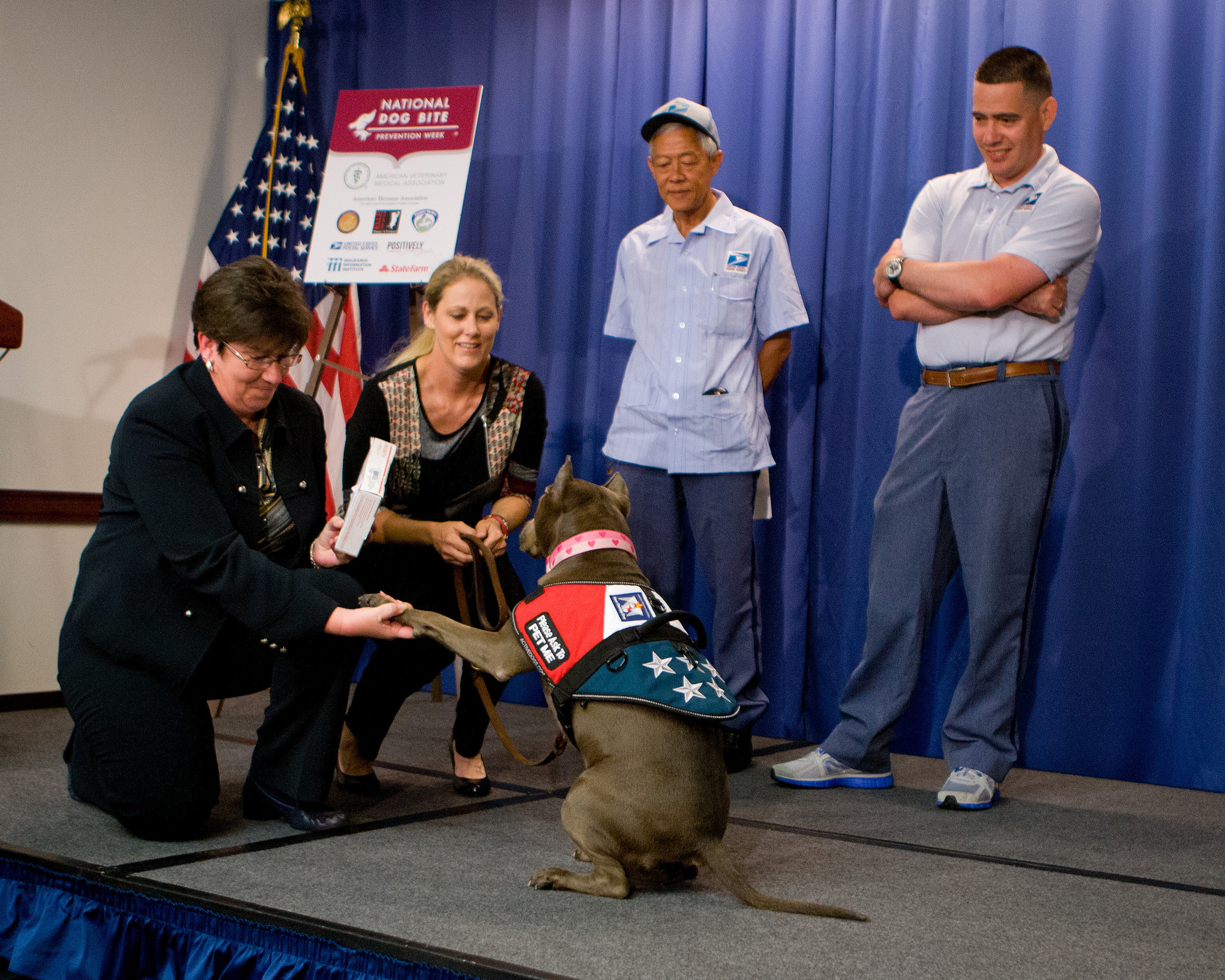
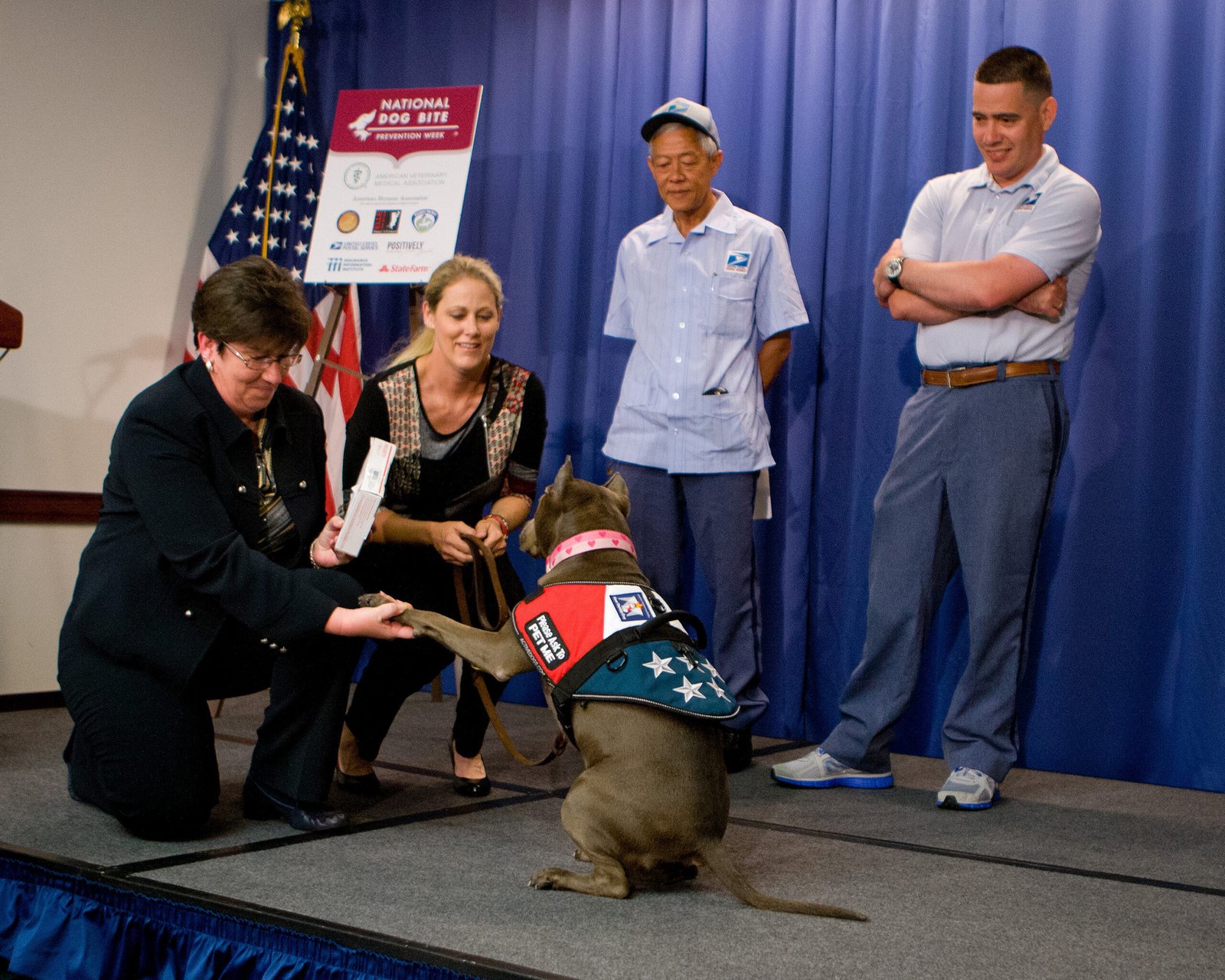
Despite their reputation, pit bulls serve as therapy dogs, search and rescue animals, and beloved family pets across America. There are millions of these dogs in our country, and they’re family pets, therapy dogs and service animals, just like other dogs.
According to the American Temperament Test Society, pit bulls pass their temperament test 87 percent of the time, ranking fourth best of 122 breeds tested. These dogs are quietly making positive impacts in communities nationwide, far from the media spotlight.
Breaking Down the Myths
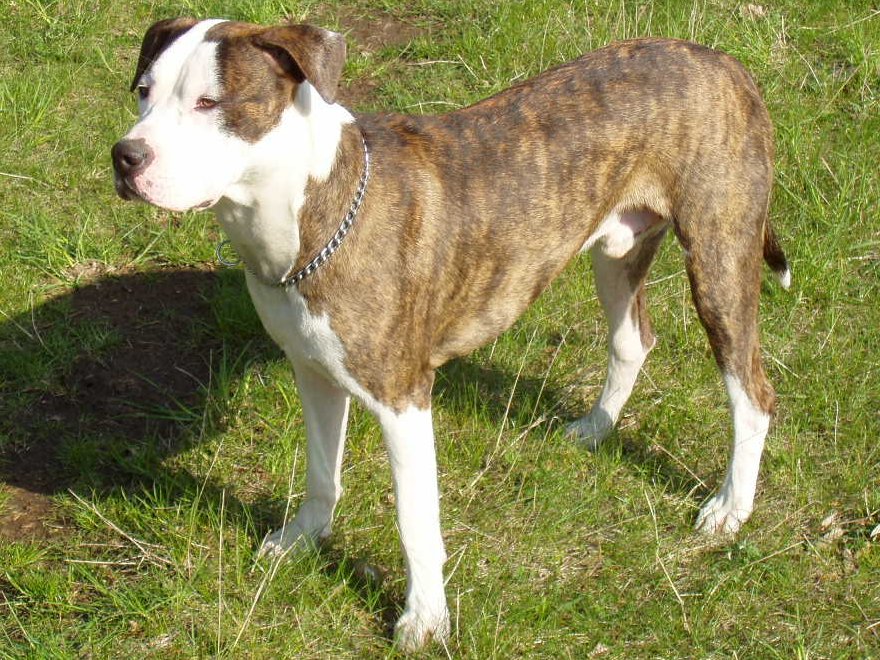
Let’s tackle some persistent myths head-on. First, the “locking jaw” myth: There is nothing unique about the jaw structure of these dogs that would cause their jaws to lock while biting. Pitbull-type dogs do not have the strongest bite of any breed of dog. Their bite mechanism is identical to every other dog’s.
Studies have shown that pit bulls are not naturally aggressive dogs, with the American Veterinary Medical Association stating that smaller breeds, such as Beagles, Jack Russells, and Dachshunds, are more likely to be aggressive. Size doesn’t always correlate with temperament.
Conclusion
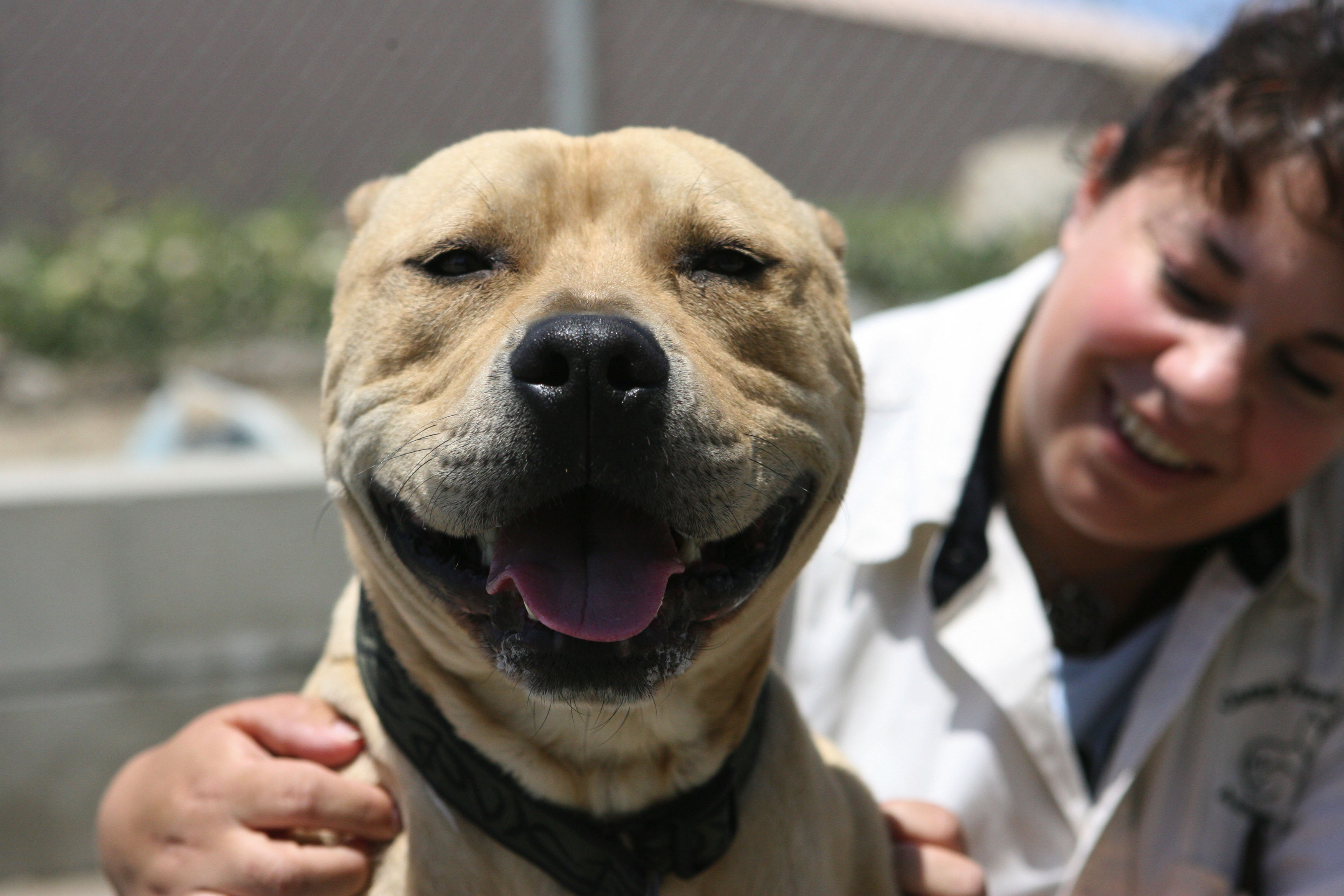
The evidence is overwhelming: pit bulls aren’t the monsters they’re made out to be. They’re dogs whose reputations have been destroyed by sensational media coverage, flawed statistics, and our own inability to correctly identify them. Dog bite statistics show pit bull-type dogs are no more likely to be aggressive than any other breed.
Maybe it’s time we judged each dog as an individual rather than condemning an entire group based on fear and misinformation. After all, isn’t that what we’d want for ourselves?
What do you think about these findings? Have they changed your perspective on pit bulls? Tell us in the comments.


