

Think you know the real story about pitbulls? You might want to reconsider everything you’ve heard. These muscular, loyal companions have been at the center of one of the most heated debates in the dog world for decades. Walk into any dog park, mention pitbulls at your local coffee shop, or scroll through social media, and you’ll witness passionate arguments on both sides.
The truth is, most of what people believe about these dogs comes from a mix of sensationalized headlines, urban legends, and deeply ingrained misconceptions that have taken root over generations. Behind all the noise and controversy lies a fascinating story about misidentification, media bias, and how an entire group of dogs became victims of their own reputation.
So let’s dive into the facts, separate myth from reality, and discover what science actually tells us about these misunderstood four-legged family members.
The Great Misidentification Problem

Here’s a shocker that most people never see coming: some studies on canine DNA and visual breed identification suggest that a significant percentage of dogs identified as ‘pitbulls’ may lack DNA from recognized pitbull-type breeds. Picture this – you’re looking at a dog that someone calls a pitbull, but there’s a better than fifty-fifty chance it’s not actually what people think it is.
Professional shelter workers, veterinarians, and even experienced dog handlers regularly get it wrong. Agreement between visual and DNA-based breed assignments varied among individuals, with sensitivity for pit bull-type identification ranging from 33% to 75% and specificity ranging from 52% to 100%. That’s like trying to identify someone’s nationality just by looking at them – sometimes you might be right, but often you’re making assumptions based on limited visual cues.
This misidentification creates a snowball effect where dogs that aren’t even pitbulls get blamed for incidents, further skewing statistics and public perception. This discrepancy leads to inaccurate breed information in media reports and unreliable statistics on dog bites and attacks. When you can’t even accurately identify what you’re talking about, how can you make fair judgments about an entire group?
What the Science Actually Says About Temperament
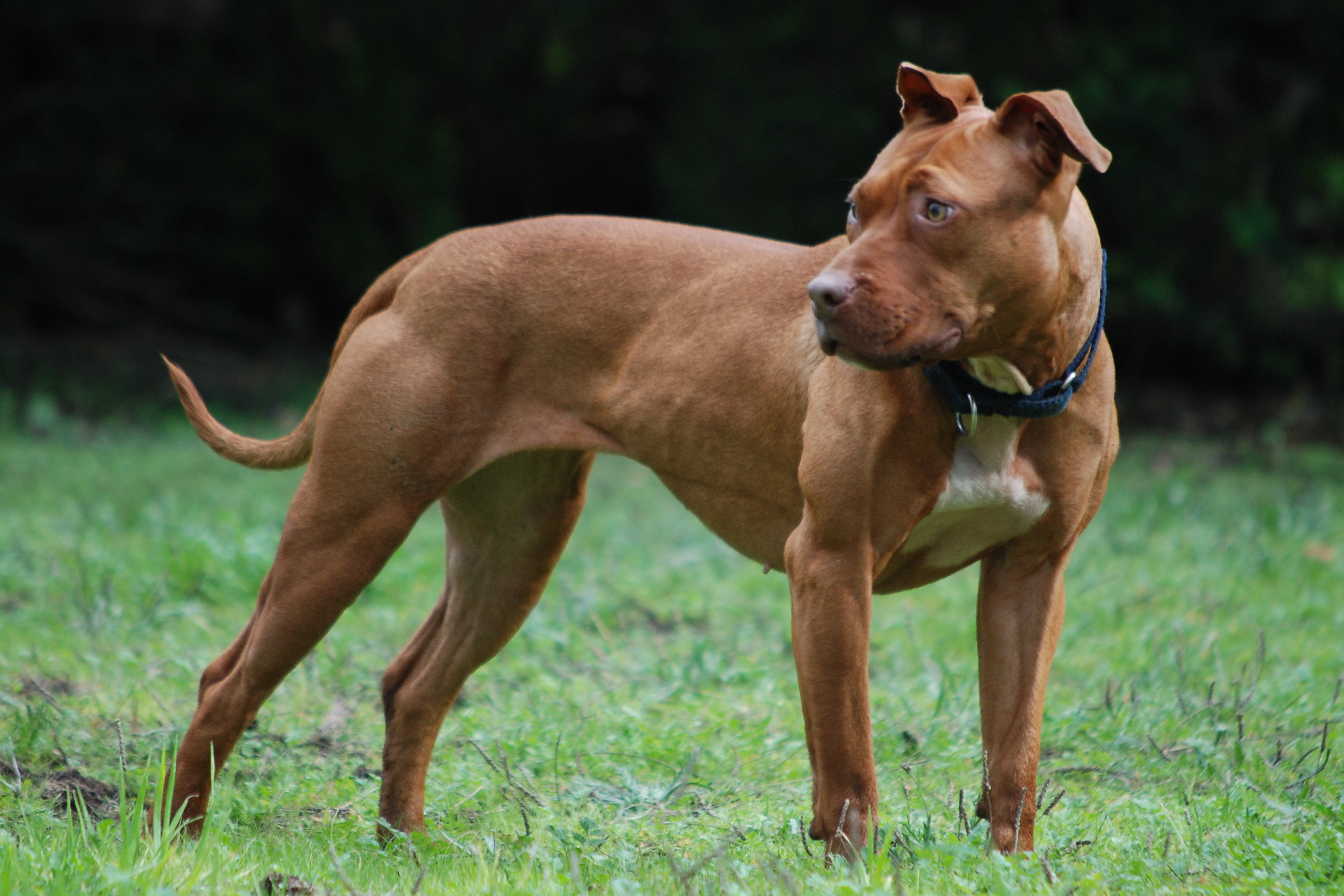
Brace yourself for this one because it challenges everything you might have heard. According to some interpretations of American Temperament Test Society (ATTS) data, pit bull-type breeds have performed well in temperament testing.
Let that sink in for a moment. They had an 86% pass rate. They also tested 785 Golden Retrievers. Of those, 669 passed and 116 failed – leaving Golden Retrievers with an 85.2% pass rate. According to their testing, Pit Bulls are slightly less likely to show aggression than one of America’s most beloved breeds.
The test isn’t some simple evaluation either. The ATTS Temperament Test focuses on and measures different aspects of temperament such as stability, shyness, aggressiveness, and friendliness as well as the dog’s instinct for protectiveness towards its handler and/or self-preservation in the face of a threat. The test simulates a casual walk through a park or neighborhood where everyday life situations are encountered. During this walk, the dog experiences visual, auditory and tactile stimuli.
The Media Magnifying Glass Effect

Ever notice how certain stories seem to dominate the headlines while others barely get mentioned? Unfortunately, Pitbull statistics are often overrepresented in the media. When a golden retriever bites someone, it might make the local news briefly. When a dog that looks like it could be a pitbull does the same thing, suddenly it’s front-page material with dramatic headlines.
This creates what researchers call a reporting bias. Despite their popularity as the all-American family dog after WWII, the reputation of pit bulls shifted dramatically with the uptick of selective media coverage. This, despite dog bite statistics that show pit bull-type dogs are no more likely to be aggressive than any other breed.
News stations seemingly enjoy pumping up stories involving Pit Bulls in violent encounters. Moreover, a lot of drama is created by mixed breeds being incorrectly labeled as “Pit Bulls.” It’s heartbreaking that people feel they must create this illusion that simply is not true. Think about it like this – if every car accident involving a red vehicle got massive coverage while blue car accidents were barely mentioned, you’d probably start thinking red cars were more dangerous too.
The Unfortunate Truth About Abuse and Neglect

Here’s where the story gets really heartbreaking. Studies suggest that many dogs involved in fatal attacks have histories of abuse or neglect. This isn’t about breed – it’s about how humans have failed these animals. The sad truth is that Pit Bulls are some of the most tortured, maltreated, and abused dogs on the planet. They’re often bred for illegal dog fights. Inhumane conditions in which people keep them are just the tip of the iceberg.
Many of these dogs never had a chance from day one. Pit Bull violence statistics report that these canines are forced to participate in dog fights more than other breeds. These dogs are chained, tortured, and starved to make them more aggressive. Not to mention that dog fighting is illegal in all 50 states.
When you look at dogs that have been properly socialized, trained, and loved, the picture changes completely. While they were trained for fighting, that doesn’t mean Pit Bulls are more prone to aggressive behavior towards humans compared to other canines. There’s no scientific evidence indicating that this “breed” is more aggressive than other dogs.
The Locking Jaw Myth and Other Falsehoods

Let’s tackle one of the most persistent myths head-on. Other misbeliefs are that they are inherently aggressive dogs that attack unprovoked and that they have locking jaws. There is nothing unique about the jaw structure of these dogs that would cause their jaws to lock while biting.
This is pure fiction that has somehow become accepted as fact. Also worth noting is that pitbull-type dogs do not have the strongest bite of any breed of dog. Their bite and jaw are not special or different from any other dog. In reality, the bite force of an American bully or an English Bull Terrier is not even the strongest bite of all domestic dogs. The Mastiff, Cane Corso, and Kangal all have stronger dog bites than pit bulls.
These myths persist because they sound dramatic and scary, but they have no basis in veterinary science or anatomy. It’s like believing that people with brown eyes can see in the dark better than those with blue eyes – it sounds plausible until you actually look at the facts.
When Size and Circumstances Matter More Than Breed
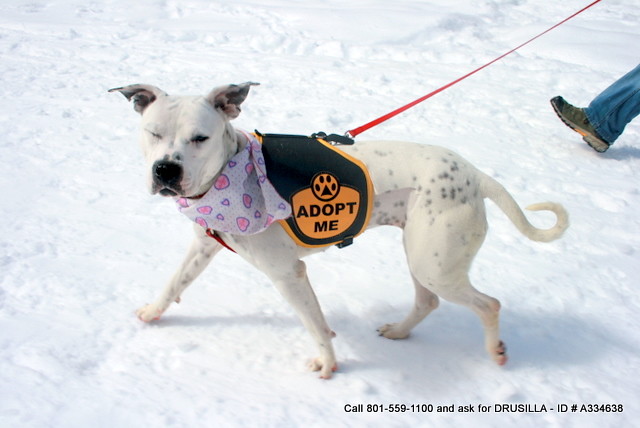
Here’s something that might surprise you about dog bite severity. A dog’s overall size is the primary significant factor that affects its bite force. Breed was not identified as a factor affecting bite force in the study’s conclusion. Force of biting in domestic canids is strongly related to size.
This means that any medium to large-sized dog has the potential to cause serious injury if circumstances align poorly. There is no difference, in the medical treatment required following a bite or in the type of bite inflicted, between bites by breeds stereotyped as ‘dangerous’ (breeds targeted by BSL such as German Shepherds, Rottweilers, and pitbull-type dogs) and other breeds of similar sizes and strengths that are not stereotyped as ‘dangerous’ (breeds such as Boxers, Bulldogs, and Labrador Retrievers).
The real factors that determine whether a dog might become aggressive have more to do with how they’re raised, socialized, and treated. In 94% of the attacks involving Pit Bulls, the dogs were male and not neutered. That means the canines had significantly higher testosterone, which has been associated with more aggressive behavior. Poor training, lack of socialization, abuse, and hormonal factors matter far more than what a dog looks like.
The Shelter Discrimination Reality
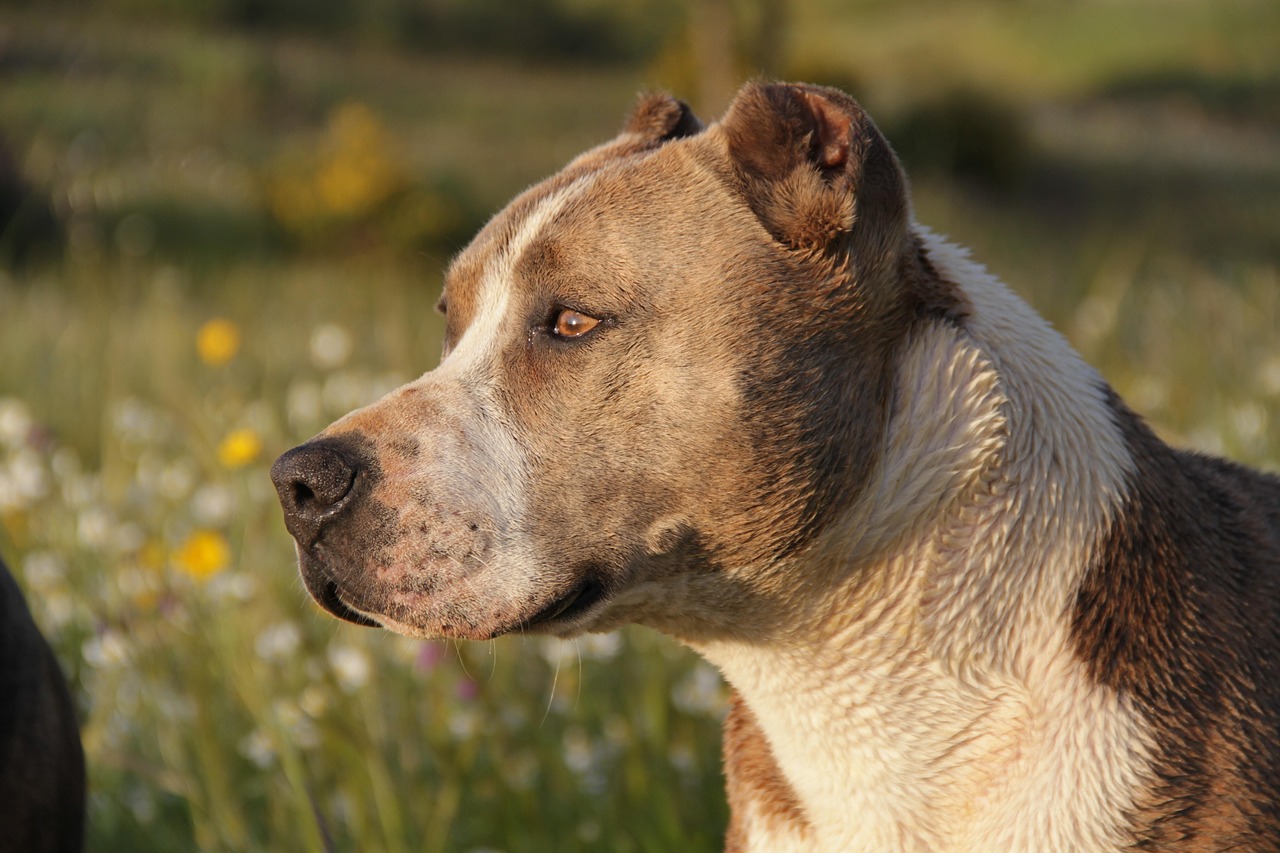
The consequences of these misconceptions go beyond just hurt feelings or online arguments. Due to a combination of factors, pit bulls spend three times more time in shelters than any other breed. Pit bulls spend three times longer in shelters than other breeds due to breed-specific legislation, their reputation, and misidentification based on appearance. Pit bulls reportedly represent a significant portion of dogs available for adoption in many shelters.
Think about what this means for individual dogs. Unlike many other things people can’t quite define but ‘know when they see it,’ identification of dogs as pit bulls can trigger an array of negative consequences, from the loss of housing, to being seized by animal control, to the taking of the dog’s life. In the high-stakes world of animal shelters, a dog’s life might depend on a potential adopter’s momentary glimpse and assumptions about its suitability as a pet. If the shelter staff has labeled the dog as a pit bull, its chances for adoption automatically go down in many shelters.
Some shelters have started experimenting with removing breed labels entirely, and the results are telling. An Orlando shelter did away with labels on dogs and discovered something amazing. Namely, Pit Bulls facts show that adoption rates for pit bull-type dogs reportedly improved when breed identification tags were removed. Non-labeled Pit Bull-type canines also spent 1.5 days less at the shelter, and euthanasia rates went down by 12%.
Conclusion
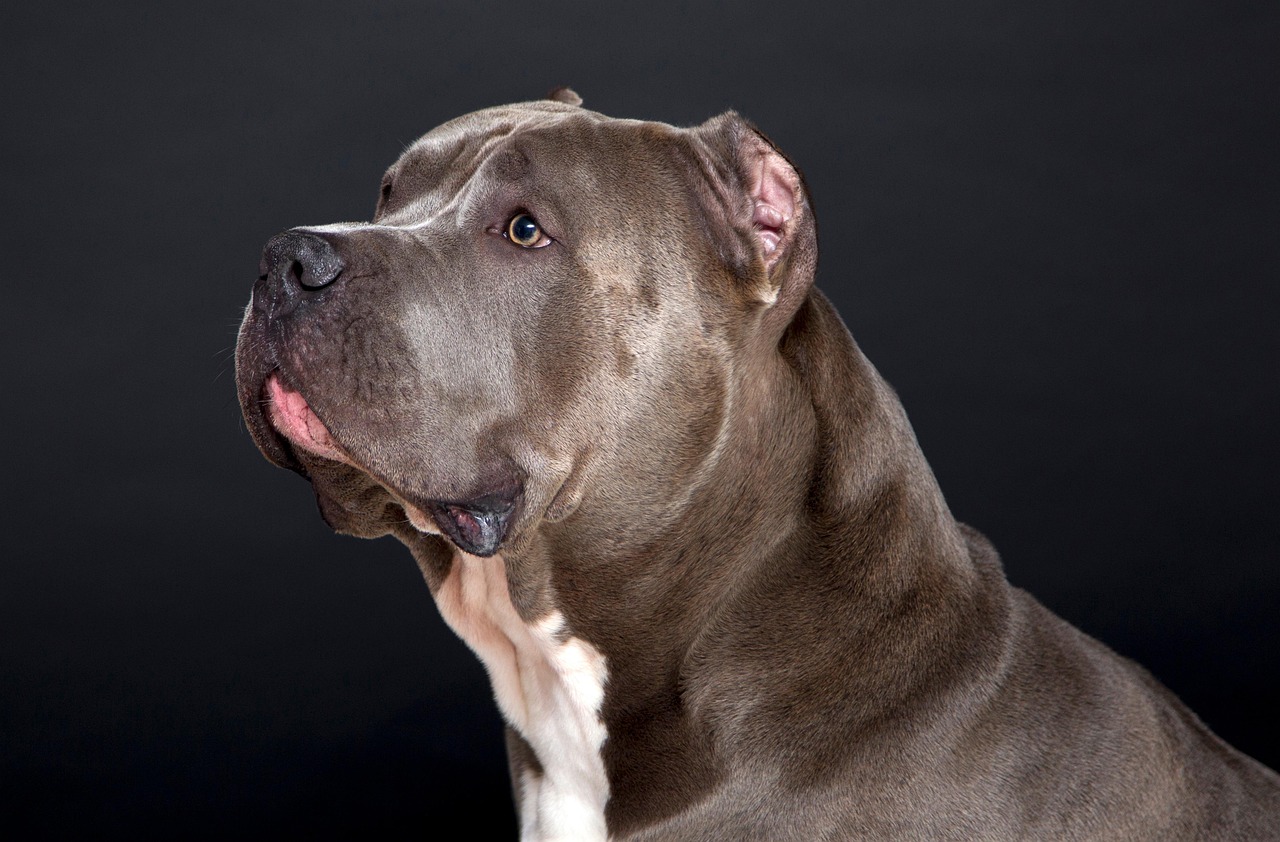
The evidence paints a clear picture that challenges decades of assumptions and fears. These dogs aren’t the monsters they’ve been made out to be – they’re victims of misidentification, media sensationalism, and sadly, human cruelty. When raised with love, proper training, and socialization, they consistently test as well-tempered family companions, often scoring better than many breeds we consider naturally gentle.
The real tragedy isn’t just the discrimination these dogs face, but how our misconceptions prevent loving families from discovering what amazing companions they can be. Science has given us the tools to move beyond prejudice and make decisions based on facts rather than fear.
What do you think about this evidence? Does it change how you view these often-misunderstood dogs? Tell us in the comments.


