
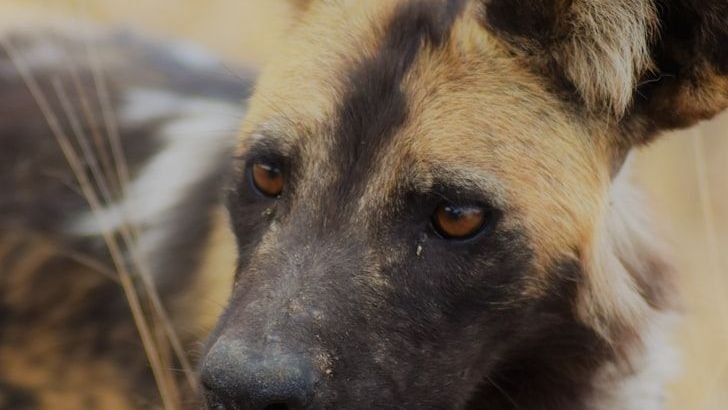
Picture this: you stumble across a tiny coyote pup, eyes barely open, abandoned and helpless. Your heart melts. You wonder, could I save this little wild thing? Could I somehow make it part of my family? This dream has captured countless animal lovers over the years. The idea of sharing your life with one of nature’s most adaptable predators seems thrilling, almost magical.
Yet beneath this romantic notion lies a complex web of challenges, laws, and realities that most people never consider. From unpredictable wild instincts to specialized care requirements, the journey from wild coyote to household companion is far more complicated than you might imagine. Let’s explore what it really takes to answer this fascinating question.
The Legal Reality Behind Coyote Ownership
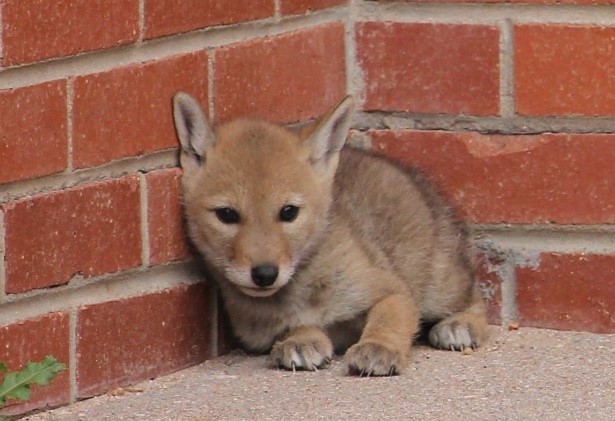
Most states explicitly prohibit keeping coyotes as pets without special permits, which are rarely granted to private individuals. These permits typically go to wildlife sanctuaries, educational facilities, and licensed exhibitors, not your average animal lover dreaming of a unique companion.
The legal landscape shifts dramatically depending on where you live. In Texas, while technically possible with proper permits from the Texas Parks and Wildlife Department, these permits are rarely granted to private individuals and typically go to qualified facilities like zoos and sanctuaries. Meanwhile, other states have zero tolerance policies. Even in places where ownership might be technically possible, local city ordinances or homeowner associations often impose additional restrictions.
Violations can result in substantial fines, animal confiscation, and potential criminal charges. Before you even think about rescuing that adorable pup, you need to contact your state’s Department of Natural Resources and local authorities. The consequences of getting this wrong are serious and permanent.
Why Coyotes Can’t Be Truly Domesticated
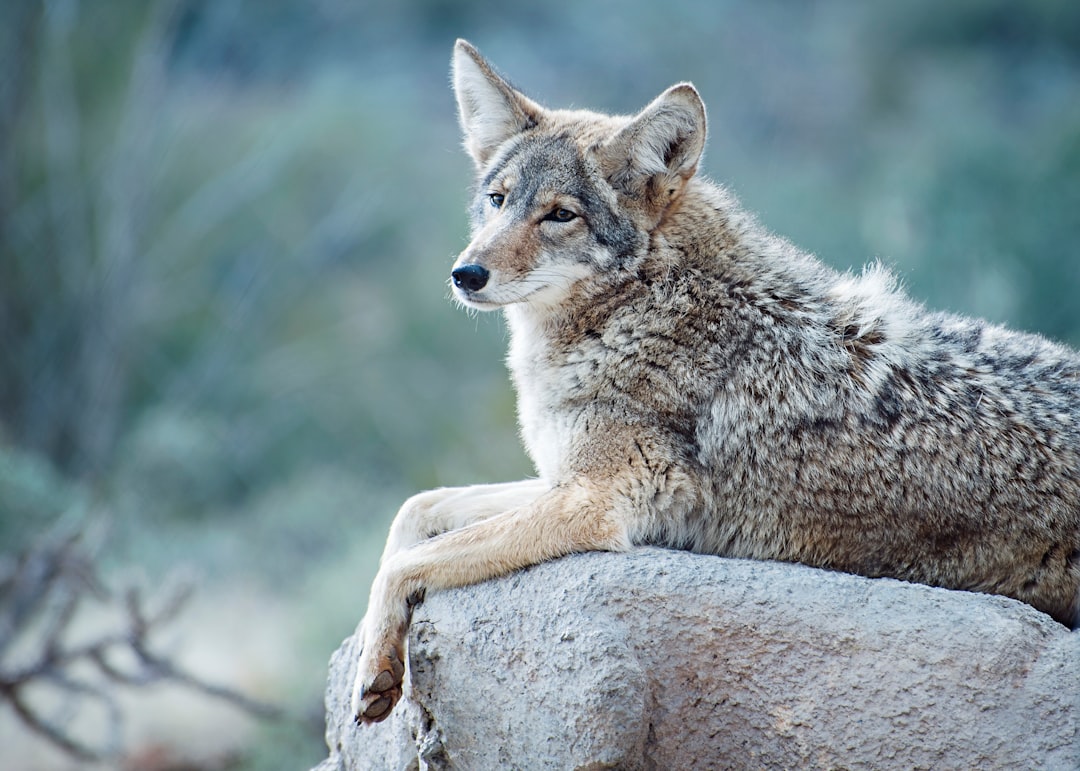
Here’s where many people get confused about the difference between taming and domestication. Taming involves conditioning an individual animal to tolerate human presence, while domestication requires genetic changes over many generations through selective breeding.
Think about it this way: Dogs branched off to become a separate species about 27,000–40,000 years ago. That’s tens of thousands of years of selective breeding and genetic changes. A single coyote raised from puppyhood simply cannot overcome millions of years of wild evolution in one lifetime.
While individual coyotes might be tamed to some degree, they remain wild animals with strong instincts that cannot be bred out in a single generation. This fundamental difference means that even the most patient, experienced handler will always be working against nature rather than with it.
Wild Instincts That Never Disappear
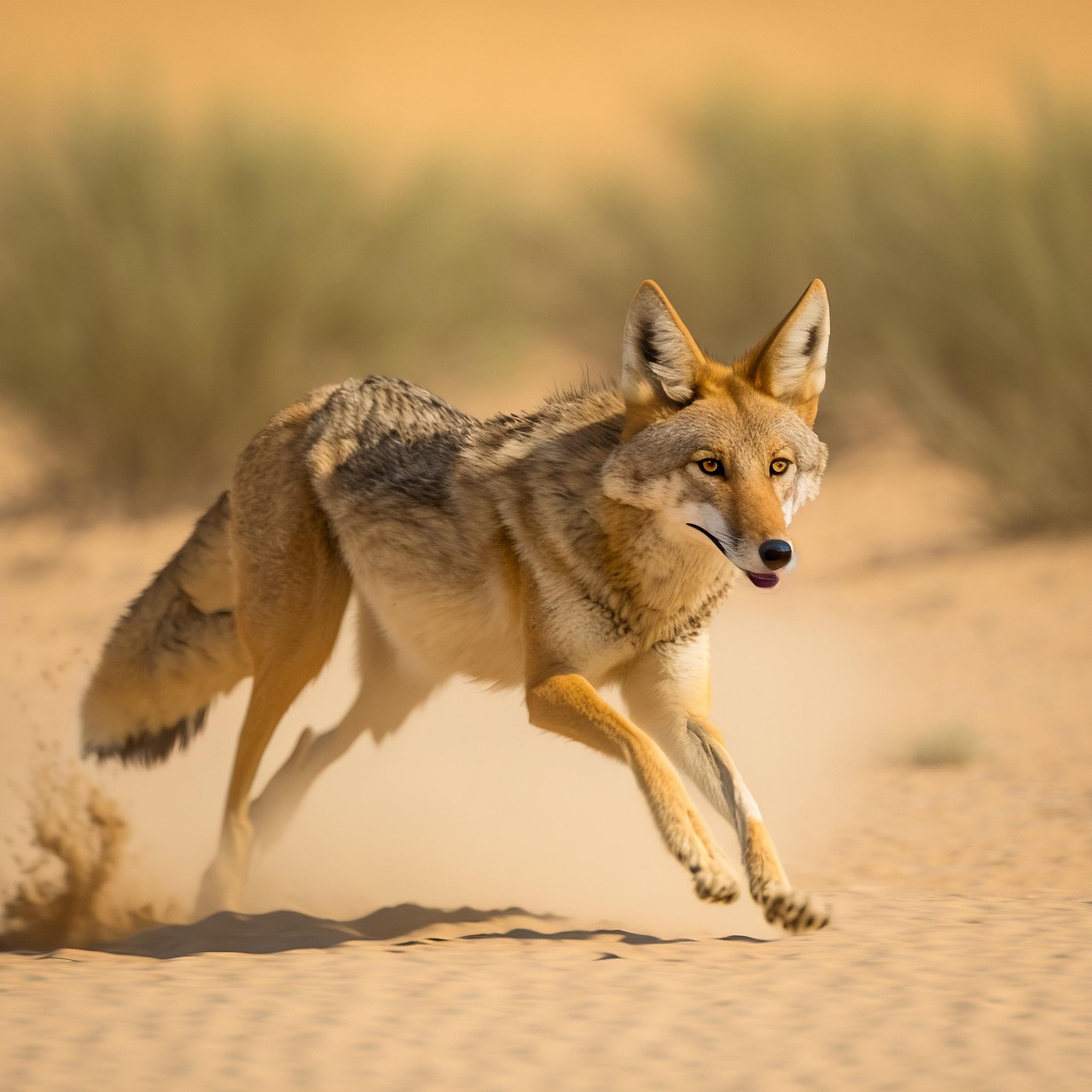
Even hand-raised coyotes retain behaviors that make them unsuitable as pets. Instinct will kick in when a coyote sees a rabbit or the family cat. Picture having friends over for dinner when suddenly your “pet” fixates on their small dog with those intense predator eyes.
Coyotes are natural hunters with a predatory instinct, making them dangerous to other animals. If kept as pets, they may attack and kill smaller pets like cats, rabbits, and even smaller dogs. This isn’t behavioral training gone wrong – it’s hardwired survival programming that no amount of socialization can eliminate.
Their territorial nature creates additional problems. Coyotes are still coyotes and will probably act aggressively toward any other canine they encounter. Walking your coyote at the local dog park? Forget about it. The risk to other pets and their owners is simply too high.
The Housing Challenge
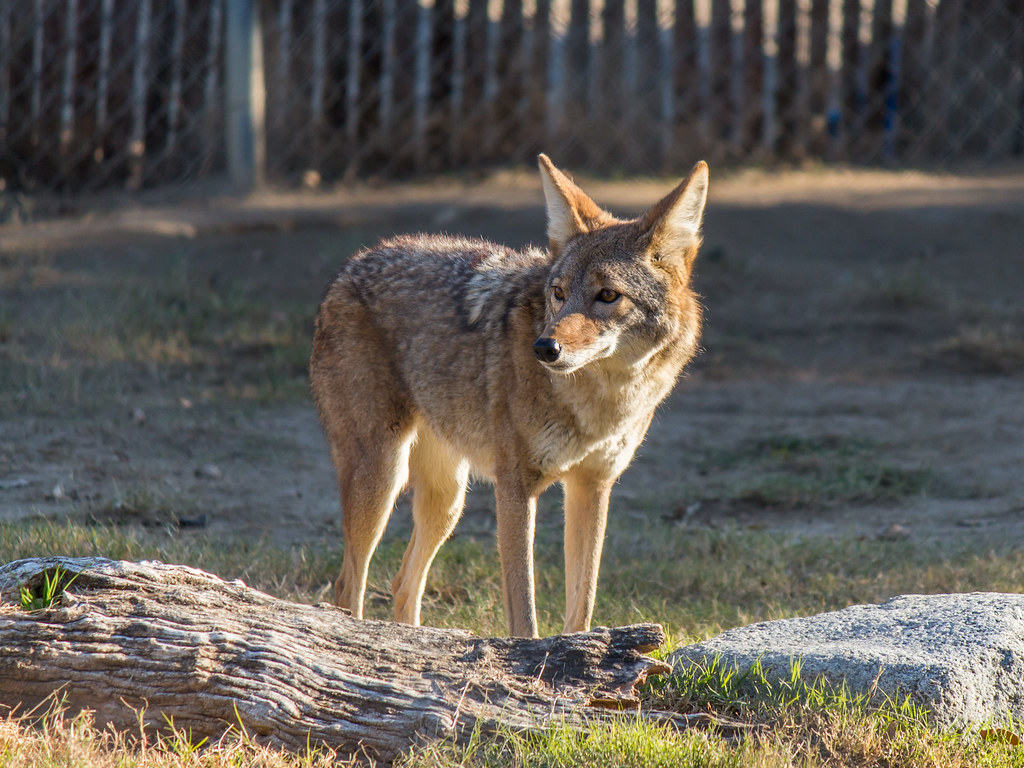
Coyotes are not suitable as house pets and require a spacious and secure outdoor enclosure to fulfill their high energy needs. Without proper outlets, they will become highly destructive. We’re not talking about a large backyard here – we’re talking about massive, professionally constructed facilities.
Coyotes are adept climbers, jumpers, and diggers, and if someone spots your coyote roaming freely, there is a significant risk that it will be killed due to fear. The enclosure must include both overhead coverage and underground barriers to prevent escapes.
Pet coyotes also do not potty train. Imagine dealing with that reality in your living room. The specialized housing requirements alone make coyote ownership impractical for most people, even those with good intentions and deep pockets.
Veterinary Care Nightmare
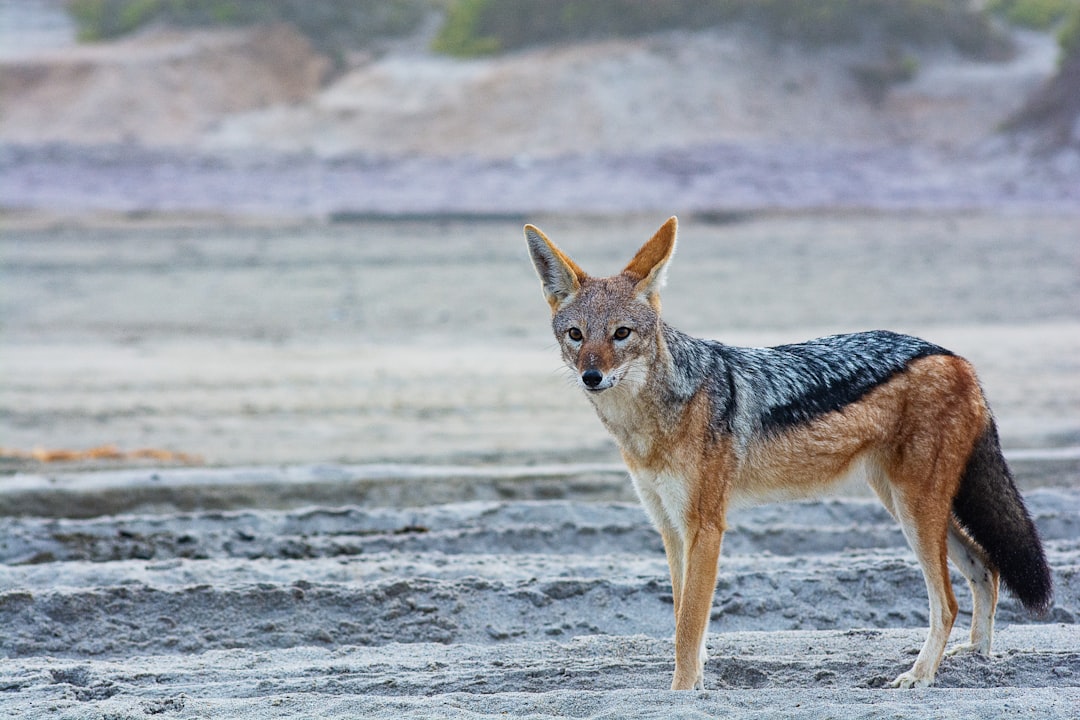
Finding proper medical care for a coyote presents enormous challenges. Additionally, finding veterinary care can be challenging, as few practitioners have experience with wild canines. Your neighborhood vet who handles Fluffy’s annual checkup is not equipped for this.
Although coyotes are closely related to domestic dogs, regular veterinarians or even exotic pet specialists may not have experience with them. Conduct thorough research to find a veterinarian who specializes in zoological medicine and has expertise in treating large exotic pets.
The medical requirements are extensive. There are two important vaccines that your pet coyote requires: the DHPP vaccine and the rabies vaccine. The DHPP vaccine protects your pet coyote against Distemper, Adenovirus, Parainfluenza, and Parvovirus. The rabies vaccine, as the name implies, safeguards them against rabies. But good luck finding someone willing and qualified to administer them.
Dietary Demands and Nutritional Complexity
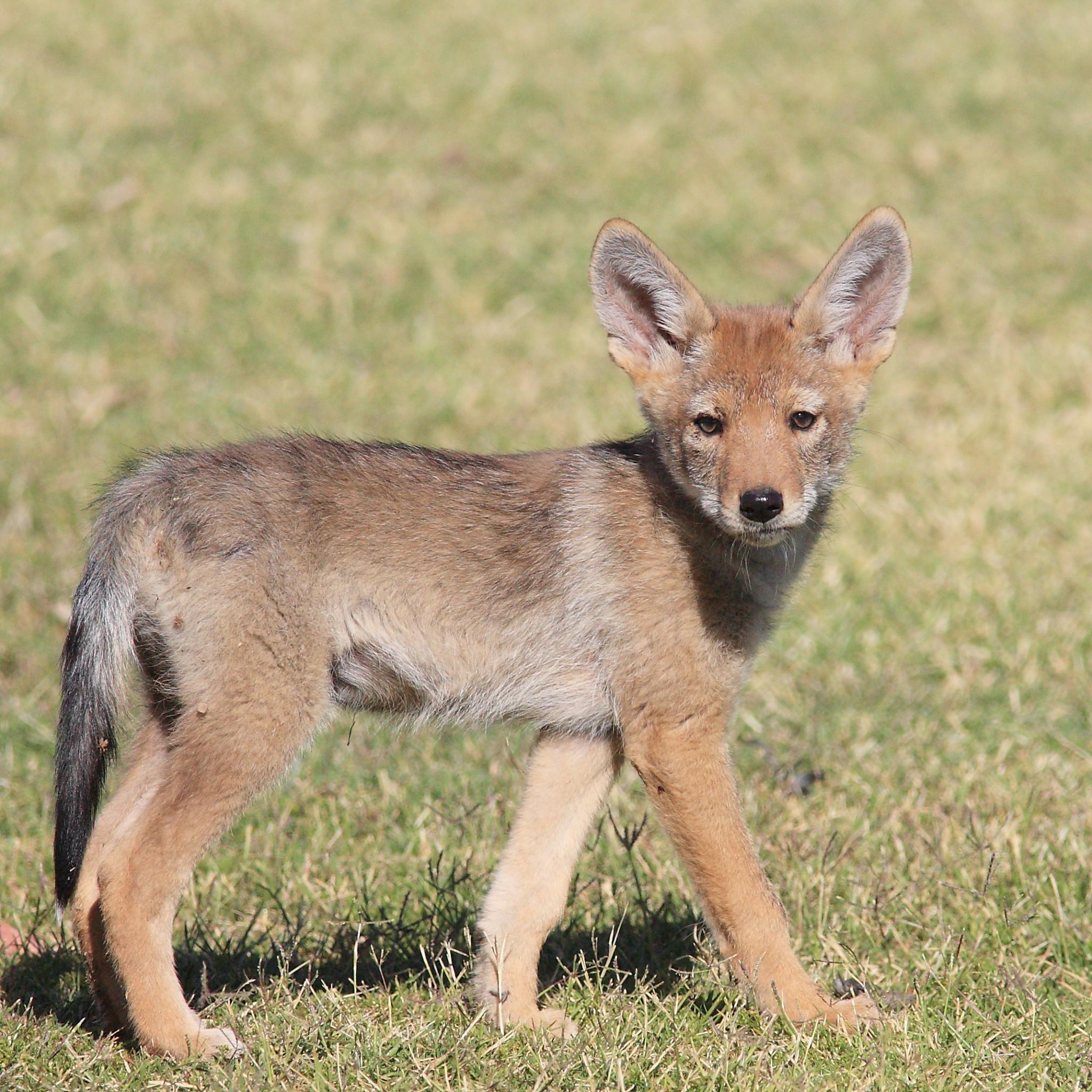
Coyotes require a predominantly raw meat-based diet, as they are not domestic canines. Although you can offer them some dog kibble as a snack, they still need a balanced raw meal on a daily basis because kibble alone does not fulfill all their nutritional needs.
This isn’t as simple as picking up some ground beef at the grocery store. While coyotes are omnivores, their diet primarily consists of meat, which should make up around 85-90% of their overall intake. Out of this percentage, approximately 10% can consist of raw bones, 5% should be liver, and another 5% should comprise other forms of offal, such as kidney, spleen, or pancreas.
The cost and complexity of providing appropriate nutrition becomes overwhelming quickly. You need reliable sources for fresh organs, bones, and specialized supplements. This can be difficult to maintain, and owners may need help to afford the high cost of feeding a coyote.
Safety Risks That Can’t Be Ignored
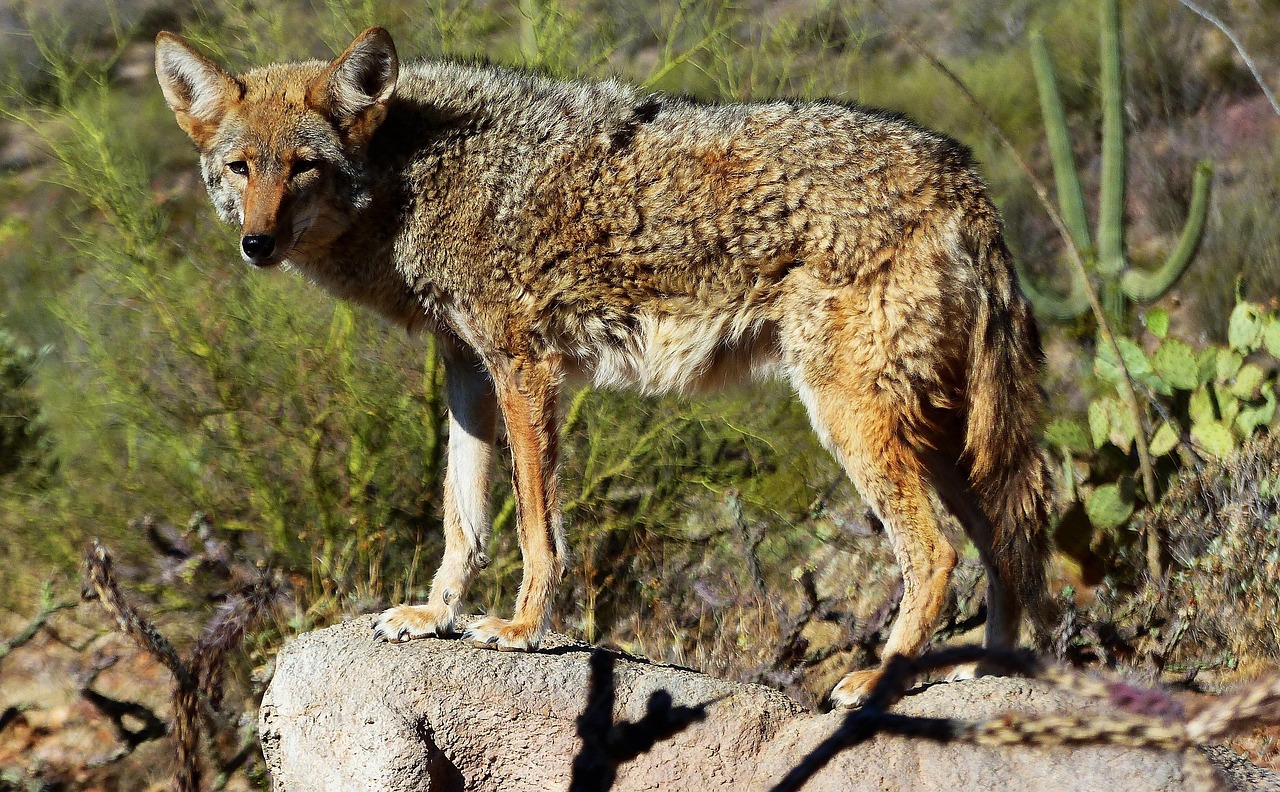
Coyotes have been known to attack humans. Many of these attacks are brazen, broad-daylight conflicts. Even well-meaning attempts at socialization can backfire spectacularly. The famous case documented online shows a woman who hand-raised a coyote, only to have him nearly attack her one night, forcing her to establish new boundaries.
Coyotes are wild animals with strong instincts. They usually avoid humans but can become aggressive if threatened or cornered. Even if socialized, coyotes are unpredictable and can be dangerous, mainly around children or other pets.
Consider the liability issues. If your coyote escapes and injures someone, you’re facing potentially devastating lawsuits. If by any chance your pet gets lost it might be shot by gun-wielding and trigger-happy gun nuts. The risks extend far beyond your own household.
Alternatives That Actually Work
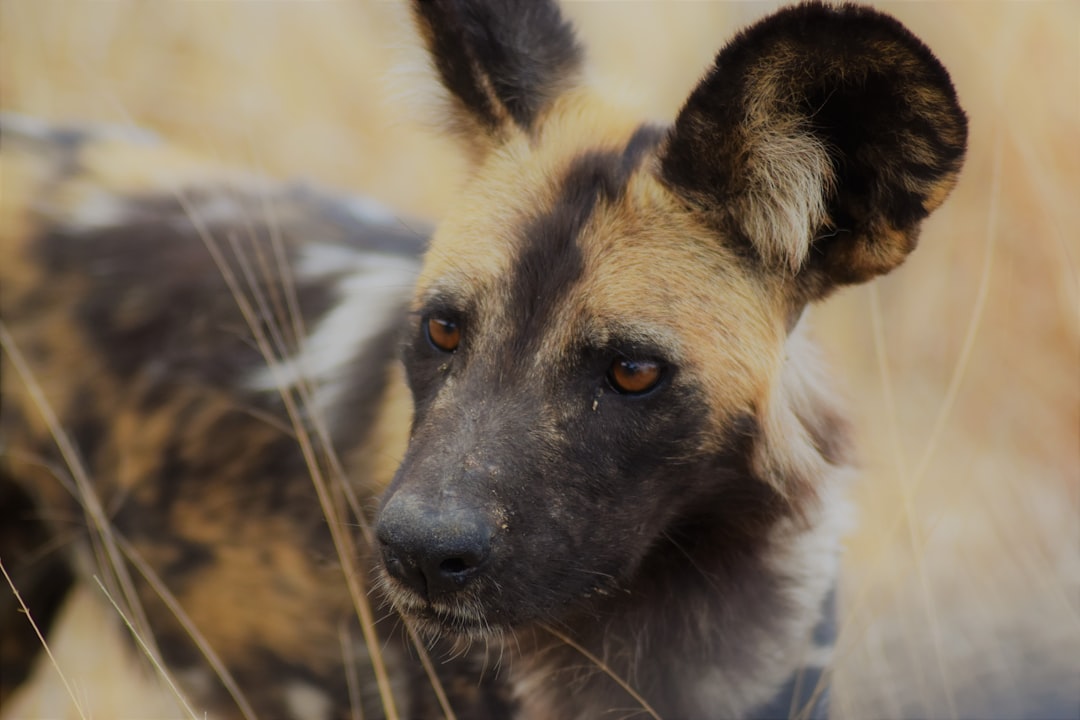
If you’re drawn to the idea of a coyote-like companion, there are much better options. Consider volunteering at wildlife sanctuaries, supporting conservation efforts, photographing wild coyotes, or adopting domestic dog breeds with similar appearances. These options allow for wildlife interaction while respecting natural ecosystems.
Several dog breeds offer similar physical characteristics without the wild animal challenges. Nordic breeds, certain shepherd mixes, and other wolf-like dogs can satisfy that desire for a wild-looking companion while remaining safe, legal, and manageable.
When a coyote mates with a domestic dog, their offspring is called a coydog. However, these hybrids are often unpredictable, combining challenging traits from both parent species and retaining strong wild instincts. However, even coydogs come with their own set of challenges and legal considerations.
Conclusion
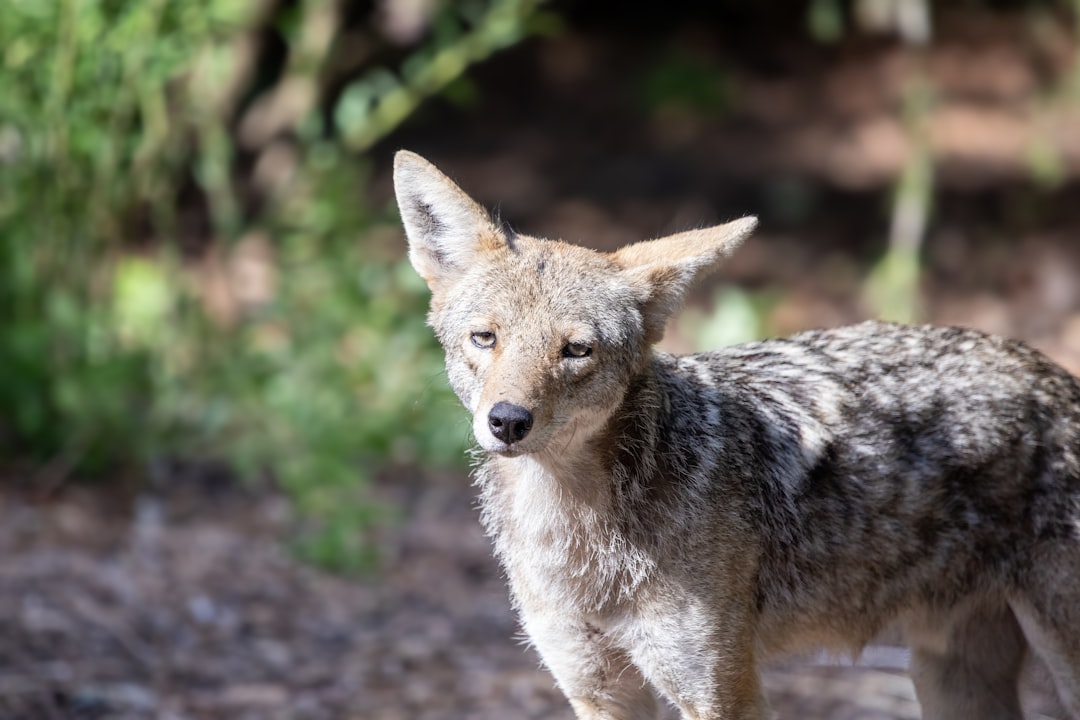
The dream of turning is ultimately a fantasy that ignores the realities of wild animal biology, legal restrictions, and practical challenges. Coyotes cannot be truly domesticated like dogs. While they may learn some basic commands, they retain wild instincts and behaviors that make them unsuitable as pets, even when raised from pups.
The best way to appreciate these remarkable animals is to respect them in their natural habitat. Support wildlife conservation efforts, observe them from a safe distance, and choose domestic alternatives that can truly thrive as family companions. Your local animal shelter is full of amazing dogs waiting for homes – dogs that have been bred for thousands of years to be perfect human companions.
What do you think about the idea of keeping wild animals as pets? Have you ever been tempted by the thought of an unusual animal companion? Share your thoughts in the comments below.


