
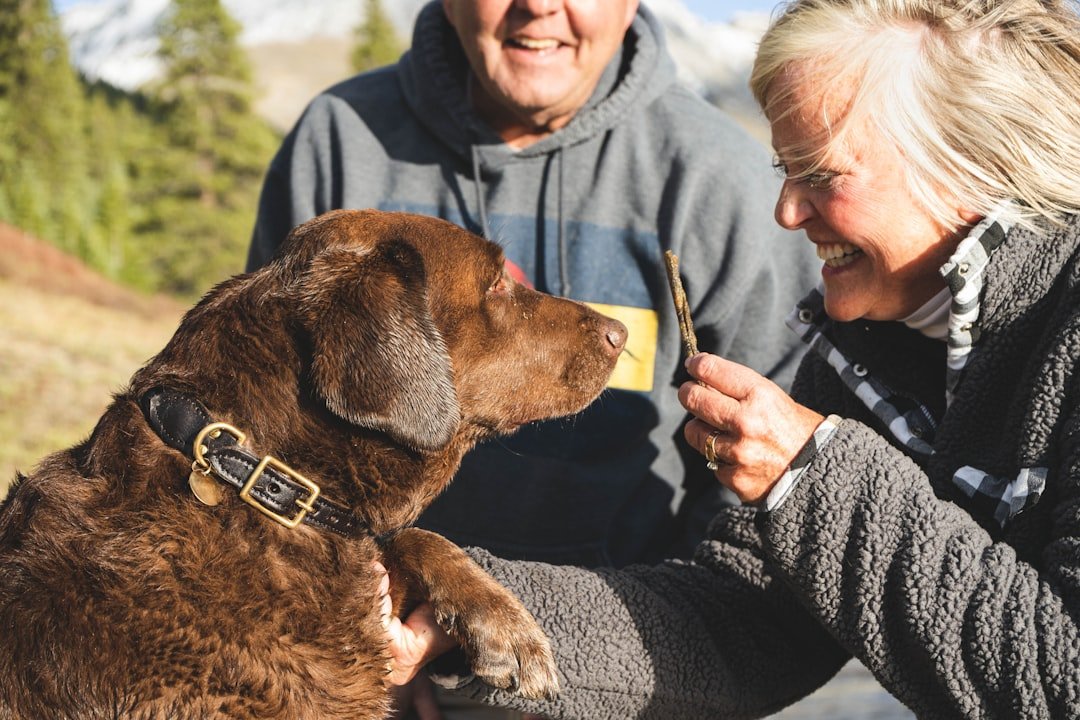
Picture this: you walk into your local animal shelter, drawn by the puppy section, when you catch the eyes of a graying muzzle looking through kennel bars. That gentle face tells a story of resilience, wisdom, and unconditional love just waiting to unfold in your home.
s have a devastatingly low adoption rate of just twenty-five percent, compared to the sixty percent adoption rate for younger dogs and puppies. These incredible companions are overlooked, yet they offer some of the most rewarding relationships you’ll ever experience with a four-legged friend. From their calm demeanor to their grateful hearts, s bring unique gifts that might surprise you.
Let’s explore why opening your heart to an older dog could be the best decision you’ll ever make for both of you.
They’re Already Housebroken and Well-Mannered

Dogs aged seven and older are typically housebroken, less destructive, and calmer than younger dogs. Think about it like this – they’ve already figured out the house rules and have no interest in redecorating your furniture with their teeth. Older dogs have often grown out of habits that a puppy has not, including teething, destructive behavior and accidents in the house.
One of the many perks of adopting an older pet is that they often have prior training, meaning they can be extremely adaptive in new households. While puppies turn your shoes into chew toys and mistake your carpet for a bathroom, senior dogs understand boundaries. Older dogs tend to have much better bladder control and are also better at paying attention and more inclined to please their owners.
You Save a Life That Desperately Needs Saving
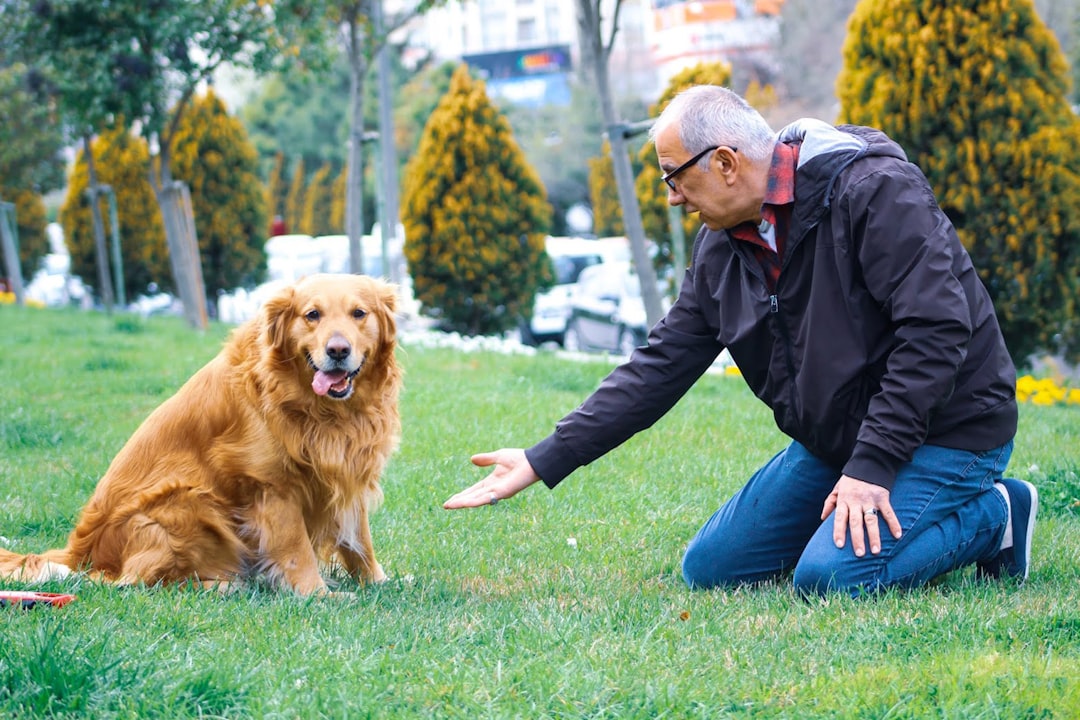
First and foremost adopting an elderly animal from a shelter will save its life. As no one likes to talk about it, but shelters do have to euthanize. Since older animals are less likely to be adopted, one can surmise that a significant portion of the ones euthanized are older. When the senior dogs remain unadopted, they face the risk of being euthanized at overcrowded kill shelters.
Every senior dog that finds a home creates space for another animal in need. When you adopt an older dog, you become a hero in the truest sense. Even if you’re adopting a pet from a no-kill shelter, there’s a high likelihood that you’re saving a life without even knowing it. Many shelters work together to save as many pets as they can, and one of the ways they do so is by transferring pets from overcrowded kill shelters to no-kill shelters in different states.
Their Personality is Fully Developed
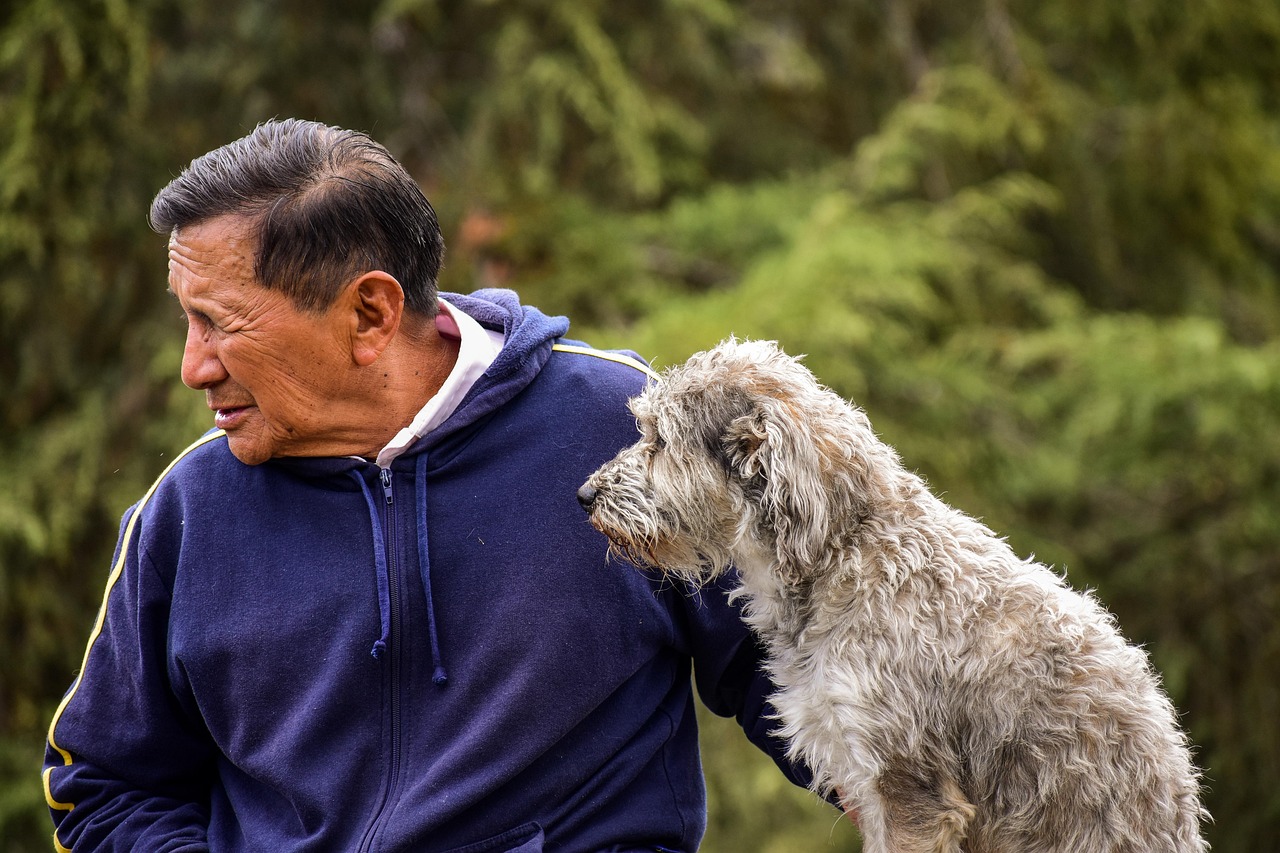
While a puppy’s characteristics and disposition might change over time as he matures, a senior pet is less likely to change because his personality has already developed. When you adopt a senior pet, what you see is what you get! If you have certain desires in terms of size, coat type, or coat length, you’ll know immediately what you’re getting with a senior pet.
No guesswork about whether your tiny puppy will grow into a giant or if your calm kitten will become a midnight zoomies champion. With senior dogs, their temperament is established, their quirks are known, and their love language is already clear. He doesn’t seem old – he’s just super laid back, and his personality is already set; I can’t influence it. He’s his own cat, which I really like.
They Have Lower Exercise Requirements
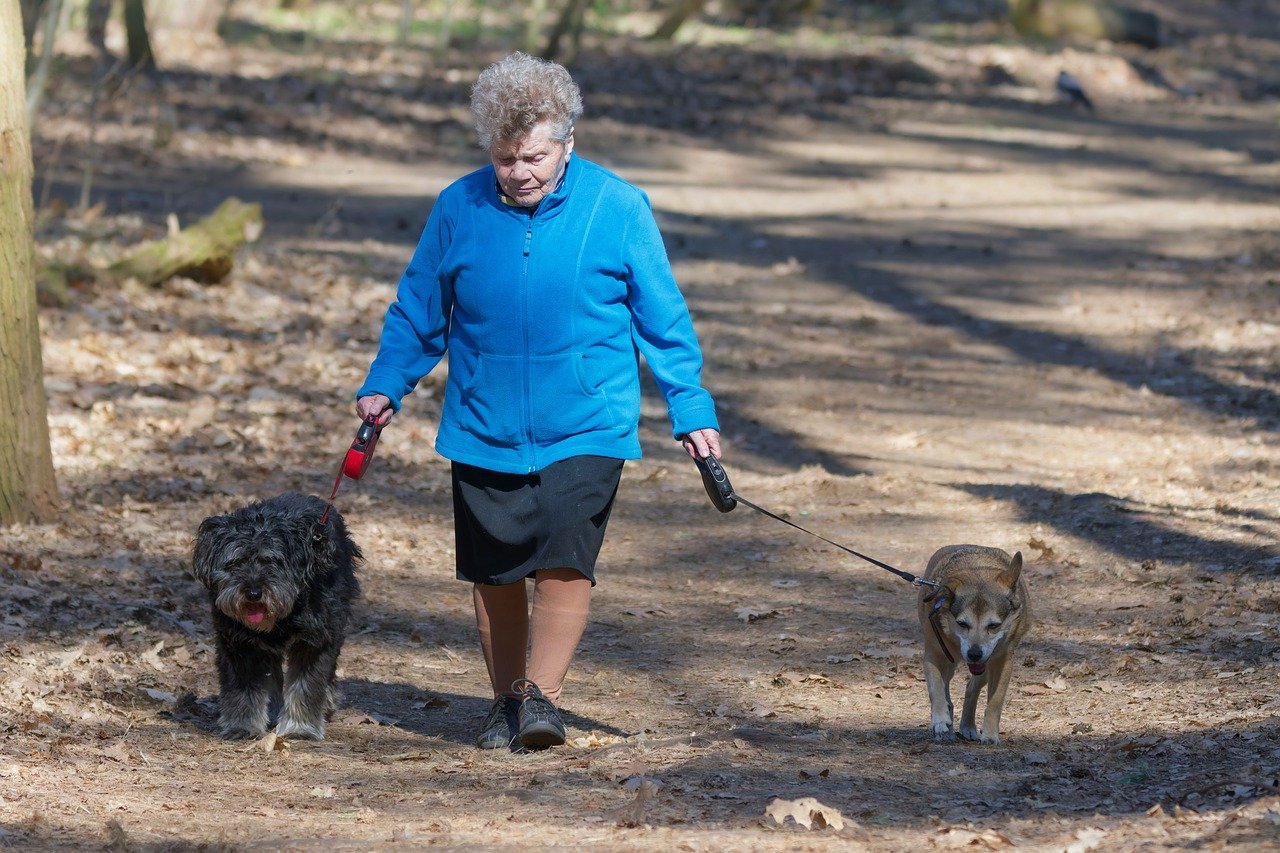
Senior pets still need exercise, of course, but depending on their age and mobility level, the exercise may be nothing more than a short walk or play session. Many senior pets are content to lay around and spend time with you relaxing at home. The lower odds of return among senior dogs may be attributed to reduced exercise and training requirements, particularly if the dog has lived in a home previously.
This makes them perfect for people with less active lifestyles or those who prefer gentle walks over marathon hikes. Having a dog can help older adults stay physically active, thanks to regular walks and playtime. It’s not just about exercise, though. They encourage movement without demanding excessive energy, creating the perfect balance for companionship and health.
They’re Incredibly Grateful Companions
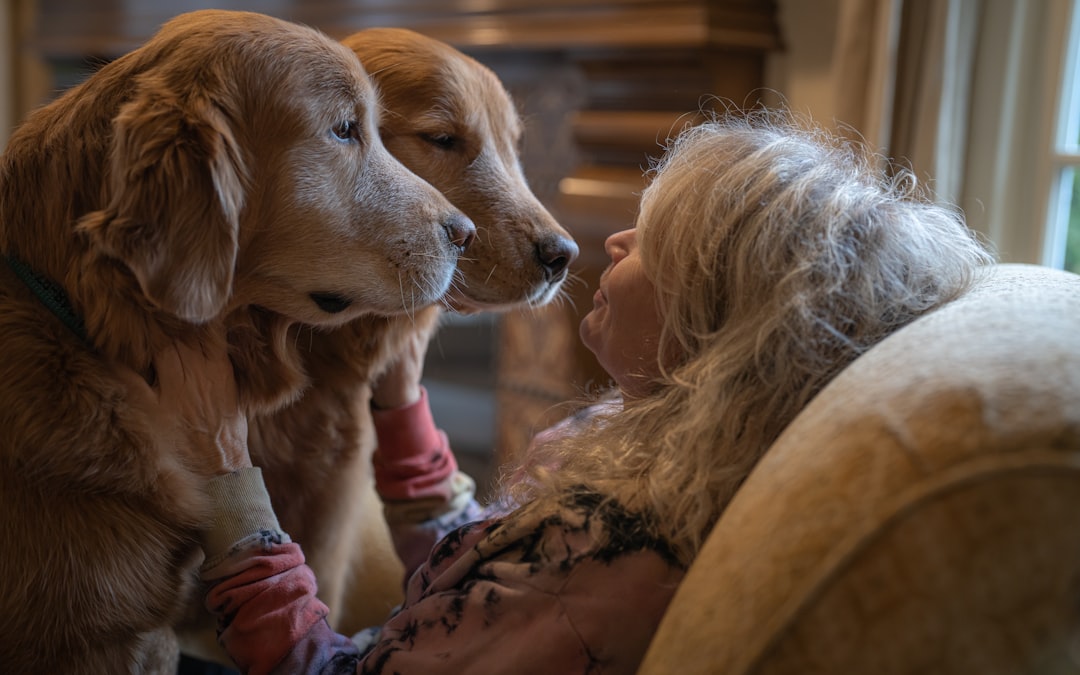
Senior dogs seem to understand when they’ve been given a second chance. Their grateful nature shines through in every tail wag, every gentle nuzzle, and every time they choose to curl up beside you instead of anywhere else in the house. This gratitude creates an incredibly strong bond that younger dogs, who haven’t experienced loss or uncertainty, might not express as profoundly.
Giving the gift of love and care to a senior pet is often one of the most rewarding experiences for families of all kinds. Adopting an older pet from the Humane Society of Tampa Bay not only provides endless benefits to your own life, but also brings hope and joy to a senior animal who deserves love. Their appreciation for simple comforts like a warm bed, regular meals, and gentle attention can teach us profound lessons about finding joy in life’s basics.
They Offer Outstanding Health Benefits for Humans

According to the Centers for Disease Control and Prevention, pets increase opportunities for exercise and outdoor activities, contribute to better cognitive function in older adults, and provide more opportunities to socialize. Having a pet is also linked to health benefits such as decreased blood pressure, cholesterol levels, and triglyceride levels. Pet ownership is even associated with reduced feelings of loneliness, anxiety, and PTSD.
Research shows that more than three-quarters of pet owners say their animals reduce their stress, and nearly as many say pets give them a sense of purpose. Research has found that older adults who reported owning a pet were thirty-six percent less likely to report loneliness than older adults who don’t have pets. Some studies suggest pet owners may have fewer doctor visits, though the research on this topic shows mixed results.
They’re Natural Therapy Dogs
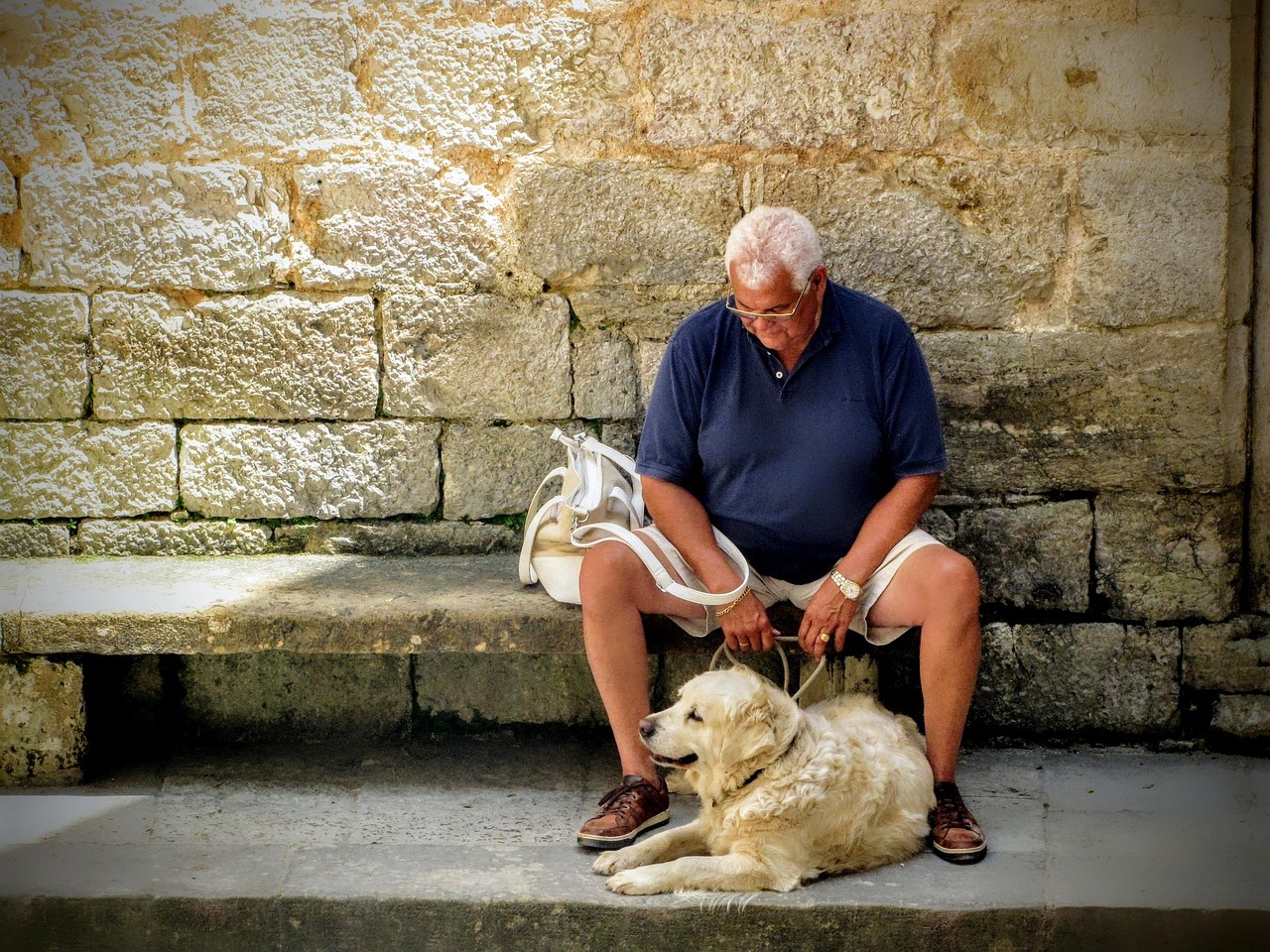
In addition to their unique, lovable demeanor, senior pets often possess a wonderful gift; a naturally calmer temperament. In many cases, their maturity and life experience can contribute to a more stable disposition, which is perfect for households with young children or babies. Senior pets are also often more likely to exhibit patience; just another reason why they can be excellent companions for your little ones.
Dogs are especially effective at helping older patients who have physical disabilities. A study by the University of Michigan, sponsored by AARP, found that seventy percent of older adults said their pet helps them cope with physical or emotional symptoms, and forty-six percent said their pets help take their mind off of pain. Their intuitive understanding of human emotions makes them exceptional comfort providers.
They Create Structure and Purpose in Daily Life
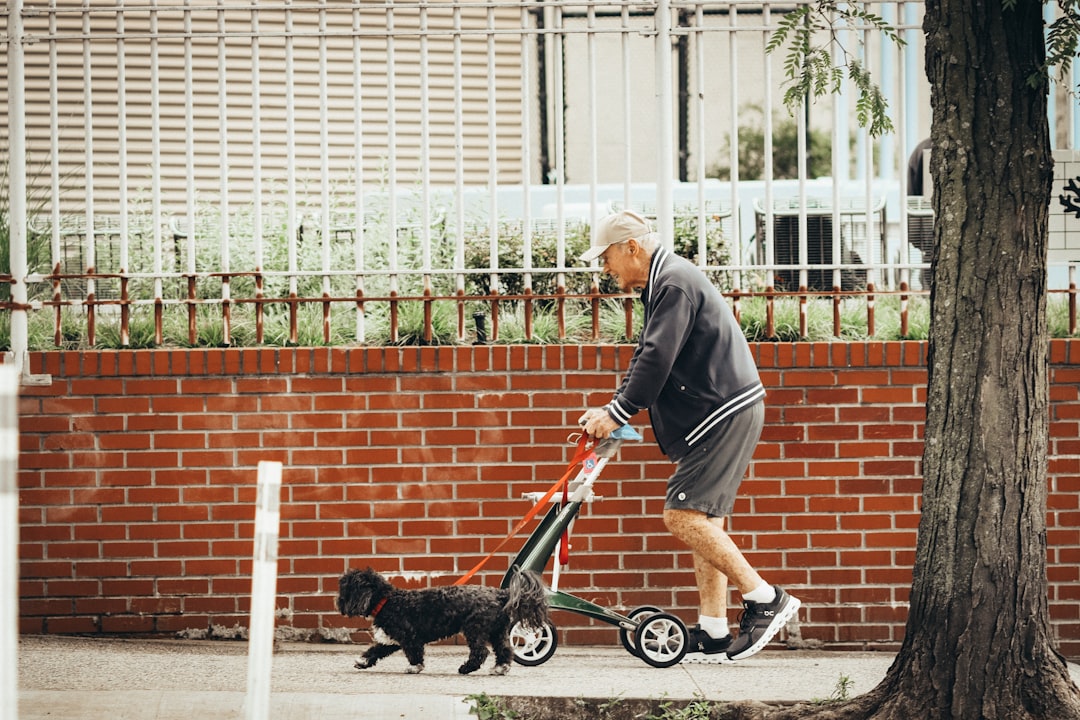
As we get older, maintaining a routine becomes increasingly important, and pets thrive on routine and require regular feeding, exercise, and care. Having a pet encourages seniors to establish and adhere to a daily schedule. This structured routine provides a sense of purpose and helps seniors maintain cognitive abilities and mental alertness. Caring for a pet’s needs helps seniors maintain a sense of responsibility and control, enhancing their overall quality of life.
However, pets need their owners. They depend on their owners for companionship, love, food and exercise. A pet can give an elderly adult a real sense of purpose and help them create a routine that brings structure to their day. This daily structure can be especially beneficial for retirees or people going through major life transitions.
They Enhance Social Connections
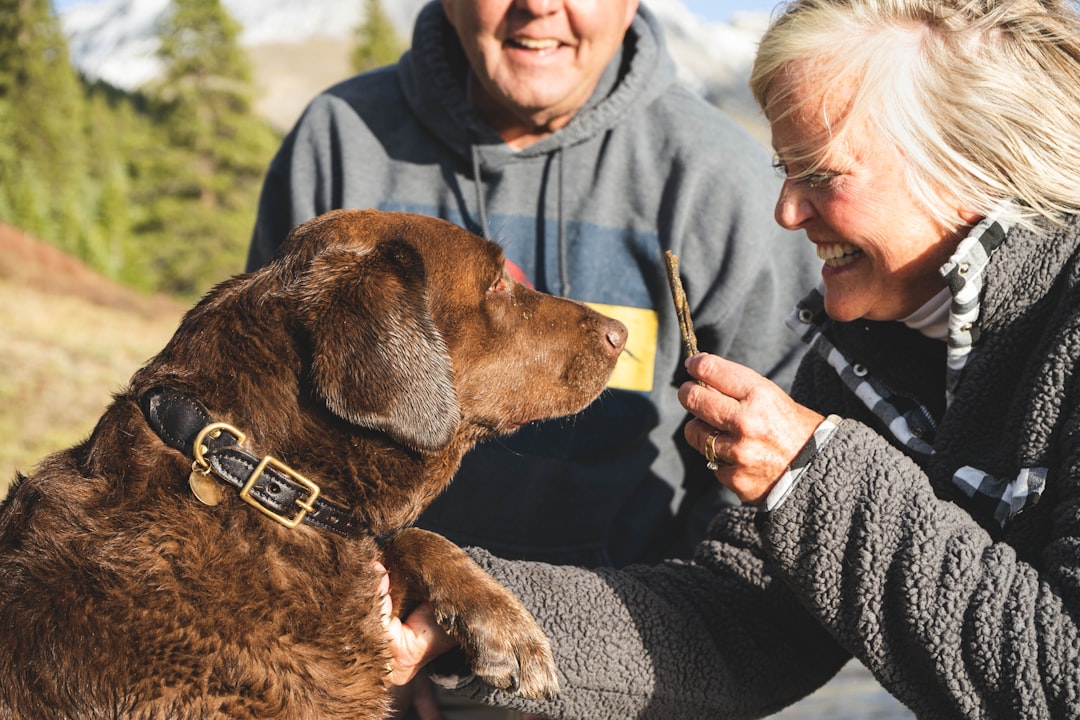
Pets are undoubtedly great companions, but they also help their humans make connections with other people and build a social support network, which has health benefits as well. Research has found being a pet owner was the third most common way that people meet other people in their neighborhoods. Pet owners were sixty percent more likely than non-pet owners to get to know people in their neighborhoods.
Walking a dog in the neighborhood often leads to casual conversations with other pet owners, providing a sense of belonging and community. Seniors with pets may join local pet-related activities, attend training classes, or participate in pet therapy programs that increase a senior loved one’s social circle and provide an opportunity to make new friends. These interactions combat isolation and build meaningful community connections.
They’re Often More Adaptable Than Expected
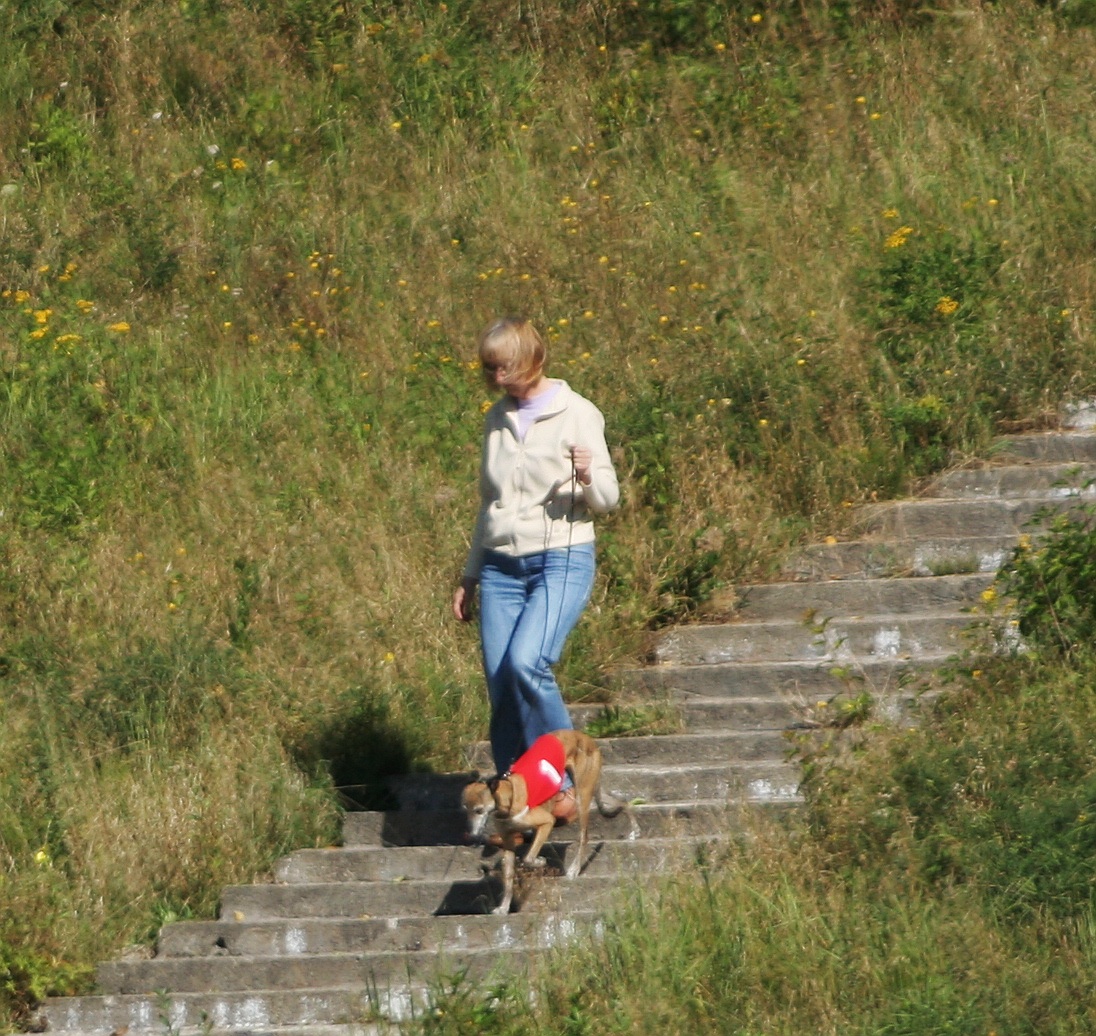
Introducing older animals to a new space with pets tends to be easier due to their past experiences being around other pets. A senior pet is less likely to have a changing personality than a younger pet would, having grown out of younger habits. While senior pets are extremely adaptive and fully capable of learning new skills, you can’t teach an old dog new tricks is simply not true.
Their potential to learn may decrease as they get older, but their desire to please their humans is something they will carry with them forever. Many senior dogs adapt to new homes remarkably quickly, often settling in faster than younger dogs who might be overwhelmed by change. Older shelter dogs usually have some basic training, and they tend to settle into homes more quickly and easily than younger pets.
A Decision That Changes Everything
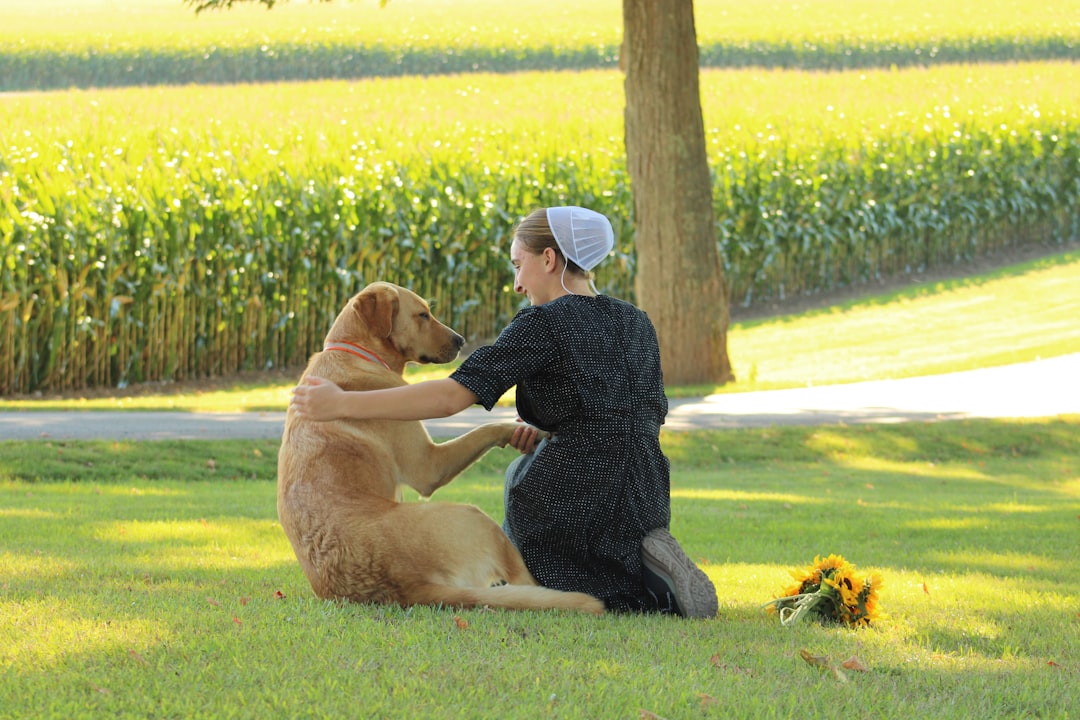
isn’t just about giving an older animal a home – it’s about welcoming wisdom, gratitude, and profound companionship into your life. These remarkable dogs have so much love left to give, and they understand better than any puppy the precious nature of a second chance.
They help them fight off loneliness and solitude and continue their activity. To many elderly people, their animal friend means joy and quality of life. While they may have graying muzzles and slower gaits, their hearts are full of love and their capacity for joy remains boundless.
Next time you visit a shelter, take a moment to look into the eyes of a senior dog. You might just find that the perfect companion has been waiting patiently for someone exactly like you. What do you think – are you ready to discover the incredible rewards of senior dog adoption?


