
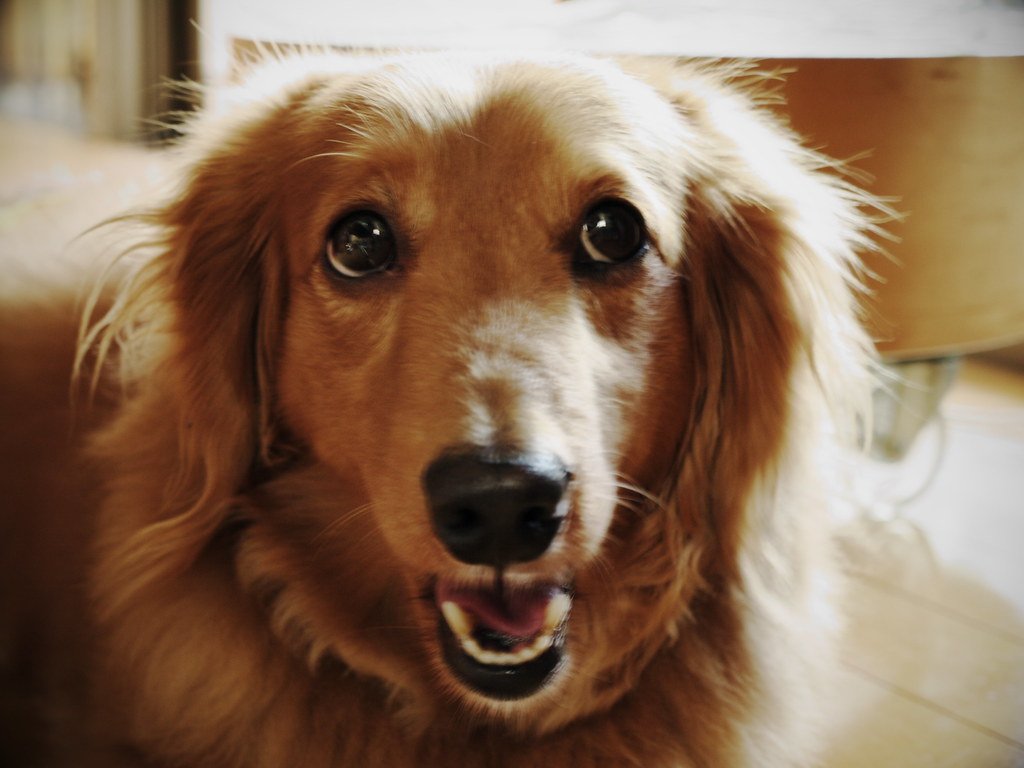
You’ve just come home from work, ready to greet your beloved furry friend. Yet instead of the usual tail wagging welcome, you’re met with what looks like a snarl. Your dog’s lips are pulled back, exposing their pearly whites. Your heart races. Is your loyal companion suddenly aggressive?
Take a breath. That toothy display might not be what you think. While teeth-baring can signal aggression, it can also indicate happiness, fear, or discomfort. Understanding this complex canine behavior is like learning a secret language that could transform your relationship with your dog forever. So let’s dive into the fascinating world of canine communication and decode what those teeth really mean.
The Happy Grin: When Teeth Mean Joy
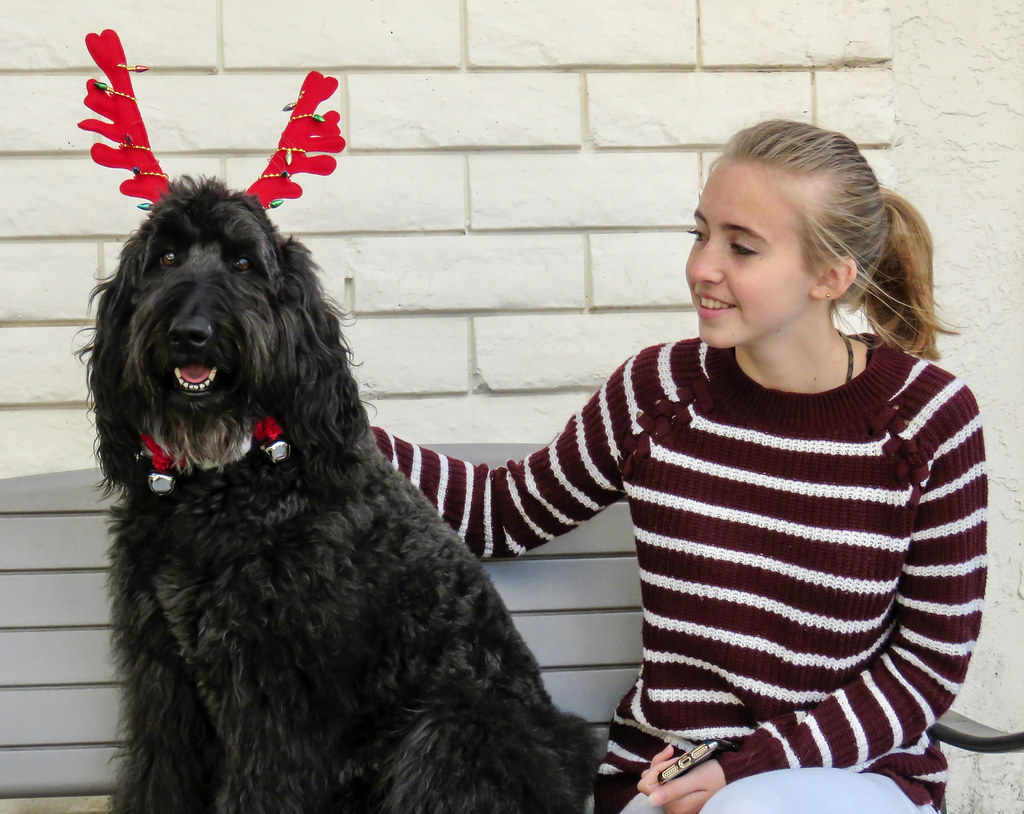
Picture this: your dog bounds up to you with their whole body wiggling, tail going a mile a minute, and yes, their teeth showing in what looks remarkably like a human smile. This isn’t your imagination running wild. Some dogs bare their teeth as a way to smile, especially when greeting their owner or another dog.
A dog with a big open mouth, lolling tongue, relaxed eyes, ears, and face, is a prime example of a true dog smile. The key here is reading the entire picture. Are they gently wagging their tail with a wiggly and loose body? Are they relaxed and showing interest in interacting? These are all green lights that your pup is genuinely happy to see you.
Some scientists believe that dogs have evolved to “smile” more, a behavior that’s strengthened when it’s paired with reinforcement from us, like smiling back, praising and petting, or even giving a treat. Think about it. Dogs are masters at reading us humans, so they’ve learned that showing teeth in certain contexts gets them positive attention.
Still, be cautious about assuming every toothy display is pure joy. Context is everything in the canine world.
The Submissive Grin: “I Come in Peace”
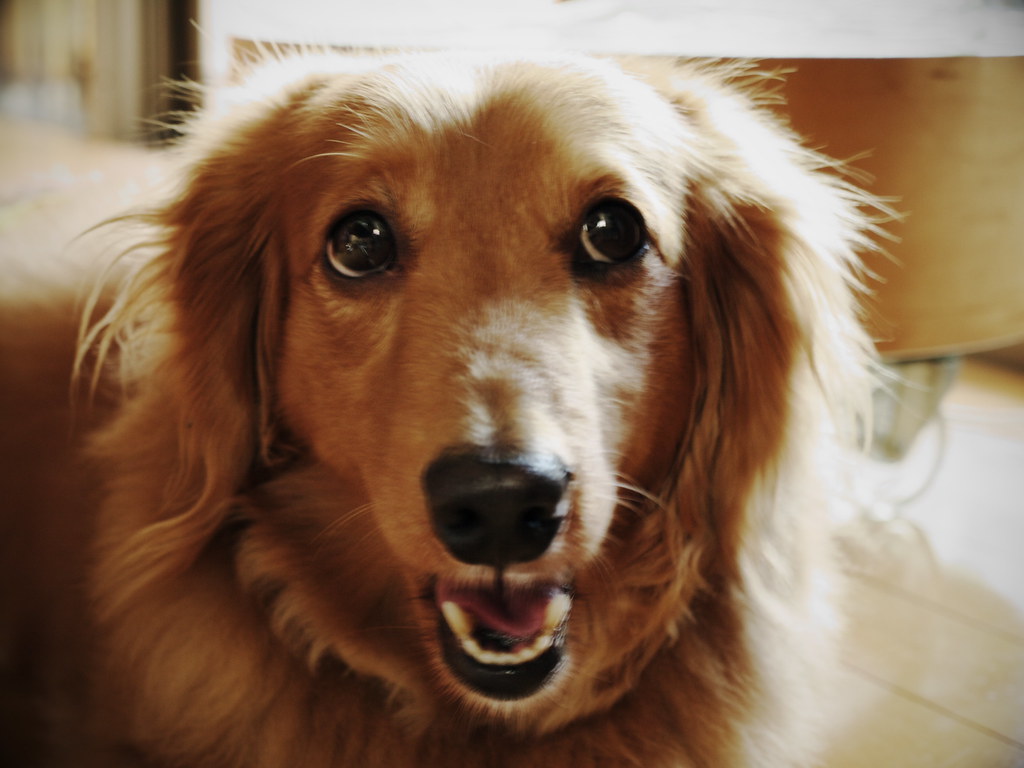
Perhaps the most misunderstood canine expression is the submissive grin. Unlike aggressive bared teeth, the submissive grin is an expression that your dog uses when they are happy and relaxed or slightly stressed. Ultimately, the expression is harmless and is a way of communicating that they are not a threat to the person or other animal that is receiving the grin.
Some dogs offer a submissive grin to show they mean no harm. They’ll pull their lips back, wag their tails, and wiggle their whole body. This is essentially your dog’s way of saying, “Hey, I’m friendly, please don’t see me as a threat.” In dogs, submissive grinning is a gesture that your dog uses to display to others that they are not a threat.
The body language accompanying a submissive grin tells the real story. With a submissive grin, a dog is usually not standing still; their body will be in constant motion, almost wiggling with excitement. Squinting of the eyes, a lowered tail, licking of you or of their lips, and a lower body posturing are all telltale signs of submissive grinning.
However, a submissive grin can also be a sign of stress. Sometimes this is labeled as “the guilty look,” but really, the dog is just trying to say, “I’m not a threat, no need to get mad!”
The Warning Signal: When Teeth Mean Business
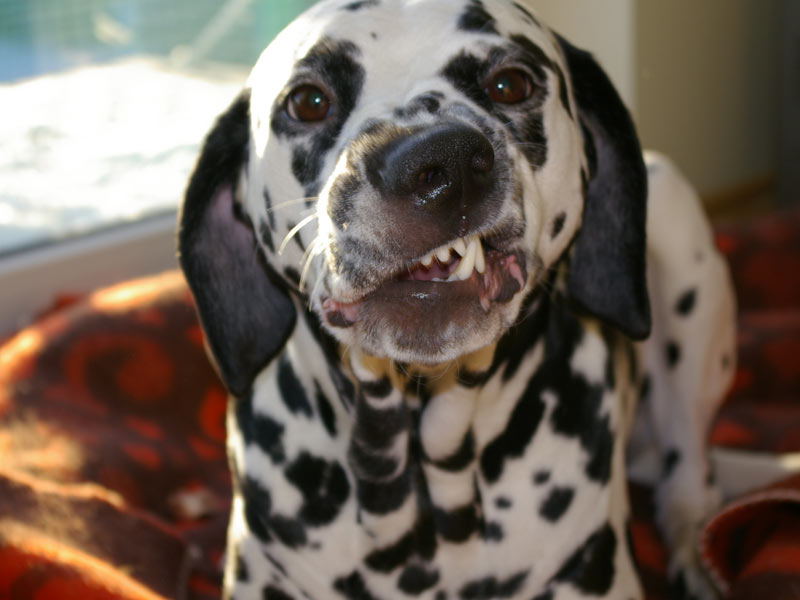
Now we’re entering more serious territory. One of the most common interpretations of a dog showing its teeth is that it’s a warning signal. When a dog feels threatened, scared, or defensive, it may bare its teeth to show aggression. This isn’t necessarily your dog being mean; it’s them trying to communicate their discomfort before things escalate.
This is often accompanied by other warning signs such as growling, raised fur, or a rigid body posture. When your dog means business, you’ll see their mouth tightly pulled back, usually accompanied by tense body language, a hard stare, low growling, and raised hackles. Think of it as your dog’s version of saying, “Back off, I’m not comfortable with this situation.”
Dogs show their teeth to send a clear message to back off. This behavior is often accompanied by vocalizations like growling and snarling. In most cases, a dog bares his teeth because he’s being pushed past his comfort zone.
The crucial thing to remember? This is communication, not aggression for the sake of it. Your dog is essentially putting up a warning flag before they feel forced to escalate further.
Fear and Anxiety: The Defensive Display
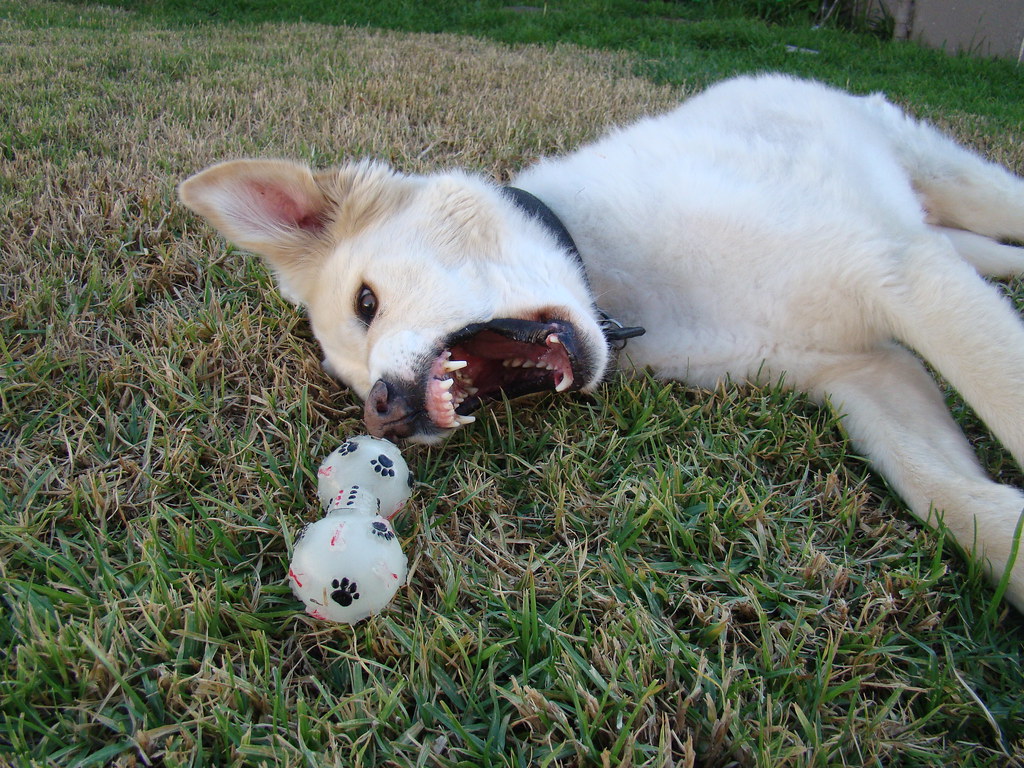
Fear can make even the gentlest dog show their teeth. Fear is also a common reason dogs show their teeth. Fearful body language includes whale eyeing, a tucked tail, trembling, or low growling. These are all part of a warning signal that a dog wants whatever is causing their fear to keep its distance.
Picture a dog cornered by a stranger or faced with a loud, scary noise. A dog that feels threatened may bare its teeth as a warning sign. This isn’t about dominance or being mean; it’s pure survival instinct kicking in. They’re essentially saying, “I’m scared, please don’t come any closer.”
Dogs who feel their safety is at risk may show their teeth to try and make the danger go away. The behavior might actually be reinforced if the perceived threat does back away, teaching your dog that showing teeth works as a defense mechanism.
Recognizing fearful teeth-showing is crucial because these dogs need patience and space, not confrontation. They’re already overwhelmed and adding pressure will only make things worse.
Pain and Discomfort: The Silent Cry for Help

Sometimes those bared teeth are your dog’s way of saying, “Something hurts, and I don’t want you to make it worse.” If a normally friendly dog suddenly starts baring teeth when touched or approached, this could indicate an injury or illness that needs veterinary attention.
To determine if a dog is baring their teeth because of pain, look for other signs of physical distress such as limping, stiffness, or an unwillingness to move. If a dog is showing signs of pain, you’ll want to avoid touching or petting the painful area, pay close attention to (and respect) their communication through body language, and take them to the vet for an exam as soon as you can.
Pain-related teeth showing often happens when a dog anticipates being touched in a sensitive area. Maybe they’ve got a sore hip, an injured paw, or they’re just not feeling well overall. If your dog starts baring its teeth out of nowhere, it could be due to pain or illness.
This is why sudden changes in behavior always warrant a vet visit. Your dog can’t tell you where it hurts, but their body language certainly can give you clues.
How to Respond: Reading the Whole Picture
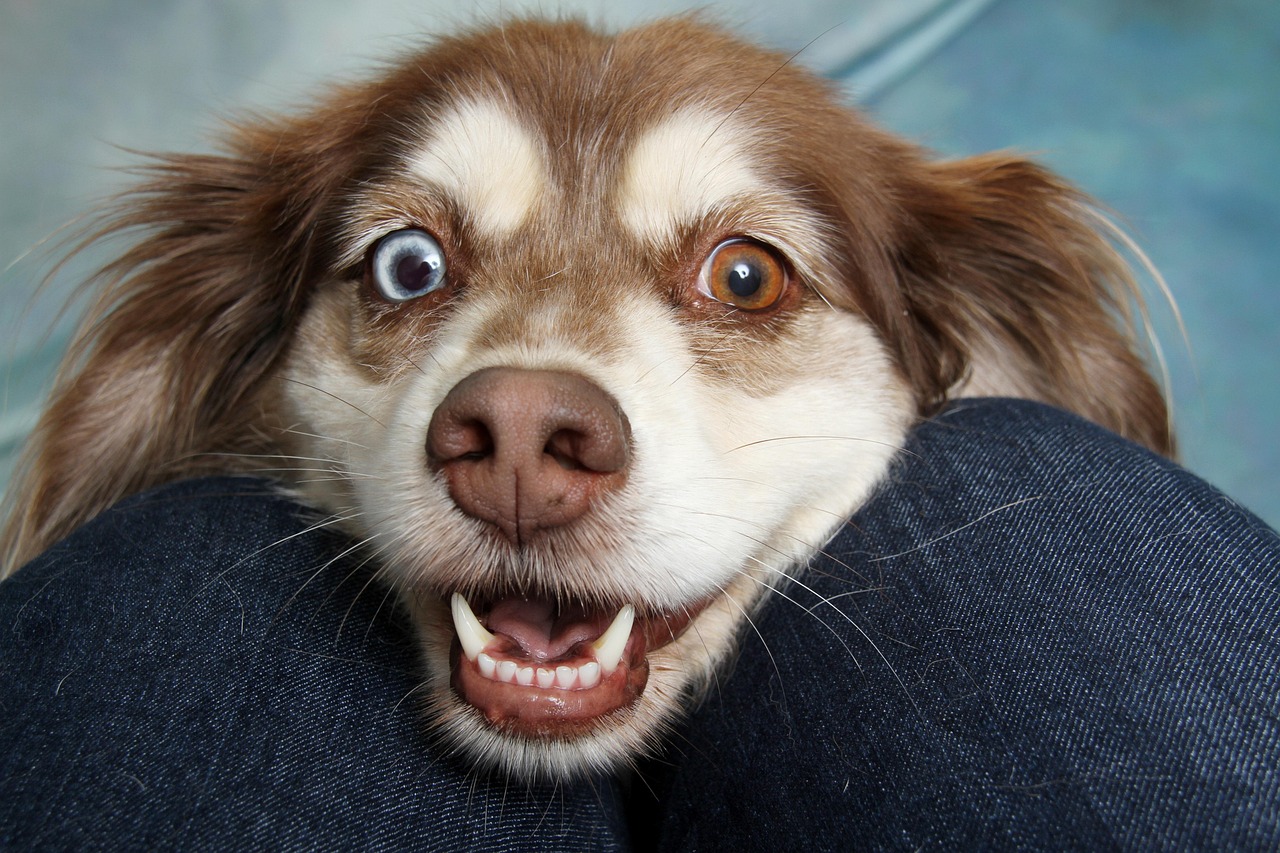
The secret to understanding your dog’s teeth displays lies in becoming a detective of canine body language. By observing the context and other body language cues, you can better understand what your dog is trying to communicate. Never look at the teeth in isolation.
The difference between a submissive grin and a warning grin depends on the rest of the picture. “What is the dog’s body language telling you?” A dog with an aggressive, warning grin is going to be displaying stiff, upright behavior with their ears forward or back, depending on the individual dog. “In this case, there will likely be piloerection – when the hair is standing up on the dog’s back.”
Here’s the golden rule: While this behavior can be unsettling, it’s crucial to never punish your dog for giving you a warning. If you discipline your dog for expressing discomfort, they might learn to escalate things to a snap or bite without warning instead. Remember, your dog is trying to communicate with you; don’t shut down that communication.
Instead, stay calm, avoid sudden movements, and give them space. If it’s a happy grin, celebrate and engage positively. If it’s fear or stress, identify and remove the trigger if possible.
The question isn’t as simple as good or bad, happy or angry. Your dog’s teeth-baring behavior is a complex form of communication that deserves our attention and understanding. Whether it’s a joyful greeting, a submissive peace offering, a warning signal, or a cry for help, those pearly whites are your dog’s way of talking to you.
The key takeaway? Never punish teeth-showing behavior. Instead, become fluent in reading the entire context, your dog’s body language, and the situation at hand. Understanding a dog’s body language and communication helps build a stronger, safer bond with our dogs, keeping communication clear and relationships thriving. Growling and teeth-baring are methods of canine communication – not bad behavior – and should not be punished.
What do you think? Has your dog ever “smiled” at you with their teeth? Tell us about your experiences in the comments below.


