

Picture this scene. You’re scrolling through your feed on a lazy Sunday morning when a video pops up of someone claiming they can “fix” your dog’s problem in thirty seconds flat. They’re yanking on a shock collar, talking about being the “alpha,” and somehow promising your furry friend will transform overnight into a perfect angel. Something feels off, right? That gut feeling might just be your inner dog parent screaming warnings.
Trust me, I’ve been exactly where you are. After years of working with hundreds of dog families, I’ve witnessed the heartbreak that comes when well-meaning pet parents fall for flashy promises from unqualified trainers. Your dog deserves so much better than someone who sees them as just another problem to “fix” with outdated methods. The good news? Once you know what warning signs to watch for, spotting these red flags becomes second nature.
They Make Unrealistic Promises or Guarantees
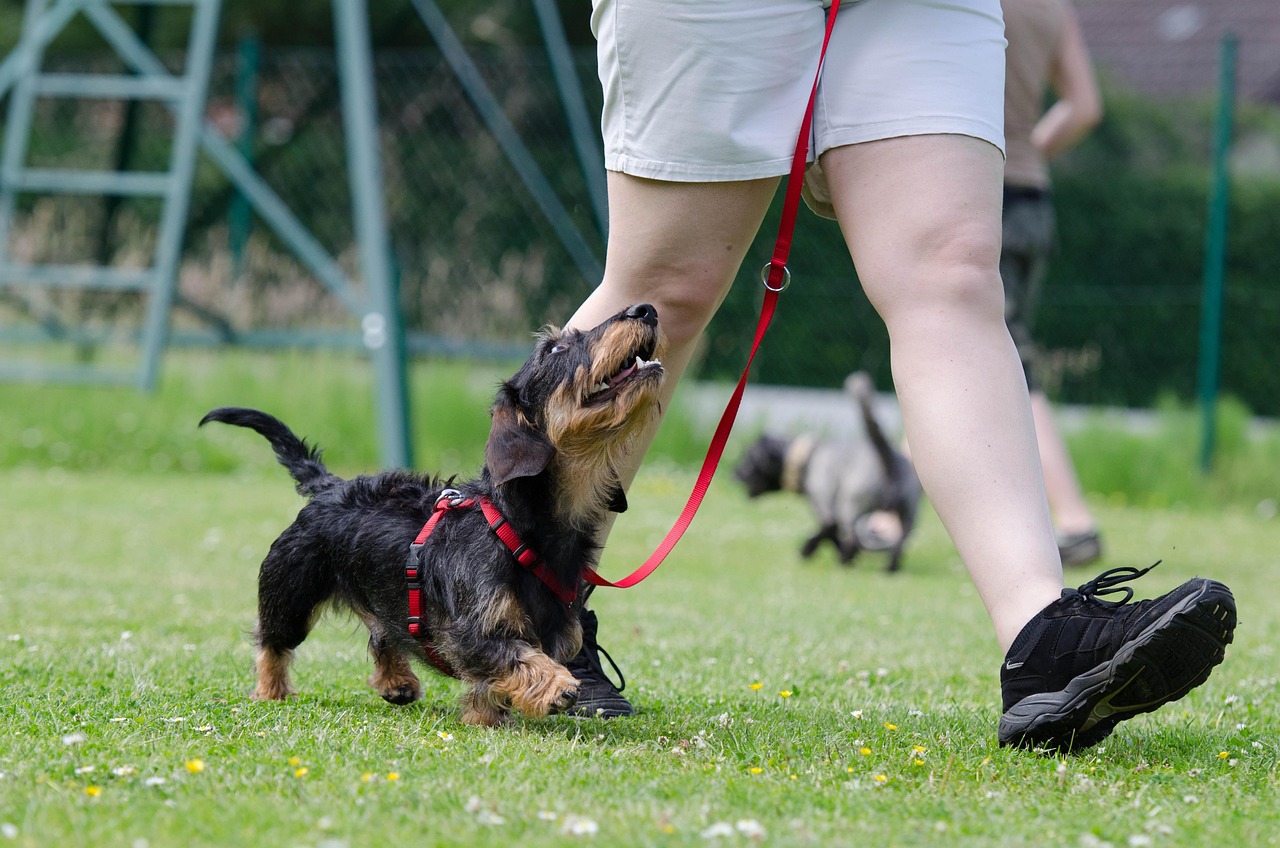
Quality training doesn’t happen overnight, and be cautious of trainers who promise instant fixes or guarantee results within a set timeframe. Your dog isn’t a broken appliance that can be repaired with the right tool or technique. Just like ourselves, dogs are experiencing life and all the information it gives them, and their behaviors are based on the pieces of feedback they gather from genetics, early socialization, their owner’s training knowledge and commitment.
When trainers offer iron-clad guarantees about your dog’s behavior, they’re essentially telling you they can control the uncontrollable. Every dog learns at their own pace, and there’s no way to guarantee specific results within a set timeframe. Think about it this way: would you trust a therapist who promised to cure all your anxieties in one session?
They Use Fear-Based or Aversive Training Methods
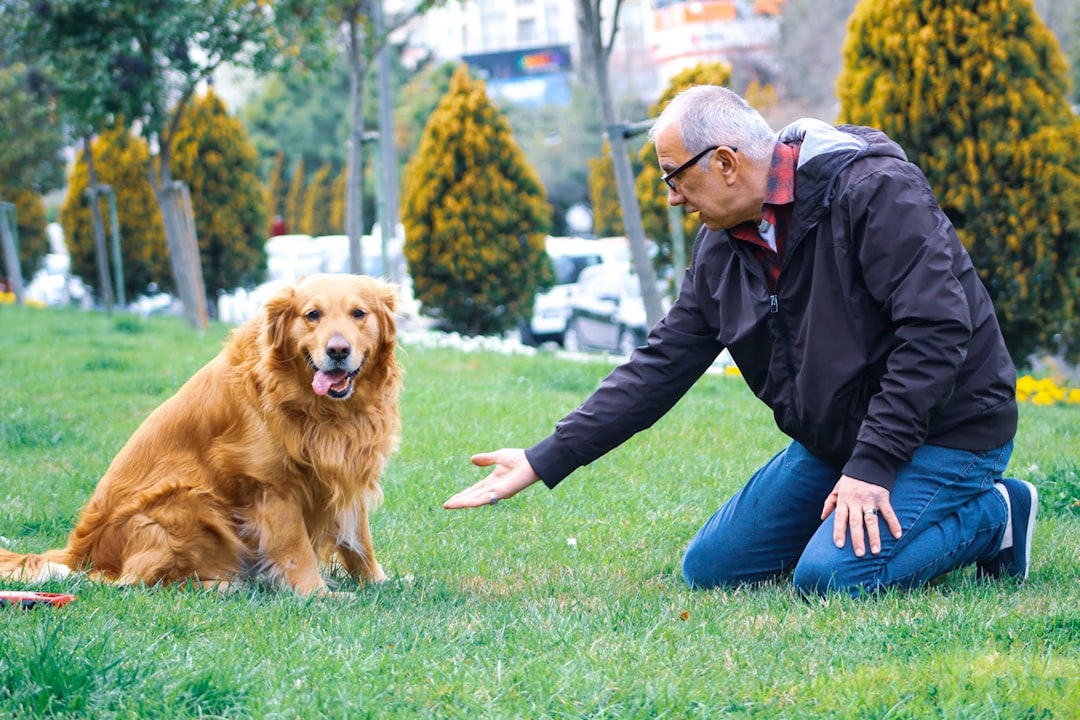
Avoid trainers who rely on punishment, physical force, or techniques that cause fear or distress to your dog, and opt for trainers who prioritize positive reinforcement methods. These tools suppress behavior without addressing the root cause, and anything you can achieve through the application of these painful aversive tools can also be achieved through the use of positive reinforcement.
Watch closely during consultations or in their social media content. If you see tools such as choke chains, prong collars or shock collars, then we would recommend finding someone else, as aversive tools and methods can create significant problems for your dog. Your dog should look forward to training sessions, not fear them.
They Can’t or Won’t Explain Their Methods
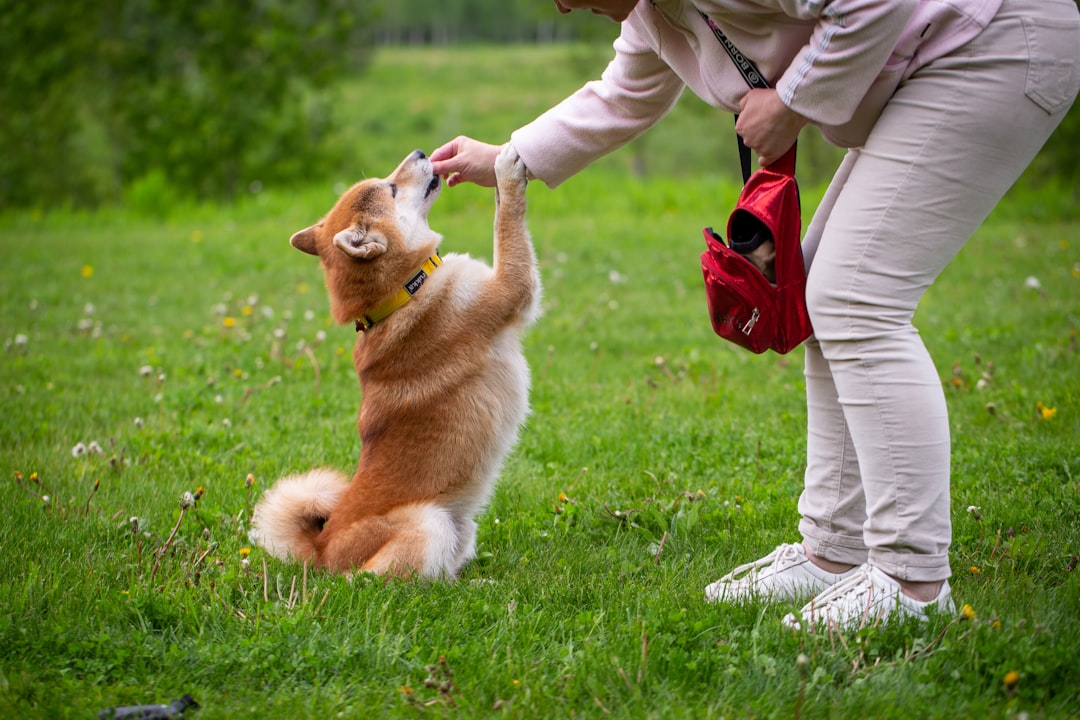
Trainers should be able to explain clearly their methods and why they use them, and if they seem defensive, vague, or resistant to questions, consider it a red flag. A professional trainer who truly understands their craft should light up when discussing their approach. Too often, instead of explaining their methods, some trainers fall back on lines like ‘I’ve been doing this for 20 years,’ but that’s not an answer – it’s a deflection.
You deserve transparency about what will happen during training sessions. Owners ought to be able to make informed decisions about the techniques they’re going to use with their pets. If a trainer brushes off your questions with vague responses or acts like you wouldn’t understand the “science” behind their methods, keep looking.
They Skip the Assessment Process

A trainer who agrees to work with you without asking about your dog’s history, health, or daily routine is skipping a critical step, as ethical, effective training begins with a full understanding of your dog’s background. Imagine going to a doctor who prescribed medication without asking about your symptoms or medical history. That’s exactly what’s happening when a trainer jumps straight into solutions without understanding your dog’s unique situation.
A good behavior consultant will ask about your dog’s history, routines, health, triggers, environment, and more. Every dog comes with their own story, and understanding that story is crucial for creating an effective training plan. If they seem to have a one-size-fits-all plan, especially one they’ve trademarked and printed on a flyer, it’s probably a red flag.
They Use Outdated Dominance Theory Language

Trainers who talk about being the ‘alpha’ or controlling your dog through dominance are relying on outdated science, as modern behavioral experts agree that trust, not fear, is the foundation of effective training. These ideas are based on outdated research that has been publicly debunked by the original researchers themselves, and modern canine behavioral science shows that dogs don’t operate in dominance hierarchies with humans.
Listen for phrases like “you need to be the pack leader” or “show them who’s boss.” Phrases like ‘he’s testing you,’ or ‘you need to show who’s boss,’ are common in these scenarios and are staged displays based on outdated models. At best, the person using this kind of language is not up to date on current behavioral science, and at worst, they are a bully.
They Ignore Your Dog’s Stress Signals

You can tell a lot about a dog and how they feel about a person or situation by their body language, and if the dog is looking at the trainer out of the side of their face, shying away from them, licking their chops, or engaging in any number of other aversive behaviors, they are not comfortable. A skilled trainer should be reading your dog’s body language like a book and adjusting their approach accordingly.
They could be stressed or scared, and if the trainer ignores this, not only are they showing you how little they understand or truly care about this dog, they are also setting them up for failure, as the signals the dog is giving could lead to aggressive reactions if disregarded for long enough. Dogs should be happy when training because training should be fun.
They Lack Proper Credentials or Insurance

If a professional trainer doesn’t carry general liability insurance, that’s a red flag, as insurance shows that the trainer takes their work and your dog’s safety seriously. Any good dog trainer worth their salt will be certified with an organization and will proudly display this fact on their social media or their website.
Anyone can call themselves a dog trainer and charge money for their services regardless of their qualifications, which means that the responsibility of determining which ‘professional’ is actually qualified to help falls on the owners. Look for certifications from reputable organizations like CCPDT (Certification Council for Professional Dog Trainers) or similar recognized bodies.
They Refuse References or Facility Visits

One of the most important things a pet parent can do when hiring on a new trainer is to ask for references, and if a trainer does not provide references, then consider this a red flag. Ask to look at their facility, have them allow you to go to their facility to kind of see what they’re doing, and talk to people they’ve trained previously to get those kind of references.
Experts warn pet owners to be cautious of trainers who demand full payment upfront, avoid communication, refuse visits or make excuses when returning dogs. A legitimate professional should welcome your questions and be proud to show off their work space and client success stories.
They Focus Only on Obedience Instead of Addressing Root Causes

I’ve had countless clients tell me that the dog trainer they first saw about their dog’s aggression started to immediately work with their dog on obedience training, but behavioral issues like aggression aren’t ‘obedience’ issues; they must be treated with specific behavior modification protocols. Your dog already knows how to sit and stay – that’s not the problem you’re trying to solve.
A big problem I see with some trainers is that they only care about surface-level obedience, not the dog’s emotional state. If a trainer claims they can ‘cure’ aggression, it’s time to walk away, as that’s not how behavior modification works – dogs aren’t broken vending machines that need a reset button, they’re complex beings with emotional and behavioral histories.
What This All Means for You and Your Dog

Finding the right trainer isn’t just about teaching your dog to sit or stay. It’s about building a relationship based on trust, understanding, and respect. If a trainer’s methods make you uneasy, trust your instincts and keep searching, as the right trainer will use humane, science-backed techniques that respect your dog’s emotional state and treat them as the sensitive, intelligent being they are.
Remember, you know your dog better than anyone else. Positive reinforcement training builds trust and stability – don’t you like the family member who buys you goodies and gives you compliments more than the relative who calls you names and smacks you on the back of the head? Be the parents your dog looks to when scared, nervous or anxious, not the parent who causes it.
Your dog’s well-being and your peace of mind are worth the extra time it takes to find a trainer who checks all the right boxes. What warning signs have you noticed when meeting with trainers? Trust that gut feeling – it’s usually trying to tell you something important.


