

Picture this: you’re peacefully reading a book when suddenly your furry companion erupts into a symphony of barks. Your first instinct? Shush them immediately. Here’s the thing though, telling your dog to stop barking is like asking them to stop speaking their native language. Barking is one of many forms of vocal communication for dogs. It’s their primary way of expressing everything from joy to concern, and frankly, they’re pretty good at it.
Most of us have been there, desperately trying to quiet our dogs with shouts, sprays, or those questionable shock collars. Yet what if I told you that discouraging barking entirely might actually make things worse? Barking is a natural and essential way for dogs to communicate with us. Instead of fighting this natural behavior, there’s a smarter approach that honors your dog’s need to communicate while keeping the peace. Ready to discover why your barking buddy might actually be trying to help you?
Understanding Why Dogs Bark is the First Step

Before we dive into solutions, let’s get one thing straight: your dog isn’t barking to annoy you. Barking serves several functions, from expressing emotions to signaling needs. It’s a natural behavior that evolved as a means of communication for domestic dogs, who rely on vocalizations more than their wild ancestors. Think of it as their version of texting you throughout the day.
Dogs bark for surprisingly specific reasons. One of the most common reasons dogs bark is simply to get your attention. This could be for a variety of reasons: they might be hungry, want to go outside, or just want to play. Sometimes they’re acting as your personal security system, alerting you to potential threats or changes in their environment. Other times, they’re expressing pure excitement because you just grabbed their favorite leash.
The key insight here is that every bark has meaning. They use barking to communicate a variety of feelings, so in order to fully understand what a dog is communicating, pet parents need to contextualize a dog’s verbal cues within their nonverbal cues (dog body language). When we understand this, we can respond appropriately instead of just trying to shut down all communication.
Your Dog’s Natural Communication System at Work

The answer is simple: it’s instinctive and natural. Alongside whines, growls and whimpers, barking is a form of canine communication that traces back to our domesticated dogs’ wild ancestors. Just as you wouldn’t want someone constantly telling you to stop talking, your dog needs their voice heard too.
Different types of barks carry distinct messages. Playful barks are typically high-pitched and accompanied by a wagging tail or “play bow”. These barks signal excitement and a desire to engage in fun activities, like playing fetch or running around in the yard. Meanwhile, alert barks tend to be sharper and more urgent when they spot something worth investigating.
Dogs are naturally protective, and barking is their way of alerting you to something they find unusual. Whether it’s a new person, a strange noise, or even a moving car, your dog might bark to let you know something is different. These barks are usually sharp and more intense, as if to say, “I’m not sure about this!”
The Hidden Health Benefits of Letting Dogs Bark

Here’s something most people don’t realize: barking can actually be good for your dog’s mental health. Whether at home or in a daycare setting, barking serves as a way for dogs to express their emotions, alert their humans, or even get attention. When dogs can express themselves naturally, they’re less likely to develop anxiety or other behavioral issues.
Dogs may vocalize when they are in pain, though they more commonly communicate discomfort through body language and behavioral changes rather than barking specifically to alert others. Suppressing this natural warning system could mean missing important health cues that your dog is trying to communicate.
Honestly, when I think about it, barking serves as an emotional outlet similar to how we might vent to a friend after a stressful day. As for canine coaches, the sound of happy dogs talking and playing is a beautiful sound! Some research suggests that vocal communication is important for dogs’ emotional regulation, though the direct relationship between barking frequency and emotional balance requires further study.
Why Traditional “Quiet” Methods Often Backfire

Don’t shout at your dog, even though this is a very common reaction to barking. Shouting at a barking dog might actually encourage the behavior even more – your dog could think you are joining in with her! It’s like accidentally cheering them on when you’re trying to get them to stop.
Punishment-based methods create more problems than they solve. Don’t punish your dog’s barking with collars or corrective devices that emit a shock, unpleasant spray, or sound when your dog barks. These types of devices all rely on punishment, but do not teach your dog what to do instead. Instead of learning when barking is appropriate, they simply learn to fear the consequences.
Aversive Tools Have Fallout: Punishment-based devices like ultrasonic or spray collars can increase fear and anxiety, potentially making behavior problems worse. What started as simple communication can escalate into anxiety-driven barking, creating a cycle that’s much harder to break.
The Smart Alternative: Managing Rather Than Eliminating

The single best thing to stop a dog from barking is a combination of management (preventing the barking from happening) and training (teaching a better behavior). This is the core of Canine Enrichment. Think of it as redirecting rather than restricting.
Management means setting your dog up for success. If your dog barks when looking out of the window, you can block her view so she can’t practice the behavior. This isn’t about denying them expression, but rather preventing situations that trigger excessive barking while you work on training alternatives.
If there is a situation that your dog usually barks in, anticipate any triggers and redirect your dog onto an enriching activity like a search for treats in a snuffle mat or a chew or toy instead. It’s about giving them something better to do with their energy and attention.
Teaching Your Dog When and How to Communicate
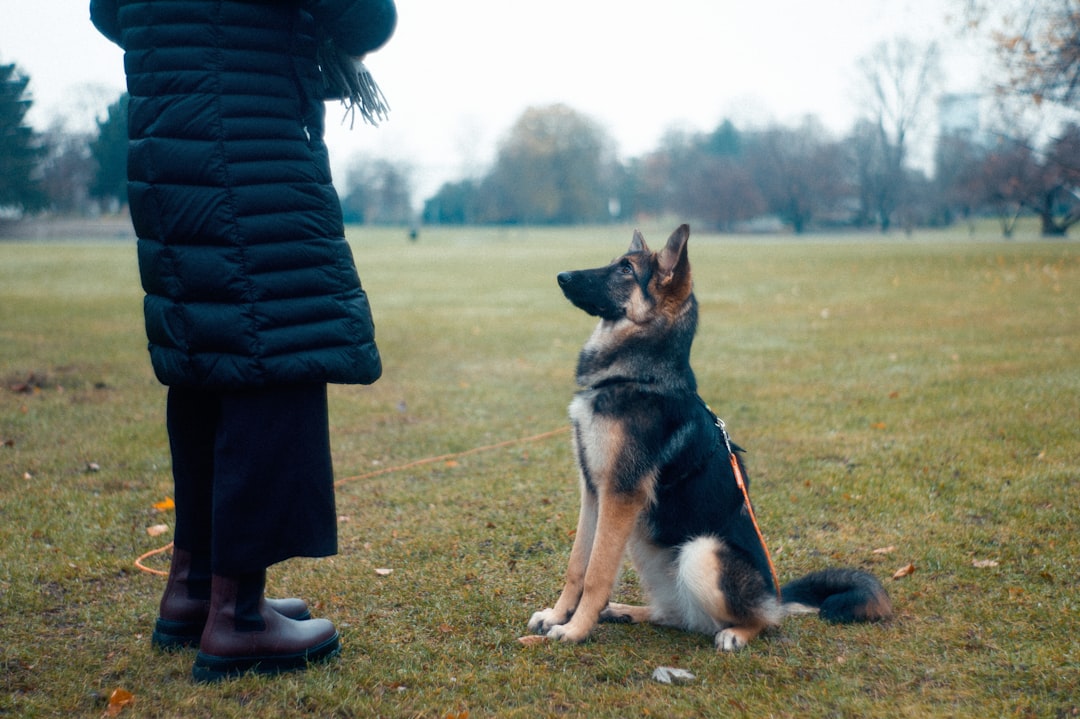
Rather than stopping all barking, we can teach dogs more appropriate ways to get our attention. Stop excessive barking by giving rewards within 1–2 seconds after your dog goes quiet. This reliably reinforces quiet time. Layer in quiet cue training to create silence conditioning for dogs, and use steady counterconditioning techniques to replace barking with alternatives such as lying on a mat.
Positive Reinforcement: When your dog stops barking on command, give them a treat or praise. Rewarding calm behavior helps them learn when barking is okay and when it’s not. The key is timing – reward the moment they choose to be quiet, not after they’ve been barking for five minutes.
I’ve found that teaching a “quiet” command works much better than constantly saying “no bark.” Tip: Always pair a calm verbal cue like “quiet” with the exact moment of silence to strengthen no bark conditioning and humane dog training. This gives your dog clear expectations and a way to earn praise for making good choices.
Addressing the Root Cause Instead of the Symptom

The desire for a quick fix for barking is completely understandable, but the most effective solutions are always the ones rooted in understanding and compassion. By shifting your focus from punishing the bark to solving the reason for the bark whether it’s boredom, anxiety, or territorial instinct you do more than just quiet the noise. You build a deeper, more trusting relationship with your dog and create a lasting sense of peace in your home. That is a result no device can ever replicate.
Loneliness/boredom barking happens when your dog’s daily needs for companionship, exercise, and social stimulation are not met. In a sense, the dog has become sad due to boredom. Sometimes the solution is as simple as a longer walk or more interactive playtime.
Address Anxiety: If barking is anxiety-related, try to identify the cause (like separation or a particular trigger) and work on solutions. For anxious dogs, creating a calmer environment with familiar scents, comfortable spaces, and predictable routines often reduces the need to bark excessively.
Creating a Balanced Communication Partnership
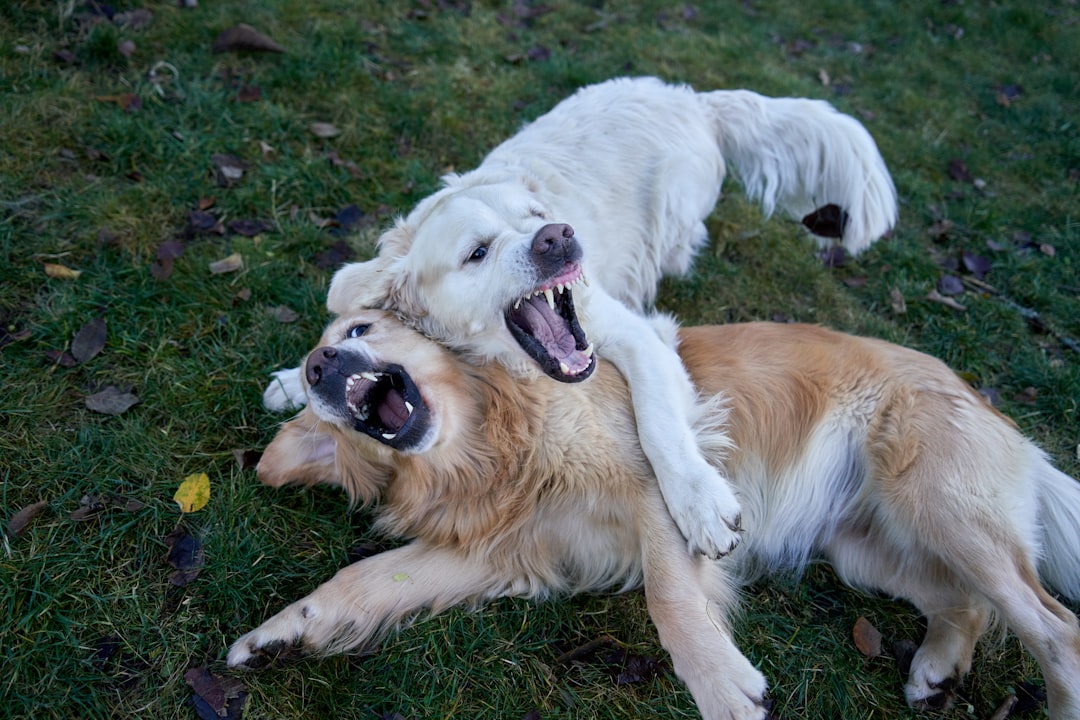
The goal isn’t a silent dog – it’s a dog who knows how to communicate appropriately. Whether they’re asking for attention, warning of a potential danger, or simply expressing excitement, understanding why your dog is barking helps you respond in a way that benefits both of you. This creates a true partnership built on mutual understanding.
Understanding what your dog is trying to communicate with you helps create a happier, healthier home for both of you. So, start tuning in to your dog’s barks and respond in ways that help you both connect on a deeper level! When you acknowledge their communication and respond appropriately, you’re building trust and cooperation.
Remember, some barking is not only normal but actually beneficial. Dogs have keen senses and often bark to alert their owners of potential threats. Whether it’s a stranger approaching the house or an unfamiliar noise, barking serves as an early warning system. You want them to tell you about important things – you just want to help them learn the difference between a real concern and every squirrel that dares to cross your yard.
Conclusion

The next time your dog starts barking, take a deep breath and listen. They’re not being difficult – they’re being a dog. The answer is simple: it’s instinctive and natural. Alongside whines, growls and whimpers, barking is a form of canine communication that traces back to our domesticated dogs’ wild ancestors. By working with their natural communication style instead of against it, you’ll build a stronger relationship and solve the real issues behind excessive barking.
Every dog deserves to have their voice heard, and every owner deserves to understand what their furry friend is trying to say. What do you think about this approach? Have you noticed different types of barks from your own dog that seem to mean specific things?


