
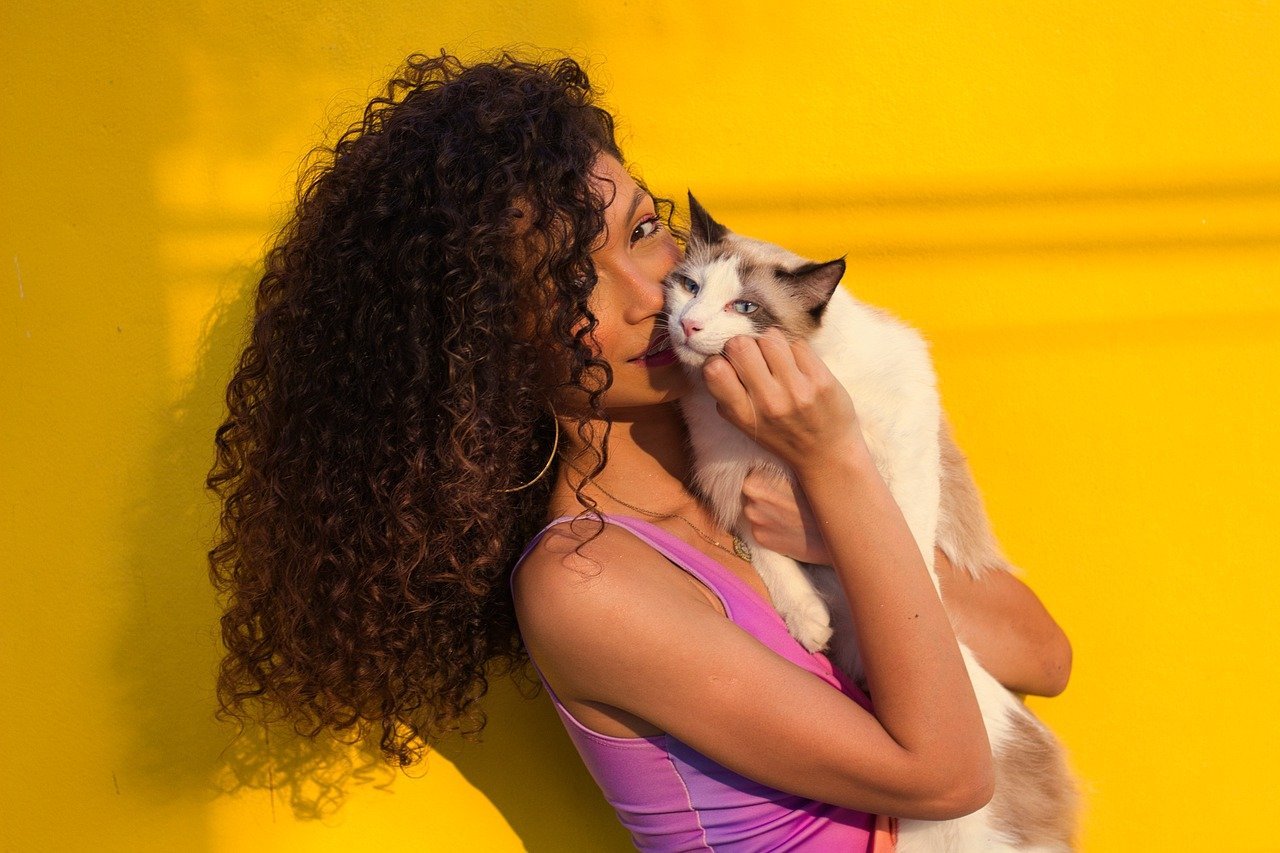
Have you ever caught your cat giving you those long, dreamy blinks and wondered if there was something deeper going on? Well, your instincts were spot on. Scientists have finally decoded one of our feline friends’ most endearing expressions, and it turns out those slow, deliberate blinks are actually kitty kisses in disguise.
While cats might seem mysterious and aloof compared to their canine counterparts, they’re actually speaking to us constantly through a sophisticated language of glances, gazes, and gentle eye closures. The magic lies not in what they’re looking at, but in how they’re looking at it. So let’s dive in and discover the fascinating world of feline eye communication.
The Science Behind Those Sleepy Blinks
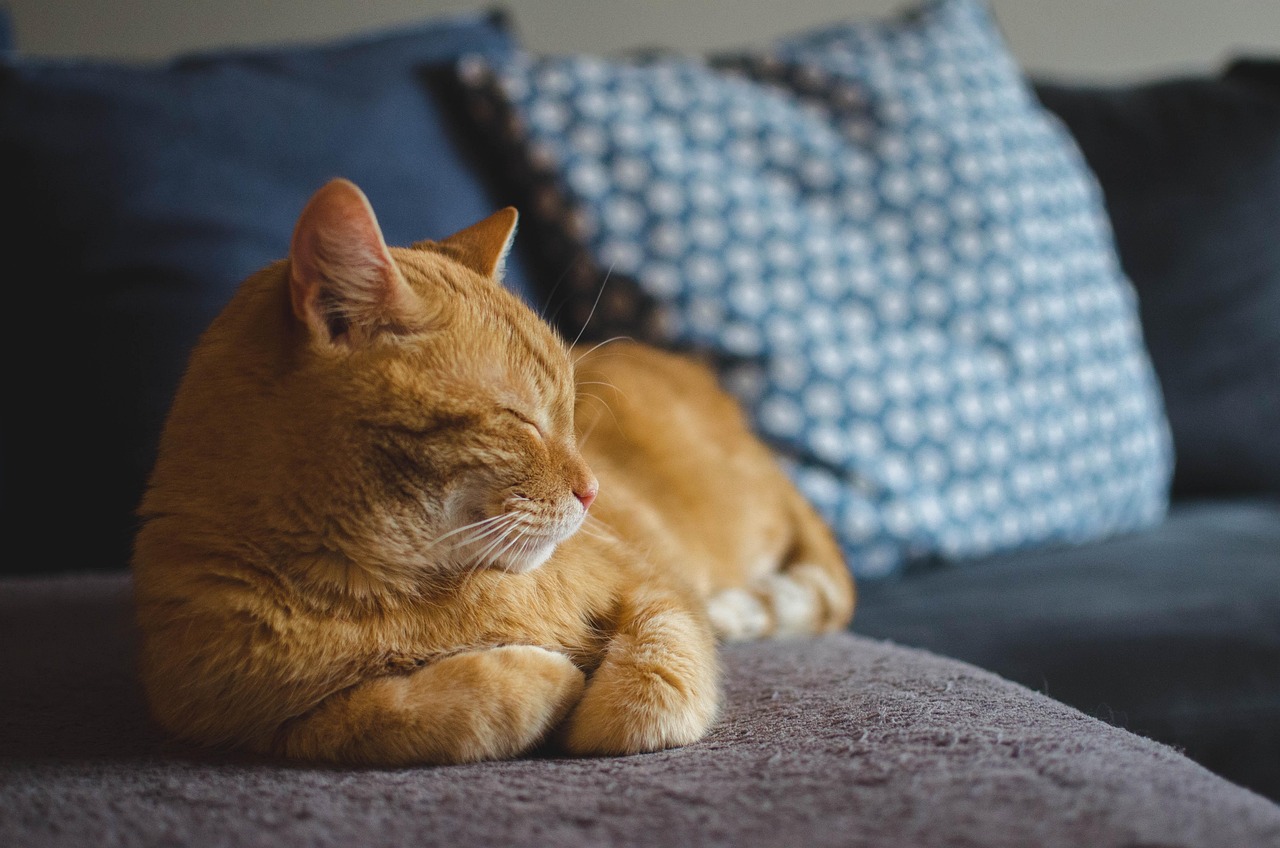
Recent groundbreaking research has given us solid proof of what cat lovers have suspected for decades. The slow blink sequence appears to be an indicator of positive emotion in cats, and slow blink interactions appear to be a positive experience for cats.
The slow blink sequence involves a series of half-blinks followed by either a prolonged eye narrow or an eye closure. The eyes are important in signalling emotions, with the act of narrowing the eyes appearing to be associated with positive emotional communication in a range of species.
What makes this discovery even more remarkable is that cats don’t just randomly slow blink at us. Cats are more likely to slow-blink at their humans after their humans have slow-blinked at them, compared to the no-interaction condition. It’s like they’re actively choosing to engage in this tender form of communication with us.
Cats had a higher propensity to approach the experimenter after a slow blink interaction than when they had adopted a neutral expression, and they were more likely to approach the human’s hand after the human had blinked.
Reading Your Cat’s Eye Language Like a Pro
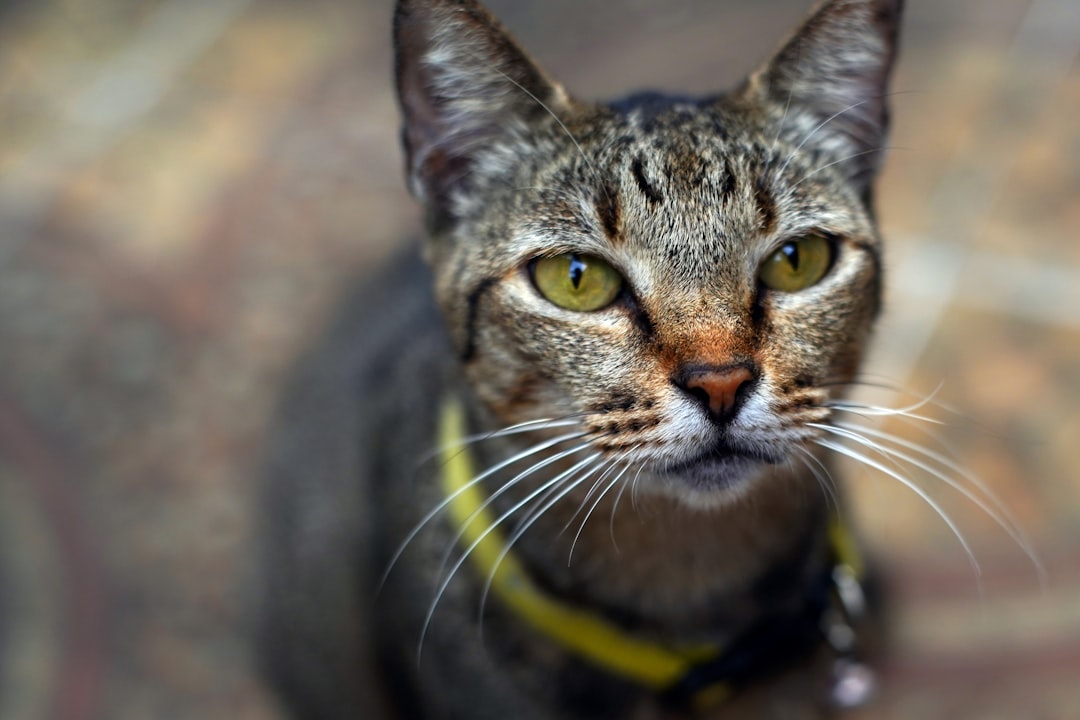
Not all cat stares are created equal, and understanding the difference can transform your relationship with your feline companion. A soft stare with gentle, relaxed gaze often with slow blinking is a positive sign of contentment and trust, and this is your cat’s way of connecting with you, showing they’re at ease.
On the flip side, a hard stare with a focused, unblinking gaze paired with a tense posture can signal discomfort, fear, or even dominance. When your cat is staring, unblinking, at you from a distance, this is a clear sign of dominance or control, and at times, it might even be a sign of aggression.
Slow blinking is your cat’s way of saying there’s nothing to be alarmed about, and she loves you very much. These slow eye blinks are a sure sign that your cat loves you and trusts you, and they’ve become known as ‘kitty kisses’.
Alert, wide-open eyes signal trust, and in friendly greetings, pupils are at normal dilation with eyelids that may be squinty, brows are soft, and the cat may offer cheek rubs.
How to Speak Cat Through Your Own Eyes
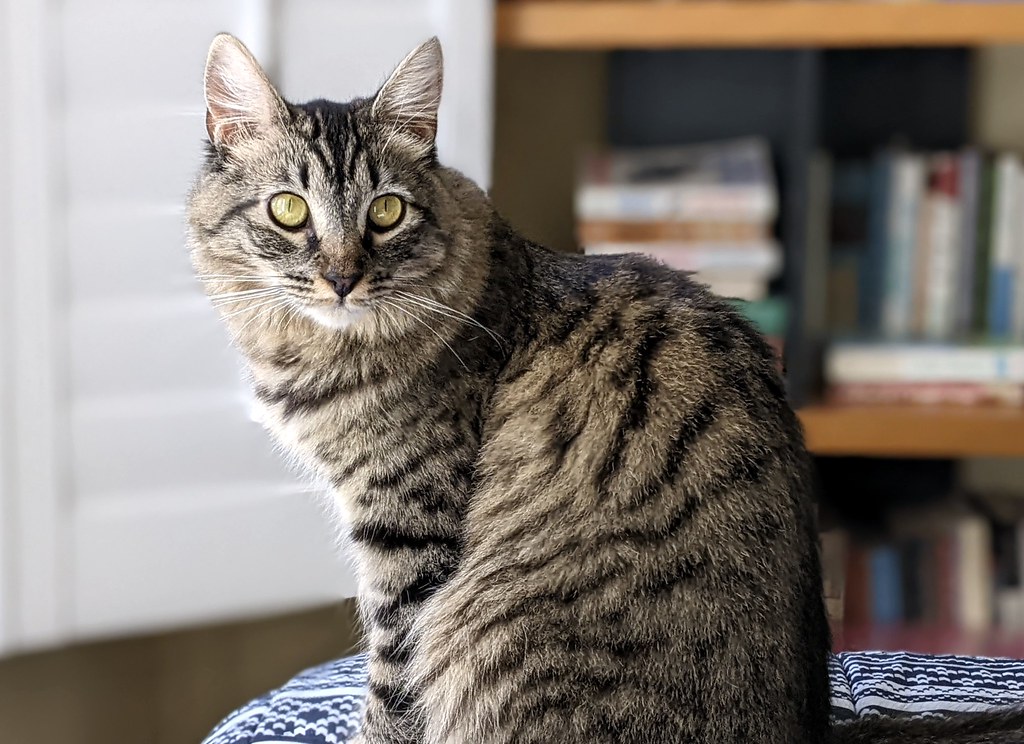
The beautiful thing about this discovery is that you can actually start conversations with your cat using their own language. Try narrowing your eyes at them as you would in a relaxed smile, followed by closing your eyes for a couple of seconds, and you’ll find they respond in the same way themselves, starting a sort of conversation.
Think of it like learning a secret handshake that only you and your cat know. The technique is surprisingly simple, though it requires a bit of patience and practice. Try narrowing your eyes at them as you would in a relaxed smile, followed by closing your eyes for a couple of seconds, and you’ll find they respond in the same way themselves and you can start a sort of conversation.
However, timing is everything. Look for signs of relaxed body posture and slightly squinted eyes, which indicate your cat is in a calm and receptive mood, but avoid making eye contact when your cat’s whiskers are pulled back or if they appear tense, as this could signal discomfort or aggression.
The key is to keep your approach gentle and non-threatening. Maintain a soft gaze and look at your cat with relaxed eyes, as this shows that you are not a threat.
When Eye Contact Goes Wrong
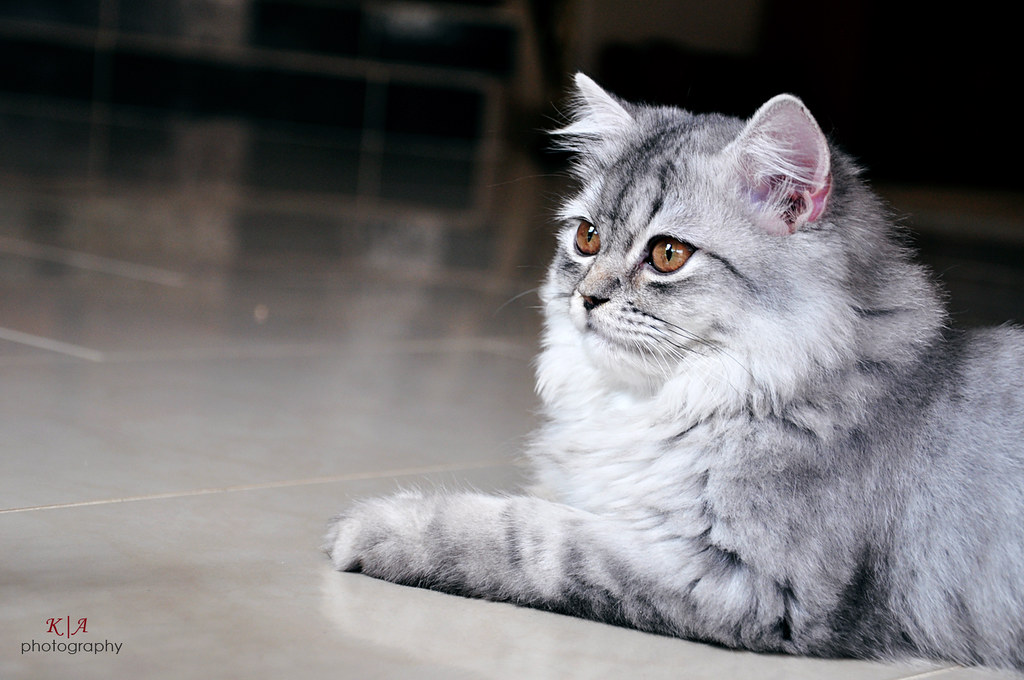
While slow blinking can strengthen your bond, it’s crucial to understand when eye contact might make your cat uncomfortable. Cats are thought to interpret unbroken staring as threatening, so knowing when to look away is just as important as knowing when to engage.
If their gaze seems intense or signals discomfort, avoid staring back, as direct eye contact could increase their stress, and instead, give your cat a moment to approach you on their terms, which reinforces a sense of security and respect.
Avoid direct staring, as staring can be seen as a challenge or threat, and instead, use the slow blink to show affection. Think of sustained staring as the equivalent of shouting in a library when all you really wanted to do was whisper sweet nothings.
Cats are not fans of intense staring; it can make them feel threatened or uncomfortable. Remember, in the feline world, a gentle approach almost always wins over a direct confrontation.
The Shelter Success Story
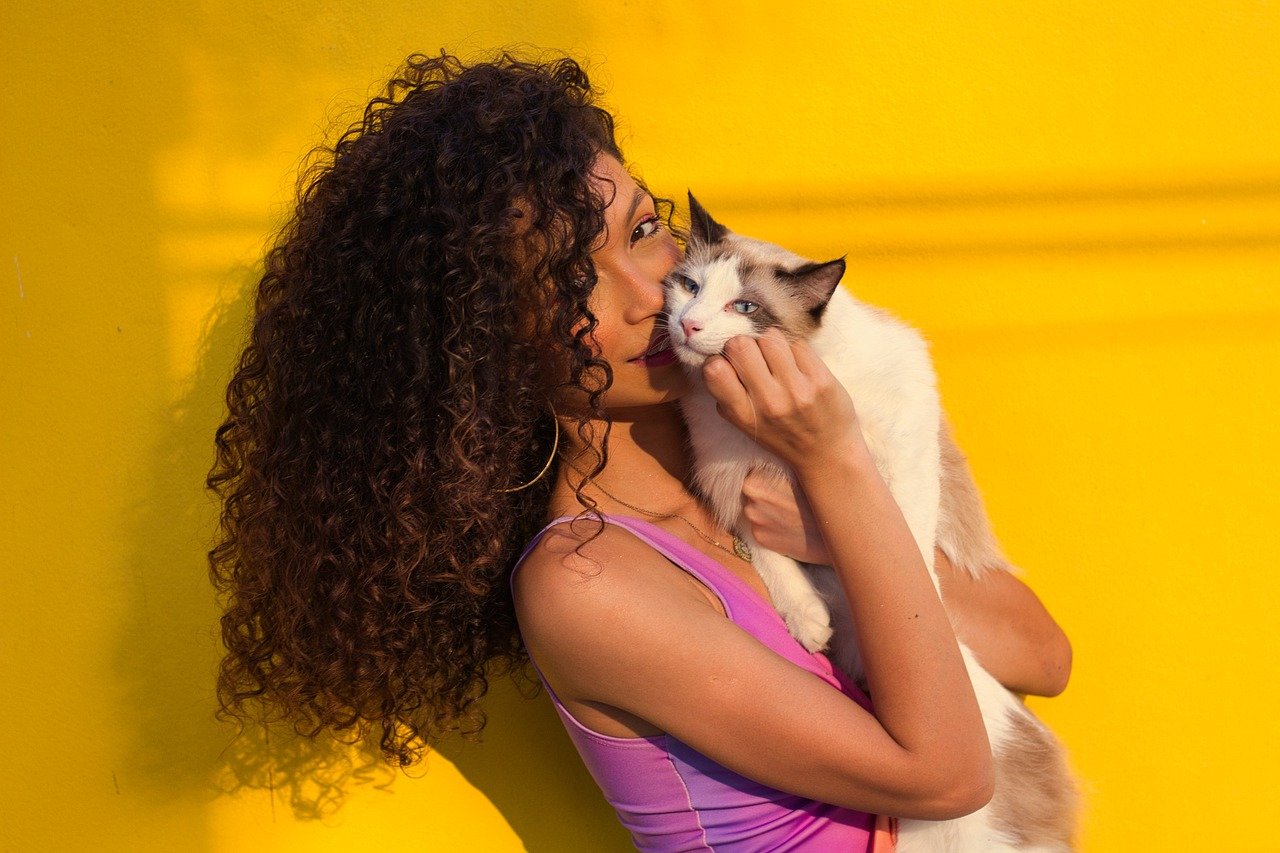
Here’s something that might surprise you: cats who respond to human slow blinking are actually more likely to find homes faster. Cats that responded to human slow blinking, specifically by using eye closures, were rehomed quicker than cats that closed their eyes less.
This suggests that the use of slow blinking may have given cats a selective advantage during the domestication process. It’s fascinating to think that our feline companions may have evolved this endearing behavior partly because humans respond so positively to it.
Even more intriguing, cats that were identified as more anxious around humans upon arrival at the shelter had a tendency to spend more time producing slow blink sequences, and this could be used to mitigate cats’ anxiety around humans.
This discovery has practical implications for shelters and rescue organizations, suggesting that teaching volunteers and potential adopters about slow blinking could help more cats find loving homes.
Beyond the Blink: Understanding Your Cat’s Complete Eye Vocabulary
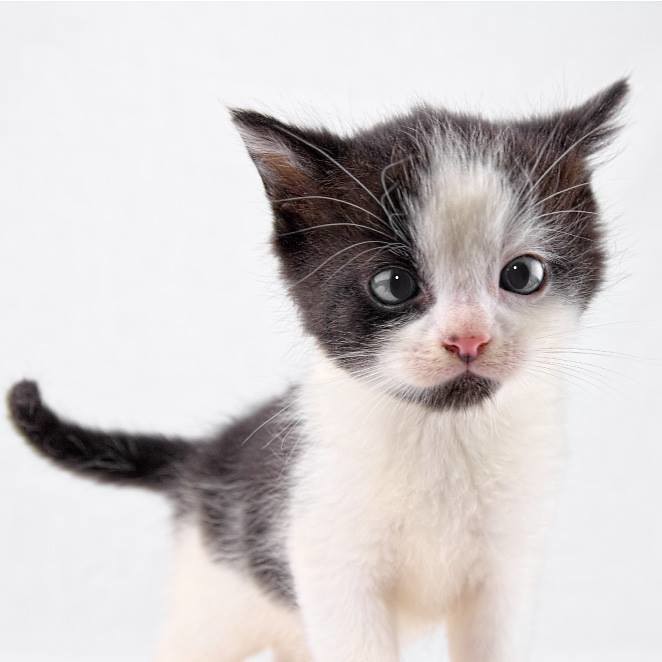
While slow blinking is perhaps the most heartwarming aspect of feline eye language, your cat’s pupils and eye shape tell their own stories. Dilated pupils may indicate excitement or anxiety, narrow pupils often mean your cat is focused or possibly agitated, and changing pupil size can be a response to changing light, but it’s also a good indicator of their mood swings.
Much like her human friends, the eyes of a cat will open wide with surprise, a behavior that indicates she’s on high-alert, and if she narrows her eyes and they are dilated, watch out because trouble is on the way.
When your cat is at ease, she may make eye contact and will hold the gaze for a while before looking away in a nonchalant manner or blinking softly, and you’ll often see this gentle, sometimes heavy-lidded look after your cat’s had a satisfying meal, or just before she drifts off to sleep.
The context matters enormously when interpreting these signals. A cat with wide eyes during playtime is having fun, while the same expression during a vet visit might indicate stress or fear.
Health Warning Signs Hidden in Plain Sight
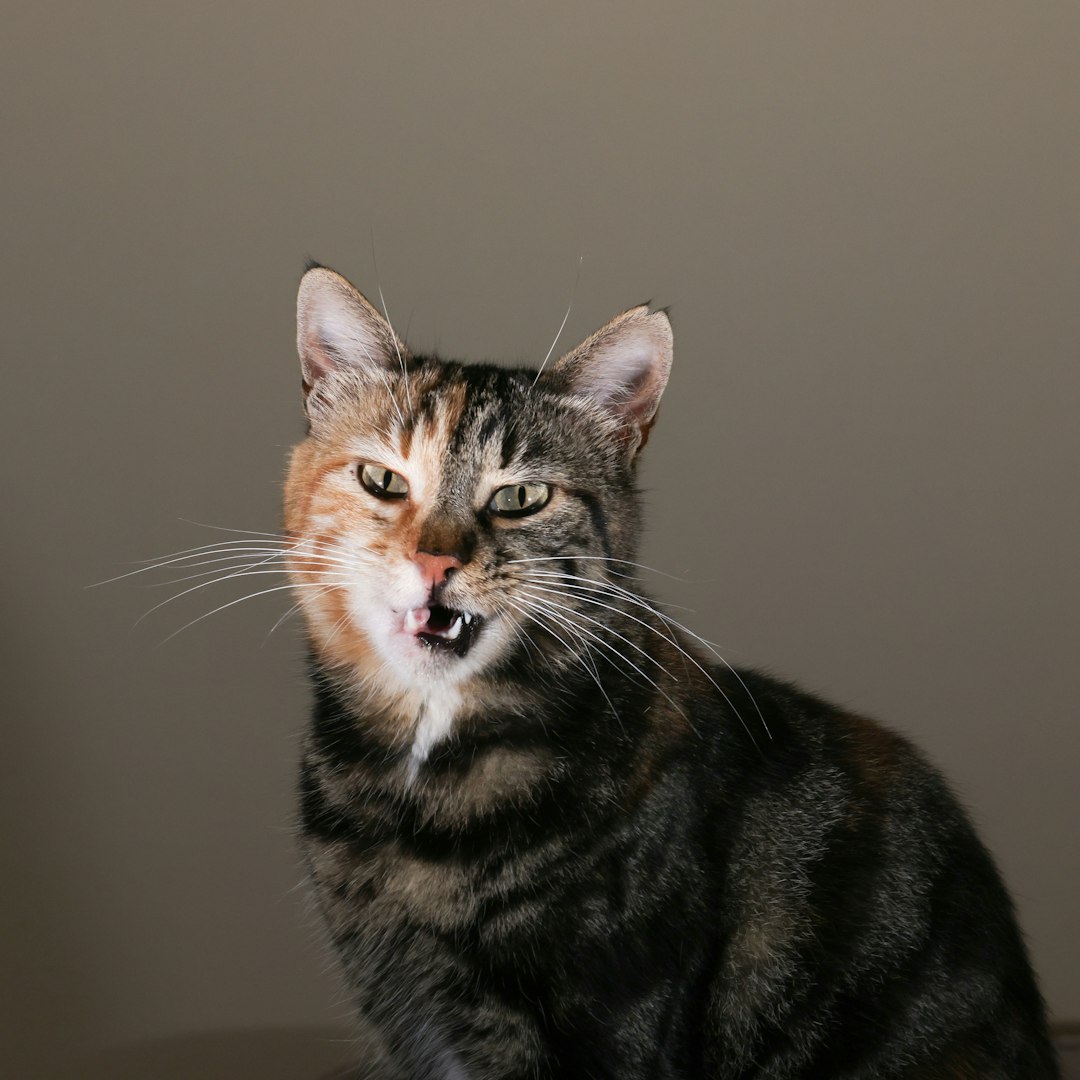
Sometimes what looks like excessive blinking or squinting isn’t communication at all, but rather a sign that something’s wrong with your cat’s eyes. Squinting is also a symptom of eye disease, and whenever an eye is painful or inflamed, cats tend to squint, so if your cat squints for more than a few hours, it’s time to schedule an appointment with your vet.
Eye problems can bring out another cat entirely, one who paws at their eyes, squints, or blinks too much, and because eye problems can lead to devastating consequences – including surgery or blindness – always talk to your vet when you notice your cat has irritated eyes.
Watch for concerning signs like glassy eyes, which are a sign of excessive tearing that can occur when a cat’s eye is inflamed or in pain. You may see excessive blinking, or it may look like your cat is winking at you, but persistent winking or squinting warrants veterinary attention.
Mild symptoms like slight redness, occasional blinking, or clear watery discharge can often wait for a regular veterinary appointment within 24-48 hours, but these symptoms, while concerning, don’t usually represent an emergency if they develop gradually and don’t cause significant discomfort.
Conclusion: A New Way to Bond
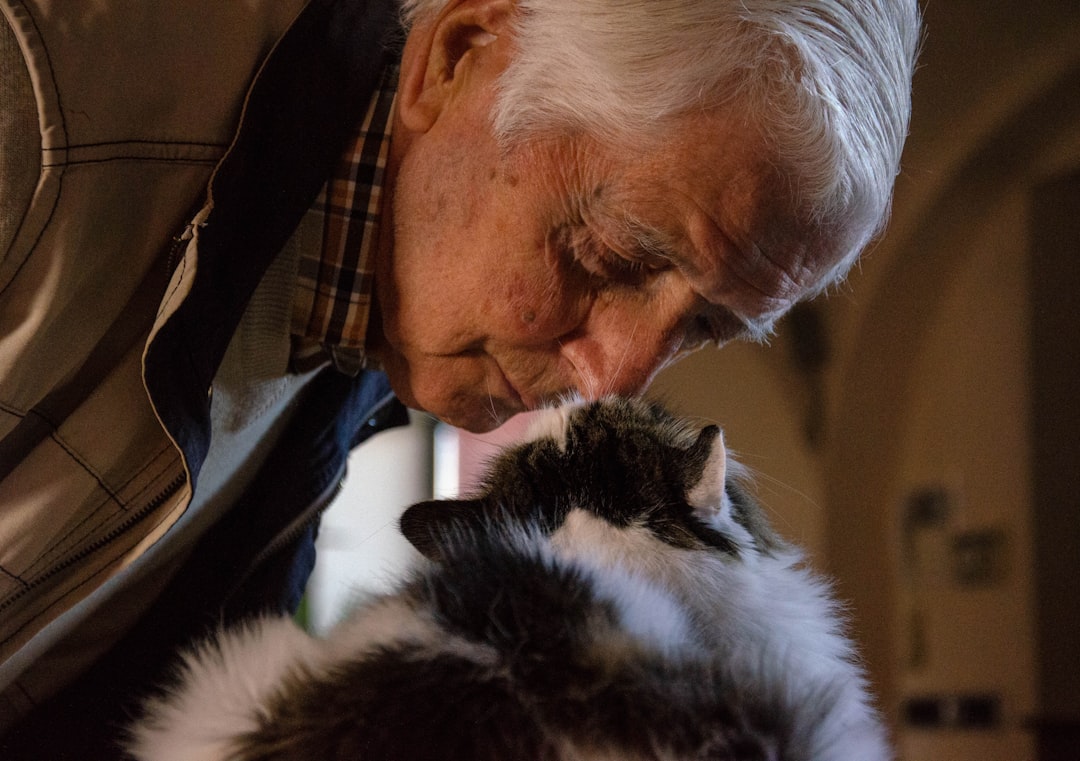
Understanding your cat’s eye language opens up an entirely new dimension of communication and bonding. It’s a great way of enhancing the bond you have with cats, and the best part is that this ancient feline wisdom is now backed by solid scientific research.
The next time your cat gives you one of those dreamy, slow blinks, you’ll know they’re not just being sleepy or aloof. They’re actually telling you, in their own subtle way, that you matter to them. It’s something that many cat owners had already suspected, so it’s exciting to have found evidence for it.
Remember that every cat is an individual, and learning to read your specific cat’s signals takes time and patience. Start slow, pay attention to their body language, and always respect their boundaries.
What do you think about it? Have you noticed your cat slow blinking at you, and will you try having slow blink conversations with them? Tell us in the comments.


