
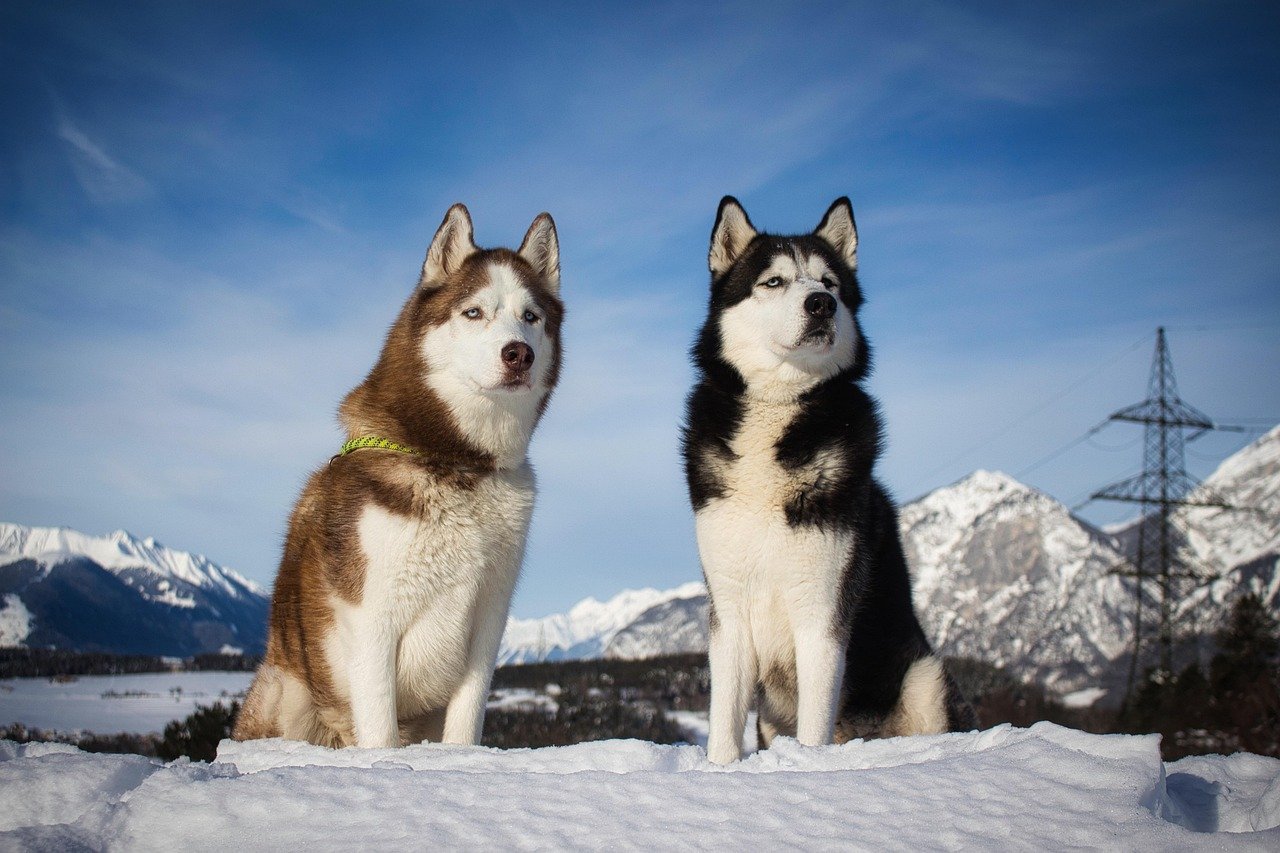
Alaska’s unforgiving cold and rugged terrain demand more than just a good coat. They require courage, strength, and an almost supernatural ability to find joy in conditions that would send most creatures running for shelter. While many dogs shiver at the first snowflake, some breeds practically dance when the temperature drops below freezing.
These remarkable canines didn’t just adapt to harsh climates by accident. Their thick double coats, powerful builds, and working heritage make them nature’s ultimate winter warriors. Each breed brings something unique to Alaska’s challenging landscape, whether it’s pulling sleds across frozen tundra or simply being the perfect companion for snowshoeing adventures. Let’s explore these extraordinary dogs that don’t just survive in Alaska’s climate but absolutely thrive in it.
Alaskan Malamute
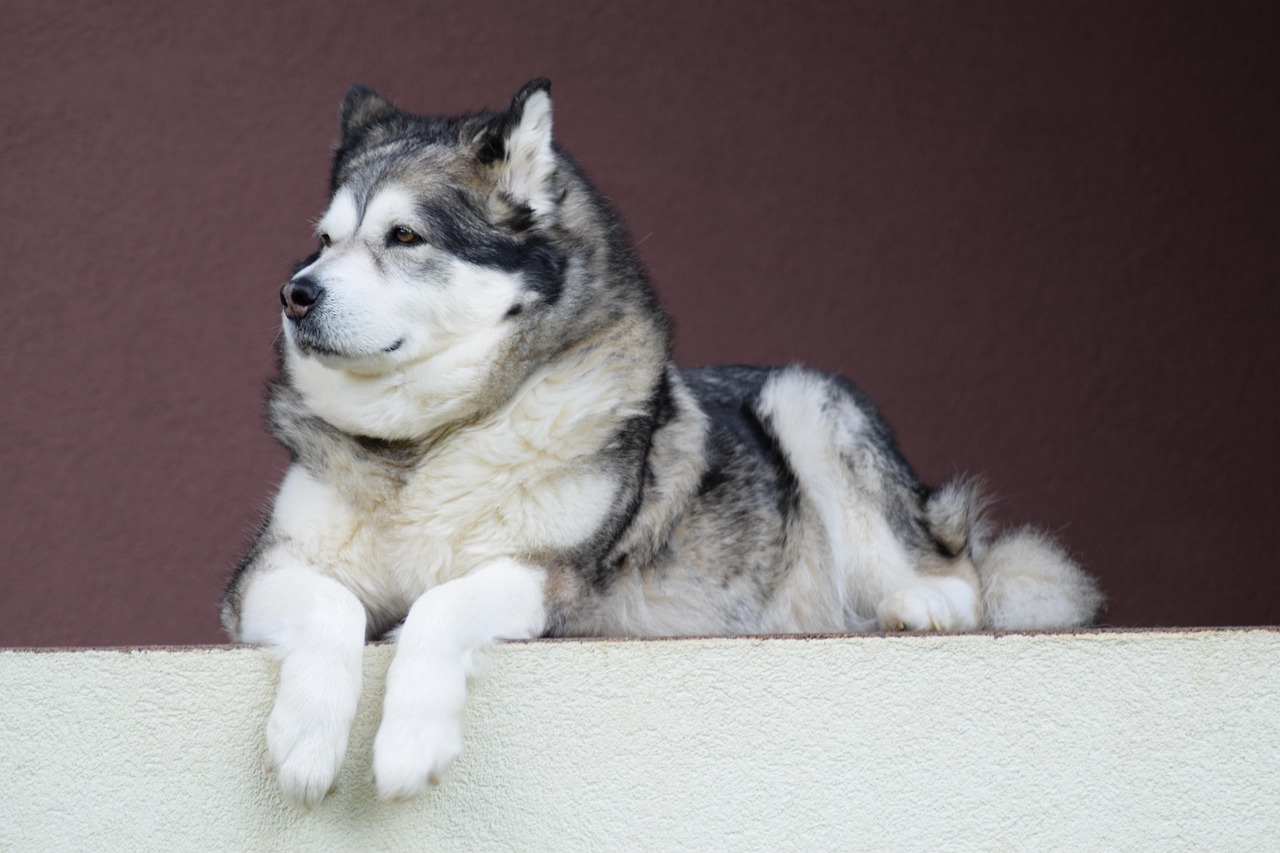
The undisputed king of Alaska’s frozen wilderness, the Alaskan Malamute stands as one of the oldest Arctic sled dog breeds, native to Alaska’s Arctic. With their powerful build and incredible strength, these “freighters” are built to pull heavy loads over long distances. Their heritage runs deeper than most realize, as these dogs are thought to have traveled from Siberia to Alaska across the Bering Strait thousands of years ago and have since developed a strong cultural association with the Inuit people, who value their affectionate nature and sled-pulling abilities.
What truly sets Malamutes apart is their unwavering work ethic and natural leadership qualities. These dogs have a thick coat to protect against the brutally frigid temperatures found along the Iditarod course, and they possess the kind of unending endurance needed to stay in it for the long haul, though they aren’t really built for speed. Mals are inherently hard workers who take their duties seriously, so they tend to be on the stubborn side, and if you don’t train your Mal from the get-go, they might see themselves as the pack leader and ignore your commands.
Siberian Husky
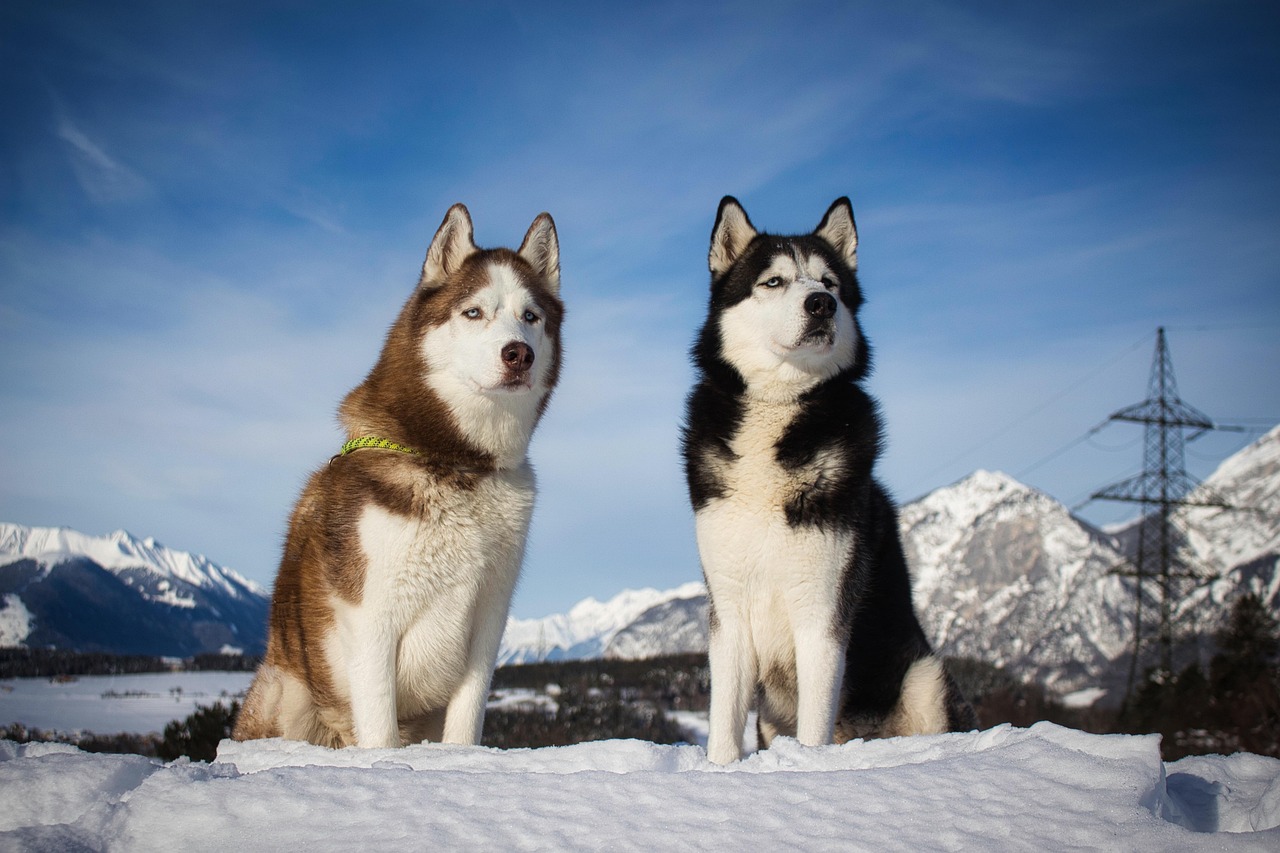
Like their malamute cousins, the friendly and strong Siberian huskies love to exercise, making them natural born runners and the traditional Iditarod dogs. These quintessential snow dogs were bred for pulling sleds across Arctic landscapes and can tolerate temperatures as cold as -60 degrees F (-51 degrees C), loving running and playing in the snow and making great running partners for cold weather. Their striking appearance and piercing blue eyes make them instantly recognizable, yet their true beauty lies in their incredible endurance and pack mentality.
They’re strongly pack-oriented, which makes them great team players since no one dog is the star of the Iditarod, with each sled placing pairs of dogs in different but equally important positions. Originating from Northeast Asia, huskies are very vocal dogs that shed but need a great deal of exercise to stay mentally and physically healthy. Their legendary stamina and natural desire to run make them perfect companions for active Alaskans who embrace winter sports.
Alaskan Husky
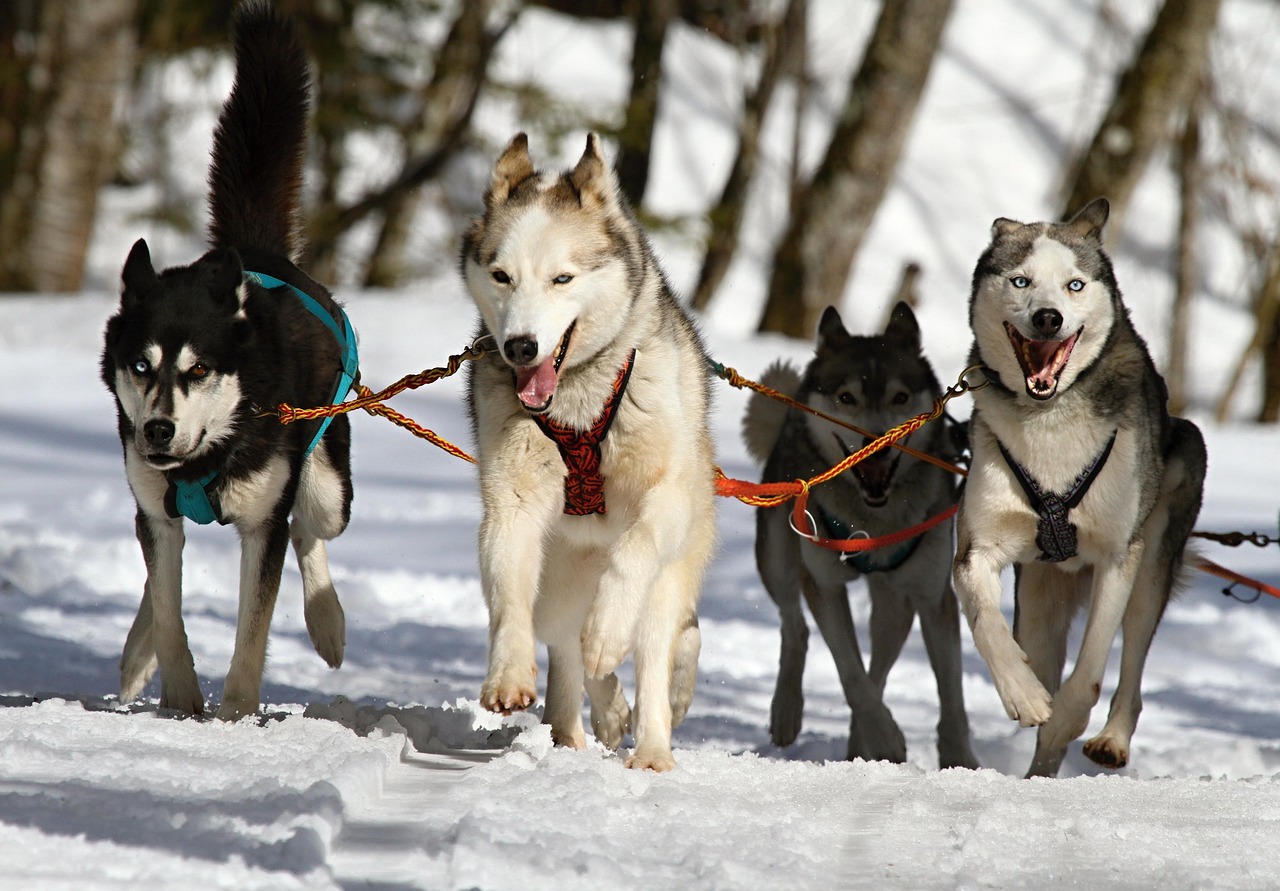
The Alaskan Husky is not a purebred dog but rather a mixed breed developed specifically for endurance and performance in sledding, excelling in speed and often used in long-distance races like the Iditarod. These dogs are the ultimate racing machines, the modern Iditarod dog of choice, bred specifically for all the qualities sought in a top canine athlete, with researchers studying their genetic lineage and finding their ancestry combines qualities of strength, speed, agility and endurance.
Alaskan huskies are descended from breeds including Alaskan malamutes, Siberian huskies, German shorthaired pointers, Salukis and Anatolian shepherds, with some even bred with wolves, though they are not recognized by the American Kennel Club as a distinctive breed but are largely preferred by Iditarod mushers as the dog most likely to get them across the finish line first. These dogs enjoy being part of a team and excel at sled pulling, though most breeders don’t consider them attractive for pet sales, making them one of the few breeds only bred for work, requiring an hour a day or more to run free to get the activity they need.
Samoyed
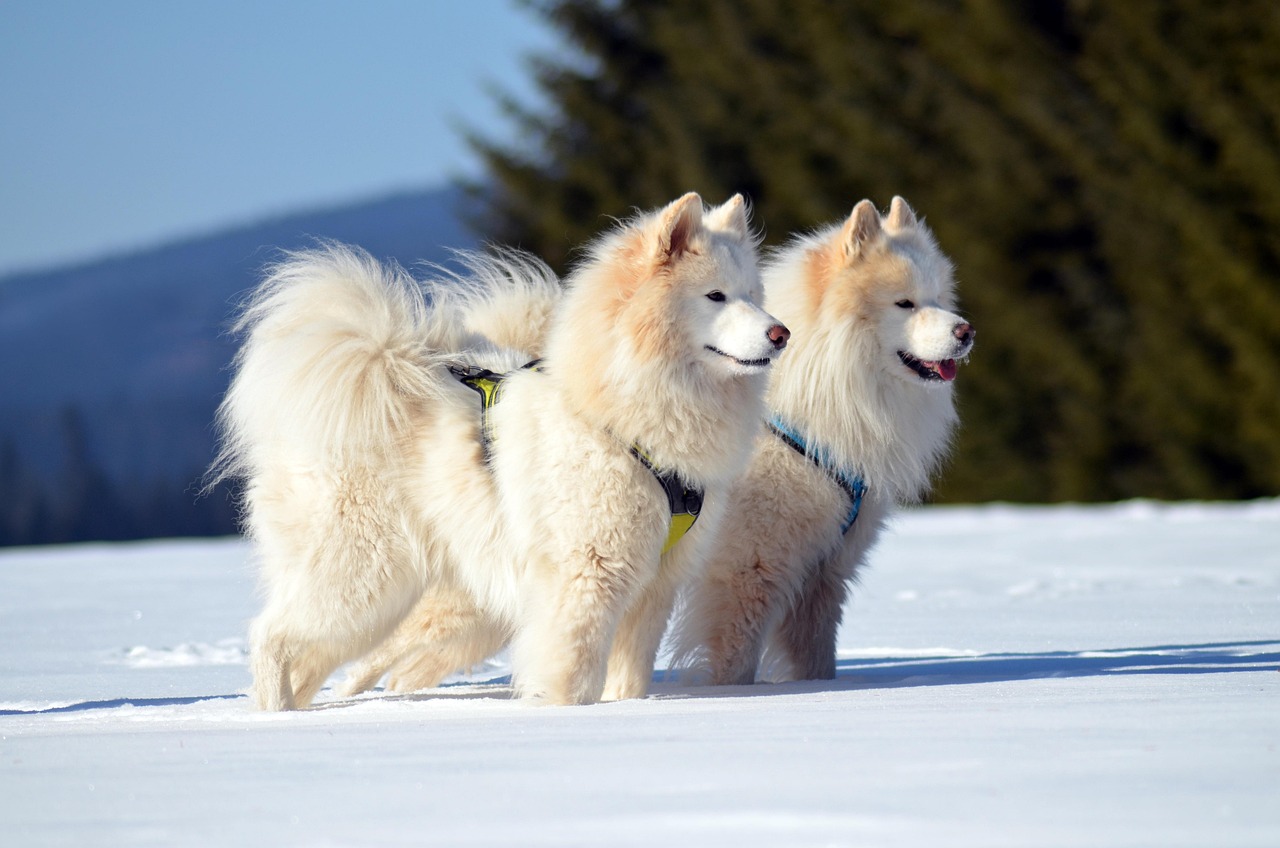
Another fluffy sled dog breed from Siberia, Samoyeds sport an all-white double coat that helps keep them warm in the harsh Arctic conditions, with roles that have included everything from herding reindeer and hunting bears to warming their human partners and transporting supplies. These hardy dogs have historically been used in polar expeditions, though it was Greenland dogs that accompanied Norwegian explorer Roald Amundsen on his successful 1911 South Pole expedition, and they have a happy-go-lucky attitude with a perpetual smile that serves a practical purpose in cold weather by keeping their drool from freezing into icicles on their face.
These playful, yet gentle dogs are perfect as companions, but need plenty of physical and mental exercise, originally bred for herding reindeer, hunting, and hauling sledges. Though Sammies are as mischievous as they are graceful, so it’s important to start training early and often. Their stunning white coats and infectious smiles make them impossible to resist, though their working heritage means they need plenty of mental stimulation to stay happy.
Greenland Dog
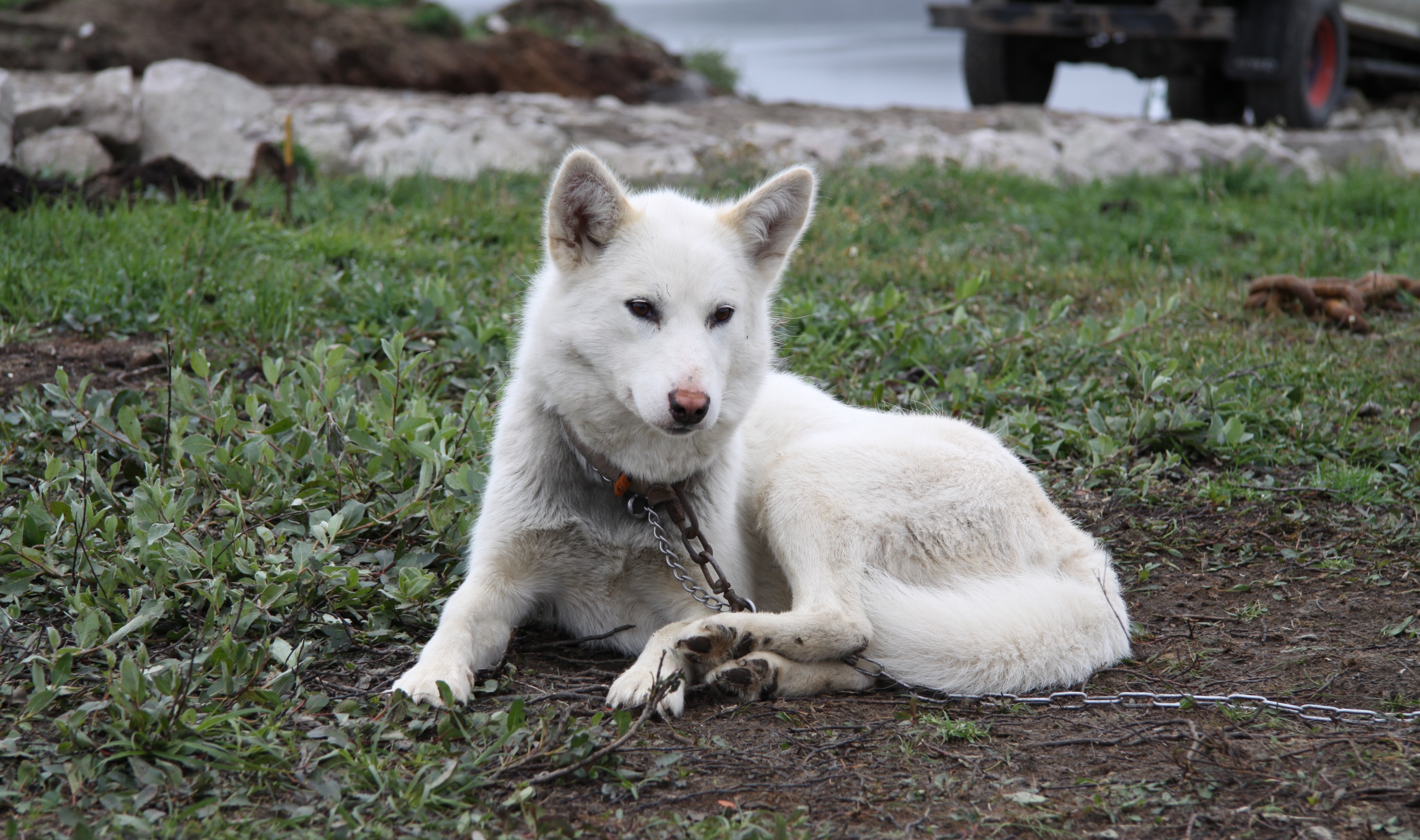
The Greenland Dog is a large, powerful breed originally used by the Inuit people for hauling sleds and hunting, with a thick coat, robust build, and remarkable endurance, known for their work ethic and strong instinct for teamwork. They can handle extremely cold temperatures like -35 to -75 degrees Fahrenheit and are energetic, friendly, loyal, mentally and physically strong, affectionate, willing to please, and fast dogs. Greenland Travel calls the Greenland Dog one of the most isolated and purest bred dogs in the world, preferring cold climates and being very strong-willed.
Unlike some sled dogs, Greenland Dogs aren’t automatically friendly with other dogs and require lots of firm training, especially if they’ll be living in a home with children. They can be stubborn and need training and socializing from an experienced owner due to their high energy levels, and they are closely related to wolves. These dogs resemble the Siberian Husky but are much larger, with many Greenlands reaching 100 pounds, and are nationally and culturally significant to Greenland, making them primarily working dogs that usually keep to themselves but can make great pets for someone with a big yard.
Shiba Inu
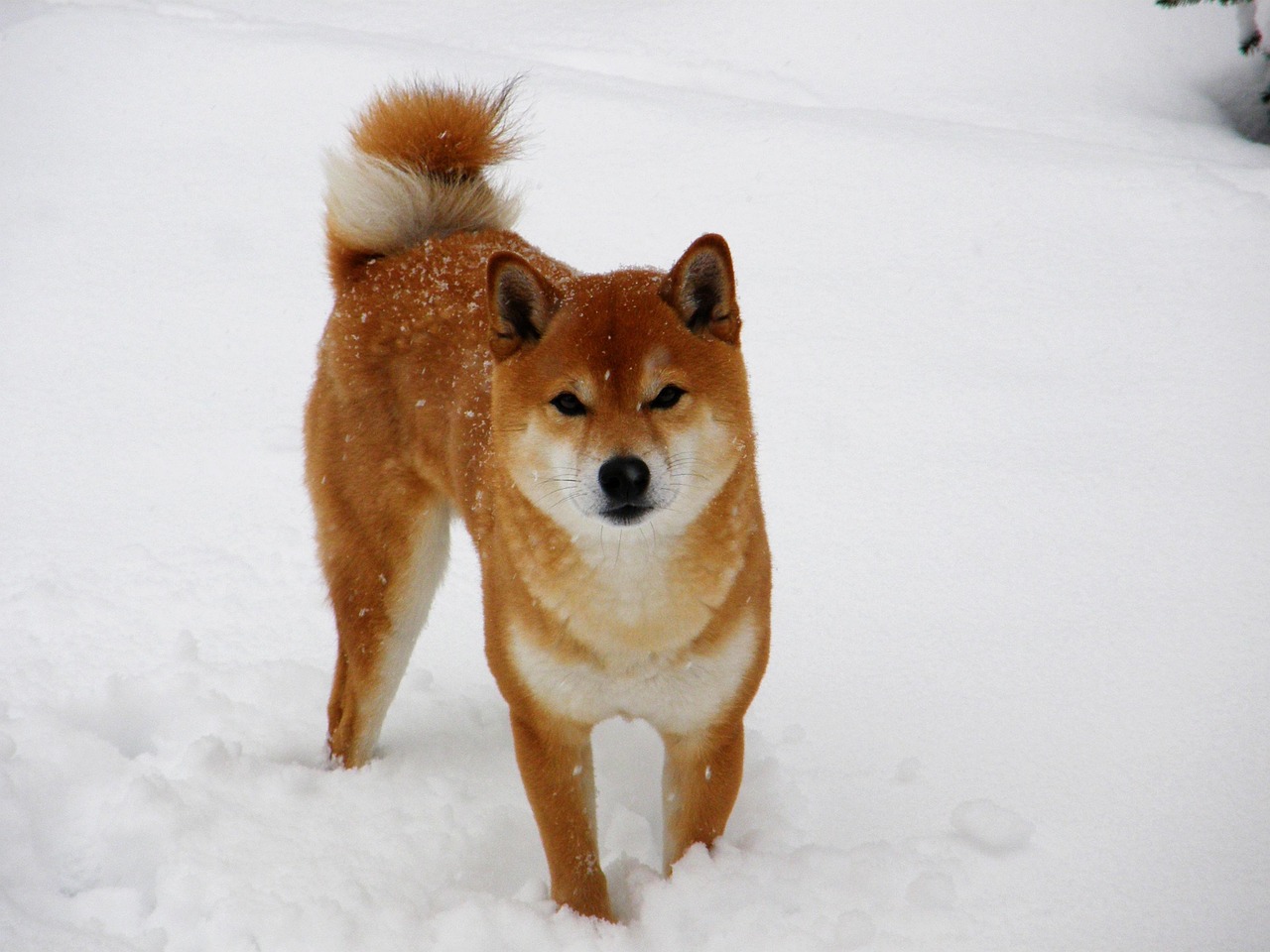
Shiba Inus, originally bred for hunting in the mountainous regions of Japan, are known for their distinct appearance and spirited personality, with questions about their adaptability and safety in colder weather. The Japanese used and bred Shibas to be small game hunters in rugged, mountainous regions resulting in a compact, sturdy body equipped with a dense double coat, an adaptation that evolved to allow Shibas to tolerate cold weather efficiently and protected them from icy and harsh temperatures, with modern day Shiba Inus retaining this genetic feature.
Their double coat is excellent for providing insulation against cold temperatures, making Shiba Inus inherently well-suited to colder climates, with their coat not only keeping them warm but also offering protection from snow and wet conditions. Most healthy adult Shiba Inus with a full double coat can comfortably handle walking in temperatures as low as 32F, though due to their double coat, most Shibas can handle temperatures a bit lower. If you want a compact cold-weather dog, the Shiba Inu is a great choice, with these spitz dogs from Japan having a thick double coat to stay protected from the cold and adventurous pups being happy to explore with you in winter, building up a tolerance to most cold weather.
Norwegian Elkhound
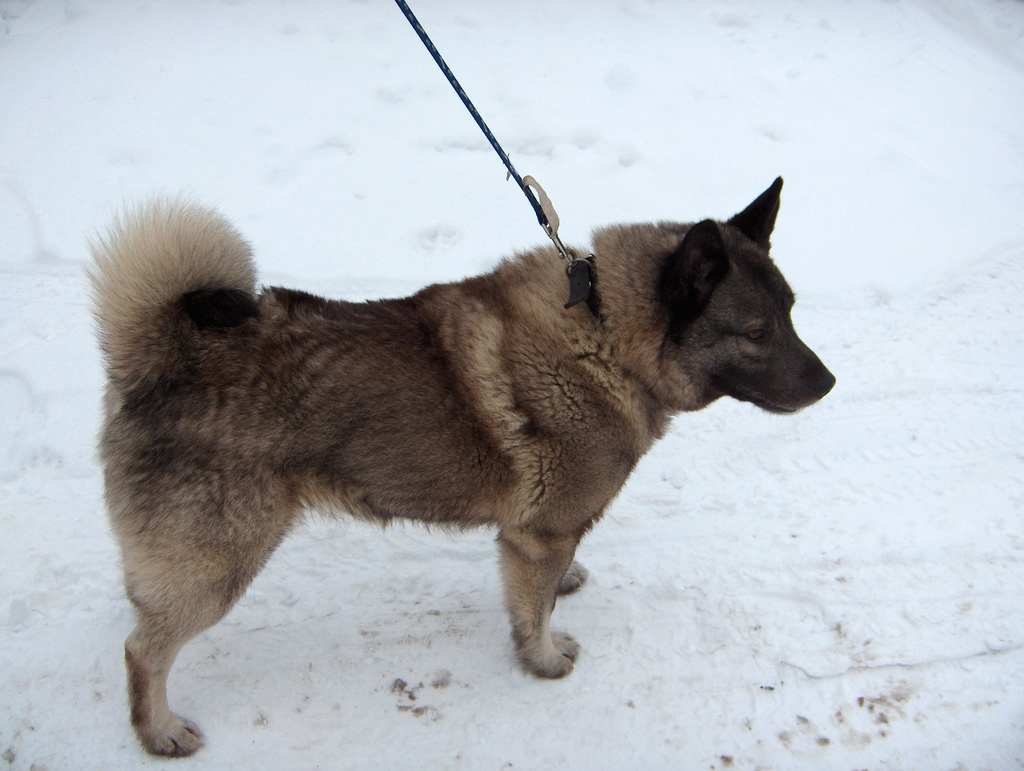
These big-chested furry friends have been braving the Scandinavian climate since as early as 5,000 B.C., and in addition to pulling sleds, Norwegian Elkhounds have been employed for hunting bears, wolves, moose, and even elks throughout the ages. Norwegian Elkhounds are another Nordic spitz type dog that’s one of the best dog breeds for cold weather, with a thick, double coat and hailing from Scandinavia, making them well-equipped for freezing conditions, even having extra fat on the pads of their feet to prevent frostbite in extreme cold.
They can haul hefty loads through the snow and are accomplished sled racers, making them one of the most versatile types of sled dogs. The breed was originally used for hunting elk, but now are perfect hiking dogs with high agility, lasting endurance, and a penchant for protecting their owners. Their versatility and ancient heritage make them incredibly reliable companions for any Alaskan adventure, whether you’re planning to explore the wilderness or simply need a trustworthy hiking partner who won’t complain about the cold.
Saint Bernard
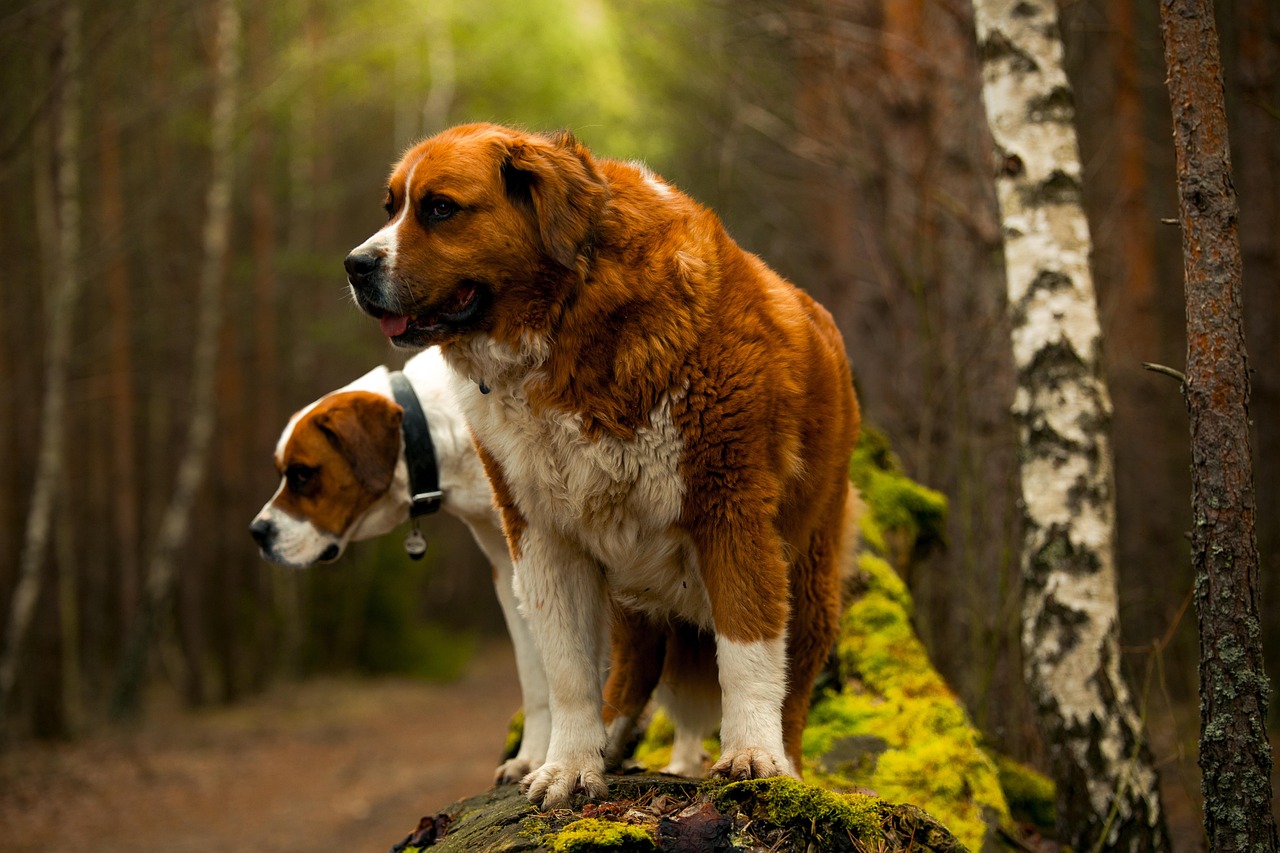
The St. Bernard’s roots trace back to the Swiss Alps, where monks at the St. Bernard Pass originally bred them as rescue dogs, with their main role being to locate and save lost travelers buried under snow avalanches, renowned for their incredible sense of direction and resistance to cold. Saint Bernards have low energy and aren’t necessarily super playful, but they make up for it with affection and willingness to work, with the muscular dogs trekking for miles through deep snow to search for lost travelers and being famous for their rescue work and love playing in the snow with children.
The Saint Bernard comes from the Swiss Alps and was originally used to locate freezing and helpless travelers during snowstorms, making this massive dog a great family pet known for their devotion to their humans, especially children, ensuring they’ll be comfortable in winter weather. Among the best large dog breeds, the benevolent Saint Bernard definitely lives up to its saintly title, being warmhearted, slow, patient, and very responsive to training, settling down nicely as they grow older. Their massive size means they can literally keep you warm during Alaska’s coldest nights.
Bernese Mountain Dog
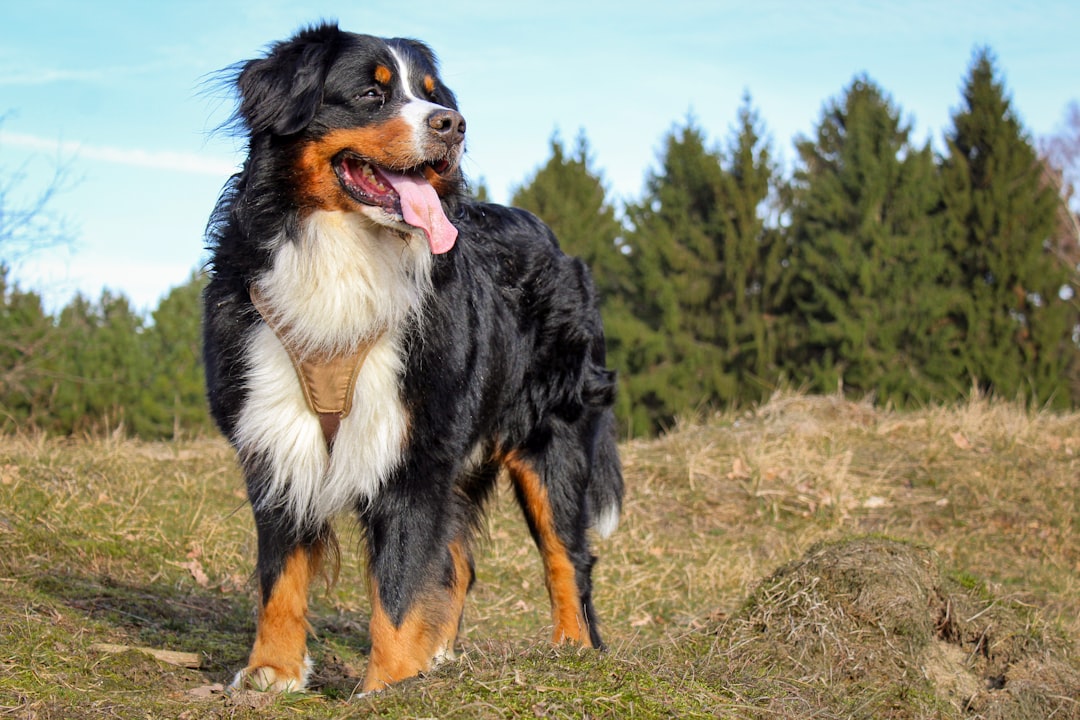
Originating from the Swiss mountains, the Bernese Mountain Dog was primarily used as a farm dog with tasks ranging from pulling carts to herding cattle and serving as watchdogs, known in their native land as ‘Berner Sennenhund’ and valued for their strength, intelligence, and versatility. They thrive in cold climates and are another large breed that doesn’t care for heat and humidity, with the Bernese Mountain Dog having a thick undercoat like other double-coated dog breeds and shedding quite heavily.
Bernese mountain dogs are as sweet as they look, being very gentle and getting along well with children and pets, extending kindness to people they trust outside their families, being protective of their homes but hardly ever aggressive, though they have a tendency to be more reserved around those they’re not familiar with. These dogs made ideal companions when caught out by blizzards or freezing weather and many a farmer credited these dogs with keeping them warm enough to survive the ordeal. Their gentle nature and incredible cold tolerance make them perfect for families living in Alaska’s remote areas.
Newfoundland
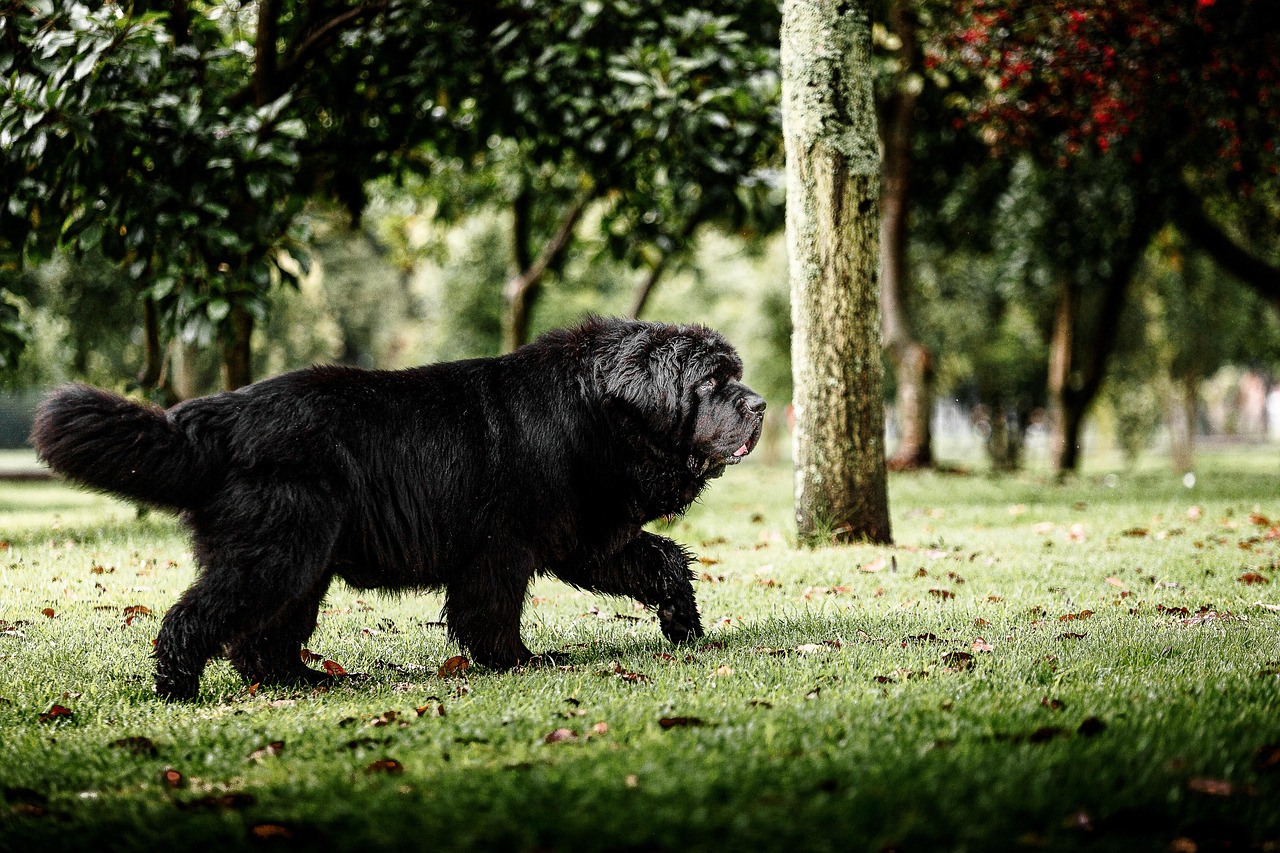
The Newfoundland breed originated from the Canadian island of the same name, where fishermen initially bred them to help haul nets and catch fish that escaped from hooks. Like the husky, the Newfoundland has a heavy coat that protected it from the icy waters it was originally bred to work in, making it ideal for colder weather, with these Canadian dogs still used in water rescues today, and their double coat and strong body making them ideal for mountains too, being the perfect family dog with low energy but full of friendliness and protectiveness.
The Newfoundland was developed in Newfoundland, where it was used largely as a fisherman’s helper, playing all sorts of water-based roles, with these dogs still used as water rescue dogs today, having a dense coat that is water-resistant and can shed quite a bit. Newfoundlands are very good with children in most cases, making them great family dogs that tend to be described as patient and gentle. Their incredible swimming abilities combined with their cold-weather tolerance make them uniquely suited for Alaska’s coastal regions and lake country.
What do you think about these incredible cold-weather champions? Tell us in the comments.


