
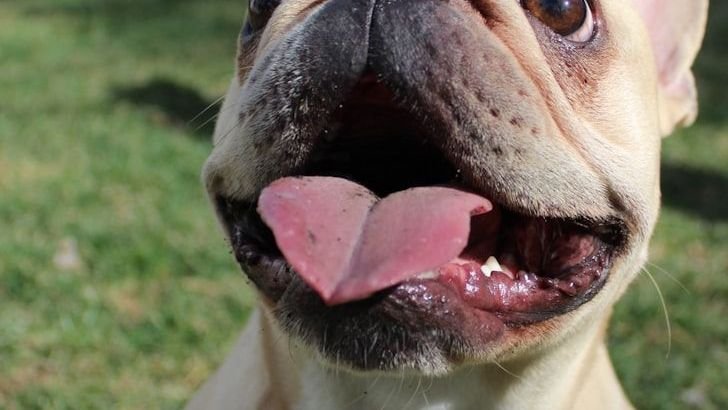
Look, I get it. You see that adorable French Bulldog waddling down the street with its squishy face, or maybe a majestic German Shepherd running through the park, and your heart melts. But here’s something that might surprise you: some of the breeds we love most are the ones that keep veterinarians up at night worrying about their health.
After decades of selective breeding for specific looks rather than health, many popular breeds face serious medical challenges that can lead to expensive treatments, shortened lifespans, and heartbreaking suffering. While every dog deserves love and care, understanding these breed-specific issues can help you make informed decisions and prepare for what lies ahead.
English Bulldogs
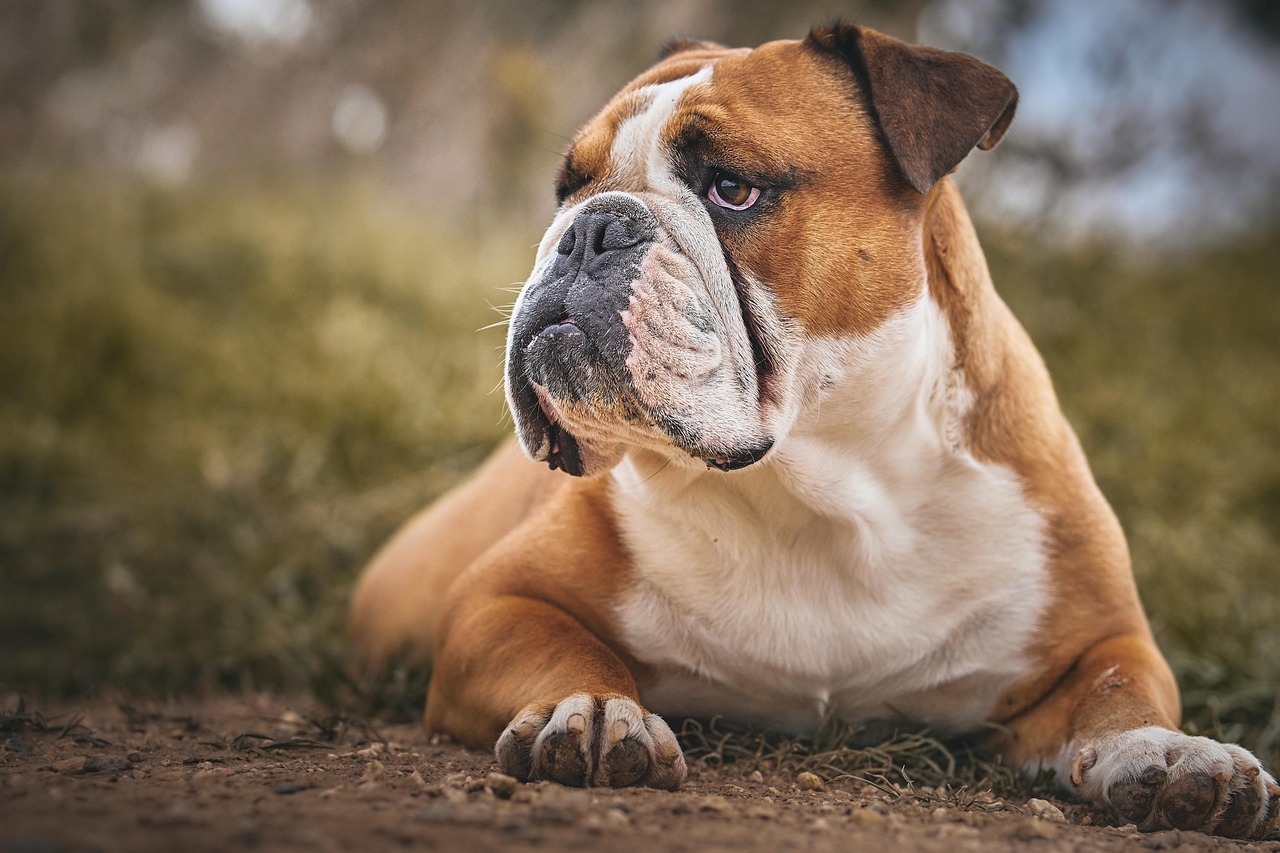
English Bulldogs top the list of breeds that worry veterinarians due to severe genetic health problems resulting from breeding to meet pedigree standards. The medical conditions affecting bulldogs are so severe that Norway has banned their breeding alongside Cavalier King Charles Spaniels after a court ruled these dogs could never be considered healthy. Think about that for a moment: an entire country decided the breed was too unhealthy to continue.
The most common issues are respiratory problems due to their selectively bred short snouts. In some cases, surgery is required to open airways so these dogs can breathe easier. Beyond breathing troubles, their body shape makes natural labor nearly impossible, with most puppies requiring cesarean sections for delivery.
French Bulldogs
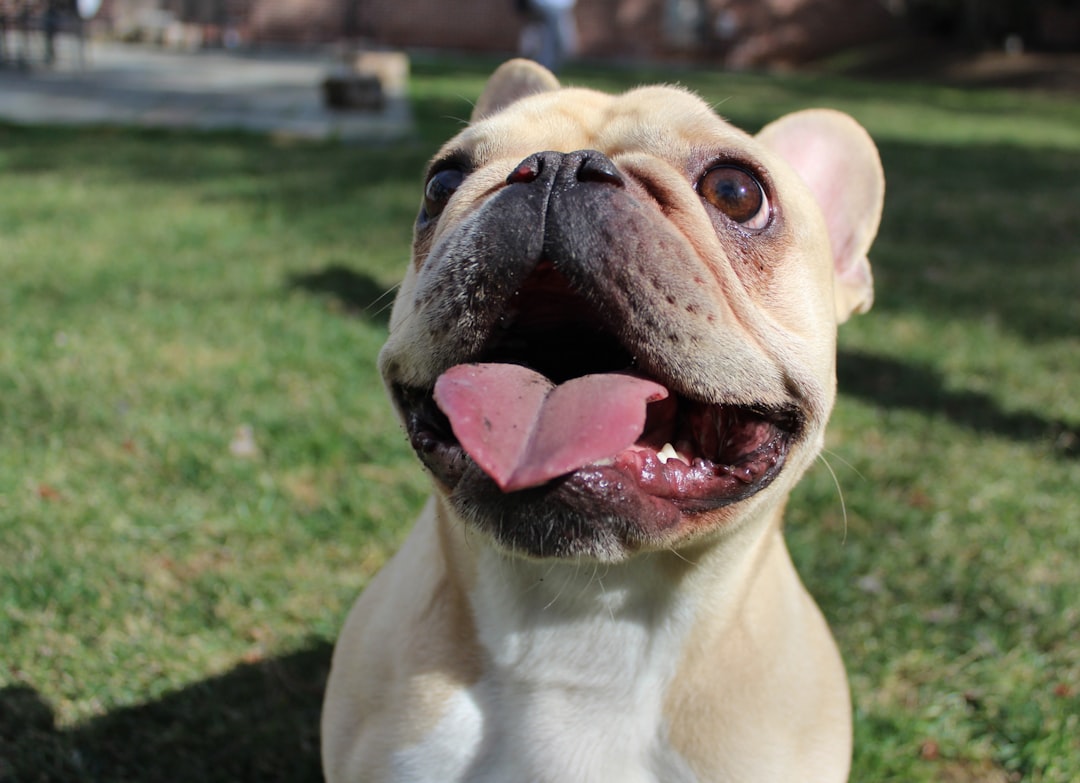
French Bulldogs fall into the flat-faced category that veterinarians particularly worry about, with society having normalized their snorting as acceptable when it actually means they can’t breathe properly. These dogs have narrow nostrils and abnormal windpipes, often struggling with breathing difficulties and exercise.
Veterinarians warn that owners of French Bulldogs can expect a lifetime of expensive medical bills. The combination of breathing problems, skin fold infections, and joint issues creates a perfect storm of health challenges. Yet their popularity continues to soar, driven by social media and celebrity endorsements.
Pugs

Pugs suffer from severe eye problems, with their bulging eyes potentially “popping” out, making it difficult to blink and keep eyes moisturized, leading to dryness and infections. The brachycephalic faces of Pugs cause breathing problems due to shortened air passages.
Like Bulldogs, Pugs typically require cesarean sections to deliver puppies. The breed’s popularity on social media masks the reality that these dogs struggle with basic functions like breathing and protecting their eyes. Their “cute” bug-eyes are actually a serious medical condition waiting to happen.
Cavalier King Charles Spaniels

Despite being described as “the loveliest dogs,” Cavalier King Charles Spaniels have loads of health issues, with nearly all developing mitral valve disease – a heart condition that causes coughing, breathing difficulties, and often death from heart failure. Most Cavaliers develop mitral valve disease by age five to six, with nearly all affected by age ten.
In 2022, Norway banned the breeding of King Charles Spaniels alongside English Bulldogs over animal welfare concerns. This breed’s sweet temperament makes their health struggles even more heartbreaking for families who watch their beloved pets suffer.
Dachshunds

Veterinarians love the personality of Dachshunds but consider the potential for sickness too concerning. These “sausage dogs” face numerous health problems, with their long backs and short legs leading to higher risks of lifelong back, knee, and joint problems.
Intervertebral disc disease occurs when discs in their spine slip or rupture due to genes affecting cartilage formation, making them susceptible to injury and causing neck pain, back pain, weakness, wobbly gait, and even paralysis. One wrong jump off the couch can mean thousands in veterinary bills and months of recovery.
Shar Peis
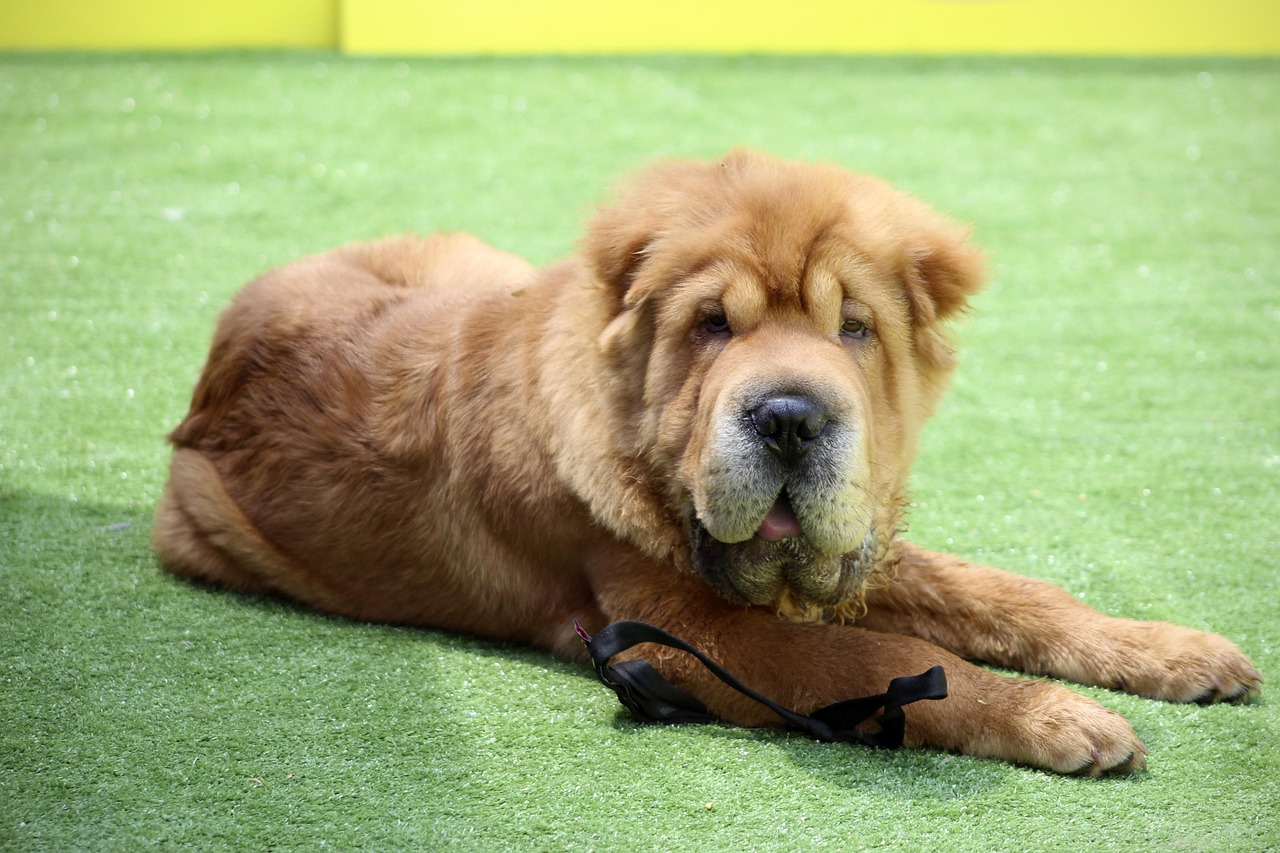
Shar Peis are so prone to health issues that they have a condition named after them – Shar Pei Fever, with most being “too wrinkly” for their own good. Their excessive wrinkles require surgical intervention to prevent eye damage, they constantly develop skin issues, and have tiny, narrow ear canals.
At veterinary clinics, Shar Peis often try to bite staff, and most have numerous health issues. The breed’s distinctive appearance comes at a steep price in terms of quality of life and veterinary expenses.
German Shepherds
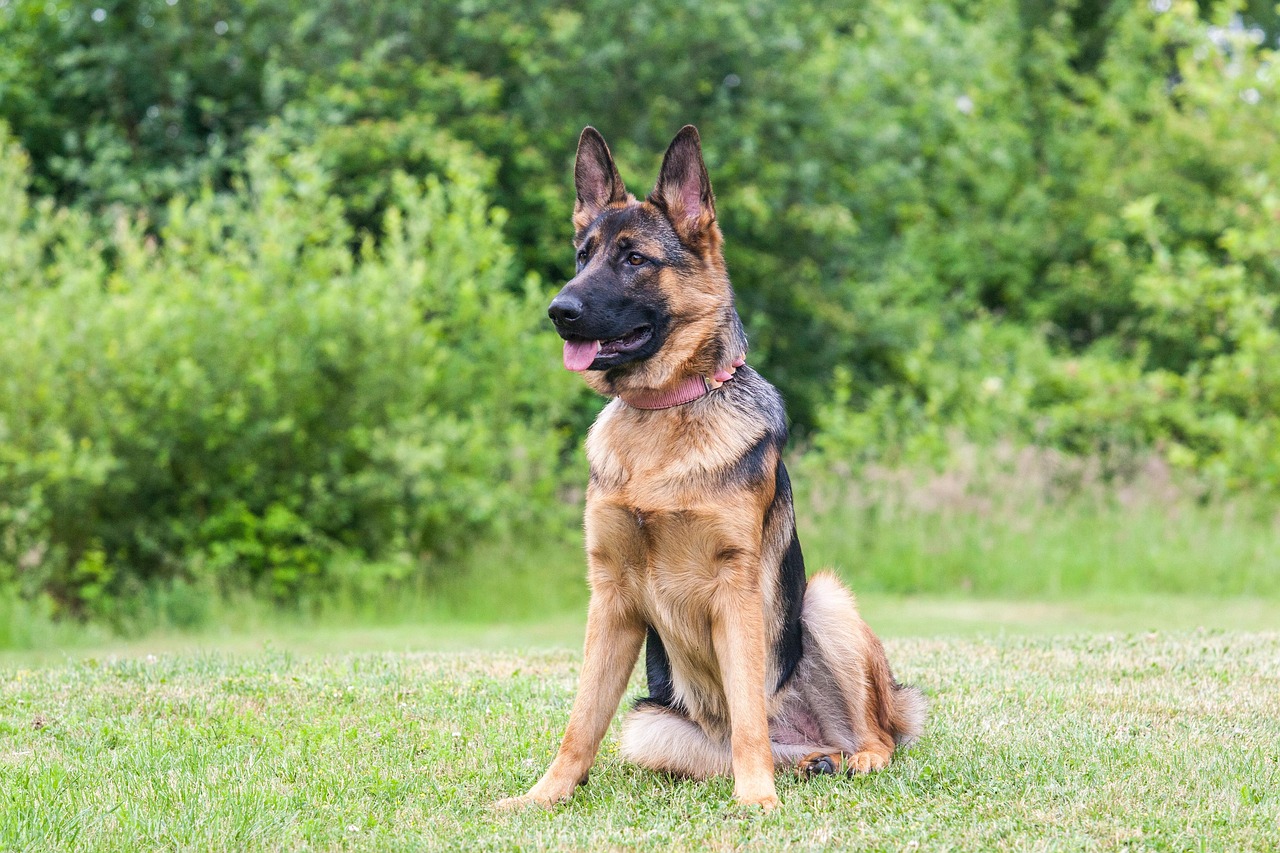
German Shepherds are prone to specific health issues, particularly hip dysplasia – a genetic condition where hip joints don’t develop properly, leading to arthritis and pain. They’re susceptible to hip and elbow dysplasia, degenerative myelopathy affecting the spinal cord, bloat (a life-threatening condition), and allergies causing skin and digestive issues.
Bloat occurs when the stomach fills with gas and twists, requiring immediate emergency treatment to prevent death. While German Shepherds are incredible working dogs, their size and genetic predispositions create significant health challenges.
Golden Retrievers

Golden Retrievers are incredibly likely to develop cancer and are more prone to hip and elbow dysplasia. Despite being generally healthy, the breed is known for cancer susceptibility, particularly hemangiosarcoma.
The heartbreak of losing a Golden Retriever to cancer has touched countless families. These gentle, loving dogs often hide their pain well, making early detection challenging. Regular veterinary checkups become crucial but can’t prevent the genetic predisposition to malignancies.
Boxers

Research shows Boxers are genetically predisposed to numerous health conditions, including bloat – a potentially fatal condition from excessive gas production in the stomach. They face high rates of lymphoma and mast cell tumors, plus heart conditions, hip dysplasia, epilepsy, and allergy-driven skin issues, requiring frequent veterinary visits despite their high energy levels.
The sheer number of potential health problems in Boxers is staggering. Their athletic appearance masks a breed riddled with genetic time bombs that can explode at any moment.
Great Danes
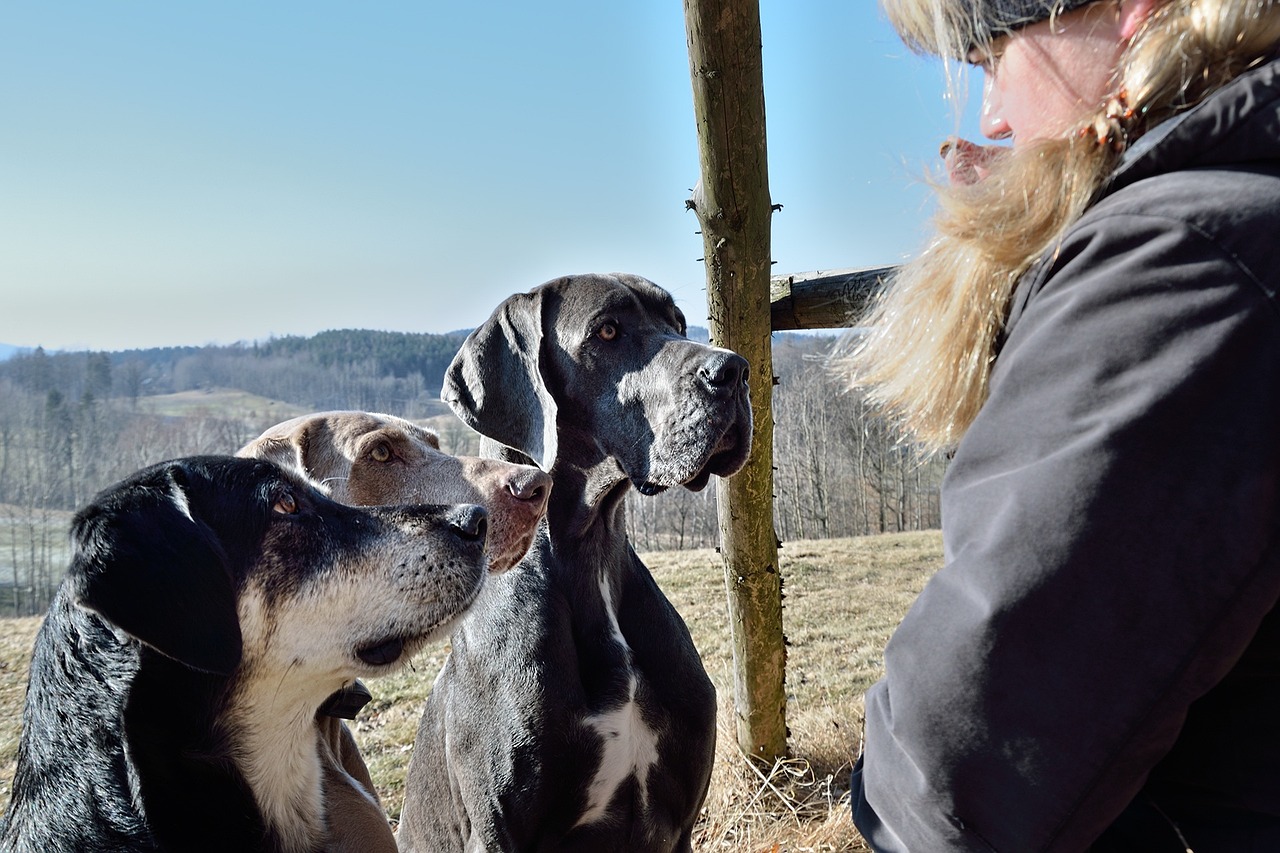
Larger breeds like Great Danes are more prone to developing hip dysplasia due to their size. They suffer from dilated cardiomyopathy (heart muscle enlargement), osteosarcoma (aggressive bone cancer), requiring monitoring for pain, swelling, and limping.
Great Dane puppies can develop Hypertrophic Osteodystrophy causing painful limb swelling, and Wobbler Syndrome affecting the cervical spine and causing unsteady gait or paralysis. These gentle giants live shorter lives due to their size-related health complications.
Chow Chows
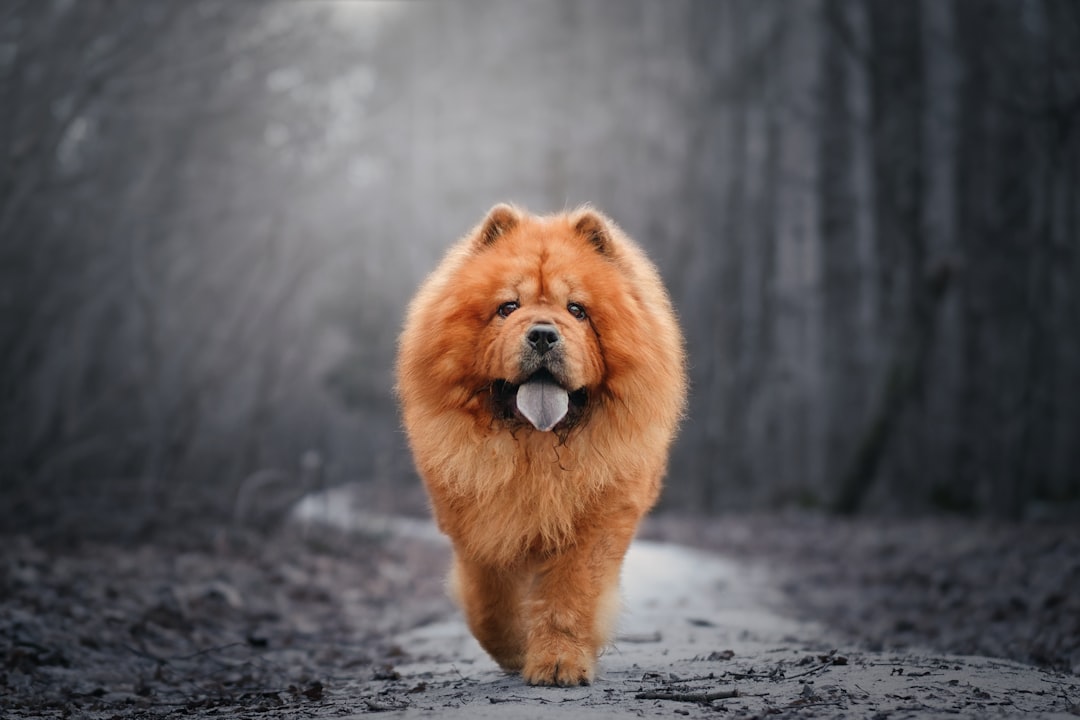
Chow Chows are likely to develop hip and elbow dysplasia limiting mobility, plus respiratory disorders where narrow throats cause snoring during sleep and coughing when awake. Beyond health issues, veterinarians note temperament concerns, describing them as often aloof and aggressive at veterinary visits, making treatment difficult.
The combination of health problems and behavioral challenges makes Chow Chows particularly challenging for both owners and veterinary professionals to manage effectively.
Chihuahuas

Smaller breeds like Chihuahuas are at risk for physical injury from falls or rough play. They have dental problems similar to other small breeds, plus issues with luxating patella, heart problems, eye conditions like glaucoma, and injury susceptibility due to their tiny size.
Extra tiny Chihuahuas often have added health problems and special needs associated with hypoglycemia. While they may live longer than larger breeds, their fragility creates constant worry for owners.
Yorkshire Terriers

Yorkshire Terriers are prone to several health problems including dental issues requiring regular teeth cleaning, eye problems like cataracts and progressive retinal atrophy, and skin allergies. They commonly suffer from luxating patella – a congenital condition where the kneecap pops out of a shallow groove, causing discomfort, limping, and early arthritis, often requiring surgery.
Yorkies require more grooming than even long-coated Chihuahuas and exhibit typical terrier behavior patterns. Their small size combined with terrier tenacity often leads to injuries from overconfidence.
Maltese Dogs

Unfortunately, several small and toy breeds including Maltese are susceptible to luxating patella. Like other small white breeds, Maltese dogs share many health concerns with their close relatives in the toy group.
A study on mitral valve disease in small breeds reported that breeds similar to Maltese, including Shih Tzus, were among the most affected. Their tiny size makes them particularly vulnerable to the same issues plaguing other toy breeds.
Shih Tzus

Periodontal disease, anal sac impaction, and ear disorders are common health issues in Shih Tzus, with higher prevalence of anal sac problems, umbilical hernias, and eye problems than dogs overall. As brachycephalic dogs, they’re strongly predisposed to ophthalmic problems due to extreme facial conformation, with corneal ulcerative disease being particularly common.
Because Shih Tzus have short faces making them brachycephalic like Pugs and French Bulldogs, they’re prone to breathing problems with severe cases showing loud airway noises, quick fatigue, and exercise intolerance. Their “cute” flat faces hide serious respiratory compromise.
Conclusion

Honestly, writing this list breaks my heart a little. These breeds became popular for good reasons – they’re often wonderful companions with amazing personalities. Yet our desire for specific looks has created genetic nightmares for these dogs.
The reality is that mixed breeds and dogs from responsible breeders who prioritize health over appearance tend to live longer, healthier lives. Mixed breed dogs are generally considered among the healthiest due to greater genetic diversity, reducing the risk of inherited diseases common in purebreds.
If you’re set on one of these breeds, research breeders extensively, budget for significant medical expenses, and find a veterinarian experienced with breed-specific issues. Most importantly, consider adopting from shelters where you might find healthier mixed breeds waiting for homes.
What do you think about these breed-specific health concerns? Should we be doing more to address these issues in purebred dogs? Tell us your thoughts in the comments.


