
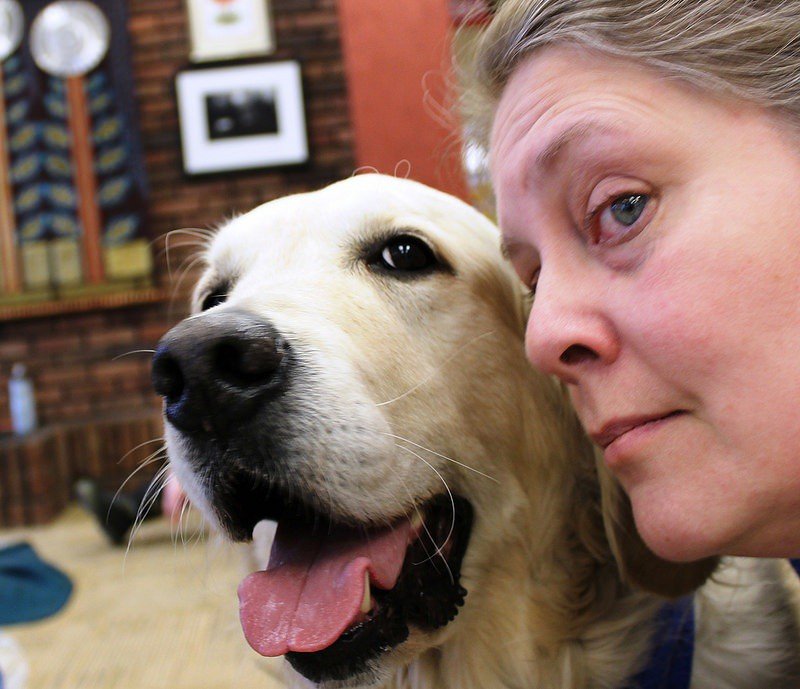
Picture this: your beloved pup starts trembling the moment you pick up your keys, or begins pacing frantically whenever a stranger approaches. Your natural instinct screams to comfort them, to pet them, to whisper sweet reassurances. Yet what if this well-meaning response is actually making their anxiety worse? Welcome to one of the most misunderstood aspects of dog behavior. Understanding how we accidentally reinforce anxious behaviors is the key to helping our four-legged friends find true peace and confidence.
When we punish dogs for behaviors driven by fear, anxiety, or frustration, those negative emotions only become stronger. They don’t learn to feel safe, but instead learn that the situation is both scary and unpredictable. The journey to helping anxious dogs requires a complete shift in how we approach their distress. Let’s explore the surprising ways we might be unknowingly feeding their fears.
Recognizing the Silent Language of Anxiety
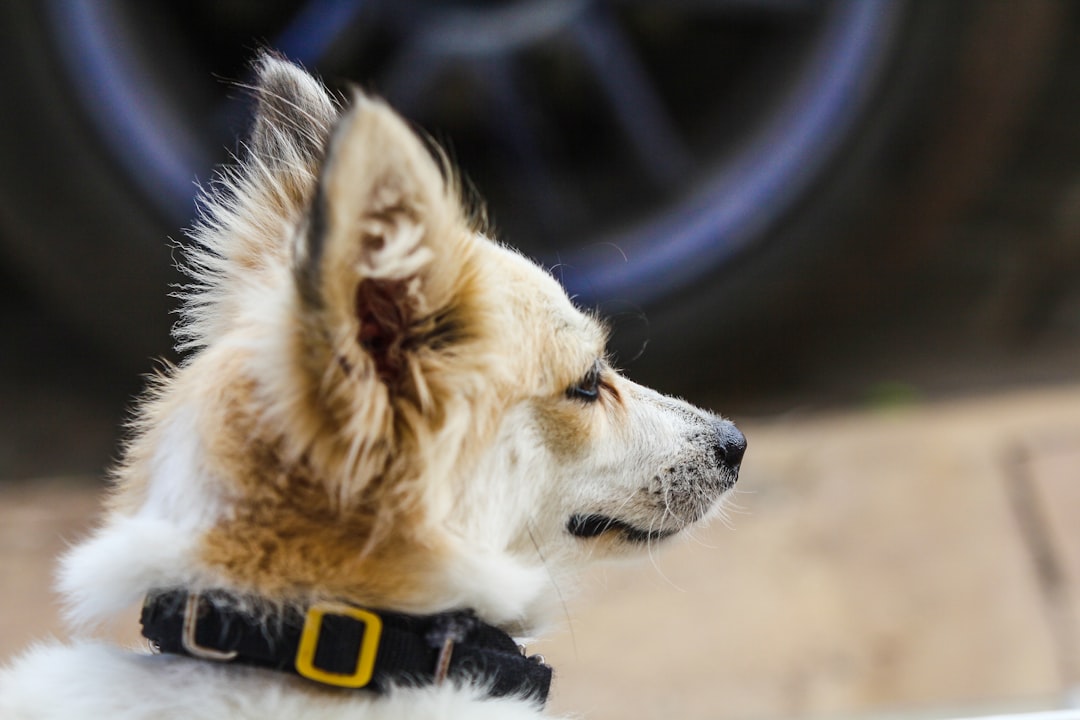
Many dog owners miss the subtle early warnings their pets send. When a dog is anxious, they will often quickly stick out their tongue and lick their lips. It’s usually just a fast, little flick. This is one of the most common signals. These quiet communications happen in mere seconds, easily overlooked by even loving owners.
Stress signs include whale eye (when dogs reveal the whites of their eyes), tucked ears or tail, raised hackles, lip-licking, yawning, and panting. Think of your dog’s body as a billboard broadcasting their emotional state. Dogs yawn when they’re stressed, not just tired. According to experts, dogs use yawning to calm themselves in tense situations.
Stressed dogs may have dilated pupils and blink rapidly. They may open their eyes wide and show more sclera (white) than usual, giving them a startled appearance. Learning to read these signals becomes your superpower in preventing anxiety from escalating.
The Comfort Trap: When Good Intentions Go Wrong

Here’s where most loving owners stumble. Using positive training methods only and ignoring unwanted behavior rather than punishing encourages dogs to build positive associations with the training process. However, there’s a crucial distinction between positive reinforcement and accidentally rewarding fearful behavior.
When you rush to soothe your trembling dog with pets and baby talk during a thunderstorm, you might think you’re helping. Your dog, however, interprets this as confirmation that their fear response was correct and worthy of attention. Instead of reducing anxiety, you’ve just validated their panic.
Positive reinforcement involves rewarding desired behaviors to encourage their repetition. Use this method to reinforce calm behavior in your dog. The key lies in timing your comfort when they’re showing brave, calm behaviors rather than during peak anxiety moments.
Understanding Threshold Levels and Emotional Flooding
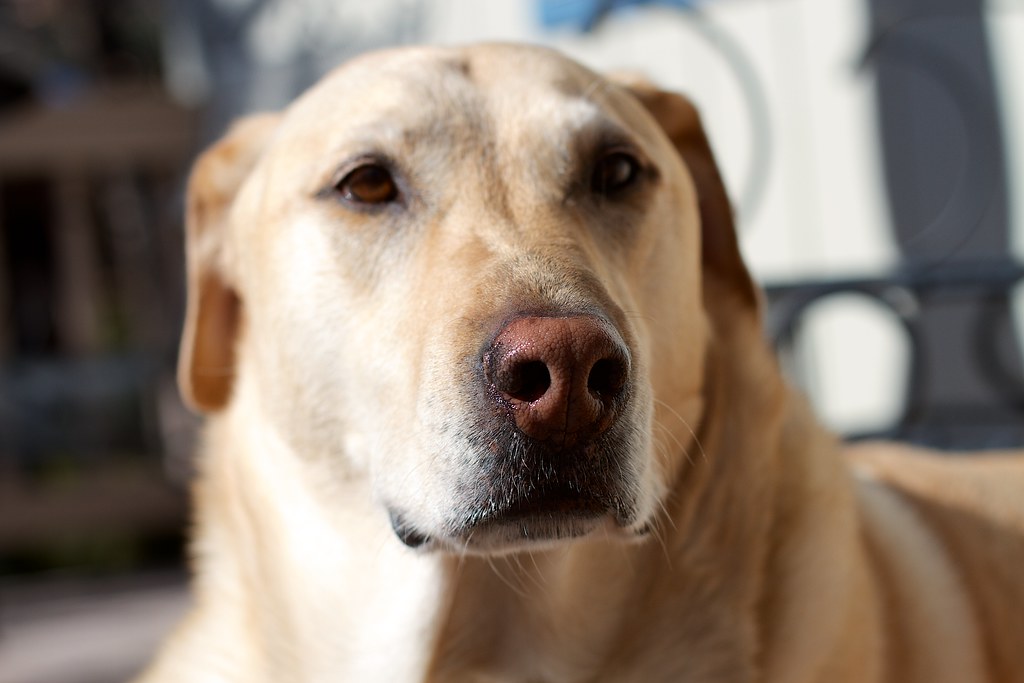
Dogs must remain below their “threshold” where fear or anxiety kicks in and we see the unwanted behavior. Each step needs to be reinforced consistently, and we never move on to the next level until the dog is comfortable with the current one. Think of this threshold as your dog’s emotional breaking point.
Pushing past this invisible line triggers what behaviorists call “flooding,” where your dog becomes overwhelmed and shuts down emotionally. When dogs freeze or get stiff, they’re often stressed about something they see. This can be seen as “submission,” but modern training practices tell us the dog is actually shutting down.
Moving too quickly provokes anxiety and sabotages any behavior modification program. Working below threshold means your dog stays mentally present and capable of learning, rather than simply surviving the experience.
The Science of Counter-Conditioning and Desensitization
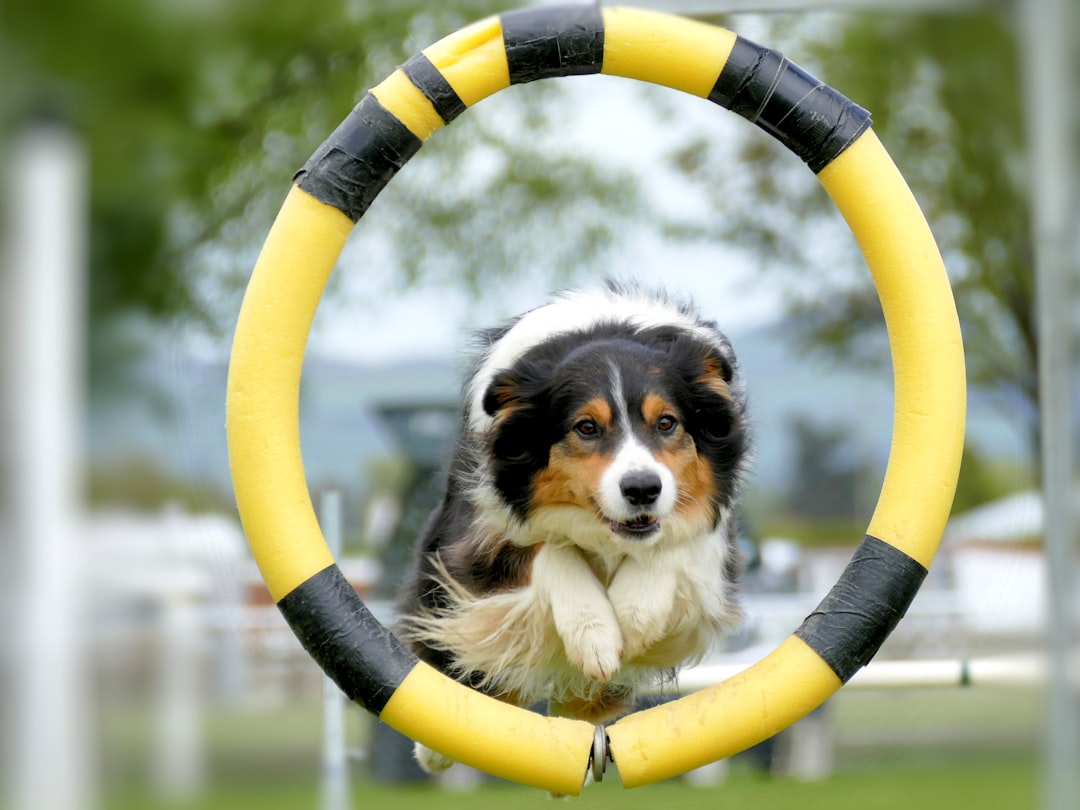
Counter-conditioning pairs the anxiety trigger with something positive, helping your dog associate the trigger with good things instead of fear. This isn’t about distracting your dog from their fears, but literally rewiring their emotional response to previously scary situations.
Desensitization involves gradually exposing your dog to the anxiety trigger at a low intensity. The goal is to slowly increase their tolerance without causing a strong fear response. Picture slowly turning up the volume on a radio versus suddenly blasting it at full volume.
The majority of studies resulted in positive outcomes, particularly when addressing undesirable kennel behaviors and aggressive behaviors towards other dogs or household visitors. However, separation-related behaviors were found to be more resistant to change. Success requires patience, consistency, and professional guidance for complex cases.
Building Confidence Through Environmental Management
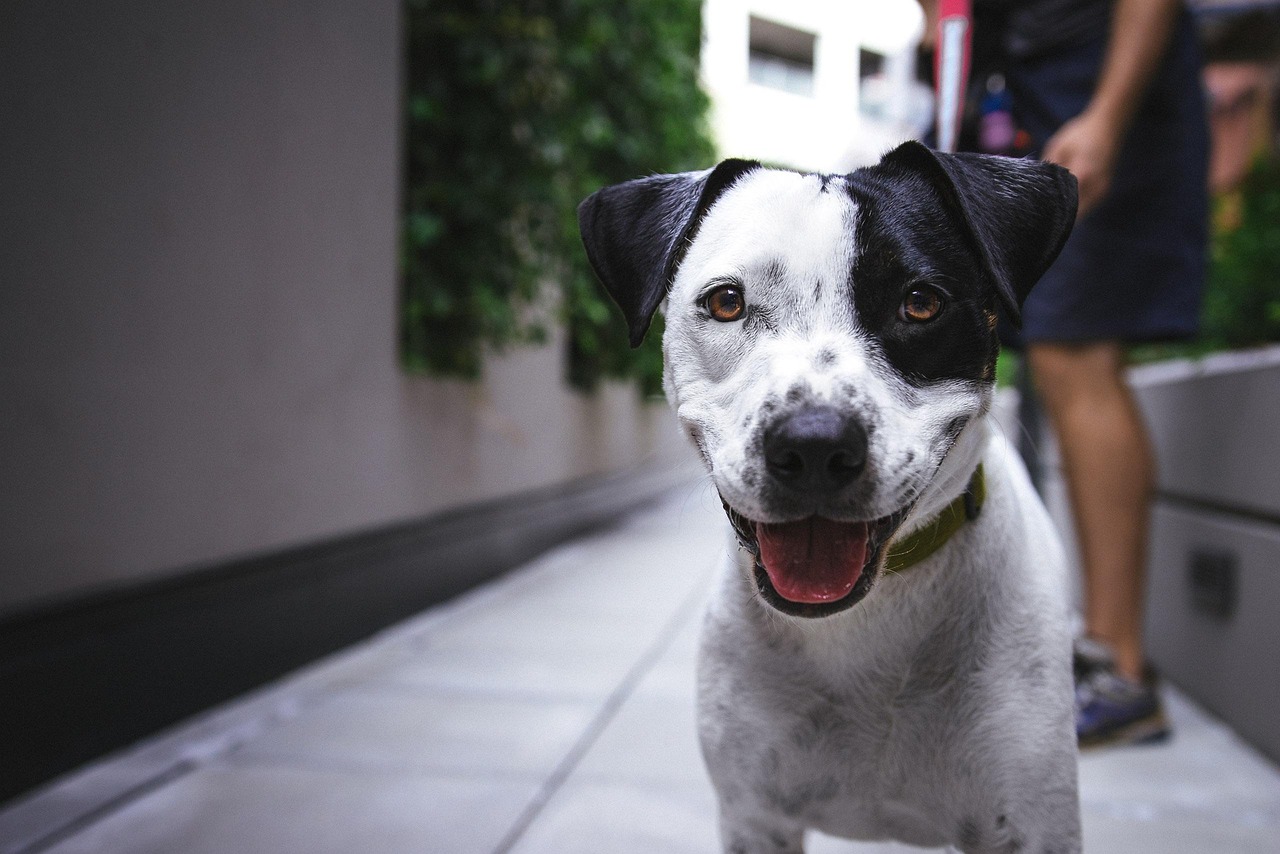
Environmental management involves altering the dog’s environment to prevent undesirable behaviors and promote positive ones. This can include using baby gates, providing chew toys, or creating a safe space for the dog to retreat to when stressed. Your home becomes a therapeutic tool when arranged thoughtfully.
Avoidance protects distressed dogs from exposure to adverse behavioral stimuli that will make them worse. Protection is the first treatment step. Sometimes the kindest thing you can do is simply remove your dog from overwhelming situations while they build coping skills.
Provide your dog with a reliable routine so their world is more predictable. Teach basic obedience behaviors and use those behaviors to ask your dog to earn life rewards so they gain a sense of control. Predictability becomes your anxious dog’s security blanket.
The Power of Teaching Alternative Behaviors
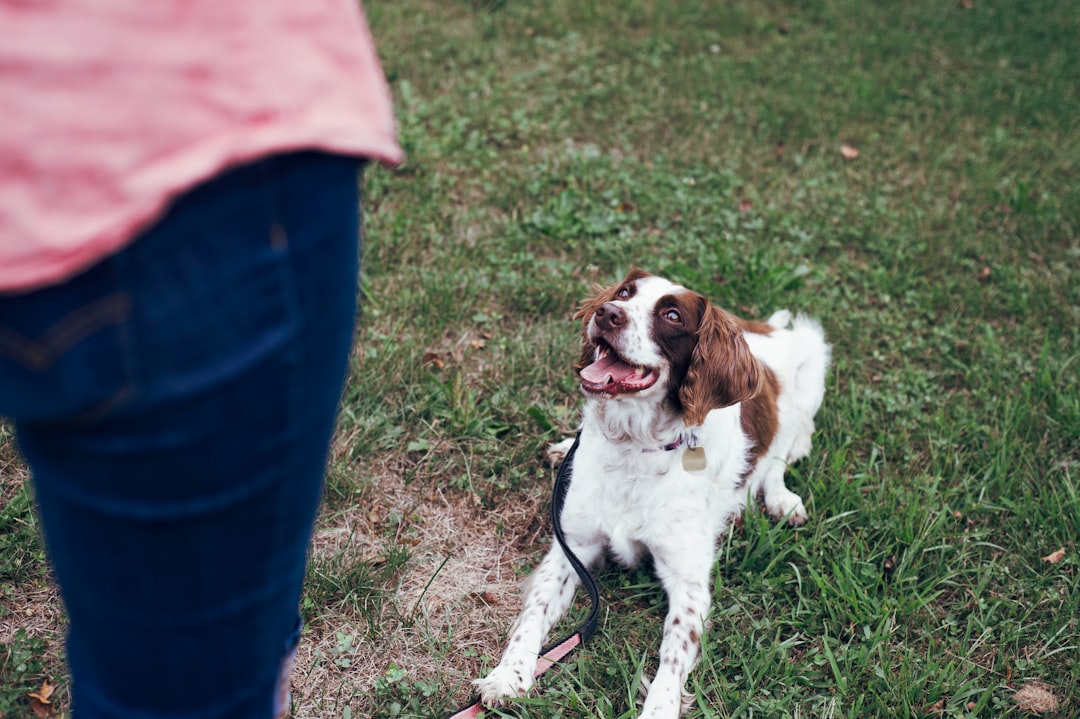
Response substitution involves the replacement of an undesirable response with a desired one. An example is teaching a dog to lay down instead of jumping up. Rather than trying to eliminate anxiety, we give dogs better ways to cope with stressful feelings.
Training can enforce positive behaviors, which can serve as a coping mechanism for anxious dogs. Training a dog to respond to commands like “sit” or “stay” can redirect their attention and give them a sense of control in stressful situations. These become their emotional tools for self-regulation.
Teaching your dog to “touch” your hand with their nose, for example, gives them something productive to do when feeling overwhelmed. This easy and fun “touch” behavior can encourage dogs to approach new people or other dogs, plus it’s great to help redirect and distract them around their triggers.
Reading Body Language to Prevent Reinforcement Mistakes
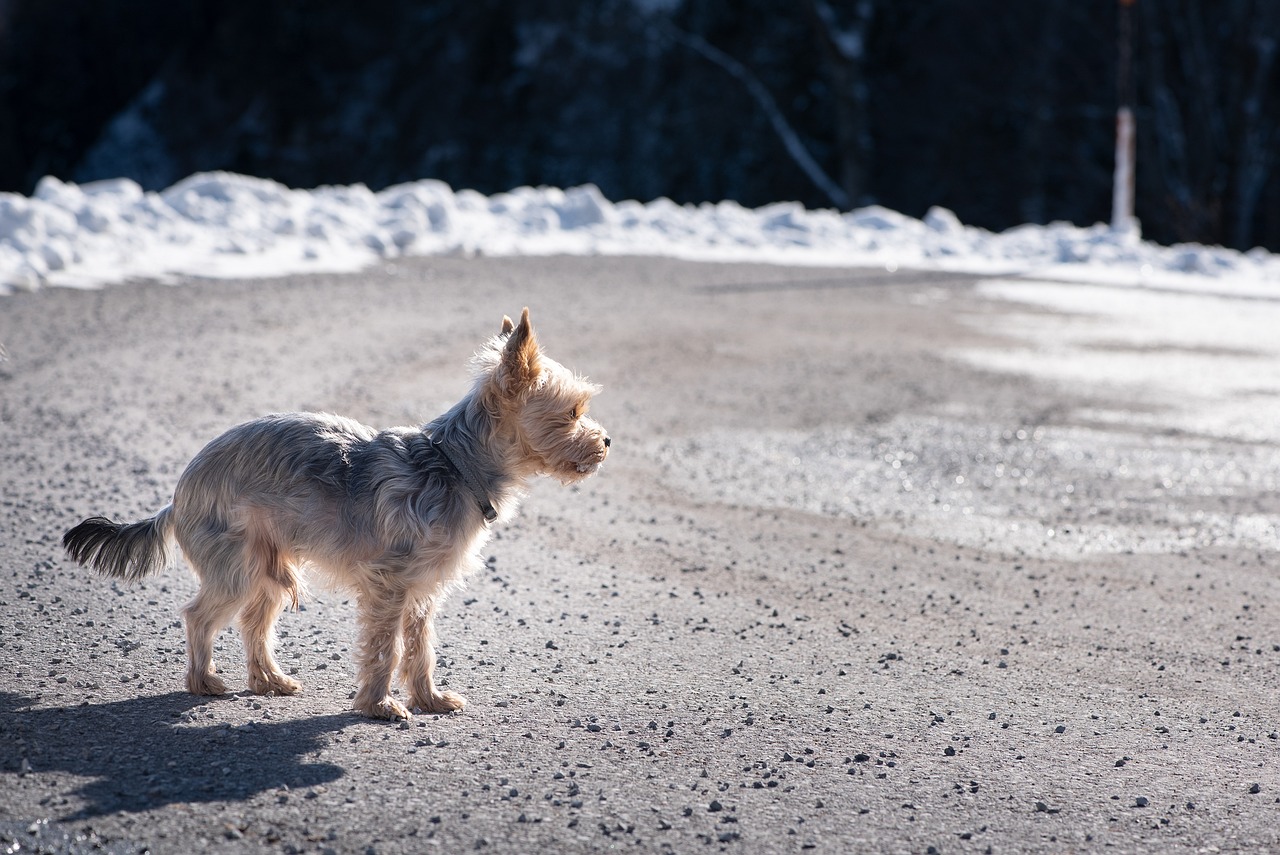
Dogs may pant excessively (when not hot or recently exercised), lick lips (when not hungry), yawn (when not tired), and have a slightly lowered body stance with ears slightly back. They may wag their tail slowly and look away or move away from people. Every signal tells a story about your dog’s internal emotional state.
A tail that’s tucked and held low, with slight or fast short wagging motions communicates uncertainty and concern. A low, fast wag is sometimes seen upon greeting, which can signal a dog that’s insecure over the interaction. That happy tail wag might actually be a cry for help.
Many dog body language signals are subtle and often happen very quickly so it can be easy to miss them. You need to consider your dog’s whole body and the context of the situation. It’s also useful to recognize the signs that your dog is relaxed, so you’ll know when they’re not feeling this way.
When Professional Help Becomes Essential
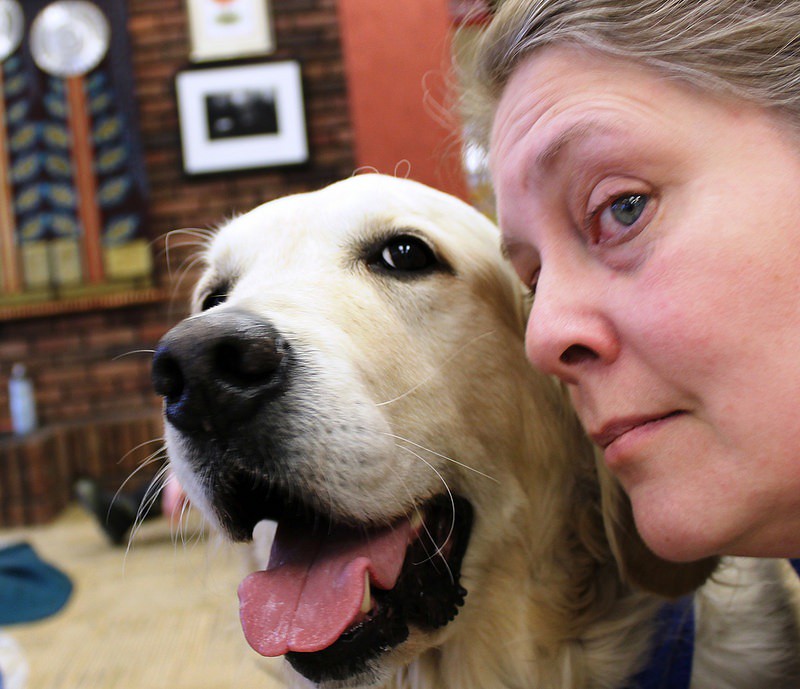
Behaviors, especially those rooted in fear or anxiety, need continual reinforcement over time. A human with PTSD or anxiety needs to work at their emotional responses for life. A few visits to the therapist does not result in “no more PTSD” but results in tools and coping mechanisms. Some anxiety cases require professional intervention beyond basic training.
While training can certainly be beneficial in addressing anxiety, training alone may not be enough to help every pup. Severe or complex anxiety issues may require professional intervention from a veterinarian or certified animal behaviorist, including medication or other therapies. There’s no shame in seeking expert help for your anxious companion.
This is the last resort which may be necessary if you’ve tried everything else but had no success. Dogs can benefit from anxiety medication, which works similarly to how human anti-anxiety medication does. Medication can provide the emotional stability needed for learning new, healthier responses.
Creating Long-Term Success Through Consistency
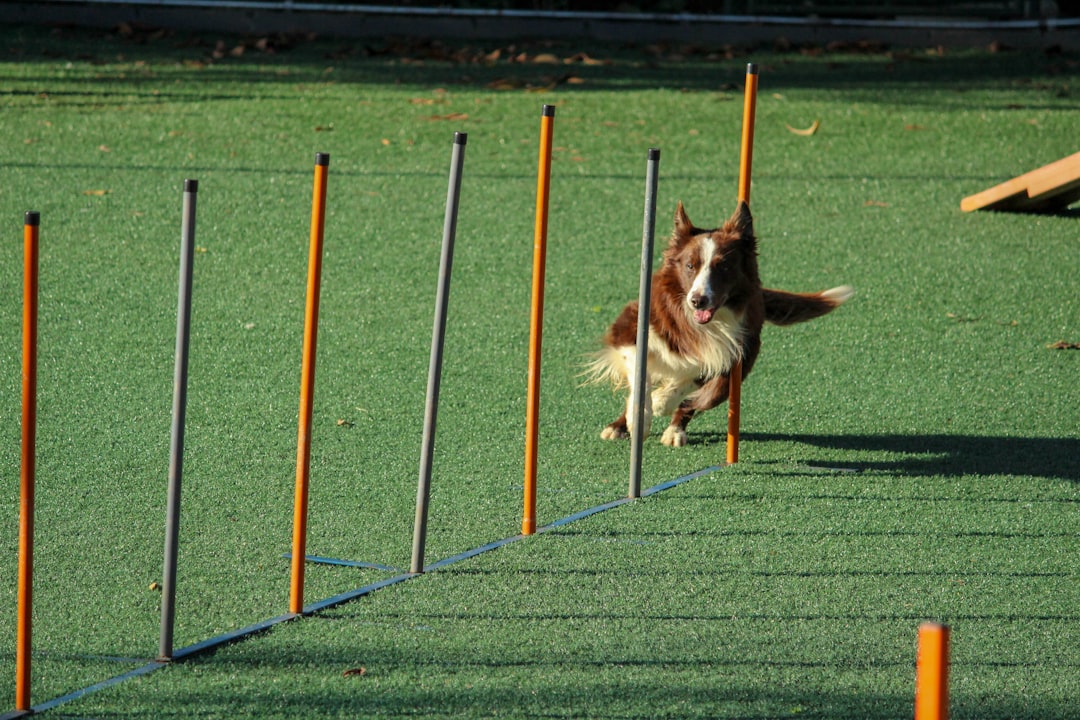
Each step needs to be reinforced consistently, and progression can take months even with good homework compliance. It’s normal for the pace to vary, sometimes requiring pauses or even steps backward to ensure comfort before moving forward again. Progress isn’t always linear, and that’s perfectly normal.
Multiple studies have shown that training based on punishments or confrontations are more likely to lead to fear, avoidance, and increased aggression. Dogs trained with rewards have fewer behavioral problems and are less fearful. The foundation of lasting change rests on trust and positive experiences.
Understanding anxious dogs requires patience, empathy, and willingness to learn. By recognizing anxiety signs and identifying triggers, you can create a supportive environment that fosters emotional well-being. The key is to employ positive reinforcement, provide consistent training, and seek professional guidance when necessary.
Working with an anxious dog isn’t about quick fixes or magic solutions. It’s about understanding that every tail wag, every lip lick, every yawn tells a story about your dog’s emotional world. When we stop accidentally reinforcing their fears and start building their confidence systematically, we give them the greatest gift possible: the ability to navigate the world with courage instead of constant worry.
What patterns have you noticed in your own dog’s behavior that might surprise you? The journey to helping anxious dogs begins with honest observation and ends with a deeper bond built on true understanding.


