
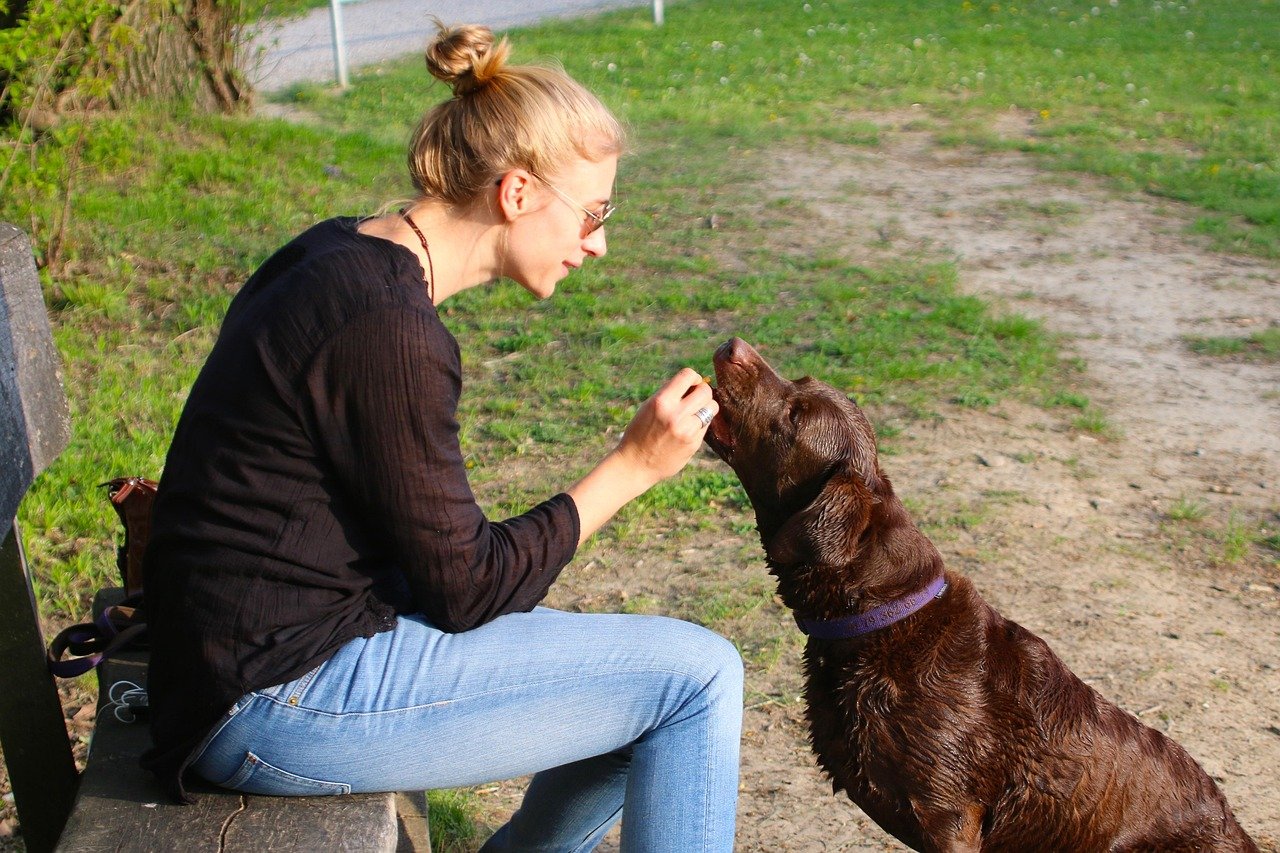
Every rescue dog carries an invisible suitcase packed with their unique history. Maybe it’s filled with uncertainty from endless kennel nights, trauma from past neglect, or simply confusion from constantly changing rules and faces. Honestly, watching a timid rescue pup slowly blossom into a confident companion is one of the most magical transformations you’ll ever witness.
Training a rescue dog isn’t just about teaching commands or stopping unwanted behaviors. It’s about becoming a translator between two different worlds – yours and theirs. These dogs often exhibit behavioral issues such as fearfulness, aggression, and anxiety, stemming from their abusive past, leaving them traumatized and unsure of how to navigate the world around them. Yet beneath all that emotional baggage lies a heart ready to trust again, if you know how to speak their language. Let’s dive into this incredible journey of healing, connection, and mutual transformation.
The Foundation of Trust: Why It Changes Everything
Building trust with your rescue dog isn’t just a nice bonus – it’s absolutely everything. Research suggests that dogs have developed remarkable emotional connections with humans through domestication. This deep capacity for connection means that when you earn their trust, you’re unlocking something profound.
Building a strong bond with a rescue dog brings numerous benefits to both the dog and the owner. A deep bond leads to better communication and understanding. This makes it easier to train the dog and address any behavioral issues. Think of trust as the foundation of a house – without it, everything else crumbles.
Building trust is all about making your dog feel safe. Trust provides a dog with a level of certainty that interacting with you will result in something good happening. When your rescue believes you’re their safe harbor, training becomes collaboration instead of coercion.
The beautiful part? Despite all the behavior challenges, research indicates that the vast majority of owners rate their rescue dog’s overall behavior positively within six months after adoption. That tells me two things: Rescue dogs are resilient and can make amazing progress. The bond between a rescue dog and their new family is strong enough to outweigh the bumps along the way.
Reading the Invisible Signs: Understanding Your Dog’s Emotional State

Your rescue dog is constantly communicating, but they’re not speaking your language. As they become more comfortable, previously hidden behavioral challenges may emerge. Some dogs develop reactivity, showing fear or aggression toward other dogs or people. Others may struggle with separation anxiety, becoming distressed when left alone. Fear-based behaviors, such as hiding, barking excessively, or avoiding contact, can surface weeks or even months later.
These behaviors do not mean the dog is “bad” – they are simply signs that the dog is adjusting and expressing emotions they were initially suppressing. It’s important to understand that these behaviors are not a sign that the adopter has done something wrong. Actually, it’s quite the opposite – your dog finally feels safe enough to show you their real feelings.
Watch for subtle cues like body stiffness, lip licking, or sudden stillness. These aren’t dramatic signs, but they’re your dog’s way of saying “I’m overwhelmed.” Dogs trained with aversive methods or tools showed stress-related behaviors during training, including tense body, lower body posture, lip licking, tail lowering, lifting front leg, panting, yawning, and yelping.
Learning to read these signals means you can step in before your dog reaches their breaking point. It’s like having a conversation where you actually listen.
The Decompression Phase: Giving Time to Heal

The best thing you can do as a rescue dog’s new owner is give them time to decompress for the first few days in their new home. Try to make everything as simple as possible. Imagine moving to a foreign country where you don’t speak the language, don’t know the customs, and aren’t sure if people are friend or foe – that’s your rescue dog’s reality.
Dogs need a lot of sleep – often more than we realize. Make sure your dog has a quiet, undisturbed place to nap and sleep through the night. Don’t be alarmed if they seem to sleep most of the day during the first few weeks. That’s a good sign they’re beginning to feel safe enough to relax.
Within a period of weeks (or months), many of the anxiety-related behaviors will begin to fade on their own. This makes a lot of sense: once a dog comes to trust that his or her relationship with you is real, that you have no intention of giving up on them, and that you are going to provide for their safety and needs, the root of the anxiety usually begins to resolve.
The Power of Positive Reinforcement: Building Confidence One Treat at a Time
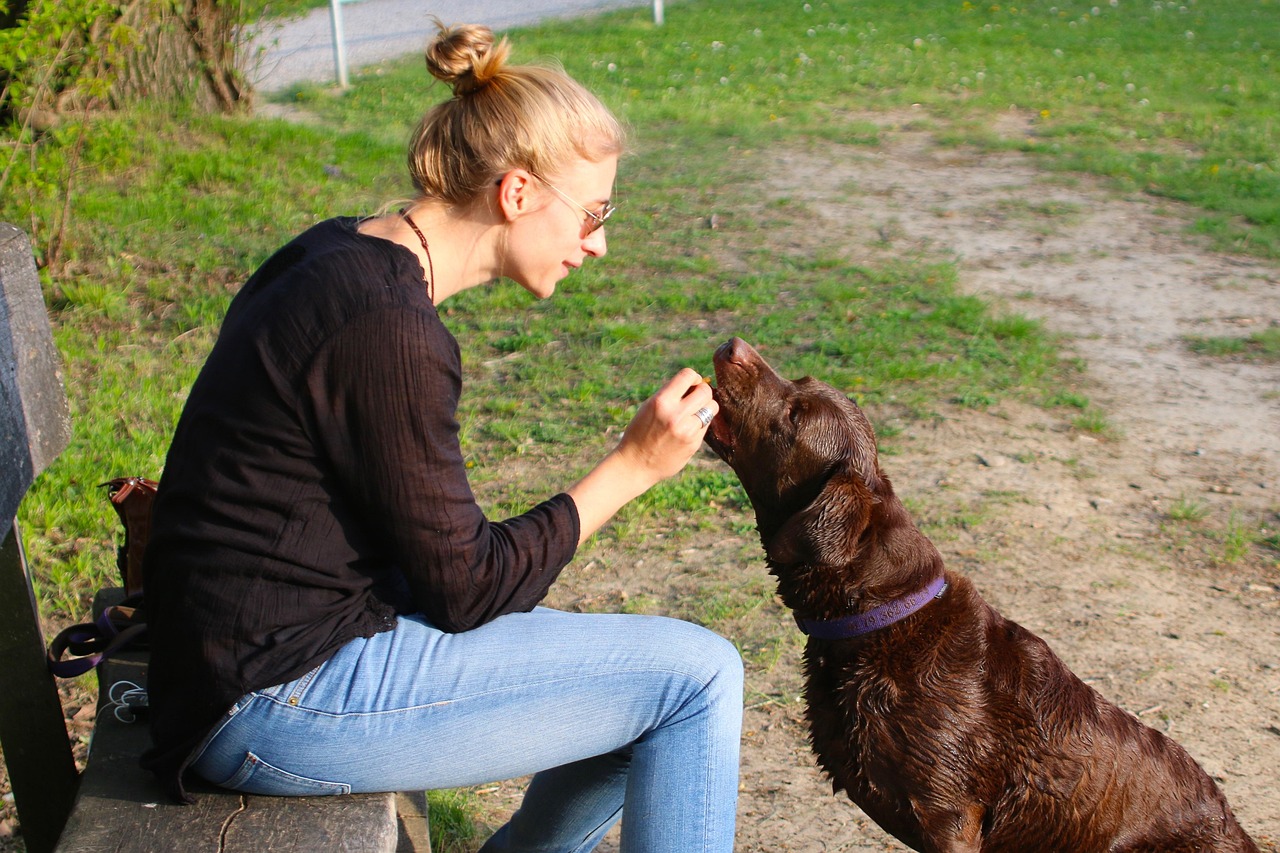
Compared with other methods, positive reinforcement strengthens behavior, builds trusting relationships between pet parents and their animal companions, and protects the behavioral health of pets. Think of positive reinforcement as emotional deposits in your relationship bank account – every reward, every gentle praise, every patient moment adds value.
Positive reinforcement is a training technique that rewards desired behaviors to encourage them to happen more frequently. Essentially, you’re letting your dog know that when they do something you like, they’ll get a reward. This reward can be anything from treats and toys to verbal praise and petting. The key is to pick something your dog loves and use it consistently to reinforce the desired behavior.
Rescues aren’t too damaged to learn. You just need a way to communicate with them what’s “good” and acceptable behavior. The magic happens when your dog realizes that good things happen when they’re around you.
Positive reinforcement is a key element in training rescue dogs, building trust and attachment. When a dog performs a desired behavior, rewarding it with treats or praise encourages that behavior. Start small, celebrate everything, and watch their confidence bloom like a flower in sunlight.
Creating Predictable Routines: The Comfort of Knowing What’s Next
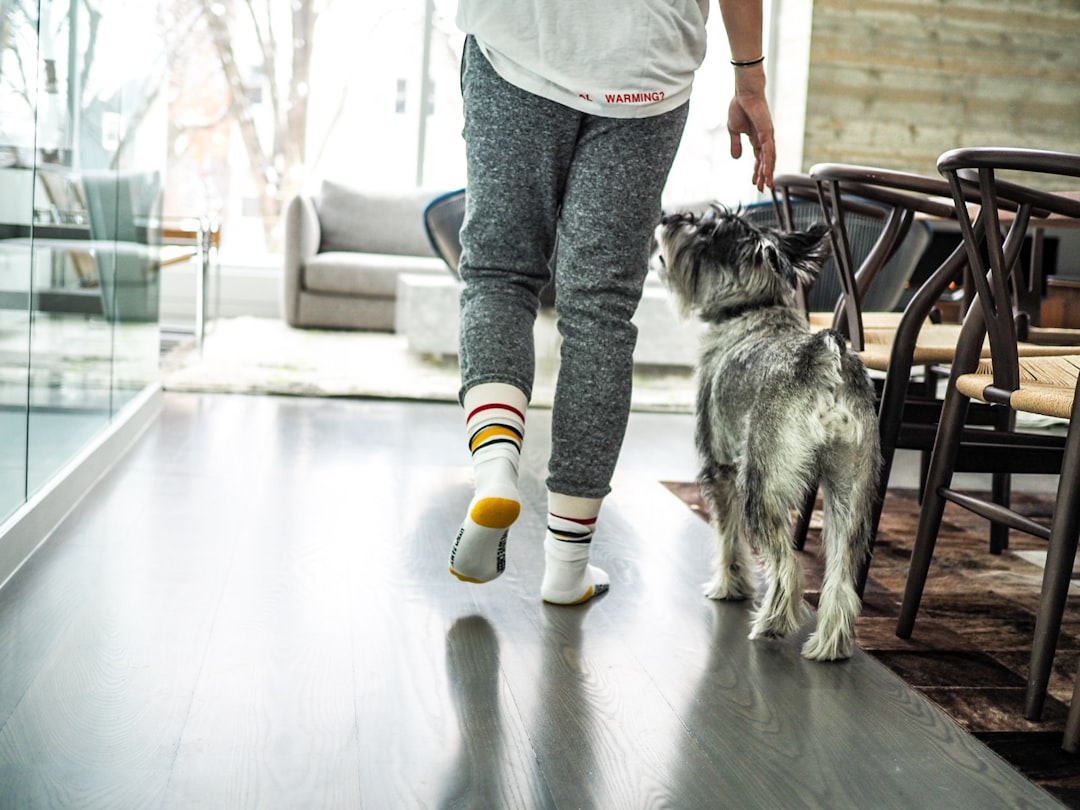
Dogs are comforted by the predictability of their environment and feel more secure when they have an idea of what comes next. So setting up a schedule for mealtimes, walks, and play sessions will help your pup feel more comfortable in his new home and with his new family. If your pup has a fixed daily routine and knows when these things are going to happen, it’ll be easier for him to relax and feel more secure. And with security comes trust.
Routines aren’t boring – they’re lifesavers for anxious dogs. When your rescue knows that breakfast happens at seven, walks at ten, and playtime after dinner, their world becomes predictable. Be consistent. This promotes predictability, which fosters trust. Maintain a consistent routine with things like feeding schedule, walk times, and play sessions. This allows your dog to have the same expectations throughout their day, building their confidence and reducing any unexpected changes that might upset their sense of well‐being.
Even your tone of voice and body language should become predictably calm and gentle. If different members of your household enforce different rules, or you provide inconsistent guidance on the rules, it will contribute to feelings of anxiety in your rescue dog. Set clear rules from the outset and enforce them gently. Be sure the whole family understands the rules, and rewards for the right behavior at least 20 times as often as a dog is corrected for inappropriate behavior.
The Art of Patient Leadership: Becoming Your Dog’s Safe Harbor
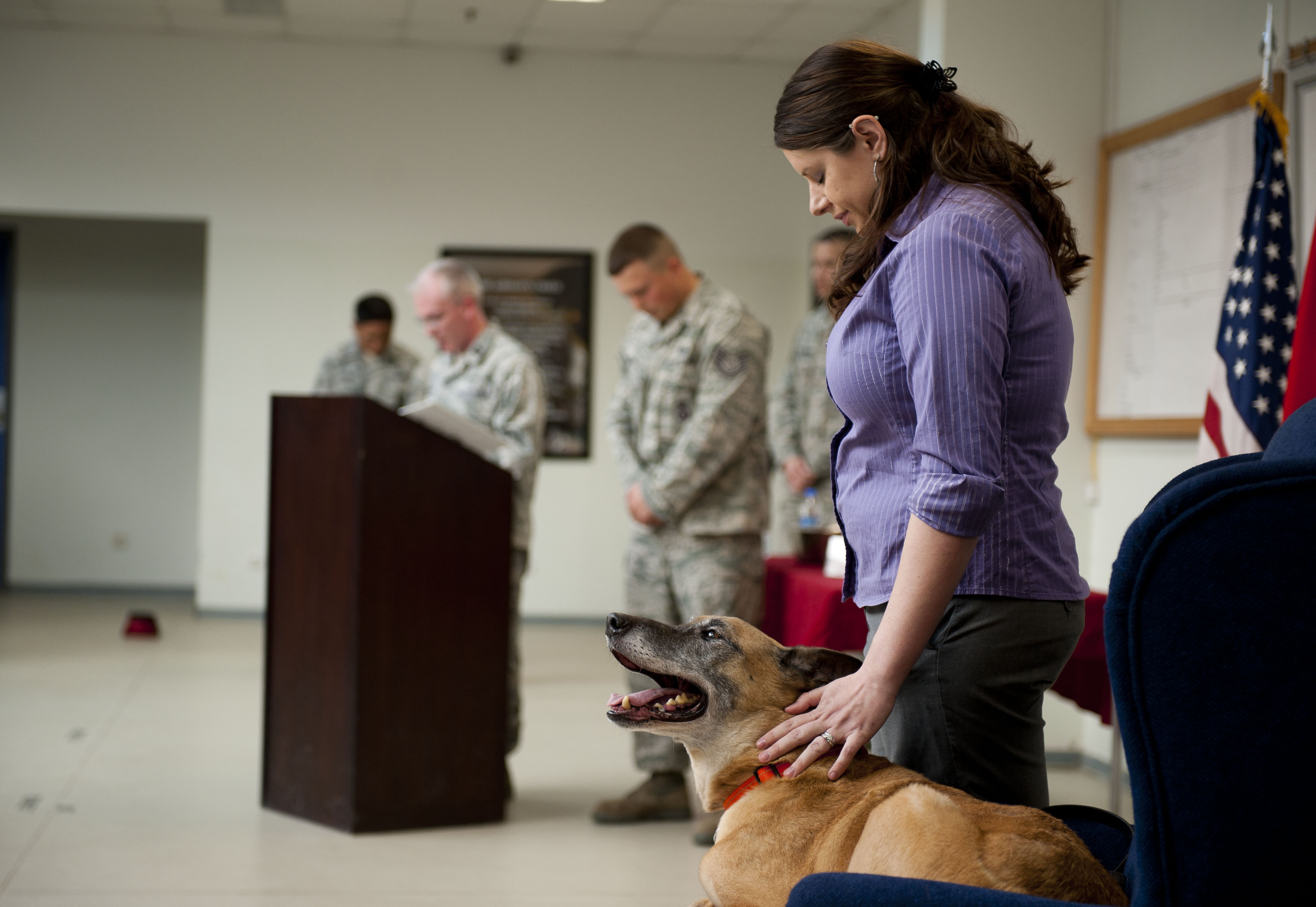
New studies have observed that dogs need a leader. While their closest ancestors, wolves, often cooperate, canines prefer to submit to the leader in search of protection. In your rescue dog’s new home, you’ll need to establish your leadership to show the dog that you can protect him or her. This has nothing to do with the outdated concept of “alpha dog” training but everything to do with establishing trust with your pet.
Dogs, just as humans, rely on parent figures in a family to provide guidance, structure, protection, and food. It’s up to the dog parent to be the leader and put the dog at ease. Once your dog realizes that you are taking care of them, that you are the decision-maker, and they no longer have the burden of trying to take care of you, the behavioral issues will naturally resolve.
Being a leader doesn’t mean being harsh – it means being a calm, consistent presence who handles life’s challenges. You don’t have to act like a “pack leader” in order to earn your dog’s respect. Micromanaging your pup’s every move is stressful, for you and your pup. Instead, consider yourselves teammates working toward the same goal together.
Addressing Specific Challenges: From Fear to Confidence
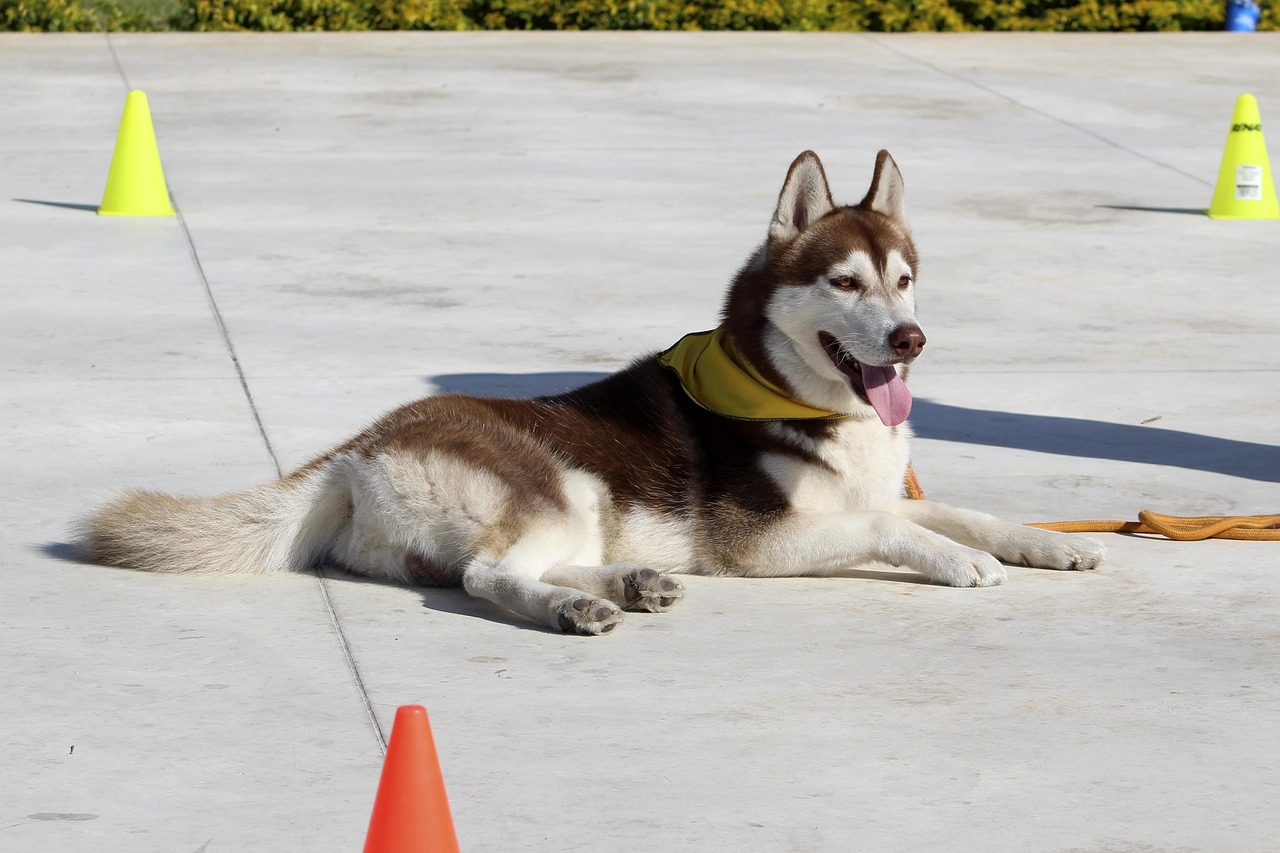
These dogs often have behavioral problems resulting from their past experiences of abuse, neglect, or under-socialization. Understanding these challenges is vital in developing an effective training program that addresses their specific needs. Every challenging behavior has an emotional root – fear, confusion, or past trauma trying to protect itself.
Common issues include separation anxiety, fear, and reactivity to other dogs or people. Establishing a routine, using positive reinforcement, and gradually socializing your dog can make a big difference. Remember, anxiety is a normal response to being in a shelter system, having experienced homelessness, abuse from a previous owner, or even being bounced around in foster care. Luckily, dogs are resilient, social animals who want to trust their human friends – recovery from anxiety issues is almost always possible.
If your dog is exhibiting aggression issues, a good first step is to identify the root cause and seek professional help from a certified behaviorist. Your veterinarian may also prescribe medication like Trazodone to ease anxiety and stress, which can reduce aggressive behavior. There’s no shame in getting professional help – it’s actually the smartest thing you can do.
The Journey Forward: Celebrating Small Victories
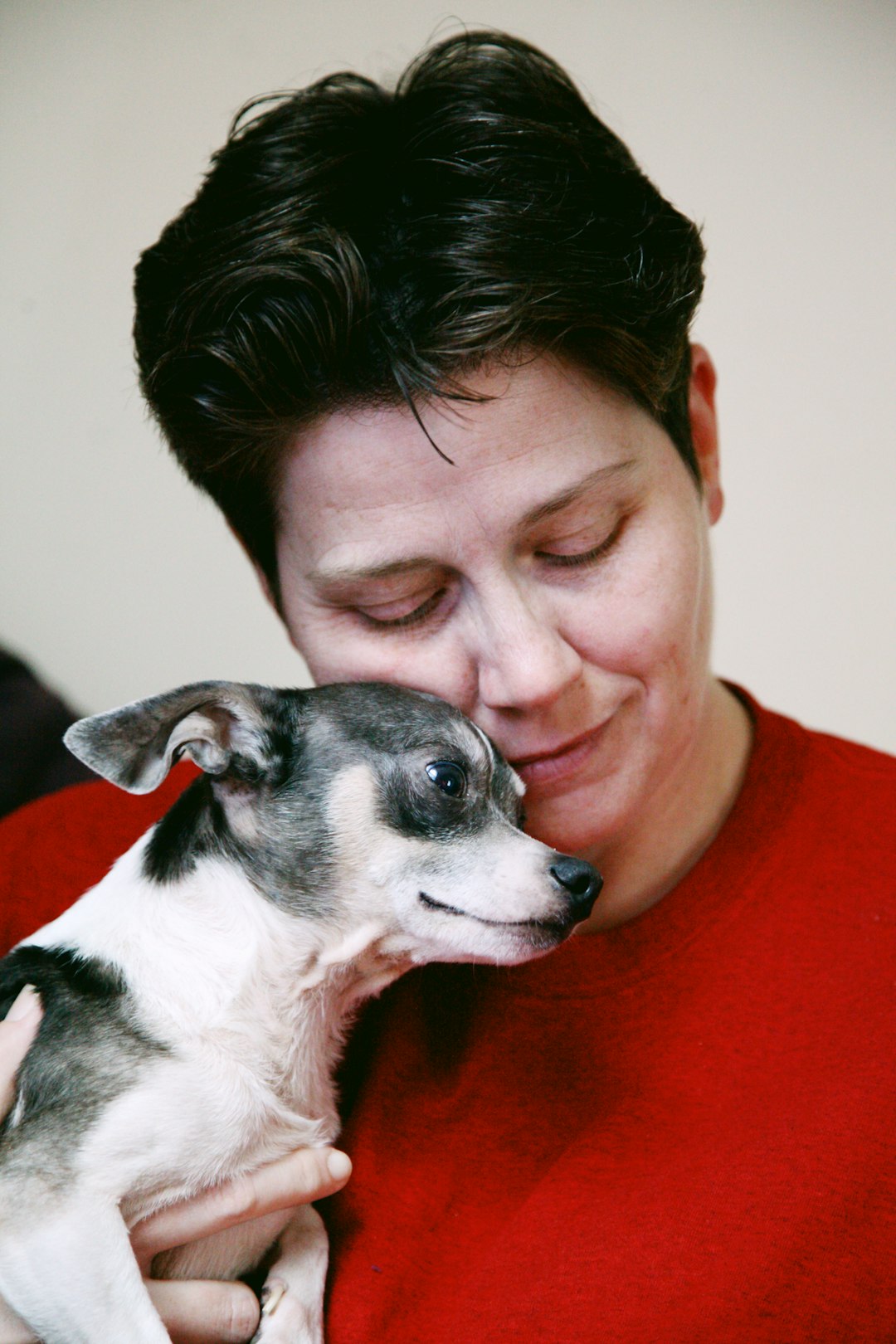
I’ve seen dogs make amazing transformations, but it often takes months, not days or weeks. In my experience, you’ll see big improvements in the first month, but it can take up to 6 months for a rescue dog to fully show their true personality. This isn’t a sprint – it’s a marathon of love, patience, and gradual progress.
Strengthening your bond with a rescue dog is about the shared journey, not just the milestones. Embrace the silly quirks, face the challenges with patience, and celebrate every small victory along the way. The first time your dog seeks you out for comfort, the moment they start playing with a toy, or when they finally sleep peacefully through the night – these are the victories that matter.
Bonding with a rescue dog takes patience, compassion, and consistency. By creating a stable environment, using positive reinforcement, and offering gentle guidance, you’re helping your rescue dog feel secure and loved. At A Peaceful Pack, we believe every dog has the potential for transformation through kindness, routine, and genuine connection. With time, your bond with your rescue dog will blossom, creating a rewarding and fulfilling relationship for both of you.
Training a rescue dog is ultimately about healing – both theirs and yours. You’re not just teaching commands; you’re rebuilding a broken heart’s capacity to trust, love, and feel safe again. Every patient moment, every gentle correction, and every celebration of progress becomes part of a beautiful story of transformation. What will your rescue dog’s success story look like? Tell us about your journey in the comments.


