
Have you ever noticed how your dog seems to have an internal clock that rivals the most precise Swiss timepiece? Your furry friend knows exactly when it’s time for their morning walk, when the food bowl should be filled, and when you’re supposed to be home from work. This isn’t just cute behavior or coincidence. Your dog’s sixth sense about dinnertime or knowing exactly when it’s time for your evening walk is no accident. Dogs thrive on structure and predictability, and for good reason.
Routine helps them feel secure, reduces anxiety, and creates a foundation for consistent training and better behavior. What many dog parents don’t realize is just how deeply their canine companions rely on these predictable patterns for their emotional and physical well-being. Unlike us humans who might enjoy a spontaneous adventure or a change of pace, dogs find comfort in knowing what comes next. So let’s dive into the fascinating world of canine psychology and discover why your dog’s love for routine goes far deeper than you might imagine.
The Science Behind Their Need for Structure
Dogs don’t tell time by the clock. They observe daily cues like daylight changes, your body language, and household activity patterns to anticipate what’s coming next. When those cues follow a consistent pattern, your dog learns to expect what happens when, which provides emotional stability and reduces reactivity.
A dog’s internal systems are highly responsive to patterns in their environment, and when those patterns are stable, behavior improves. Think of it like having a roadmap for their day. When daily activities like meals, walks, and bedtime align with these natural cycles, dogs feel more balanced and are less likely to act out due to stress or overstimulation.
Routine affects the hypothalamus, a part of the brain that controls many of your dog’s instincts and emotional responses. This regulation makes your dog more emotionally stable and easier to train.
Stress Hormones and Routine: The Cortisol Connection
Here’s where the science gets really interesting. Uncertainty and inconsistency elevate cortisol, the stress hormone. Research published in veterinary journals has found that shelter dogs on consistent schedules tend to have lower cortisol levels than those without a routine.
When your dog doesn’t know when their next meal is coming or when you’ll be home, their stress levels spike. Problem behaviors like barking, pacing and chewing often occur when dogs experience stress and anxiety. Delayed meals, not knowing when to expect your attention and irregular exercise can all cause dogs to feel nervous or anxious. Sticking to a daily dog schedule can reduce these feelings.
This stress response isn’t just emotional drama. Like people, nervous dogs may experience an increased urgency to urinate or defecate. Dogs may experience gastrointestinal upset that can include vomiting, diarrhea, and refusing food.
Feeding Times as Security Anchors
You may not think of feeding time as a behavioral issue, but when your dog eats and how consistently has a major impact on their mood, energy, and training success. A dog who knows food is coming at the same time each day is less likely to become stressed, agitated, or overly focused on food throughout the day.
Scheduled feeding times help regulate digestion and prevent issues like overeating or upset stomachs. Regular exercise keeps your pet fit and healthy, reducing the risk of obesity and related illnesses. Your dog’s digestive system actually functions better when meals arrive predictably.
Regular meal times help regulate energy levels and prevent stress-related behaviours, such as begging or anxiety. Sudden changes in food or timing can cause digestive upset and confusion. Think of mealtime as your dog’s most reliable promise that their basic needs will be met.
The Exercise Connection: More Than Physical Health
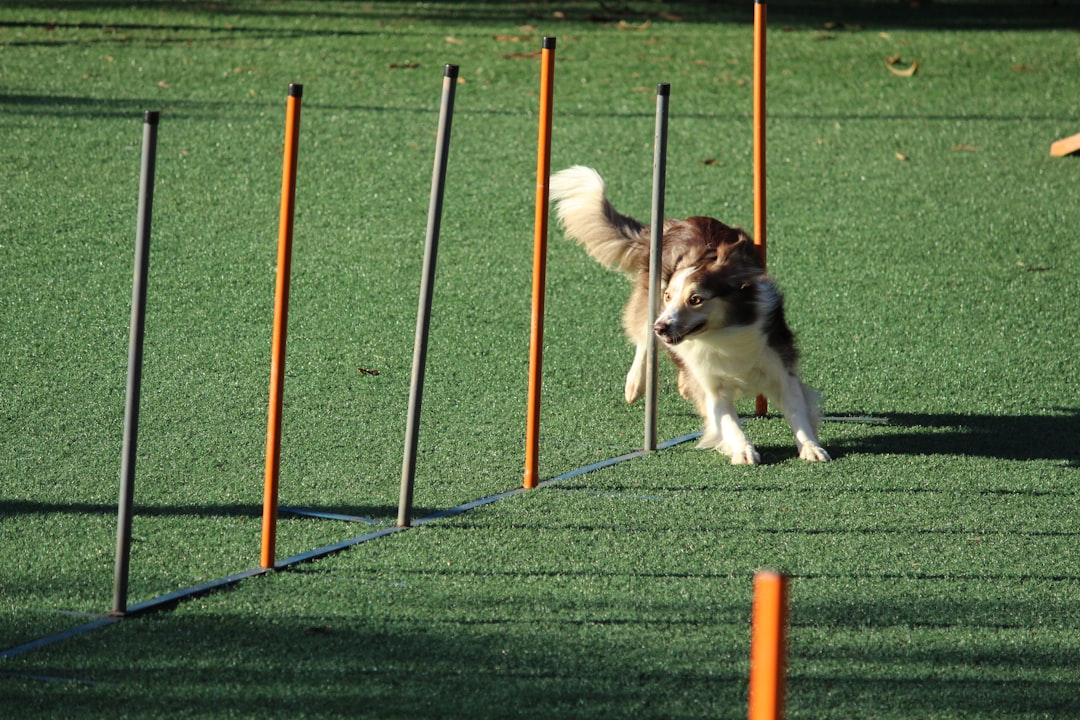
Exercise is one of the most effective ways to manage your dog’s energy, but random bursts of activity aren’t enough. Regular, scheduled exercise sessions create predictable outlets for your dog’s physical and mental energy.
Dogs without structure can often develop unwanted behaviors such as barking, chewing, or digging. These behaviors are often signs of boredom, stress, or excess energy. Establishing a daily routine with designated times for exercise, play, and rest can significantly reduce these behavioral issues by giving your dog the stimulation and relaxation they need.
Long walks and outdoor play can ease tension. During stressful situations, a long walk may tire your dog out enough to reduce their anxiety. But it’s the consistency of these exercise sessions that matters most for emotional stability.
Recognizing When Routine Disruptions Cause Anxiety

The signs of anxiety in dogs are often subtle and can easily be misinterpreted unless the full context is understood. Dogs pant when hot, excited, or stressed. If your dog is panting even though they have not exercised, they may be experiencing stress.
You have seen your dog shake after a bath or a roll in the grass. That whole-body shake can be amusing and is quite normal unless it occurs as the result of a stressful situation. The “shake off” that dogs often do after they descend from the veterinarian’s exam table is likely triggered by stress.
Whining can also mean your pup is feeling anxious, especially if they’re pacing or trembling at the same time. Pacing is often seen in anxious or stressed dogs, especially when separated from their guardians. This behavior is thought to be a way for dogs to release nervous energy and can also be a sign of anxiety or distress.
Building Trust Through Predictable Patterns

Dogs thrive on routine because they like to know what to expect. Routines can help your dog understand that all its needs will be met daily. Not only does this reduce anxiety and stress, but it also establishes trust and strengthens the bond between owners and their dogs.
When you have a daily routine for your dog, your pooch will feel more secure in the fact that they’ll be fed promptly, have a chance to exercise and play and that you’ll return when you leave the house. Daily schedules reduce the number of unknowns for your pet, creating a calming environment and building trust between you.
Think about your own relationships. Trust builds when promises are kept consistently. Your dog views routine as a series of promises you make every single day about their care and security.
Transition Times and Change Management
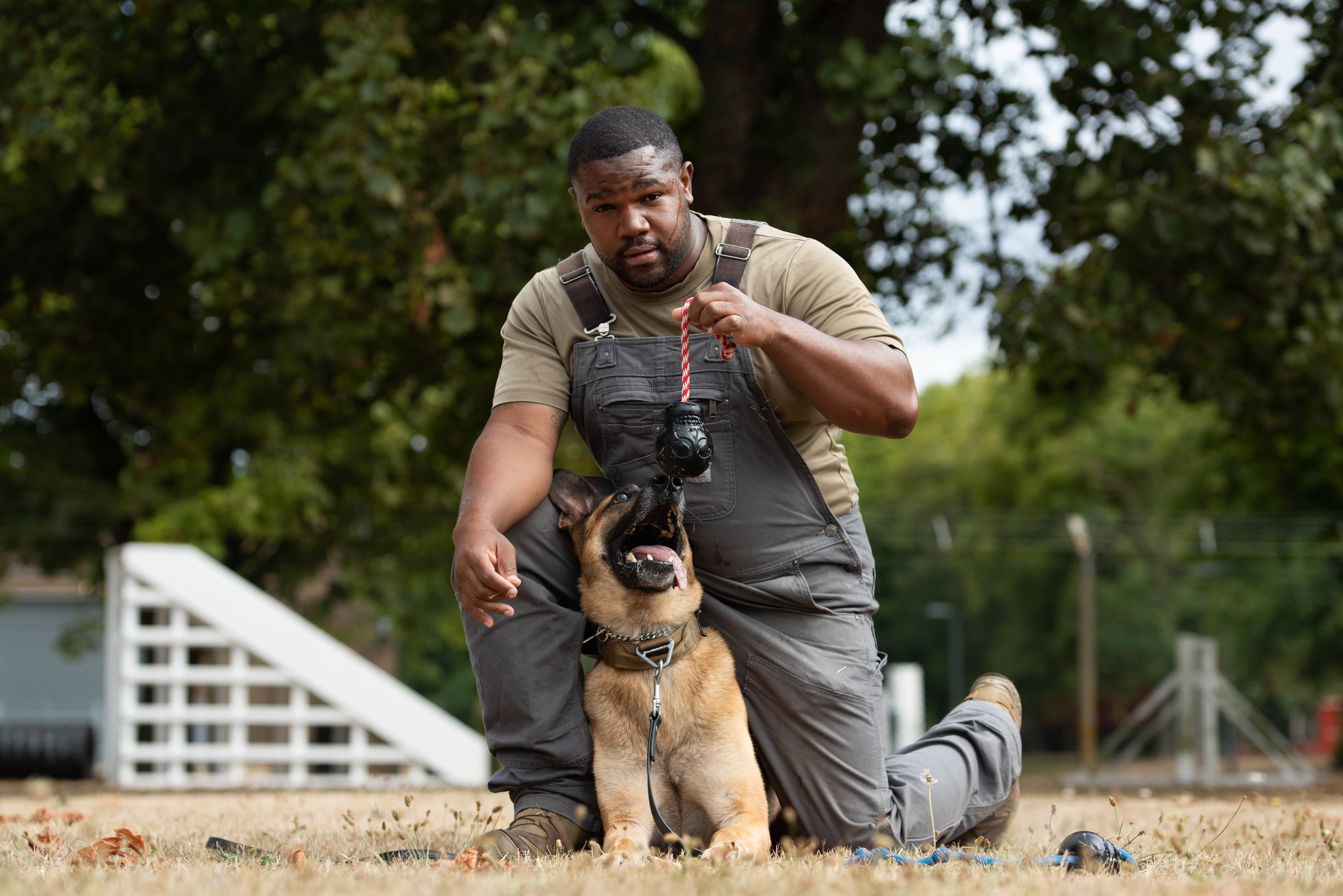
New puppies or adult dogs must adapt to a new environment, new people, and new smells and other stimuli. A routine helps give them a sense of security. They’ll know what to expect. And they’ll know their basic needs like food, water, and companionship are provided for.
When you’re transitioning from a stricter routine to a structured day with your dog, you’ll want to watch for any signs of stress or anxiety. To help prevent this, make small, incremental changes to their daily routine. Choose just one thing in the schedule to modify at a time such as arriving home in the evening 5 to 10 minutes later than usual, but keeping feeding and regular exercise routines the same.
Most dogs take about 2 to 4 weeks to adjust to a new routine with gradual introduction and consistent cues. Adjustment time varies by individual dog temperament, age, and past experiences. Senior or anxious dogs might need more time, while puppies acclimate quicker when introduced to stable patterns early.
The Training Benefits of Structured Days
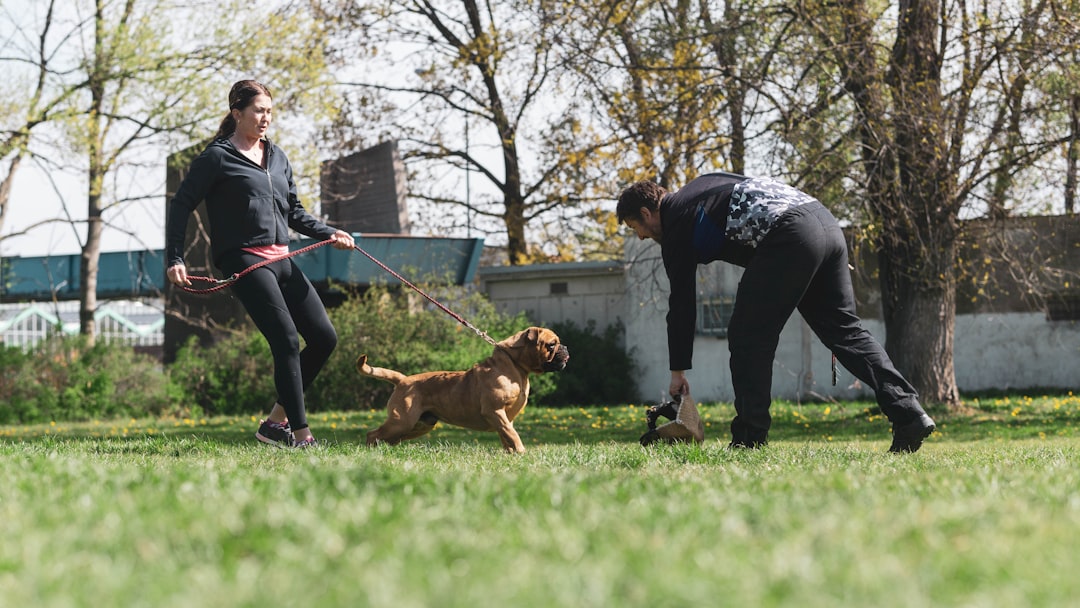
A routine can reinforce previously taught skills in adult dogs and help them learn new behaviors. Almost all anxious dogs benefit from positive reinforcement training and increased predictability and consistency in their routine and in interactions.
For some dogs, being asked to follow some routine commands for treats provides a positive distraction. For other dogs, being asked to focus on a person or take food can be a negative experience; do not repeatedly ask your dog to engage with you if signs of stress increase.
Even if you have no intentions to pursue sport training, it is still important to incorporate basic training skills into your routine. Be sure to establish and maintain a training routine; canine companions love to learn and thrive on opportunities to practice cues and learn new ones. Even just a few minutes each day can make a huge difference in learning and knowledge retention.
Conclusion: Embracing Your Dog’s Need for Predictability

Your dog’s craving for routine isn’t stubbornness or rigidity. It’s a fundamental psychological need that affects every aspect of their well-being. Just like humans, they find comfort in knowing what to expect from their day. A consistent daily routine not only helps dogs feel safe and secure, but it also promotes better behavior and emotional well-being.
You can change that by adding consistency and predictability to your dog’s life. A structured daily routine not only supports your dog’s mental and physical wellbeing but also strengthens your bond and makes everyday life enjoyable for both of you. Embrace consistency, respect your dog’s needs, and approach change thoughtfully. Your efforts will reward you with a confident, happy companion ready to face life’s adventures alongside you.
The next time your dog gives you that expectant look at exactly 5 PM, remember that they’re not just being demanding. They’re seeking the comfort and security that comes from knowing their world is predictable and safe. What do you think about it? Tell us in the comments how routine has transformed your relationship with your furry friend.


