
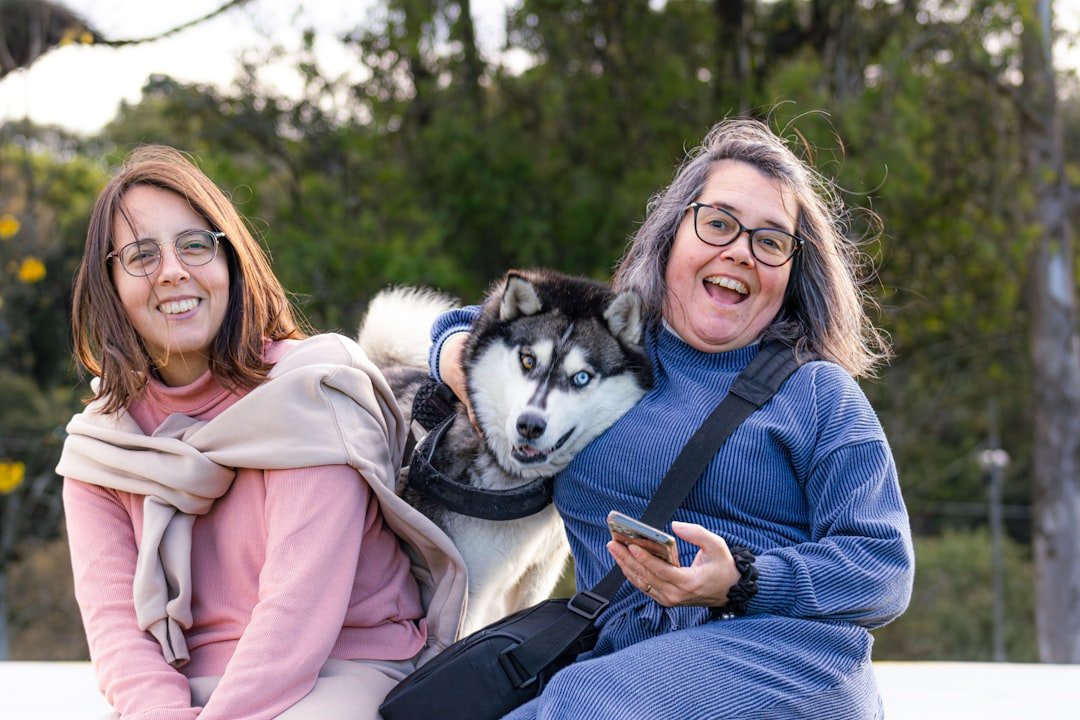
Picture this: you walk into your house after a long day, and there’s your dog, tail wagging with such enthusiasm it’s practically a full-body wiggle. That moment when your eyes meet? Science tells us something incredible is happening in both your brains. Recent research has uncovered the fascinating neurological dance between humans and dogs, revealing changes that go far beyond what we imagined possible.
The human-dog bond isn’t just emotional poetry. It’s measurable brain chemistry at work, creating changes in both species that mirror some of the most profound connections we know. From stress hormones to cognitive function, from brain structure to emotional processing, our four-legged companions are literally rewiring our minds while we’re doing the same to theirs.
Your Brain Gets a Major Upgrade

Pet ownership is related to higher levels of cognition and larger brain structures, with these effects most pronounced in dog owners. This isn’t just feel-good news, it’s hard science. The most consistent cognitive relationships were found with better processing speed, attentional orienting, and episodic memory for stories.
Think of it like this: caring for a dog is like cross-training for your brain. You need to remember to feed, walk, and groom them, engaging in critical thinking, planning for the future, and practicing self-regulation when exerting patience. Your mind becomes sharper, more organized, and better at multitasking.
The effects seem to compound over time. People who walked their dogs had less cognitive decline compared to those who did not walk their dogs. Your daily walks aren’t just good for your dog’s legs, they’re protecting your brain’s future.
The Love Hormone Takes Over

When you gaze into your dog’s eyes, both of your brains release a flood of oxytocin. Dogs that spent the greatest amount of time looking into their owners’ eyes experienced a 130% rise in oxytocin levels, while owners saw a 300% increase. That’s not a typo – three hundred percent.
This is the same hormone that bonds mothers to babies. Brain imaging shows that viewing both human and dog family members’ faces activates the same brain region, areas that interact with the oxytocin system. Your dog has essentially hijacked your parental bonding system.
The stress-attenuating effects of oxytocin in humans, specifically on the amygdala and the HPA axis, present a biological pathway in which human-dog interactions may moderate stress reactivity. Translation? Your dog is like a walking, tail-wagging anxiety medication that actually works.
Stress Melts Away
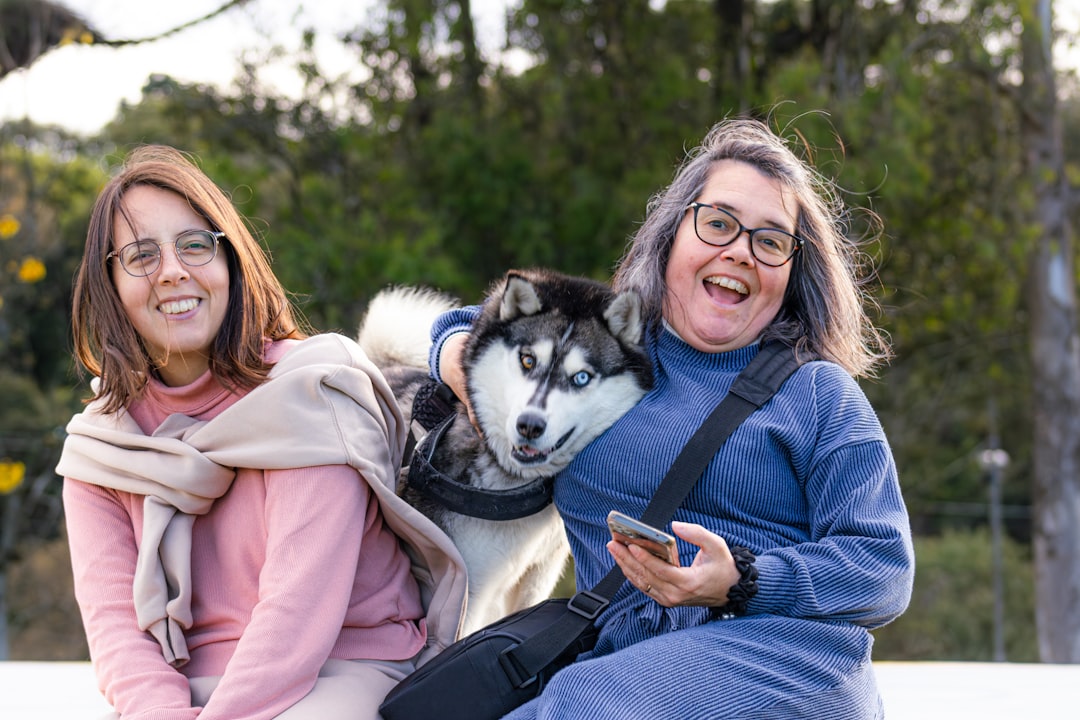
Strong scientific evidence demonstrates that owning and interacting with dogs may reduce cortisol levels, with this reduction largely responsible for many of the observed health benefits. Cortisol is your body’s primary stress hormone, and dogs seem to be nature’s antidote.
The mechanism is fascinating. Interacting with pets profoundly impacts levels of multiple brain chemicals and structures like the hypothalamus and pituitary, which regulate the adrenal cortex – forming the hypothalamus-pituitary-adrenal axis that controls cortisol.
Picture your stress response like a smoke alarm that’s been going off constantly. Dogs don’t just distract you from the noise – they actually reset the system. Even brief interactions can trigger measurable changes in your brain chemistry within minutes.
Your Brain Structure Actually Changes
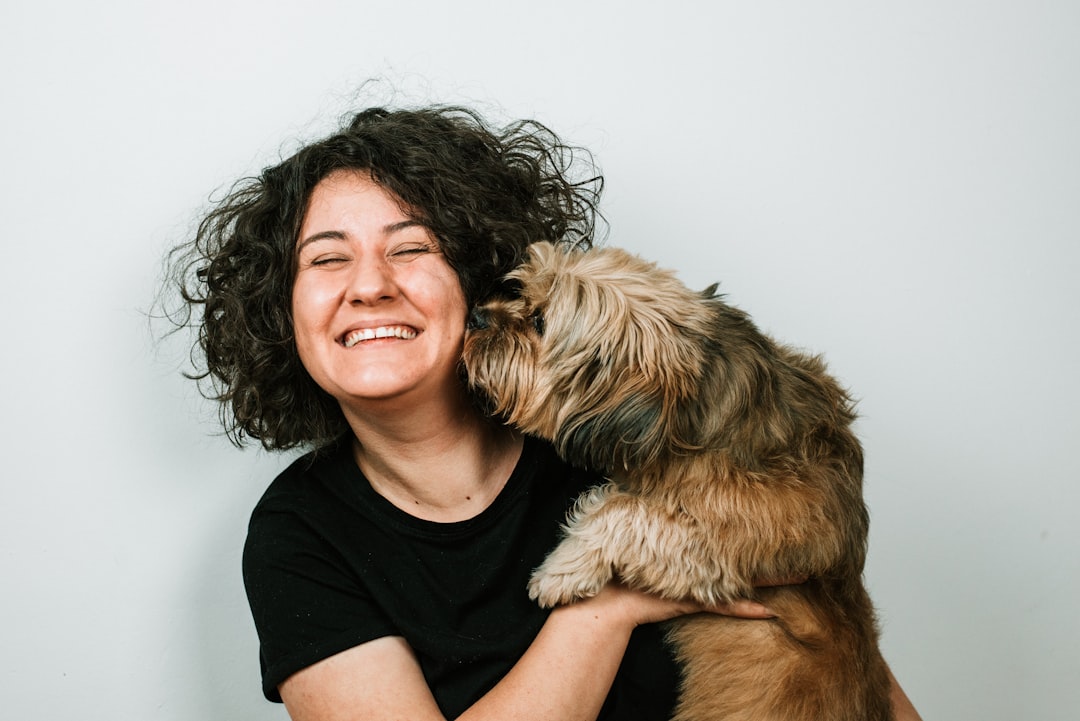
Here’s where it gets really wild. Pet ownership was related to larger brain structures, and these effects were largest in dog owners. We’re talking about physical changes to your brain’s architecture.
Older adults who owned more than one pet had greater cortical thickness than older adults who owned one or no pets. Your brain’s cortex – the outer layer responsible for complex thinking – literally grows thicker when you live with dogs.
Think of it as brain remodeling, but in the best possible way. Pet owners had larger brain volumes in key areas related to cognitive domains, and their brains looked younger based on brain structure measured by imaging than non-pet owners. Your dog isn’t just making you feel younger – they’re making your brain structurally younger.
The Attention Revolution
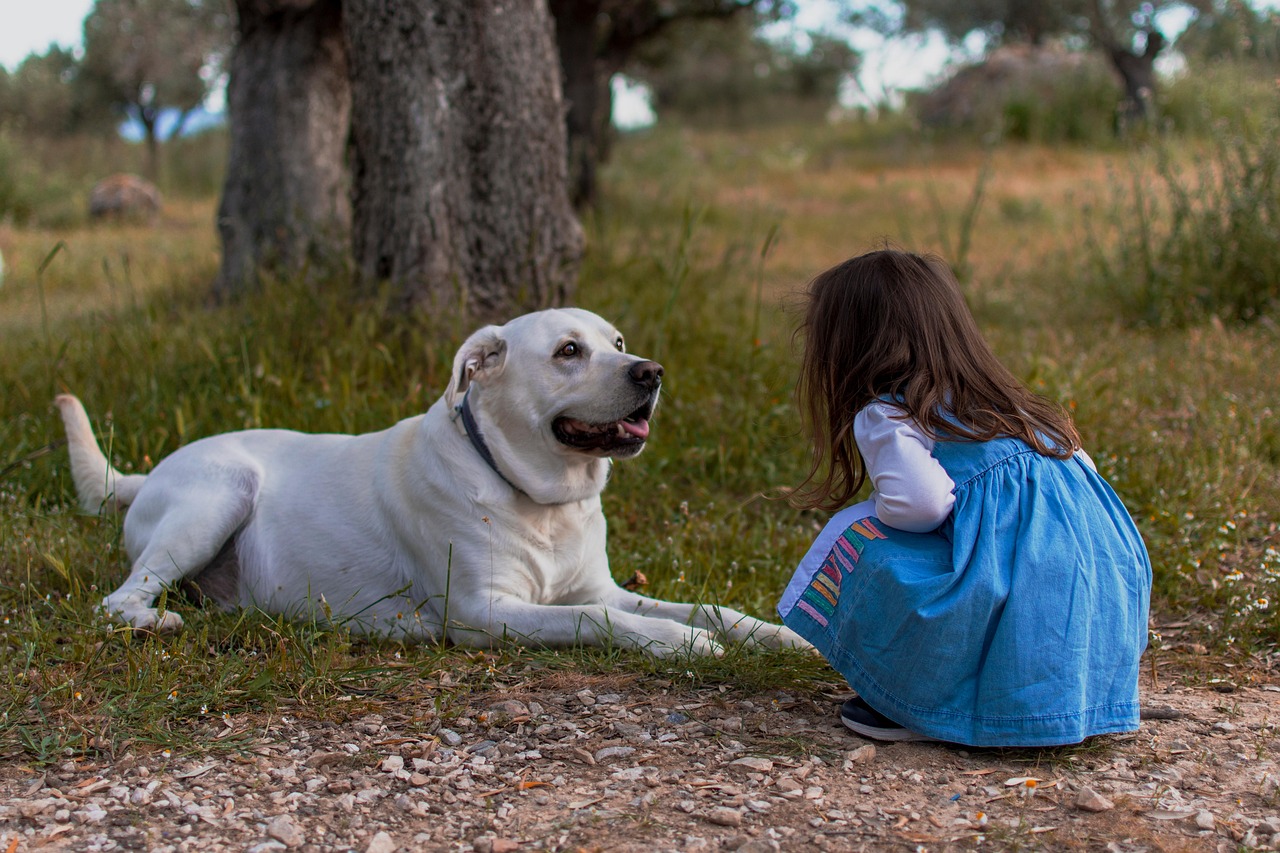
Interaction with a dog stimulated more brain activity compared to control conditions, suggesting that interactions with a dog can activate stronger attentional processes and elicit more emotional arousal. Your prefrontal cortex – the brain’s CEO – lights up when you’re with your dog.
This isn’t passive entertainment like watching TV. Familiarity and a relationship with the dog could have raised the salience of the dog, kept the participant’s attention on the dog’s behavior, and increased emotional arousal. Your brain stays actively engaged, processing social cues and emotional information.
The attention benefits extend beyond your relationship with your dog. Taking care of an animal requires complex cognitive tasks such as paying attention to the animal and their surroundings, planning and remembering to complete tasks, and emotional regulation, which could lead to improvements in brain health.
Your Dog’s Brain Is Changing Too
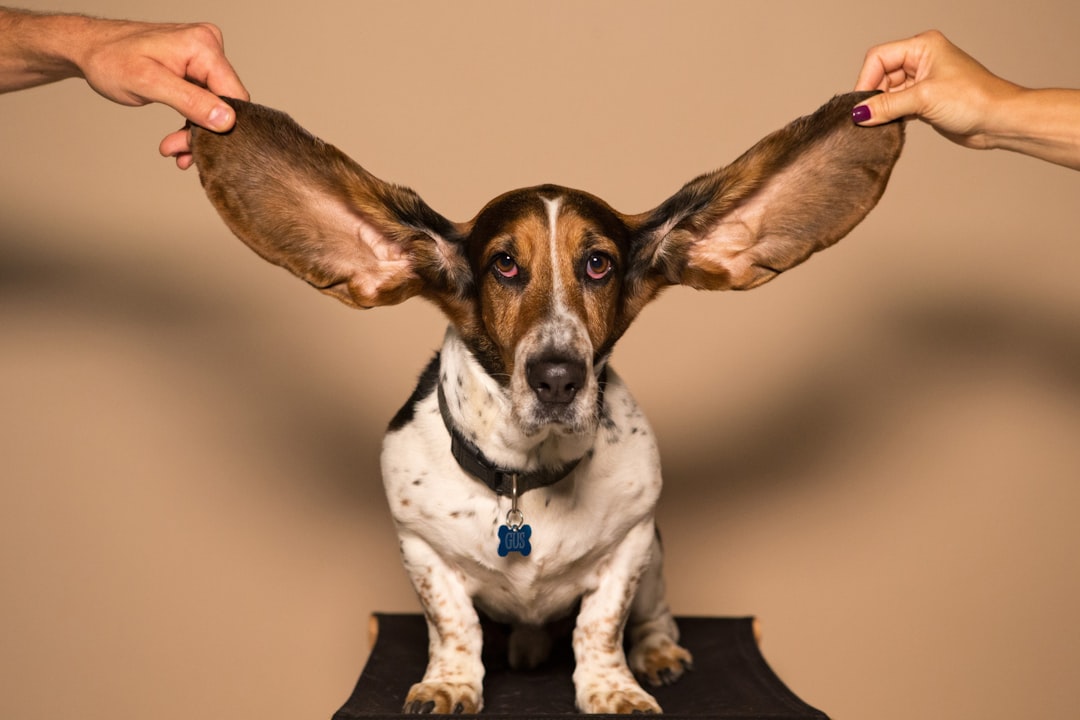
The transformation isn’t one-sided. Dogs listening to human vocalizations showed differential activation within regions of the temporal and parietal cortex. Your voice literally rewires your dog’s brain for human communication.
Brain activations in dogs processing linguistic cues are similar to those observed in humans, as indicated by differences in hemispheric lateralization, with praise words activating areas associated with reward processing. When you tell your dog they’re good, their brain responds like they’ve won the lottery.
Dogs have circuitry in their brains that are parallel to what humans have for language. After thousands of years of coevolution, dogs have developed neural pathways specifically designed to understand us. Your daily conversations with your dog are strengthening these pathways in both directions.
The Social Brain Connection
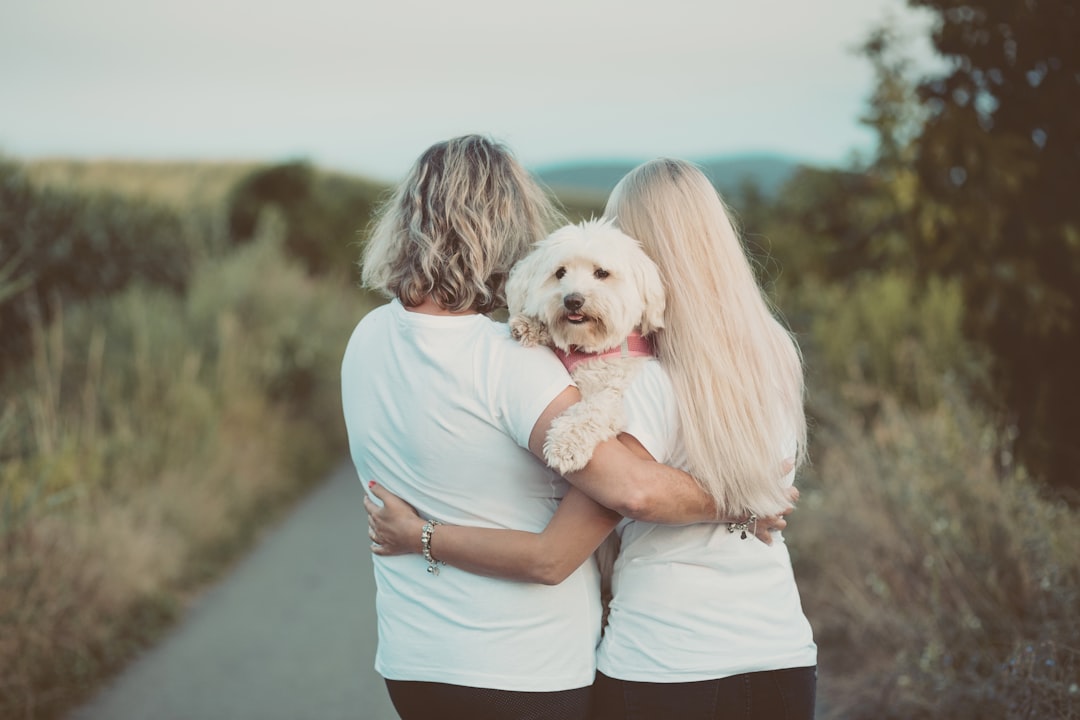
Viewing the caregiver activated brain regions associated with emotion and attachment processing in humans. Your dog’s brain processes you differently than it processes strangers or even familiar people. You occupy a special neural category reserved for the most important relationships.
The same neurological mechanisms implicated in the regulation of intraspecies bonds in mammals also modulate cooperative associations between individuals from different species. The mother-infant bonding system has been repurposed for the human-dog relationship.
This mutual brain rewiring creates something unprecedented in nature. This positive feedback loop may have played a critical role in dog domestication, as only those wolves that could bond with humans would have received care and protection, while humans evolved the ability to reciprocate.
The science reveals something remarkable: owning a dog doesn’t just change your daily routine or emotional state. It fundamentally rewires both your brains, creating a biological bond that mirrors the deepest human relationships. Your dog isn’t just man’s best friend – they’re your brain’s renovation partner, working tirelessly to make you smarter, calmer, and more connected.
What do you think about this incredible brain-to-brain connection? Have you noticed changes in yourself since welcoming a dog into your life? Tell us in the comments.


