
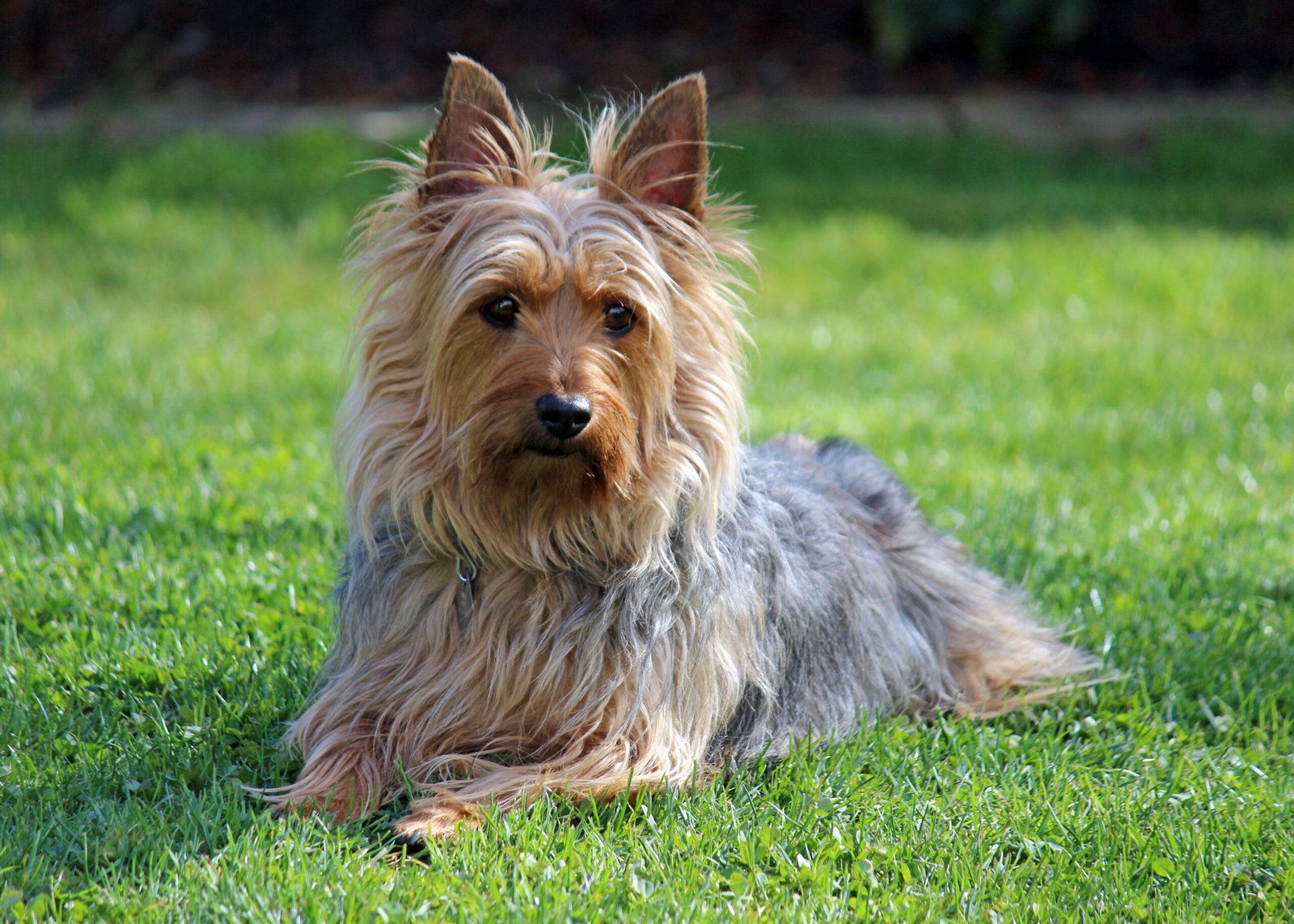
Picture watching your beloved dog move through their golden years with grace and vitality, still tail-wagging and playful despite their silver muzzle. Some dogs seem to unlock the secret to aging well, staying active and healthy well into their senior years. Others, despite our best efforts, face more challenges as they age.
Understanding which breeds tend to age gracefully can help you provide better care for your furry companion, regardless of their breed. Whether you’re planning to welcome a new dog into your family or caring for a current companion, knowing what to expect can make all the difference in their quality of life.
Chihuahuas: The Tiny Titans of Longevity

Chihuahuas are small but mighty dogs that often live well into their late teens, making them one of the longest-living breeds, with many considered to be entering their senior years around 10 to 12. These tiny powerhouses tend to outlive many other dog breeds, often hitting the 14-18 year mark, with some even making it into their twenties.
Their size contributes to their long lifespan, as smaller dogs generally have fewer health complications as they age. However, their spunky personality often remains intact, and they can still have bursts of energy and playfulness. Despite these changes, their love and loyalty remain unwavering. Though they may slow down physically, their fierce spirits rarely dim with age.
Dachshunds: Low-Riders With High Longevity

Dachshunds are another long-living breed that thrives as they grow older. With their unique long bodies and small stature, they typically live 12 to 16 years. They age gracefully, remaining active and playful throughout their lives, with many retaining their youthful energy well into their senior years.
These small dogs are adored by older adults for their playful nature and short hair coats that require minimal grooming. They bring fun and laughter to seniors living in compact homes or apartments, thriving with just daily walks and cozy nap spots. Small breeds like the Dachshund can live to 15 years or older. My friend’s dachshund has just turned 16 yrs and is very much full of life, but mostly in short bursts with a sleep in between.
Shih Tzus: The Gentle Companions

Shih Tzus are friendly, affectionate dogs that often live between 10 to 16 years. Their calm, easygoing nature allows them to age with grace, retaining their loving and playful personalities. Despite their small size, Shih Tzus are resilient and maintain a good quality of life as they grow older. They are ideal for those seeking a dog that stays gentle, affectionate, and active in their later years.
A solid little dog weighing up to 16 pounds, the Shih Tzu requires minimal exercise and is content living in apartments, so long as you’re there, too. Shih Tzu owners say the breed is “happy, even-tempered, and eager to please,” and they get along well with other dogs and with children. Their adaptable nature makes them excellent senior companions who adjust well to changing household dynamics.
Beagles: Happy Hounds That Keep Going
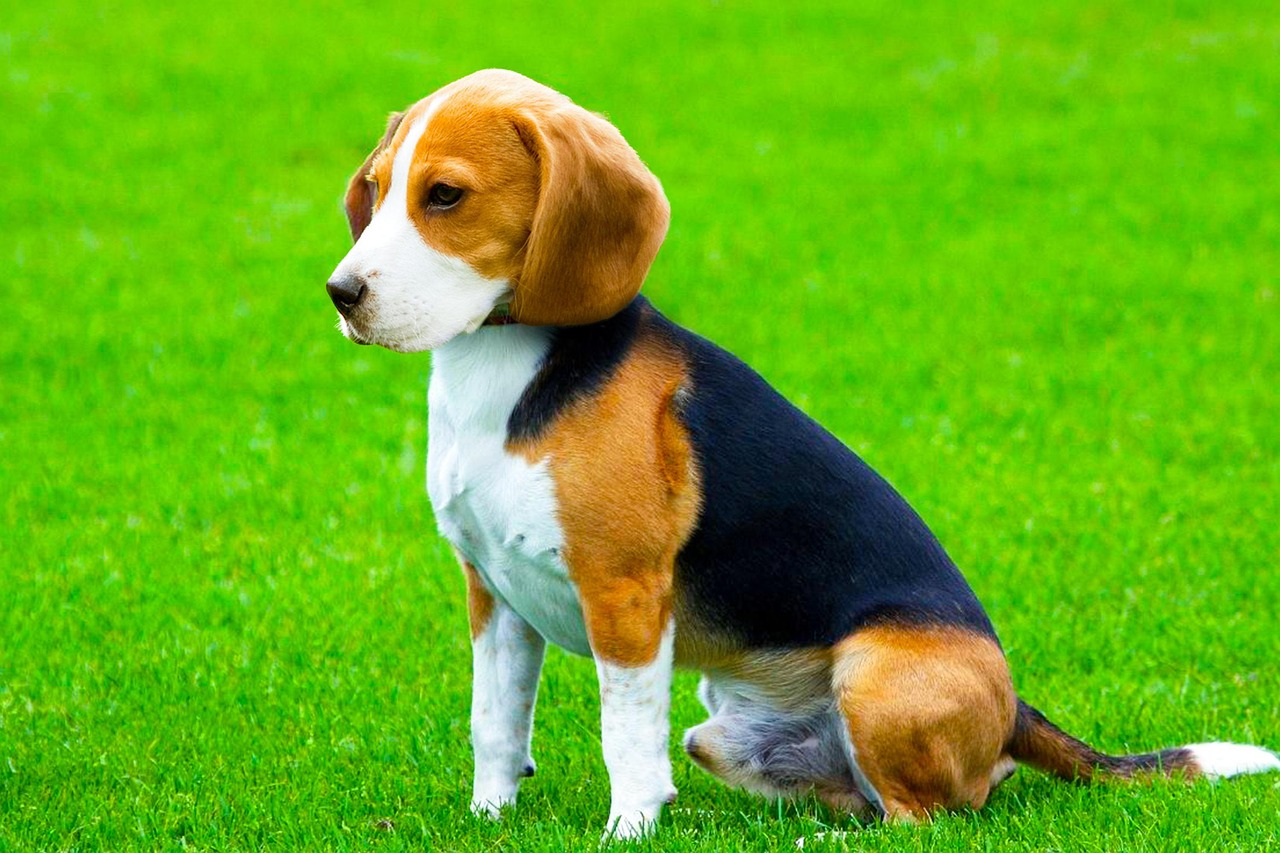
Beagles are energetic and friendly dogs that live between 12 to 15 years. The Beagle is one of the healthiest dog breeds suitable for seniors, known for its strong constitution and joyful energy. With a short coat that’s easy to maintain and a body that thrives on regular walks, Beagles fit perfectly into the lives of older adults who enjoy light exercise and outdoor strolls.
Their naturally jovial temperament and moderate exercise needs make them wonderful companions who age well. Beagles maintain their signature enthusiasm for food, walks, and family time throughout their senior years. Their sturdy build and generally robust health help them navigate aging with fewer complications than many other breeds.
Australian Terriers: Small But Mighty Survivors
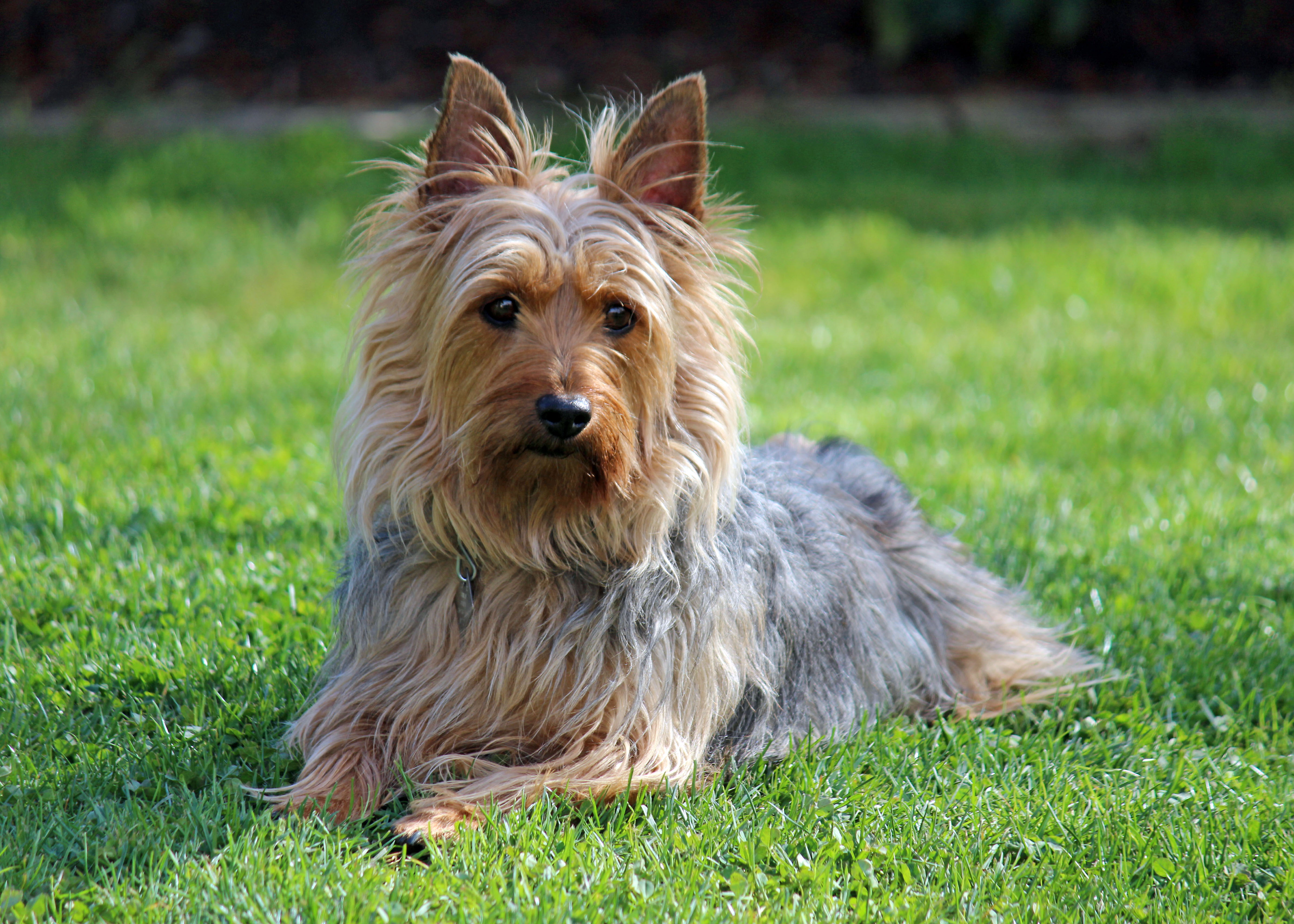
Australian Terriers are small, sturdy dogs known for their longevity, typically living between 12 and 15 years. They are energetic, loyal, and full of personality, making them ideal companions for people seeking a long-term friend. These dogs are generally healthy and remain active well into their senior years. Weighing between 14 and 16 pounds, Australian Terriers are compact but full of energy, and they often retain their playful nature as they age.
They are known for having a strong immune system and are less prone to many common health issues seen in other small breeds. With regular exercise and a balanced diet, Australian Terriers can remain lively and healthy into their teens, making them a great choice for owners looking for a dog that will age gracefully.
Shetland Sheepdogs: Smart and Sturdy Seniors
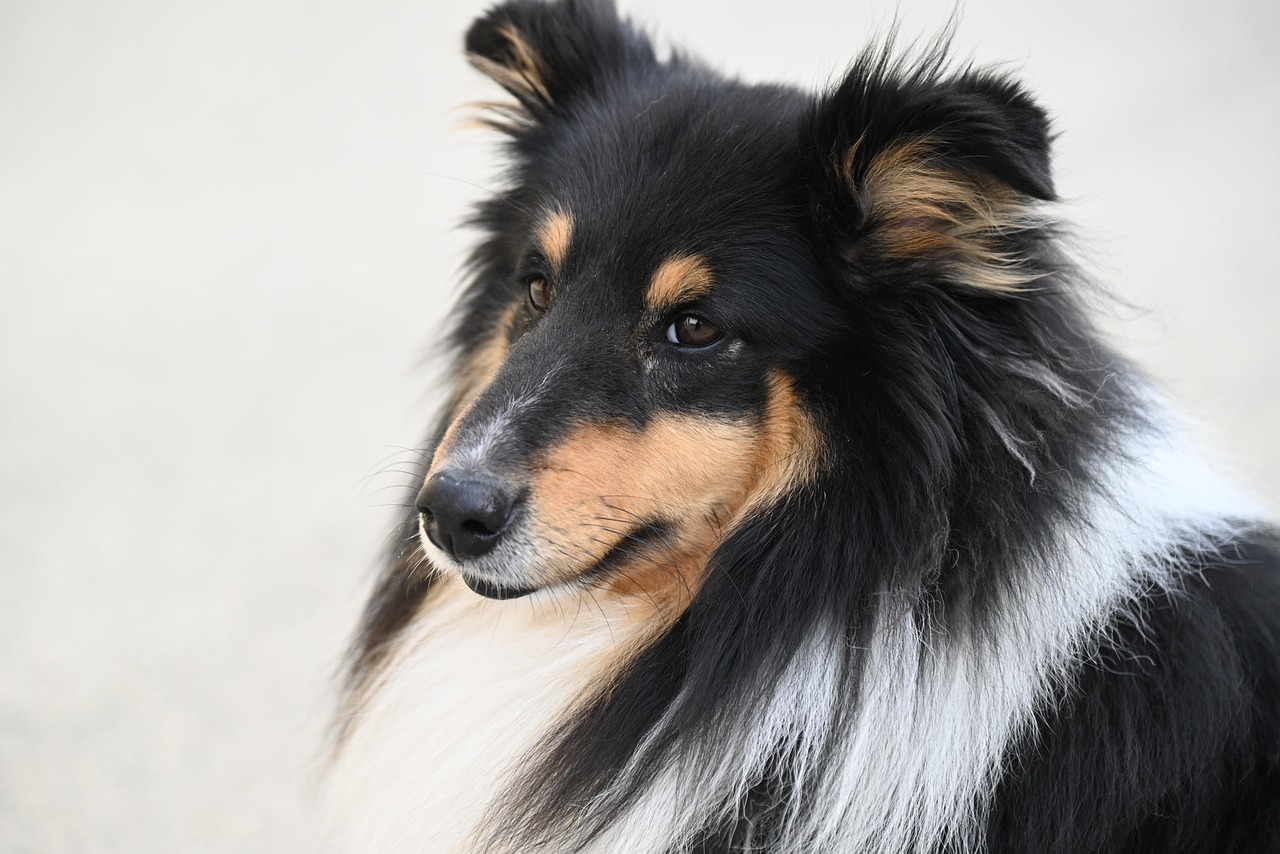
Shetland Sheepdogs, or Shelties, are known for their intelligence and agility, and they live between 12 to 14 years. These dogs remain active well into their senior years, enjoying physical activities like walks and play. Shelties are loyal and affectionate companions, offering emotional support and comfort as they age. Their strong bonds with their families remain steadfast, and their playful spirit doesn’t fade as they grow older.
Their herding background gives them mental stimulation needs that, when met, help keep them sharp and engaged throughout their lives. Shelties often maintain their problem-solving abilities and alertness well into their senior years, making them delightful companions who age with both grace and intelligence.
Basenji: The Self-Cleaning Senior
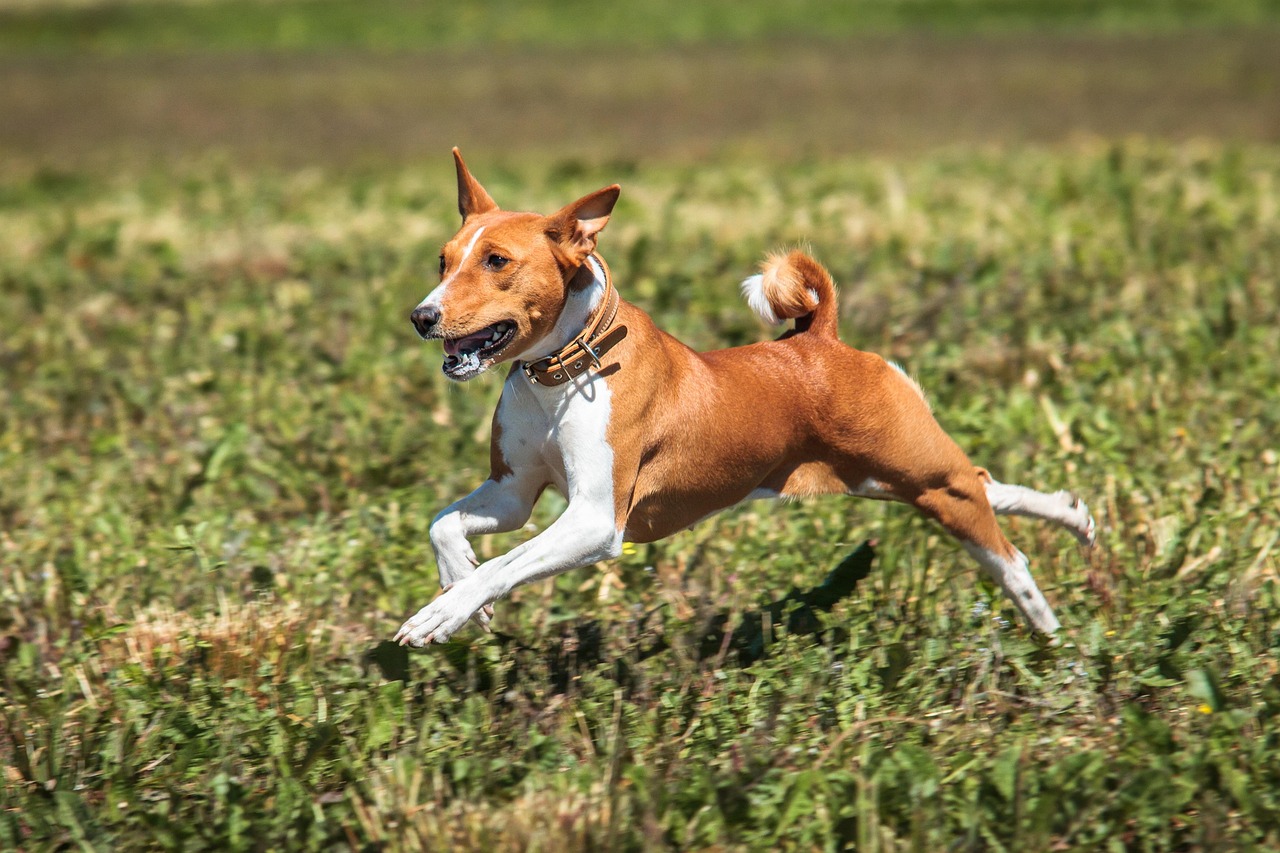
The Basenji is a unique breed known for its independence, intelligence, and longevity. These medium-sized dogs are generally healthy and remain active well into their senior years. With regular vet checkups and a controlled diet, most basenjis stay healthy and active into their senior years.
Their naturally clean habits and moderate grooming needs make them easier to care for as they age. Basenjis tend to maintain their quiet dignity and independent spirit throughout their lives, requiring less hands-on care than many breeds while still providing devoted companionship to their families.
Border Collies: Mental Athletes With Staying Power
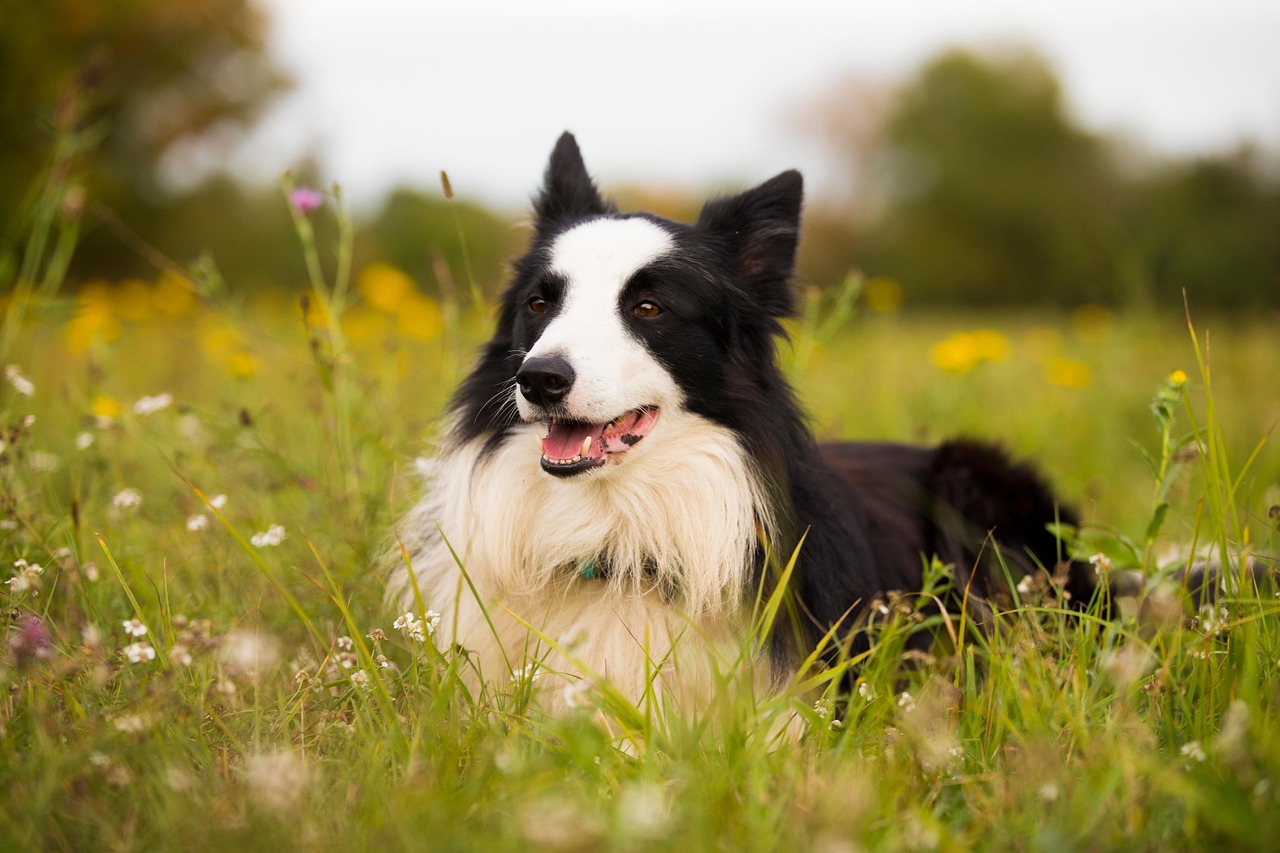
Border Collies are known for their intelligence, energy, and remarkable health, even as they enter their senior years. These medium-sized dogs are highly active and require regular mental and physical stimulation, contributing to their overall well-being as they age. Border Collies are generally free from many health problems that affect other breeds, and with proper care, they can remain active and alert well into their teens. Their strong work ethic and natural agility often help them maintain good muscle tone and cardiovascular health, making them one of the healthiest breeds in their later years.
Their intense mental engagement throughout life seems to protect them from cognitive decline. Border Collies who stay mentally stimulated often remain sharp and responsive well into their senior years, though they may need adjustments to their exercise routines to protect aging joints.
Great Danes: The Gentle Giants With Short Lives
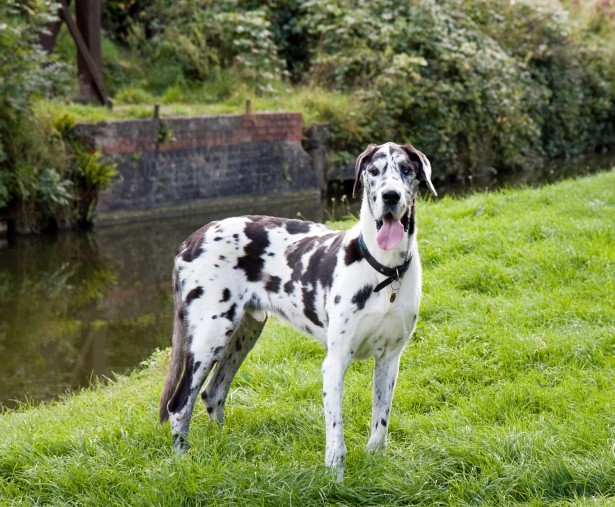
Sadly, these big dogs have shorter lifespans than smaller breeds. Great Danes typically live 7-10 years. Despite their friendly nature, these large dogs are prone to serious health problems. Dilated cardiomyopathy, a serious heart condition, affects their heart’s ability to pump blood effectively, while hip dysplasia and gastric dilatation volvulus (bloat) are common concerns that can impact their quality of life.
According to the UC Davis Book of Dogs, small-breed dogs (such as small terriers) become geriatric at about 11 years; medium-breed dogs (such as larger spaniels) at 10 years; large-breed dogs (such as German Shepherd Dogs) at 8 years; and giant-breed dogs (such as Great Danes) at 6-7 years. Merle, Harlequin, and white Great Danes can have health problems affecting their immune system, eyes, ears, and skin. Their massive size puts tremendous strain on their organs and joints from an early age.
Saint Bernards: Mountain Rescuers With Mountain-Sized Health Issues
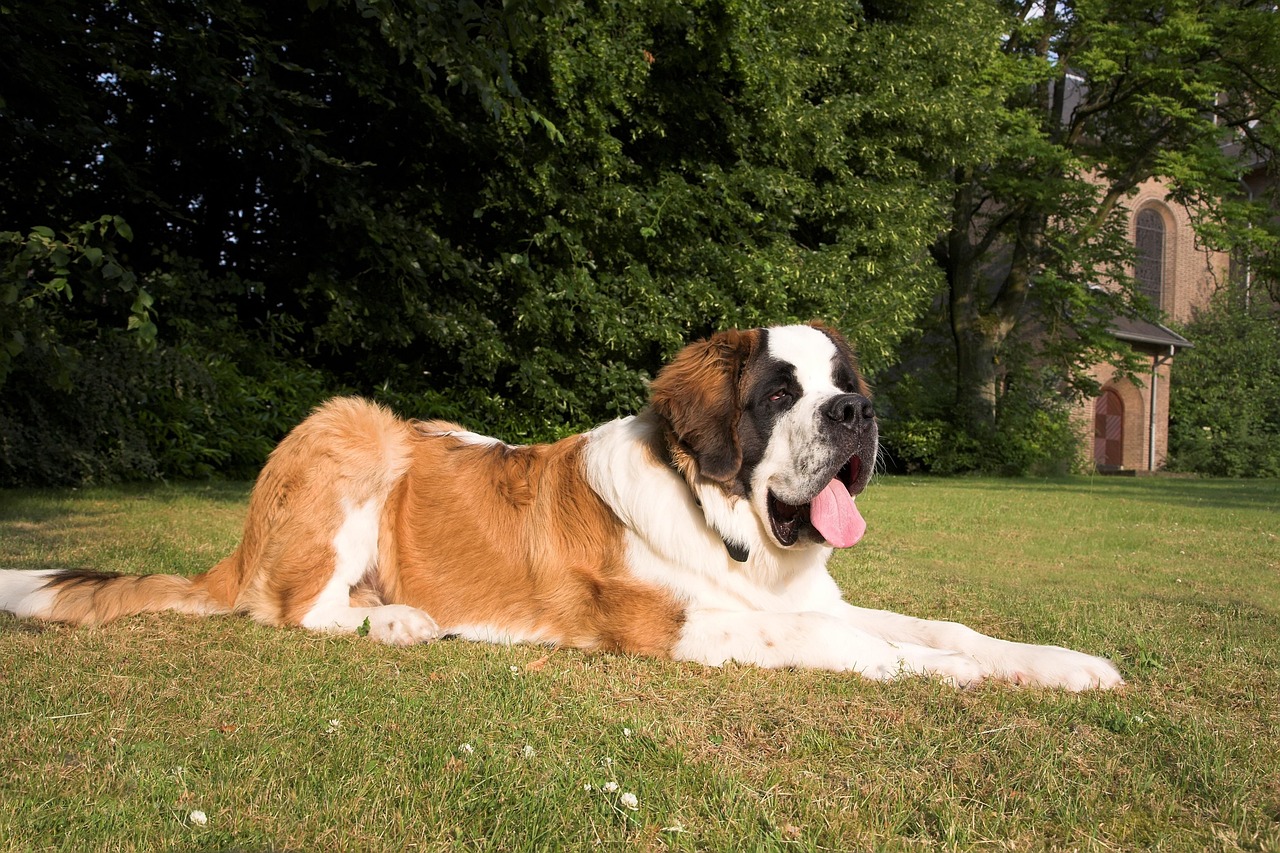
Made famous by the film Beethoven, the St. Bernard typically lives 8-10 years. Saint Bernards also live longer lifespans of 8-10 years. St. Bernards live an average of 8-10 years, while Great Danes may live slightly shorter lives at 7-10 years. Unfortunately, this great companion is predisposed to joint problems, diabetes, heart failure and gastric torsion.
A review of 1,934 cases of gastric dilatation volvulus (GDV) found the Saint Bernard to be greatly predisposed to the condition with an odds-ratio of 4.2. A health survey in the UK found 4.6% of dogs to have the condition and 15.1% of dogs to have died from the condition. Their brachycephalic features and massive size create breathing difficulties and joint stress that compound with age.
Bullmastiffs: Guardians With Guarded Health
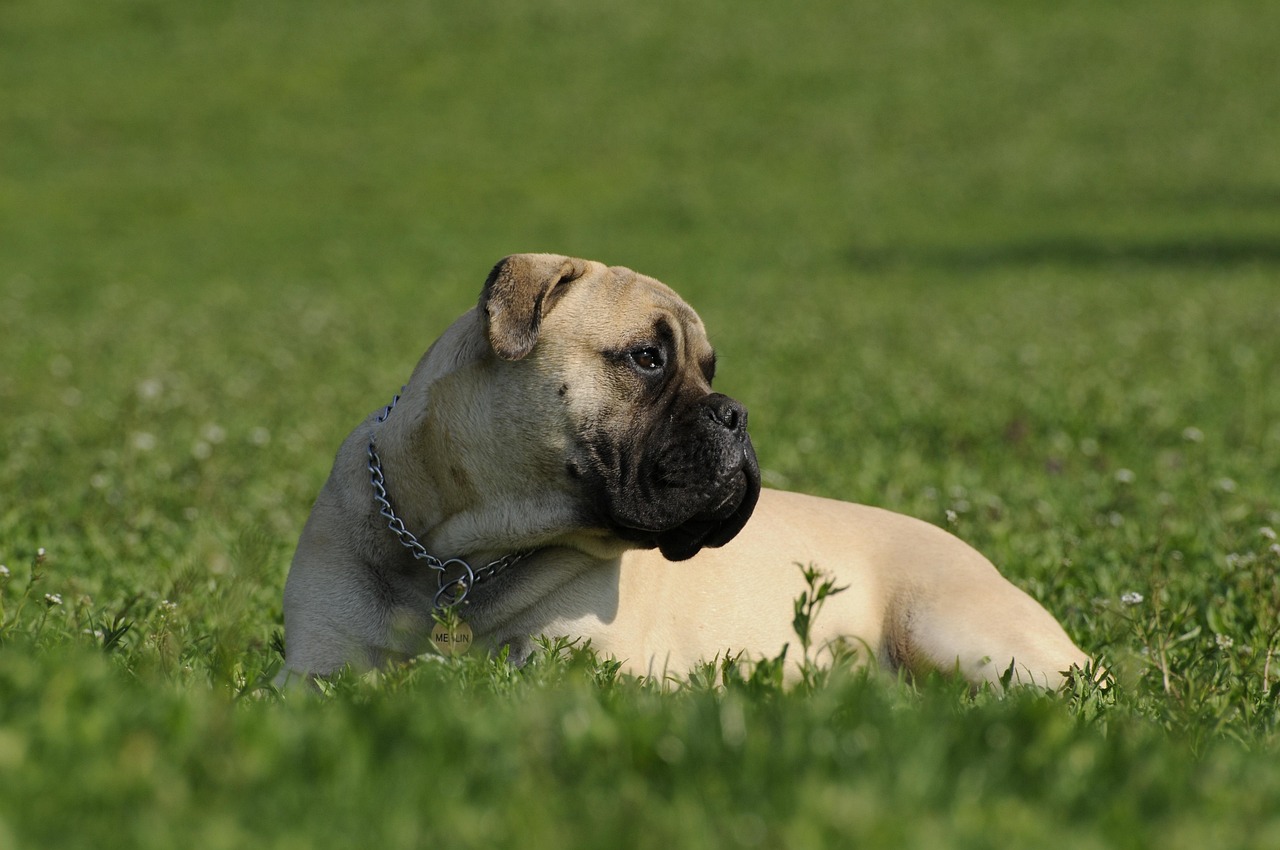
Although the Bullmastiff can be a loving companion during their lifetime, guardians of this breed can expect to be heartbroken early thanks to an average lifespan of 7 to 8 years. A high prevalence of joint, skin, gastric, ocular and metabolic problems has also been recorded in this breed.
Their protective nature and imposing size come with significant health costs. Bullmastiffs face multiple systems challenges as they age, from joint deterioration to metabolic disorders. Their shortened lifespan means owners must be vigilant about health monitoring from an early age to maximize quality time together.
Bernese Mountain Dogs: Beautiful But Brief Lives

In addition to its multiple aesthetic and behavioral qualities, the Bernese Mountain Dog is also one of the dogs with the shortest lifespan (7 to 10 years average). It is not uncommon for them to be affected from an early age by various hereditary health problems. In an interview with National Geographic, veterinarian from the Dr. Silvan Urfer from the Dog’s Aging Project at the University of Washington (USA) explained the higher incidence of ailments in large or giant breeds, such as the Bernese Mountain Dog and the Saint Bernard. This has to do with the fact their bodies release an enormous amount of oxidizing molecules as a result of the accelerated cell division that their growth process entails.
Their stunning appearance and gentle temperament make them beloved family dogs, but their genetics work against longevity. The rapid growth required to reach their substantial size creates cellular damage that accumulates throughout their relatively short lives, leading to early aging and health complications.
Every dog is unique, and even within breeds that typically struggle with aging, individual dogs may defy the odds with exceptional care, genetics, and a bit of luck. Similarly, breeds known for aging gracefully still need attentive care as seniors. The key is understanding your dog’s specific needs and working closely with your veterinarian to provide the best possible quality of life throughout their golden years. What kind of aging journey are you expecting with your furry friend?


