
Retirement represents a beautiful new chapter filled with freedom, relaxation, and the chance to pursue passions that work schedules once put on hold. Yet for many seniors, this transition can also bring unexpected challenges like loneliness, reduced physical activity, and a search for renewed purpose.
What if I told you that one of the most powerful solutions might just weigh under 20 pounds and have four furry paws? Small dogs have quietly become some of the most transformative companions for retirees, offering benefits that extend far beyond simple companionship. The science backs this up too, and the stories are heartwarming.
Perfectly Sized for Your Golden Years
Let’s be honest about the practicalities. For seniors, small dogs are particularly advantageous. They are easier to handle and care for, especially for those with limited mobility or strength. Small dogs are less likely to pull on a leash or require intense physical activity, making walks and playtime more manageable.
Picture yourself with a gentle Maltese or Shih Tzu rather than wrestling with a Great Dane on your morning walk. Small dog breeds tend to be easier to handle, especially when it comes to walking and regular care including bathing. They also typically require less exercise than most large dog breeds.
Small breeds adapt well to smaller living spaces, which are common among elderly individuals. They don’t need large yards and can comfortably live in confined spaces. Whether you’re in a cozy condo or considering senior living options, these pint sized companions fit seamlessly into your world.
Exercise Made Easy and Enjoyable
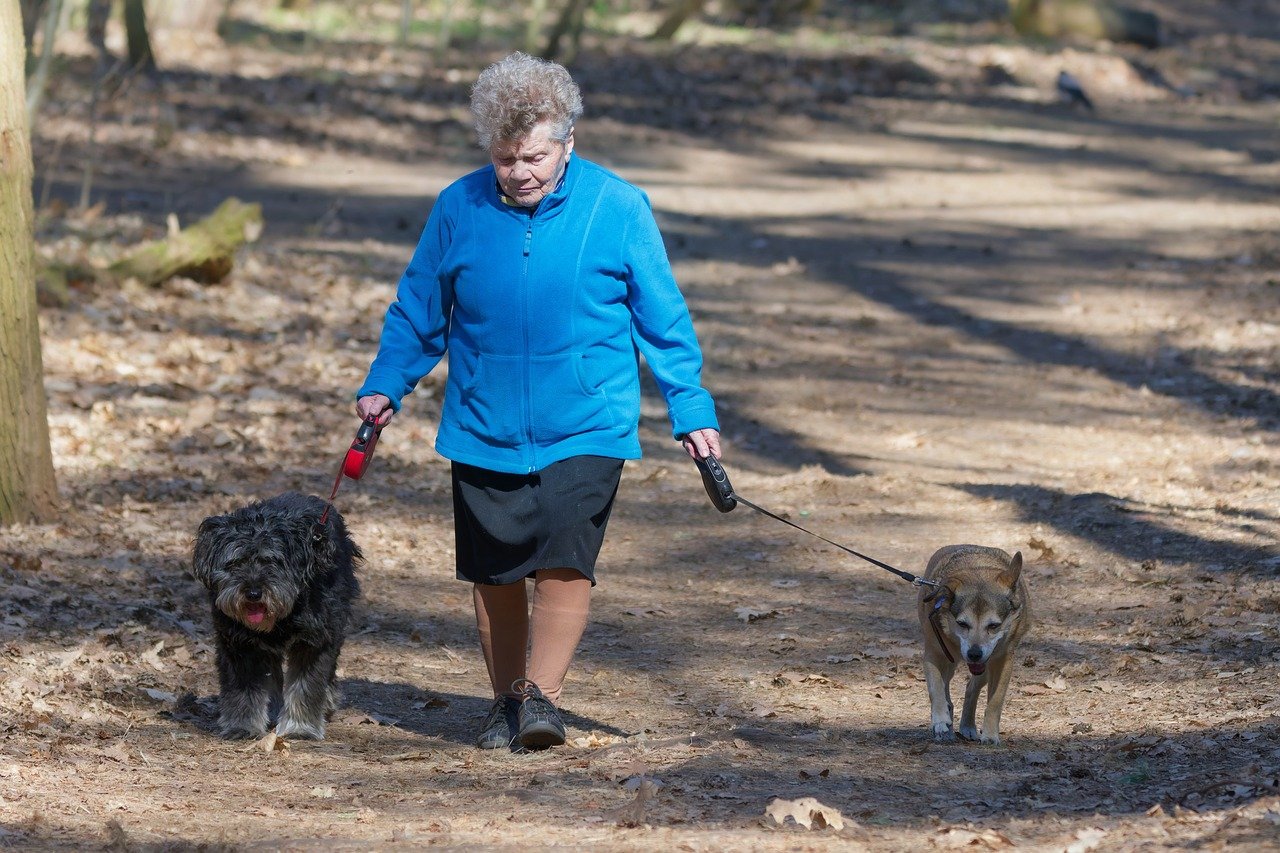
Remember when you thought retirement meant slowing down completely? Think again. Senior dog owners walk an average of 22 more minutes per day, or about 2,760 more steps, compared to seniors who do not own dogs.
The beautiful thing about small dogs is they make exercise approachable rather than overwhelming. Small in size and low-energy compared to larger breeds, the Maltese adapts easily to apartment living. Short walks or a bit of indoor play are usually enough to keep them content. You’re not signing up for marathon training sessions here.
The daily responsibility of caring for a pet, like feeding, grooming, and exercising, helps seniors maintain an active lifestyle. Walking a dog or playing with a cat can provide valuable exercise opportunities, improving cardiovascular health, strengthening muscles, and enhancing mobility. Those gentle daily walks become your pathway to better health without the pressure.
Emotional Support That Never Takes a Day Off
All too frequently the companionship of a pet is underestimated or belittled, even though pets are often intimate companions for many elderly people. They help them fight off loneliness and solitude and continue their activity. To many elderly people, their animal friend means joy and quality of life.
Small dogs excel at reading emotions and responding with comfort. Seniors especially value their attentiveness, as this breed often acts like a natural therapy dog, tuned into emotions. When you’re having a rough day, your little companion doesn’t offer advice or try to fix things. They simply curl up beside you, offering silent understanding.
Older adults who own pets report a reduction in stress and loneliness. They also experience an increase in activity and overall quality of life. Additionally, older adults who have strong connections with their pets report lower rates of depression.
Health Benefits That Medical Science Celebrates
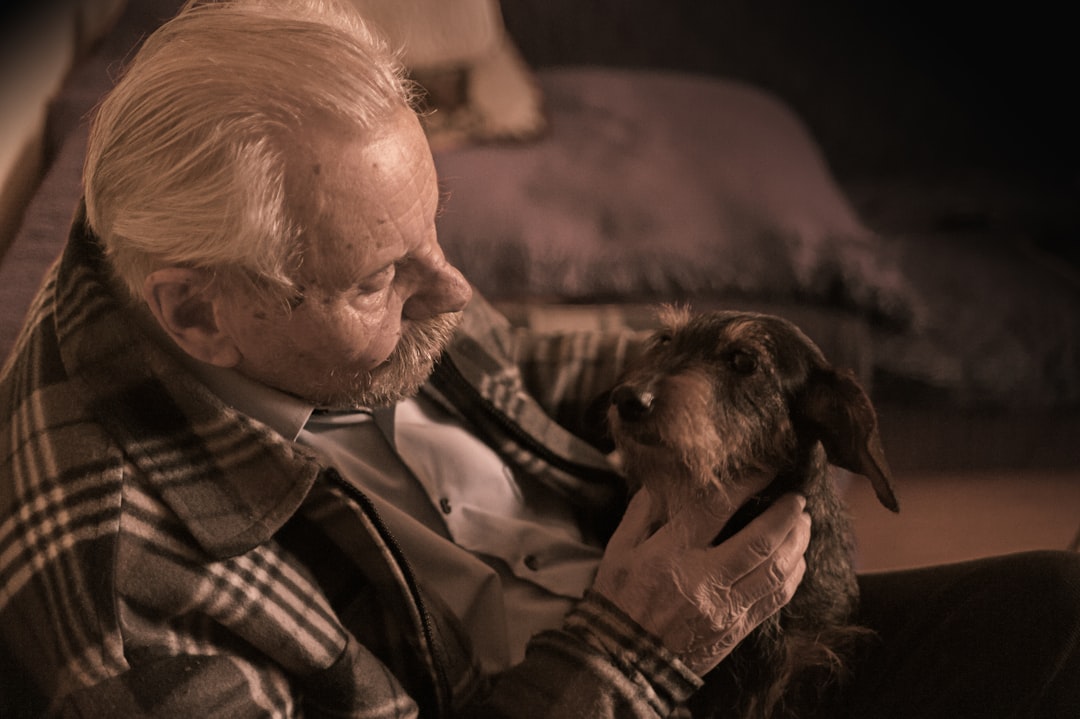
Here’s where things get really interesting from a health perspective. The presence of a pet dog or cat resulted in lower heart rate and blood pressure responses relative to the presence of a friend or spouse, in people exposed to the psychological stressor of mental arithmetic, and the physical stressor of a cold pressor test.
Petting a dog or cat releases endorphins, which are natural mood boosters. Pets can be especially beneficial for seniors who may be dealing with chronic pain, arthritis, or other age-related ailments. The presence of a pet can also lower blood pressure and reduce the risk of heart disease, contributing to improved overall health.
According to Harvard Health Publishing, spending time with a pup can help lower blood pressure, reduce cholesterol levels, and raise serotonin – the “feel-good” chemical in the brain. Your little furry friend isn’t just cute, they’re literally good medicine.
Social Connections and Community Building
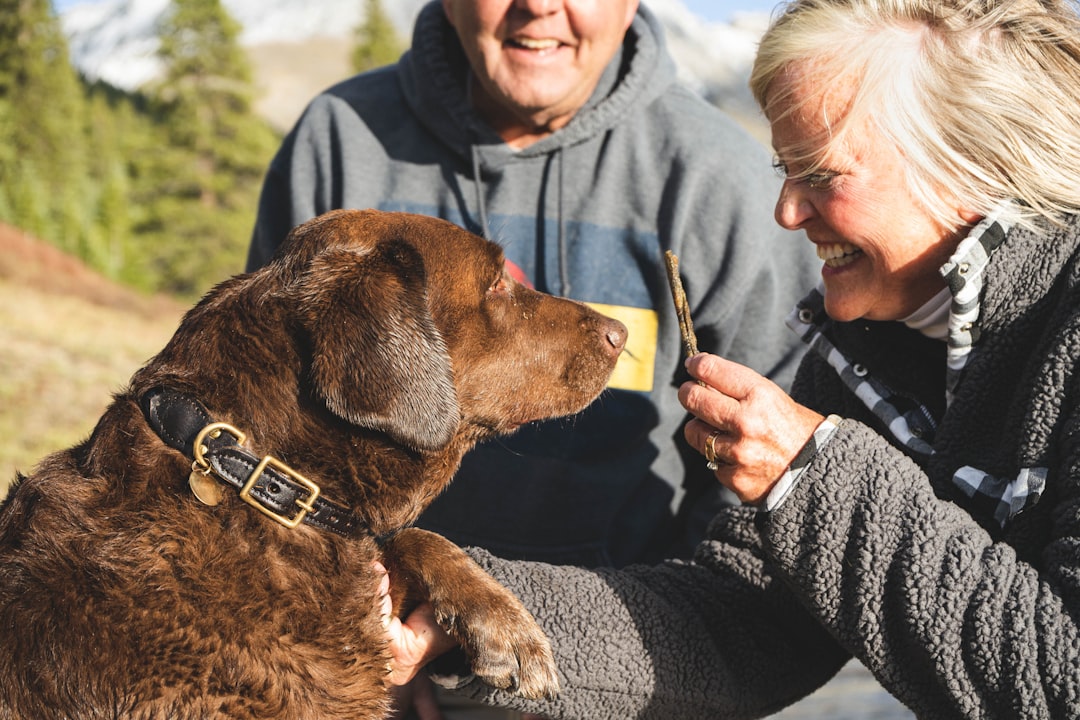
Retirement can sometimes feel isolating, but small dogs are natural conversation starters. Walking a dog or playing with them outdoors brings you into contact with other dog lovers. In a poll of senior pet owners, 65% said having a pet helps connect them to other people.
Research has found being a pet owner was the third most common way that people meet other people in their neighborhoods. And, pet owners were 60% more likely than non–pet owners to get to know people in their neighborhoods. That morning walk becomes an opportunity to chat with neighbors and fellow dog enthusiasts.
Many senior living communities now recognize this benefit and actively encourage pet ownership. When you live in a senior community that allows pets, you may find dog walking a great way to meet your neighbors.
Practical Care and Safety Considerations
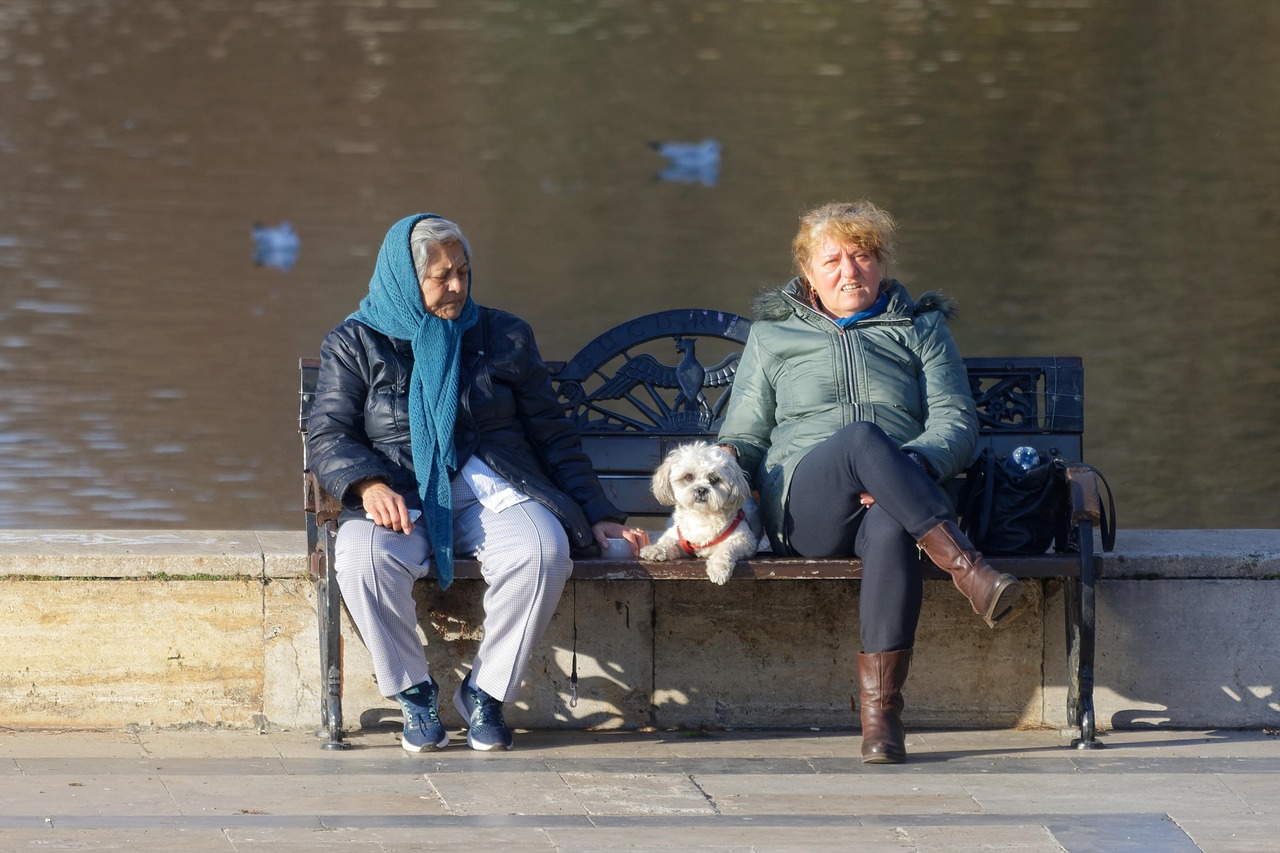
Let’s address the elephant in the room: can you safely care for a small dog as you age? Safety should always be on your mind at any age, but especially as we get older. The thought of tripping and falling over a small dog is real. Bending, losing your balance, or slipping on a icy pavement while walking your dog are all real threats.
However, most adult small dogs are surprisingly aware of their surroundings. Most adult small dogs know how to get out from under the foot of a walking human. Choose breeds known for their gentle, trainable temperaments like Cavalier King Charles Spaniels or Bichon Frises.
Caring for a pet is not always possible with the efforts of just one person. Unexpected health issues may come up, or a need for travel may arise. Seniors should have friends or family who can step in to assist when needed. Planning ahead ensures both you and your furry friend are well cared for.
Finding Your Perfect Match
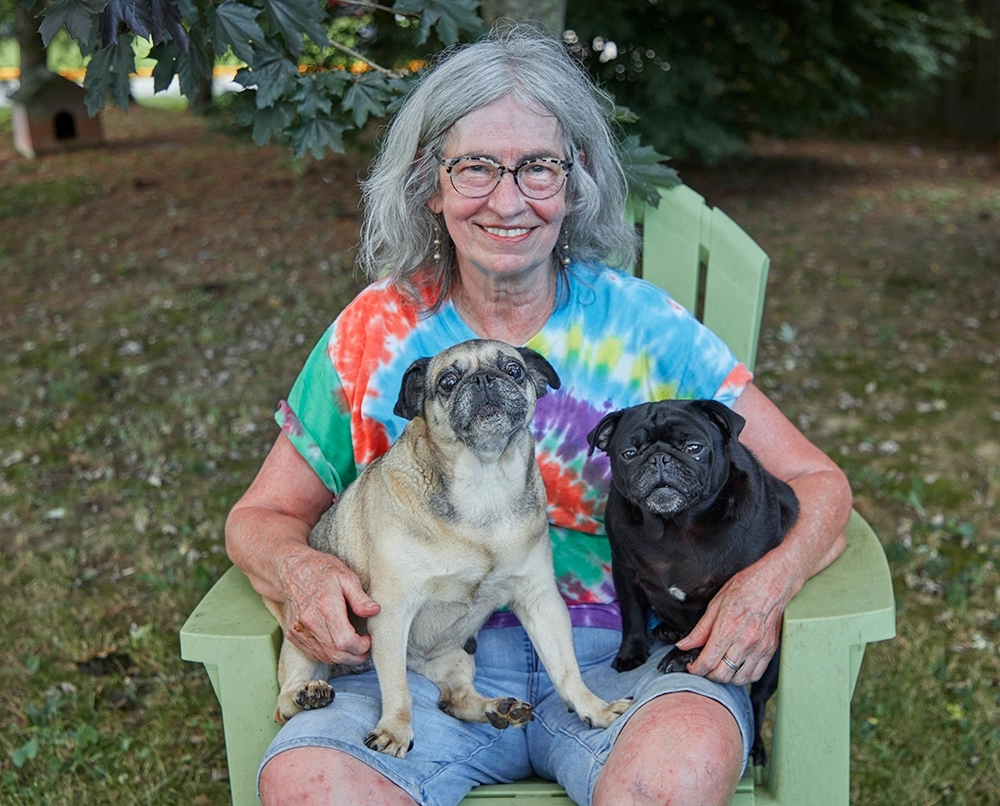
Not all small dogs are created equal, and finding the right match matters enormously. Good small dogs for the elderly include breeds that are low-maintenance and have a calm disposition. These dogs require less grooming and exercise, making them easier to care for. Their gentle temperaments make them perfect for providing emotional support and companionship without being too demanding.
Osborne says adopting a senior dog (age 7 and older) may be a great move for older adults, since puppies may be a lot of work. She says senior dogs, many of which are surrendered to shelters and rescues “for the wrong reasons,” are typically already house-trained, spayed or neutered, and have many of the vaccines that are necessary to get as a puppy. “You’d be surprised how many of these older dogs in shelters … it’s kind of like they know that you gave them a second chance,” says Osborne.
Consider breeds like the Maltese, Shih Tzu, or Cavalier King Charles Spaniel for their gentle, affectionate natures. Older adults should consider grooming capabilities and preferences when choosing a fluffy friend. A gentle and trainable temperament is a must for a senior-friendly small dog. Breeds known for their ease of training and friendliness, like a poodle or a pug, can make the transition to a new home much smoother.
Small dogs aren’t just pets for retirees, they’re partners in creating a richer, healthier, more connected golden years experience. From the daily motivation to take that gentle walk to the unconditional love that brightens even the toughest days, these compact companions deliver outsized benefits.
Adopting a small dog can be a fulfilling decision for an older adult. It can encourage new beginnings, foster companionship, and create endless opportunities for joy. Your retirement years don’t have to be about winding down. With the right four-legged friend by your side, they can be about lighting up in ways you never expected.
What do you think? Are you ready to discover how a small dog might make a big impact in your retirement years? Tell us in the comments.


