
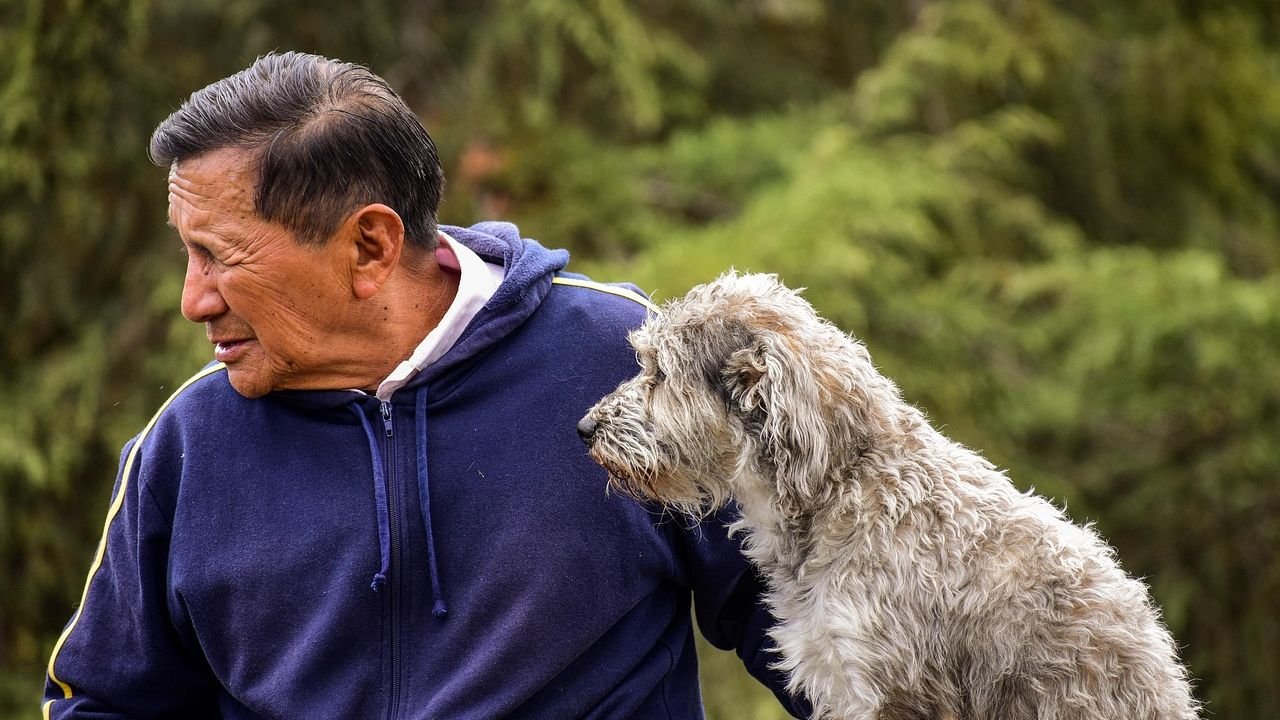
Picture this: an aging golden retriever and a seventy-something retiree settling into their favorite armchair together, both moving a bit more slowly than they used to. There’s something magical happening in that quiet moment. Both have earned their wisdom through years of experience, both value comfort over chaos, and both understand that life’s sweetest pleasures often come in simple packages.
The bond between senior dogs and senior humans runs deeper than convenience or companionship. The benefits of pet ownership for seniors are numerous, and when matched with aging canines, something extraordinary happens. They speak the same language of patience, understanding, and quiet contentment. So let’s get started on discovering why these golden years partnerships create some of the most beautiful relationships imaginable.
They Share the Same Pace of Life
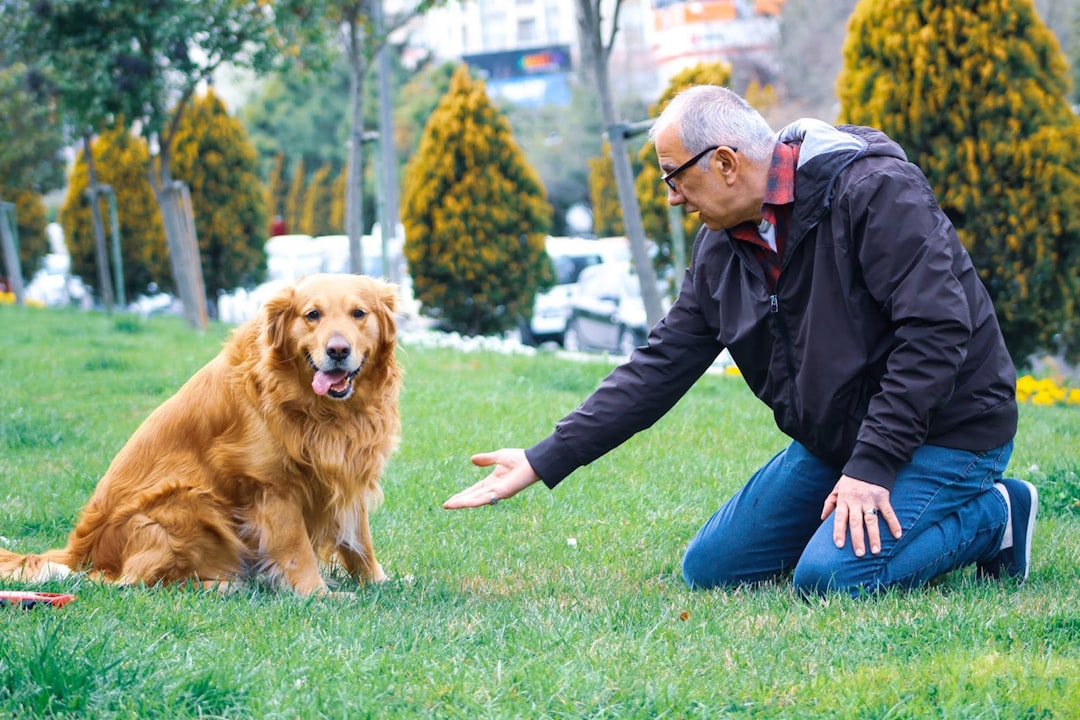
Gone are the days when both need to rush anywhere or do everything at breakneck speed. Walks don’t need to be as long or as vigorous; both will get beneficial amounts of exercise at a good pace. Senior humans appreciate a dog that won’t drag them down the street chasing squirrels.
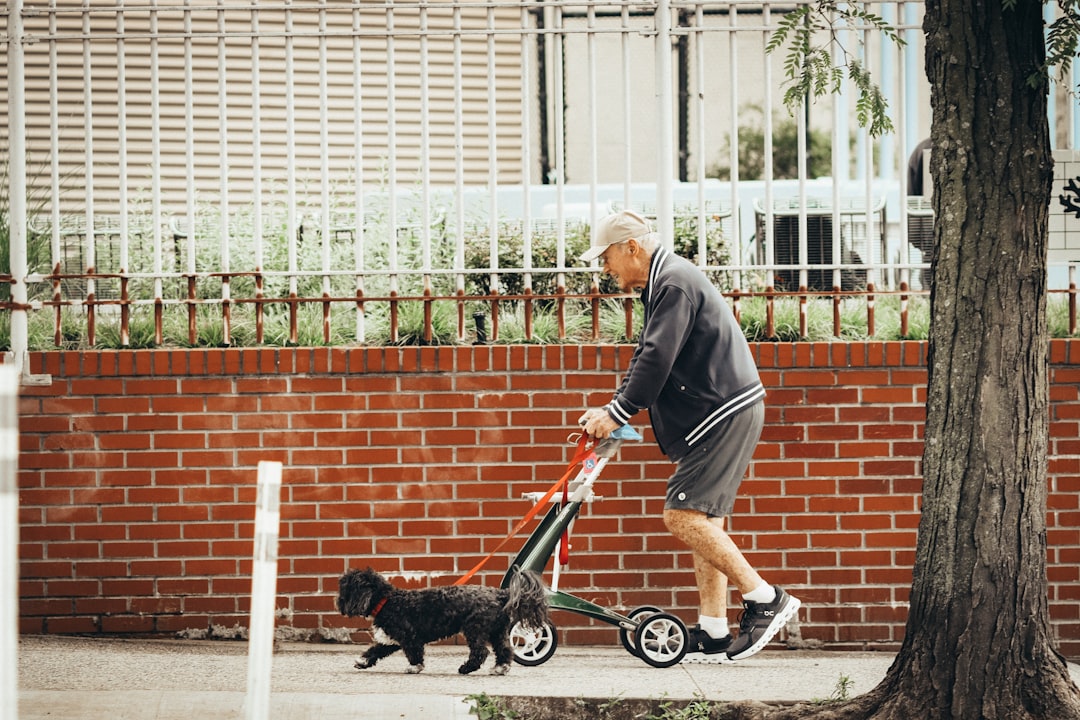
Meanwhile, older dogs are perfectly content with leisurely strolls around the block rather than marathon hikes. Many seniors enjoy low energy activities such as going for short walks or car rides, because it gets them out of the house without being too physically taxing. They both understand that life isn’t about rushing anymore but about savoring each moment.
This natural synchronization creates a perfect partnership where neither feels pressured to keep up with unrealistic expectations. Much like people, when dogs age, their senses aren’t as sharp as when they were a pup. Both species learn to adapt together, creating a rhythm that works for their shared limitations.
There’s genuine peace in watching a senior dog and their elderly owner take their time together, stopping frequently to rest or simply enjoy their surroundings.
Both Understand the Value of Routine
Senior dogs thrive on predictability, and so do senior humans. Older dogs often function better with an established, daily routine. Fixed meal times, regular walks, and consistent bedtimes become anchors in both their lives.
For elderly people, especially those dealing with memory issues or the isolation of retirement, dogs give their days a certain structure; fixed times for meals and walks provide elderly people with the feeling that they have a purpose and a responsibility towards someone. The dog needs to be fed at six AM, walked after breakfast, and let out before bed.
This mutual need for structure creates a beautiful dance of dependency. This structured routine provides a sense of purpose and helps seniors maintain cognitive abilities and mental alertness. Neither has to worry about the other wanting to stay out all night or skip important routines.
The comfort both find in predictable patterns becomes a cornerstone of their relationship, providing stability in lives that may have experienced significant changes.
They’ve Both Learned That Patience is a Virtue
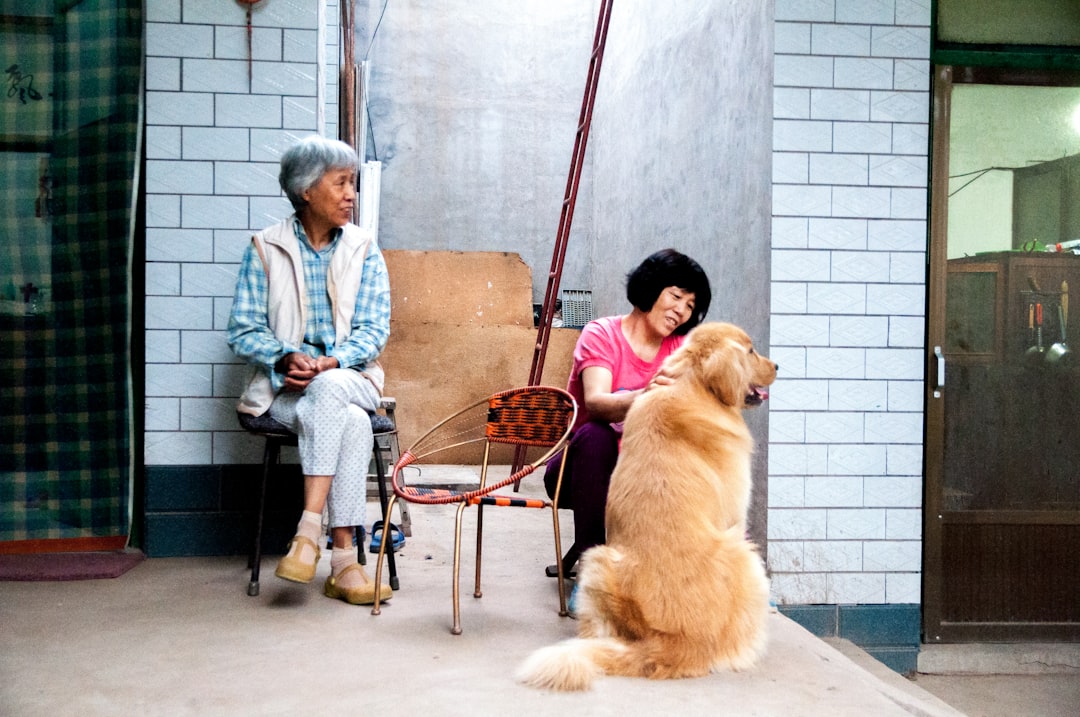
Senior dogs have outgrown their puppy impulsiveness, and senior humans have had decades to cultivate patience. Senior dogs tend to have a calmer temperament since they’ve shed most of their energies during their puppy days. Older dogs don’t feel the need to explore everything or chew on furniture.
When an older dog takes longer to get up from their nap or needs extra time to navigate stairs, their elderly owner completely understands. They’ve both experienced the reality that bodies don’t always cooperate the way they used to. There’s no frustration, only gentle encouragement.
This patience extends to training and behavioral adjustments too. Early detection is imperative to treating any type of condition, and senior owners are often more observant of subtle changes in their dog’s behavior or health.
The empathy that flows between them is profound because they’ve both navigated the challenges of aging bodies and changing capabilities.
They Share Similar Health Journeys
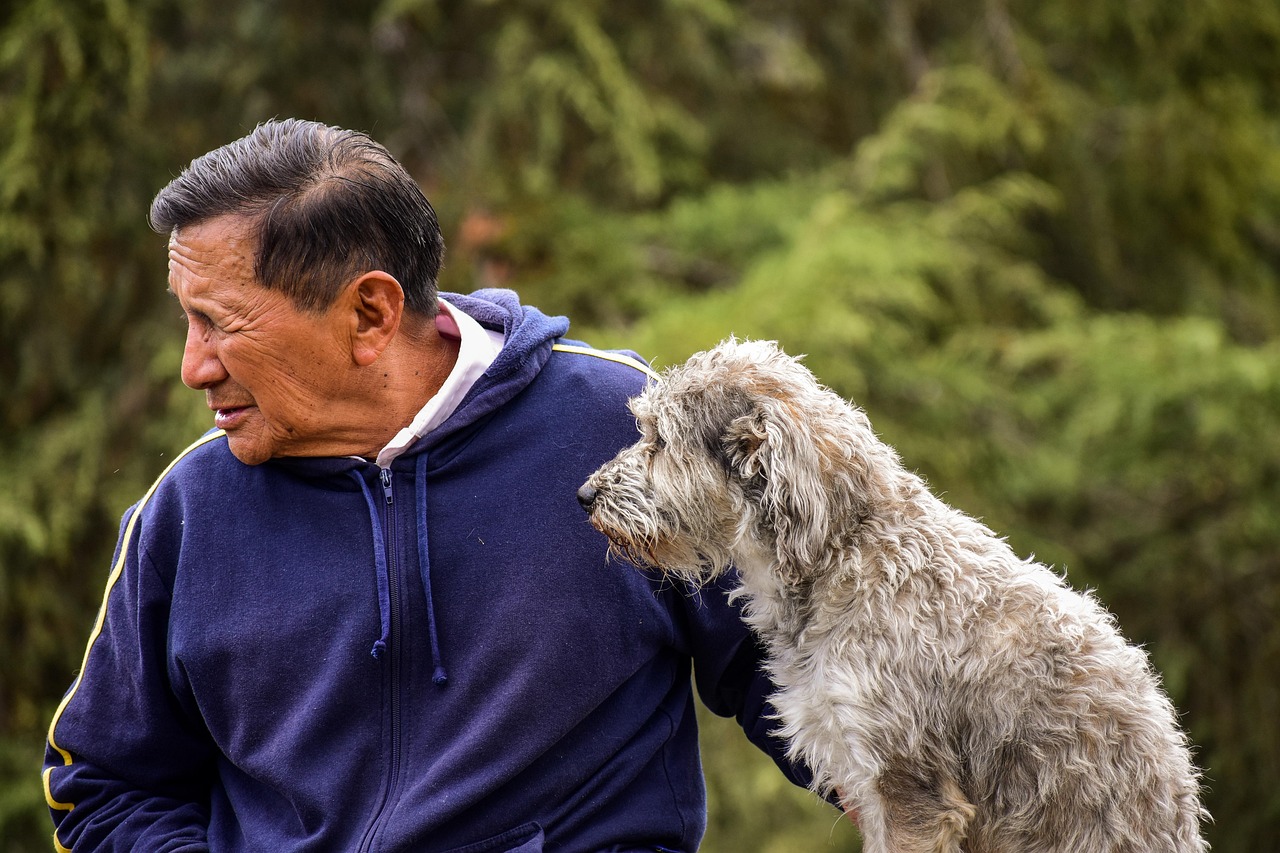
Both senior dogs and senior humans face increasing health challenges, but this shared experience creates understanding rather than burden. Dogs are similar to human beings in that as we age, the risk of certain diseases ranging from arthritis to cancer to decreased cognitive function goes up.
Senior dog owners are often more attuned to health changes because they’re experiencing their own. Studies show that older adults often report their pets help them cope with physical or emotional symptoms and can help take their mind off of pain. They understand medication schedules, the importance of regular check-ups, and the need for gentle exercise.
The health benefits flow both ways too. Dog owners have lower blood pressure and healthier cholesterol levels, and a lower risk of heart disease, than non-owners. Senior owners often find that caring for their aging dog motivates them to maintain their own health routines.
There’s something deeply comforting about having a companion who doesn’t judge when you move slowly or need extra rest, but instead settles down beside you with complete understanding.
They Both Appreciate Quality Over Quantity
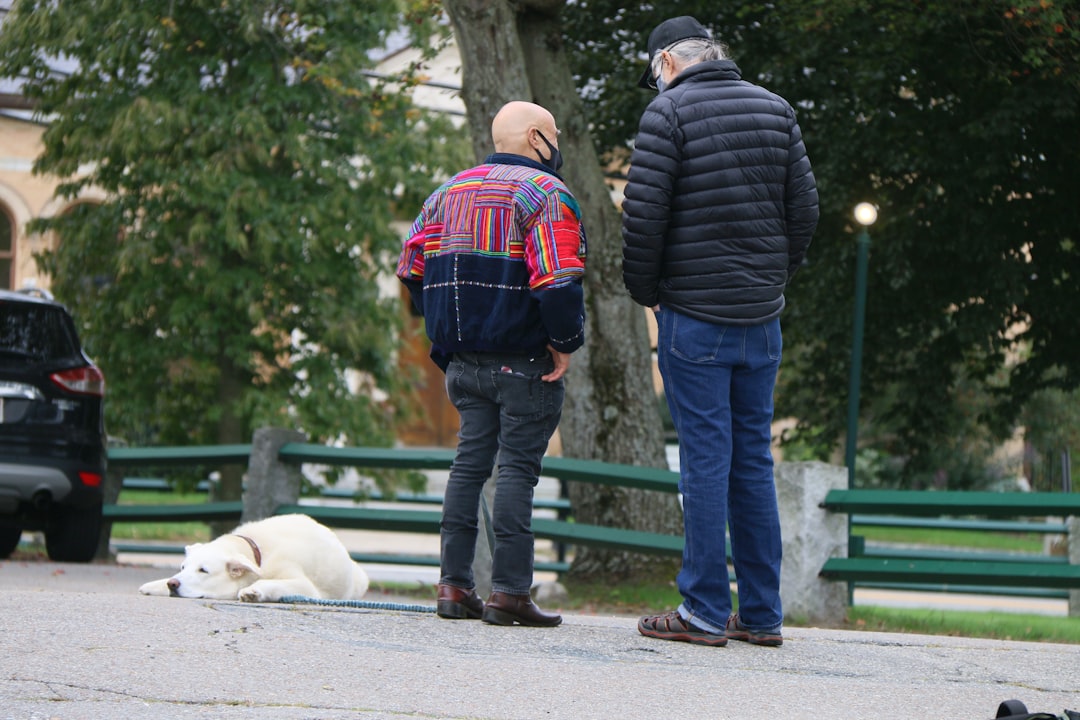
Senior dogs and their elderly owners have learned that meaningful connections matter more than endless activity. The bonding process with senior pups is truly no different than bonding with a younger dog, it just has a little less activity and a whole lot more cuddling.
They’ve both reached a stage where a quiet evening together holds more value than a packed social calendar. At the end of the day, or after an outing, many dogs just want to snuggle and take a good snooze. The senior human feels exactly the same way.
This shift toward valuing peaceful companionship over constant stimulation creates an incredibly deep bond. They are highly appreciative of the care and affection they receive and usually show it with frequent cuddles, licks, and closeness. Neither takes the other’s presence for granted.
The simple act of being together becomes enough, whether that’s watching television, sitting on the porch, or just enjoying each other’s company in comfortable silence.
They Provide Mutual Emotional Support
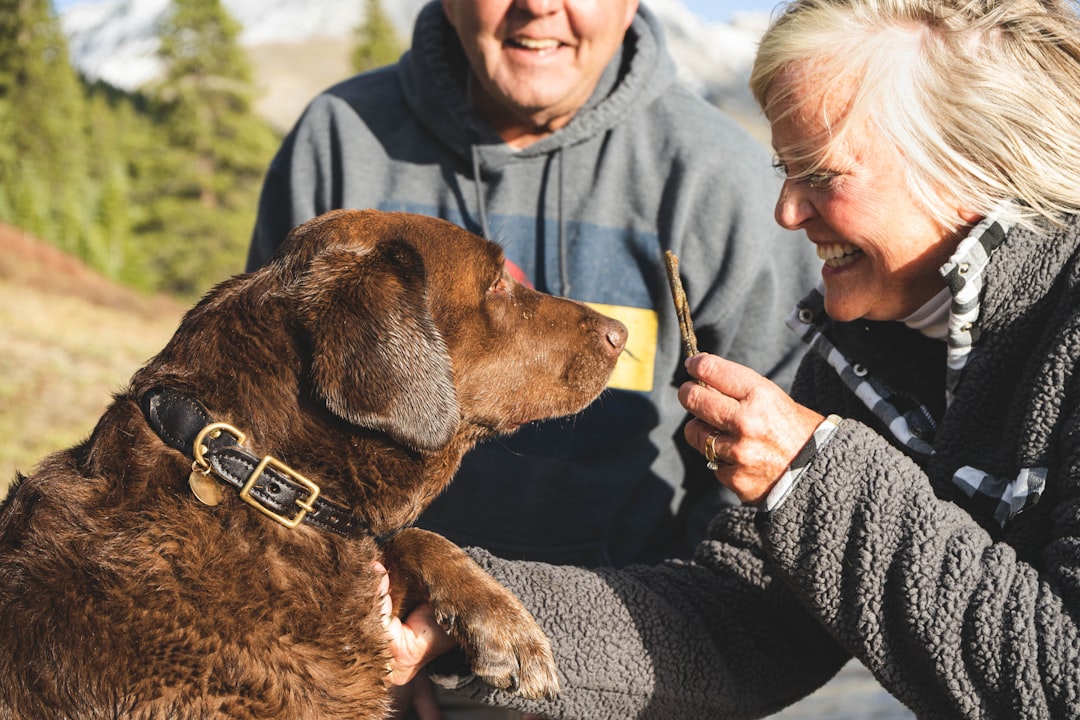
Senior dogs seem to possess an almost supernatural ability to sense when their elderly owners need comfort. Pets are often intimate companions for many elderly people. They help them fight off loneliness and solitude and continue their activity.
The emotional support flows both directions. Dogs can provide comfort, purpose, and relieve stress and anxiety. This is especially true of older dogs who are often more appreciative of the affection they receive. Senior dogs who may have experienced abandonment or multiple homes find incredible security in a patient, understanding senior owner.
The therapeutic value of this relationship cannot be overstated. Research has found that older adults who own pets report significantly lower levels of loneliness compared to older adults who don’t have pets. Both species benefit from having someone who truly needs them.
In moments of grief, illness, or simply the melancholy that can accompany aging, they offer each other a kind of wordless understanding that younger, more energetic partnerships often lack.
They Create a Perfect Circle of Care
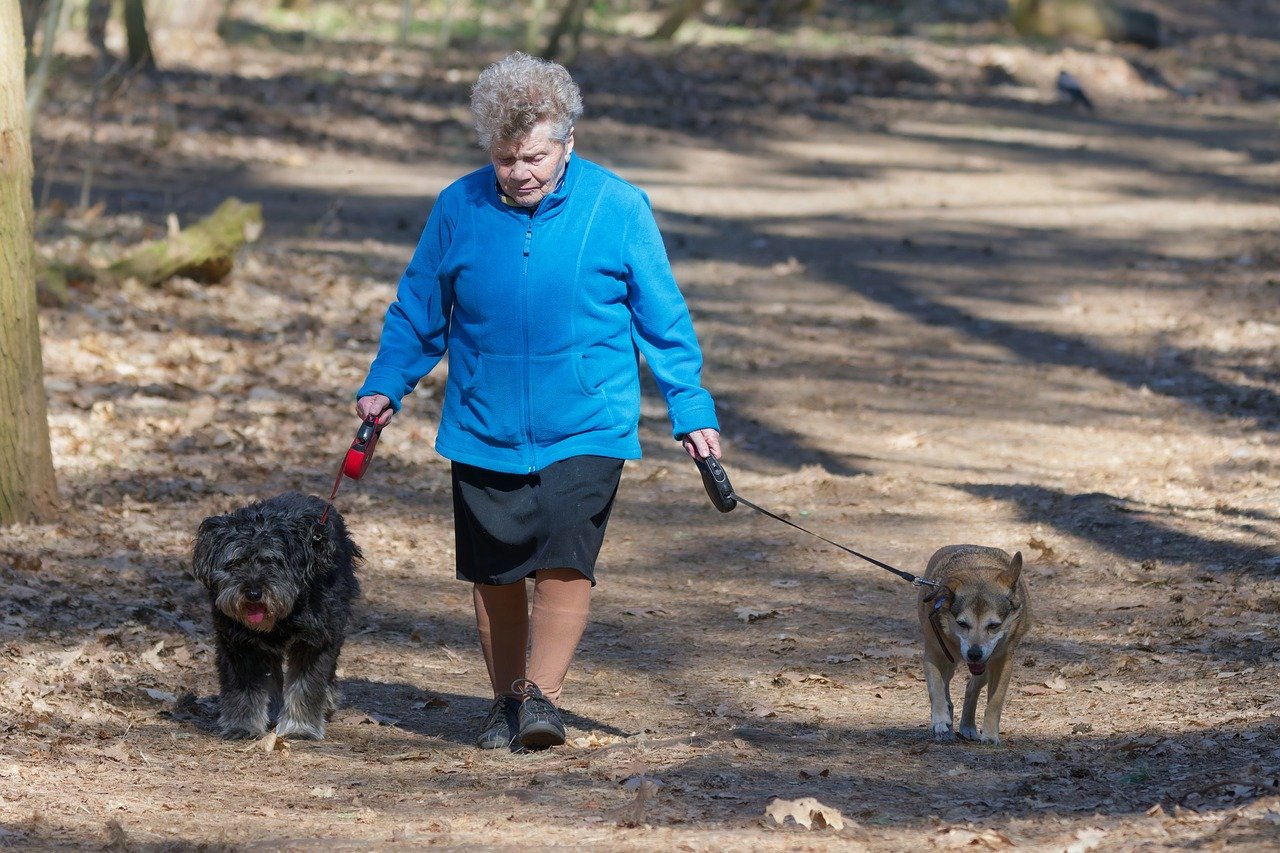
The relationship between senior dogs and senior humans creates a beautiful cycle of mutual care and purpose. Dogs give a certain meaning to their lives, since the task of caring for a dog also means a great responsibility. This sense of being needed provides enormous psychological benefits for elderly people who may feel less useful after retirement.
Senior dogs, having experienced the uncertainties of aging or possibly shelter life, find incredible security in being cherished by someone who truly understands their needs. Elderly dogs can almost instantly bond with you, as they see you as a lifesaver, and are eager to bond and settle into their new, loving home.
The care they provide each other goes beyond basic needs. It is learning exactly what their body and mind need and providing the opportunity for them to age gracefully and feel their best. They become each other’s advocates, companions, and sources of joy.
This partnership often becomes one of the most meaningful relationships in both their lives, characterized by unconditional acceptance, shared understanding, and mutual respect for the journey they’re taking together.
Conclusion
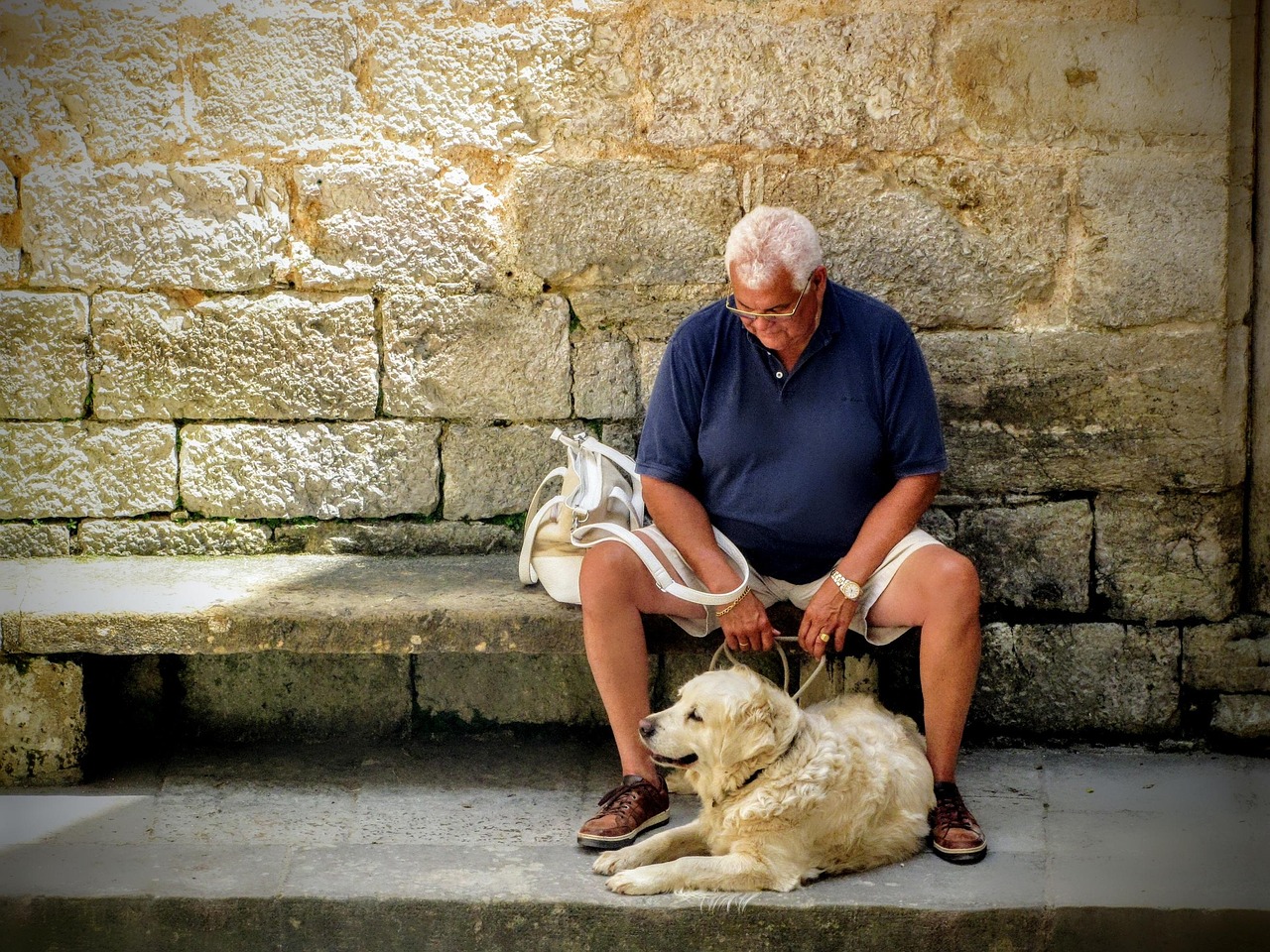
The bond between senior dogs and senior humans represents one of nature’s most perfectly matched partnerships. They understand each other’s rhythms, respect each other’s limitations, and find joy in simple pleasures. Both have earned the right to move at their own pace, value comfort over chaos, and appreciate the profound gift of patient, unconditional companionship.
In a world that often values youth and energy above all else, these golden partnerships remind us that wisdom, understanding, and gentle love can create the deepest connections of all. What do you think about the special bond between senior dogs and senior humans? Tell us in the comments.


