
Finding the right canine companion for your golden years can feel like searching for the perfect dance partner. You want someone who matches your rhythm, shares your energy level, and brings joy without overwhelming your daily routine. Some dogs seem born to be senior companions, content with gentle walks and cozy afternoons. Others possess so much energy and determination that they could power a small city.
Whether you’re considering your first dog as a senior or looking to add another furry friend to your family, understanding breed temperaments makes all the difference. Let’s explore the breeds that embrace the senior lifestyle and those that might leave you breathless trying to keep up.
The Cavalier King Charles Spaniel: Your Gentle Shadow
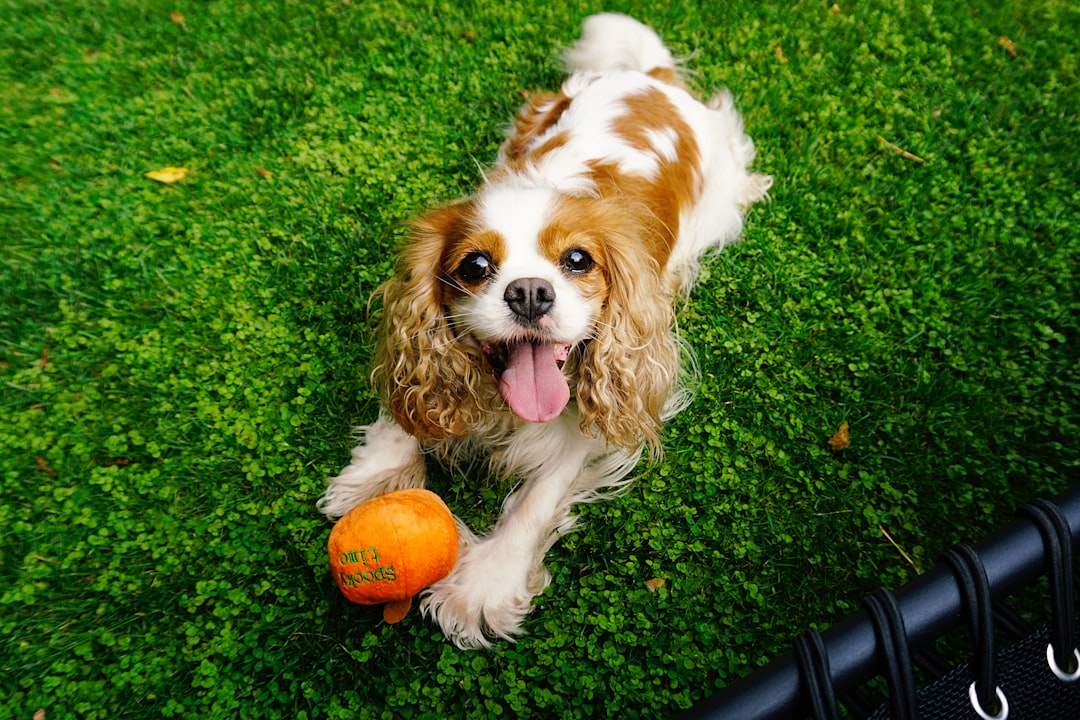
Picture a dog who believes the perfect day involves snuggling on the sofa with occasional breaks for leisurely strolls. The Cavalier King Charles Spaniel is one of the best small dogs for older adults. These dogs are gentle, affectionate, and love spending time with their owners. While they enjoy walks and playtime, they do not have high exercise requirements, making them suitable to individuals who cannot commit to long periods of activity.
The Cavalier King Charles spaniel is also a good option, she says; they are a toy breed that can range from small to medium size, and they have fewer grooming needs than the cocker spaniel. Their sweet disposition means they’re equally happy greeting your grandchildren or settling in for a quiet evening. Rhoads says they require low exercise and are “happy to cuddle for a big portion of the day.”
The French Bulldog: Apartment Living Champion
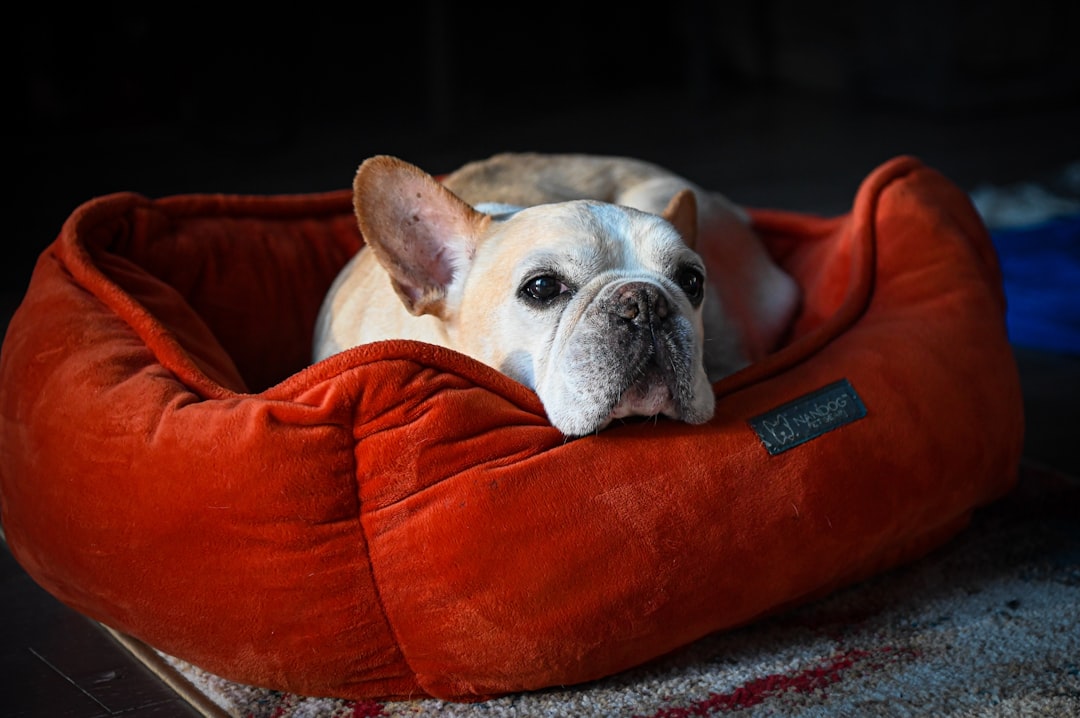
French Bulldogs have earned their popularity for good reason, especially among seniors seeking companionship without chaos. The French Bulldog breed standard describes them as: “Well-behaved, adaptable, and comfortable companions with an affectionate nature and even disposition; generally active, alert, and playful, but not unduly boisterous.” They dont bark a lot, so they can be good apartment dwellers.
Also called the “Frenchie,” the joyful French Bulldog is easy to care for (and please!), making them a great fur pal for an elderly individual. Their compact size and minimal grooming needs make them ideal for seniors who want maximum companionship with minimal maintenance. However, keep in mind that their flat faces can make them sensitive to extreme heat.
The Shih Tzu: Perfectly Content Companion
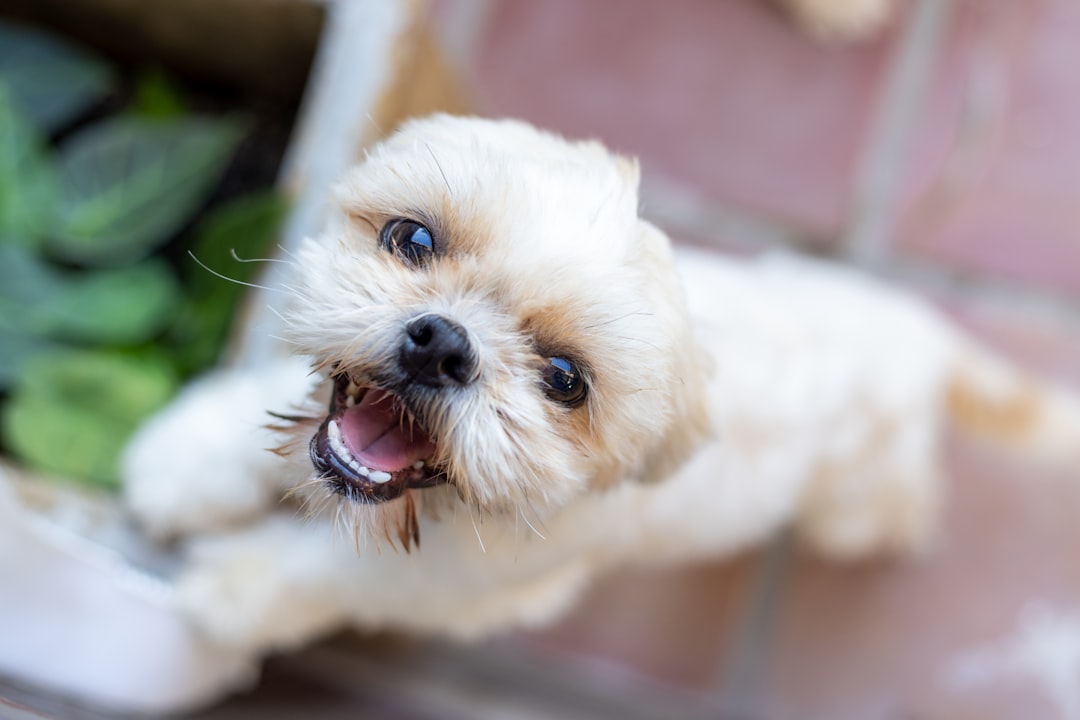
If loyalty had a four-legged ambassador, it would be the Shih Tzu. A solid little dog weighing up to 16 pounds, the Shih Tzu requires minimal exercise and is content living in apartments, so long as you’re there, too. Shih Tzu owners say the breed is “happy, even-tempered, and eager to please,” and they get along well with other dogs and with children.
Shih Tzus are great companion dogs for seniors thanks to their low-to-moderate energy and small size. These happy-go-lucky dogs are affectionate and gentle enough to be around children and the elderly. They do well with short walks, which can help keep your loved one more active. Their main requirement is regular grooming, though many owners opt for shorter “puppy cuts” to simplify maintenance.
The Pug: Small Size, Big Personality
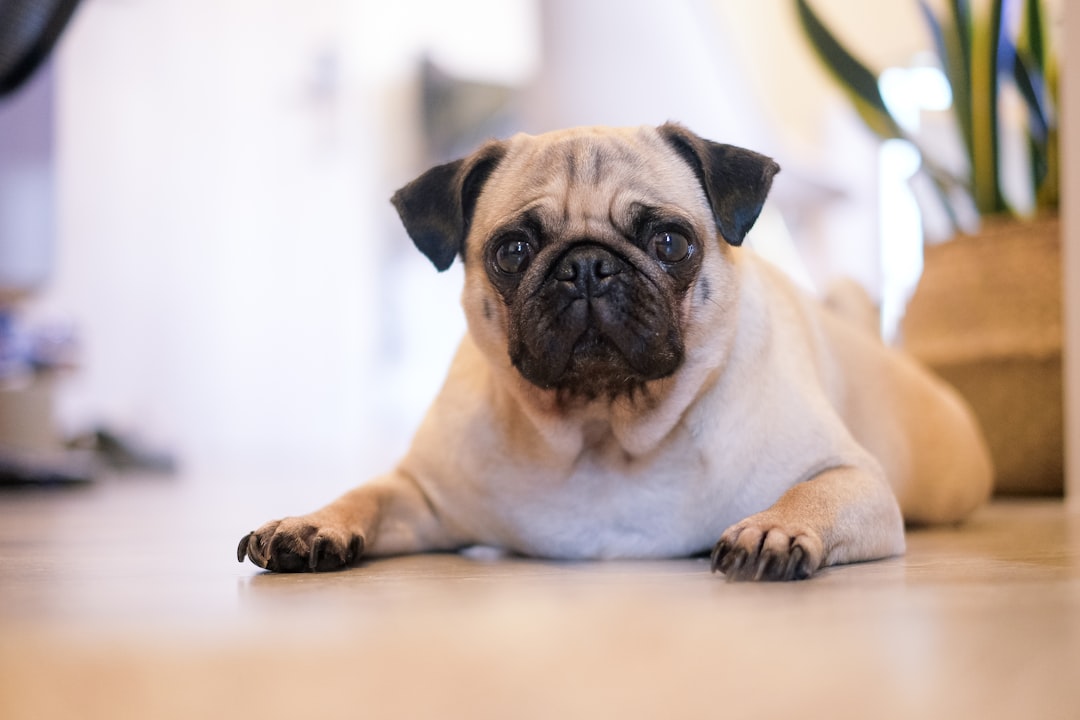
Centuries ago, the emperors of China loved their Pugs. The short-haired, muscular, 14-to-18-pound dogs were bred to be companions with even temperaments. These charming little characters bring endless entertainment without demanding marathon exercise sessions. Brief strolls and short indoor or outdoor play sessions are sufficient for the laidback Pug.
Their wrinkled faces require regular cleaning, and they do shed considerably throughout the year. Yet their easygoing nature and adaptability to various living situations make them wonderful senior companions. They’re equally content with apartment living or homes with yards, as long as they’re near their favorite humans.
The Havanese: Cuba’s Gift to Senior Living
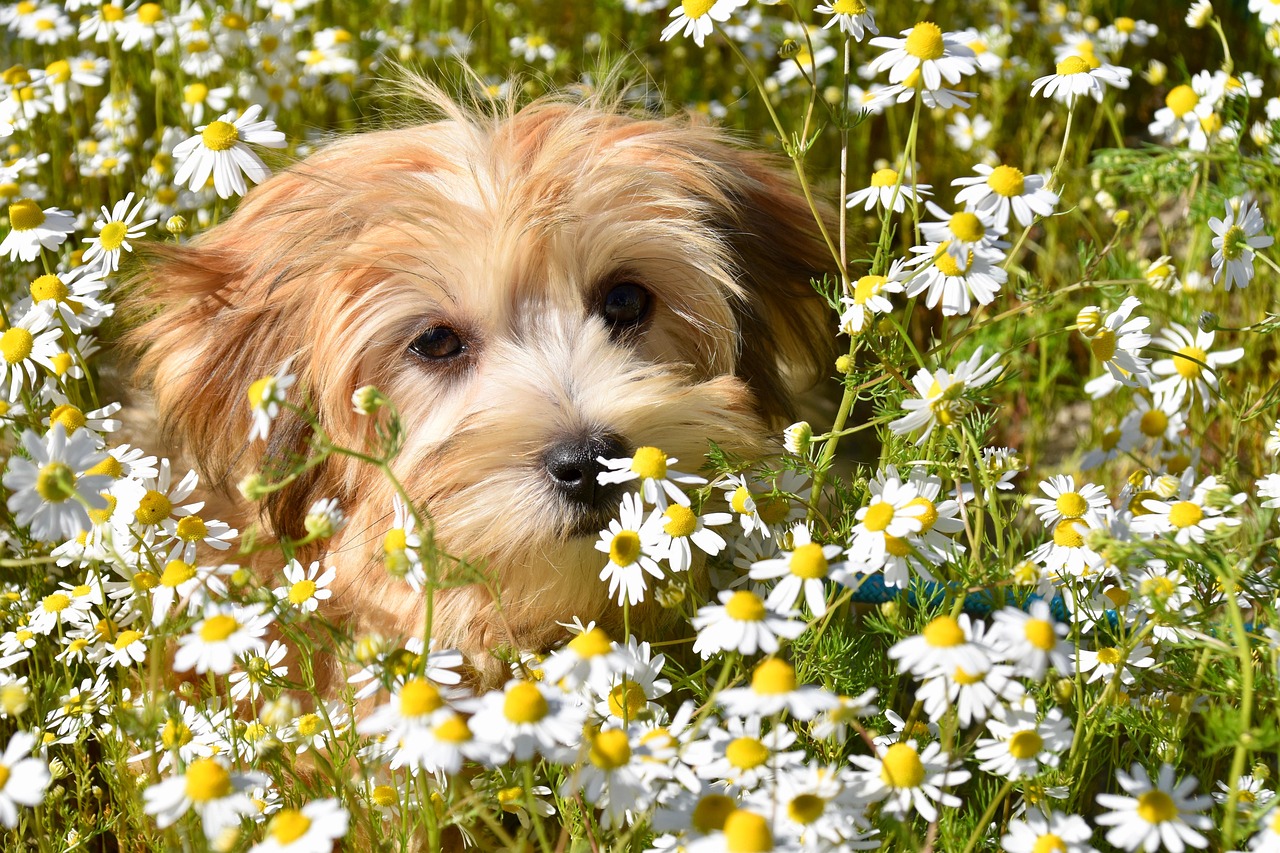
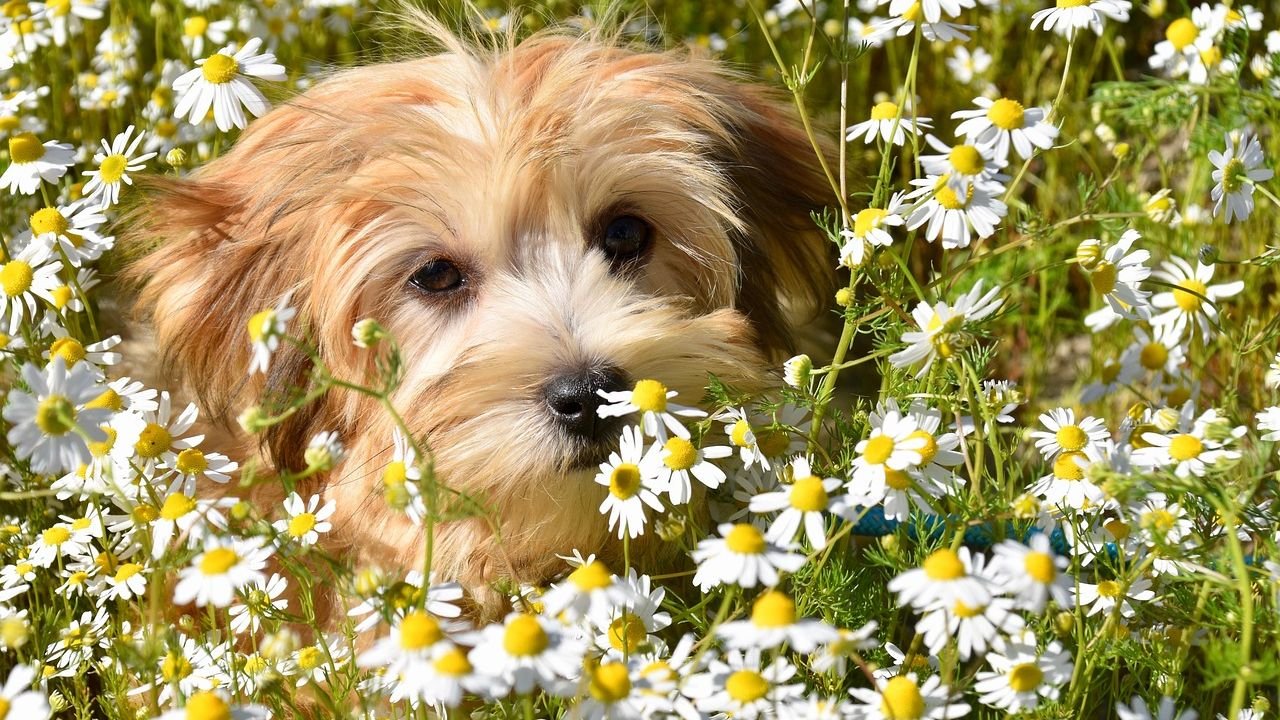
The only breed native to Cuba, the Havanese is a cheerful, quiet little dog described as “happy, loving, intelligent, social, and accommodating” by the breed club. They’re content to stay inside and snuggle with their humans and will play patiently with children. Havanese don’t require much exercise but are happy to take occasional short walks.
Havanese are one of the most charming dogs. They are sociable, friendly, and highly trainable. Their miniature size and moderate exercise needs make them perfect for older people. Their main drawback is their beautiful coat, which requires regular brushing to prevent matting, though professional grooming can help manage this responsibility.
The Border Collie: Einstein with Endless Energy
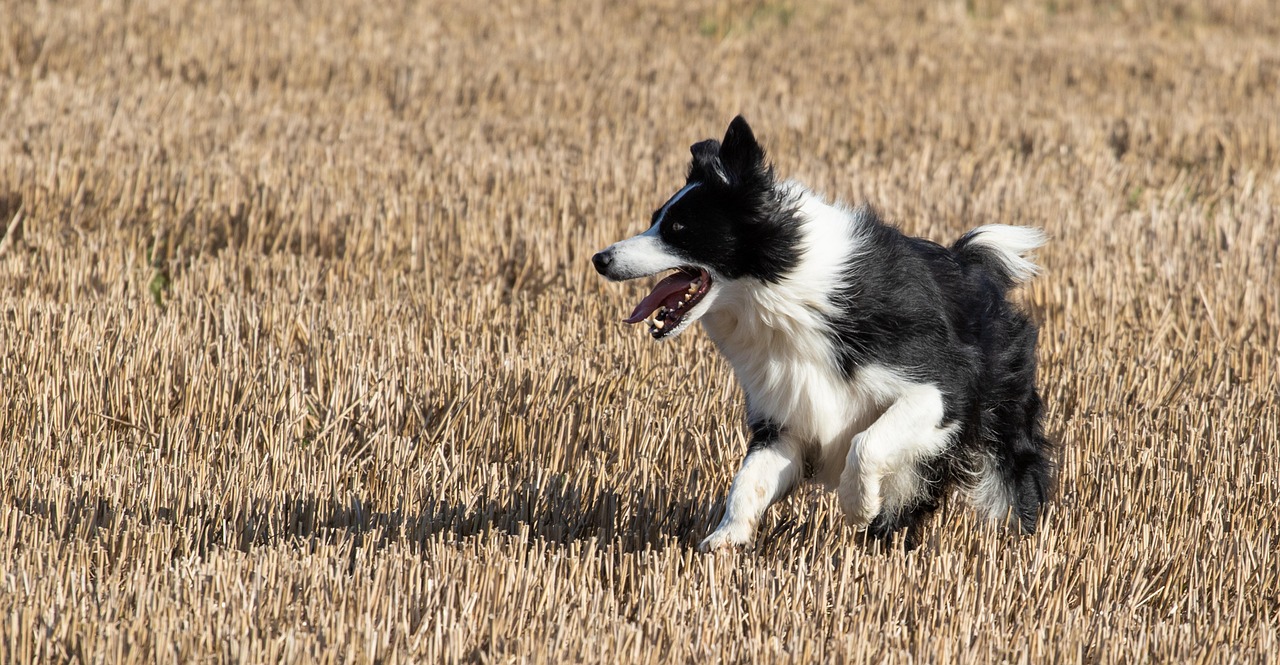
While Border Collies are undoubtedly brilliant, their intelligence comes with demands that can exhaust even the most dedicated senior. Known for their intelligence and high energy, Border Collies require extensive exercise and mental stimulation. Without enough activity, they can become bored and exhibit destructive behaviors, which might be overwhelming for some seniors.
Border Collies are highly energetic and intelligent dogs, often considered the most active of all breeds. They require regular intellectual stimulation and vigorous exercise, which may be too demanding for some seniors. These dogs were bred to work all day herding sheep, and retirement isn’t in their vocabulary. These examples show off the athleticism of the Border Collie breed. Owners of these dogs should be active and able to keep up with these energetic canines. Long daily walks and hours of playtime are needed to keep this breed from getting bored.
The Siberian Husky: Beautiful but Demanding
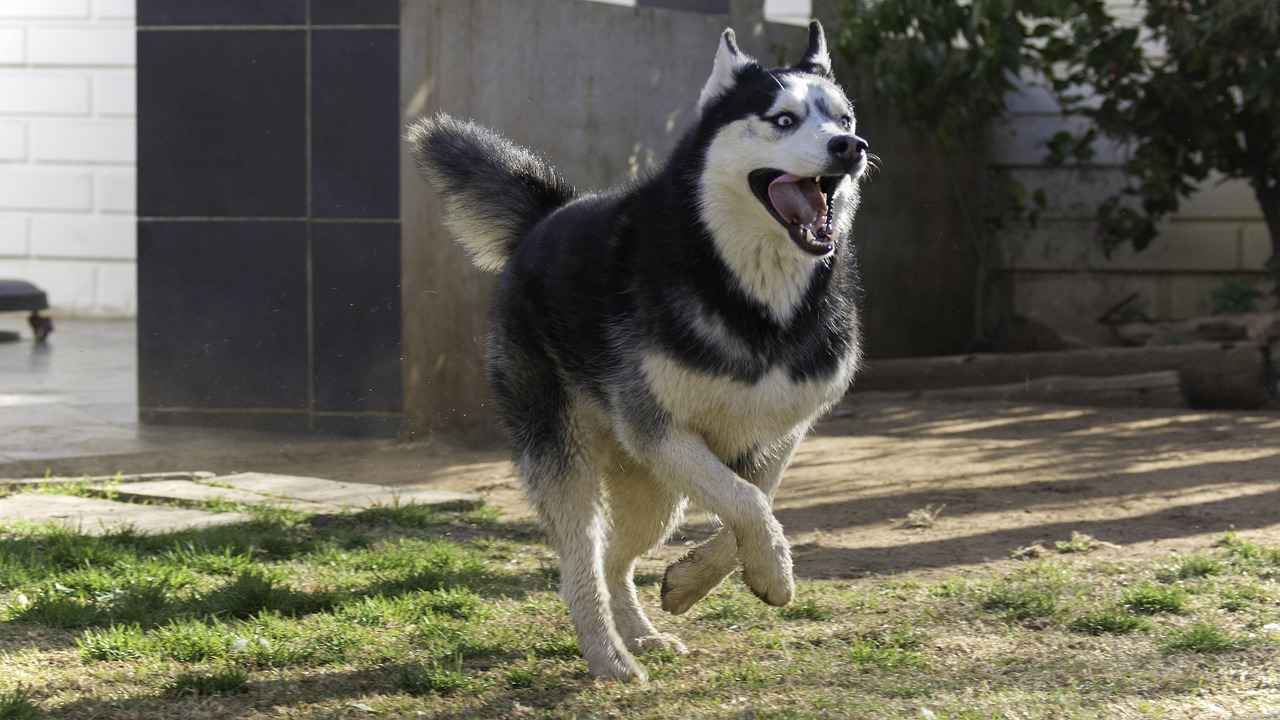
Huskies possess stunning beauty and friendly personalities, but they’re basically four-legged marathon runners who never retire. Siberian Huskies are known for their beauty and friendly demeanor, however, their high energy levels and need for extensive exercise can make them a challenging choice for seniors. Huskies require a lot of physical and mental stimulation to stay happy and healthy.
Huskies are large, energetic, high-strung firecrackers – and that should say enough about how they pair with seniors. If you are looking for a relaxation buddy, this dog will never give you rest. Huskies require mental and physical stimulation every day, and if they don’t get it, bad things happen. Their thick double coats also require regular grooming, adding to their maintenance demands.
The Jack Russell Terrier: Small Dog, Enormous Attitude
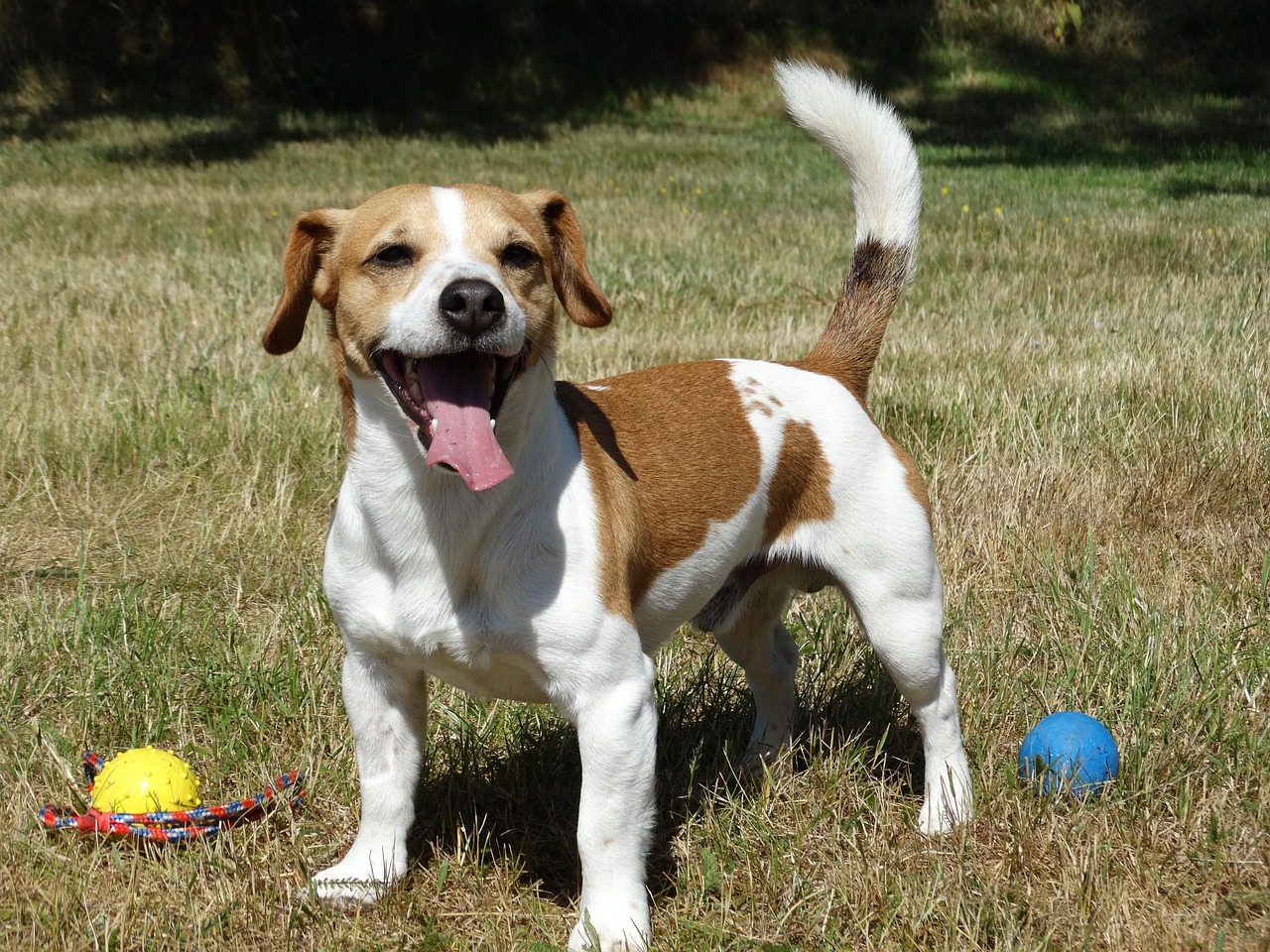
Don’t let their compact size fool you into thinking Jack Russells are laid-back lap dogs. Don’t let their small size fool you; Jack Russell Terriers are incredibly energetic and require a lot of exercise and mental stimulation. They can be a handful to train and manage, which might be challenging for less active seniors.
Jack Russell Terriers are peppy little dogs that are continuously on the move. They have huge personalities, always testing the limits and acting unruly. Because of their intense nature, they might be a little overwhelming for certain seniors to handle. These terriers were bred to hunt foxes, and they approach life with that same relentless determination. They’re also notorious diggers and escape artists, requiring constant supervision.
The German Shepherd: Loyal but Large
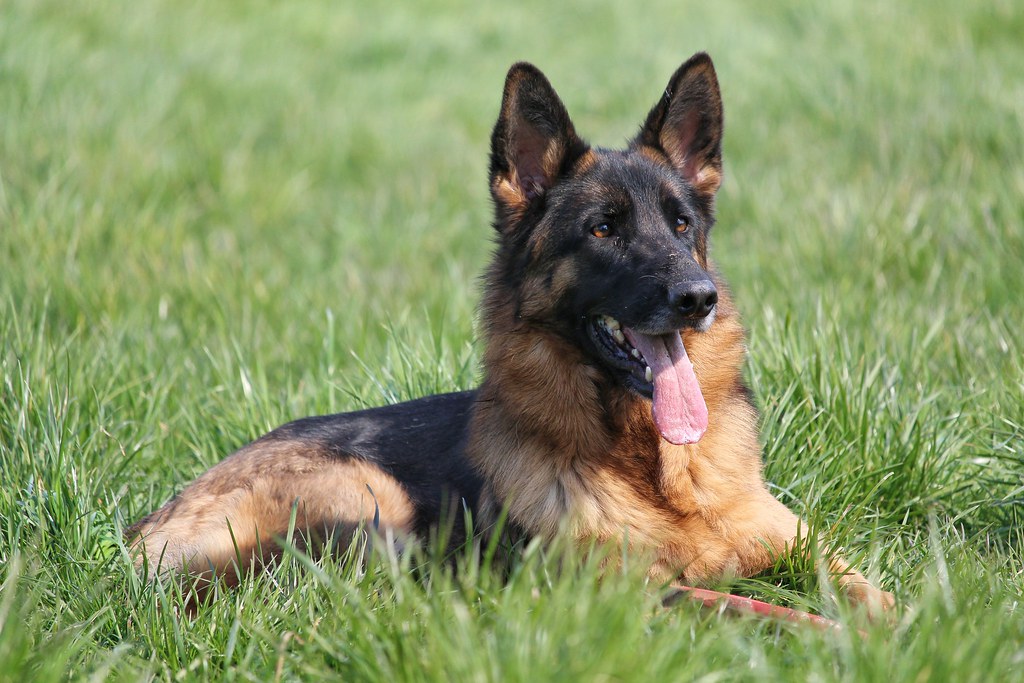
German Shepherds inspire devotion with their intelligence and loyalty, but their needs can overwhelm seniors seeking quieter companionship. While loyal and protective, German Shepherds are large and can be intense. They require a lot of exercise, mental stimulation, and training. Their size and strength might make them difficult for some seniors to handle comfortably.
This active breed requires exercising for a minimum of two hours daily. These dogs are athletic in nature and want to keep active beyond one daily walk. As a herding dog, they need tasks to keep them busy. Additionally, their constant shedding creates a year-round cleaning challenge that can become exhausting for older adults.
The Boxer: Playful Powerhouse
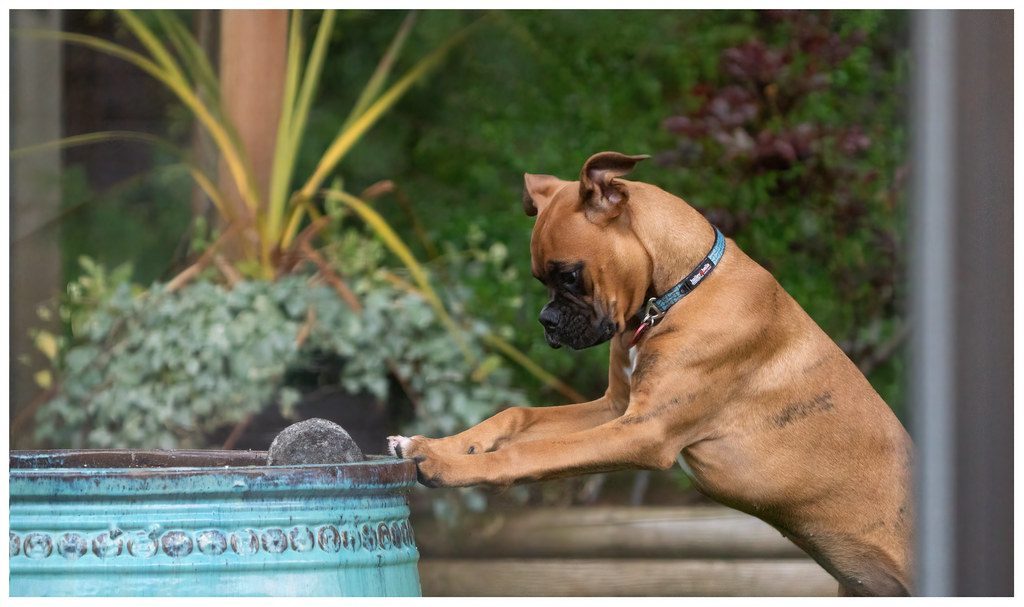
Boxers possess hearts full of love and bodies full of boundless energy, creating a combination that can overwhelm seniors. Boxers are wonderful family dogs, but they do have boundless energy. Because of their vitality, they can be challenging for older people to deal with. Puppy years are the worst when it comes to energy.
However, untrained Boxers are known for pawing and jumping behavior, which can cause accidental falls. Since these dogs are large and athletically built, they can be boulders when they want to be. Their playfulness can be a lot to take in, especially if they haven’t learned to control it yet. While older Boxers may mellow somewhat, their size and strength require confident handling that can be challenging for seniors.
Finding Your Perfect Match
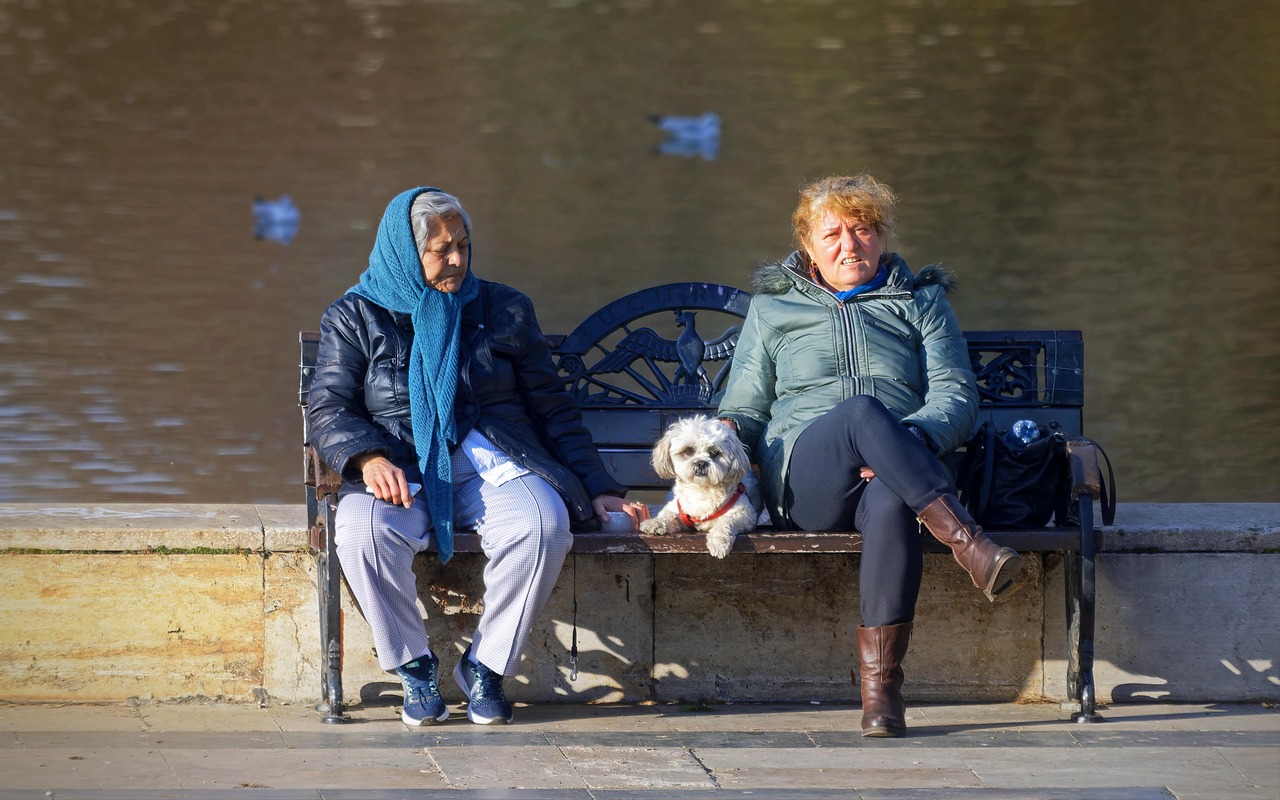
Choosing the right dog for your senior years involves honest reflection about your lifestyle, energy level, and future plans. However, not every dog is the right fit for every senior. It’s essential to choose a breed that matches the person’s energy level, living space, and lifestyle. A thoughtful choice means less stress and more quality time to enjoy the deep, healing bond between human and dog.
Consider adopting an older dog rather than a puppy. Osborne says adopting a senior dog (age 7 and older) may be a great move for older adults, since puppies may be a lot of work. She says senior dogs, many of which are surrendered to shelters and rescues “for the wrong reasons,” are typically already house-trained, spayed or neutered, and have many of the vaccines that are necessary to get as a puppy.
The companionship of the right dog can enrich your golden years immeasurably. Choose wisely, and you’ll find a faithful friend who matches your pace while adding joy, purpose, and unconditional love to every day. What kind of companion are you hoping to find?


