
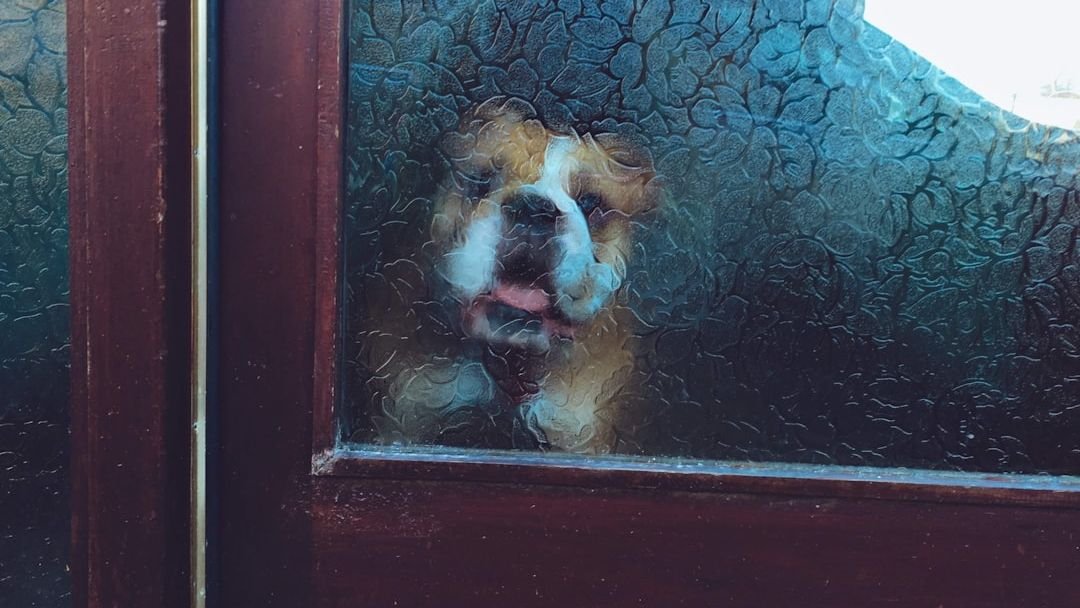
Your four-legged companion sits by the front door once again, gazing intently at the wooden barrier that separates home from the outside world. This familiar scene plays out countless times across households everywhere, yet many pet owners never fully grasp what this behavior actually represents. The truth is, when dogs position themselves by doorways, they’re communicating complex messages about their emotional state, their needs, and their deep connection to you.
Understanding the motivations behind this seemingly simple behavior reveals fascinating insights into canine psychology. From separation anxiety to protective instincts, from basic bathroom needs to territorial displays, door waiting encompasses a surprisingly broad spectrum of canine emotions and behaviors. Let’s dive into the real reasons why your dog might be camping out by your entrance, and what you can do to better understand and address their needs.
The Language of Longing: Separation Anxiety and Attachment
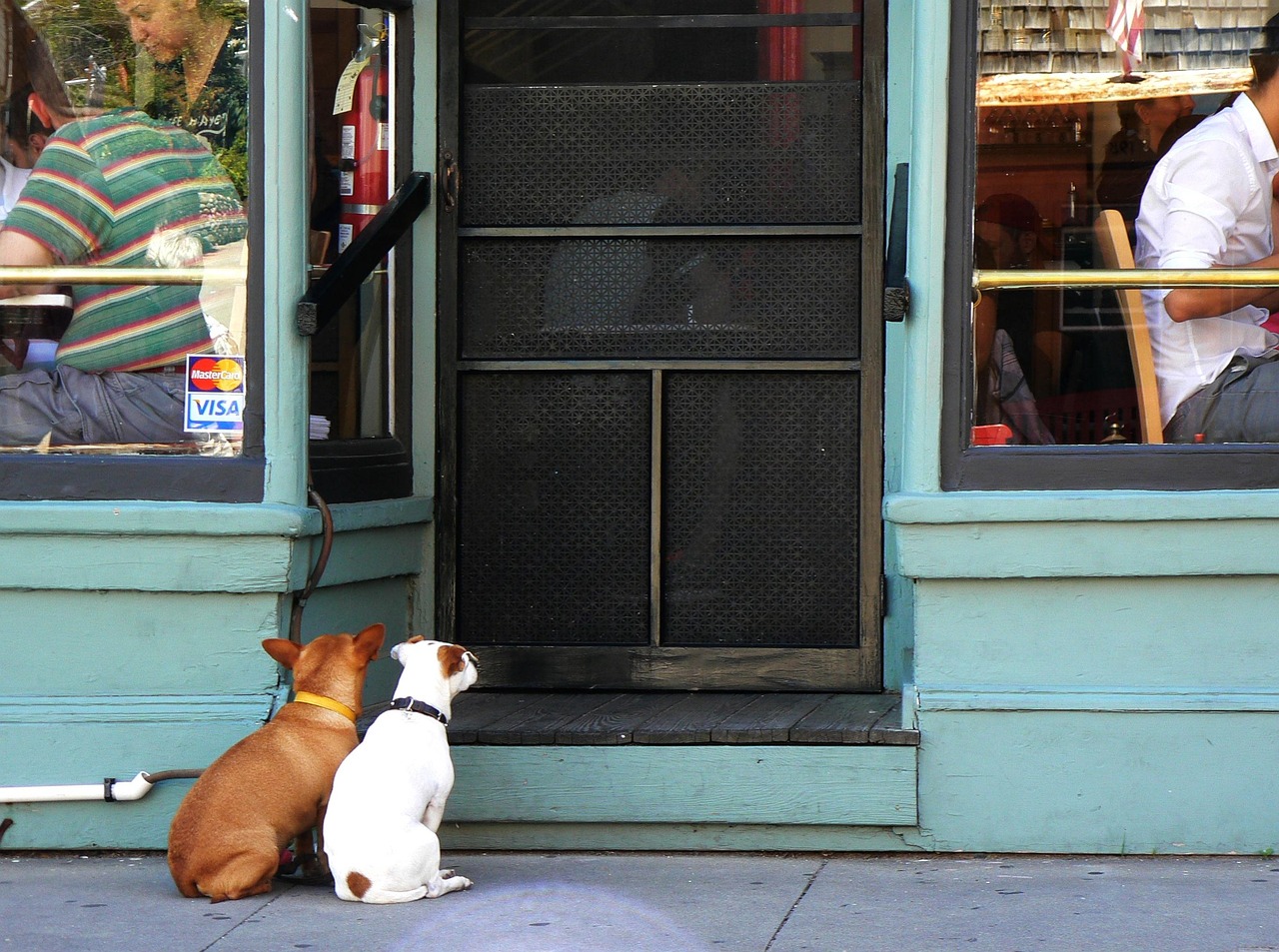
When your dog sits by the door due to separation anxiety, they might miss someone they care about. If your dog only sits by the door when you or someone you live with is out of the house, this is probably the reason. The reason a dog will sit by the door when she misses someone is straightforward – it was the last place she saw them, so that’s where she expects to see them next.
If your dog follows you around the house, waiting at the shower and bathroom door, you are most likely dealing with an anxious dog. In that instance, his waiting by the door is more his way of showing his appreciation for you in general rather than being anxious until you return.
This behavior often develops gradually, creating a deeply ingrained pattern where your dog associates the door with your presence and absence. The emotional bond between dogs and their humans runs incredibly deep, making the waiting behavior both touching and heartbreaking to witness.
Nature’s Call: The Universal Need for Bathroom Breaks
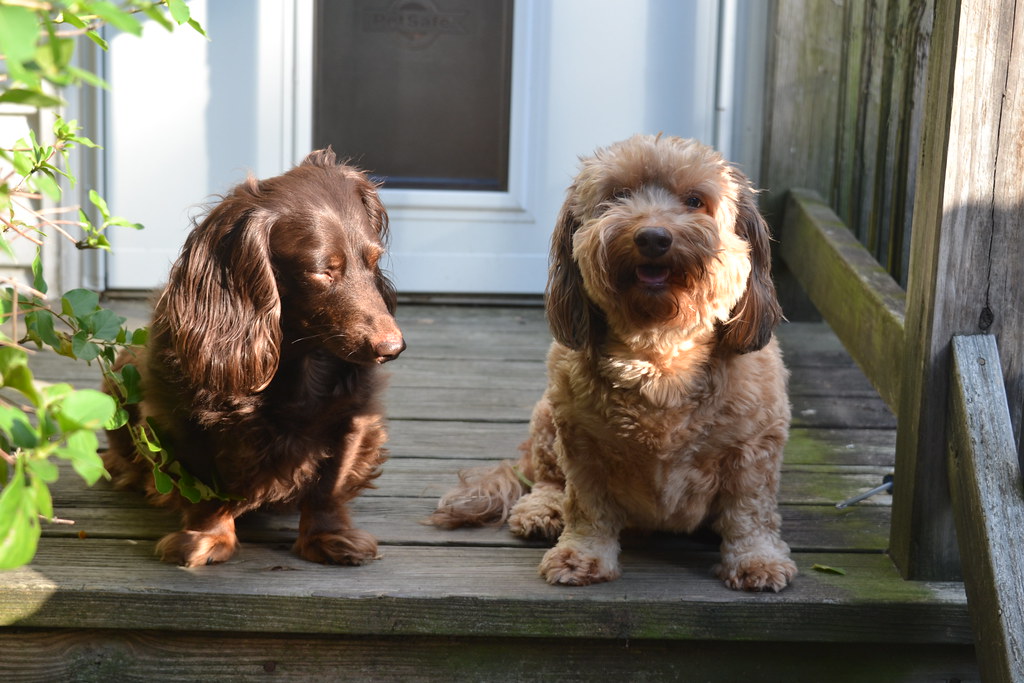
House trained dogs know not to go potty in the house, but they don’t always know a lot of ways to communicate their need to use the bathroom. Scratching the door, circling by the door, or walking between you and the door are pretty obvious signs that she needs to use the bathroom, but sometimes she might just sit at the door.
Even if it’s not anywhere near the time of her usual bathroom break, you should try letting your pup out to relieve herself if she seems particularly desperate, if she has notably bad gas, or if you notice she has drunk more water than normal. Dogs are remarkably good at holding their bladders when trained properly, making this quiet door sitting a polite request for relief.
Adventure Awaits: Exercise and Mental Stimulation Needs
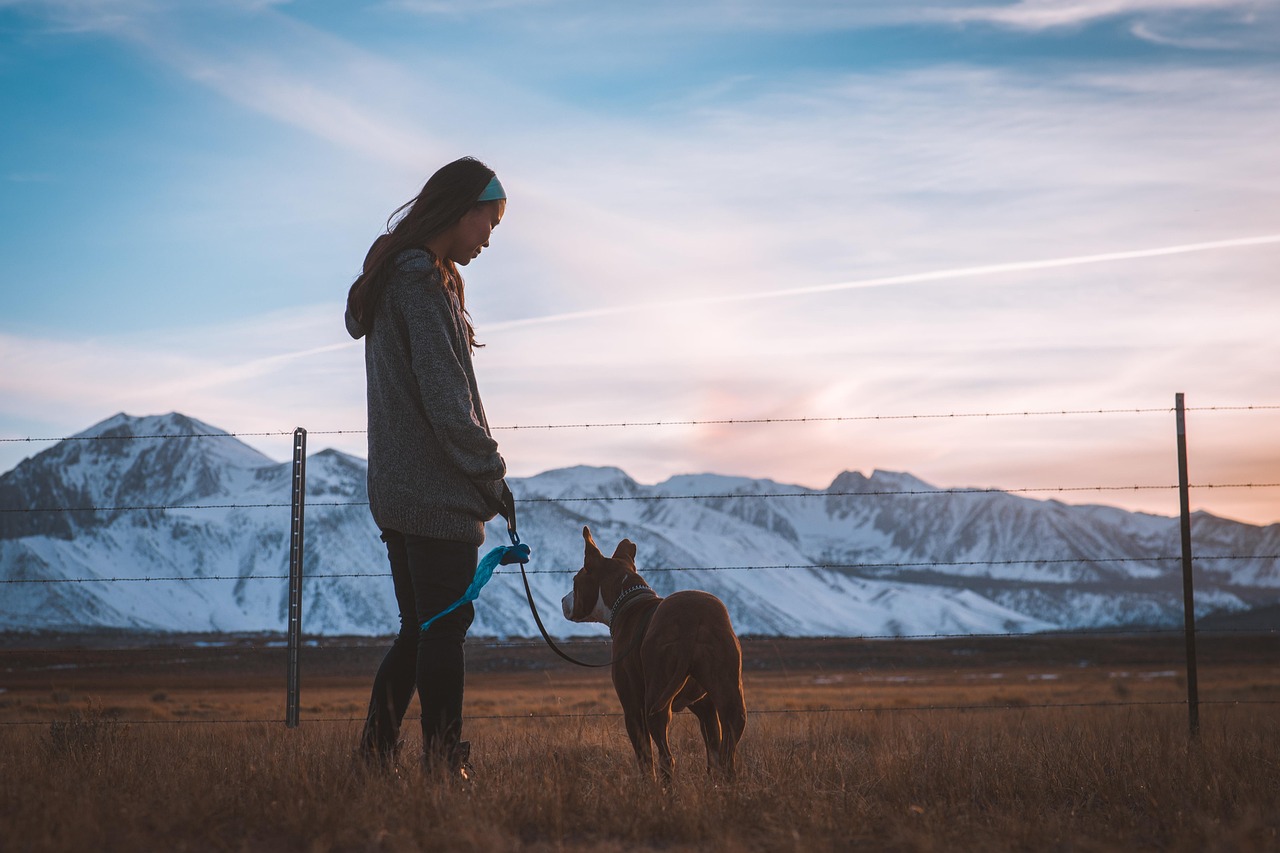
Whether he is waiting by the front door hoping to go on a walk or by the back door hoping to play, the chances are that he is bored inside and just dying to explore and get some exercise outside. Dogs often sit by the door when they don’t get enough exercise or want to play outside. So, you need to ensure that they are getting adequate exercise. Different breeds require different amounts of exercise, so talk to a vet about your dog.
Think of your home as a library to an energetic child. While safe and comfortable, it lacks the sensory richness and physical challenges that the outdoor world provides. Door waiting in this context becomes a gentle petition for adventure and engagement.
The mental stimulation aspect cannot be overstated. Dogs experience the world primarily through their incredible sense of smell, and the outdoors offers an ever-changing encyclopedia of scents that indoor environments simply cannot match.
Guardian Instincts: Protective Behaviors and Territorial Awareness
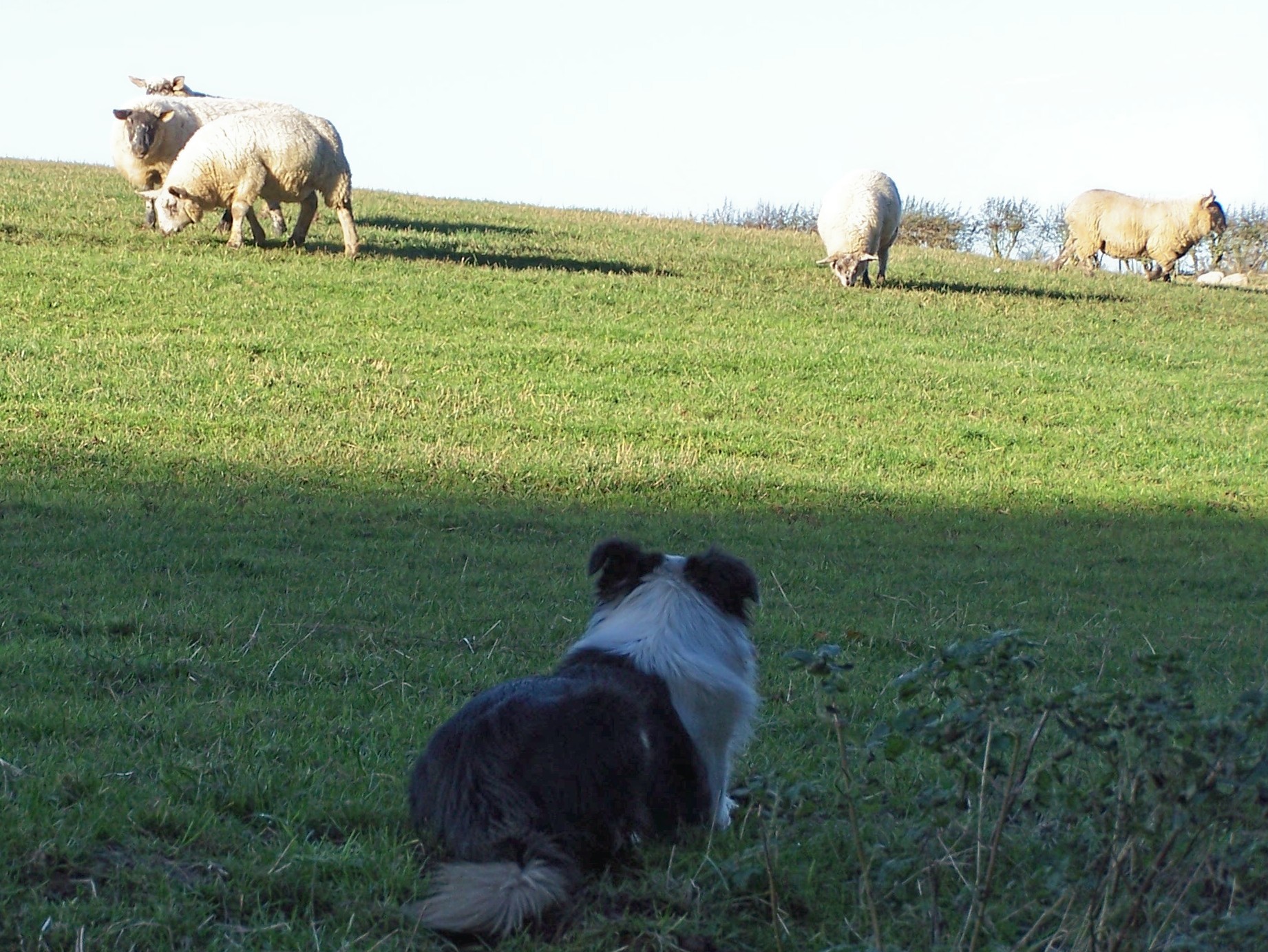
Some dogs are naturally protective. They sit by the door to protect you in the event of an intruder or another issue. Your dog likes to be right there, anticipating anything or anyone that could walk through the door. Trainers and behavioral theorists believe that this is one way in which your dog is establishing himself as a leader. In claiming a key place, an entrance, and an exit, he is holding reign. He is the gatekeeper and everyone needs his permission to come or go.
This protective positioning demonstrates your dog’s natural instincts inherited from their wolf ancestors. The doorway represents the most strategic location in your home for monitoring potential threats and controlling access to the family pack.
Sensory Overload: Following Scents and Sounds
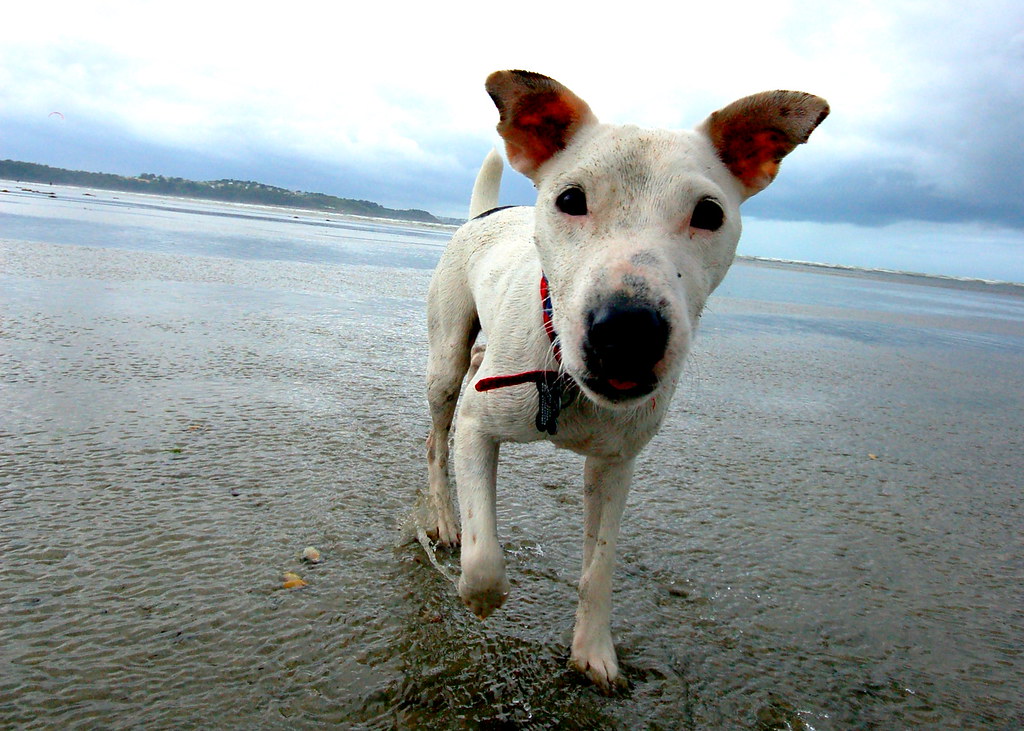
If they are at the door, they’re likely waiting for a knock or some other form of stimulation to get them going. Plus, if you have a slight draft coming in under your door, your dog is likely smelling all sorts of things on the outside. If you have a stray cat that comes onto your porch, an opossum that comes to steal your cat food, or another critter that loves coming close, your dog may simply want to investigate and find out more about this animal.
Her experience has probably shown that she can hear your car, the garage door opening, and the clang of your keys just before you get home; the door is one of the best places to hear these sounds. Dogs live in a world of sensory information that we humans barely comprehend, making the door area a fascinating hub of activity from their perspective.
Hormonal Drives: Mating Instincts and Natural Urges
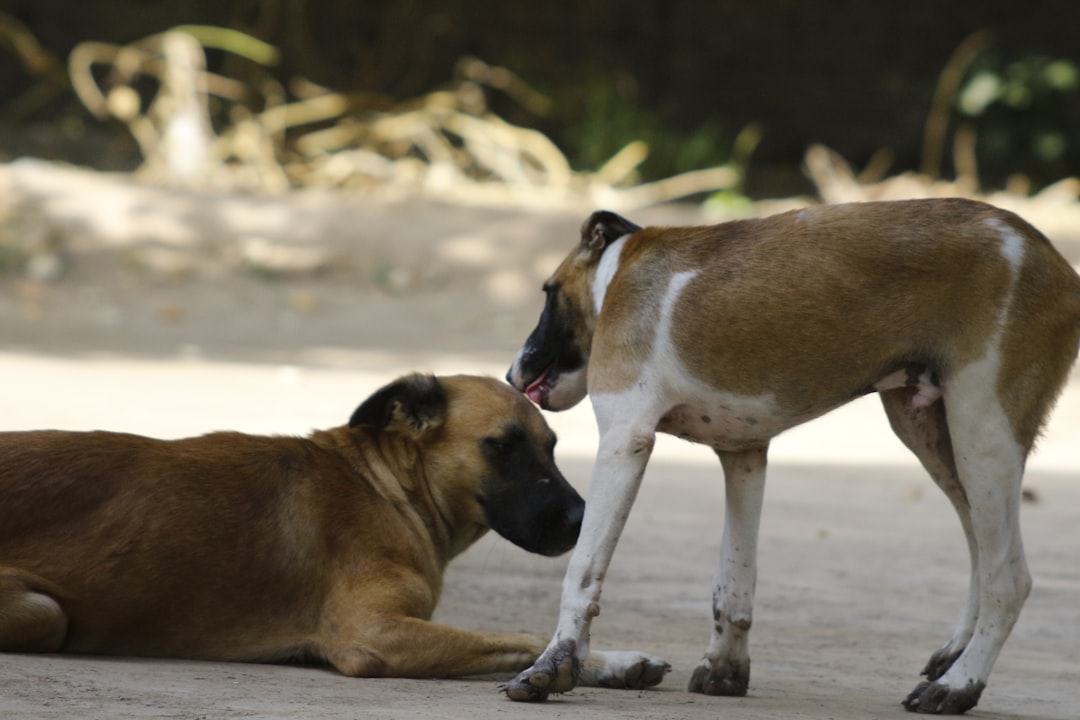
A dog’s hormonal impulses are extremely strong. A male dog can smell a female dog in heat from considerable distances, potentially miles away depending on wind and environmental conditions. If your dog is intact, that smell can drive him nuts, leaving him anxious to mate with her. Both intact males and females, when they hormonally feel the call to mate, may be anxious to get out into the world to find another dog to couple with for reproduction.
When this is the cause of the problem, you’ll probably notice that it only happens periodically and it should only last for a few days at a time. Neutering your dog can fix the problem, but otherwise, continue to keep your dog inside since male dogs have been known to dig under, climb over, and break through fences to get to a potential mate.
Reading the Signs: Body Language Clues at the Door
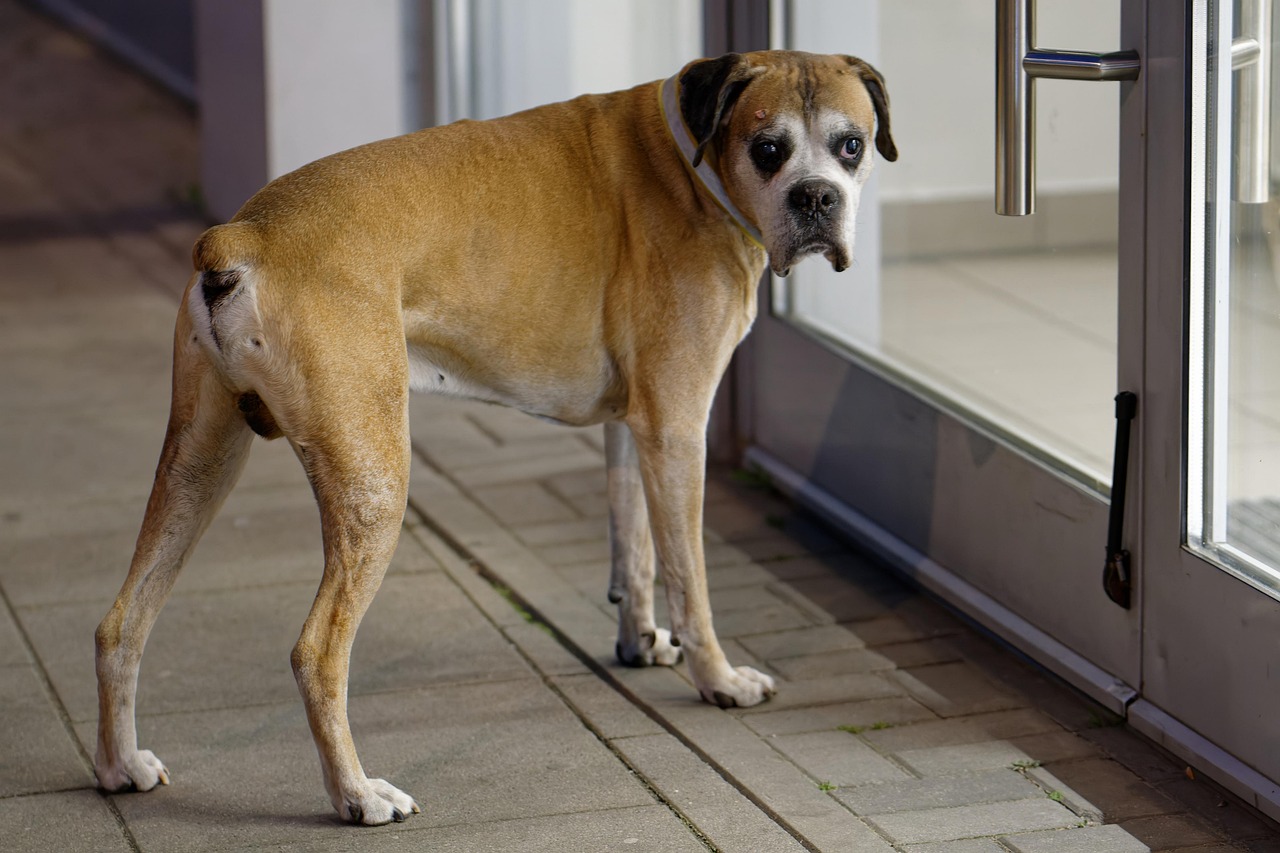
A dog is waiting near the door as his guardian returns home. As the door opens, the dog walks towards the person, with ears back and eyes slightly squinted. When your dog runs to greet you at the door, wiggly all over with a blissful smile from ear to ear, tail wagging, you just know they’re happy to see you.
No dog body language signals act alone. So, when you read a dog’s communication, look at every signal the dog is using from the tail height to the eye shape. Pay attention to whether your dog appears relaxed and hopeful or tense and anxious while waiting by the door.
Understanding these physical cues helps distinguish between a dog who simply wants to go outside versus one experiencing genuine distress. The difference lies in the subtle details of posture, facial expression, and overall demeanor that tell the complete story of your dog’s emotional state.
Training Solutions: Managing Door-Waiting Behavior
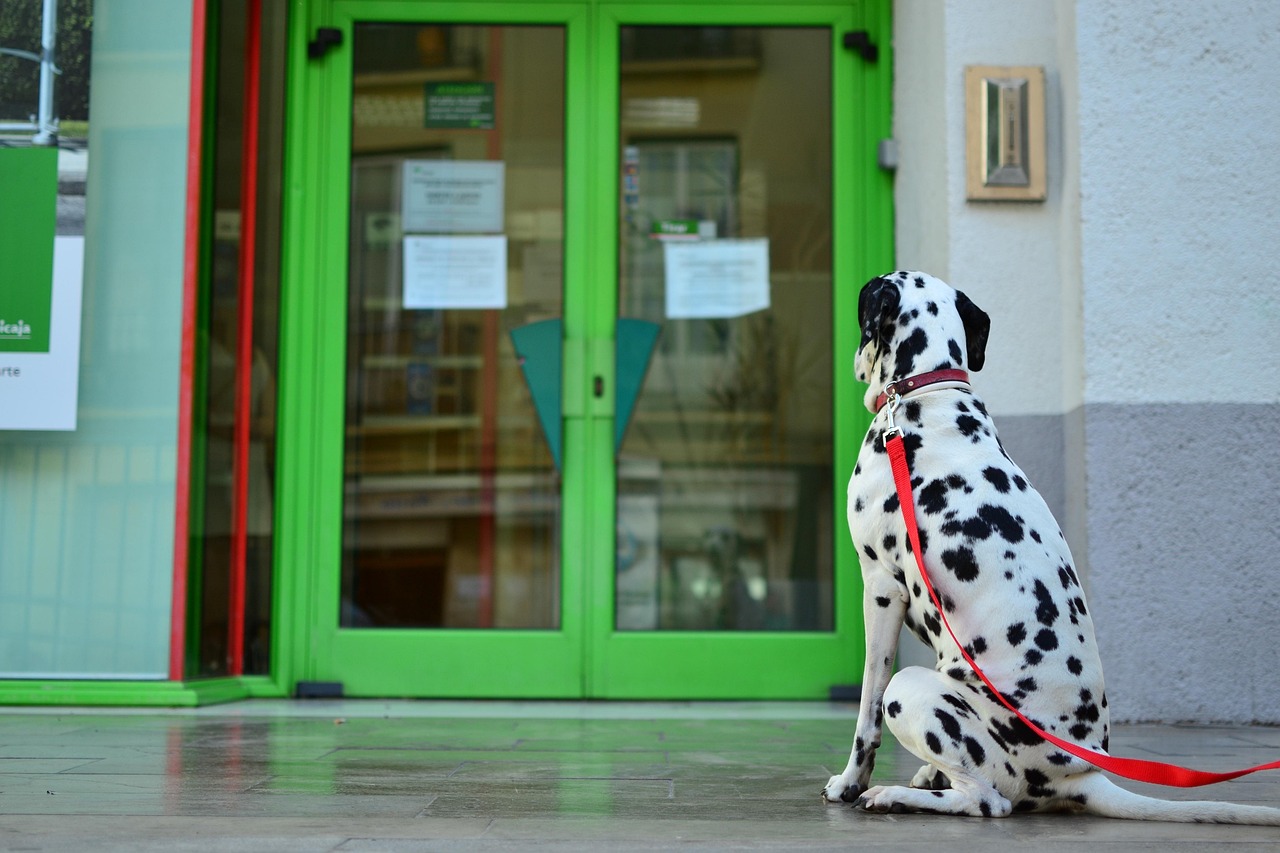
You can begin by teaching your dog to stay in a certain area when people need to use the door. Tell him to ‘stay’ and reward him. Have someone enter the room through the door and remind your dog to ‘stay’ If he has remained in his spot, reward him with a lot of praise and a high reward treat.
If your dog is sitting by the door because you give treats, avoid doing so. If you continue to give treats, you will be encouraging the behavior. You can give them treats when they obey you and sit somewhere else. Dogs may sit by the door because that is a comfortable spot. If there is a rug or the floor is cool, provide that same comfort in a different area.
Training requires patience and consistency. Remember that your dog has likely been practicing this door-waiting behavior for months or even years, so changing it won’t happen overnight.
Conclusion
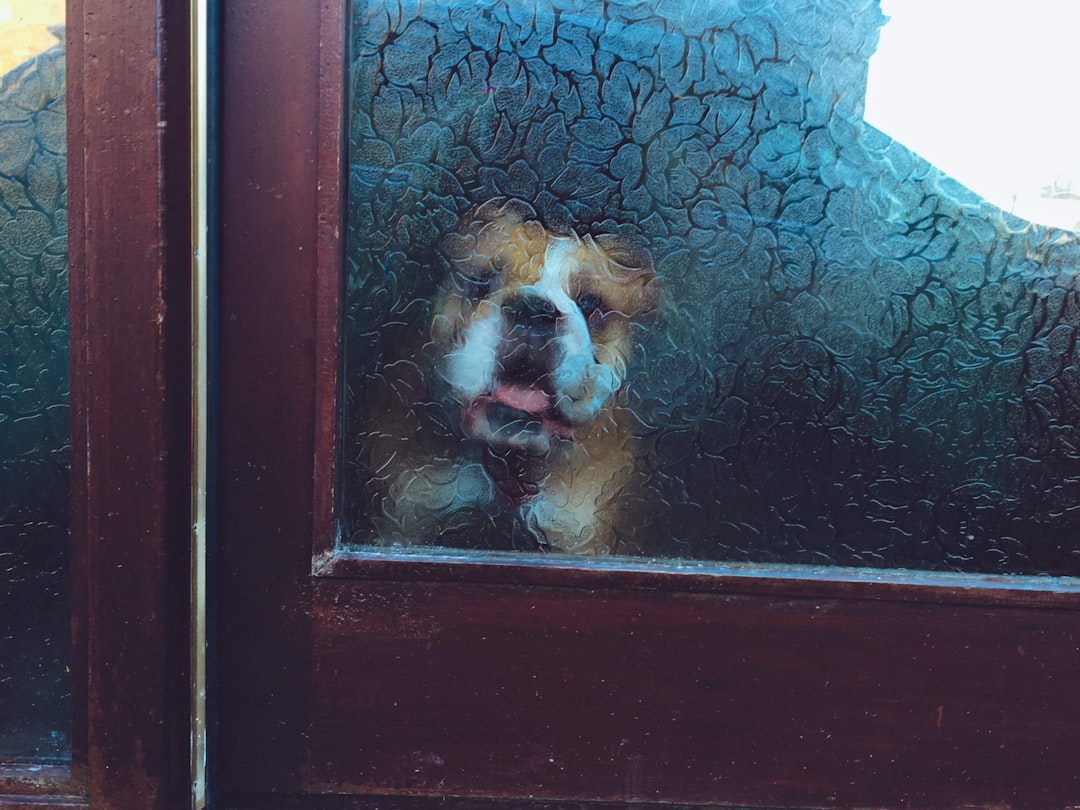
The next time you find your dog positioned by the door, take a moment to observe their body language and consider the context. Are they showing signs of anxiety, excitement, or simple need? Understanding these nuanced communications deepens the bond between you and your canine companion while ensuring their physical and emotional needs are met.
Every door-waiting episode tells a story about your dog’s inner world, from their deepest fears to their most basic needs. By learning to interpret these silent messages, you become not just a pet owner, but a true companion who speaks your dog’s language. What do you think your dog is trying to tell you the next time they take up their post by the door?


