
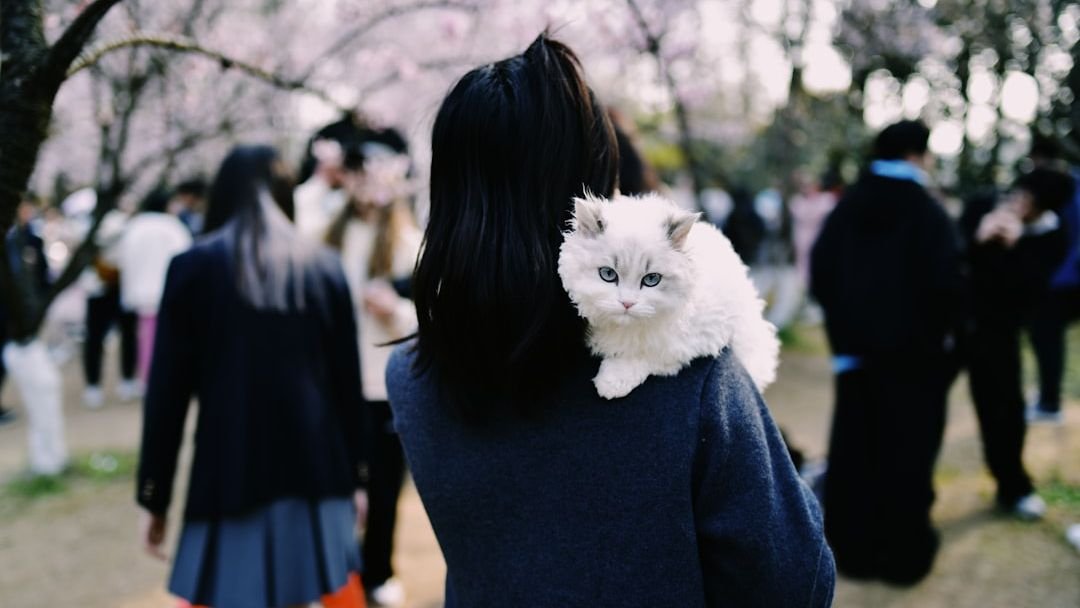
That age-old question of whether our feline friends actually miss us when we’re gone has sparked countless debates among cat parents. You’ve probably experienced it yourself – returning home to find your cat either completely ignoring you with an air of indifference, or greeting you with extra purrs and head bumps. The scientific community has been digging into this mystery, and the results might surprise you.
Gone are the days when cats were dismissed as aloof, emotionless creatures who only care about their next meal. Recent research reveals a much more complex emotional landscape in our whiskered companions. Studies from prestigious universities are painting a picture of cats as deeply attached, emotionally intelligent animals who form genuine bonds with their human families.
So let’s dive in and explore what science really tells us about feline emotions and attachment.
The Groundbreaking Oregon State Study That Changed Everything

The most revealing research came from Oregon State University, where scientists used the “secure base test” to evaluate cat-owner relationships. Remarkably, about sixty-five percent of cats and kittens formed secure bonds with their humans, showing distress when caregivers left and relief when they returned. This mirrors what we see in securely attached infants and puppies.
The study completely flipped our understanding of feline attachment. Recent studies have begun challenging the stereotype that cats are aloof, solitary creatures, as researchers increasingly discover that cats form strong bonds with their human companions, though they express attachment differently than dogs.
The 2019 Oregon State research showed that over sixty percent of cats formed secure attachments with their owners, becoming stressed when the owner left and relieved when they returned. The numbers speak for themselves – cats aren’t the independent loners we thought they were.
How Cats Actually Show They Miss You
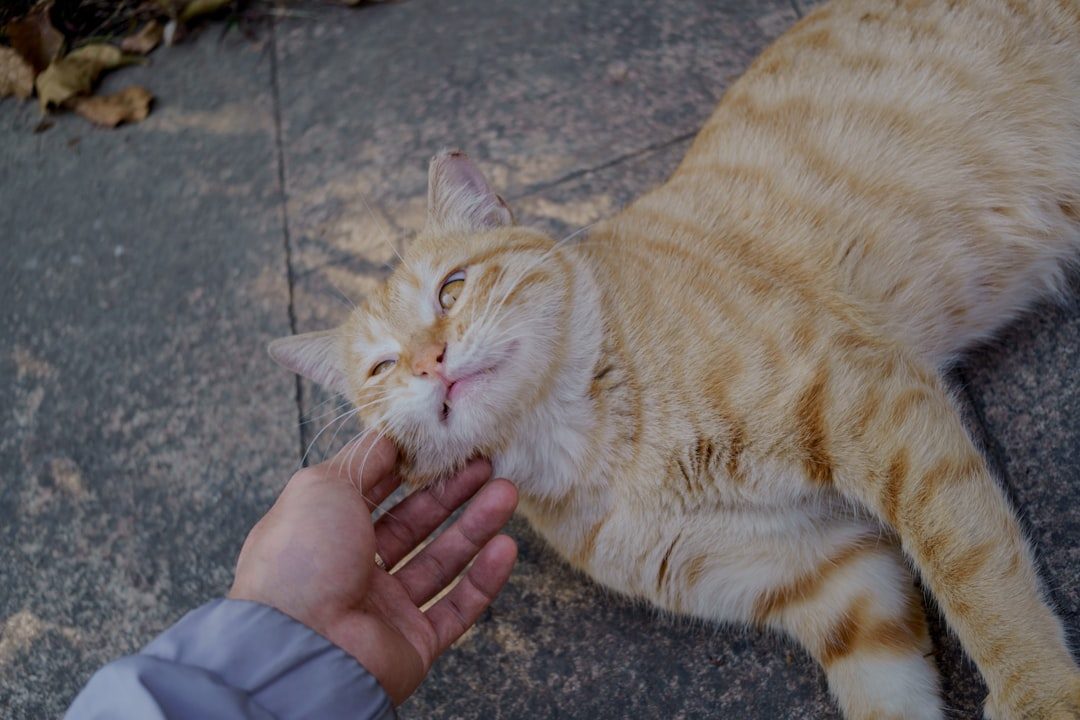
Research shows many cats display increased social behaviors such as seeking more attention, vocalizing, or rubbing against their owners after periods of separation. Think about how your cat greets you after a long day – those intense purrs and persistent head butts aren’t just coincidence.
When cats experience reunion with their owners, they might purr with intensity that rivals a race car engine or bombard you with vigorous head-butts, clear signs they missed you dearly. That overwhelming greeting isn’t just enthusiasm – it’s genuine relief and joy.
Research found cats were more likely to purr and stretch after four-hour separations compared to shorter periods, and these behaviors weren’t dependent on human interaction but were genuine responses to reunion. Your cat’s body language tells the whole story.
The Science Behind Feline Memory and Emotional Bonds
Cats have excellent long-term memory, especially when emotional connection is involved, and may remember someone for months or even years if they formed a strong bond, suggesting they not only remember absent owners but miss their presence, smell, and routines.
Cats possess impressive long-term memory capabilities, retaining recollections of events and locations for years, with these memories often intertwined with emotions, allowing them to recall both positive and negative experiences associated with specific places. This emotional memory system makes their attachment to you incredibly durable.
Limited studies show that a cat’s memory works best when attached to strong emotion, whether from the love they share with their family or even the role food plays in making their belly happy. Your relationship with your cat isn’t just routine – it’s emotionally significant to them.
Separation Anxiety in Cats Is Real

Separation anxiety occurs when an overly attached animal exhibits distressing behavior upon being separated from its guardian, and while cats are generally considered more aloof than most pets, felines come in all personality types, meaning there’s every chance your cat could be susceptible to this debilitating disorder.
Like humans or dogs, separation anxiety in cats is an emotional response of stress, fear, or sadness when away from the person with whom they’re bonded and feel safe, and this anxiety can range from mild to severe while being harder to spot in cats.
Certain factors predispose cats to developing separation anxiety, including being female (diagnosed more often than males), living strictly indoors, and most cases occurring in cats from homes with only one adult caregiver. Understanding these risk factors helps explain why some cats struggle more with alone time.
Recognizing the Signs Your Cat Misses You

Overgrooming is a key sign, where cats might excessively groom when you’re about to leave or as you return home. When normal grooming crosses the line into overgrooming, this clearly indicates your cat is suffering in some capacity.
Going outside the litter box is another telltale sign – while an anxious dog might chew walls or destroy furniture, a cat is much more likely to show anxiety by not using the litter box. Research suggests that cats with separation anxiety often urinate outside the litter box, frequently on their owner’s bed.
While not renowned for vocal nature, some cats become more expressive in their meowing when they yearn for their owner, with increased meowing being a sign they missed you and crave attention. Listen to how your cat communicates – their voice tells you everything.
The Duration Factor: How Long Is Too Long?
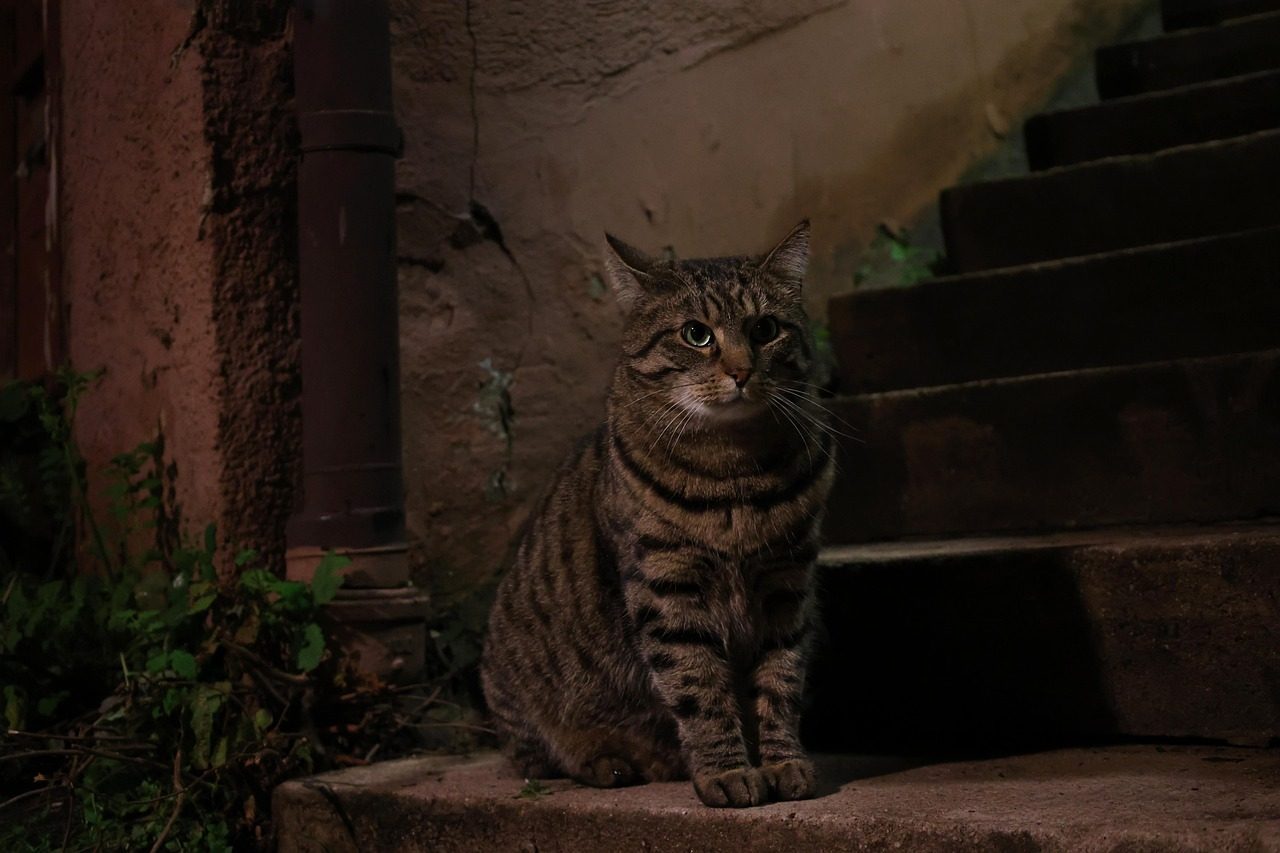
The duration of an owner’s absence significantly impacts how cats respond – for short-term separations like a typical workday, most well-adjusted cats cope adequately by sleeping, window-watching, or solo play, with many adapting to routine absences and showing minimal distress.
However, longer absences trigger more pronounced reactions, with studies suggesting that after twenty-four to forty-eight hours of owner absence, cats may begin displaying stress behaviors more frequently. There’s definitely a threshold where missing you becomes genuine distress.
Cats can start missing their owners in as little as twenty-four hours, though this varies based on their bond and routine, and cats can feel abandoned if their routine is disrupted and they lack their owner’s presence. The stronger your bond, the sooner they notice your absence.
What You Can Do to Help Your Cat Cope
If you know you’ll be away, you can alleviate your pet’s anxiety by leaving something with your scent like a worn shirt, providing engaging toys and puzzles for mental activity, asking someone familiar to check in regularly, or installing a pet camera to monitor and talk to your cat remotely.
If your cat shows signs of separation-related frustration, gradually increase the time you leave them to help them adapt more easily, starting by leaving for as short a time as possible, standing outside the front door for a few minutes before returning, and gradually building up from there.
Play with your cat in the morning before you leave, using interactive toys to tire them out, then feed them breakfast, because feeding right after playtime makes them much more likely to sleep afterward. A tired, well-fed cat is a content cat.
Conclusion: Your Cat Really Does Miss You
So, do cats miss their owners? Absolutely. While they may not show it with dramatic gestures, the emotional lives of cats are rich and nuanced, and their loyalty might be quiet, but it’s no less real. The science is clear – despite their reputation for independence, cats form genuine emotional bonds with their humans.
The research reveals that our feline companions experience separation, attachment, and reunion in ways remarkably similar to other bonded animals. They may not greet you at the door with tail-wagging enthusiasm, but that slow blink, gentle headbutt, or intense purring session speaks volumes in cat language. Understanding these subtle signs helps us appreciate the depth of our relationships with these amazing creatures.
What do you think about these findings? Have you noticed your own cat displaying signs of missing you? Tell us in the comments.


