
Every dog owner has wondered about this at some point. You rush home from work, eager to see that familiar furry face, and wonder if your pup spent the day pining for your return. The truth is both heartwarming and scientifically fascinating.
Dogs do miss their owners when they’re gone because dogs associate owners with fun memories and happy feelings. Yet the way they experience missing you isn’t quite like human longing. Dogs don’t think about missing someone the way we do. Instead of feeling sad, they notice we’re not there.
The Science Behind Your Dog’s Attachment
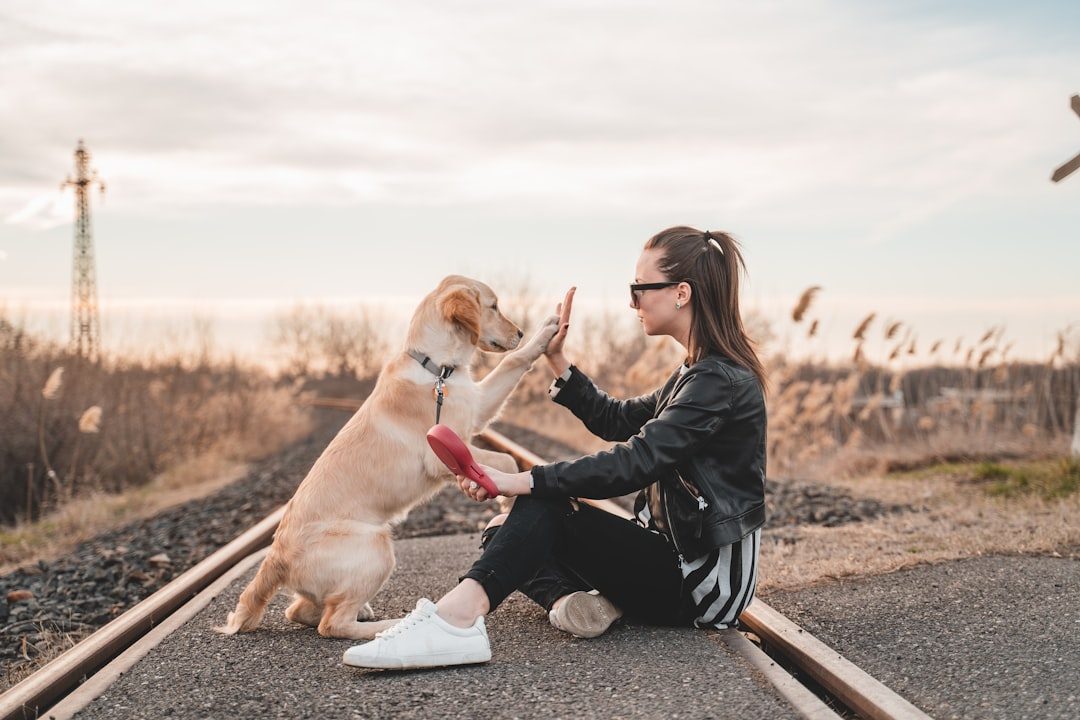
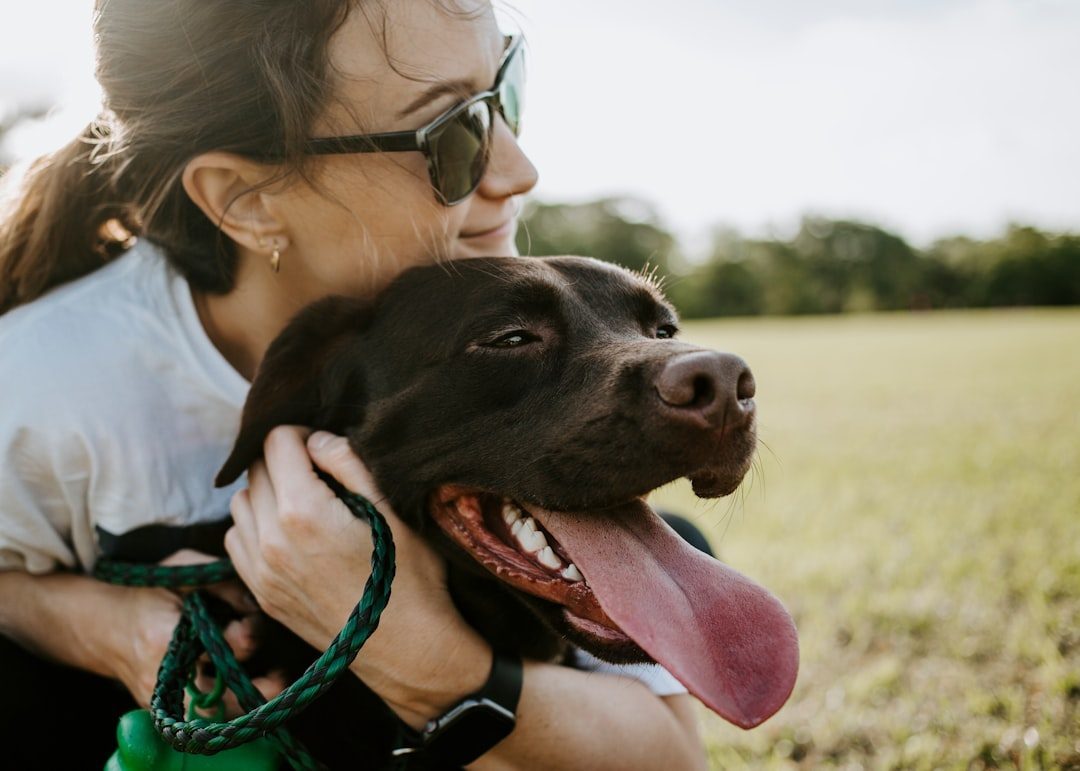
When we gaze lovingly into our dogs’ eyes, both our brains release oxytocin, the same hormone that strengthens the bond between mothers and their babies. This remarkable biochemical connection explains why your dog’s love feels so genuine. Dogs have evolved alongside humans, learning to read our gestures and expressions, sometimes even better than we read each other’s. This evolution has turned them into expert human companions, hardwired to form deep attachments to their two-legged family members.
Scientific studies and observations show dogs form deep emotional bonds with their owners, much like how a child bonds with their parents. They’re naturally social creatures who see people as their family. This isn’t wishful thinking on our part. The bond between you and your dog runs deeper than simple conditioning or food association.
Physical Signs Your Dog Misses You
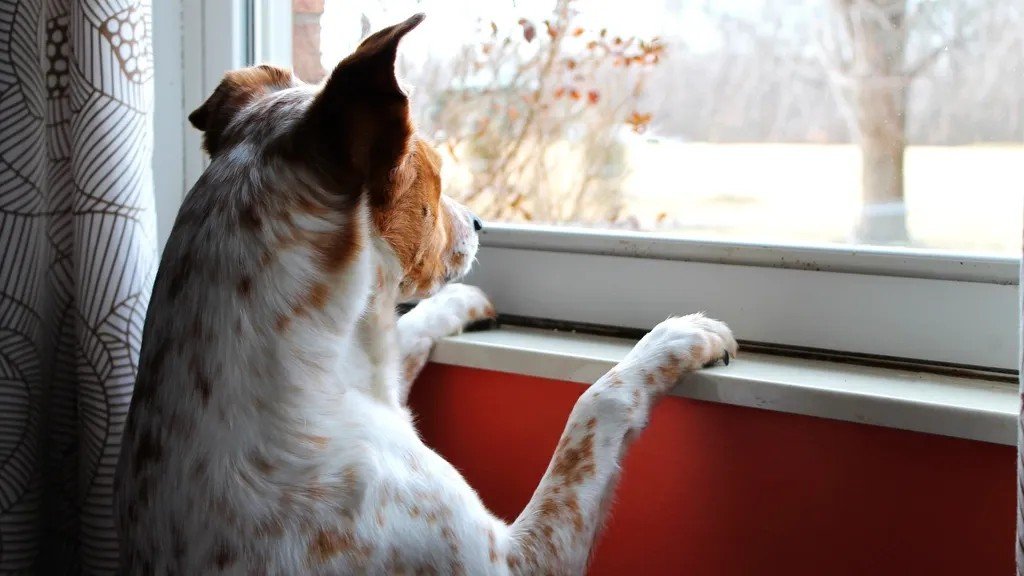
One of the most obvious signs that your dog misses you is when they stay by the door or sit by the window around the time you usually come home. Dogs can quickly learn your routines, which means they’ll be expecting you to walk through around this time. This behavior shows that they’re awaiting your return.
Dogs have incredibly strong senses of smell. This means they’ll be able to pick up your scent from your belongings, such as clothes, bags, and bedding. Because of this, dogs will usually stay close to your things whenever you’re away. You might find them curled up on your bed or sleeping with your favorite sweater.
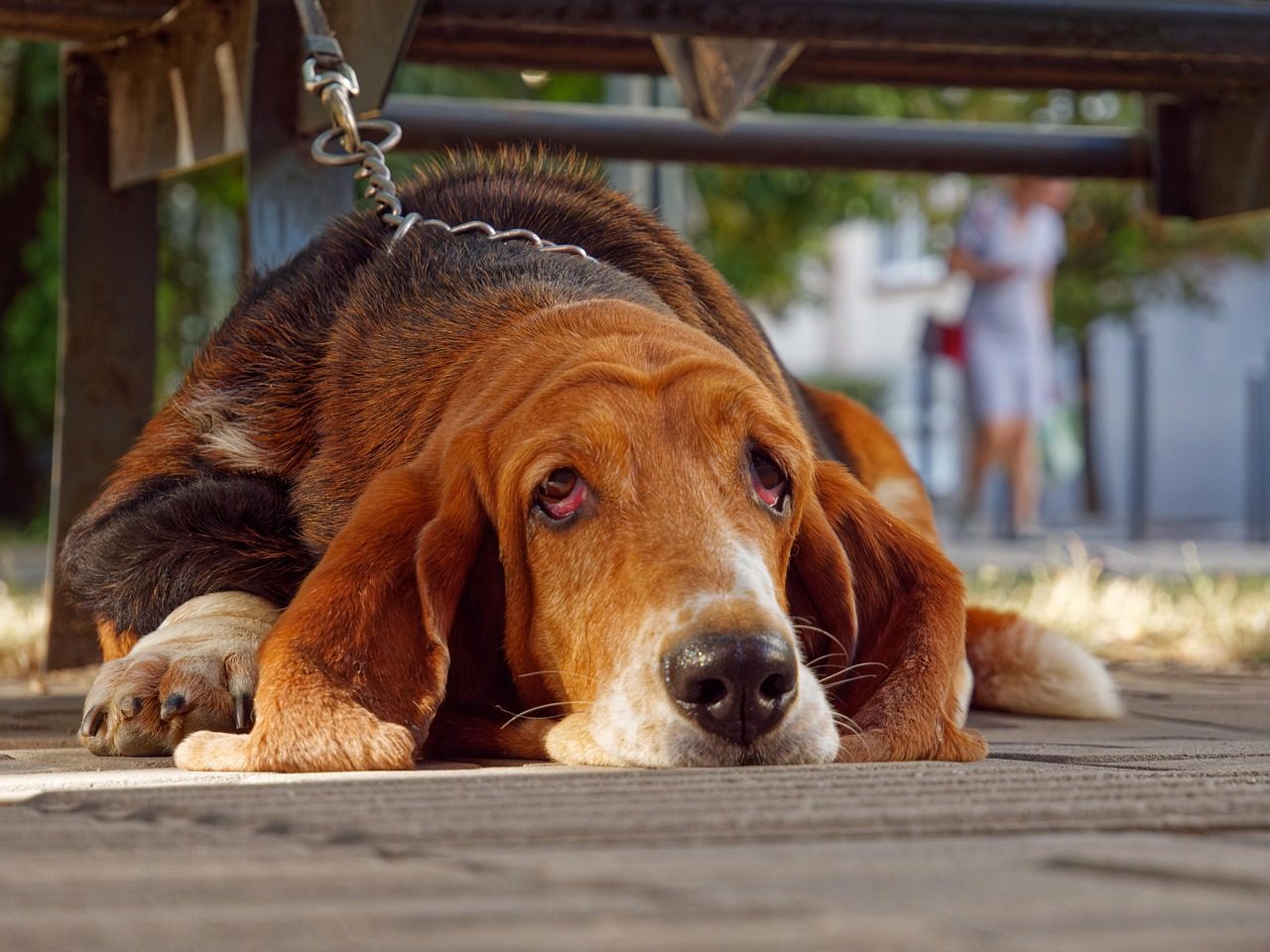
If they’re missing you, they might mope around the place with sad, puppy-dog eyes that are enough to pull on anyone’s heartstrings.
Behavioral Changes That Signal Longing

Dogs missing their owners may start sleeping more than usual to cope with anxiety. They will be less energetic. When you are back, they try to sit on your lap, take up your favorite place on the sofa, want to be cuddled, and try to get your undivided attention. These behaviors show your dog’s attempt to reconnect and make up for lost time.
Another indicator is if your dog becomes more clingy when you are present. They may follow you around the house more than usual or constantly seek your attention, hinting as a sign that they’re feeling insecure and need reassurance from their owner. This shadow behavior often intensifies after longer absences.
The first signs can include noticeable changes in behavior, such as a lack of appetite, lethargy, or a sudden interest in your personal items.
The Enthusiastic Welcome Home
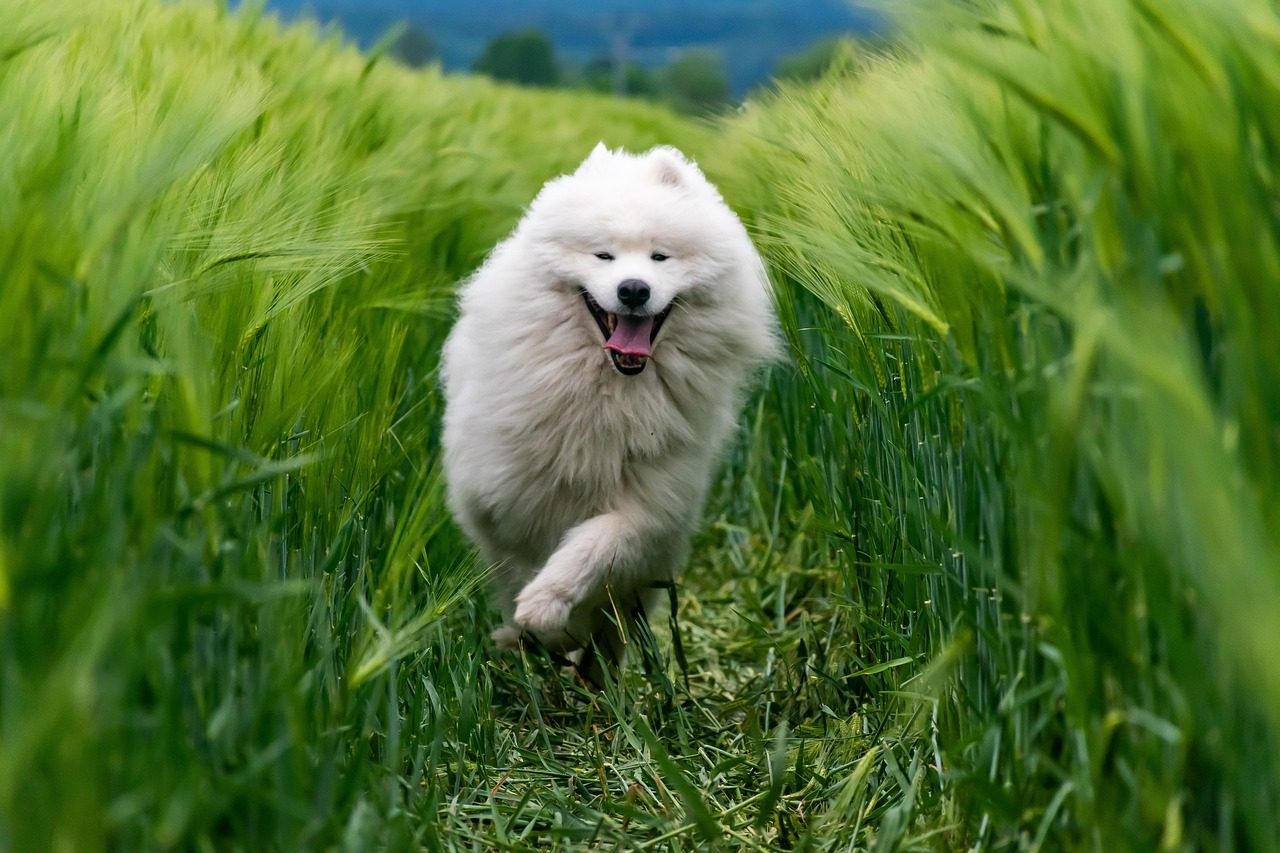
One of the most obvious signs that a dog misses its owner is when it greets them enthusiastically. Dog zoomies (or “frenetic random activity periods,” as they’re more scientifically known) are random energy outbursts marked by running frenetically or spinning in circles. If you come home and your dog immediately gets the zoomies, it’s a good indicator that they missed you.
Dogs might run around super fast (zoomies) when they see you because they’re so happy. It’s like seeing a friend after a long time – they pick up right where they left off. Dogs might bring you a toy or lick your face to show they’re happy. Additionally, if they’ve learned not to jump, they may carry a toy instead of jumping all over you.
When Missing Becomes Separation Anxiety
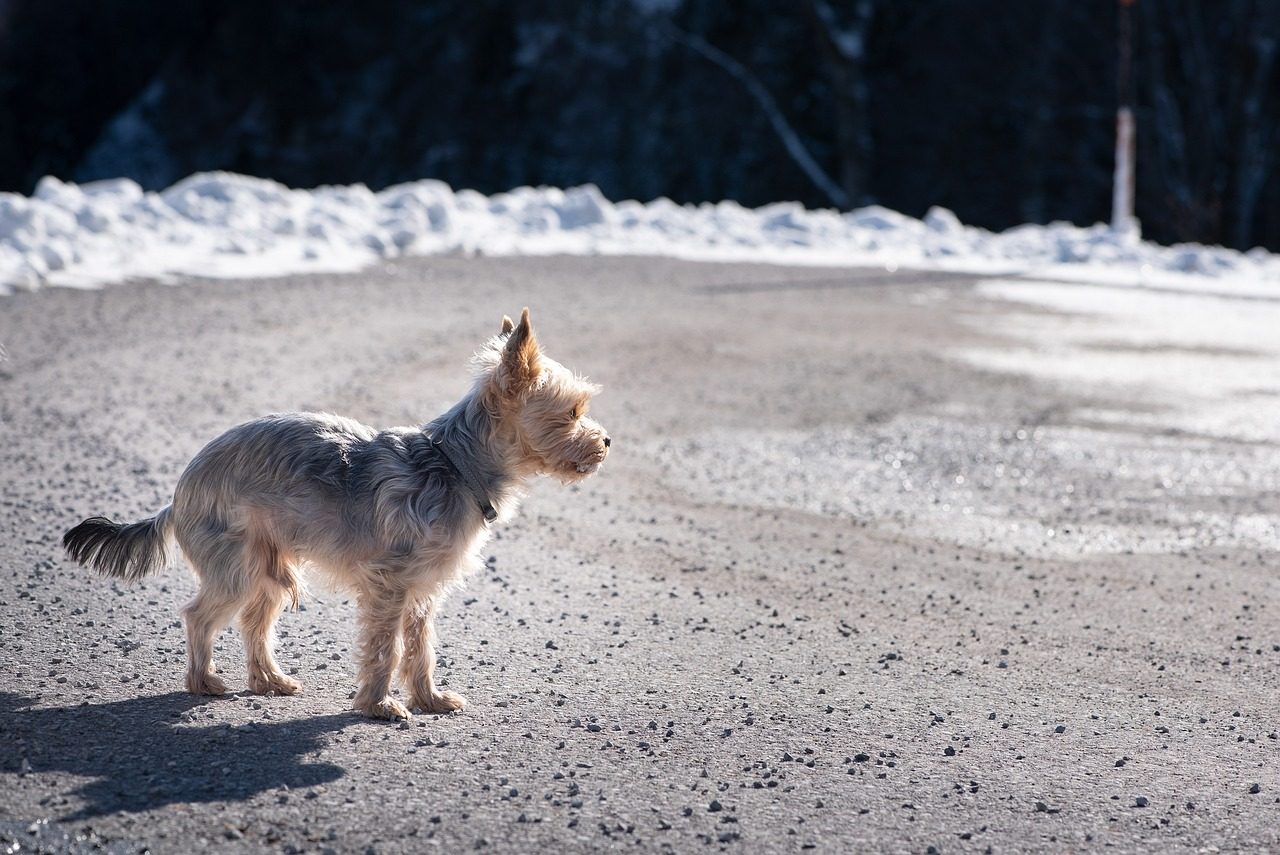
Dogs will show some form of sadness when they miss you, but will be outright destructive, restless, and nervous when they have separation anxiety. It’s important to note that many of these dog missing owner symptoms are also signs of separation anxiety. Pay particular attention to excessive or repetitive behavior, self-harm (excessive paw licking or tail biting), and anxious breathing or panting.
Dogs might urinate, defecate, bark, howl, chew, dig or try to escape. Although these problems often indicate that a dog needs to be taught polite house manners, they can also be symptoms of distress. When a dog’s problems are accompanied by other distress behaviors, such as drooling and showing anxiety when his pet parents prepare to leave the house, they aren’t evidence that the dog isn’t house trained or doesn’t know which toys are his to chew. Instead, they are indications that the dog has separation anxiety.
How Dogs Experience Time Without You
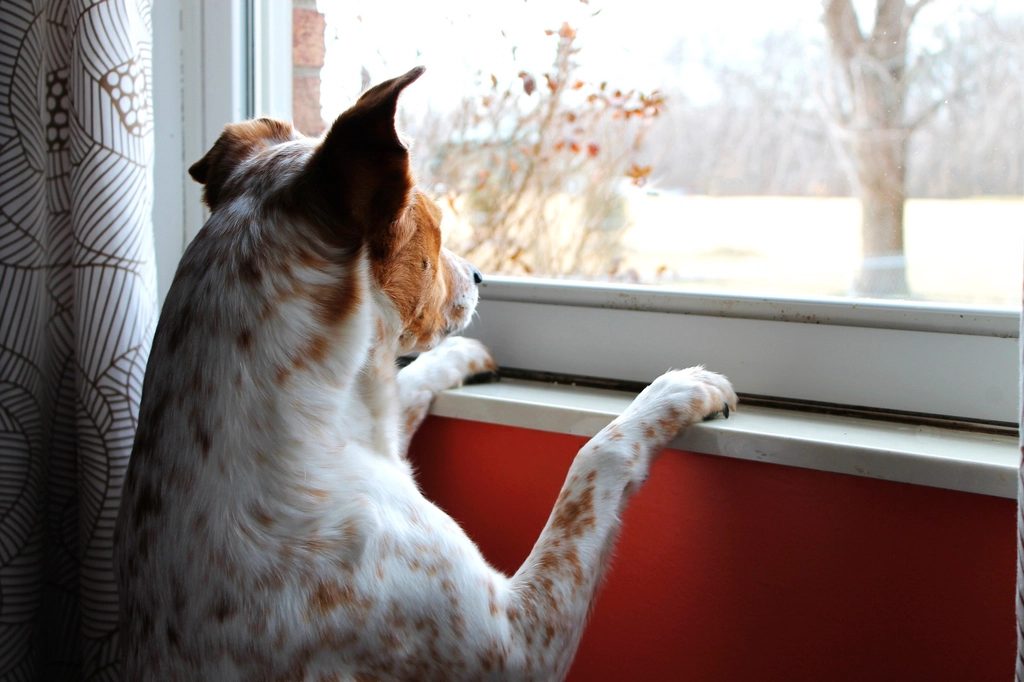
Dogs can perceive time, but not like how we humans do. They rely heavily on scent and routines. When your scent fades away from the environment, the longer you’re away, dogs will notice this change. They also pick up on cues, such as light, to estimate the time you leave and arrive home. Plus, dogs have a circadian rhythm that tells them when it’s time for sleep, hunger, and other needs, which helps distinguish the time of day.
A 2011 study found that dogs greeted their owners more intensely after they were gone for 2 hours than they did after being left alone for just 30 minutes. This suggests your dog genuinely notices the difference in your absence duration. There’s no set time for how long a dog will miss you. Just like people, every dog is different.
Supporting Your Dog When You’re Away
Ensure your dog gets lots of exercise before you go out. Make sure they’re comfortable and they have everything they need. Set up a cozy place to sleep and leave them with enough food and fresh water. Give your pup something that smells of you – dirty laundry is perfect!
One trick is to leave behind an item that smells like you – perhaps that old t-shirt you’ve lounged in all weekend. It’s like leaving a part of yourself with them, a comforting reminder that says, “I’ll be back, buddy.” Interactive toys can also work wonders, keeping their minds engaged and focused on fun challenges rather than your absence.
Play Dog TV or calming music to help distract them from any triggering sounds. Keep them busy with interactive toys and treats. Don’t make a fuss when you leave.
The bond between you and your dog runs deeper than simple companionship. Your absence is genuinely felt, creating a longing that’s both touching and scientifically measurable. While every dog expresses their missing you differently, the emotional connection remains constant. Understanding these signs helps you better support your furry friend and strengthens the remarkable relationship you share.
What signs have you noticed when your dog misses you? Tell us about your experiences in the comments below.


