
Why Does My Dog Keep Stealing My Socks

Picture this: you’re getting dressed in the morning, and as you reach for your favorite pair of socks, they’ve mysteriously vanished. You search high and low until you spot your furry companion in the corner, contentedly chewing on what was once your property. Sound familiar? If you’re a dog owner, this scenario probably plays out more often than you’d care to admit.
Stealing socks is one of many quirky yet common dog behaviors. Though it might seem like harmless mischief, there’s actually a fascinating mix of instinct, psychology, and pure canine logic behind this peculiar habit. So let’s dive into the mystery of sock theft and discover what makes our four-legged friends such dedicated collectors of foot apparel.
Your Scent Is Their Comfort Zone
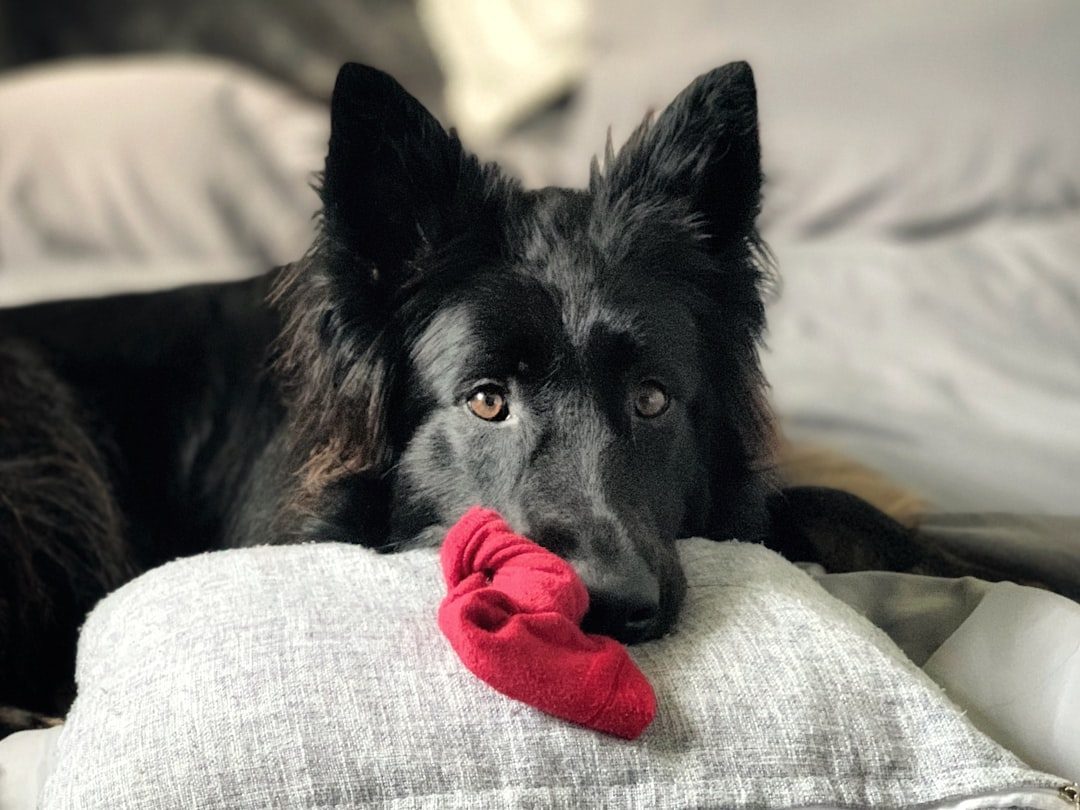
To your dog, though, that sock is like a bottle filled with his favorite scent – you! While we might find the thought of sweaty socks rather unpleasant, dogs experience the world primarily through their noses. Dogs eat and steal our socks because they are the clothing item most drenched in our smell. This means they are also covered with our pheromones. This way, dogs collect data on us from our socks and feel better by inhaling our scent.
Think of it this way: your socks are like a personal diary written in scent. By placing our used socks in their mouths near this organ, dogs are zoning in on our pheromones and can collect more information on us. Pheromones can communicate age, health, and emotional states, among dogs. By grabbing a sock, a dog can collect a whole bunch of chemical data on us. It’s their way of staying connected to you even when you’re not around.
The Ultimate Attention-Getting Strategy
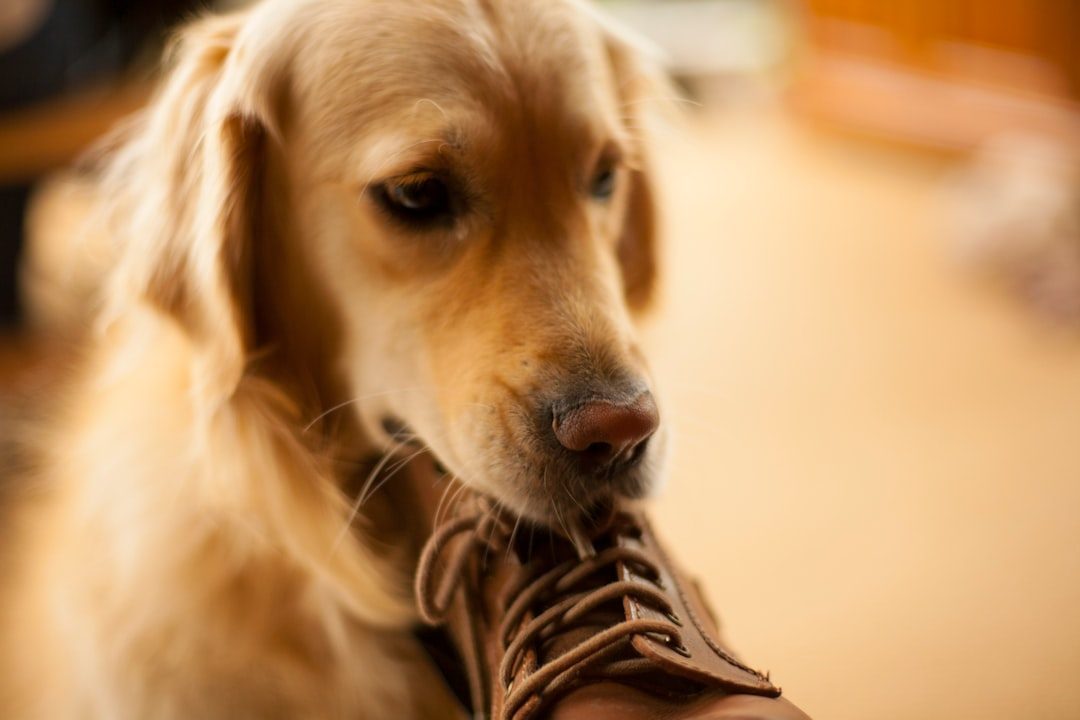
The main reason that dogs steal socks is because they are looking for attention. Dogs are remarkably intelligent creatures who quickly learn which behaviors guarantee a reaction from their humans. If you chase after your dog when he steals your socks and end up playing a game of sock tug-of-war, you may be providing accidental positive reinforcement. You may be frustrated, but Fido is learning that this is a fun game that he wants to play again and again!
Even negative attention feels like a victory to your dog. Plus, to a dog, any response – good or bad – is still attention. They’ve discovered that grabbing a sock is like pressing an instant “human engagement” button. The moment they snatch that sock, suddenly you’re focused entirely on them, which is exactly what they wanted in the first place.
Boredom Breeds Mischief

Dogs are active animals, both mentally and physically. If they’re not getting enough stimulation, they may resort to mischievous behavior like stealing socks to entertain themselves. A sock might not seem like an exciting toy to you, but to a bored dog, it can become a source of amusement. Chewing on socks, running around with them, or even hiding them can help pass the time if they’re feeling bored or understimulated.
Canines left at home alone during the day are frequent sock-stealing offenders, and some become destructive out of sheer boredom. Dogs require a ton of mental and physical stimulation and need toys and activities to keep them busy. When their minds aren’t occupied with proper activities, your laundry basket becomes an irresistible treasure chest of entertainment possibilities.
Ancient Instincts at Play

Sock stealing actually harkens back to a dog’s ancestral instincts to collect. Undomesticated dogs would hunt prey and scavenge to collect objects, bringing them back home as trophies. Your pup just might see your socks as a trophy. This behavior taps into something deeply rooted in their DNA, connecting your modern house dog to their wild ancestors.
Some dogs may steal socks because it taps into their natural instincts. Many breeds were originally bred to retrieve or carry items. In this case, stealing socks might be your dog’s way of engaging with those instincts. Retrievers especially seem drawn to this behavior, as carrying objects feels natural and satisfying to them.
The Perfect Chew Toy Alternative

Soft, fluffy fabric can be a comforting cuddle object. Socks can also be soothing to chew, especially if you’ve got a teething puppy on your hands. The texture of socks provides the perfect combination of softness and chewiness that many dogs find irresistible. Common causes for dogs chewing on socks include dealing with teething pains – or just because it feels good. Chewing is a natural behavior that helps keep their jaws strong and teeth clean.
For puppies, chewing is part of the teething process, whereas for most grown-up dogs, the action of chewing on a sock is as irresistible as chewing gum is for humans. Chewing is a healthy activity for dogs that can provide fun, stimulation, and even anxiety relief. It also keeps their teeth clean, and their jaws and mouth healthy and strong.
Separation Anxiety and Emotional Comfort

That soft, soothing texture and familiar scent can be incredibly comforting to a dog, especially if he’s experiences separation anxiety when you’re gone. For dogs struggling with being alone, your socks become like security blankets. It’s a form of comfort for them. In some cases, a dog might even chew or cuddle with the sock because it reminds them of you. This behavior is particularly common in dogs that suffer from separation anxiety, as having an object that smells like you can help soothe them when you’re not around.
Winnie never actually ingests any socks, but rather clings to them, not unlike how I hung onto my security blanket as a kid. Interestingly, the psychological reasoning behind why dogs steal socks isn’t all that different from why a child gravitates to a comfort object. Your scent provides emotional stability when they’re feeling anxious or lonely.
Resource Guarding Behavior
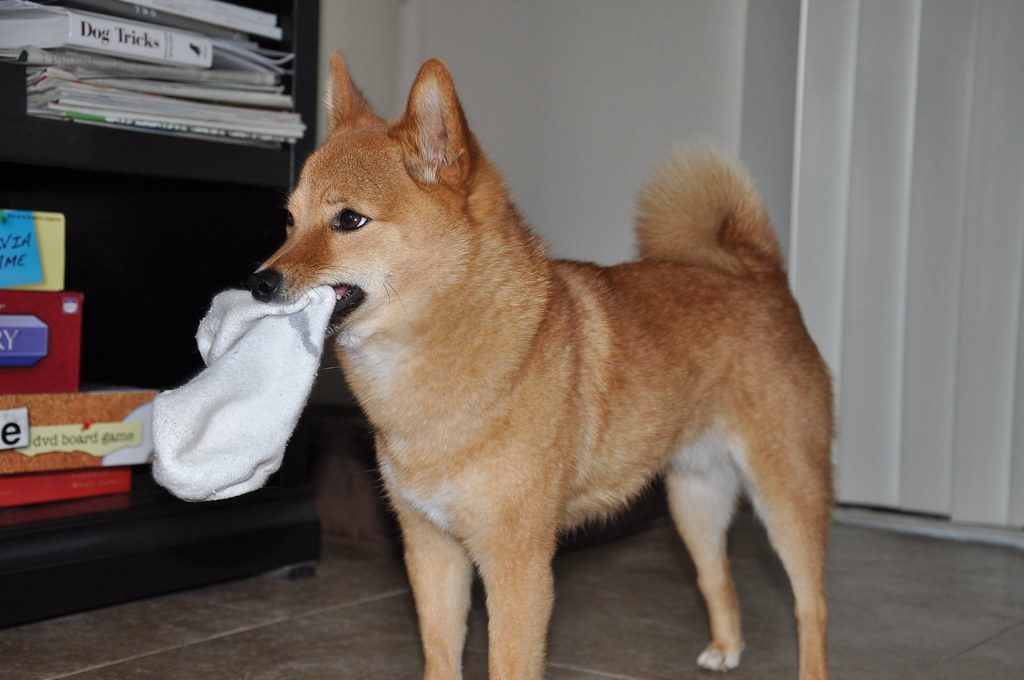
Dogs, like humans, have a notion of a “resource” – something they find valuable and worth protecting at all costs. If dogs come to the conclusion that an inanimate object like a sock (or a special toy, bone, stick, etc.) is valuable and worth guarding, then they will guard it with all their might. Some dogs take sock stealing to the next level by treating their stolen treasures as precious possessions.
Dogs who demonstrate resource guarding with socks might growl or keep their heads down when you approach them mid-sock holding (like my dog, Winnie). This behavior shows just how valuable they consider these simple fabric tubes. Dogs bury things that they see as valuable in order to save them for later. By burying socks, your dog thinks they are a special thing to save for later!
Breaking the Sock Stealing Cycle
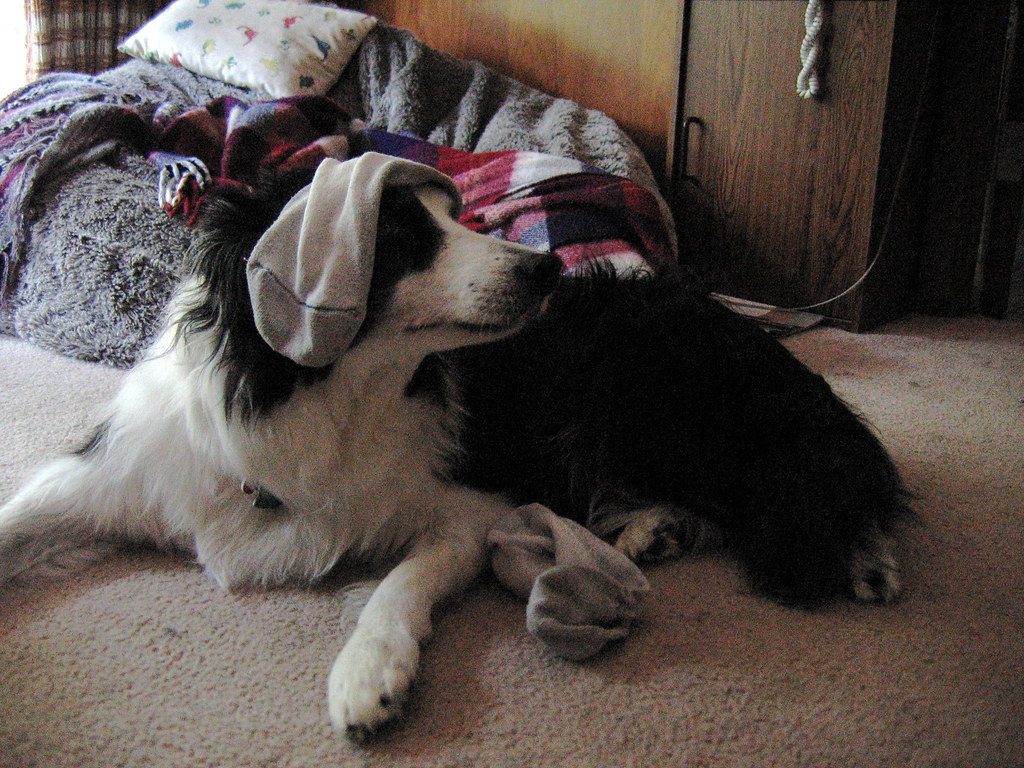
The good news is that sock stealing doesn’t have to be a permanent fixture in your household. One of the first things to do is make sure your socks are in a place where they can’t be accessed by your pup. That could mean putting them in a drawer, a closed container, a closet, or any other space that your dog can’t access. Prevention truly is the best medicine when it comes to this behavior.
Make sure your dog gets enough physical exercise Don’t skip the regular walks and playtime. Besides preventing your dog from getting bored, it’s also likely to help them feel less anxious. Provide More Stimulation: Make sure your dog is getting enough physical and mental exercise. Regular walks, playtime, and puzzle toys can help keep your dog engaged and less likely to engage in mischievous behavior. Teaching commands like “drop it” and providing appropriate chew toys can redirect this natural urge into healthier outlets.
Your dog’s sock obsession might seem bizarre, yet it’s rooted in perfectly logical canine reasoning. From seeking your comforting scent to fulfilling ancient hunting instincts, sock stealing represents a complex mix of love, boredom, and natural behavior. Understanding these motivations helps us respond with patience rather than frustration when we discover our missing socks in unexpected places.
What do you think about your dog’s sock stealing habits now that you understand the reasons behind them? Tell us in the comments.