
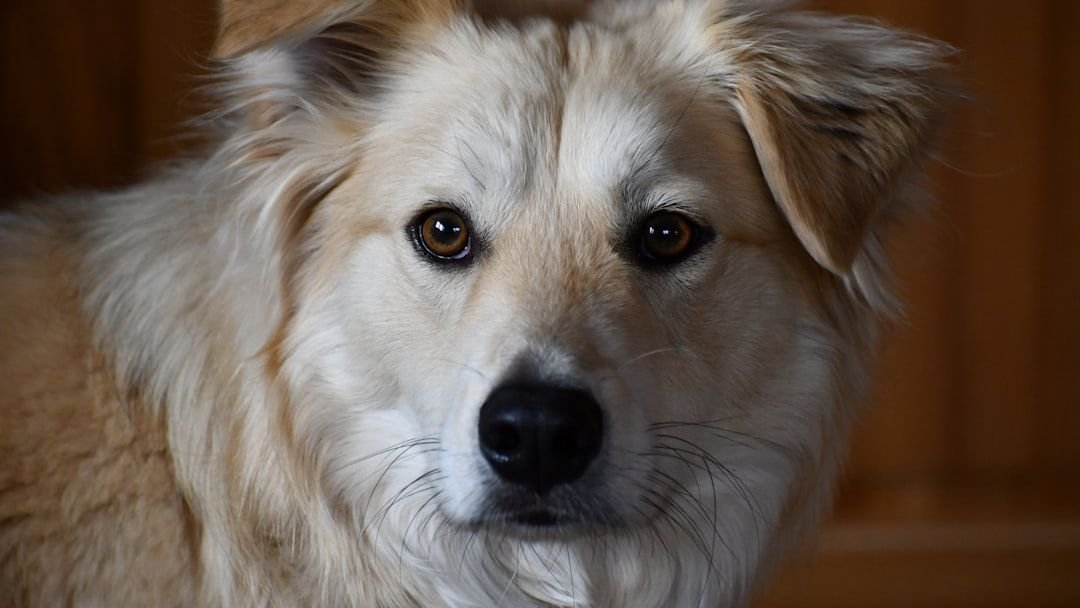
Ever stood there calling your dog’s name repeatedly while they act like you don’t exist? You’re not alone. Millions of dog owners wonder why their perfectly loving companion suddenly develops selective hearing when it matters most. The truth is, when dogs ignore us, they’re not being spiteful or stubborn. There’s usually a perfectly logical reason behind their behavior, and understanding these reasons is the first step toward building stronger communication with your furry friend.
From overwhelming distractions to mixed training signals, dogs have their own set of rules for when and how they choose to respond. Let’s explore the most common reasons behind this frustrating behavior and discover proven strategies to capture and keep your dog’s attention.
Overstimulation from Environmental Distractions
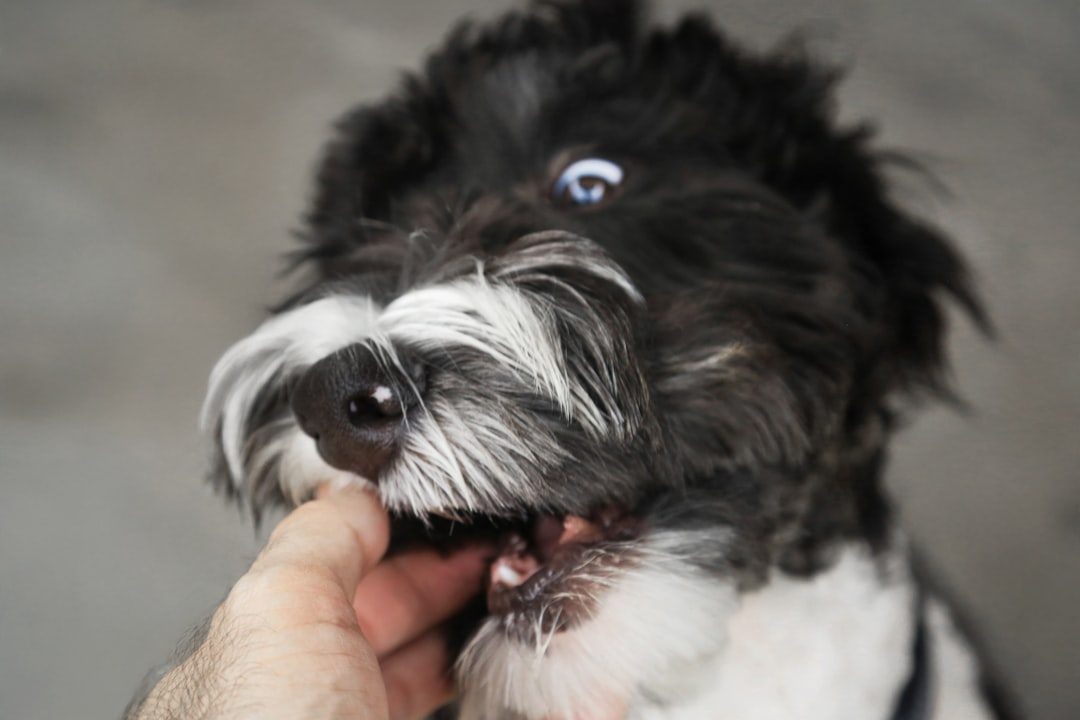
Your dog isn’t deliberately ignoring you when they’re overwhelmed by the environment and simply can’t focus. There are too many interesting things to explore, and dogs need to sniff them all. Think of it like trying to have a conversation at a rock concert. The world is full of fascinating smells, sounds, and sights that can easily overpower your voice.
When teaching your dog to handle distractions, understand that you are competing with the environment around you. You need to offer your dog a better choice. Dogs repeat rewarding behaviors, so if sniffing the tree trunk and ignoring you is more rewarding than coming when called, your dog will choose the tree trunk every time. The solution isn’t to get louder but to become more interesting than whatever has captured their attention.
Inconsistent Training and Mixed Signals
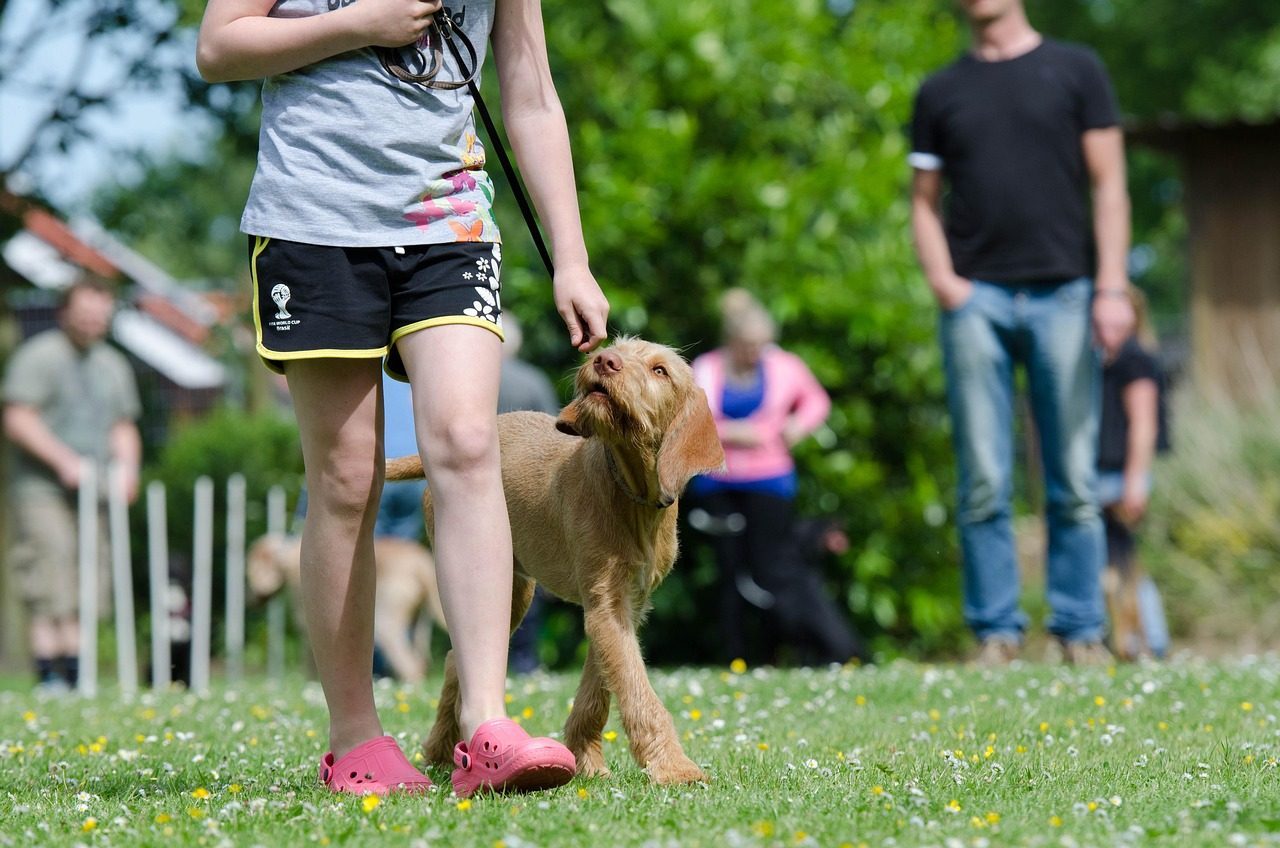
Remember that every time your dog ignores you in favor of the distraction, your dog is practicing ignoring you. That’s not a habit you want to build. On the other hand, every time your dog is successful at doing what you ask, your dog learns the value of concentrating on you. Consistency is crucial because dogs learn through repetition and clear patterns.
If an owner rewards the behavior, purposely or accidentally, the undesirable behavior will continue to linger. Even if the owner ignores her dogs 10 times, but screams “no” once, the behavior won’t go away. To truly extinguish a behavior, it must be ignored each and every time. Mixed messages confuse dogs and actually teach them that persistence pays off, which explains why they might keep trying the same behavior even when you think you’ve been discouraging it.
Lack of Proper Engagement Foundation
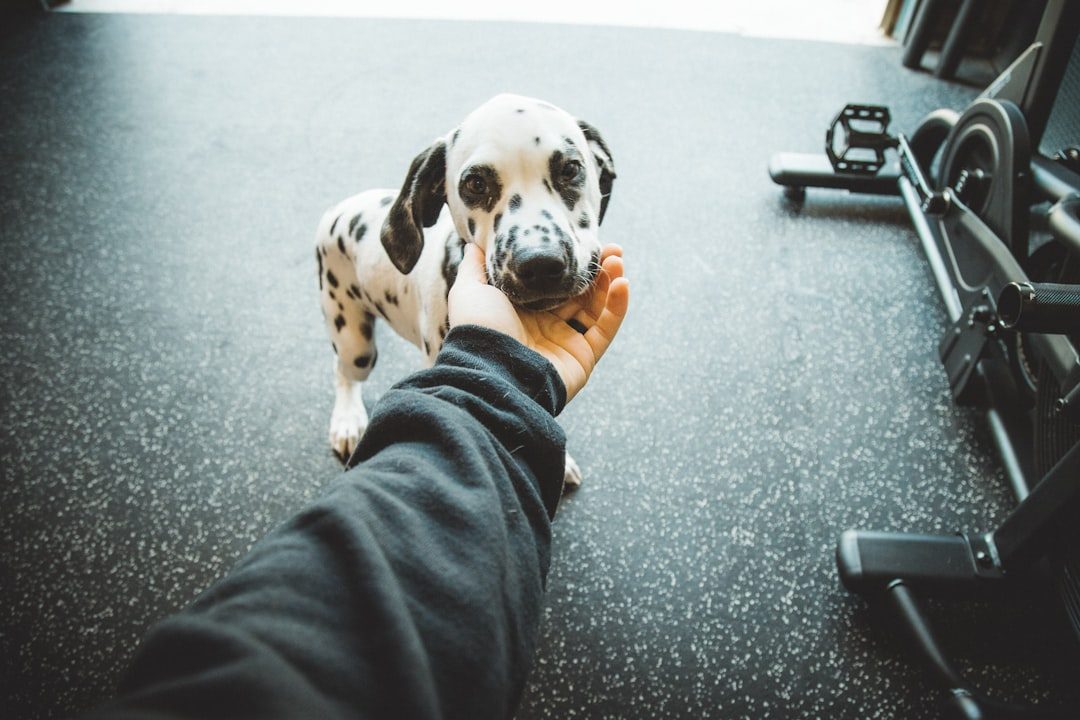
Without engagement, training your dog is like “speaking to a wall.” It is a difficult process that often ends with the dog owner being frustrated, tired, or giving up and with the dog not progressing at all in their training. This is why we encourage dog owners to spend the necessary time to bond and build engagement with their pets. Many dog owners skip this crucial foundation step and jump straight into command training.
Engagement in dog training refers to the process of keeping your dog focused and interested in you and the training activities. It involves your dog willingly paying attention to you, responding to your commands, and actively participating in training sessions. Engagement is not just about obedience; it’s about building a bond where your dog sees you as the source of fun, rewards, and guidance. Without this foundation, all the commands in the world won’t matter if your dog doesn’t see you as worth listening to.
Attention-Seeking Behaviors Gone Wrong
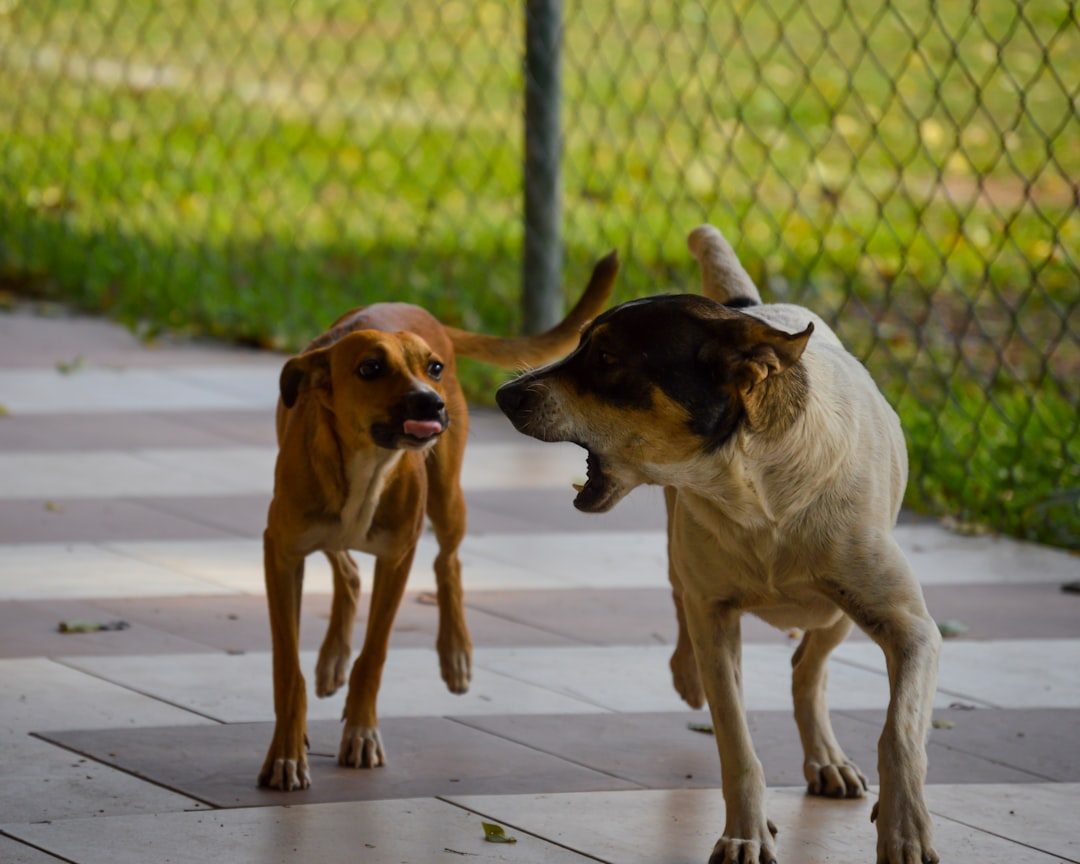
Keep in mind that if you tend to ignore your dog and only pay attention to him when he is doing an undesirable behavior, you will be training him to do exactly what you do not want by rewarding him with your attention whenever the behavior occurs. The GOAL is to manage, train, and reward your dog’s desirable behaviors. Sometimes dogs learn that the only way to get our attention is through negative behaviors.
According to Dr. Denenberg, avoiding punishment is a must. “First, it is a form of attention, and even if it is aversive, it is better than complete indifference.” Even negative attention can be rewarding to a dog who feels ignored, which creates a cycle where they learn that misbehavior gets results while good behavior gets overlooked.
Inadequate Reward Value and Motivation
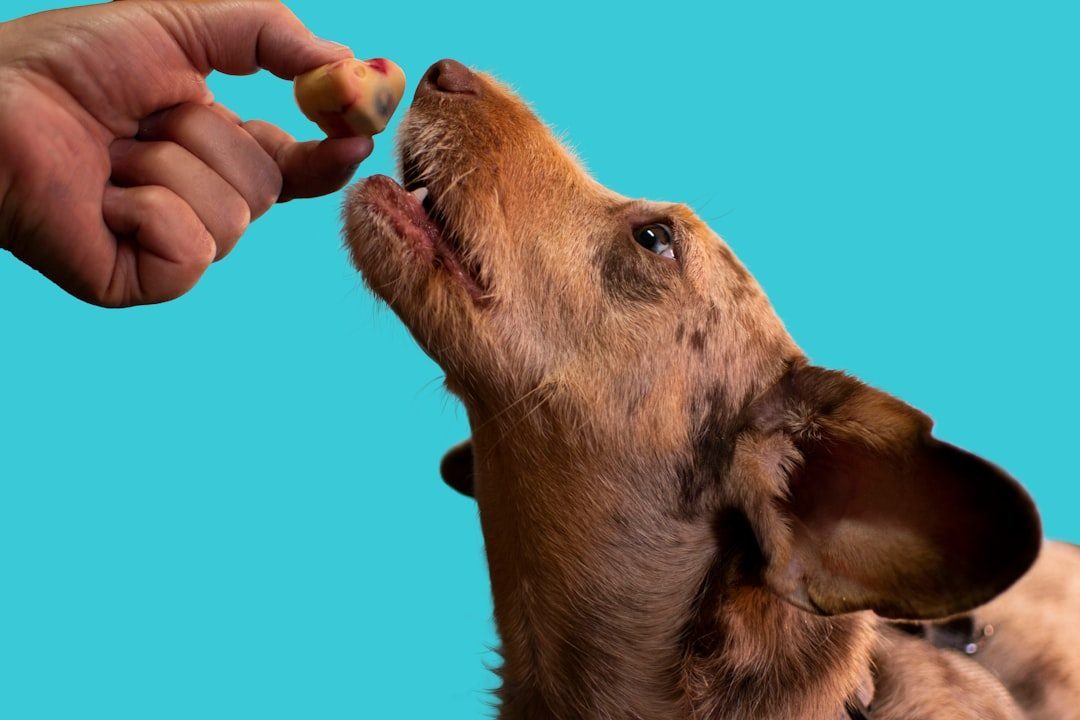
For most dogs, that would certainly be the case if all you were offering was a bit of kibble. Your dog might be ignoring you simply because what you’re offering isn’t worth their while compared to all the other exciting things in their environment. Many owners underestimate the value of rewards from their dog’s perspective.
Identifying and utilizing what motivates your dog the most is crucial. For some dogs, a particular treat might be irresistible, while others may prefer a favorite toy or enthusiastic praise. Using these high-value rewards during training sessions can significantly increase their eagerness to participate and succeed. The key is understanding that reward value is subjective and changes based on context and competition.
Master the “Watch Me” Command
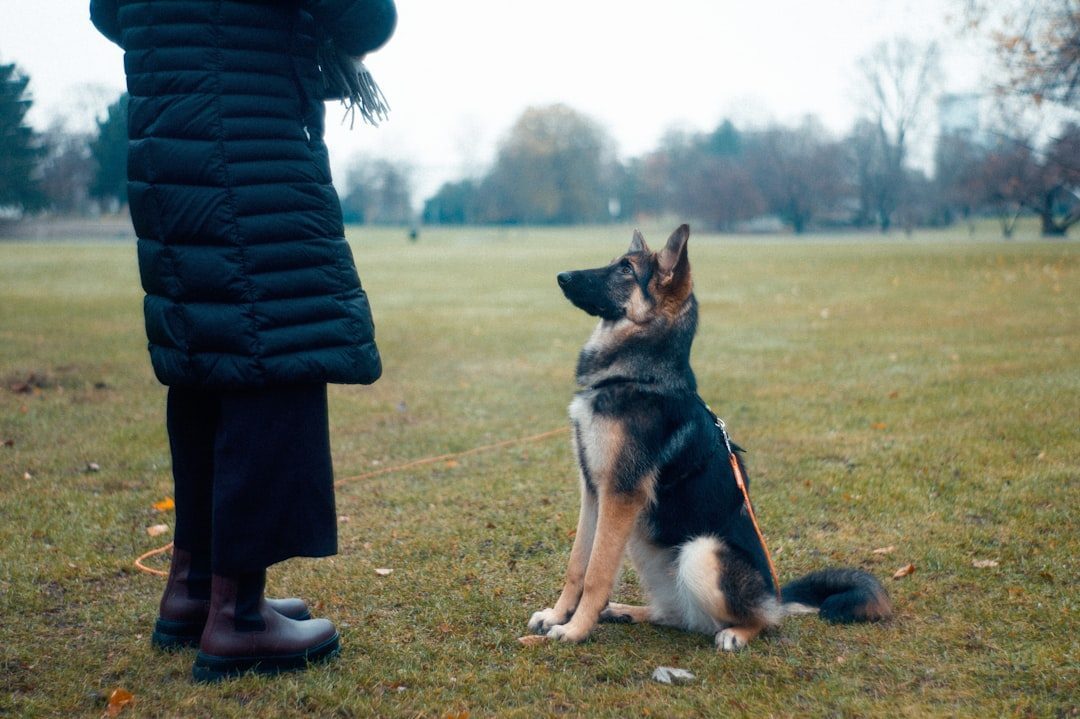
“Watch me,” “look,” or “look at me” can all work well as verbal cues to catch a dog’s attention. A “watch me” cue allows you to control your dog’s focus, which is essential during training sessions. This fundamental command serves as the gateway to all other training by establishing direct communication.
Hold a treat to your dog’s nose then slowly move your hand out to the side of your body so your arm is straight. Your dog can now either stare at the treat or look at your eyes. Eventually, your dog will look at you to see what’s up. As soon as your dog looks towards your face, mark the moment and give them the treat. Start with this simple exercise and gradually build duration before adding distractions.
Use High-Value Rewards Strategically
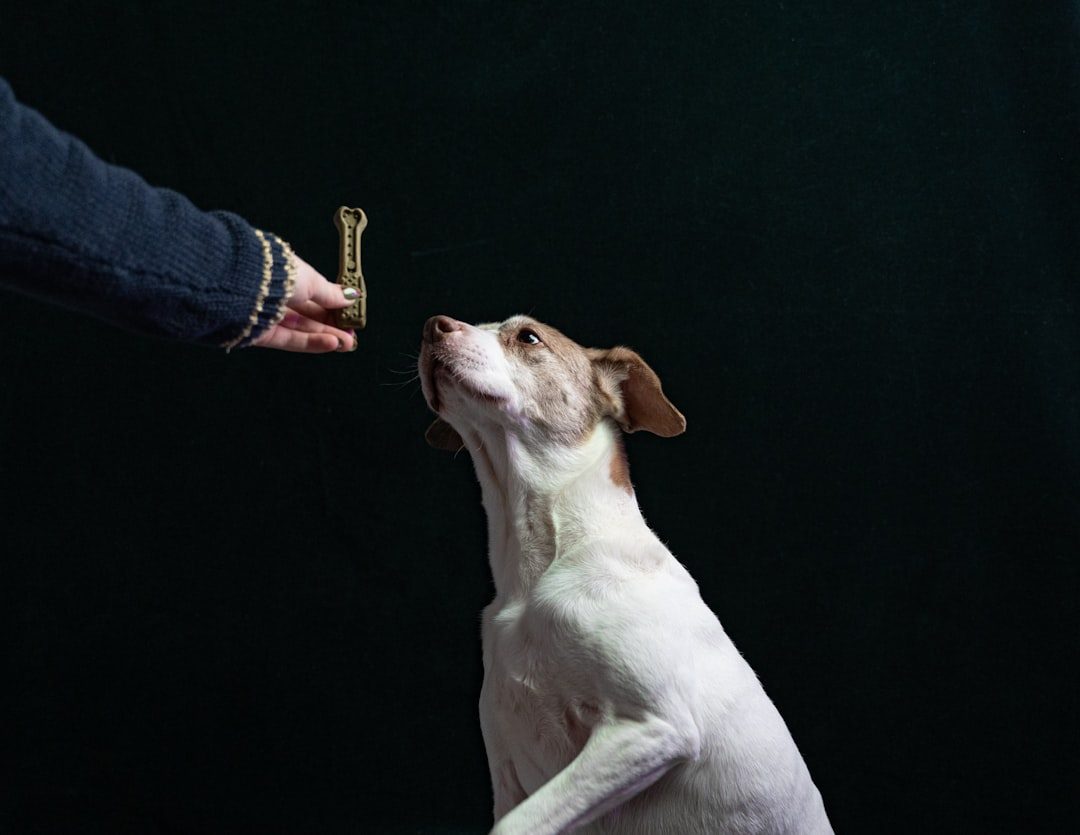
If you find a treat that gets your dog’s attention, it’s best to use it when working with them to build engagement. These treats can be used when working with your pet to get their attention, such as eye-contact games, or during training sessions to keep them engaged and attentive. Think of these as your secret weapon for competing with environmental distractions.
Carry high-value treats that your dog loves, but don’t just reward for behavior you already expect. Occasionally throw in a surprise reward when they’re doing something particularly good (like ignoring a distraction) to reinforce the idea that good things happen when they focus on you. The element of surprise keeps your dog guessing and maintains their interest in what you might offer next.
Implement Progressive Distraction Training
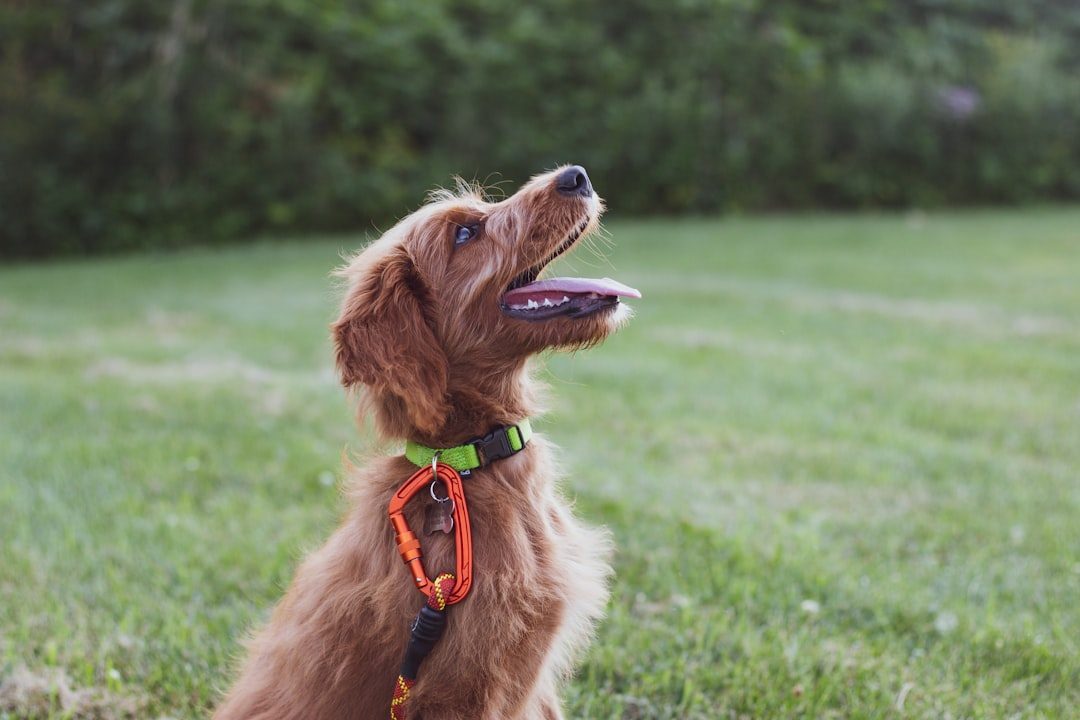
The trick to distraction training is to start with a small distraction and slowly build up to larger and more enticing ones. For example, if you have a ball-obsessed dog, don’t start by tossing the ball past your dog’s nose while teaching your dog to stay. Instead, start with the ball on the ground several feet away while asking for a stay. If your dog can handle that, gradually move the ball closer during the next training session.
The key point is to set your dog up for success. If it seems too easy, then you’re probably at the right level of distraction. This methodical approach builds your dog’s confidence while strengthening their ability to focus on you even when exciting things are happening around them.
Practice Short, Engaging Training Sessions
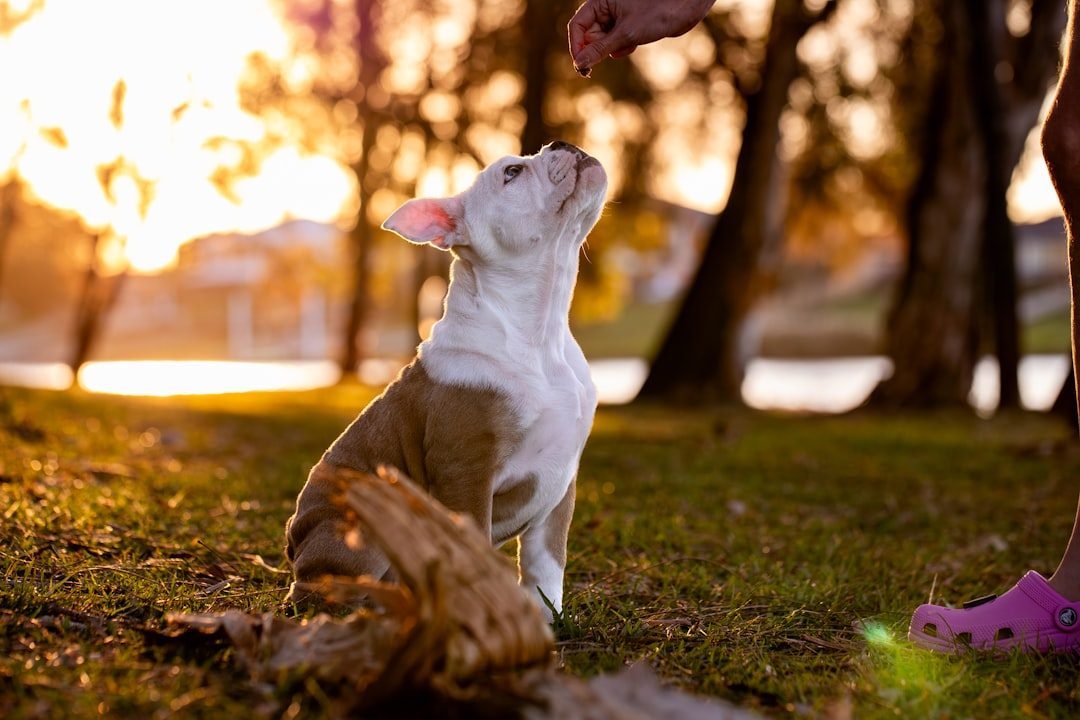
Make your lessons short, quick-moving and engaging. Almost every newby trainer makes their lessons far too long. With youngsters, I tend to have many lessons throughout the day, each taking between a few seconds and a minute, rather than one long lesson. I start with play, do up to half a dozen quick-moving repetitions of what I’m teaching, then end with play.
And remember, keep sessions short! Much like you and I, if your dog gets bored, her attention is likely to waver. Multiple short sessions throughout the day are far more effective than one exhausting marathon training period that leaves both you and your dog frustrated.
Reward Attention and Check-ins Consistently

When walking or sitting with your dog in normal everyday situations, notice when your dog looks back at you or up at you. When they do so, say “Yes,” and praise and reward them. Don’t wait for formal training sessions to acknowledge your dog’s good choices about where to focus their attention.
Don’t forget not to take eye contact for granted. Any time your dog is choosing to look at you instead of something else exciting, reward that with praise, a treat, or even a cuddle. Let your dog know you’re somebody worth attending to and their eyes will always be on you. This creates a positive feedback loop where your dog learns that checking in with you is always worthwhile.
Building a strong attention foundation with your dog isn’t about dominance or control. It’s about becoming the most interesting, rewarding, and trustworthy part of your dog’s world. When you understand why your dog ignores you and implement these proven strategies consistently, you’ll notice a remarkable transformation in your relationship.
The journey from a distracted, seemingly defiant dog to an engaged, attentive companion takes patience and practice. Remember that every small success builds toward bigger breakthroughs, and every moment of eye contact is a step toward deeper communication and understanding.
What’s your biggest challenge when trying to get your dog’s attention? Share your experiences in the comments below.


